



Login
Get Instant Pricing On 23,000+ Aircraft

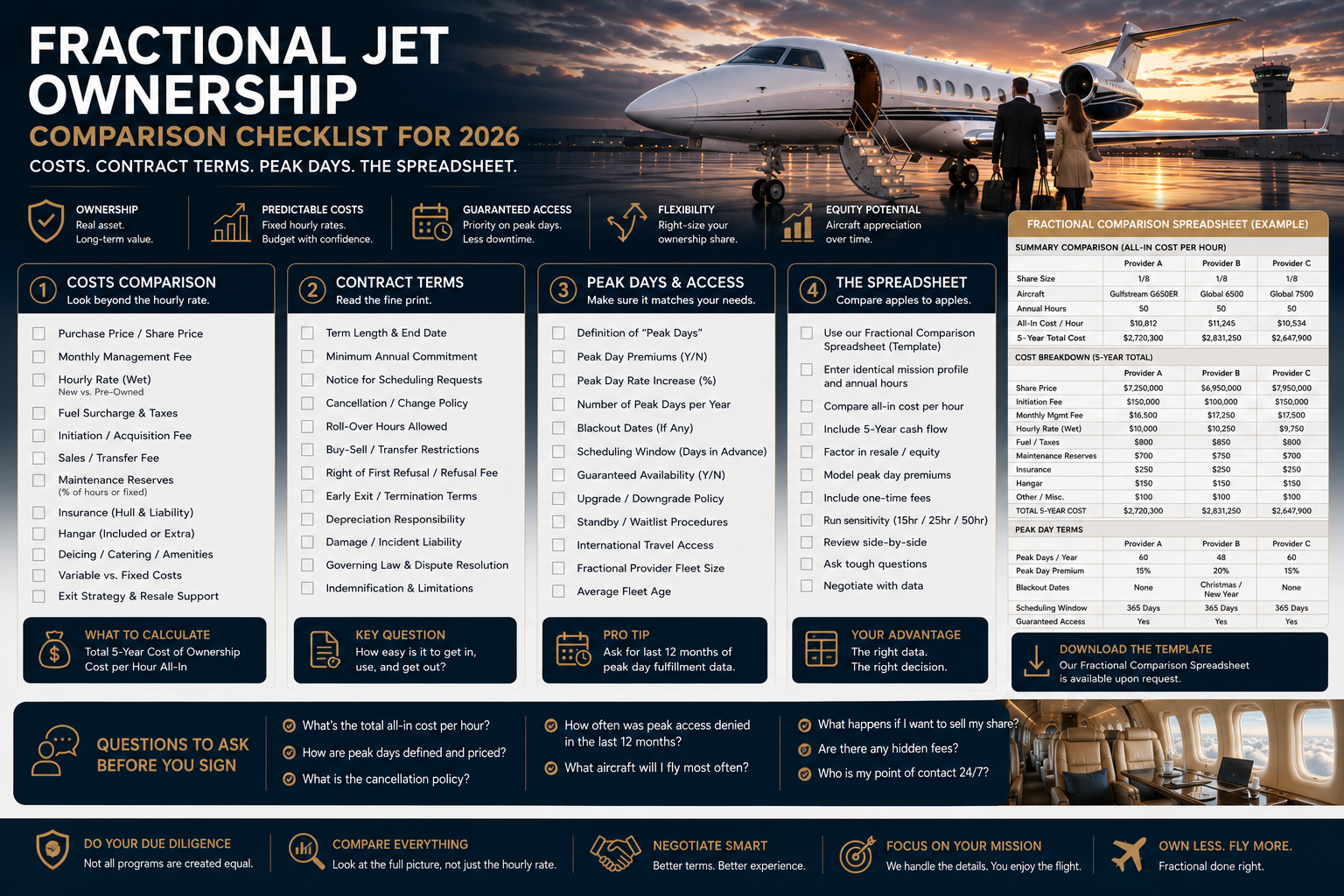
The 2026 Fractional Jet Ownership Comparison Checklist is essential for buyers to evaluate proposals effectively. It standardizes quotes into an effective cost per occupied hour, ensuring transparency in costs and contract terms. This comprehensive guide also addresses peak-day reliability, helping buyers make informed decisions in fractional jet ownership.
Jay Franco Serevilla
Jul 25, 2026
|
5
min read



View all
In 2026, private jet hourly rates range from $2,300 for turboprops to $23,000 for VIP airliners. This guide details the factors influencing these rates, including aircraft type, route complexity, and additional fees. Understanding these elements can help travelers budget effectively and find the best options for their needs.
Jay Franco Serevilla
Oct 11, 2026
|
5
min read

View all
Finding cheap Labor Day flights in 2026 requires early booking and flexibility with travel dates. Domestic fares are significantly higher than last year, making strategic planning essential. Consider private jet options for convenience and potential cost savings, especially for groups or last-minute trips.
Jay Franco Serevilla
Oct 11, 2026
|
5
min read

View all
Boeing has been a pivotal player in aviation for over a century, producing a wide range of aircraft from commercial airliners to luxury business jets. This guide details Boeing's current and legacy models, highlighting their roles in passenger transport, cargo services, and VIP travel. With a focus on efficiency and innovation, Boeing continues to shape the future of air travel.
Jay Franco Serevilla
Oct 11, 2026
|
5
min read

View all
Understanding the cheapest time to book a flight is essential for savvy travelers. Domestic flights are best booked 1 to 3 months in advance, while international flights should be booked 2 to 8 months ahead. Utilizing price alerts and remaining flexible with travel dates can lead to significant savings.
Jeff Ryan Serevilla
Oct 10, 2026
|
5
min read

View all
Private jet programs provide flexible access to aircraft without the need for full ownership. Options include on-demand charters, jet cards, and membership programs, each catering to different travel needs and budgets. Jettly stands out by offering instant pricing and booking across a vast network of private jets, making it an ideal choice for both business and leisure travelers.
Jeff Ryan Serevilla
Oct 10, 2026
|
5
min read

View all
Traveling from Pittsburgh to Key West offers various flight options, including limited nonstop services and connecting itineraries. Private charters provide a direct and flexible alternative, with prices and schedules varying by season. Understanding the best times to book and the differences between commercial and private flights can enhance your travel experience.
Jeff Ryan Serevilla
Oct 9, 2026
|
5
min read
Explore our latest articles and updates.
5
min read
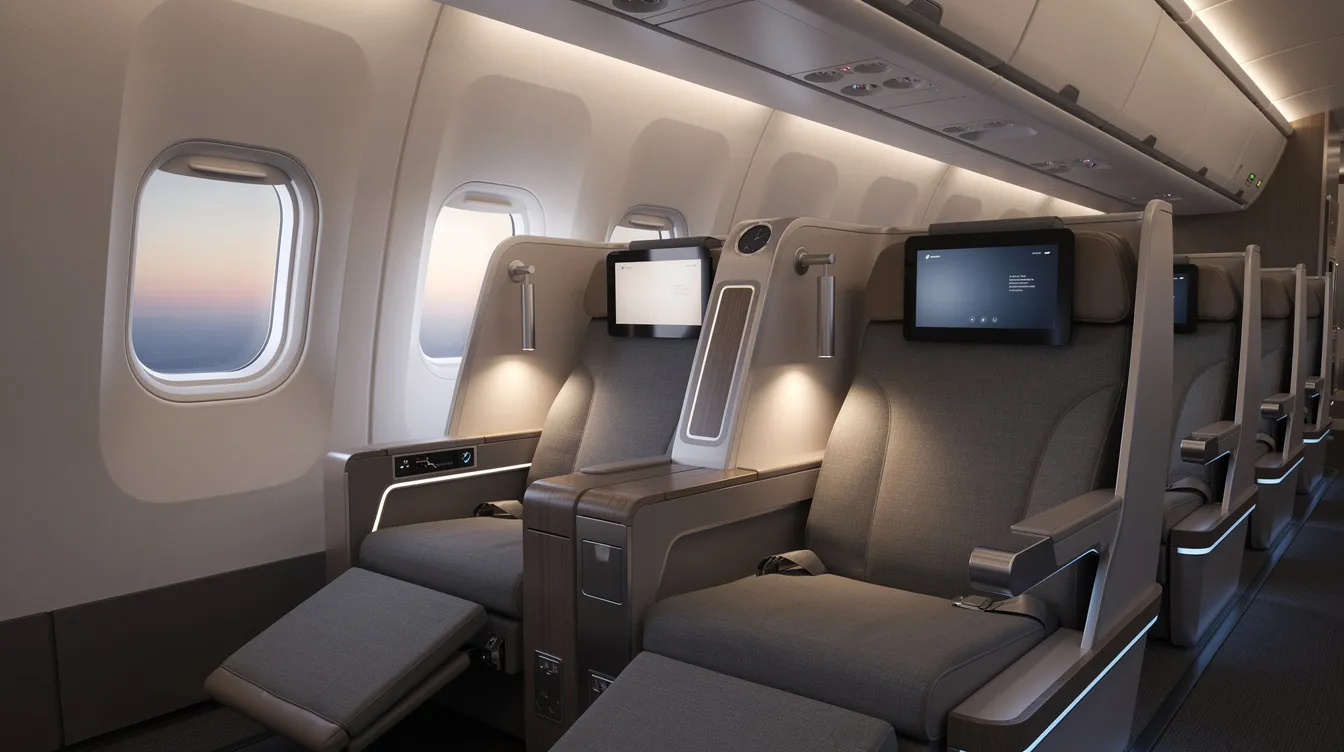
Business Class in Flight: Comfort, Cost, and Private Jet Alternatives with Jettly
Flying business class offers travelers enhanced comfort, priority services, and access to airport lounges, making long-haul flights more enjoyable. However, for those seeking ultimate privacy and flexibility, private jet charters through platforms like Jettly present a compelling alternative. This guide explores the benefits, costs, and comparisons between business class and private jet travel.
Read More
5
min read
Price of Helicopter Fuel: What It Really Costs to Fly
Understanding helicopter fuel prices is essential for charter flight customers, as fuel is the largest variable cost in helicopter operations. This article details current fuel prices, burn rates across various helicopter models, and regional price variations, helping customers make informed decisions. Jettly's transparent pricing model incorporates these factors, ensuring no surprises during booking.
Read MoreJoin our community and receive the latest blog updates directly in your inbox.
MEMBERSHIPS AND ASSOCIATIONS



Disclaimer: Jettly operates as a charter broker, offering access to a global digital jet charter marketplace. Jettly is not a direct air carrier and does not own or operate aircraft. All advertised flights are conducted by third-party air carriers that are fully licensed and hold the appropriate Part 135 or Part 121 certifications issued by the Federal Aviation Administration (FAA) or equivalent regulatory authorities under U.S. or foreign law. Jettly complies fully with the U.S. Department of Transportation's Part 295 and Part 298 Charter Broker regulations. Jettly does not carry additional liability insurance. Passengers are covered by aircraft operator insurance. TICO: 50023770


