


Login
Get Instant Pricing On 23,000+ Aircraft


The CH-47 Chinook is a highly capable heavy-lift helicopter, with a maximum external lift capacity of approximately 26,000 pounds at sea level, which decreases in higher altitudes and temperatures. Its tandem rotor design enhances stability and efficiency, making it suitable for various missions, including military operations, disaster relief, and construction. The Chinook's versatility is further supported by its spacious cabin, triple-hook cargo system, and advanced safety features, ensuring reliable performance even in challenging conditions. While primarily used in specialized operations, understanding its capabilities helps clients assess their needs against available civilian charter options.
Jay Franco Serevilla
Jul 7, 2026
|
5
min read



View all
This guide outlines the range capabilities of various private jets, emphasizing the importance of understanding these ranges for efficient travel planning. Private jet range is affected by factors such as payload, weather, and routing, with real-world ranges typically 5-20% lower than manufacturer claims. Different classes of jets offer varying ranges, from very light jets covering 1,000-1,500 nautical miles to heavy jets reaching 4,000-7,700+ nautical miles. Jettly's digital platform simplifies the selection process by matching travelers with suitable aircraft based on their specific route and passenger needs.
Jay Franco Serevilla
Apr 13, 2026
|
5
min read

View all
The operating cost of a private jet includes all ongoing expenses necessary to keep the aircraft flight-ready, separate from the initial purchase price, which can range from $2 million to over $90 million. Annual operating costs vary significantly by aircraft type, with very light jets costing around $500,000–$1 million and larger jets reaching $2–4 million+, heavily influenced by fuel expenses, which account for 25–35% of total costs. For travelers flying fewer than 200–300 hours annually, on-demand charter services like Jettly are often more cost-effective than ownership, as they eliminate fixed costs associated with crew, hangar fees, and insurance. Jettly provides access to over 20,000 aircraft worldwide, allowing users to pay only for the flights they take, simplifying budgeting and reducing the financial burden of private jet ownership.
Jay Franco Serevilla
Apr 13, 2026
|
5
min read

View all
Private plane rideshare, exemplified by platforms like Jettly, is revolutionizing private aviation by making it more accessible, flexible, and affordable for travelers. This model allows individuals to book shared seats on private jets, significantly reducing costs compared to traditional charters, with savings of 40-70% possible through options like empty-leg flights. The process is streamlined through digital platforms, enabling real-time booking and transparent pricing without long-term commitments. As private aviation continues to evolve, rideshare services are expected to enhance convenience and luxury for both business and leisure travelers.
Jay Franco Serevilla
Apr 11, 2026
|
5
min read
View all
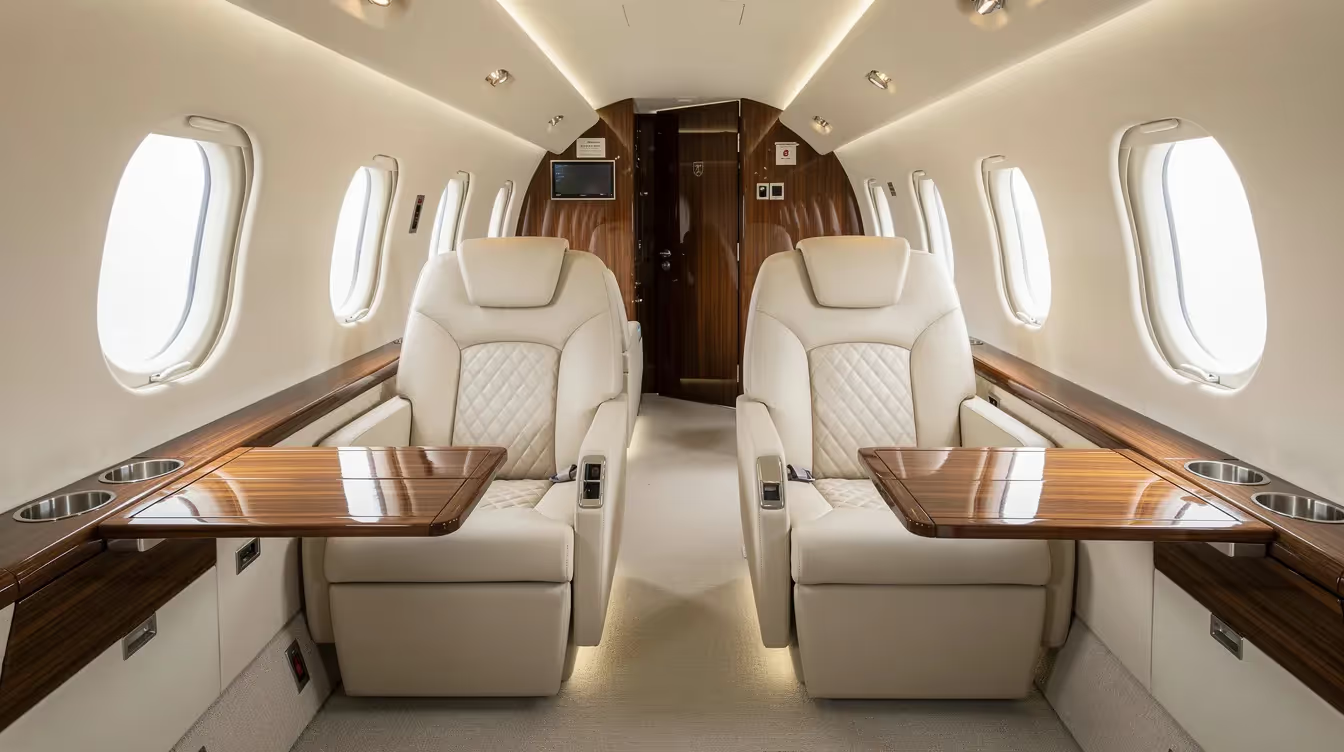
The ride-share private jet model allows individual travelers to purchase single seats on private aircraft, significantly reducing costs while maintaining the benefits of private aviation. Jettly, a digital marketplace, connects users to over 20,000 aircraft globally, offering shared flights, empty leg deals, and full charters, making private flying more accessible. This model is particularly advantageous for solo travelers or small groups on popular routes, providing convenience, efficiency, and luxury without the high price tag of chartering an entire jet. Overall, ride-share private jets offer a compelling alternative to both traditional charters and commercial flights, especially for those valuing time savings and personalized service.
Jay Franco Serevilla
Apr 11, 2026
|
5
min read

View all
Plane sharing in private aviation includes two main models: shared ownership of an aircraft among multiple owners and shared-seat flights where passengers buy individual seats on a private jet. While both models aim to reduce costs, they differ in flexibility, privacy, and long-term commitment, with shared ownership offering more exclusivity and shared-seat flights providing lower prices at the expense of privacy. Platforms like Jettly offer on-demand private jet charters, which can provide better value and flexibility without the complexities of ownership. Ultimately, travelers should evaluate their needs—such as group size, privacy, and schedule flexibility—when choosing between these options.
Jay Franco Serevilla
Apr 11, 2026
|
5
min read

View all
Aero Private Jet offers a semi-private aviation experience that combines the luxury of private jets with the affordability of commercial flights, allowing travelers to purchase individual seats on scheduled routes. This model provides access to private terminals, premium cabin features, and a more comfortable travel experience compared to commercial airlines. In contrast, Jettly specializes in on-demand charters, offering entire aircraft for custom routes and greater flexibility, particularly for groups or specific travel needs. Ultimately, the choice between Aero's semi-private flights and Jettly's charters depends on factors like group size, budget, and desired privacy.
Jay Franco Serevilla
Apr 11, 2026
|
5
min read
Explore our latest articles and updates.

5
min read
Fractional Jet Ownership Resale, Buyback & Exit Guide
This guide outlines the complexities of fractional jet ownership resale, focusing on resale value, buyback terms, and exit strategies for current and prospective owners. It highlights that fractional ownership is an illiquid asset with significant depreciation, typically retaining 60-70% of its value after three years and 45-60% after five years, influenced by contractual restrictions and provider control. Owners face challenges such as lockup periods, right of first refusal clauses, and ongoing costs until a sale is finalized, which can take several months to over a year. For those seeking flexibility without the burdens of ownership, transitioning to jet cards or charter services may be a viable alternative.
Read More
5
min read
Fractional Jet Ownership Tax Benefits: Depreciation, Section 179 & Deductibility
Fractional jet ownership can offer significant tax advantages for qualified business operators, primarily through bonus depreciation, Section 179 expensing, and deductions for business-use flight activity. However, these benefits come with complexities, including compliance requirements, limitations on business use, and potential tax consequences such as depreciation recapture upon resale. The tax treatment varies based on ownership structure and individual circumstances, making it essential for buyers to consult with tax professionals to navigate these intricacies. For those prioritizing flexibility and reduced administrative burdens, jet card programs and charter services may provide simpler alternatives without the tax benefits associated with ownership.
Read MoreJoin our community and receive the latest blog updates directly in your inbox.
MEMBERSHIPS AND ASSOCIATIONS



Disclaimer: Jettly operates as a charter broker, offering access to a global digital jet charter marketplace. Jettly is not a direct air carrier and does not own or operate aircraft. All advertised flights are conducted by third-party air carriers that are fully licensed and hold the appropriate Part 135 or Part 121 certifications issued by the Federal Aviation Administration (FAA) or equivalent regulatory authorities under U.S. or foreign law. Jettly complies fully with the U.S. Department of Transportation's Part 295 and Part 298 Charter Broker regulations. Jettly does not carry additional liability insurance. Passengers are covered by aircraft operator insurance. TICO: 50023770


