


Login
Get Instant Pricing On 23,000+ Aircraft

>
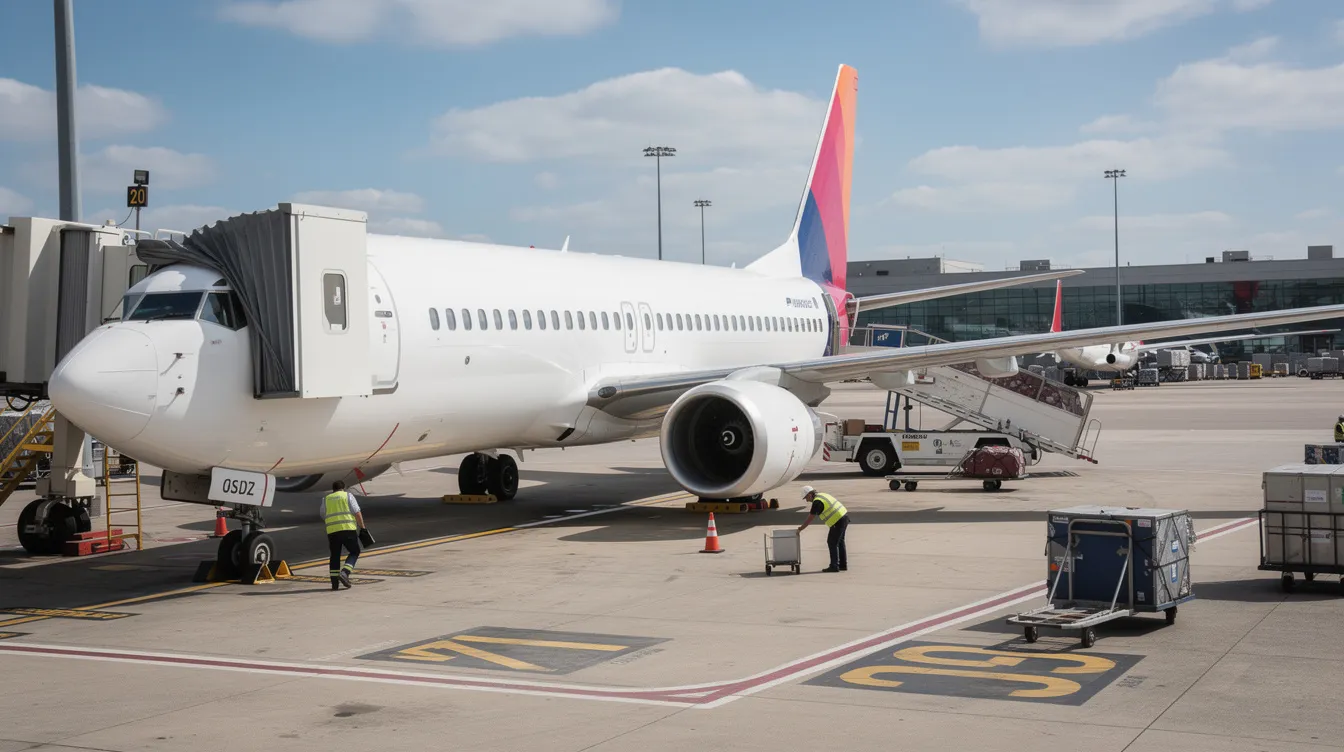
If you've ever glanced at a booking confirmation and noticed "738" listed under equipment type, you were looking at one of the most successful narrow-body commercial aircraft ever built. A narrow-body commercial aircraft is a single-aisle jet designed for short- to medium-haul routes. The Boeing 737-800 dominates short- and medium-haul routes worldwide, and understanding what that three-digit code means can help you make smarter decisions about seat selection, comfort expectations, and whether a commercial cabin or private charter better fits your next trip.
This guide is for travelers, aviation enthusiasts, and anyone comparing commercial flights with private charter options. Understanding the Boeing 737-800's layout and features can help you make informed decisions about comfort, seat selection, and travel options.
"738" is the standard airline code for the Boeing 737-800, a next generation (NG) narrow-body jet—not to be confused with the newer 737 MAX models.
American Airlines configures its 737-800 fleet with 172 seats across two classes, and knowing the seat map helps you avoid problem seats near lavatories and galleys.
The Boeing 737-800 offers a maximum range of 2,935 nautical miles, a wingspan of 124 feet 10 inches (35.8 meters), and CFM56-7B engines that improved fuel efficiency over older 737 variants.
Compared to a commercial 737-800 cabin, private jet charter through Jettly delivers greater privacy, flexible scheduling, and access to thousands of airports worldwide.
For group travel or time-sensitive missions, chartering through Jettly can rival or undercut the per-person cost of premium commercial fares once indirect costs are factored in.
When you see "738" (or occasionally "73H") on an itinerary, mobile app, or boarding pass, it tells you the flight operates on a Boeing 737-800. This IATA equipment code appears in reservation systems to distinguish the 737-800 from other family members like the 737-700 or the newer 737 MAX variants.
The Boeing 737-800 is part of the Next Generation series of aircraft manufactured by Boeing, which also includes the -600, -700, and -900. Next Generation (NG) refers to the Boeing 737-600/-700/-800/-900 series, which are updated versions of the original 737. It should not be confused with the older 737 Classic series (-300/-400/-500) or the 737 MAX generation that followed. Major carriers worldwide—including American Airlines, Ryanair, Qantas, and United Airlines—rely on the 738 extensively for short- and medium-haul routes.
The Boeing 737-800 entered commercial service in the late 1990s and quickly became the workhorse of the 737 Next Generation lineup. It replaced older 737-400 variants at many airlines and proved its value on high-frequency domestic and regional networks; its popularity and performance are reflected in dedicated resources covering Boeing 737-800 specs, range, and charter rates.
Here are the numbers that define the plane:
|
Specification |
Value |
|---|---|
|
Typical seating |
162 to 189 passengers |
|
Maximum range |
2,935 nautical miles |
|
Cruising speed |
Approximately 530 mph |
|
Wingspan |
124 feet 10 inches (35.8 meters) |
|
Engines |
CFM56-7B (×2) |
|
Maximum takeoff weight |
~174,200 lbs |
Over 5,000 Boeing 737-800 aircraft were delivered during its production run, making it the best-selling variant of the Boeing 737 Next Generation family. The Boeing 737 family itself is the most-produced commercial aircraft family in aviation history, popular among low-cost carriers and full-service airlines alike.
The Boeing 737-800 helped airlines reduce operating costs through fuel efficiency, partly thanks to the introduction of advanced winglets that lowered aerodynamic drag by roughly 4–5%. Continuous modernization of the 737 series has helped maintain its operational commonality, allowing pilots and maintenance crews to transition easily between variants. The 737-800 also serves as a foundation for various adaptations in military and cargo roles, with many retired aircraft being converted into freighters.
The aircraft has a strong operational safety record after millions of flights, underscoring its reliability and widespread use. United Airlines offers tiered cabins on its 737-800, including United First® and Economy Plus®, enhancing passenger comfort and service options.
While Jettly does not operate aircraft directly, some operators in its global marketplace include Boeing 737 variants in VIP or group-charter configurations.
American Airlines is one of the largest Boeing 737-800 operators in North America, deploying the type heavily on domestic trunk routes and flights into the Caribbean and Latin America. The airline's "Project Oasis" retrofit program standardized interiors across its 738 fleet, matching features found on its MAX 8 cabins.
The American Airlines Boeing 737-800 seat map breaks down into three main classes:
First Class: 16 exclusive seats in a 2-2 layout with 37-inch pitch and roughly 20–21 inches of width
Premium Economy (Main Cabin Extra): ergonomic seating for 30 passengers at 33–34-inch pitch
Economy Class (Main Cabin): accommodates 126 passengers with spacious seating at a standard 30-inch pitch and approximately 17-inch width
Total capacity: 172 seats. The cabin features Wi-Fi via Viasat satellite, USB-A ports, and 110V AC power at every seat, along with larger overhead bins. Seatback entertainment screens have been removed—passengers use personal device entertainment through the American Airlines app instead. The Boeing 737-800 offers a wide range of entertainment options streamed to phones and tablets.
Seat dimensions vary by airline, but the 737-800 generally offers consistent cabin width across major carriers due to its standard fuselage diameter. Here is what to expect across different configurations:
|
Cabin Class |
Typical Width |
Typical Pitch |
Layout |
|---|---|---|---|
|
First / Business |
20–21 in |
36–38 in |
2-2 |
|
Extra Legroom Economy |
17–17.5 in |
33–39 in |
3-3 |
|
Standard Economy |
17–17.5 in |
29–31 in |
3-3 |
Airlines like American Airlines adjust pitch and recline between Main Cabin Extra and standard Economy to create distinct price tiers. United Airlines offers United First® and Economy Plus® on its 737-800, using a similar tiered approach.
Key comfort factors beyond raw dimensions include overhead bin capacity (improved on Oasis-retrofitted aircraft), noise levels near engines and galleys, and the motion difference between sitting over the wing versus in the rear of the cabin. Forward rows tend to be quieter, while exit rows offer extra legroom but may lack under-seat storage.
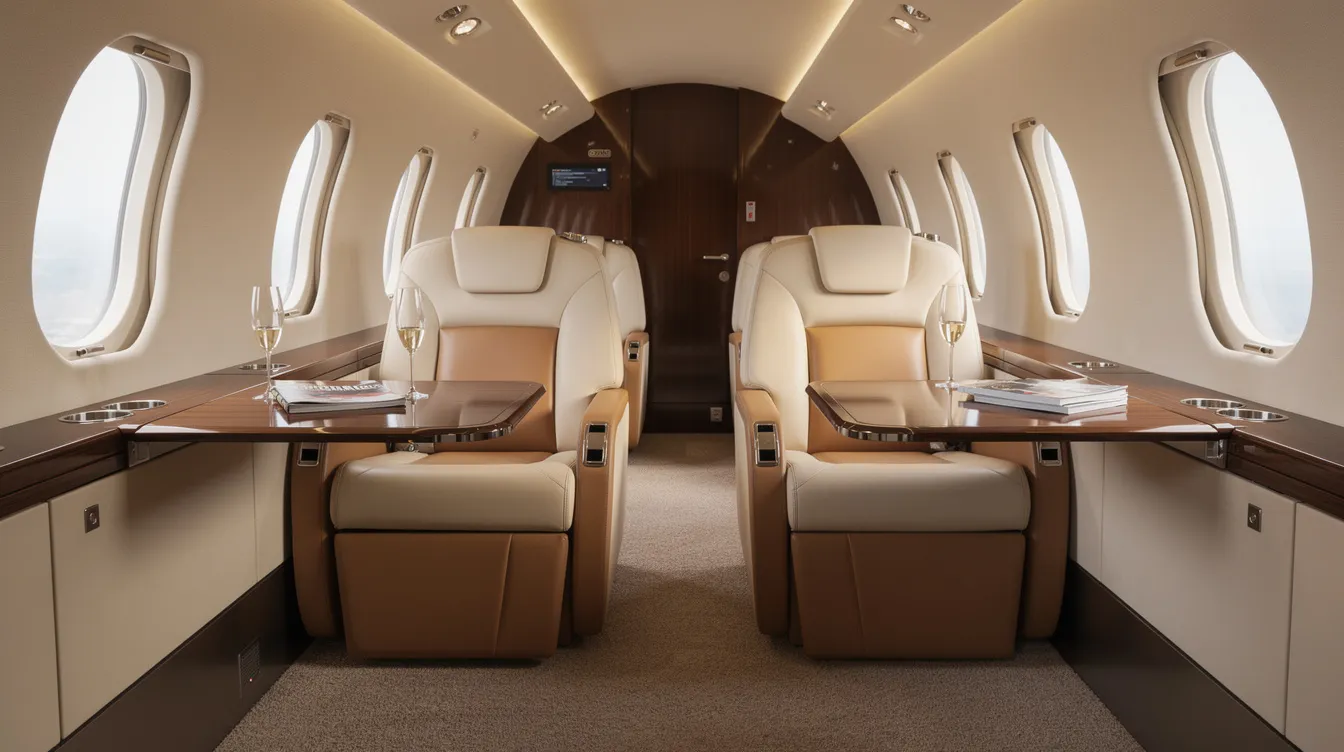
For travelers accustomed to these trade-offs, private jet cabins available through Jettly offer a stark contrast: club seating arranged face-to-face, generous legroom, and customizable layouts that eliminate the compromises of a dense 3-3 economy configuration. If you’re exploring options beyond scheduled airlines, a broader guide to affordable aircraft rental options can help you understand how pricing works across different types of private flights. You can compare charter costs against commercial premium fares to see where the crossover makes sense.
The 737 Next Generation family spans the -600, -700, -800, and -900, with the -800 standing as the most commercially successful variant. Its technical specifications reflect a generation of improvements over earlier 737 Classic models.
Engines: The CFM56-7B engines deliver better fuel burn per seat, lower emissions, and improved reliability compared with their predecessors. These powerplants are a major reason the Boeing 737-800 became the backbone of so many fleets globally.
Winglets: The introduction of advanced winglets on the 737-800 lowered aerodynamic drag by roughly 4–5%, extending range and reducing fuel consumption. Many operators have retrofitted blended winglets or split scimitar winglets to further improve efficiency.
Structure and avionics: The NG series introduced updated flight decks with glass cockpit displays, redesigned wings with greater area, and systems supporting higher maximum takeoff weight and better climb performance. These enhancements were designed to keep the 737 competitive while preserving the training commonality that airlines value.
737 MAX comparison: Although both the 737-800 and the 737 MAX 8 are narrow-body aircraft in similar size classes, they belong to different design generations. The MAX uses LEAP-1B engines, updated wing design, and distinct flight control systems. In booking systems, the MAX typically appears as "7M8" rather than "738." The Boeing 737-800 has a strong operational safety record after millions of flights across its decades of service.
The 737-800 is optimized for short- to medium-haul routes, which is why you'll see it everywhere from Dallas–Fort Worth to Charlotte, Phoenix to Cancún, and across high-frequency domestic corridors. American Airlines uses it on the majority of its narrowbody network.
Globally, airlines like Ryanair and TUI operate the 738 on dense point-to-point routes in Europe and Asia–Pacific, often in all-economy layouts seating up to 189 passengers. The plane handles quick turnarounds well, with two exit doors on both sides and widespread ground support infrastructure at compatible airports.
Private charter flights on the Jettly platform work differently. Instead of fixed scheduled routes, aircraft are chosen based on group size and mission profile, drawing from a wide selection of private charter aircraft across categories and sizes. That flexibility means departure times, airports, and cabin configurations are tailored to the traveler rather than a timetable.
Understanding a seat map can meaningfully improve your experience on a Boeing 737, especially on sectors lasting three hours or more. Here is what to look for when the details are listed on your booking:
Front premium cabin (rows 1–4): Quietest section, fastest deplaning, most privacy in commercial class
Main Cabin Extra (rows 8–9): Bulkhead legroom but no under-seat storage; proximity to galley can mean noise
Exit rows (rows 16–17): Up to 39 inches of pitch, but non-reclining armrests and occasional drafts
Rear cabin (rows 28–33): Closest to lavatories and galleys, limited recline on last rows, noisier
Airlines may run multiple 737-800 interior versions within a single fleet, so always verify the specific seat map shown during booking rather than relying on a generic diagram. The version marked "Oasis 738K" on American Airlines, for instance, differs from legacy layouts.
For travelers who consistently need maximum privacy or workspace—or who can't afford to compromise on seat location—private jet charter via Jettly removes those trade-offs entirely.
Flying as one of 160–180 passengers on a scheduled 738 is a fundamentally different experience from chartering a private aircraft tailored to a small group.
Time savings: Private flights allow arrival at the FBO just 15–30 minutes before departure, compared with the 90–120 minutes typically recommended for commercial flights. When no direct commercial route exists, studies show private alternatives often cut total travel time in half.
Onboard experience: A commercial Boeing 737 cabin offers standardized service, fixed layouts, and shared space. A chartered aircraft provides configurable seating, bespoke catering, and a cabin occupied only by your group.
Airport access: Commercial 737-800 operations are limited to major airports. Private charter opens access to over 5,000 airports globally, often placing travelers closer to their final destination and cutting ground transport time significantly.
For corporate roadshows, sports teams, or incentive travel groups that would otherwise book large blocks of seats on a 737-800, Jettly can help arrange dedicated charter flights, including VIP-configured options on private Boeing 737-800 charters, with private control over schedule and service.
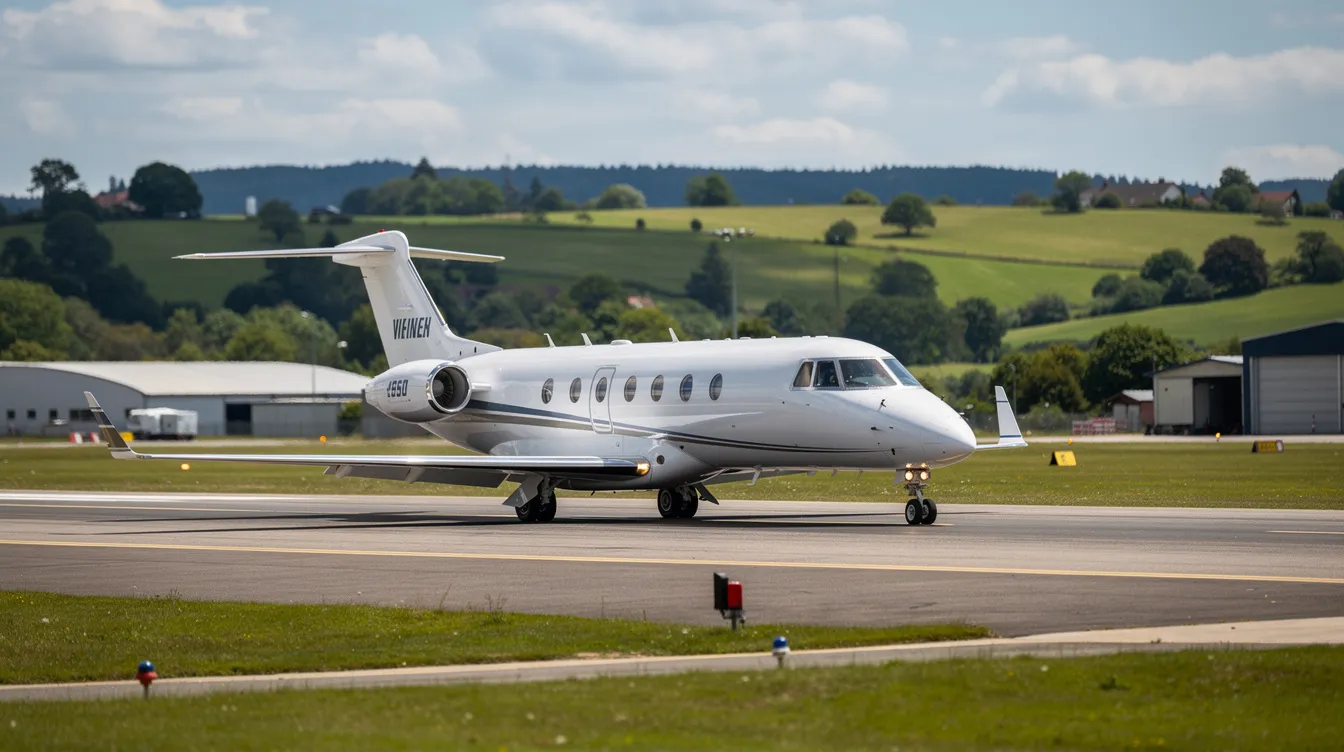
Jettly operates as a global digital private aviation platform that complements scheduled services on aircraft like the Boeing 737-800. Travelers who regularly fly commercial for business might turn to Jettly when they need same-day returns, multi-city itineraries, or last-minute schedule changes, and some lock in predictable pricing through structured jet card programs.
The process is straightforward: search for aircraft worldwide on Jettly's platform, receive instant pricing, and book on-demand flights or tap into private jet membership programs without committing to traditional jet cards or fractional ownership. The variety of aircraft types available ranges from light turboprops to long-range jets and VIP airliners—making it easy to match the plane to the exact number of passengers rather than filling a 172-seat cabin, and for longer-term access some travelers explore private jet lease cost structures instead of ad-hoc bookings.
Both commercial 737-800 operations and private jet charters are subject to strict regulatory oversight. Airlines operating the Boeing 737-800 follow FAA, EASA, or equivalent national authority rules covering maintenance schedules and pilot certification specific to the 737 NG series.
Jettly works with licensed operators that hold appropriate air operator certificates and meet regulatory requirements for charter flights. When deciding between a commercial 738 flight and private charter, it helps to understand how jet rentals compare with first-class tickets for corporate travel; weigh these factors:
Group size: Solo travel favors commercial; groups of 5+ shift the economics toward charter, especially once you understand the broader costs of flying or owning a private jet
Schedule rigidity: Tight connections or multi-stop days favor private, and tools like Jettly’s jet card flight cost estimator can clarify what that additional flexibility might cost on your typical routes
Privacy needs: Confidential conversations or executive work sessions demand a private cabin; many of the top private jet charter companies structure their services specifically around these high-privacy use cases
Airport proximity: Smaller airports closer to your destination reduce ground time, and understanding the landscape of charter airlines and private flight providers can help you identify operators serving those airports
No. The "738" code refers to the Boeing 737-800 from the Next Generation family, while the 737 MAX 8 is a newer generation with LEAP-1B engines and different flight control systems. In booking systems, the MAX 8 typically appears as "7M8." While seat maps and cabin layouts may look broadly similar to passengers, the underlying aircraft type, performance characteristics, and technical features are distinct.
Check the "aircraft type" or "equipment" field on your booking confirmation, the airline app, or your online itinerary. Codes like "738" or "73H" indicate a Boeing 737-800. If the listing mentions "Oasis 738K," that signals American's Project Oasis retrofit with updated interiors. Verify closer to departure, as airlines sometimes swap aircraft, which can slightly change seat maps and onboard features.
Buying a single seat on a private jet is different from picking a seat in a commercial 737-800 cabin, but the same principle applies: configuration matters as much as the aircraft type itself.
Not at all. While the underlying fuselage is identical, each airline configures its Boeing 737-800 differently. Seat pitch, width, entertainment systems, and the mix of premium and economy seating all vary. Always check the specific seat map for your airline and route rather than assuming a standard layout applies to every 738.
If you don’t need an entire aircraft, there are also flexible ways to secure a seat on a private jet that may complement or replace some of your 737-800 trips.
Jettly primarily connects travelers with smaller private jets and turboprops, but some operators in the marketplace offer larger airliners—including Boeing 737 variants—for group charter or shared arrangements through crowdsourced private jet flights and seat sharing. Users with large groups or corporate events can submit trip details through the platform to explore whether a 737-size charter or an alternative large-cabin aircraft fits best.
Private charter typically delivers stronger value on multi-city business trips in a single day, routes to remote destinations underserved by 737-800 schedules, tight itineraries where missed commercial connections carry high cost, or situations requiring confidentiality, especially on longer legs where widebody options like the Boeing 777-200LR for charter can connect distant city pairs nonstop. For solo travelers on simple point-to-point routes, a commercial flight will usually be more cost-effective. Groups or time-sensitive corporate trips, however, can benefit significantly from private aviation—particularly when using a NetJets alternative like Jettly that focuses on flexible, on-demand access—explore pricing options to see how the numbers compare for your specific mission.
The 738 Boeing 737-800 remains a cornerstone of commercial aviation, known for its efficiency, versatility, and widespread use on short- and medium-haul routes. While commercial flights on the 737-800 offer reliable service and standardized comfort, private jet charter through platforms like Jettly provides unmatched flexibility, privacy, and tailored travel experiences. Whether traveling solo or with a group, understanding the differences between scheduled 737-800 flights and private charters can help travelers make informed decisions that save time and enhance comfort. For those seeking convenience and personalized service beyond commercial schedules, exploring private charter options is a valuable alternative.
Ready to travel privately on your own schedule? Discover available flights or get a personalized quote at https://www.jettly.com.
Share this post:
Jay Franco Serevilla
Aug 9, 2026
|
5
min read
Discover tips and trends in the industry.

5
min read
Wheels Up Private Jet Center FBO at Cincinnati / Northern Kentucky (CVG)
The Wheels Up private jet center FBO at Cincinnati/Northern Kentucky International Airport has transitioned to PremierFBO, operated by Premier Private Jets since April 2025. This guide details the changes, current services, and booking processes for private aviation travelers using this key facility.
Read More
5
min read
How Long Is a Helicopter Ride? (From 10-Minute Tours to 2-Hour Charters)
Helicopter rides typically last between 10 minutes and 2 hours, depending on the purpose and distance. Sightseeing flights usually range from 10 to 45 minutes, while point-to-point transfers can take longer. Understanding these timeframes helps travelers plan their itineraries effectively.
Read MoreStay updated with our latest insights and tips to elevate your journey with us.
MEMBERSHIPS AND ASSOCIATIONS



Disclaimer: Jettly operates as a charter broker, offering access to a global digital jet charter marketplace. Jettly is not a direct air carrier and does not own or operate aircraft. All advertised flights are conducted by third-party air carriers that are fully licensed and hold the appropriate Part 135 or Part 121 certifications issued by the Federal Aviation Administration (FAA) or equivalent regulatory authorities under U.S. or foreign law. Jettly complies fully with the U.S. Department of Transportation's Part 295 and Part 298 Charter Broker regulations. Jettly does not carry additional liability insurance. Passengers are covered by aircraft operator insurance. TICO: 50023770


