


Login
Get Instant Pricing On 23,000+ Aircraft


The Pup Plane guide focuses on the Preceptor N3 Pup family, which includes the N3 Pup, Super Pup, and Ultra Pup, catering to modern pilots and aviation enthusiasts interested in homebuilt aircraft. These lightweight, high-wing planes, developed in the late 1970s and 1980s, are known for their affordability and ease of construction, with the N3 Pup qualifying as an ultralight under FAR Part 103 regulations. While these aircraft are ideal for recreational flying, they are not suitable for commercial charter services, which are better served by platforms like Jettly that offer access to a wide range of professionally operated private jets. Understanding the differences between Pup planes and charter options helps pilots and travelers make informed decisions based on their flying needs.
Jay Franco Serevilla
May 6, 2026
|
5
min read



View all
AVCARD is a versatile aviation fuel card from World Fuel, enabling operators to manage fuel purchases and operational expenses seamlessly at over 8,600 locations worldwide. It simplifies billing with detailed invoicing and supports various fuel types, making it essential for flight departments and charter operators. With no annual fee and integration with contract fuel programs, AVCARD enhances cost control and efficiency in aviation fuel procurement.
Jeff Ryan Serevilla
Oct 8, 2026
|
5
min read

View all
Understanding how much weight a plane can hold is crucial for safe flight operations. Each aircraft has a certified maximum takeoff weight (MTOW) that dictates its capacity for passengers, baggage, and fuel. This knowledge helps travelers and pilots make informed decisions about flight planning and safety.
Jeff Ryan Serevilla
Oct 8, 2026
|
5
min read
View all
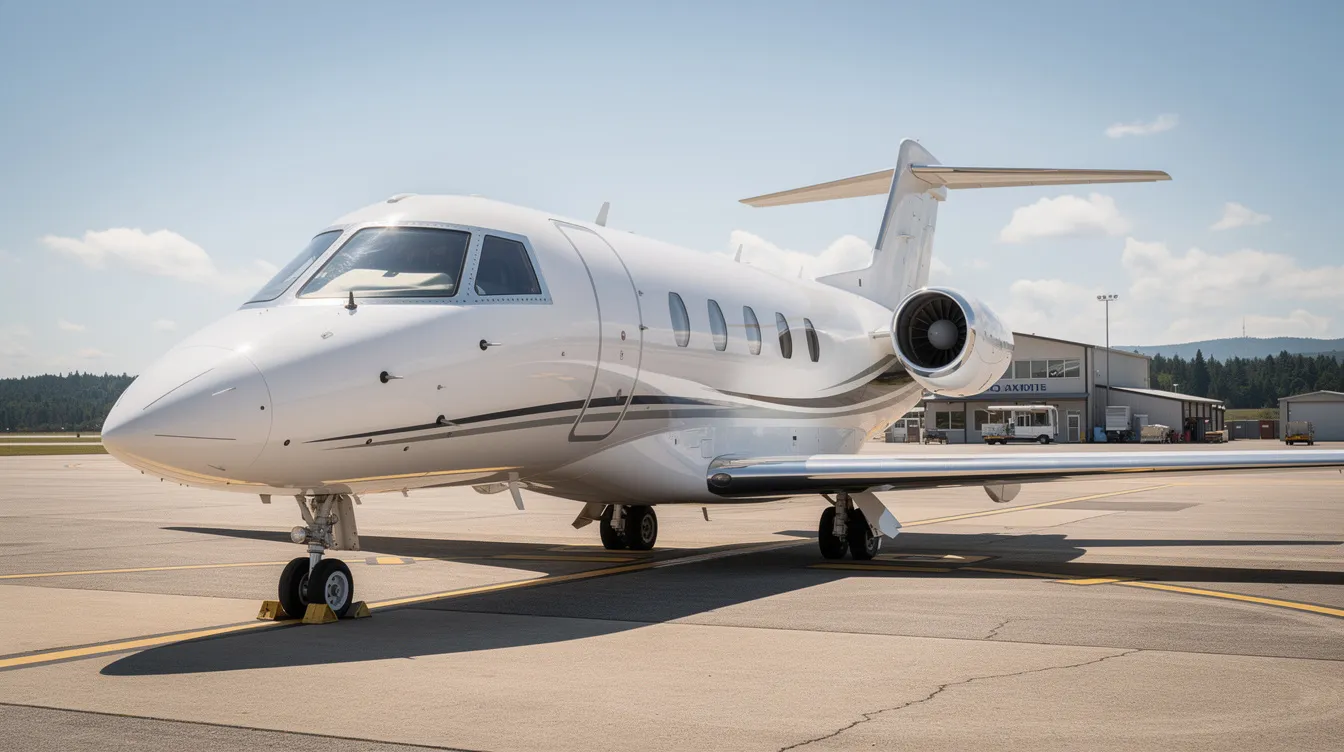
Empty leg flights are discounted private jet journeys that occur when a jet is repositioning without passengers. These flights offer travelers the luxury of private aviation at a fraction of the cost, typically 50% to 80% cheaper than standard charters. This guide explains how to find and book these flights, making private travel more accessible for those with flexible schedules.
Jeff Ryan Serevilla
Oct 8, 2026
|
5
min read

View all
Air ambulance transport can be a lifesaver during medical emergencies, but the costs can be staggering, ranging from $12,000 to over $200,000. This guide explores the factors influencing these prices, including distance, aircraft type, and medical care level, while offering tips on managing and reducing costs effectively.
Jeff Ryan Serevilla
Oct 8, 2026
|
5
min read

View all
The private jet market has seen a significant surge in demand, remaining 35% above pre-pandemic levels through mid-2026. This trend is driven by a broader demographic of first-time flyers, increased flexibility, and the rise of digital booking platforms. As the industry evolves, travelers can expect tighter availability and a focus on sustainability through 2030.
Jeff Ryan Serevilla
Oct 8, 2026
|
5
min read

View all
Private flight club memberships offer a range of costs influenced by initiation fees, monthly dues, and hourly rates. Understanding these components helps travelers make informed decisions between membership and on-demand charter options. With costs varying significantly based on aircraft type and usage, it's essential to evaluate personal travel needs and frequency before committing.
Jeff Ryan Serevilla
Oct 8, 2026
|
5
min read
Explore our latest articles and updates.

5
min read
International Private Jet Charter Worldwide
International private jet charter allows travelers to fly directly between countries on their own schedule, utilizing smaller airports often overlooked by commercial airlines. This service is particularly beneficial for executives and families, offering flexibility, time savings, and a personalized travel experience, with access to over 20,000 aircraft globally through platforms like Jettly. Costs vary based on aircraft type and distance, with typical one-way prices ranging from $8,000 to $140,000, and travelers can also benefit from discounted "empty leg" flights. Jettly simplifies the booking process by providing instant pricing and coordinating necessary regulatory requirements, making private jet travel more accessible and efficient.
Read More
5
min read
Private Jet vs Commercial Time Comparison
When comparing private jet travel to commercial flights, the primary advantage lies in time savings, particularly in door-to-door travel time. Private jets can save travelers 90–180 minutes on many business routes due to expedited check-in, direct access to smaller airports, and flexible routing, while commercial flights often involve longer security lines and layovers. Although commercial airlines may be competitive on ultra-long-haul routes, private jets consistently offer a more efficient experience for short to medium-haul trips. Jettly's platform enables travelers to easily compare these options, emphasizing the importance of time management for frequent flyers.
Read MoreJoin our community and receive the latest blog updates directly in your inbox.
MEMBERSHIPS AND ASSOCIATIONS



Disclaimer: Jettly operates as a charter broker, offering access to a global digital jet charter marketplace. Jettly is not a direct air carrier and does not own or operate aircraft. All advertised flights are conducted by third-party air carriers that are fully licensed and hold the appropriate Part 135 or Part 121 certifications issued by the Federal Aviation Administration (FAA) or equivalent regulatory authorities under U.S. or foreign law. Jettly complies fully with the U.S. Department of Transportation's Part 295 and Part 298 Charter Broker regulations. Jettly does not carry additional liability insurance. Passengers are covered by aircraft operator insurance. TICO: 50023770


