



Login
Get Instant Pricing On 23,000+ Aircraft

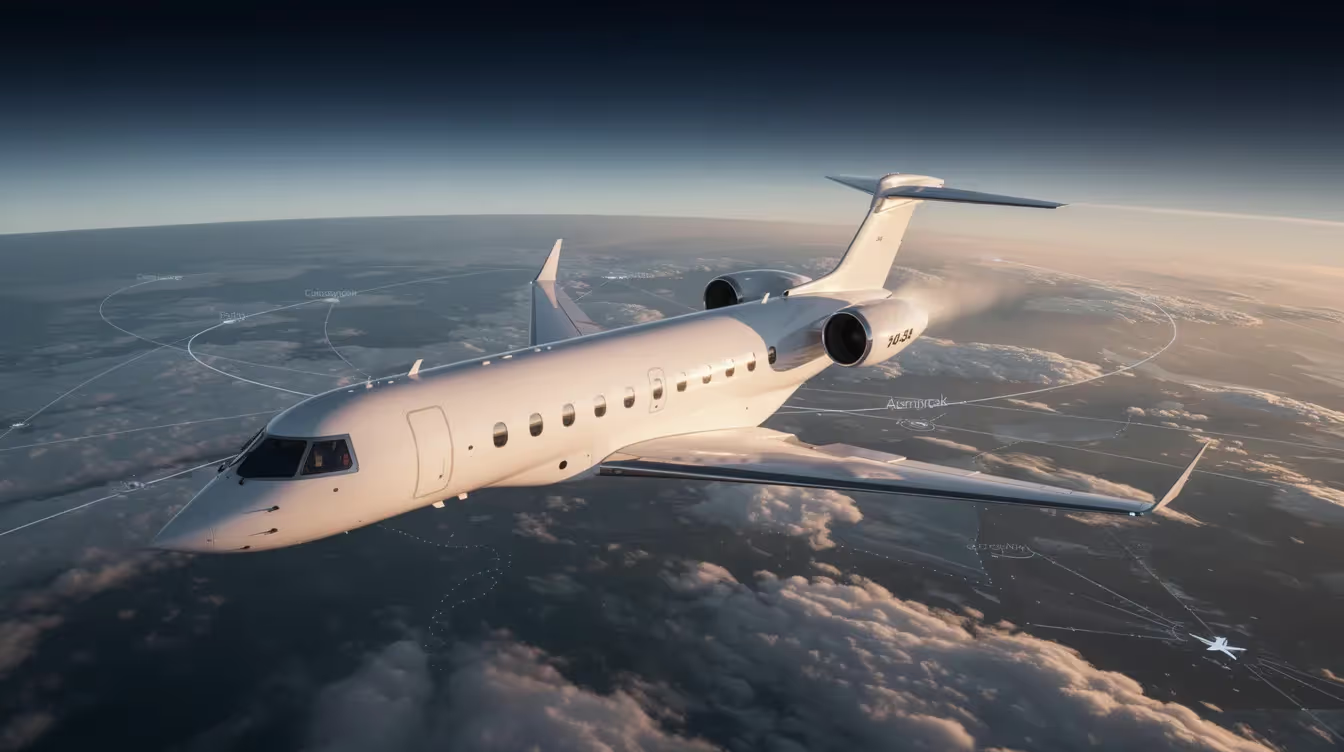
Transcontinental private jet travel offers unparalleled speed, convenience, and comfort, allowing passengers to fly nonstop across vast distances without the hassles of commercial air travel. Jettly's platform simplifies the booking process, providing access to a global fleet of long-range jets, including popular models like the Bombardier Global and Gulfstream G650ER, ideal for routes such as New York–London and Los Angeles–Tokyo. Charter costs typically range from tens of thousands to over $150,000 one-way, depending on aircraft type and route, while Jettly helps users compare options and find the best pricing. Overall, private jet travel enhances flexibility, privacy, and the ability to work or relax en route, making it a valuable choice for business executives and leisure travelers alike.
Jay Franco Serevilla
May 18, 2026
|
5
min read


View all
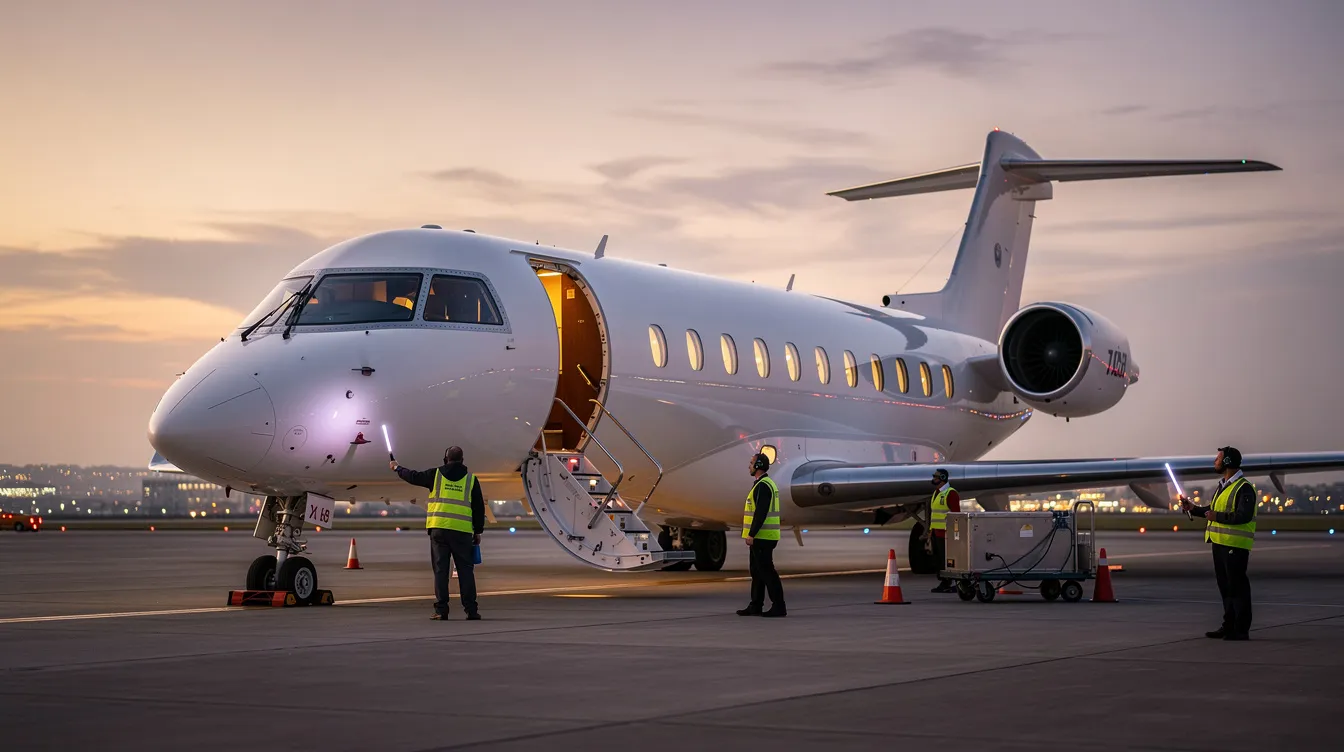
In 2026, private jet charter prices vary significantly based on aircraft type, with costs ranging from $1,800 to over $20,000 per flight hour. Additional expenses such as taxes, fees, and crew costs can increase the total trip price by 20-40%. This guide provides insights into the factors influencing these prices and offers strategies to reduce costs while maintaining comfort.
Jay Franco Serevilla
Nov 2, 2026
|
5
min read
View all
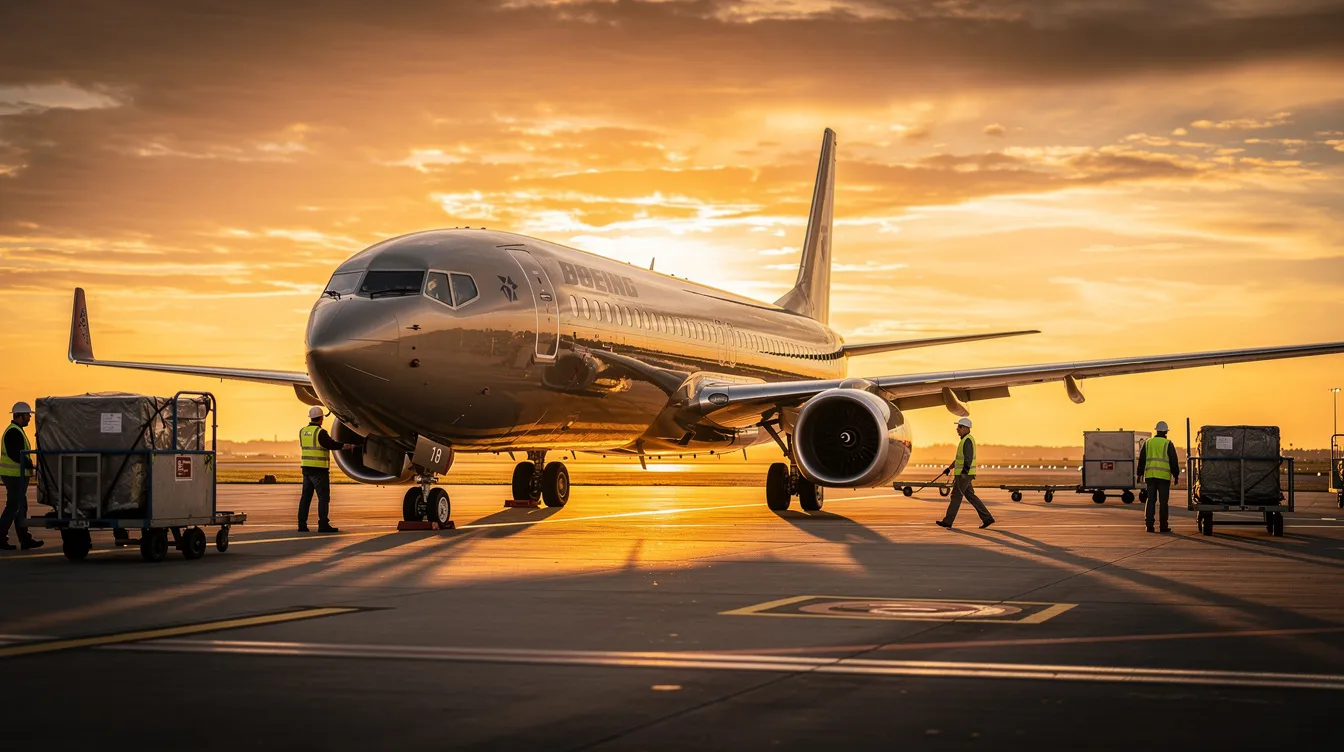
The Boeing 737 typically achieves around 0.5 to 0.7 miles per gallon at the aircraft level, translating to approximately 60 to 110 miles per gallon per passenger when fully loaded. The newer 737 MAX models improve fuel efficiency by 14-20%, reaching about 0.75 to 0.8 MPG. Understanding these figures helps travelers compare commercial jets with private aircraft options.
Jay Franco Serevilla
Nov 2, 2026
|
5
min read
View all
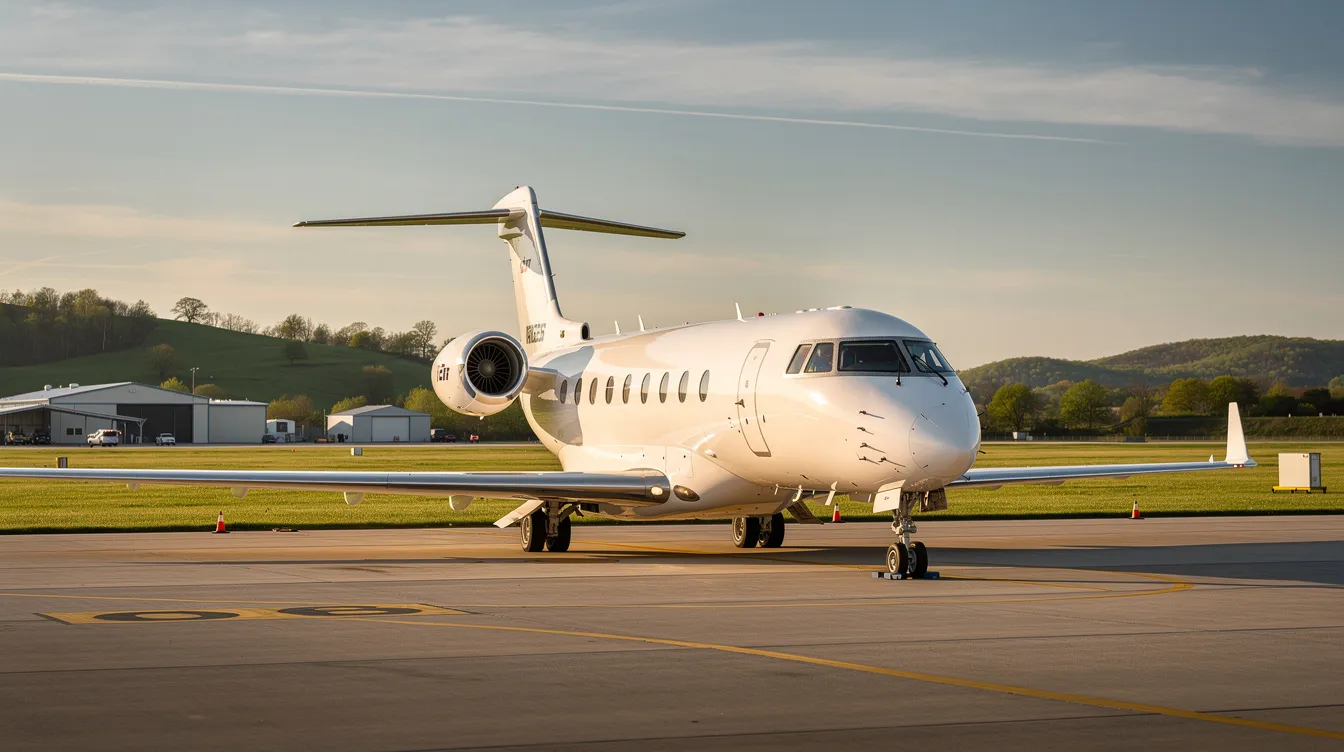
In 2026, chartering a light jet typically costs between $3,000 and $6,000 per hour, with total trip costs varying based on route and additional fees. This guide provides insights into pricing, popular routes, and strategies to save on light jet charters, making it an ideal choice for both business and leisure travel. Jettly's platform offers real-time pricing and comparisons for over 20,000 aircraft, ensuring transparency and efficiency in private aviation.
Jay Franco Serevilla
Nov 2, 2026
|
5
min read
View all
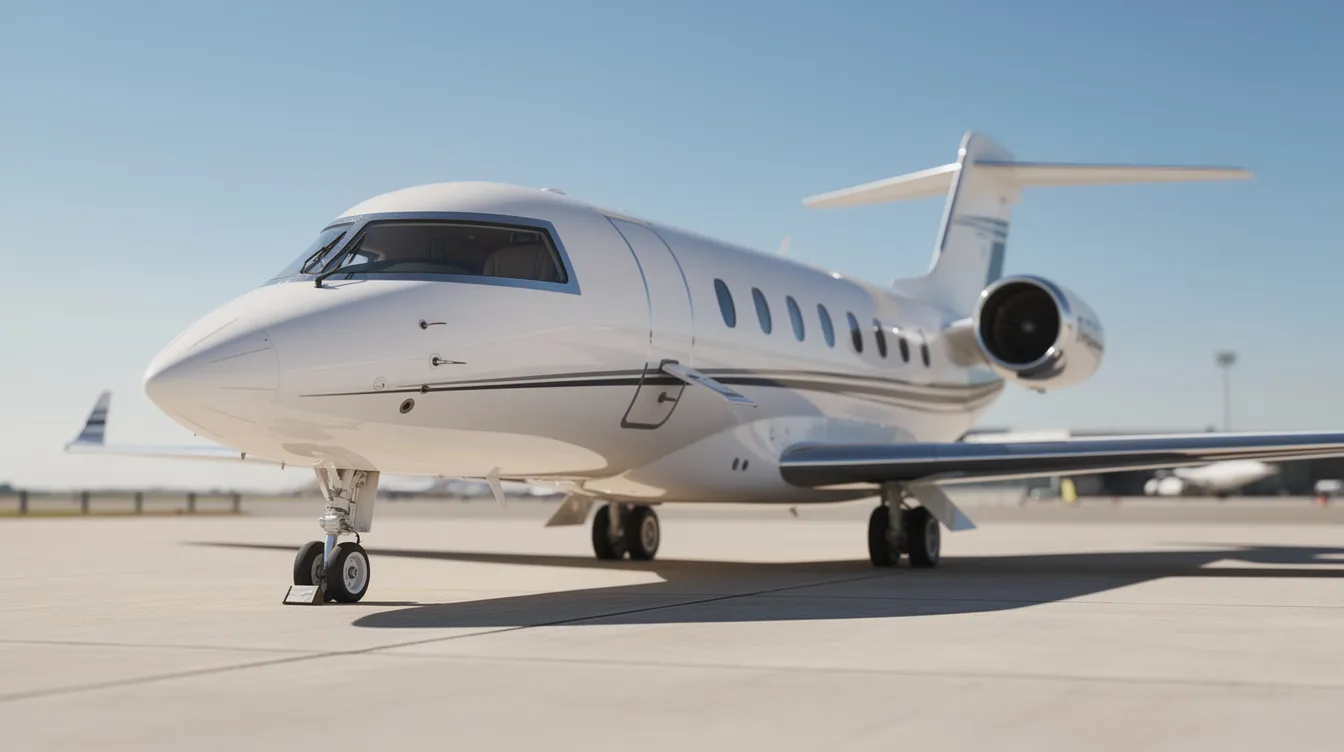
In 2026, private charter flight costs range from $2,000 to over $20,000 per flight hour, influenced by aircraft type, distance, and demand. A typical 2-hour domestic flight on a light jet costs between $5,000 and $10,000, with additional fees for taxes and services. This guide provides detailed pricing factors, examples, and tips for reducing costs when flying private.
Jay Franco Serevilla
Nov 2, 2026
|
5
min read
View all
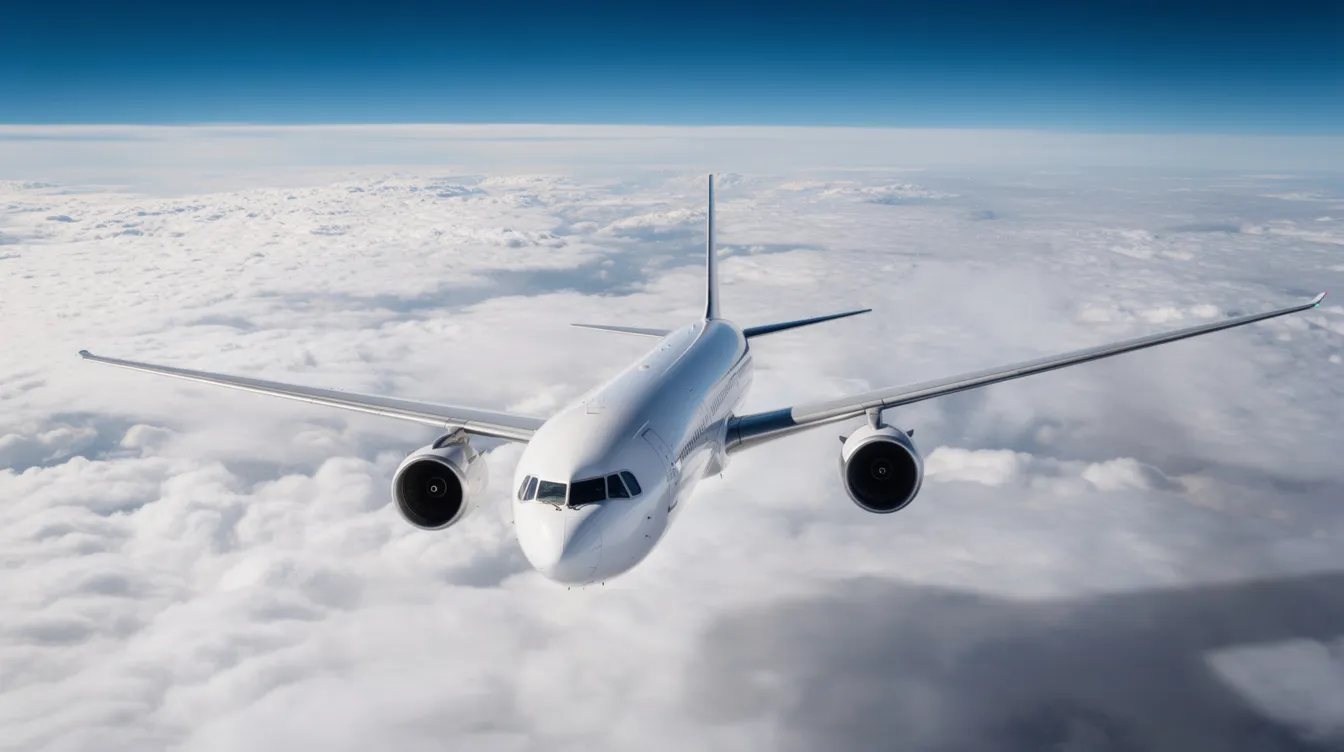
The Boeing 777 is a prominent long-haul aircraft that typically cruises between 30,000 and 39,000 feet, balancing factors like weight and fuel efficiency. Understanding cruise altitude is crucial for both airlines and travelers, as it impacts comfort, operating costs, and overall flight efficiency. This article explores how altitude choices are made and their implications for long-range travel.
Jay Franco Serevilla
Nov 2, 2026
|
5
min read
View all
Understanding Delta Airlines airplane seating can greatly enhance your travel experience by providing comfort and potential cost savings. This guide details the various cabin classes, how to read seat maps, and tips for selecting the best seats for your journey. Whether you're flying Delta One or Basic Economy, knowing your options can make a significant difference.
Jay Franco Serevilla
Nov 2, 2026
|
5
min read
Explore our latest articles and updates.

5 minutes
min read
Private Jet Card Programs vs. Private Jet Fractional Ownership – What Makes the Most Sense?
This blog post compares the benefits and commitments of jet card programs and private jet fractional ownership. Jet card programs offer flexibility with short-term commitments and are ideal for those who plan trips in advance. On the other hand, private jet fractional ownership provides more reliable availability with long-term contracts, making it suitable for frequent travelers with unpredictable schedules. Ultimately, the choice depends on one's travel frequency and the need for reliability versus cost savings.
Read More5 minutes
min read
Helicopter Range: How Far Can They Fly? Types & Factors Explained
This blog explores the diverse range capabilities of helicopters, highlighting variations from civilian models to advanced military designs. It discusses the factors that influence a helicopter's effective range, including engine type and operational requirements, while noting recent technological advancements. Innovations in fuel systems and aerodynamics are leading to significant improvements, as exemplified by the Bell V-280 Valor. Ultimately, understanding these range limitations is crucial for safe operations and enhances the appreciation of helicopter versatility in various fields.
Read MoreJoin our community and receive the latest blog updates directly in your inbox.
MEMBERSHIPS AND ASSOCIATIONS



Disclaimer: Jettly operates as a charter broker, offering access to a global digital jet charter marketplace. Jettly is not a direct air carrier and does not own or operate aircraft. All advertised flights are conducted by third-party air carriers that are fully licensed and hold the appropriate Part 135 or Part 121 certifications issued by the Federal Aviation Administration (FAA) or equivalent regulatory authorities under U.S. or foreign law. Jettly complies fully with the U.S. Department of Transportation's Part 295 and Part 298 Charter Broker regulations. Jettly does not carry additional liability insurance. Passengers are covered by aircraft operator insurance. TICO: 50023770


