


Login
Get Instant Pricing On 23,000+ Aircraft

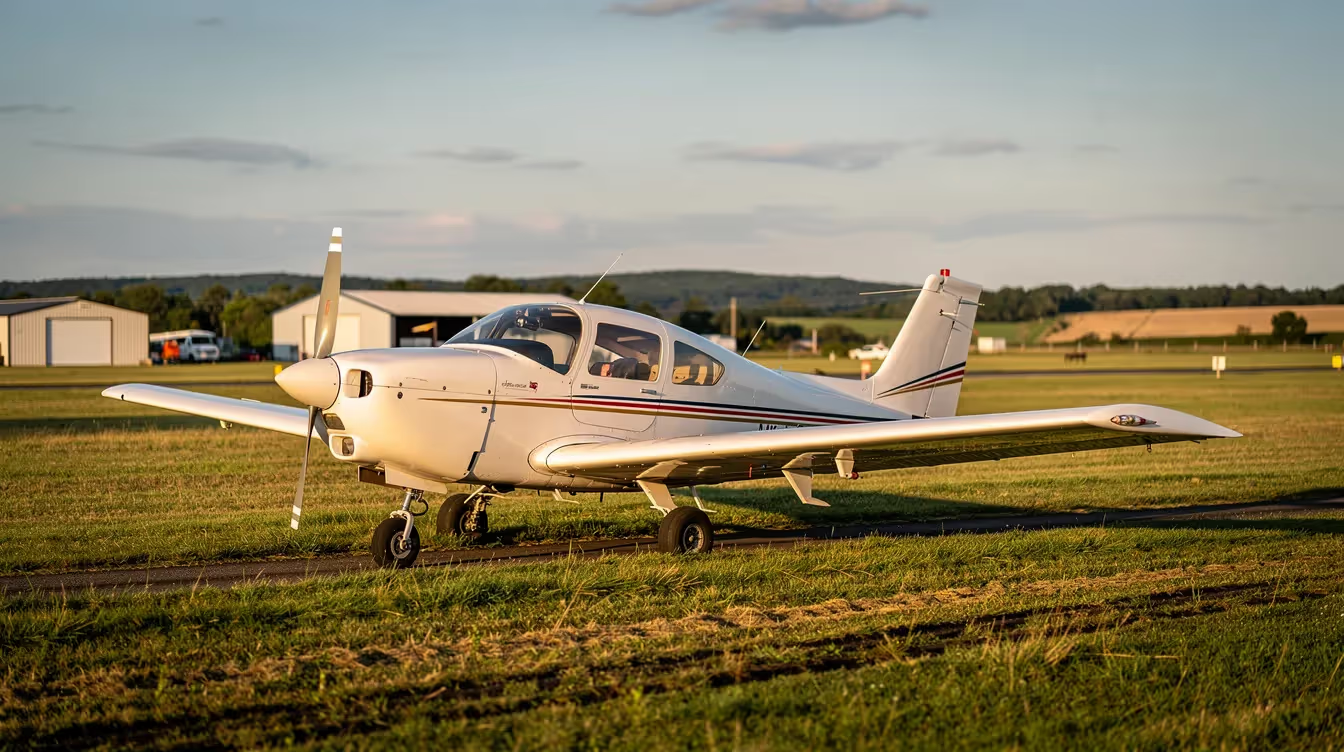
This guide outlines the process of renting a Cessna 172, including costs, requirements, and planning tips for pilots and aviation enthusiasts. Rental rates typically range from $140 to $250 per hour, depending on the aircraft model and avionics, with additional costs for fuel, landing fees, and insurance. While renting is cost-effective for occasional flights, long-term rentals can be expensive, making ownership a more practical option for extensive travel. For time-sensitive or multi-destination trips, chartering through platforms like Jettly offers a more convenient alternative, providing access to a wide range of aircraft and transparent pricing.
Jay Franco Serevilla
Apr 14, 2026
|
5
min read


View all
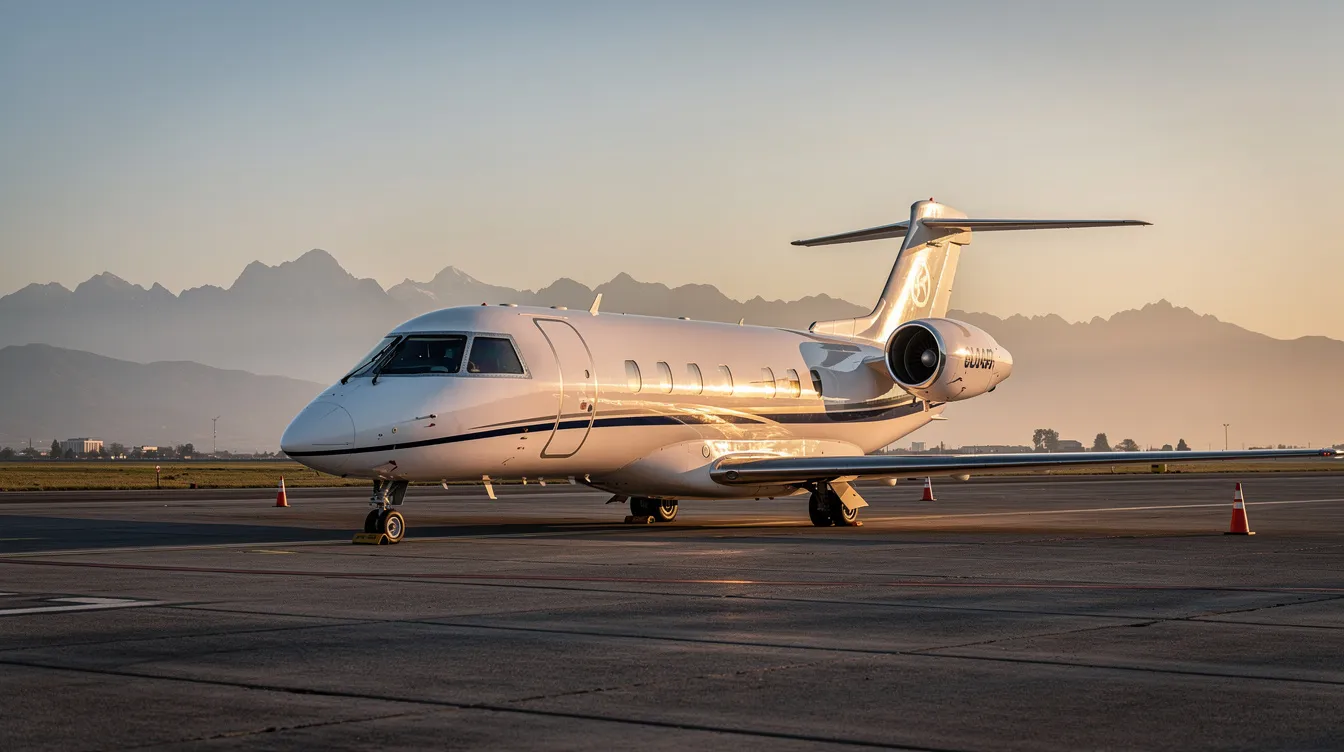
The Dassault Falcon 20F is a notable midsize business jet that played a crucial role in defining the charter category from the 1970s to the 1980s. While it offers a rich history and solid performance, modern jets surpass it in efficiency, comfort, and technology. Today, platforms like Jettly provide access to newer alternatives that better meet the needs of private travelers.
Jeff Ryan Serevilla
Oct 8, 2026
|
5
min read
View all
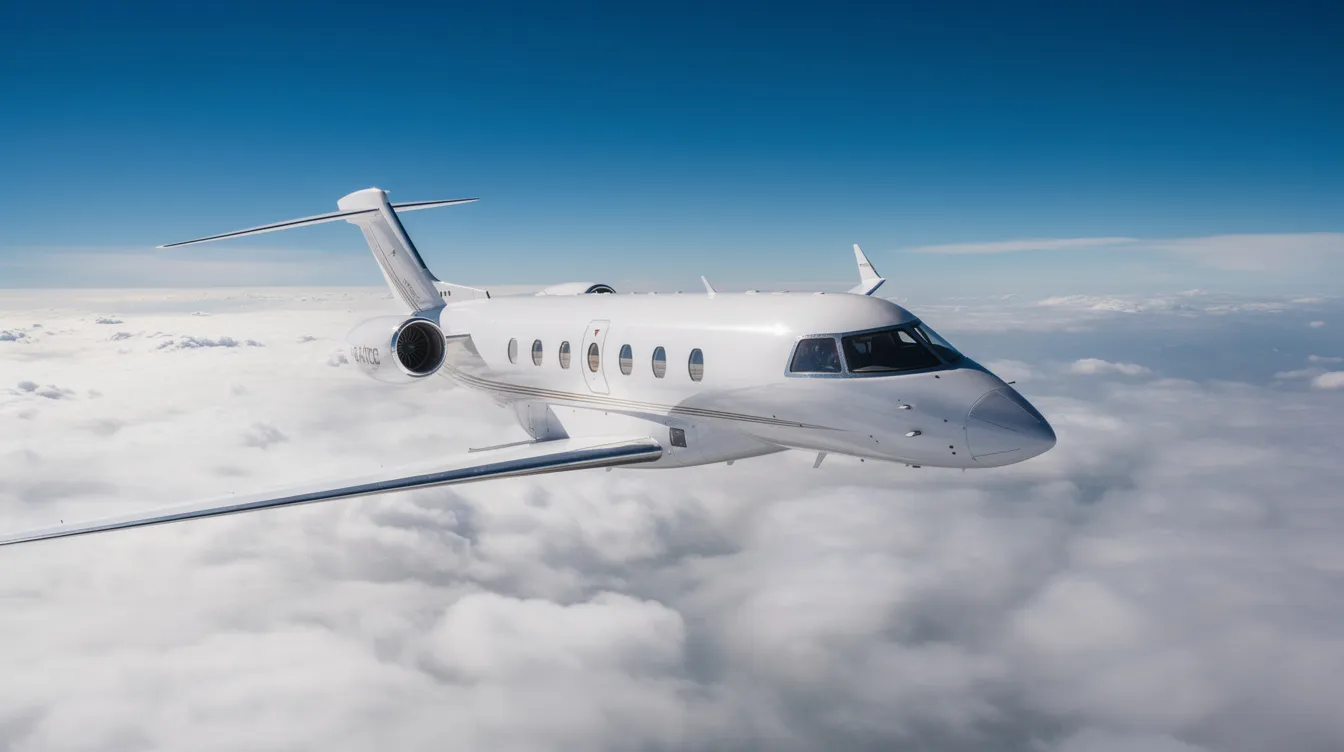
Discover the fastest non-military jet, the Bombardier Global 8000, which reaches speeds of Mach 0.94 and offers an intercontinental range of 8,000 nautical miles. This guide explores the importance of speed in private aviation, comparing top contenders and highlighting how Jettly connects travelers with high-speed jets for efficient travel.
Jeff Ryan Serevilla
Oct 8, 2026
|
5
min read
View all
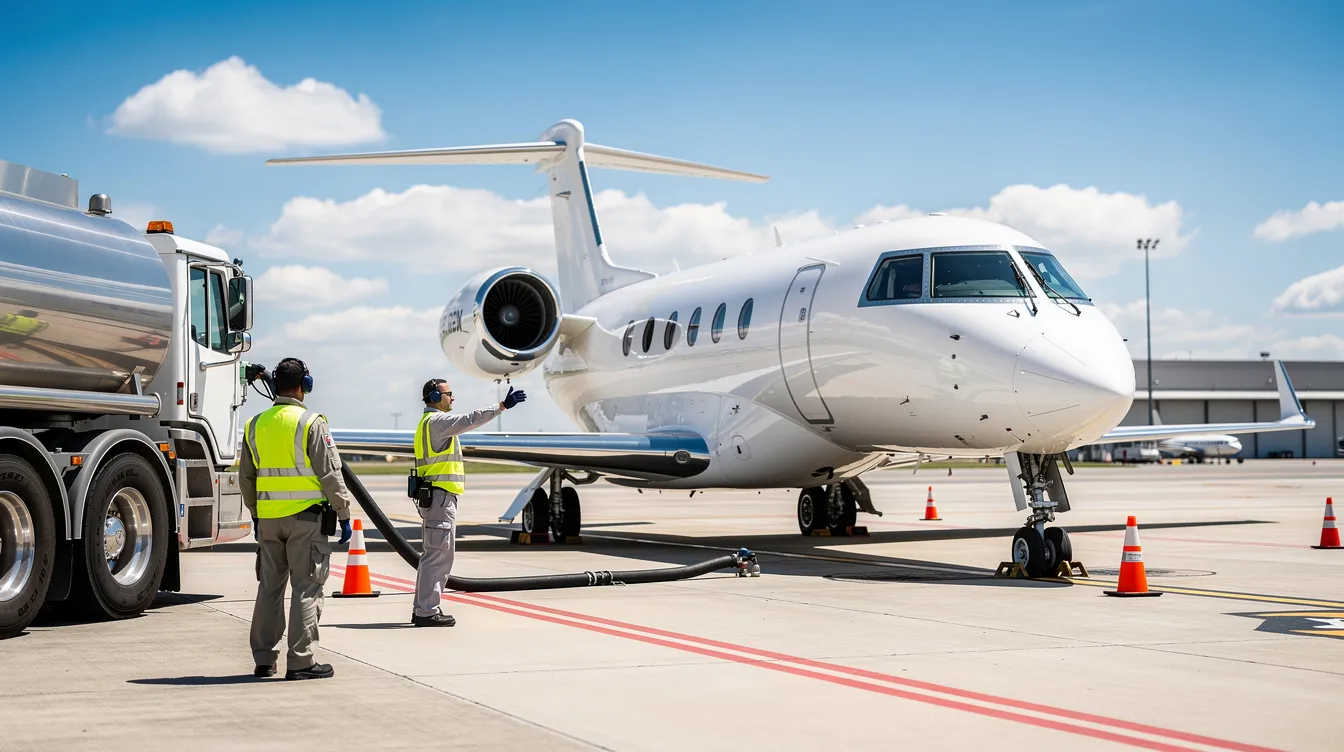
AVCARD is a versatile aviation fuel card from World Fuel, enabling operators to manage fuel purchases and operational expenses seamlessly at over 8,600 locations worldwide. It simplifies billing with detailed invoicing and supports various fuel types, making it essential for flight departments and charter operators. With no annual fee and integration with contract fuel programs, AVCARD enhances cost control and efficiency in aviation fuel procurement.
Jeff Ryan Serevilla
Oct 8, 2026
|
5
min read
View all
Understanding how much weight a plane can hold is crucial for safe flight operations. Each aircraft has a certified maximum takeoff weight (MTOW) that dictates its capacity for passengers, baggage, and fuel. This knowledge helps travelers and pilots make informed decisions about flight planning and safety.
Jeff Ryan Serevilla
Oct 8, 2026
|
5
min read
View all
Empty leg flights are discounted private jet journeys that occur when a jet is repositioning without passengers. These flights offer travelers the luxury of private aviation at a fraction of the cost, typically 50% to 80% cheaper than standard charters. This guide explains how to find and book these flights, making private travel more accessible for those with flexible schedules.
Jeff Ryan Serevilla
Oct 8, 2026
|
5
min read

View all
Air ambulance transport can be a lifesaver during medical emergencies, but the costs can be staggering, ranging from $12,000 to over $200,000. This guide explores the factors influencing these prices, including distance, aircraft type, and medical care level, while offering tips on managing and reducing costs effectively.
Jeff Ryan Serevilla
Oct 8, 2026
|
5
min read
Explore our latest articles and updates.
5
min read
Salary of a Co-Pilot in 2026: What First Officers Really Earn
In 2026, co-pilot salaries vary significantly based on airline type, experience, and aircraft, with first-year regional co-pilots earning between $70,000 and $90,000, while those at major airlines can make $100,000 to $155,000, and experienced pilots on widebody aircraft can exceed $200,000. The average salary for co-pilots in the U.S. is approximately $130,916, with potential total compensation reaching up to $450,000 for senior captains. Factors influencing pay include seniority, aircraft type, and airline contracts, with cargo airlines and private jet charters often offering higher compensation. The demand for pilots is expected to remain strong through the 2030s, making co-pilot careers financially rewarding and stable.
Read More
5
min read
How Much Does a Pilot Make in 2026? (Airline & Commercial Pilot Salary Guide)
In 2026, airline and commercial pilots are expected to earn significantly higher salaries, with average earnings for airline pilots exceeding $200,000 and experienced pilots at major carriers potentially earning between $300,000 and $450,000 or more. The median annual wage for airline pilots is projected at approximately $226,600, while commercial pilots earn around $122,670. Factors influencing pilot salaries include employer type, aircraft size, rank, and geographic location, with major airlines offering the best compensation packages. Despite high training costs, the strong demand for pilots and rising salaries make pursuing a career in aviation financially attractive.
Read MoreJoin our community and receive the latest blog updates directly in your inbox.
MEMBERSHIPS AND ASSOCIATIONS



Disclaimer: Jettly operates as a charter broker, offering access to a global digital jet charter marketplace. Jettly is not a direct air carrier and does not own or operate aircraft. All advertised flights are conducted by third-party air carriers that are fully licensed and hold the appropriate Part 135 or Part 121 certifications issued by the Federal Aviation Administration (FAA) or equivalent regulatory authorities under U.S. or foreign law. Jettly complies fully with the U.S. Department of Transportation's Part 295 and Part 298 Charter Broker regulations. Jettly does not carry additional liability insurance. Passengers are covered by aircraft operator insurance. TICO: 50023770


