



Login
Get Instant Pricing On 23,000+ Aircraft


The UK aircraft market for 2025-2026 is characterized by limited pre-owned inventory and firm pricing, particularly for popular models like the Cessna 172 and King Air turboprops. Buyers can find a range of aircraft types, including single-engine pistons, turboprops, light jets, and helicopters, with prices varying significantly based on model and condition. For those flying under 150-200 hours annually, chartering through platforms like Jettly may be more cost-effective than ownership, which incurs substantial ongoing expenses. Engaging with brokers and utilizing online sales platforms can streamline the purchasing process, while Jettly offers flexible charter options for those who prefer not to commit to ownership.
Jay Franco Serevilla
Apr 13, 2026
|
5
min read



View all
The Boeing 767-300ER is a widely used long-haul aircraft known for its impressive range of approximately 5,980 nautical miles. This guide explores its performance, typical routes, and how it compares to private jet charter options, making it essential for travelers and aviation enthusiasts alike. Understanding the capabilities of the 767-300ER can help in planning smarter trips, whether flying commercially or considering private charter alternatives.
Jay Franco Serevilla
Oct 17, 2026
|
5
min read

View all
The Boeing 737-300 is a pivotal second-generation airliner that transformed commercial aviation since its introduction in the mid-1980s. Although many airlines have retired this model, it remains in service for cargo, VIP, and private charter operations worldwide, showcasing its adaptability and enduring value. This article delves into the aircraft's legacy, specifications, and its relevance in today's aviation landscape.
Jay Franco Serevilla
Oct 17, 2026
|
5
min read

View all
Delta Air Lines boasts one of the largest fleets in the world, featuring over 1,000 aircraft from Airbus and Boeing. This article explores Delta's fleet history, current aircraft, and the advantages of private jet charters for travelers seeking flexibility and privacy. Discover how Delta's evolution from historic jets to modern fuel-efficient models shapes the aviation landscape today.
Jay Franco Serevilla
Oct 17, 2026
|
5
min read
View all
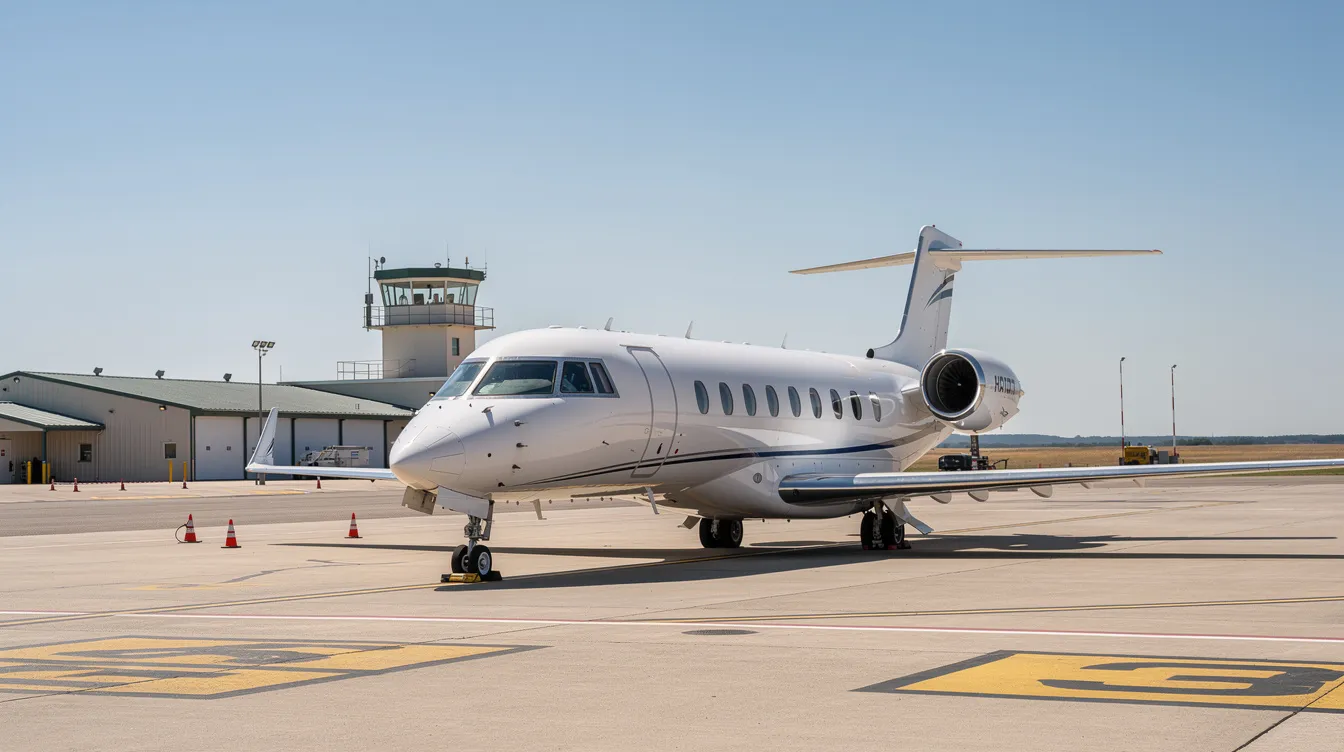
This comprehensive aircraft charter guide provides essential insights on how to choose, book, and fly with confidence using Jettly's digital platform. It covers various jet categories, the charter process, and highlights the benefits of private aviation for both personal and business travel. With access to over 20,000 aircraft and transparent pricing, Jettly simplifies the charter experience for travelers.
Jay Franco Serevilla
Oct 14, 2026
|
5
min read

View all
This guide explores the landscape of private jet ownership, highlighting famous owners like Oprah Winfrey and Prince Al Waleed bin Talal. It also discusses the advantages of private jet charter services, such as Jettly, which provide flexible access to a wide range of aircraft without the burdens of ownership. Understanding the different models of private jet access can help travelers make informed decisions about their flying needs.
Jay Franco Serevilla
Oct 14, 2026
|
5
min read
View all
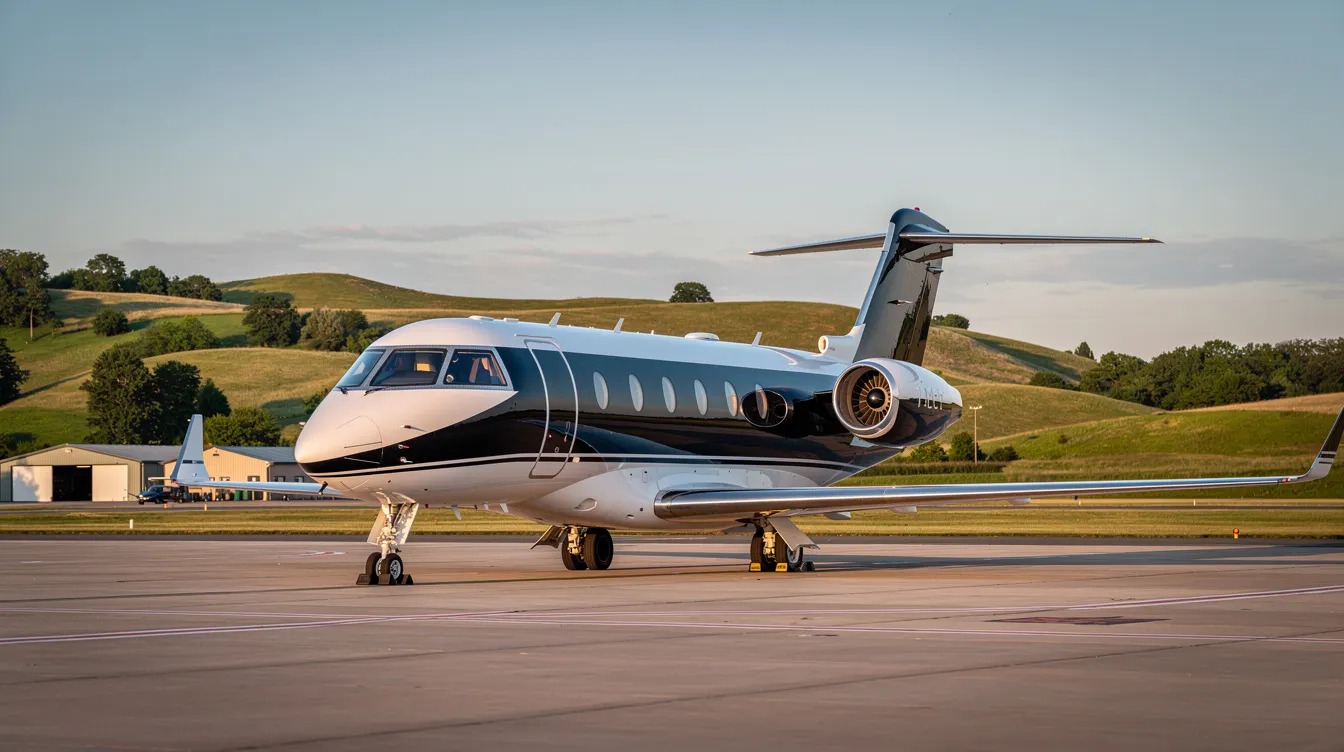
Jettly simplifies private charter flights, offering travelers on-demand access to over 20,000 aircraft worldwide. With flexible scheduling and transparent pricing, it caters to business, family, and group travel needs, ensuring a seamless experience from booking to arrival.
Jay Franco Serevilla
Oct 14, 2026
|
5
min read
Explore our latest articles and updates.
5
min read
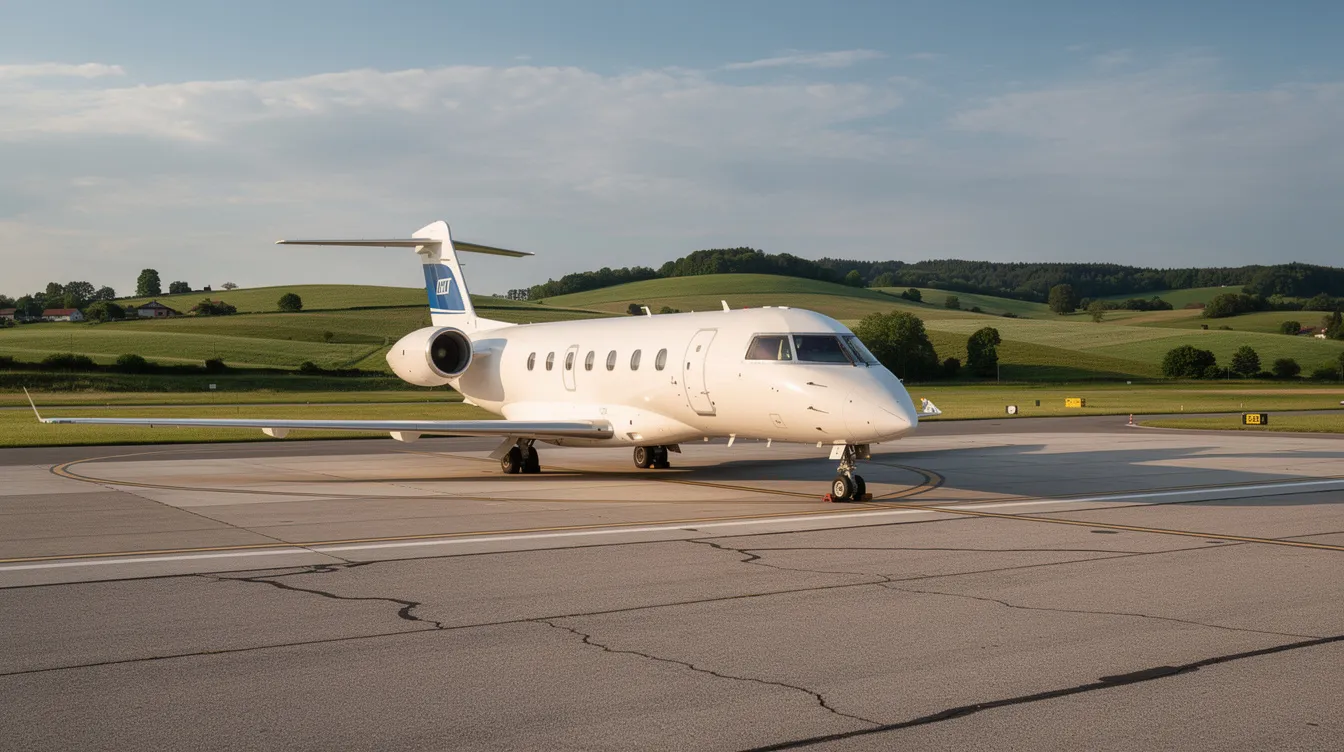
Bombardier CRJ 200: Regional Jet Guide for Private Charter
The Bombardier CRJ 200 is a 50-seat regional jet that has transitioned from commercial airline service to private charter, offering configurations for corporate shuttles and VIP travel. With a maximum range of approximately 1,956 statute miles, it is well-suited for short to medium-haul flights, making it ideal for transporting larger groups efficiently. The aircraft features various cabin layouts, from standard airline seating to luxurious VIP conversions, allowing for flexibility based on customer needs. Chartering through platforms like Jettly provides access to competitive pricing and a range of options tailored to specific travel requirements.
Read More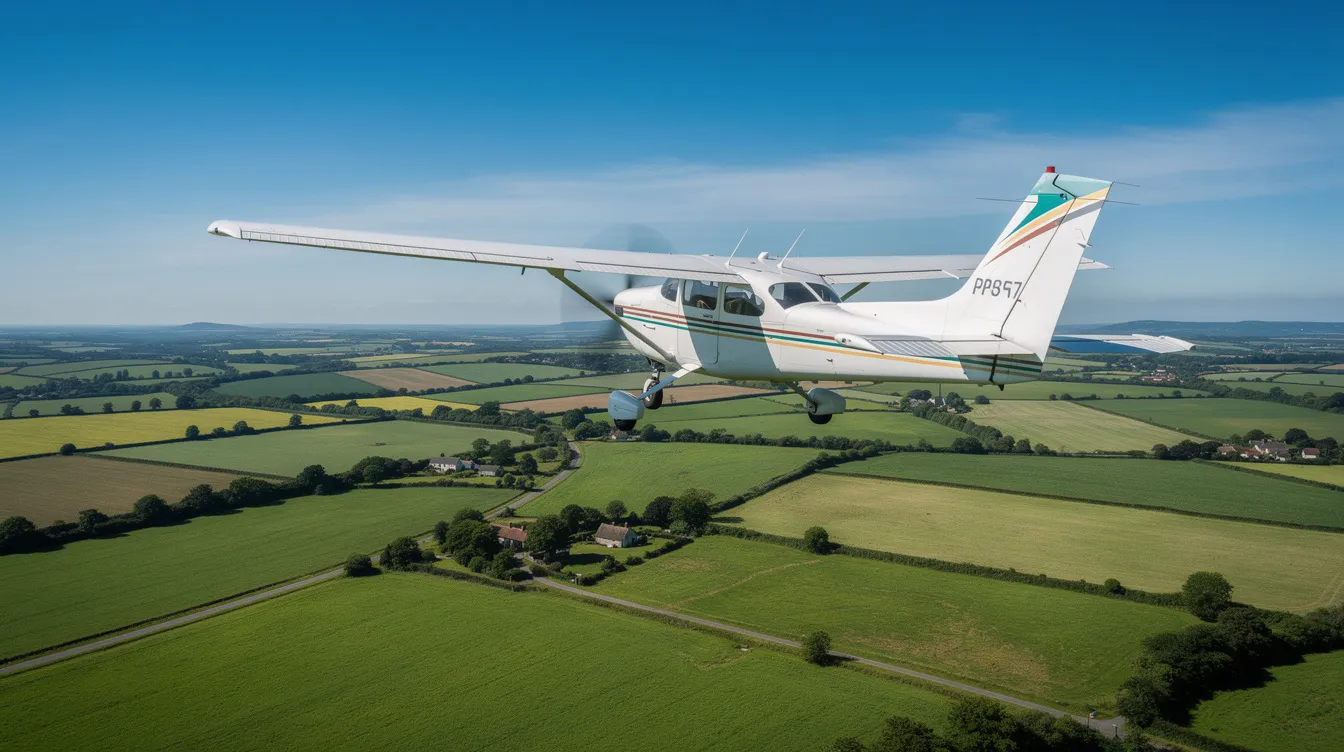
5
min read
Can Private Pilots Make Money? A Practical Guide to Legal Earning Options
Private pilots can earn money legally, but only under specific and regulated circumstances, primarily outlined in 14 CFR 61.113. They may share flight costs with passengers, conduct business-related flights, participate in charity events, and engage in activities like towing gliders or performing demo flights for aircraft sales, among others. However, substantial income typically requires a commercial pilot license, which opens up more paid flying opportunities. While private pilots can offset costs through limited avenues, a commercial pilot certificate is essential for a stable and meaningful aviation career.
Read MoreJoin our community and receive the latest blog updates directly in your inbox.
MEMBERSHIPS AND ASSOCIATIONS



Disclaimer: Jettly operates as a charter broker, offering access to a global digital jet charter marketplace. Jettly is not a direct air carrier and does not own or operate aircraft. All advertised flights are conducted by third-party air carriers that are fully licensed and hold the appropriate Part 135 or Part 121 certifications issued by the Federal Aviation Administration (FAA) or equivalent regulatory authorities under U.S. or foreign law. Jettly complies fully with the U.S. Department of Transportation's Part 295 and Part 298 Charter Broker regulations. Jettly does not carry additional liability insurance. Passengers are covered by aircraft operator insurance. TICO: 50023770


