



Login
Get Instant Pricing On 23,000+ Aircraft


Aero Private Jet offers a semi-private aviation experience that combines the luxury of private jets with the affordability of commercial flights, allowing travelers to purchase individual seats on scheduled routes. This model provides access to private terminals, premium cabin features, and a more comfortable travel experience compared to commercial airlines. In contrast, Jettly specializes in on-demand charters, offering entire aircraft for custom routes and greater flexibility, particularly for groups or specific travel needs. Ultimately, the choice between Aero's semi-private flights and Jettly's charters depends on factors like group size, budget, and desired privacy.
Jay Franco Serevilla
Apr 11, 2026
|
5
min read



View all
The Boeing 777-300 and 777-300ER are advanced long-haul aircraft known for their efficiency and capacity. With significant upgrades in range and engine power, the 777-300ER has become a preferred choice for intercontinental flights. This guide provides insights into their features, cabin layouts, and comparisons with private jet charters, helping travelers make informed decisions.
Jay Franco Serevilla
Oct 17, 2026
|
5
min read

View all
The Boeing 777 family features an impressive range, from 5,240 nautical miles for the 777-200 to 9,500 nautical miles for the upcoming 777-8. This extensive range allows airlines to operate virtually every long-haul route, making the 777 a staple in commercial aviation. Understanding these capabilities is essential for both travelers and operators in optimizing flight planning.
Jay Franco Serevilla
Oct 17, 2026
|
5
min read
View all
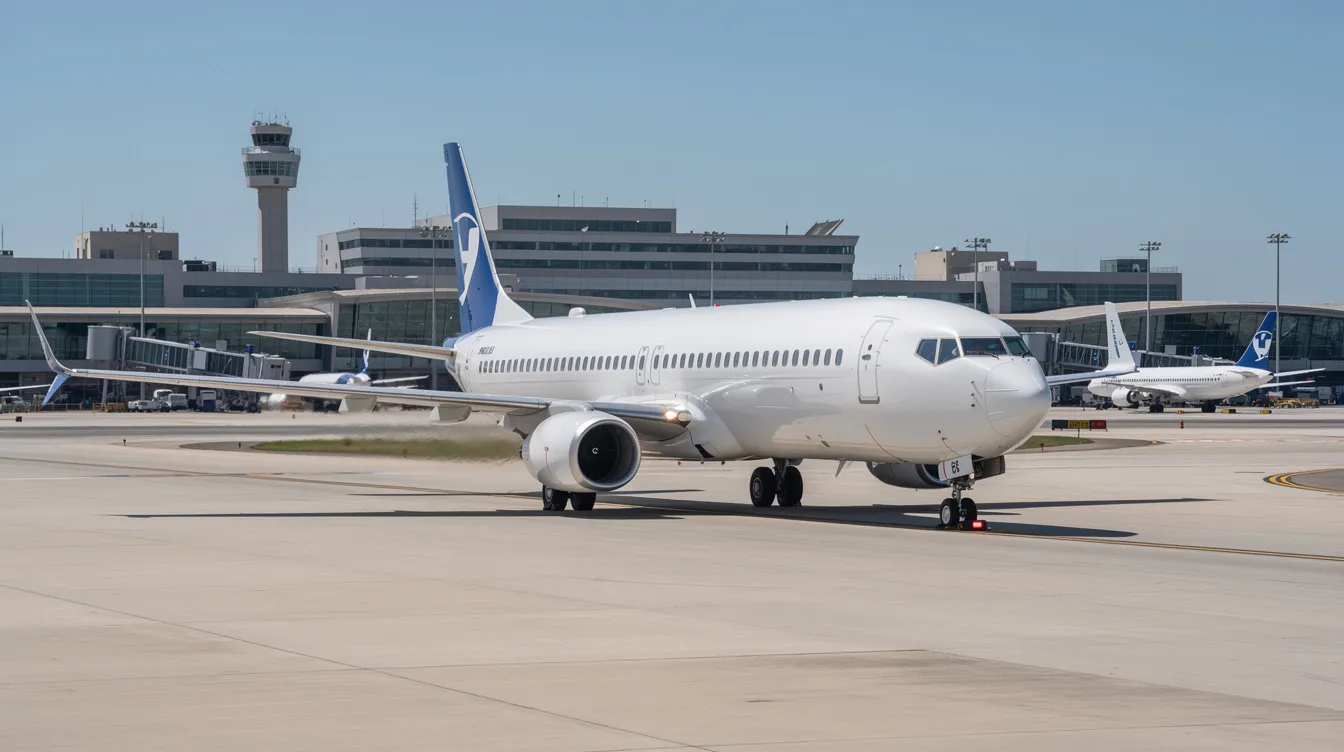
The Boeing 737-800 is a versatile aircraft with a seating capacity ranging from 162 to 189 passengers, depending on the airline's configuration. It is widely used for short- to medium-haul flights due to its fuel efficiency and reliability. Understanding its layout options helps travelers set expectations for comfort and plan their journeys effectively.
Jay Franco Serevilla
Oct 17, 2026
|
5
min read

View all
The Boeing 737 is the best-selling commercial aircraft series, evolving through four generations since 1967. Each generation has enhanced fuel efficiency, passenger comfort, and operational range, making it a staple in both commercial and private aviation. This guide explores the various models, their uses, and their significance in modern air travel.
Jay Franco Serevilla
Oct 17, 2026
|
5
min read
View all
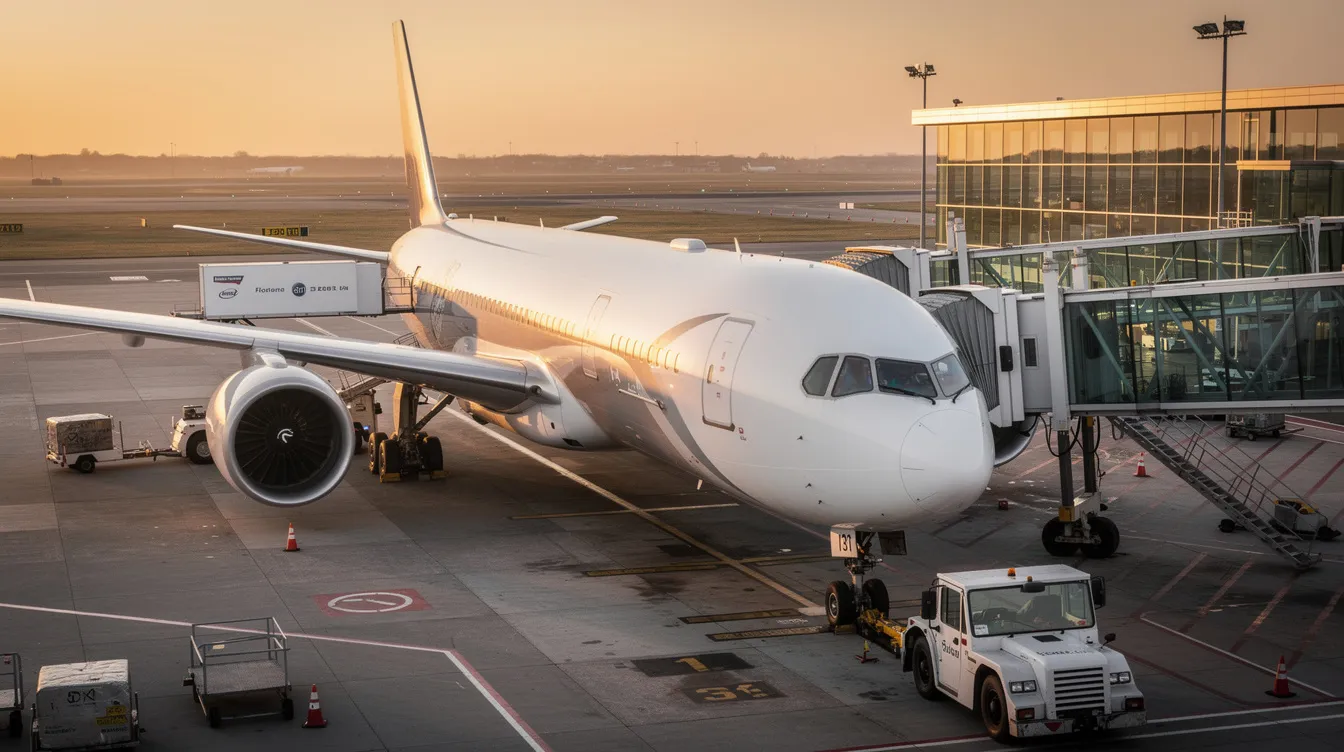
The Boeing 767-300ER is a widely used long-haul aircraft known for its impressive range of approximately 5,980 nautical miles. This guide explores its performance, typical routes, and how it compares to private jet charter options, making it essential for travelers and aviation enthusiasts alike. Understanding the capabilities of the 767-300ER can help in planning smarter trips, whether flying commercially or considering private charter alternatives.
Jay Franco Serevilla
Oct 17, 2026
|
5
min read

View all
The Boeing 737-300 is a pivotal second-generation airliner that transformed commercial aviation since its introduction in the mid-1980s. Although many airlines have retired this model, it remains in service for cargo, VIP, and private charter operations worldwide, showcasing its adaptability and enduring value. This article delves into the aircraft's legacy, specifications, and its relevance in today's aviation landscape.
Jay Franco Serevilla
Oct 17, 2026
|
5
min read
Explore our latest articles and updates.

5
min read
Salary of a Co-Pilot in 2026: What First Officers Really Earn
In 2026, co-pilot salaries vary significantly based on airline type, experience, and aircraft, with first-year regional co-pilots earning between $70,000 and $90,000, while those at major airlines can make $100,000 to $155,000, and experienced pilots on widebody aircraft can exceed $200,000. The average salary for co-pilots in the U.S. is approximately $130,916, with potential total compensation reaching up to $450,000 for senior captains. Factors influencing pay include seniority, aircraft type, and airline contracts, with cargo airlines and private jet charters often offering higher compensation. The demand for pilots is expected to remain strong through the 2030s, making co-pilot careers financially rewarding and stable.
Read More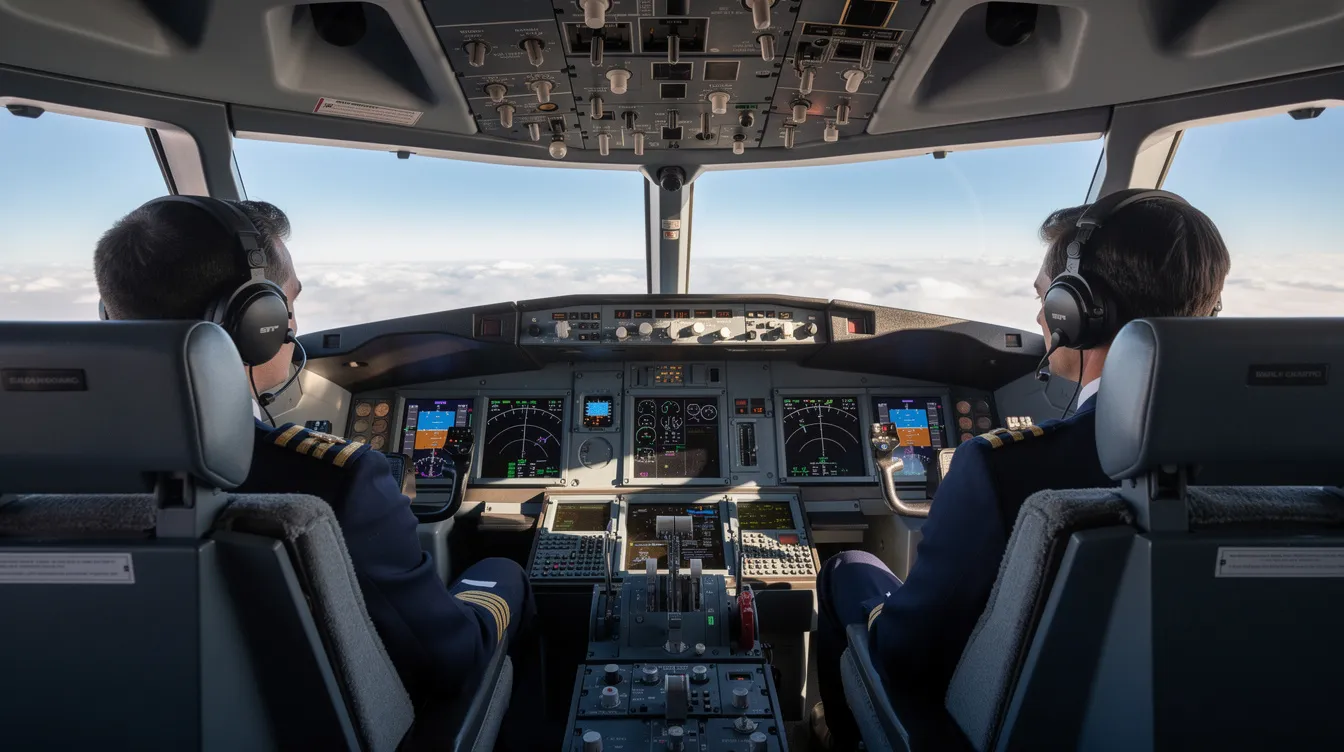
5
min read
How Much Does a Pilot Make in 2026? (Airline & Commercial Pilot Salary Guide)
In 2026, airline and commercial pilots are expected to earn significantly higher salaries, with average earnings for airline pilots exceeding $200,000 and experienced pilots at major carriers potentially earning between $300,000 and $450,000 or more. The median annual wage for airline pilots is projected at approximately $226,600, while commercial pilots earn around $122,670. Factors influencing pilot salaries include employer type, aircraft size, rank, and geographic location, with major airlines offering the best compensation packages. Despite high training costs, the strong demand for pilots and rising salaries make pursuing a career in aviation financially attractive.
Read MoreJoin our community and receive the latest blog updates directly in your inbox.
MEMBERSHIPS AND ASSOCIATIONS



Disclaimer: Jettly operates as a charter broker, offering access to a global digital jet charter marketplace. Jettly is not a direct air carrier and does not own or operate aircraft. All advertised flights are conducted by third-party air carriers that are fully licensed and hold the appropriate Part 135 or Part 121 certifications issued by the Federal Aviation Administration (FAA) or equivalent regulatory authorities under U.S. or foreign law. Jettly complies fully with the U.S. Department of Transportation's Part 295 and Part 298 Charter Broker regulations. Jettly does not carry additional liability insurance. Passengers are covered by aircraft operator insurance. TICO: 50023770


