



Login
Get Instant Pricing On 23,000+ Aircraft

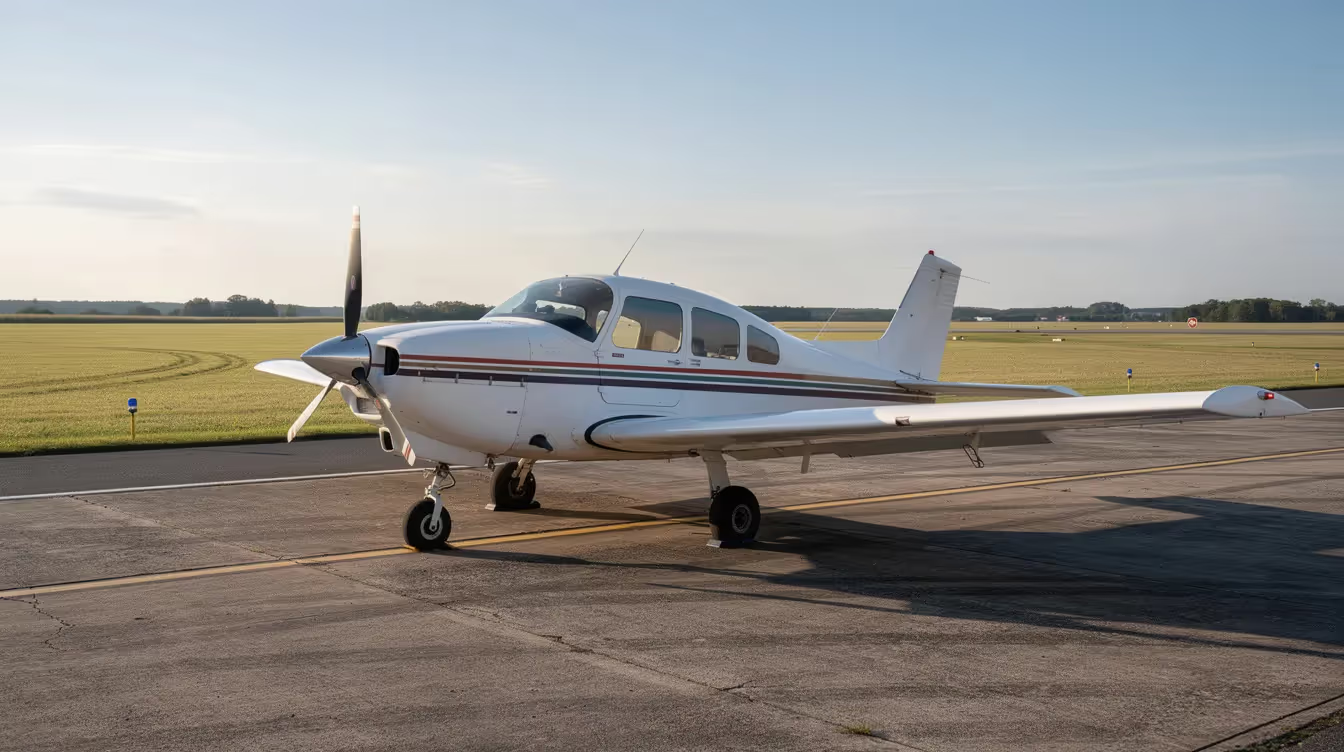
Yes, you can rent an airplane, with options available for both licensed pilots and non-pilots. Licensed pilots can rent aircraft directly from flight schools, flying clubs, or FBOs, while non-pilots can book private charters through platforms like Jettly, which provide a complete service including aircraft, crew, and operations. Rental costs vary widely based on aircraft type and rental structure, with self-fly rentals typically ranging from $120 to $400 per hour and charter flights starting around $2,000. Jettly offers a digital marketplace for private jet charters, allowing users to compare options and access over 20,000 aircraft globally.
Jay Franco Serevilla
Apr 10, 2026
|
5
min read


View all
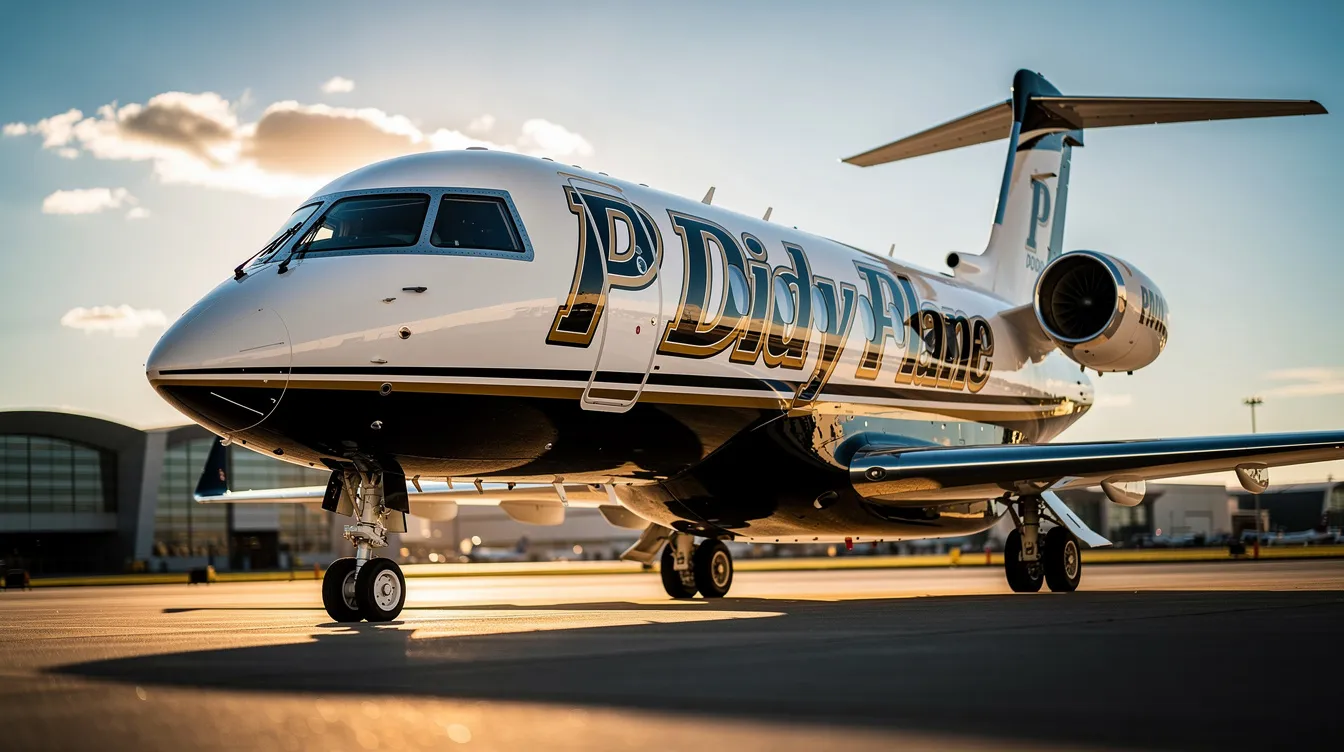
Sean Diddy Combs sold his Gulfstream G550 in October 2025 following a federal conviction, marking a significant shift in celebrity jet ownership. This transition highlights the growing accessibility of private aviation for high-net-worth individuals and frequent flyers through charter platforms like Jettly, which offer luxury travel without the burdens of ownership.
Jay Franco Serevilla
Oct 31, 2026
|
5
min read
View all
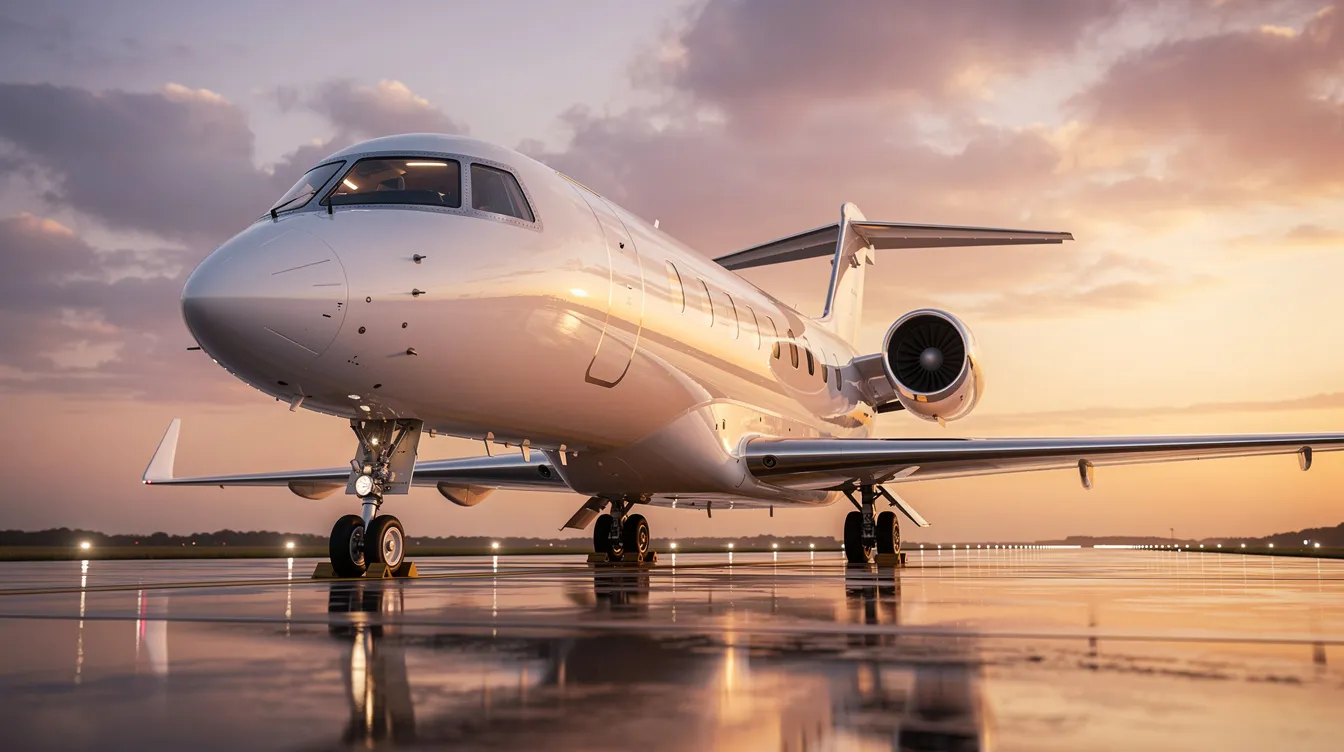
For travelers in Boca Raton, FL seeking private jet options, Jettly offers a safer and more transparent alternative to A-OK Jets. With access to over 20,000 aircraft and real-time pricing, Jettly connects users with certified carriers worldwide, ensuring compliance and flexibility for both business and leisure travel.
Jay Franco Serevilla
Oct 31, 2026
|
5
min read
View all
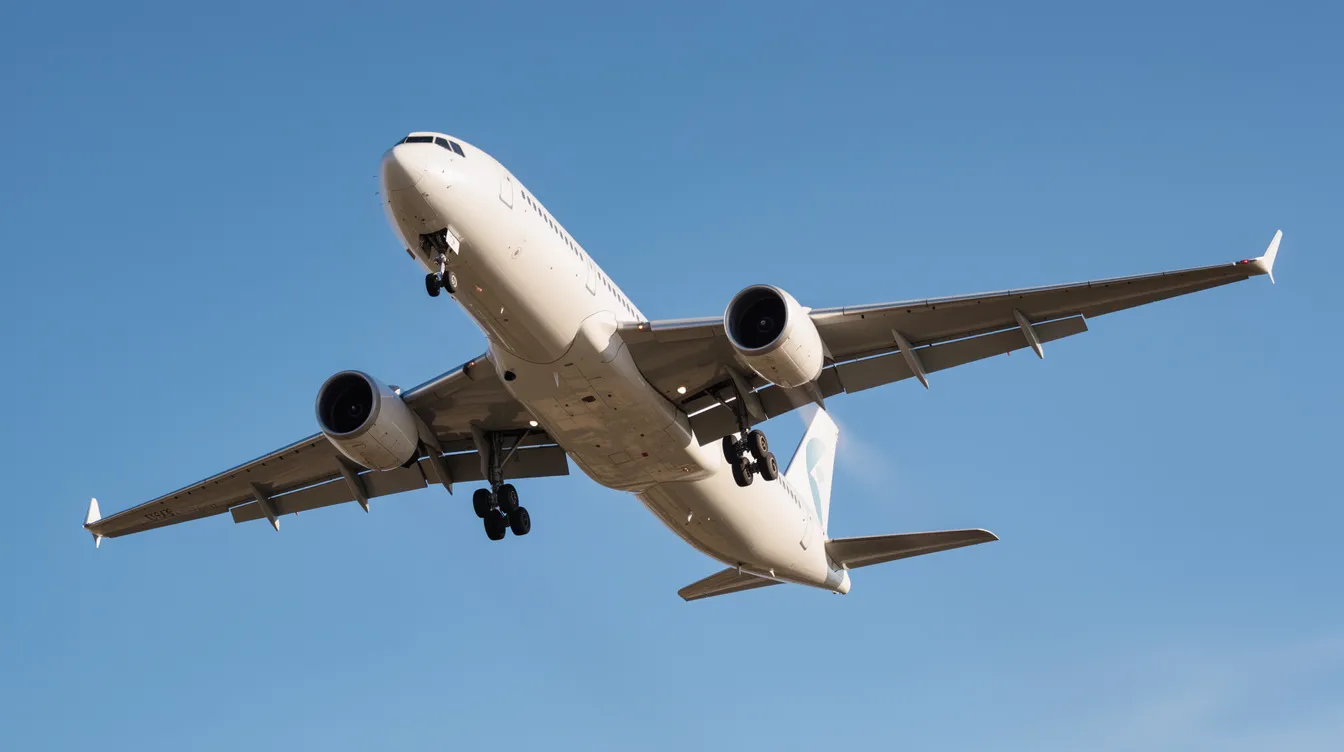
This comprehensive guide explores Boeing's commercial aircraft, business jets, and travel options, helping travelers and aviation enthusiasts make informed choices. From the iconic 737 MAX to the luxurious BBJ variants, Boeing planes cater to various needs, whether for commercial flights or private charters. Understanding the differences in aircraft types and configurations can enhance the travel experience and optimize costs.
Jeff Ryan Serevilla
Oct 31, 2026
|
5
min read
View all
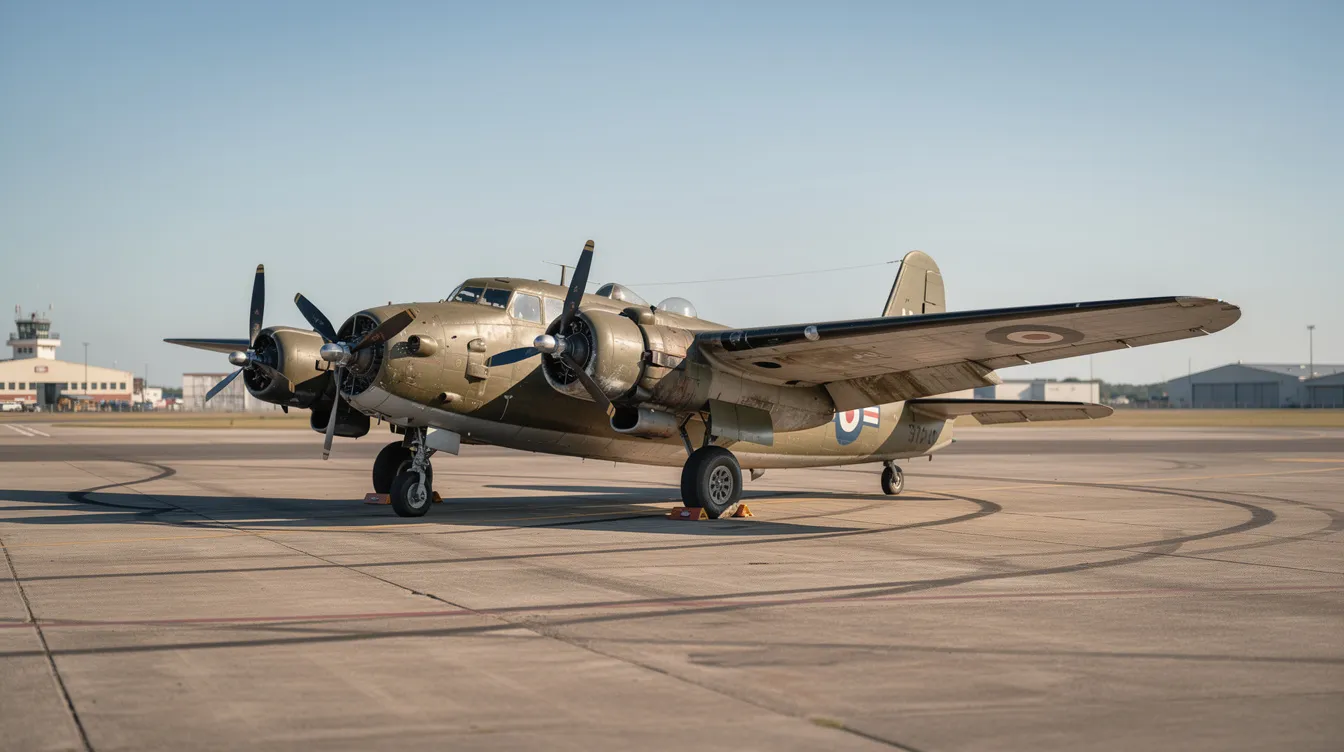
Air Force One is a highly modified Boeing 747 that serves as the U.S. president's airborne command center. Its layout includes dedicated zones for governance, security, and press operations, ensuring the president remains operational at 45,000 feet. With approximately 4,000 square feet of space, the aircraft is designed for privacy and efficiency, accommodating up to 76 passengers and 26 crew members.
Jeff Ryan Serevilla
Oct 31, 2026
|
5
min read
View all
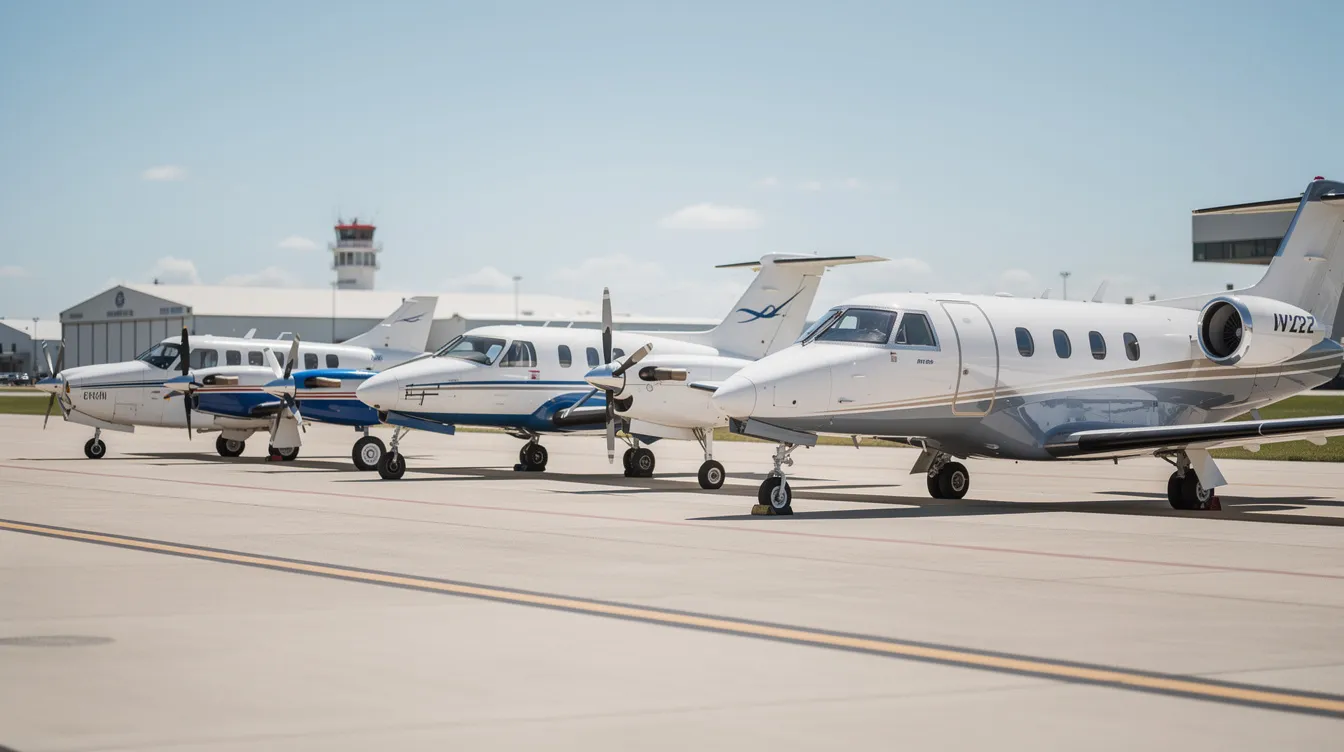
Choosing the best small aircraft in 2026 involves evaluating speed, range, safety, and cost across various categories, including piston singles, turboprops, and light jets. Notable models like the Cessna 172 Skyhawk and Cirrus SR22T cater to different needs, from training to personal travel. With advancements in technology and fuel efficiency, modern small aircraft offer enhanced safety and comfort for pilots and passengers alike.
Jeff Ryan Serevilla
Oct 31, 2026
|
5
min read
View all
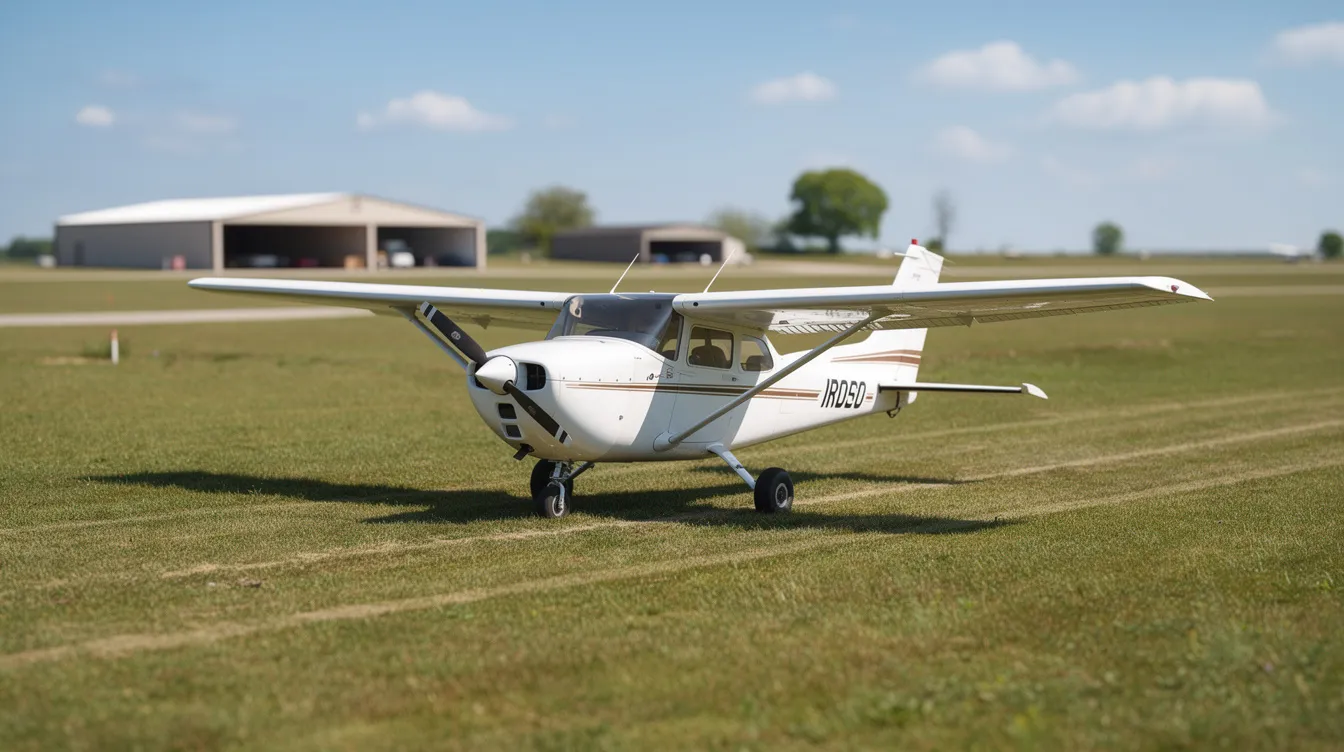
This guide provides an overview of Cessna 150 insurance costs for 2026, detailing typical premiums, coverage types, and influencing factors. With annual costs ranging from $500 to $1,000, the Cessna 150 is noted for its affordability and favorable claims history, making it a popular choice among private aircraft owners.
Jeff Ryan Serevilla
Oct 31, 2026
|
5
min read
Explore our latest articles and updates.
5
min read
Can You Take Cigarettes on an Airplane? (Commercial & Private Jet Rules)
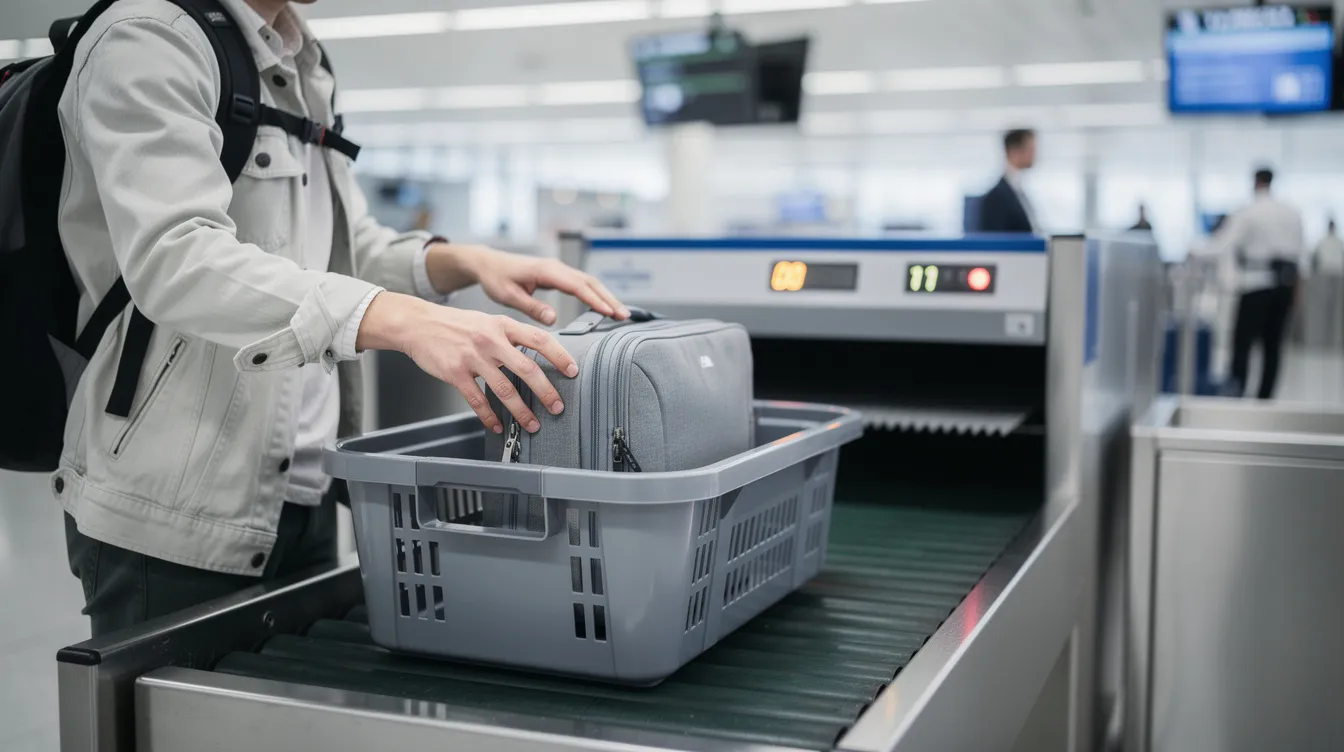
Cigarettes can be carried in both carry-on and checked luggage on most airlines, but smoking on commercial flights is strictly prohibited, with fines up to $4,000 for violations. While there are no domestic limits on the number of cigarettes for personal use in the U.S., international travel is subject to customs regulations, typically allowing around 200 cigarettes duty-free per adult, though this varies by country. Lighters, vapes, and other smoking accessories have stricter rules, often requiring them to be kept in carry-on luggage only. Private jet charters may allow smoking if permitted by the aircraft owner and operator, offering more flexibility compared to commercial flights.
Read More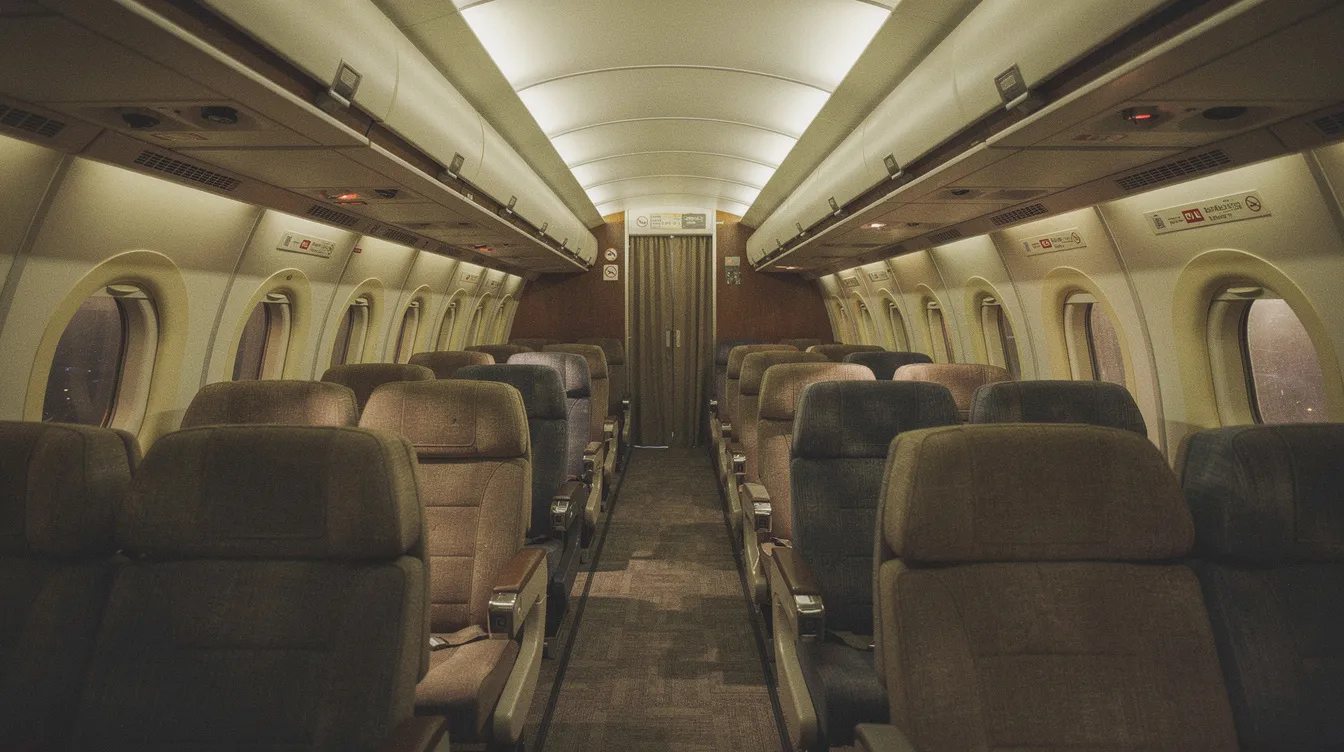
5
min read
When Was Smoking on Airplanes Banned? A Timeline for Commercial and Private Flights
Smoking on U.S. airplanes was gradually banned, starting with domestic flights under two hours in 1988 and culminating in a complete federal ban on June 4, 2000. This movement was driven by health and safety concerns, particularly regarding secondhand smoke and fire risks, despite resistance from the tobacco industry. By the early 2000s, most commercial airlines worldwide had adopted similar smoking bans, leading to a universal expectation of smoke-free flights. Today, smoking and vaping are prohibited on nearly all commercial and private flights, reflecting a commitment to passenger safety and comfort.
Read MoreJoin our community and receive the latest blog updates directly in your inbox.
MEMBERSHIPS AND ASSOCIATIONS



Disclaimer: Jettly operates as a charter broker, offering access to a global digital jet charter marketplace. Jettly is not a direct air carrier and does not own or operate aircraft. All advertised flights are conducted by third-party air carriers that are fully licensed and hold the appropriate Part 135 or Part 121 certifications issued by the Federal Aviation Administration (FAA) or equivalent regulatory authorities under U.S. or foreign law. Jettly complies fully with the U.S. Department of Transportation's Part 295 and Part 298 Charter Broker regulations. Jettly does not carry additional liability insurance. Passengers are covered by aircraft operator insurance. TICO: 50023770


