



Login
Get Instant Pricing On 23,000+ Aircraft

>
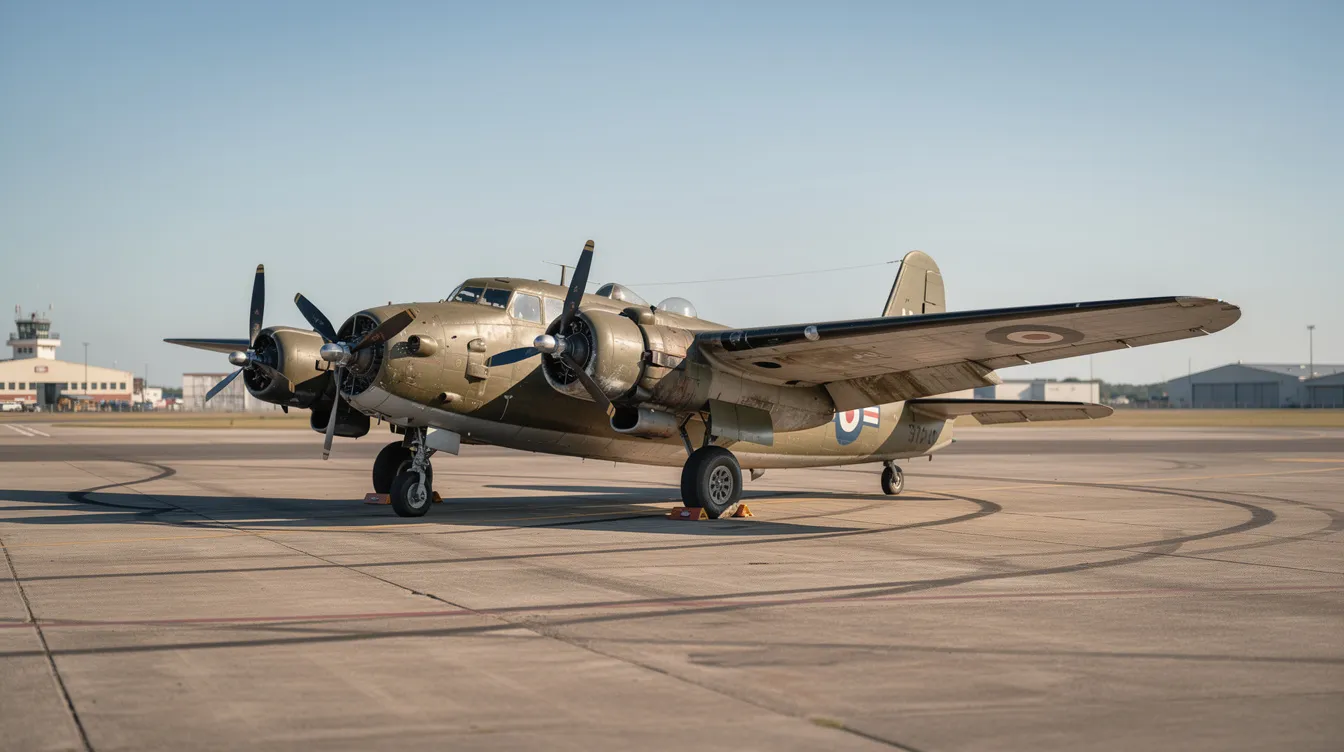
The Air Force One layout turns a Boeing 747 into something no other aircraft on Earth replicates: a flying presidential headquarters with dedicated zones for governance, security, rest, and press operations. The aircraft is one of the most recognizable symbols of American power, and its interior is designed to keep the US president fully operational at 45,000 feet. Here is a detailed look at what sits inside this famous plane, from nose to tail.
"Air Force One" is the radio call sign designated for any US Air Force aircraft when the president is on board. In practice, it commonly refers to two VC-25A jets—highly modified Boeing 747-200Bs—operated by the Presidential Airlift Group at Joint Base Andrews. In practice, the name refers to two VC-25A jets, both heavily modified Boeing 747-200Bs, operated by the Presidential Airlift Group out of Joint Base Andrews.
The aircraft spans three primary levels:
Upper deck: cockpit, flight crew stations, and a secure communications center
Main deck: presidential suite, flying Oval Office, conference room, senior staff workspaces, galleys, and the rear press cabin
Lower deck: cargo hold, support systems, crew rest areas, and additional equipment storage
Air Force One has about 4,000 square feet of interior floor space on the main deck alone. The layout is compartmentalized for privacy and security, zoned from the most restricted forward areas (where the president works and sleeps) to less restricted rear sections (where credentialed press file stories mid-flight). It can carry up to 76 passengers and 26 crew members on a typical mission.
For civilian travelers looking for some of the same privacy and productivity benefits on a smaller scale, Jettly is a private jet charter platform connecting passengers with over 20,000 aircraft worldwide.
The term "Air Force One" is not a model name or a tail number. It is a radio call sign the United States Air Force assigns to any Air Force aircraft the moment the president steps on board.
When the vice president flies on a US Air Force aircraft, the call sign is "Air Force Two."
Presidential helicopters operated by the US Marine Corps use "Marine One."
On the rare occasions an American president boards a commercial flight, the Air Force designation changes to "Executive One."
The famous plane most people picture is the VC-25A, a military aircraft built on the Boeing 747-200B platform, bearing tail numbers 28000 and 29000. These two wide-body aircraft are maintained and flown by the Presidential Airlift Group at Joint Base Andrews in Maryland.
When those same jets fly without the president, they revert to standard call signs like "SAM 28000." At that point, neither plane technically qualifies as "Air Force One."
Franklin D. Roosevelt was the first president to fly in 1933, using a Douglas Dolphin for a short trip. The first aircraft built specifically for presidential use was the VC-54C "Sacred Cow," which entered service in 1945 with a private stateroom, bullet-resistant windows, and a battery-powered elevator for wheelchair access.
Key milestones in presidential air travel:
President Truman flew on the VC-118 "The Independence," a modified Douglas DC-6, starting in 1947. It featured a pressurized cabin and aft stateroom.
President Eisenhower (President Dwight D. Eisenhower) used Lockheed Constellations dubbed "Columbine II" and "Columbine III." The first aircraft to officially carry the Air Force One call sign was Columbine II in 1953.
President Kennedy popularized the aircraft's image with the VC-137C (SAM 26000), a modified Boeing 707 that introduced the blue-and-white livery designed under industrial designer Raymond Loewy. The VC-137C, SAM 26000, served from 1962 to 1998.
The current VC-25A aircraft entered service in 1990 under President George H. W. Bush and has carried every president since, including Presidents Clinton, George W. Bush, Obama, President Trump, and Biden.
The shift from propeller-driven aircraft to jets, and then to wide-body aircraft, paralleled advances in aviation technology that made longer, faster, and more secure presidential travel possible.
The VC-25A is built on the Boeing 747-200B airframe with extensive modifications for presidential use. Core specifications include:
|
Specification |
Value |
|---|---|
|
Length |
~231 ft 10 in (70.7 m) |
|
Wingspan |
~195 ft 8 in (59.6 m) |
|
Engines |
4x General Electric CF6-80C2B1 (~56,700 lbf thrust each) |
|
Max takeoff weight |
833,000 pounds (~378 metric tons) |
|
Cruising speed |
Approximately Mach 0.84; top speed close to Mach 0.92 |
|
Range |
~7,800 statute miles unrefueled |
|
Service ceiling |
Above 45,000 ft |
The aircraft features in-flight refueling capability for extended range, allowing it to stay airborne far longer than any standard commercial 747. Its structure is reinforced, wiring is hardened against electromagnetic pulse events, and it carries advanced missile warning sensors and countermeasure systems. Redundant power and environmental systems keep the aircraft self-sufficient in remote locations.
On a typical mission, the plane flies with about 76 passengers and 26 crew members, including the flight crew, Secret Service agents, senior staff, a medical team, and security personnel.
The next presidential aircraft, the VC-25B, is based on the Boeing 747-8. It will bring more efficient engines (GE GEnx-2B), modern avionics, and updated mission communications systems while retaining a similar high-level layout, paralleling trends seen across the global fleet of private jets.
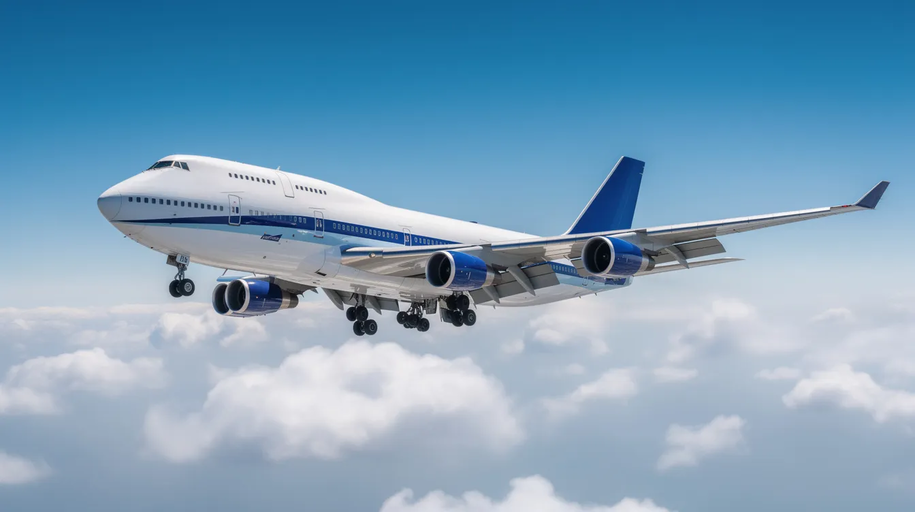
The main deck holds most of the functional spaces a person would associate with the Air Force One layout. Walking from nose to tail, the zones appear roughly in this order:
Presidential suite and flying Oval Office (forward, most restricted)
Conference/dining room (mid-forward)
Senior staff workspaces (mid-cabin)
Security and support staff seating (mid-aft)
Galleys and six passenger lavatories (distributed throughout)
Press cabin (rear, least restricted)
The aircraft's approximately 4,000 square feet of interior floor space is divided to support continuous government operations. Access control is built into the architecture: separate boarding doors with built-in airstairs allow the president and VIPs to enter through the forward door, while press, support staff, and other personnel board through the aft entrance. Secret Service agents and Air Force security manage movement between zones throughout the flight.
The upper deck houses the cockpit and a secure communications center. The lower deck stores cargo, houses crew rest bunks, and contains support infrastructure for the aircraft's environmental, water, and power systems.
The forward compartment is the most restricted part of the aircraft. Secret Service agents position themselves at the boundary between this area and the rest of the main deck, controlling who can move toward the nose.
The private presidential suite includes:
A bedroom with a large reclining bed
Personal storage and a dressing area
A private lavatory with shower
Space for confidential briefings and rest during long flights
Adjacent to the suite is the flying Oval Office, the president's private workspace. This area holds a large desk, a meeting table, secure and non-secure telephones, and encrypted video conferencing equipment. Communications equipment in this room connects directly to the White House Situation Room, the Pentagon, and world leaders.
Presidents have used this space for high-stakes decisions in flight. President George W. Bush coordinated the federal response to the September 11, 2001, attacks from this room. President Trump, President Obama, and President Biden all conducted policy calls and briefings here during long international trips.
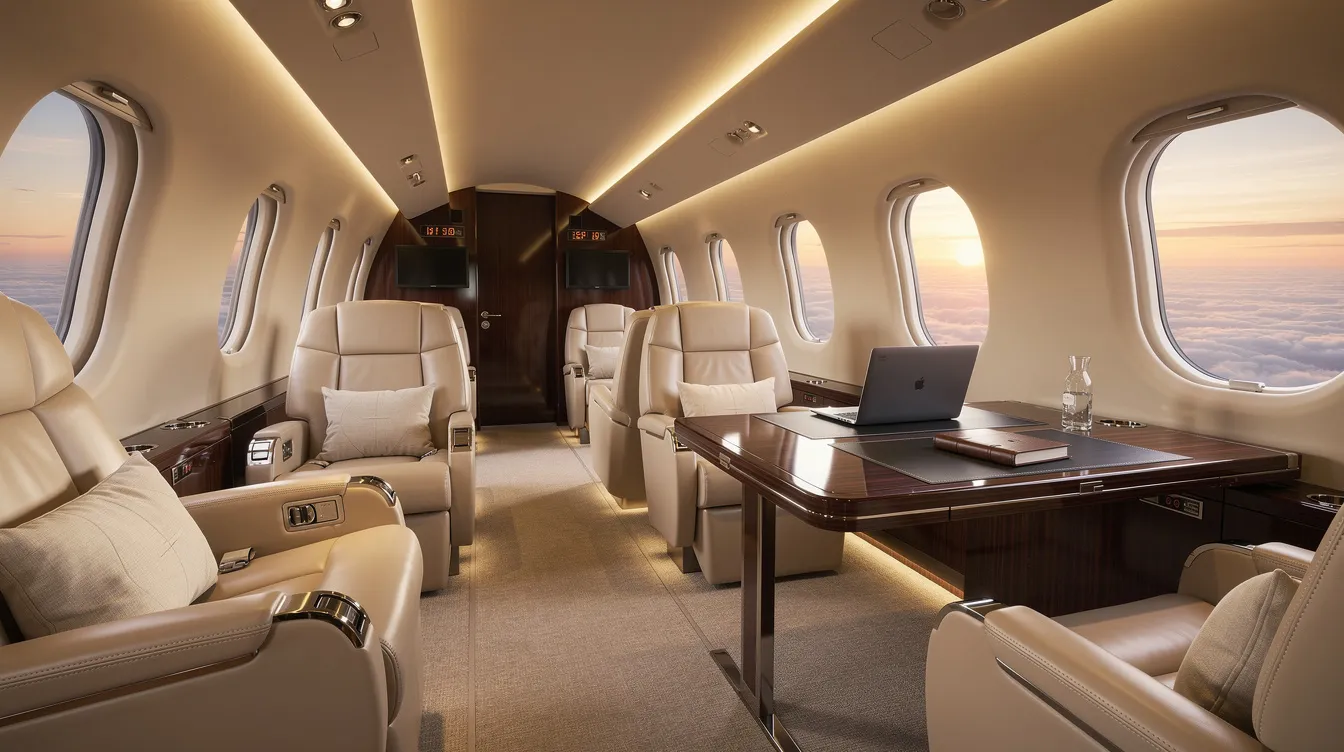
Behind the presidential suite sits the aircraft's conference room, a space that doubles as a dining room. Cabinet members, military leaders, and foreign dignitaries meet here during flights. The room seats several people around a central table and connects to the president's office for quick access.
The senior staff section holds:
Airline-style seating with wider pitch than commercial business class
Worktables and power outlets at each position
Secure phones and data terminals for chiefs of staff, national security advisors, and communications teams
Further aft, denser seating accommodates policy staff, political aides, Secret Service, and military support personnel. This area is optimized for laptop work rather than comfort.
The aircraft functions as a mobile command center in the air. Dozens of secure and non-secure phone lines (some sources cite 80 to 85 circuits) run throughout the cabin. Multiple screens carry live news feeds and secure data channels. The aircraft is equipped with advanced communications for secure government operations, allowing staff to access classified networks continuously, much as private travelers rely on tools like an airport locator tool for global private flights to maintain connectivity and flexibility.
The aircraft features a medical compartment with emergency supplies and equipment capable of functioning as an operating room. The medical suite includes an exam table, monitoring equipment, a defibrillator, ventilators, oxygen, medications, and blood supplies matched to the president's blood type. A physician from the White House Medical Unit travels on every mission.
Two industrial-scale galleys can serve approximately 100 people. Food is typically prepared in secure kitchens at Joint Base Andrews, loaded aboard, and reheated in flight, reflecting the same behind-the-scenes logistics that support many private and charter airlines worldwide.
Additional life-support features:
Six passenger lavatories distributed across the main deck
Crew rest bunks on the lower deck for long-duration flights
Redundant air-conditioning, filtration, and water systems
Independent power generation designed for missions far from ground infrastructure
These systems allow the aircraft to operate self-sufficiently for extended periods, a concept familiar to operators of heavy jets and large cabin private jets designed for long-range missions, where dedicated in-flight catering for private jets is also part of the experience.
Air Force One serves as a mobile command center for the president, giving the US president uninterrupted access to every branch of the federal government from anywhere on the planet.
The secure communications suite includes:
Satellite uplinks and downlinks for global coverage
Encrypted voice and data channels
Secure and non-secure telephone circuits
Classified video conferencing capability
Air Force One is equipped with advanced security systems against missiles, including missile warning sensors and countermeasure systems. The aircraft's electronics are shielded against electromagnetic pulse threats, and redundant backup systems protect against single-point failures. Specific defensive technologies remain classified.
The aircraft's command-center role has been tested during national emergencies. On September 11, 2001, President George W. Bush used the aircraft's communications infrastructure to coordinate with the National Security Council, the Pentagon, and congressional leaders while airborne for hours. That day demonstrated why the Air Force invests heavily in making this presidential aircraft capable of replacing the White House as a seat of government during a crisis.
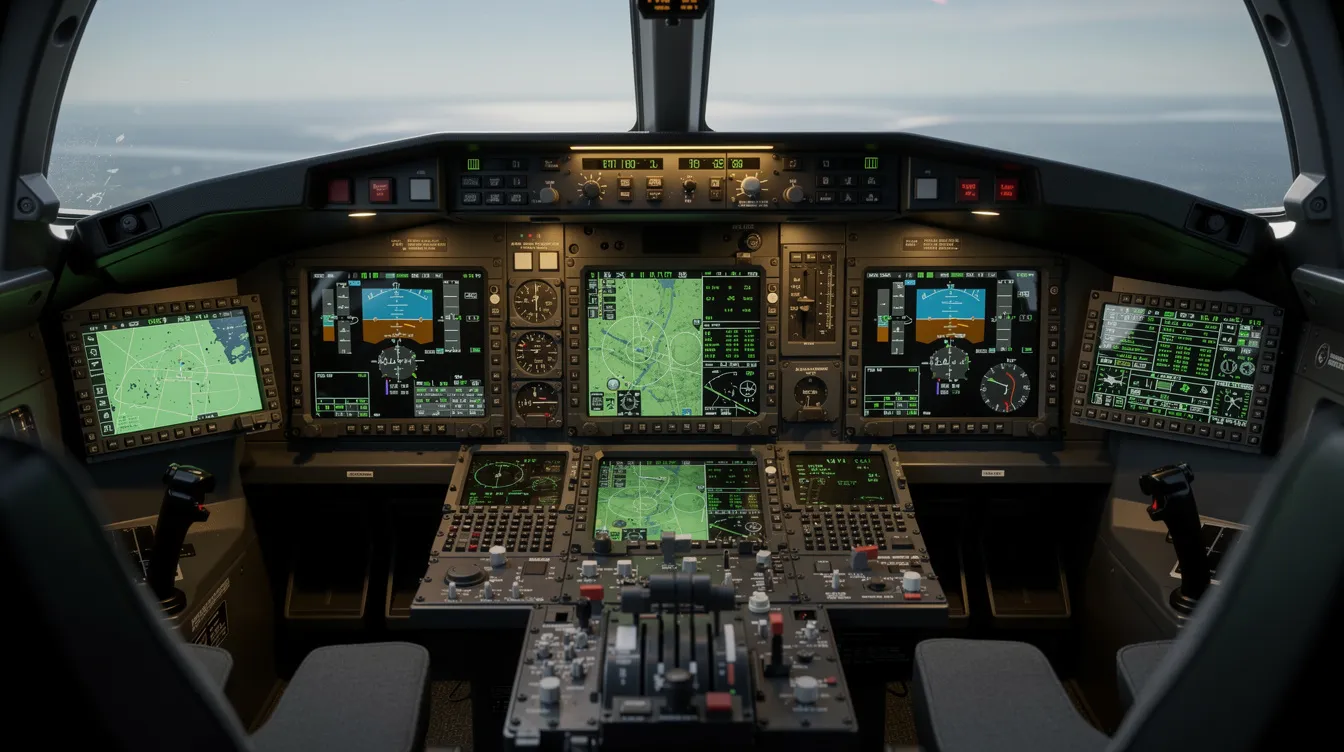
The traveling press occupies the rear press cabin, a section with business-class-style seating, power outlets, and satellite communication tools. Credentialed reporters can file stories, photos, and video in real time during flights. On a typical trip, a pool of about a dozen reporters travels aboard, with additional support staff.
VIP guests, including members of Congress and foreign officials, sit in reserved areas closer to mid-cabin. Movement throughout the aircraft is tightly managed; Secret Service agents control who passes between zones, and each section has its own access rules, just as protocols shape movements for private jet charter in Kolkata and other cities.
A typical long-haul flight settles into a rhythm:
Senior staff draft speeches and review briefings
National security advisors monitor classified feeds
Press write and file stories from the rear cabin
Security personnel rotate through watch stations
Air Force crew manage flight operations and catering
Pre-flight protocols involve extensive background checks, passenger and baggage screening, and controlled catering and loading. The presidential seal on the aircraft's exterior is a familiar sight on television, but the real work happens inside, where dozens of people keep the government running at cruising altitude.
The Air Force announced the VC-25B program to replace the aging VC-25A fleet, which has been in service since 1990. The new Air Force One jets are based on the Boeing 747-8 airframe.
A new VC-25B program is set to deliver aircraft by 2027, though GAO reports indicate the schedule has slipped, with deliveries more likely around 2028 or 2029. The total cost of the program sits in the range of $3.9 to $4 billion, covering airframes, modifications, and support infrastructure, a figure that has drawn scrutiny within the Air Force's budget discussions.
The VC-25B will preserve the fundamental layout: presidential suite, conference room, staff and press areas. Upgrades focus on more efficient engines, modern avionics, expanded mission communications, and updated defensive systems. The official state flower and presidential seal will adorn the new aircraft, though the exterior livery has shifted to a red, white, and blue color scheme, much as branding distinguishes leaders like NetJets in private aviation.
Broader concepts under study include potential supersonic or advanced designs to keep presidential airlift capabilities ahead of emerging threats, though no concrete program has been funded beyond the VC-25B.
Air Force One has 4,000 square feet of interior space spread across its main deck. Private jets typically offer 500 to 1,200 square feet of space, depending on class.
|
Feature |
Air Force One (VC-25A) |
Large-Cabin Private Jet |
|---|---|---|
|
Interior floor space |
~4,000 sq ft |
~800–1,200 sq ft |
|
Passengers |
Up to 76 passengers and 26 crew |
8–19 passengers |
|
Zones |
Suite, office, conference room, medical, press |
Cabin, galley, lavatory, optional bedroom |
|
Communications |
Military-grade secure/nonsecure systems |
Wi-Fi, satellite phone |
|
Defensive systems |
EMP hardening, missile countermeasures |
None |
|
Routing |
Anywhere, with military support |
Any airport accepting private aviation |
The concepts overlap more than you might expect. Both Air Force One and private planes with well-designed layouts separate work, rest, and dining zones. Both offer connectivity and controlled access. Both allow passengers to use flight time productively, a core promise highlighted in many top private jet charter companies.
The differences come down to mission: Air Force One is a hardened command center for the American president, while private jet charters allow for schedule control and privacy tuned to business and leisure travelers. Air Force One features advanced security systems against missile threats; a Gulfstream G700 offers a quiet cabin and a conference table.
Jettly connects travelers with aircraft across every category, from compact light jets for short hops to large cabin private jets with conference-table layouts suited for executive teams, supported by flexible private jet memberships from Jettly. Civilians cannot charter Air Force One, but they can replicate the core experience of dedicated workspaces, quiet cabins, and flexible routing through a private jet charter and platforms that offer affordable private jet charter pricing.
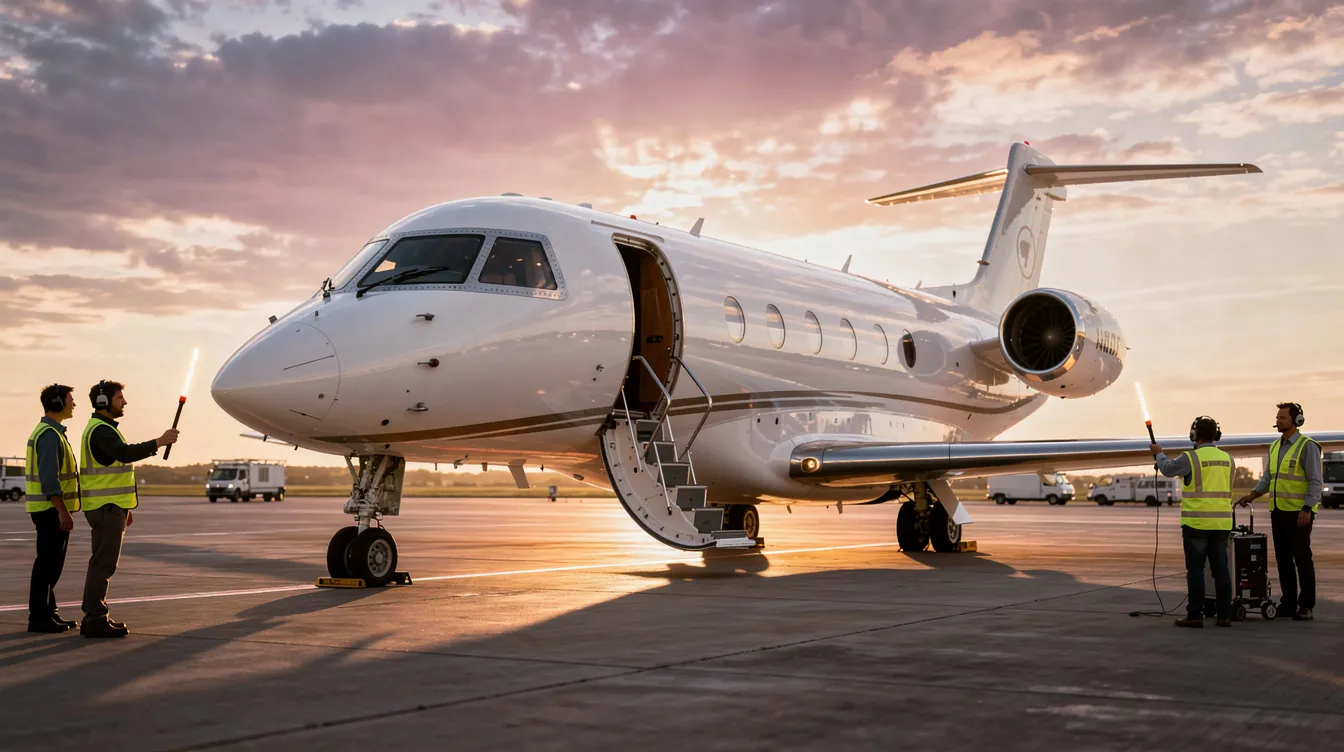
Two nearly identical VC-25A jets exist, with tail numbers SAM-28000 and SAM-29000. Only the one call sign "Air Force One" applies, and only when the president is aboard. The second aircraft often flies as a backup or decoy.
Only partial diagrams and general descriptions have been released. Many details about security equipment, defensive system placement, and exact room dimensions remain classified to protect the president and the aircraft.
The aircraft can carry up to 76 passengers and 26 crew members total. The press cabin typically holds about a dozen pool reporters, while senior staff, Secret Service agents, and support personnel fill the mid-cabin sections.
No one outside authorized personnel can board the current aircraft. However, retired presidential aircraft are on display at the National Museum of the United States Air Force in Dayton, Ohio, and at the Ronald Reagan Presidential Library in California. The first plane used as a dedicated presidential aircraft, the Sacred Cow, is among the exhibits at the National Museum.
Air Force One's 4,000 square feet dwarfs even the largest private jets. But many of the same principles apply: zoned interiors, productive workspaces, and privacy. Travelers interested in exploring private plane layouts can find options ranging from light jets to heavy, wide-cabin aircraft through platforms like Jettly or learn how to buy a seat on a private jet to experience similar comfort on a smaller scale.
The Air Force One layout converts a Boeing 747 into a secure presidential aircraft that combines office, residence, conference center, medical facility, and command post in a single airframe. From the presidential suite and flying Oval Office at the nose to the conference room, senior staff areas, medical bay, galleys, and press cabin toward the tail, every square foot supports constant governance in flight.
The unique security features, hardened communications, and missile countermeasures are reserved for the US government. But the core idea, using time in the air for focused work, confidential meetings, and rest in a controlled environment, is the same principle behind private jet travel.
For travelers who want a private cabin, direct routes, and productive workspaces without the constraints of commercial schedules, Jettly offers access to a global fleet of over 20,000 aircraft. Whether the trip calls for a light jet to cover a short hop or a heavy jet with a full conference setup, the platform matches the aircraft to the mission and even supports crowdsourcing private jet flights and sharing empty seats to reduce individual costs.
Ready to experience private travel on your terms? You can start with tools like a private jet charter cost estimator, explore jet card flight cost options, or compare world-class corporate jet card programs. Membership-based solutions and strategies on how to get a seat on a private jet easily work alongside alternatives such as a NetJets alternative in Jettly. Jettly also partners with vetted operators like DEXTER Air Taxi and Zenflight to expand access. Aspiring partners can join Jettly’s ULTRA high-ticket affiliate program to earn by referring new travelers, or simply explore flight options or request a quote at https://www.jettly.com.
Share this post:
Jeff Ryan Serevilla
Oct 31, 2026
|
5
min read
Discover tips and trends in the industry.
5
min read
Air Force One Layout: Inside America's Flying Oval Office
Air Force One is a highly modified Boeing 747 that serves as the U.S. president's airborne command center. Its layout includes dedicated zones for governance, security, and press operations, ensuring the president remains operational at 45,000 feet. With approximately 4,000 square feet of space, the aircraft is designed for privacy and efficiency, accommodating up to 76 passengers and 26 crew members.
Read More
5
min read
Best Small Aircraft In 2026: Top Choices For Pilots And Private Travelers
Choosing the best small aircraft in 2026 involves evaluating speed, range, safety, and cost across various categories, including piston singles, turboprops, and light jets. Notable models like the Cessna 172 Skyhawk and Cirrus SR22T cater to different needs, from training to personal travel. With advancements in technology and fuel efficiency, modern small aircraft offer enhanced safety and comfort for pilots and passengers alike.
Read MoreStay updated with our latest insights and tips to elevate your journey with us.
MEMBERSHIPS AND ASSOCIATIONS



Disclaimer: Jettly operates as a charter broker, offering access to a global digital jet charter marketplace. Jettly is not a direct air carrier and does not own or operate aircraft. All advertised flights are conducted by third-party air carriers that are fully licensed and hold the appropriate Part 135 or Part 121 certifications issued by the Federal Aviation Administration (FAA) or equivalent regulatory authorities under U.S. or foreign law. Jettly complies fully with the U.S. Department of Transportation's Part 295 and Part 298 Charter Broker regulations. Jettly does not carry additional liability insurance. Passengers are covered by aircraft operator insurance. TICO: 50023770


