


Login
Get Instant Pricing On 23,000+ Aircraft


Fractional jet ownership provides a cost-effective solution for enjoying the perks of private jet travel without the full expense of owning an aircraft outright. By being well-versed in the costs, including acquisition, operating fees, and additional charges, individuals can choose a plan that suits their needs. Evaluating different programs is crucial to finding the right fit, especially considering the various benefits such as fleet access and tax advantages. Properly understanding contracts and fee structures ensures owners maximize their investment's value while benefiting from the flexibility of private aviation.

Justin Crabbe
May 6, 2025
|
5 minutes
min read



View all
Understanding how much weight a plane can hold is crucial for safe flight operations. Each aircraft has a certified maximum takeoff weight (MTOW) that dictates its capacity for passengers, baggage, and fuel. This knowledge helps travelers and pilots make informed decisions about flight planning and safety.
Jeff Ryan Serevilla
Oct 8, 2026
|
5
min read
View all
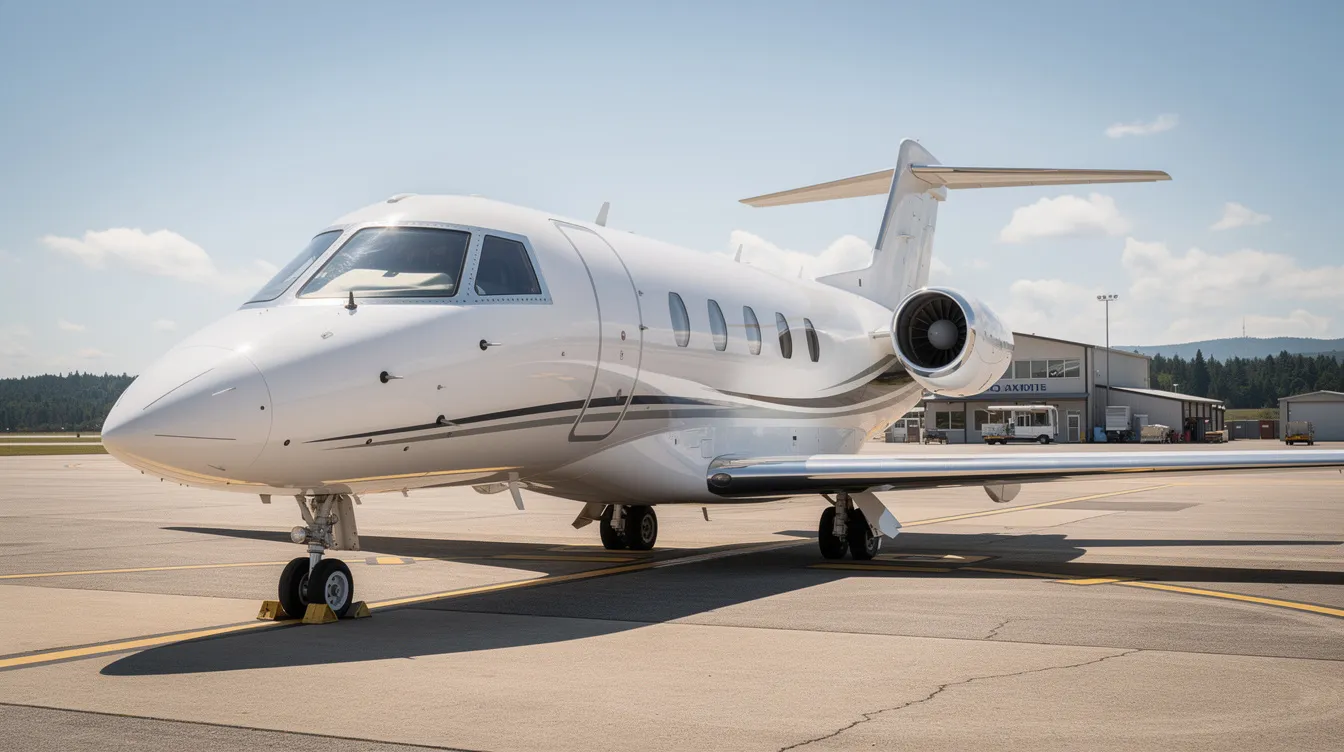
Empty leg flights are discounted private jet journeys that occur when a jet is repositioning without passengers. These flights offer travelers the luxury of private aviation at a fraction of the cost, typically 50% to 80% cheaper than standard charters. This guide explains how to find and book these flights, making private travel more accessible for those with flexible schedules.
Jeff Ryan Serevilla
Oct 8, 2026
|
5
min read

View all
Air ambulance transport can be a lifesaver during medical emergencies, but the costs can be staggering, ranging from $12,000 to over $200,000. This guide explores the factors influencing these prices, including distance, aircraft type, and medical care level, while offering tips on managing and reducing costs effectively.
Jeff Ryan Serevilla
Oct 8, 2026
|
5
min read

View all
The private jet market has seen a significant surge in demand, remaining 35% above pre-pandemic levels through mid-2026. This trend is driven by a broader demographic of first-time flyers, increased flexibility, and the rise of digital booking platforms. As the industry evolves, travelers can expect tighter availability and a focus on sustainability through 2030.
Jeff Ryan Serevilla
Oct 8, 2026
|
5
min read

View all
Private flight club memberships offer a range of costs influenced by initiation fees, monthly dues, and hourly rates. Understanding these components helps travelers make informed decisions between membership and on-demand charter options. With costs varying significantly based on aircraft type and usage, it's essential to evaluate personal travel needs and frequency before committing.
Jeff Ryan Serevilla
Oct 8, 2026
|
5
min read

View all
Taneja Aerospace & Aviation Ltd's current share price is ₹344.20, reflecting a 1.7% decrease. With a P/E ratio of approximately 47, the stock indicates strong growth expectations in the aerospace sector, making it an intriguing option for investors. This guide provides essential trading data, valuation metrics, and insights into the company's fundamentals and market trends.
Jeff Ryan Serevilla
Oct 8, 2026
|
5
min read
Explore our latest articles and updates.

5
min read
Best Planes for Private Jet Travellers in 2026
In 2026, selecting the best private jet for travel involves considering factors like trip length, passenger count, budget, and airport access, with platforms like Jettly offering access to over 20,000 aircraft tailored to specific needs. The guide highlights various aircraft categories, including light jets, midsize jets, and large-cabin jets, emphasizing their unique features, performance metrics, and cost considerations to enhance comfort and efficiency. Modern jets are designed for improved fuel efficiency and passenger comfort, making private aviation a flexible and sustainable option. Ultimately, the right aircraft choice can significantly enhance the travel experience, allowing for tailored journeys that meet individual preferences and requirements.
Read More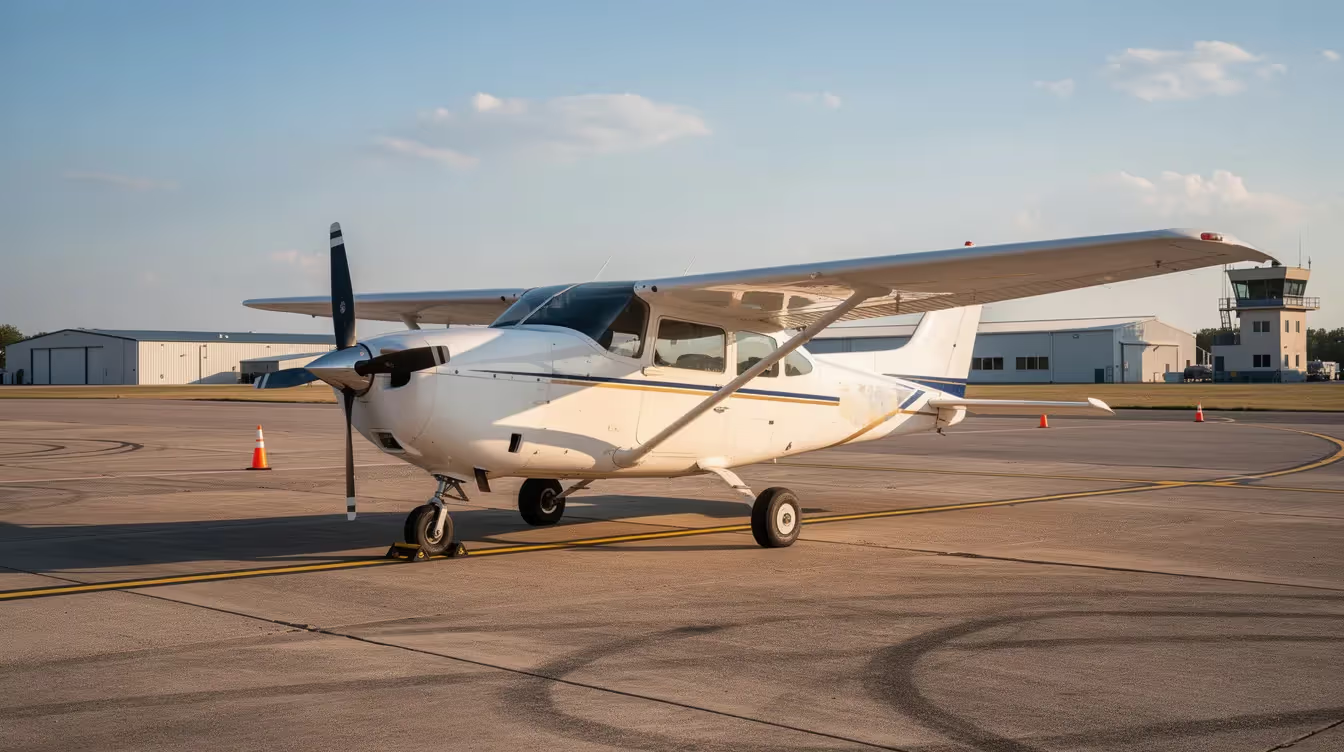
5
min read
Small Aircraft Leasing: Practical Guide for Owners, Pilots, and Businesses
Small aircraft leasing provides a flexible and cost-effective alternative to ownership for pilots and businesses, allowing access to various aircraft without the burdens of high upfront costs and maintenance responsibilities. Lease structures, including wet, dry, and block-time agreements, cater to different user needs, from individual pilots to companies requiring regional transport. This approach enhances cash flow and reduces financial risks associated with depreciation, while often including maintenance and insurance provisions. For those flying fewer than 150–200 hours annually, chartering through platforms like Jettly may be a more suitable option, offering flexibility without the complexities of lease management.
Read MoreJoin our community and receive the latest blog updates directly in your inbox.
MEMBERSHIPS AND ASSOCIATIONS



Disclaimer: Jettly operates as a charter broker, offering access to a global digital jet charter marketplace. Jettly is not a direct air carrier and does not own or operate aircraft. All advertised flights are conducted by third-party air carriers that are fully licensed and hold the appropriate Part 135 or Part 121 certifications issued by the Federal Aviation Administration (FAA) or equivalent regulatory authorities under U.S. or foreign law. Jettly complies fully with the U.S. Department of Transportation's Part 295 and Part 298 Charter Broker regulations. Jettly does not carry additional liability insurance. Passengers are covered by aircraft operator insurance. TICO: 50023770


