


Login
Get Instant Pricing On 23,000+ Aircraft

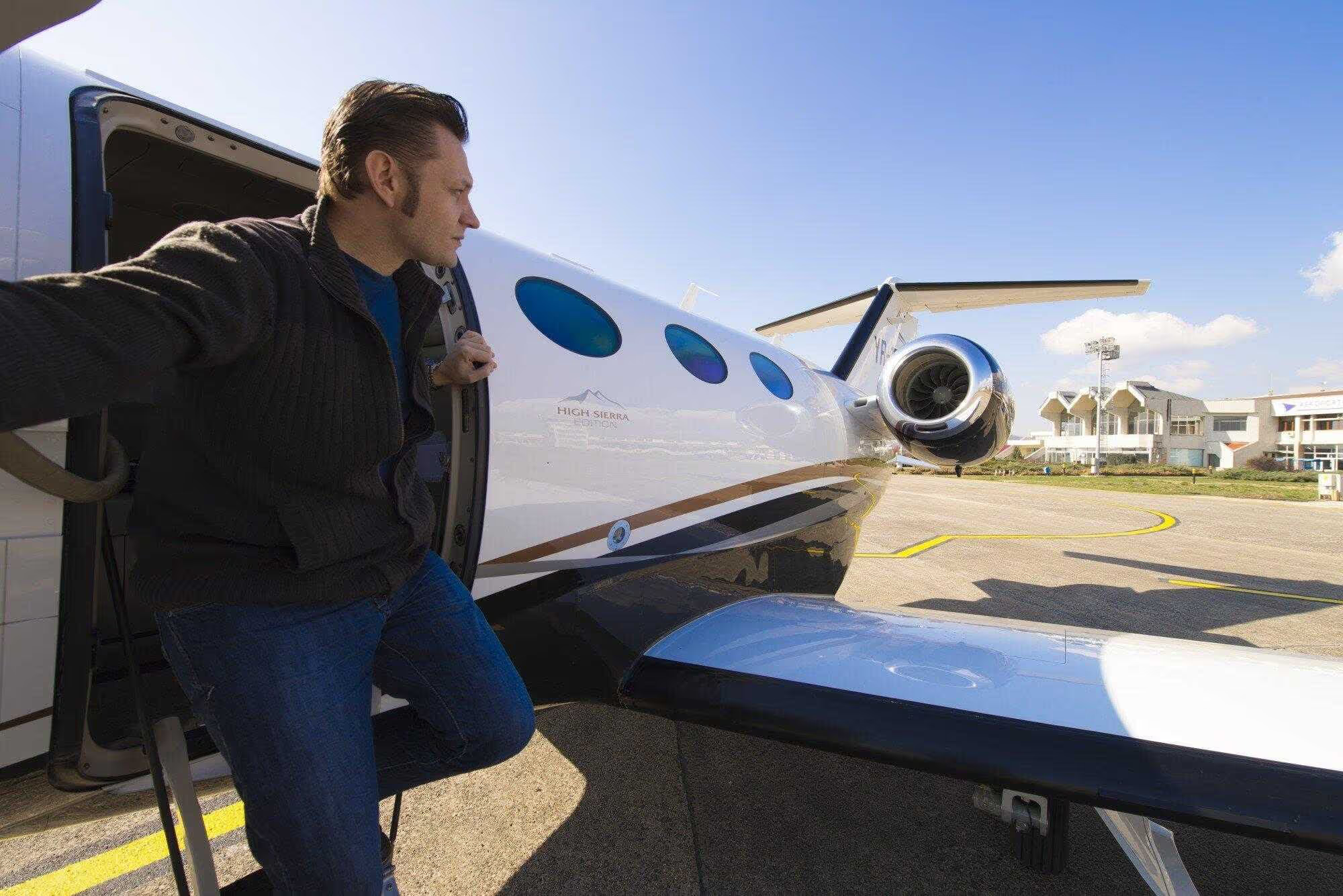
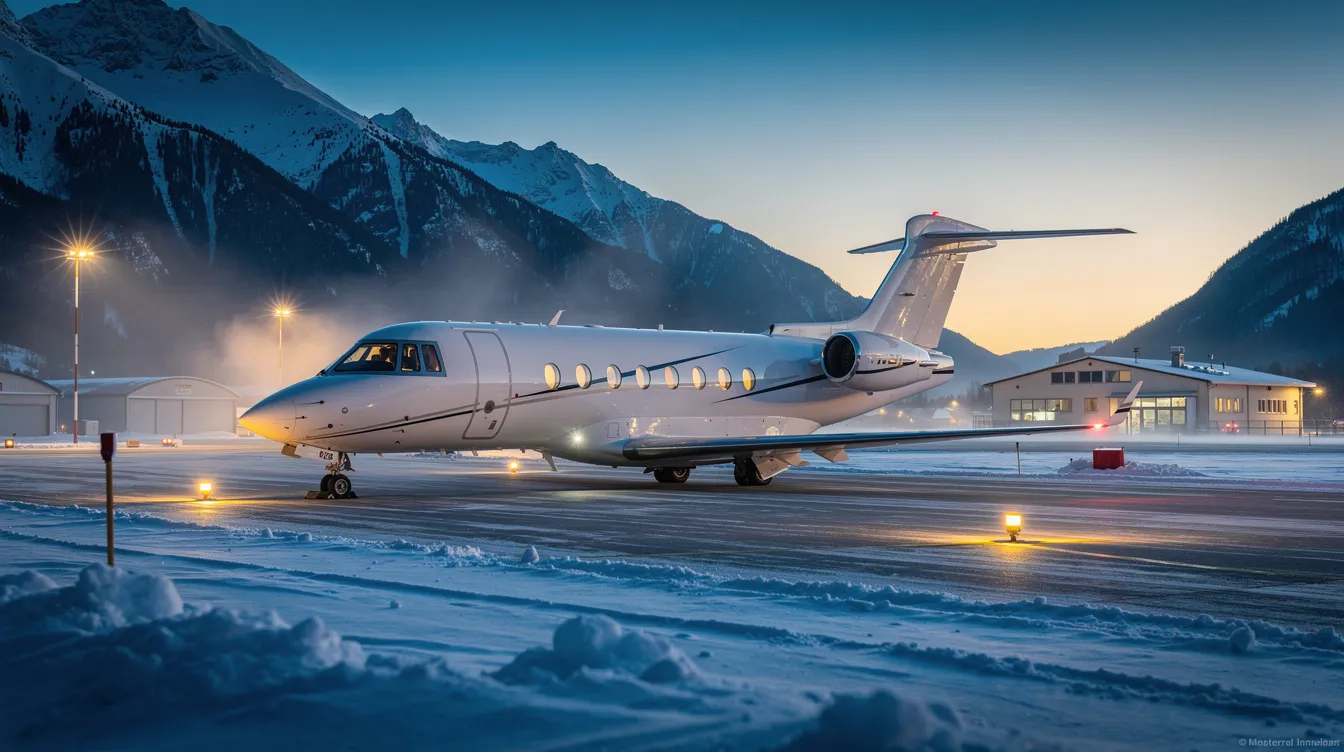
Fueling a private jet is a complex and costly process, with Jet-A fuel in 2024 averaging $6.20 per gallon in the U.S., and prices often reaching $8.00 in high-demand areas. Factors influencing these costs include the type of jet fuel, regional fuel logistics, geopolitics, and airport-specific fees. Travelers can manage these expenses by choosing efficient aircraft, planning refueling stops at cost-effective airports, and using tools like Jettly’s app for real-time fuel price comparisons. With careful planning, private jet fuel costs can become manageable for frequent flyers and corporate travelers.
Justin Crabbe
May 6, 2025
|
5 minutes
min read


View all
Private jet programs provide flexible access to aircraft without the need for full ownership. Options include on-demand charters, jet cards, and membership programs, each catering to different travel needs and budgets. Jettly stands out by offering instant pricing and booking across a vast network of private jets, making it an ideal choice for both business and leisure travelers.
Jeff Ryan Serevilla
Oct 10, 2026
|
5
min read
View all
Traveling from Pittsburgh to Key West offers various flight options, including limited nonstop services and connecting itineraries. Private charters provide a direct and flexible alternative, with prices and schedules varying by season. Understanding the best times to book and the differences between commercial and private flights can enhance your travel experience.
Jeff Ryan Serevilla
Oct 9, 2026
|
5
min read
View all
Celebrity jet tracking has emerged as a significant topic at the intersection of technology, privacy, and environmental accountability. Initiated by Jack Sweeney, this practice involves monitoring and publicly sharing the flight movements of private jets owned by celebrities, raising important discussions about privacy, safety, and the environmental impact of private aviation. As public interest grows, platforms like Jettly adapt to meet the evolving expectations of privacy and responsibility in private jet travel.
Jeff Ryan Serevilla
Oct 9, 2026
|
5
min read
View all
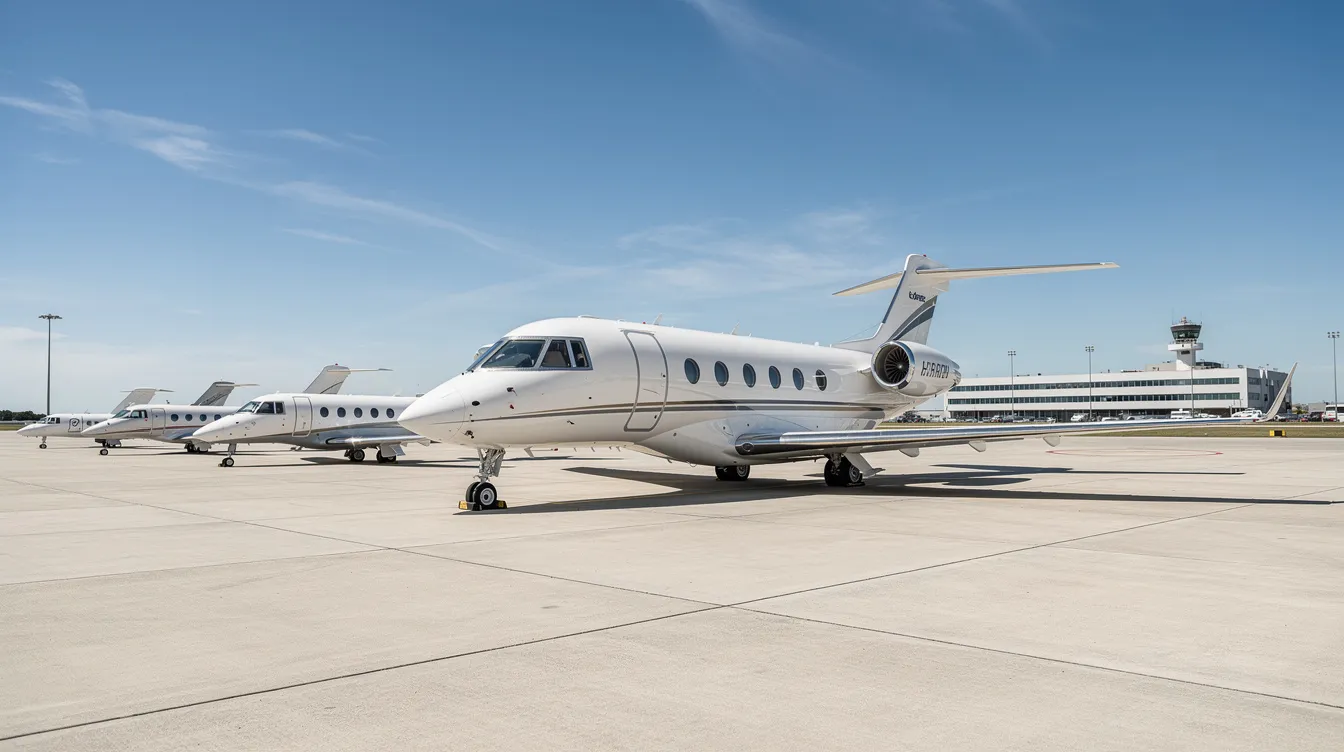
Booking flights for December, especially around Christmas, requires strategic planning to secure the best prices. The ideal booking window typically falls between 33 and 67 days before departure, with early September being the time to start tracking fares. Flexibility with travel dates and routes can lead to significant savings, making it crucial to understand fare patterns and dynamics during this peak travel season.
Jeff Ryan Serevilla
Oct 9, 2026
|
5
min read
View all
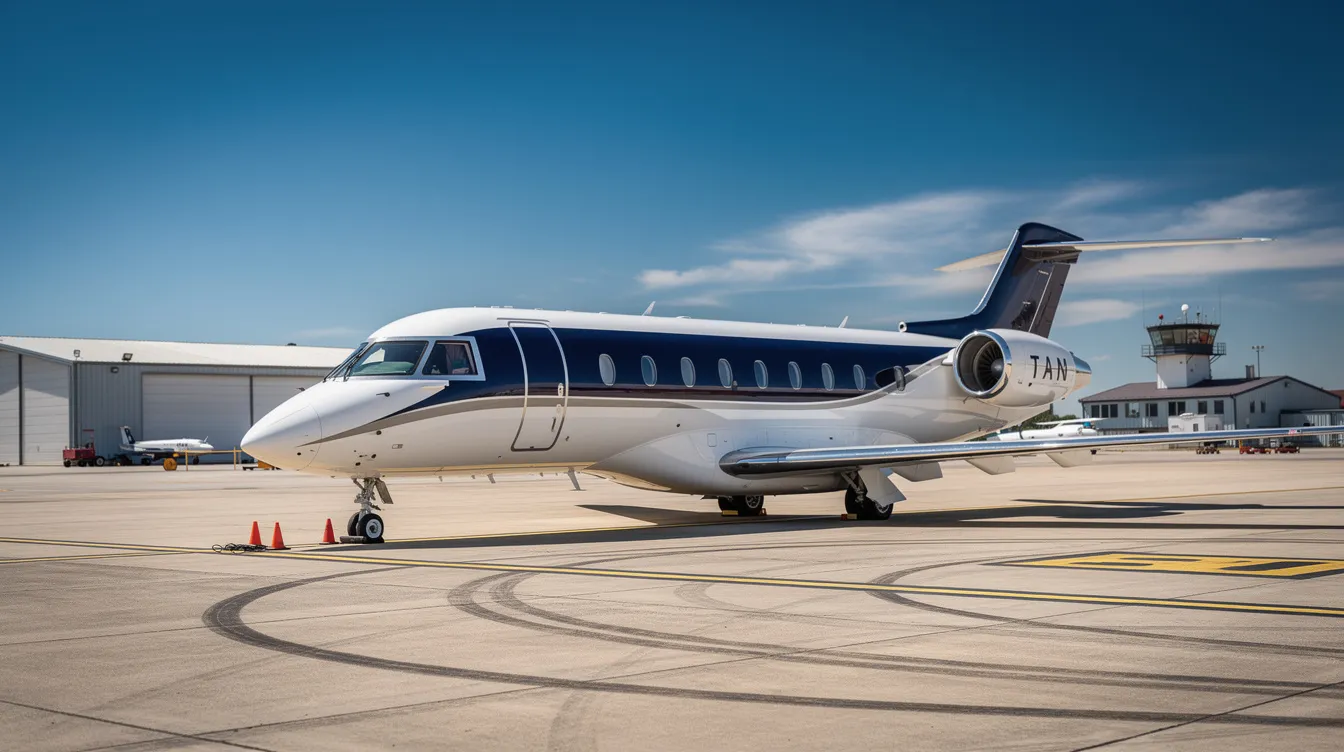
The private jet market is experiencing significant growth, projected to rise from USD 25.5 billion in 2024 to USD 38.25 billion by 2033. Key drivers include increasing demand from high-net-worth individuals, technological advancements, and a shift towards charter services over ownership. Jettly offers a flexible platform for travelers to access a vast network of private jets, catering to the evolving needs of business and leisure travelers.
Jeff Ryan Serevilla
Oct 9, 2026
|
5
min read
View all
In 2026, private jet rental costs range from $2,000 to $24,000 per flight hour, influenced by aircraft type and route. This guide provides insights into hourly rates, hidden fees, and cost-saving strategies, helping travelers choose the best access model for their needs. Jettly's digital marketplace offers instant pricing and transparency for private jet bookings.
Jeff Ryan Serevilla
Oct 8, 2026
|
5
min read
Explore our latest articles and updates.
5
min read
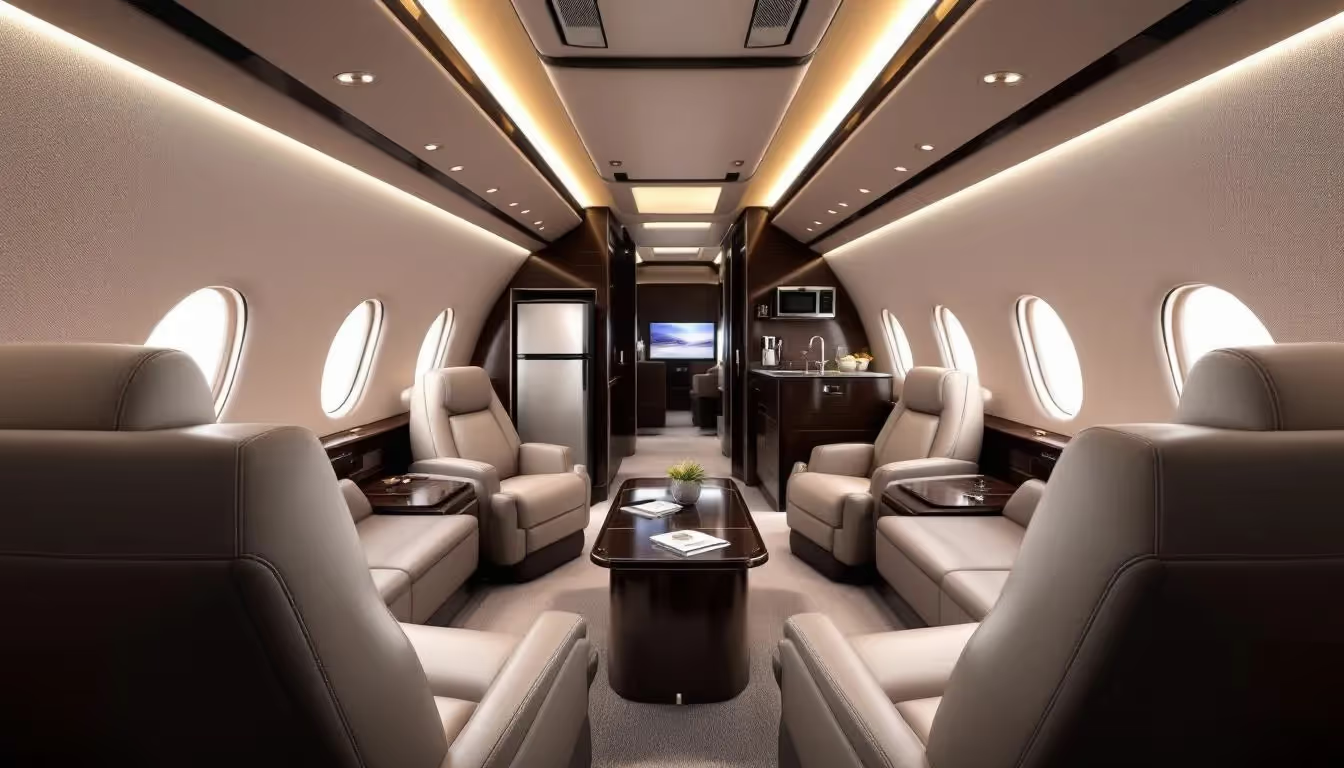
Exploring the Best Private Plane Layouts: Design and Comfort Insights
Private jets offer unparalleled convenience, privacy, and customization, making them ideal for both business and leisure travelers. Their spacious interiors are designed for comfort and functionality, featuring flexible layouts that can accommodate workspaces, lounges, and sleeping areas, all enhanced by luxury amenities and advanced technology. With a focus on personalized experiences, private jets allow for bespoke designs that reflect individual tastes, including high-quality materials and sophisticated entertainment systems. As the demand for private aviation grows, manufacturers are increasingly prioritizing sustainability in both design and operation, ensuring a responsible luxury travel experience.
Read More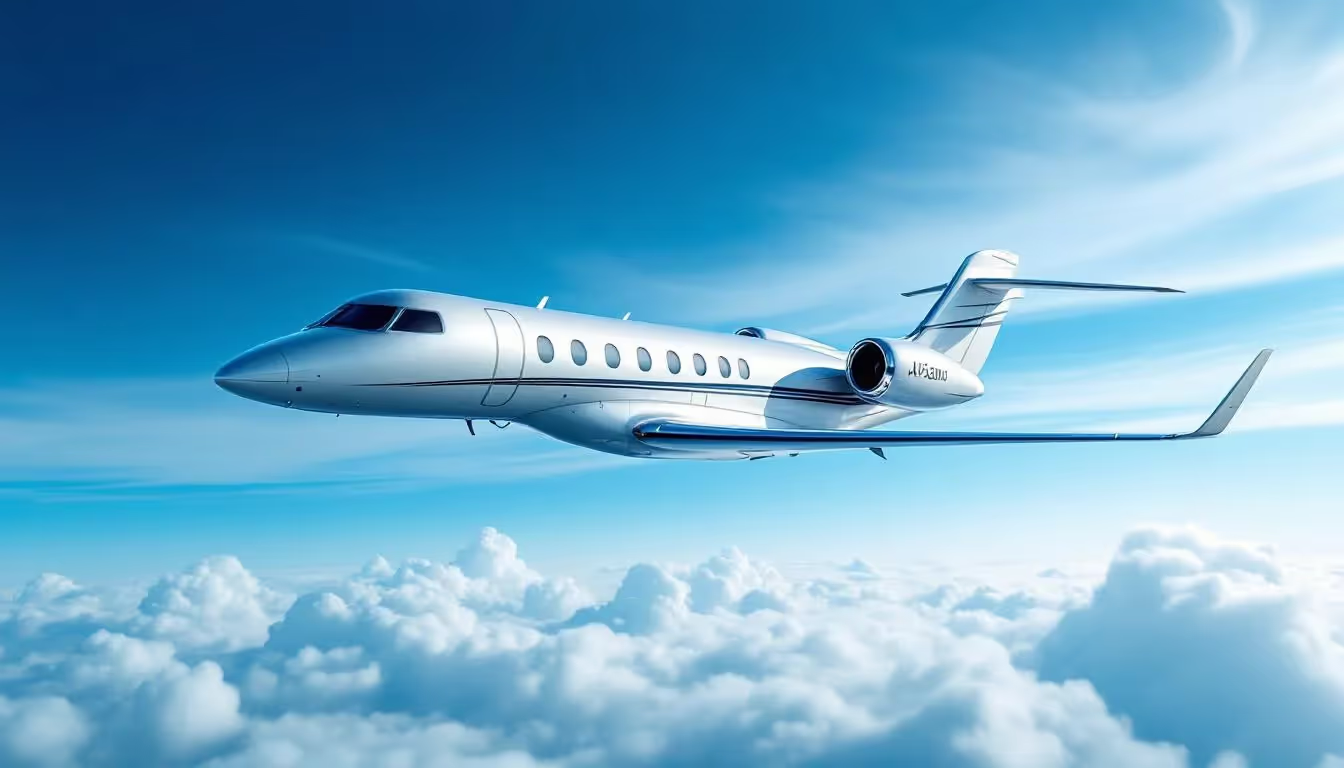
5
min read
How High Does a Private Jet Fly? Exploring Optimal Cruising Altitudes
Private jets typically cruise at altitudes between 41,000 and 51,000 feet, significantly higher than commercial airliners, which usually fly at 30,000 to 38,000 feet. This higher altitude allows private jets to avoid congested air traffic, experience less turbulence, and achieve better fuel efficiency. The engineering of private jets, including optimized engines and lightweight designs, enables them to climb faster and maintain these altitudes effectively. Overall, flying at higher altitudes enhances the comfort, efficiency, and flexibility of private jet travel compared to commercial flights.
Read MoreJoin our community and receive the latest blog updates directly in your inbox.
MEMBERSHIPS AND ASSOCIATIONS



Disclaimer: Jettly operates as a charter broker, offering access to a global digital jet charter marketplace. Jettly is not a direct air carrier and does not own or operate aircraft. All advertised flights are conducted by third-party air carriers that are fully licensed and hold the appropriate Part 135 or Part 121 certifications issued by the Federal Aviation Administration (FAA) or equivalent regulatory authorities under U.S. or foreign law. Jettly complies fully with the U.S. Department of Transportation's Part 295 and Part 298 Charter Broker regulations. Jettly does not carry additional liability insurance. Passengers are covered by aircraft operator insurance. TICO: 50023770


