


Login
Get Instant Pricing On 23,000+ Aircraft

>
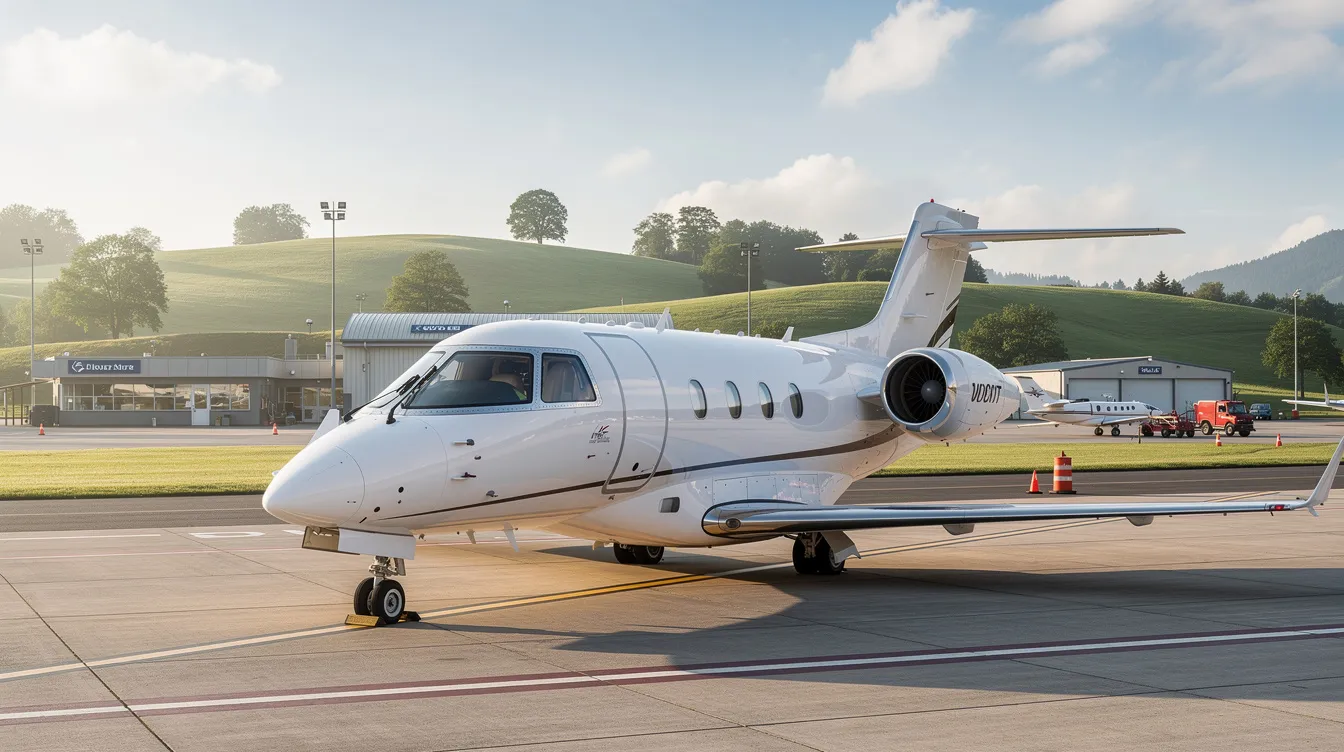
Celebrity jet tracking has become one of the most talked-about intersections of technology, privacy, and public accountability in aviation. What started as a college student's side project now drives conversations about free speech, physical harm, environmental responsibility, and the future of private jets. Here's how it all works, who's involved, and what it means for anyone who flies privately.
At its core, celebrity jet tracking is the practice of monitoring private aircraft movements used by public figures and publishing that information online. The most recognized name in this space is Jack Sweeney, a college student who created Twitter bots to track celebrity jets starting in 2020 with his @ElonJet account. Sweeney's tracking accounts included celebrities like Elon Musk and Jeff Bezos, along with Taylor Swift, Mark Zuckerberg, Kim Kardashian, and dozens of other individuals.
The data behind this isn't stolen or hacked. Sweeney's tracking uses publicly available flight data sources, including ADS-B signals, FAA flight registries, and the OpenSky Network. Celebrity jet-tracking works by intercepting unencrypted radio signals broadcast by aircraft transponders - signals that planes are required to emit by regulation for air-traffic safety. Flight tracking relies on open aviation communication protocols rather than secret surveillance.
Sweeney turned this raw flight tracking data into something anyone could follow by building automated social media bots that map aerial movements of private jets for public record. These bots post departures, arrivals, and rough routes with minimal delay. He started on Twitter, then expanded to Instagram, Threads, Mastodon, Telegram, and Bluesky to keep the information accessible even when individual accounts were suspended.
Interest in jet tracking surged between 2021 and 2024 for several reasons. Climate critics began pointing to the carbon footprint of short-haul private flights. Fans and journalists became curious about celebrities' travel patterns. And high-profile disputes - Elon Musk's attempts to shut down @ElonJet, Taylor Swift's legal team sending a cease-and-desist letter - turned what had been a niche aviation hobby into front-page news.
For platforms like Jettly, a digital private jet charter marketplace, these debates matter. Jettly supports legal, safe, and responsible use of private aviation while recognizing the privacy and security concerns that jet tracking has surfaced. The company connects travelers with over 20,000 aircraft globally, emphasizing transparent pricing, instant booking, and certified operators through its comprehensive private jet charter and rental platform - a model built for a world where private aviation is increasingly visible.
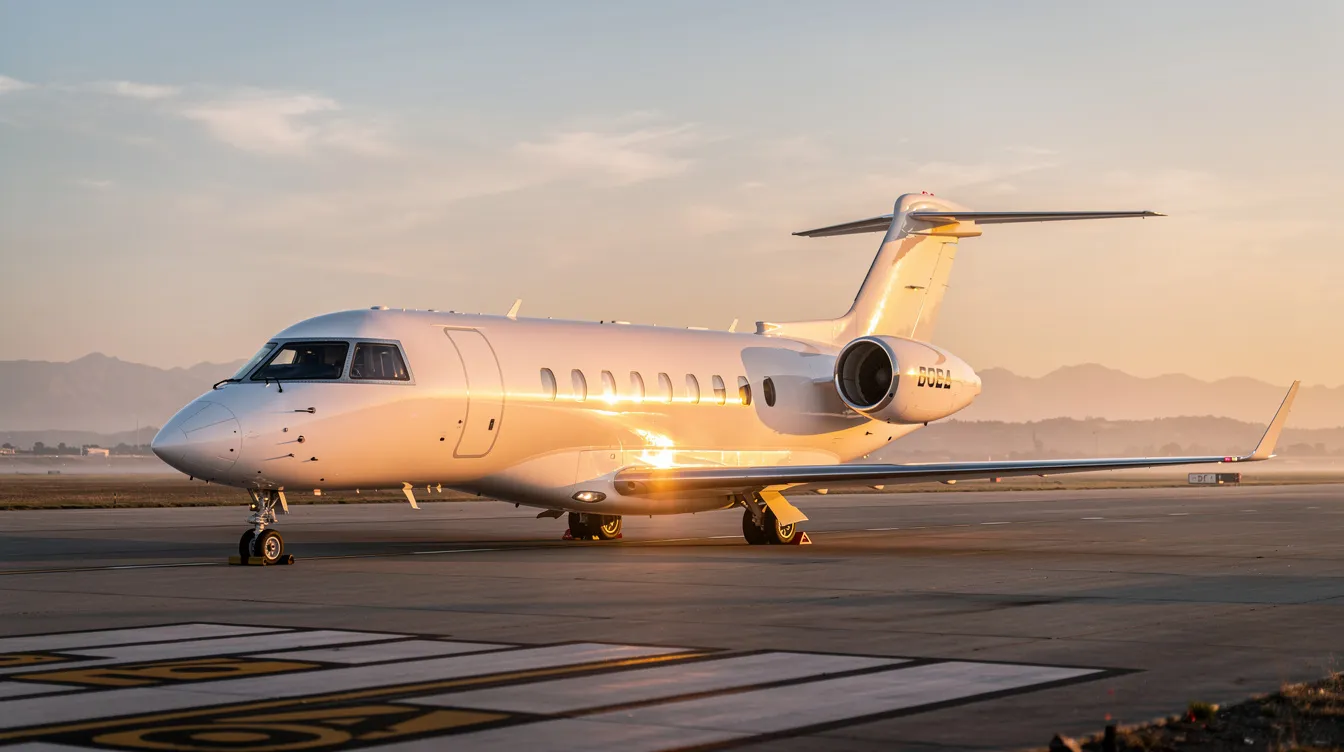
Jack Sweeney, born around 2002, became widely known in 2021–2022 as the person behind a growing network of accounts that track the flights of Elon Musk, Jeff Bezos, Mark Zuckerberg, Kim Kardashian, and many other high-profile individuals. A student at the University of Central Florida, Sweeney built his reputation not through insider access but through clever use of technology anyone can access.
The core mechanism is ADS-B, or Automatic Dependent Surveillance–Broadcast. Aircraft equipped with ADS-B transmit GPS-derived position and identity via radio waves on open frequencies. Ground-based receiver networks capture live ADS-B signals for flight tracking purposes, and decentralized networks of aviation enthusiasts operate ground receiver stations for data collection around the world. Platforms like Flightradar24 and ADS-B Exchange aggregate raw flight data from volunteer receivers, making it available to anyone with an internet connection.
Sweeney's program uses data from the Federal Aviation Administration and other public registries to match tail numbers to aircraft types and registered owners. Trackers cross-reference aircraft registration with public databases to link jets to owners. His bots then automatically post status updates - takeoffs, landings, tail numbers, and rough routes - across multiple platforms. Early versions posted in near real time. Later, Sweeney introduced delays (sometimes 24 hours) to comply with platform policies or reduce security objections.
In 2022, Sweeney expanded his scope significantly. He began tracking about 30 private jets of Russian oligarchs during the invasion of Ukraine, noting aircraft tied to sanctions and seizures. He also runs accounts across Instagram, Threads, Mastodon, and other platforms to hedge against any single platform shutting him down.
Sweeney has made specific changes over time based on direct objections. He stopped tracking Mark Cuban's jet in 2022 after Cuban asked him to. In 2023, he started tracking Florida Governor Ron DeSantis after state officials redacted official trip details, arguing that the public deserved to receive information about how elected leaders travel and how celebrity private jets symbolize power and status.
One important distinction: flight tracking enables identification of aircraft but does not confirm passenger identity. The bots track tail numbers and routes, not exact street addresses or who is sitting on the plane. Critics, however, argue that even this level of data - combined with knowledge of where someone lives or works - can create meaningful security risks.

The most well-known dispute involves Elon Musk. In late 2021, Musk privately asked Sweeney to shut down @ElonJet, offering $5,000. Sweeney countered, reportedly asking for more money or an internship. Musk declined. By 2022, Musk threatened legal action against Sweeney, calling real-time jet tracking "basically assassination coordinates" and citing security risks when requesting that Sweeney stop tracking.
After Musk acquired Twitter in October 2022, things escalated. In December 2022, the @ElonJet account and related accounts were suspended under a new policy prohibiting real-time location sharing. Musk publicly claimed that a vehicle carrying his son was followed by a stalker, implying a connection to the published flight data. However, law enforcement reportedly found no direct link between Sweeney's posts and the incident. The previous suspensions and reinstatements of the account became a test case for how platforms handle the tension between free speech and safety.
Taylor Swift's involvement drew even more attention. In December 2023, Taylor Swift's lawyers sent Sweeney a cease-and-desist letter demanding he stop tracking her jet, delete all prior posts, and cease future publishing. Her legal team argued that the tracking constituted harassment, caused emotional distress, and served no legitimate public need. Sweeney's tracking of Taylor Swift's jet raised safety concerns that her attorneys described as fear for her physical safety. Sweeney responded that all data was publicly available and lawful to share. For more context on the Taylor Swift jet controversy and alternatives, Jettly has published a detailed breakdown.
Other public figures like Jeff Bezos, Mark Zuckerberg, and Kim Kardashian have also been regularly featured in Sweeney's feeds, though their responses have been less public. Their jets appear in climate and privacy debates with regularity.
Meta's actions in 2024 represented the broadest platform response. Meta suspended Sweeney's tracking accounts for violating its privacy policy, removing dozens of Instagram accounts and Threads profiles that tracked private flights. Meta suspended accounts tracking celebrity flights due to privacy concerns, citing the independent oversight board's recommendation and the risk of physical harm. Sweeney told TechCrunch he received no detailed personal warnings, no email, or explanation before the suspension - a move he described as troubling and an example of arbitrary decisions by the company. Sweeney's accounts were suspended by Meta in December 2022, and additional waves of suspensions followed through 2024, with some effectively blacked out from the platform without clear notice.
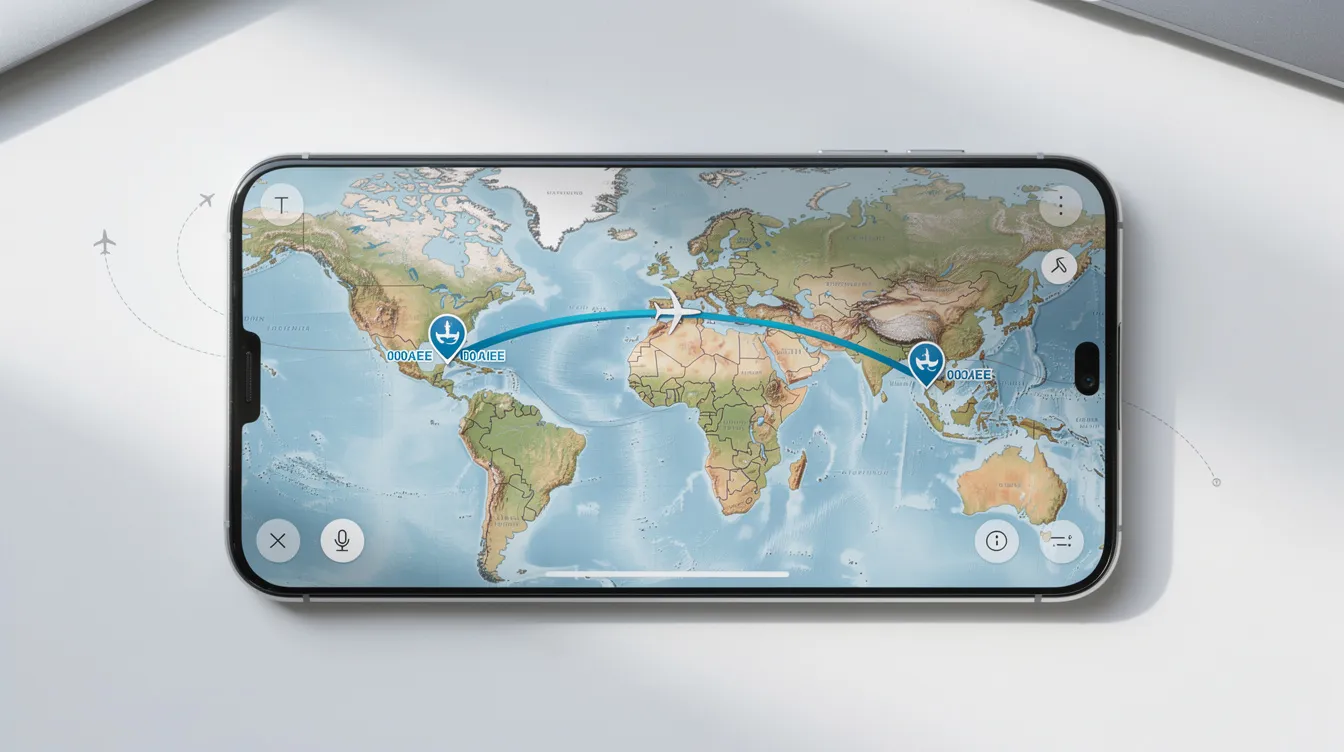
The legal status of jet tracking sits in a gray area that keeps shifting. Flight data is legally accessible in many jurisdictions because aircraft broadcast their positions openly for air-traffic safety. No U.S. federal law uniformly prohibits reporting these signals.
Governments and aviation authorities rely on open ADS-B signals to keep airspace safe. Thousands of hobbyists, commercial services, and volunteer networks capture this data globally. The signals are unencrypted by design—encrypting them would undermine the collision-avoidance and air-traffic-control functions they serve. This makes the data literally available to anyone with a receiver.
But platform rules, state privacy statutes, and anti-stalking laws are all evolving in response to high-profile cases. Social platforms have responded with new rules:
X (formerly Twitter) introduced a policy in December 2022 against sharing real-time location data, which led to Sweeney's accounts being suspended on that platform.
Meta followed with its own enforcement, keeping Sweeney's Instagram and Threads accounts disabled and citing privacy and physical safety.
Sweeney adapted by posting with delays and spreading across platforms like Mastodon and Bluesky, but each platform draws its own line.
Sweeney claims tracking is legal but raises privacy concerns, a position that highlights the tension at the heart of this debate. On one side, celebrities and billionaire executives—Taylor Swift, Jeff Bezos, Mark Zuckerberg, Kim Kardashian—often face criticism for using private jets while promoting sustainability. Their travel patterns become a matter of public interest for journalists, climate advocates, and everyday people who want to engage with these topics. Celebrity jet-tracking often leads to scrutiny regarding environmental impact and public relations.
On the other side, real-time location feeds expose celebrity movements, leading to safety risks. Tracking data raises concerns about physical security, stalking, and corporate espionage. Public tracking of aircraft can reveal confidential travel patterns and business negotiations. Flight tracking can lead to potential physical harm to individuals—a point Musk, Swift, and others have emphasized. The details of where someone's plane lands, combined with publicly known home or office locations, can make it easier for bad actors to track movements on the ground.
Aircraft owners can request to block their tail numbers from standard tracking aggregators through programs like the FAA's LADD (Limiting Aircraft Data Displayed). Privacy programs exist to limit public data visibility but do not stop aircraft from broadcasting. The plane still transmits its signal—the data just doesn't appear on certain commercial websites. This means determined trackers using raw receiver data can still track flights, a gap that regulators and privacy advocates continue to debate.
Some call for delayed or partially anonymized feeds. Others warn that redacting flight data could hide politically sensitive or government flights from public scrutiny, raising its own transparency concerns.
Jet-tracking accounts have fueled climate discussions by making the frequency and brevity of celebrity flights impossible to miss. In 2023, a joint analysis by The Guardian and OpenSky Network tracked roughly 200 celebrities, CEOs, and oligarchs across approximately 44,739 flights that produced an estimated 415,518 tonnes of CO₂—equivalent to the annual emissions of about 40,000 average Britons-, and pushed more travelers to seek affordable private jet charter options that make better use of each flight. About one-sixth of those non-helicopter flights lasted 30 minutes or less.
Viral criticism has hit specific individuals hard. Kylie Jenner faced backlash for a 17-minute flight. Taylor Swift's jet was linked to an estimated 9,142 tonnes of CO₂ in one widely shared report, though her representatives noted some flights were by others who borrowed her aircraft. Drake, Kim Kardashian, and Floyd Mayweather have all drawn similar comment. These moments of public accountability are directly enabled by the private jet emissions data that trackers publish.
Emission estimates rely on aircraft type, distance flown, and standard fuel-burn models—not operator records. They cannot determine how many passengers are aboard or whether the celebrity was personally on any given flight. This makes some claims imprecise, though the overall pattern of high-frequency, short-haul private flying is well-documented.
The broader ethical questions remain unresolved. Should public figures model lower-carbon behavior? Is it fair to single out individuals when corporate and governmental aviation contributes far more to total emissions? A 2025 ICCT report found that U.S. private jets account for 55% of global private-aviation emissions, with a typical aircraft producing around 810 tonnes of greenhouse gases annually. These numbers suggest the issue is systemic, not just personal—but individual stories drive the conversation. For travelers looking to reduce their footprint, resources like Jettly's green private jet travel guide offer practical starting points.
The visibility created by celebrity jet tracking has changed what people expect from private aviation. Business travelers and high-net-worth individuals now operate in an environment where flights can be tracked, shared, and scrutinized. Privacy, security, and environmental responsibility are no longer optional considerations—they're part of the decision to fly privately.
There's a meaningful difference between owning an aircraft and chartering one:
When Jeff Bezos or Mark Zuckerberg owns a jet, that aircraft carries a fixed tail number tied to their name in public registries. Every departure and arrival is linkable to the owner.
Chartering on-demand through a digital platform like Jettly works differently. Clients fly on aircraft from a shared fleet of over 20,000 planes, and no single tail number is publicly associated with them. This structural difference offers a layer of privacy that ownership simply cannot match, while still giving access to a broad range of private charter aircraft.
Operational practices to maintain discretion include:
Using smaller regional airports instead of high-traffic hubs like Dallas Love Field or Teterboro
Choosing flexible departure times to prevent predictable patterns
Working with vetted operators that follow strict safety regulations
Avoiding unnecessary sharing of live itinerary details on social media
Modern charter platforms also support more efficient flying:
Choose a right-sized aircraft—a light jet or turboprop for a two-hour hop instead of a heavy jet—to cut fuel burn and cost.
Maximize load factor (fill available seats) to reduce per-passenger emissions, especially when using tools that crowdsource private jet flights and share empty seats.
Tap into empty leg flights—repositioning legs that would otherwise fly without passengers—to turn waste into savings for both the operator and the traveler.
Jettly's platform emphasizes:
Transparent pricing
Instant digital booking
Access to a global fleet
Certified operators that comply with FAA, EASA, and other regulatory frameworks
Travelers can use tools like Jettly's jet card flight cost estimator to understand pricing before committing. The platform makes it straightforward for a business executive flying New York to Miami or a family heading from Los Angeles to Las Vegas to compare aircraft, get quotes, and book without the overhead and visibility of ownership.
Environmental measures are increasingly part of the equation:
More fuel-efficient aircraft
Route optimization
Optional carbon offsetting programs
Flexible private jet memberships that bundle these options
The jet-tracking debates have made these options not just nice-to-have but a baseline expectation for responsible private travel.
For travelers navigating a world where flight data is publicly accessible, a few practical steps go a long way:
Plan discreetly: Avoid announcing flight schedules on social media. Use private or regional airports when possible. Don't post departures or arrivals until well after the fact—or skip sharing them entirely.
Work with reputable platforms: Charter through established brokers and platforms with privacy protocols to reduce exposure. On-demand charter means flights aren't tied to a single, trackable tail number the way owned aircraft are. Platforms like Jettly, highlighted in many guides to charter airlines and private aviation, offer this flexibility by design.
Consider the environmental footprint: Select the right aircraft for each mission. A turboprop or light jet is more efficient for short legs than a heavy cabin jet. Understanding how much a private jet really costs over its lifetime can also nudge decision-makers toward more efficient choices. Look into empty legs and carbon offsetting to reduce the environmental cost of each trip.
Think of private aviation as a tool, not a status symbol: The value of private flying is time savings, direct routes, and schedule flexibility—not the kind of public visibility that ends up on a jet tracking feed. Keeping that focus makes for smarter, more responsible travel.
On-demand charter through platforms like Jettly can balance flexibility and privacy better than publicized celebrity ownership. Flights are booked as needed, aircraft vary, and the traveler's identity isn't published in any registry.
Celebrity jet tracking involves monitoring the flight movements of private jets used by public figures and sharing that information publicly, often through social media accounts or websites.
Jack Sweeney uses publicly available flight data sources like ADS-B signals, FAA registries, and the OpenSky Network. He intercepts unencrypted radio signals broadcast by aircraft transponders and uses automated bots to post flight updates.
Yes, tracking private jets using publicly broadcast flight data is generally legal in many jurisdictions. However, social media platforms and some public figures have raised privacy and safety concerns, leading to platform restrictions.
Celebrities cite privacy, physical safety, and harassment risks. Public tracking can reveal travel patterns that might expose them to stalking or other security threats.
Owners can request to block their tail numbers from commercial flight tracking websites through privacy programs like the FAA’s LADD. However, raw ADS-B signals remain publicly accessible to determined trackers.
Tracking reveals the frequency and distance of private flights, spotlighting the carbon footprint of short-haul trips often taken by celebrities. This data fuels debates on sustainability and responsible private jet use.
Chartering on-demand through platforms like Jettly offers more privacy than ownership, as flights use varying tail numbers. Travelers can also choose regional airports, avoid sharing live itineraries, and select right-sized aircraft to reduce visibility and environmental impact.
Learn more about Jettly’s charter options at https://www.jettly.com
Jack Sweeney and similar projects turned obscure flight tracking data into a mainstream conversation. What was once buried in aviation databases now involves Taylor Swift, Jeff Bezos, Mark Zuckerberg, Kim Kardashian, and other public figures in debates about privacy, safety, climate, and accountability, as well as renewed interest in the best private jet charter companies serving celebrities and executives. The information Sweeney shared was always publicly available—but bots and social media made it impossible to miss.
The core tension remains unresolved: legally public data versus genuine safety and privacy concerns. Platforms like Meta and X are still adjusting their rules, often through reactive decisions rather than clear, consistent policies. Whether future regulations will require delayed feeds, anonymized data, or new opt-out mechanisms is an open question.
Private jet travel is likely to remain under scrutiny for both privacy and environmental reasons. That scrutiny pushes aircraft owners and charter clients toward greater transparency, efficiency, and carbon awareness. It's a shift that benefits the industry in the long run—encouraging smarter choices about aircraft type, route planning, and offsetting, and driving many to consider NetJets alternatives like Jettly that emphasize flexibility and cost control.
Modern charter platforms like Jettly help travelers use private jets more thoughtfully. By connecting clients with the right aircraft for each trip, offering instant pricing, and working exclusively with certified operators, Jettly makes it possible to fly privately without the public visibility that comes with ownership—and without the environmental excess that celebrity jet tracking has brought to light, especially when using structured options like jet card programs to plan travel.
Ready to explore private jet charter on your terms? Compare aircraft types, check pricing, and request a quote for your next trip at jettly.com, where you can also explore options like private jet memberships with wholesale rates, join Jettly's ULTRA high-ticket affiliate program, use the airport locator tool to plan routes, evaluate shared charter flights versus full charters, arrange bespoke onboard dining through Jettly Eats in-flight catering, or book directly with partner operators such as Dexter Air Taxi and Zenflight.
Share this post:
Jeff Ryan Serevilla
Oct 9, 2026
|
5
min read
Discover tips and trends in the industry.
5
min read
Celebrity Jet Tracking: Jack Sweeney, Public Data, and the Future of Private Jets
Celebrity jet tracking has emerged as a significant topic at the intersection of technology, privacy, and environmental accountability. Initiated by Jack Sweeney, this practice involves monitoring and publicly sharing the flight movements of private jets owned by celebrities, raising important discussions about privacy, safety, and the environmental impact of private aviation. As public interest grows, platforms like Jettly adapt to meet the evolving expectations of privacy and responsibility in private jet travel.
Read More
5
min read
Best Time to Book Flight for December: How to Lock In Christmas Flights at the Best Prices
Booking flights for December, especially around Christmas, requires strategic planning to secure the best prices. The ideal booking window typically falls between 33 and 67 days before departure, with early September being the time to start tracking fares. Flexibility with travel dates and routes can lead to significant savings, making it crucial to understand fare patterns and dynamics during this peak travel season.
Read MoreStay updated with our latest insights and tips to elevate your journey with us.
MEMBERSHIPS AND ASSOCIATIONS



Disclaimer: Jettly operates as a charter broker, offering access to a global digital jet charter marketplace. Jettly is not a direct air carrier and does not own or operate aircraft. All advertised flights are conducted by third-party air carriers that are fully licensed and hold the appropriate Part 135 or Part 121 certifications issued by the Federal Aviation Administration (FAA) or equivalent regulatory authorities under U.S. or foreign law. Jettly complies fully with the U.S. Department of Transportation's Part 295 and Part 298 Charter Broker regulations. Jettly does not carry additional liability insurance. Passengers are covered by aircraft operator insurance. TICO: 50023770


