


Login
Get Instant Pricing On 23,000+ Aircraft

>
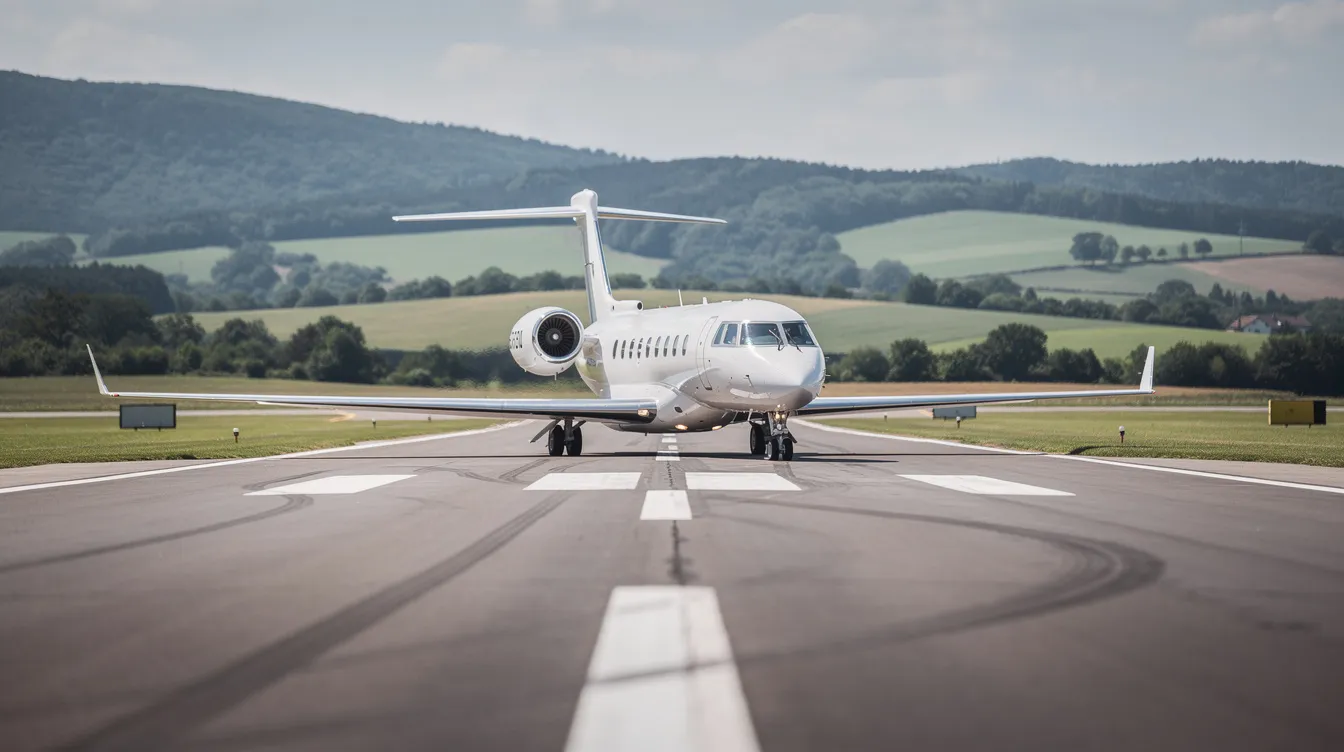
For time-sensitive travelers weighing private jet travel options, the fastest VLJ in production can cover regional routes at speeds that rival much larger aircraft—at a fraction of the cost. This guide is for business travelers, charter clients, and aviation enthusiasts seeking the fastest private jet options for regional travel. Choosing the fastest VLJ can save valuable time and money on short-haul flights. This guide breaks down exactly which very light jets lead on speed, how they compare with light jets and turboprops, and when each model makes the most sense for charter.
A very light jet (VLJ) is a small jet aircraft (under ~10,000–12,500 lb MTOW, 4–7 seats) designed for regional missions. VLJs can fly about 1,000 nautical miles on a typical mission and can travel up to 1,400 nautical miles on a single tank, making them ideal for short to medium-haul flights.
The fastest VLJs cruise between 311 and 422 knots, making them competitive with larger business jets on short sectors.
The current speed leaders in the very light jet category are the Embraer Phenom 100 at a maximum speed of 467 knots (537 mph / 865 km/h), followed by the HondaJet Elite II at 422 knots (486 mph / 782 km/h), the Cessna Citation Mustang at 420 knots (483 mph / 777 km/h), the Eclipse 500 at 370 knots (430 mph / 690 km/h), and the Cirrus Vision Jet at 311 knots (358 mph / 576 km/h).
VLJs save time by avoiding big airport traffic and accessing smaller runways closer to city centers, often beating larger private jets on door-to-door travel time even with slightly lower cruise speed.
Charter rates for fast VLJs typically fall between USD $2,200 and $3,200 per flight hour in 2026, well below light jet and midsize jets pricing—making them an appealing choice for short range flights and regional business trips.
Jettly's digital platform lets travelers compare VLJs, light jets, and turboprops side by side for any route, showing estimated flight time and price so you can find the right balance of speed and cost. Explore options at https://www.jettly.com.
A very light jet (VLJ) is a jet aircraft with a maximum takeoff weight under roughly 10,000–12,500 pounds, seating four to seven passengers, and typically certified for single pilot operation. VLJs can fly about 1,000 nautical miles on a typical mission and can travel up to 1,400 nautical miles on a single tank, making them ideal for regional and short-haul flights. These jets operate at altitudes up to 41,000 feet, putting them above weather and commercial traffic. VLJs offer privacy and comfort for business travel without the overhead of larger aircraft.
The global VLJ market was worth $4.46 billion in 2020 and is expected to reach $10.44 billion by 2030, with North America leading at $2.61 billion and the Asia-Pacific region projected to grow at an 11.0% CAGR. This growth is driven by demand for faster, more efficient personal and business travel.
The fastest production VLJ by published top speed is the Embraer Phenom 100, with a maximum speed of 467 knots. However, maximum cruise speed and the speed passengers actually experience in flight are different numbers. The Phenom 100EV's high-speed cruise sits around 406 knots—still fast, but a meaningful distinction for trip planning. Charter clients feel cruise speed, not headline figures.
VLJs sit below the light business jet tier (think Cessna Citation CJ series or Phenom 300) in size and maximum range but can approach their cruise speeds at significantly lower operating costs on sectors under 1,000 nautical miles. That makes them a practical entry-level jet option for regional routes. Jettly is a digital charter marketplace where travelers can compare and book VLJs alongside faster light jets for specific routes and departure times.
Here are the five fastest very light jets currently active in the very light jet market, ranked by published speed figures. These are production aircraft with established charter availability—not concept planes.
|
Model |
Max Speed (knots) |
Typical Cruise (knots) |
Max Range (NM) |
Seating |
Avionics Suite |
|---|---|---|---|---|---|
|
Embraer Phenom 100 / 100EV |
467 |
406 |
1,178–1,400 |
4–5 |
Prodigy Touch (Garmin G3000) |
|
HondaJet Elite II |
422 |
400 |
1,547 |
4–5 |
Garmin G3000 |
|
Cessna Citation Mustang |
420 |
340–390 |
1,150 |
4–5 |
Garmin G1000 NXi |
|
Eclipse 500 / 550 |
370 |
330–340 |
1,125–1,400 |
4–5 |
Avio NG (with Synthetic Vision) |
|
Cirrus Vision Jet (SF50, G2/G3) |
311 |
300 |
1,200 |
4–5 |
Garmin Perspective Touch |
Embraer Phenom 100 / 100EV – Maximum speed of 467 knots (537 mph / 865 km/h), with a typical high-speed cruise around 406 knots. Range reaches approximately 1,178 nautical miles with four occupants, and VLJs can travel up to 1,400 nautical miles on a single tank under optimal conditions. The original Phenom had its first flight in 2007; the EV upgrade brought enhanced thrust and avionics. It remains one of the most widely chartered VLJs for short business hops.
HondaJet Elite II – Produced by Honda Aircraft Company, the HondaJet reaches a maximum speed of 422 knots (486 mph / 782 km/h) with a long range cruise speed near 400 knots. Its increased range of 1,547 nautical miles and over-wing engine mounts set it apart in the VLJ segment. The Elite II entered production in late 2022 and closely matches light jet cruise speeds. It features advanced glass avionics flight deck technology for enhanced situational awareness.
Cessna Citation Mustang (Model 510) – The Cessna Citation Mustang has a maximum speed of 420 knots (483 mph / 777 km/h), with range around 1,150 nautical miles. It entered service in 2006 and remained in production through 2017. Many still operate in charter fleets, bridging the gap between turboprops and the light jet category as a dependable "mini Citation." It includes a Garmin G1000 NXi avionics suite and is popular for its privacy and comfort for business travel.
Eclipse 500 / 550 – Built by Eclipse Aviation, the Eclipse 500 has a maximum speed of 370 knots (430 mph / 690 km/h) with a service ceiling of 41,000 feet. VLJs like this can travel up to 1,400 nautical miles on a single tank under optimal conditions. The Eclipse 500 has advanced avionics with Synthetic Vision Technology and burns roughly 25% less fuel than the Citation Mustang on comparable routes.
Cirrus Vision Jet (SF50, G2/G3) – The Cirrus VisionJet has a maximum speed of 311 knots (358 mph / 576 km/h), with a long range cruise around 300 knots. Powered by a single Williams FJ33 engine, the Cirrus Vision Jet is the slowest on this list but leads on simplicity. It features the Cirrus Airframe Parachute System (CAPS), making it a standout among owner pilots who prioritize advanced safety features over raw speed.
A VLJ cruising at roughly 400 knots sits between a typical light jet (~430–450 knots) and a modern turboprop (~280–320 knots). On a 700-nautical-mile leg, the cruise speed difference between VLJs and the fastest light jets translates to about 15–20 minutes. On shorter routes, the gap shrinks further.
Here are three practical route comparisons:
New York → Chicago (~700 NM): A fast VLJ like the Phenom 100EV completes the cruise portion in about 1 hour 45 minutes. A light jet saves roughly 15 minutes in the air but may route through busier airports with longer ground times.
Los Angeles → Denver (~600 NM): The difference narrows to about 10–12 minutes between a VLJ and a light jet. A turboprop adds 30+ minutes.
London → Geneva (~360 NM): Block times for VLJs and light jets are nearly identical; both can use smaller airports near city centers.
VLJs can land at smaller airports than larger jets, and this airport flexibility is where they often match or beat larger private jets on door-to-door travel time. Turboprops still make sense for very short hops under 300 miles or runway-limited strips where jet engines need more pavement.
Jettly's platform surfaces multiple aircraft options for the same itinerary, letting customers balance pure speed, total travel time, and price in one interface, and use tools like its airport locator for private jet charter to identify the most convenient departure and arrival points. This means travelers can see exactly when a cheaper VLJ charter gets them there just as fast as a pricier light jet.
What separates a 311-knot VLJ from a 422-knot one comes down to four main factors:
Engine thrust
Aerodynamic design
Structural weight
Avionics
On the engine side, higher thrust-to-weight ratios push certain VLJs faster. The GE Honda HF120 delivers roughly 2,050 lbf per engine, giving the HondaJet its speed edge. The Pratt & Whitney Canada PW617F1-E on the Embraer Phenom produces about 1,730 lbf each. The Eclipse uses PW610F aircraft engines, while the Cirrus Vision Jet relies on a single Williams FJ33. Twin-engine configurations generally allow higher sustained cruise speeds at FL410 and above.
Aerodynamic design matters just as much. The HondaJet's over-the-wing engine mounts reduce interference drag and improve laminar flow across the wing root—a design choice that directly adds knots. The Phenom 100's swept wing and optimized nacelles cut drag at high subsonic speeds. Cirrus Aircraft took a different approach, prioritizing stability and drag control over raw speed.
Structure and materials also play a role. Composite materials in the Cirrus Vision Jet and parts of the Phenom 100 trim empty weight, improving climb and cruise performance without increasing fuel burn. The weight of a private jet directly affects how fast and far it can fly.
Advanced avionics tie it all together. The HondaJet features advanced glass avionics with a touchscreen interface. The Cessna Citation Mustang includes a Garmin G1000 NXi avionics suite. Modern flight decks like the Garmin G3000 and Prodigy system support optimized climb, cruise, and descent profiles—keeping pilots at the right altitude and speed for fuel efficiency and high performance.
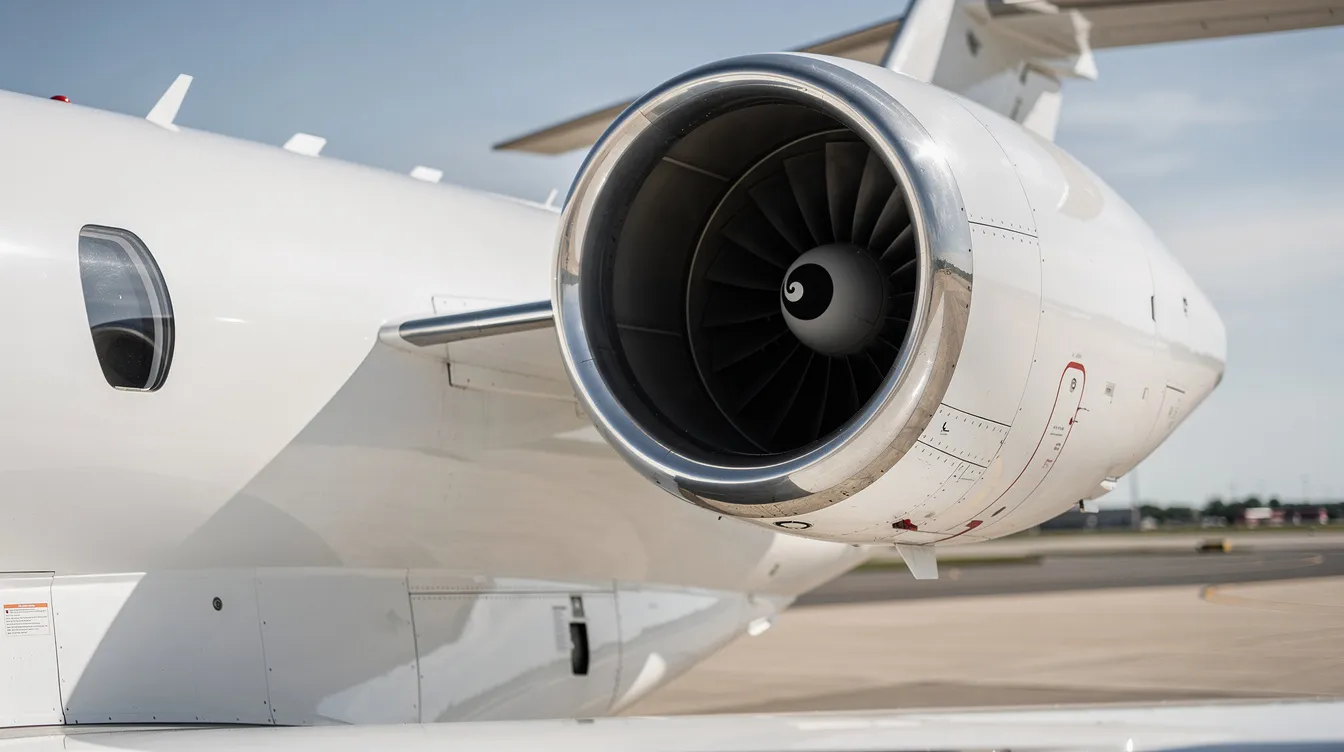
Charter customers don't buy jets—they buy time. The practical question is how speed and operating costs flow through to hourly rates and how much a traveler can accomplish in a single day, which starts with understanding what drives one private flight cost from wheels up to wheels down.
Fast VLJs cruise between 360 and 422 knots
Cover 800–1,300 nautical miles with three to four passengers
Reach service ceilings up to 41,000 feet
That performance envelope handles the vast majority of regional business itineraries and many leisure routes where travelers want to reach their destination quickly, similar to considerations in choosing the best cross-country plane for long journeys.
Fuel burn: VLJs like the Phenom 100 or Eclipse 500 consume roughly 80–120 gallons per hour—significantly less fuel than light or midsize jets.
Crew: Single pilot operation is certified on most VLJs, reducing crew costs.
Maintenance: Smaller jet engines mean less maintenance per cycle, and lower parts costs overall.
Acquisition cost: New VLJs cost between $3.5 million and $5.5 million, well below larger light jets, which keeps fleet costs manageable for operators.
In 2026, typical VLJ charter rates range from approximately USD $2,200 to $3,200 per flight hour. Faster light jets may cost more but could save 15–30 minutes on certain legs. In addition to its on-demand calculator, Jettly's jet card flight cost estimator helps frequent flyers understand how fixed-rate jet card pricing compares with ad hoc charter, and its guide to jet card costs and pricing structures explains when these products make financial sense within the broader context of how much a private jet really costs or even affordable aeroplane rental options for those exploring different access models. Jettly's charter cost estimator shows travelers side by side how a VLJ compares with a faster light jet on the same route—estimated flight time, total cost, and aircraft size in one view.
Here are the very light jets that come up most often when charter clients compare options for a private flight.
Embraer Phenom 100 / 100EV – The cabin fits four to five passengers in club seating with an enclosed lavatory and roughly 70 cubic feet of baggage capacity. Its sweet spot is 600–900 NM sectors, where it delivers high speed and a spacious cabin relative to other VLJs. It's frequently chosen for executive shuttles and high-frequency business jet routes.
HondaJet Elite II – The quietest cabin in the VLJ segment, with seating for four to five passengers and a private aft lavatory. Advanced technology includes a full glass cockpit, autothrottle, and runway overrun protection. Its niche is slightly longer VLJ missions where you need to fly non-stop beyond 1,200 nautical miles—something few other VLJs can match.
Cessna Citation Mustang – Originally built for private owners and owner pilots, the Citation Mustang remains popular in charter with comfortable four-seat club seating, an emergency toilet, predictable handling, and low operating costs that keep it competitive on sub-1,000 NM trips. It's a solid entry-level private jet option in any fleet and fits seamlessly into broader private charter aircraft offerings that range from VLJs to large-cabin jets.
Eclipse 500/550 – A compact four- to five-seat cabin with low fuel burn and the ability to operate from short runways. The Eclipse is an efficient choice on thin routes where a plane with a larger cabin would be uneconomical. Its low operating costs make it viable for markets that wouldn't otherwise support jet service.
Cirrus Vision Jet (G2/G2+) – The single-pilot, single-engine concept with a whole-airframe parachute accommodates up to five passengers. Some charter clients accept lower maximum speed in exchange for cost savings and the Cirrus airframe parachute system—one of the most advanced safety features in business aviation. It's the most accessible jet in the very light jet category for both budget-conscious buyers researching affordable aircraft choices and charter travelers.

Jettly operates a global digital private jet charter marketplace with access to over 20,000 aircraft, spanning very light jets through super midsize jets and long-range private jets, and offers flexible private jet memberships for travelers who fly frequently as a cost-effective alternative to NetJets-style programs. Travelers input an itinerary—Toronto to New York, Paris to Zurich, Los Angeles to Las Vegas—or region-specific routes like private jet charter in Kolkata, West Bengal—and instantly compare VLJs like the Phenom 100, HondaJet, or Citation Mustang with larger private jets in terms of estimated flight time, price, and aircraft size, then decide whether to book whole-aircraft charter or simply buy a seat on a private jet via shared and empty-leg options.
Typical use cases where a fast VLJ is the best fit on Jettly include scenarios highlighted in its guide on getting a seat on a private jet easily, such as:
Quick regional business trips under 1,000 nautical miles
Same-day multi-stop meetings where you need to travel faster than driving or connecting commercially
Family weekends to secondary airports with shorter runways
Cost-sensitive legs where a midsize jet would fly half-empty
Jettly emphasizes transparent pricing, no long-term jet card commitment, and on-demand access, while its jet card programs for frequent private flyers provide predictable hourly rates and additional perks for high-usage clients. The platform works with regulated, safety-audited operators—and many VLJs on offer feature advanced avionics comparable to larger business jets. Travelers comparing providers can look at the best private jet charter companies to see how Jettly stacks up on safety, pricing, and fleet breadth, or explore Jettly's option to crowdsource and share private jet flights by selling or booking empty seats. Learn more about Jettly's charter options at https://www.jettly.com.
The very light jet market is on a steep growth curve. The global VLJ market was worth $4.46 billion in 2020, with North America leading at $2.61 billion. The VLJ market is expected to reach $10.44 billion by 2030, and the Asia-Pacific region is projected to grow at 11.0% CAGR—driven by demand for faster, more efficient personal and business travel across the aviation industry.
Efficiency improvements continue through upgraded engine variants, lighter materials, and aerodynamic refinements that raise cruise speed or maximum range without significantly increasing operating costs. On the sustainability front, increasing certification of sustainable aviation fuel in VLJ operations is underway, and early research into hybrid-electric propulsion could reshape short-haul sectors in the next decade.
Digital charter platforms like Jettly support greener choices by matching travelers to right-sized aircraft—a VLJ instead of an under-filled large jet—and by connecting travelers with operators participating in offset or SAF programs. Enhanced autoland, envelope protection, and pilot-assist features will likely make single-pilot VLJ operations even safer while preserving the high cruise speeds that make these jets an appealing choice.
Emerging high-speed vertical takeoff and landing (VTOL) designs aim to achieve speeds of 400+ knots, blending helicopter versatility with jet speed. Notable aircraft like the Bell V-280 Valor are designed for high-speed, long-range missions, while the Bell V-22 Osprey combines helicopter performance with fixed-wing speed. However, VTOL jets consume significantly more fuel than conventional takeoffs, which limits widespread use. The F-35B Lightning II, a fifth-generation multi-role stealth fighter, achieves speeds up to Mach 1.6 using vectored thrust technology, including a drive shaft-driven lift fan for vertical lift. VTOL aircraft are ideal for operating from small ships but remain rare in civilian markets due to high fuel consumption.
Maximum speed is the certified upper limit used mainly in performance data, while high-speed cruise is the realistic speed flown on most legs. Differences of 10–20 knots between VLJs translate to only a few minutes on typical 400–700 NM flights. Route selection, airport choice, and scheduling often matter more than headline maximum speed.
Most VLJs cruise around Mach 0.65–0.72 (roughly 360–420 knots), while modern airliners cruise at Mach 0.78–0.85. However, VLJs depart faster, use quieter airports, and skip connections entirely. For door-to-door travel under about 1,000 nautical miles, a fast VLJ charter can rival or beat airline options in total travel time.
Leading VLJs are certified under strict regulations for single-pilot use and incorporate features such as synthetic vision, envelope protection, and—in the Cirrus Vision Jet—a whole-airframe parachute. Jettly works only with licensed operators whose pilots meet training and recurrent-check requirements for these aircraft types.
Availability depends on region and operator fleet, but Jettly's global network includes many very light jets, including Phenom 100s, HondaJets, Citation Mustangs, and similar aircraft. Enter your route and dates on the platform to see which VLJs and light jets are available, with estimated flight times and charter prices displayed in real time.
Once passenger counts regularly exceed four to five people, ranges push beyond roughly 1,200 nautical miles nonstop, or baggage capacity and cabin space become priorities, moving up to a light jet like a Citation CJ series or Phenom 300 is more practical. For a broader industry view, Jettly's guide to charter airlines and private aviation options explains how different operators and aircraft categories compare. Jettly lets customers adjust aircraft size filters to see cost and time differences between VLJs and larger private jets for the same itinerary.
The Embraer Phenom 100/100EV currently tops the VLJ speed charts at around 467 knots, but the HondaJet Elite II, Cessna Citation Mustang, Eclipse 500, and Cirrus Vision Jet each balance speed, range, and operating costs differently. Which is "fastest" depends on your route, schedule, and priorities.
Maximum speed is only part of the story. Real-world cruise speed, airport accessibility, cabin comfort, and hourly charter rates all shape which very light jet gets you to your destination quickly and cost-effectively. Consider VLJs within the broader light jet market and the full spectrum of private jets—choose the aircraft that fits your distance, passenger count, and budget rather than chasing numbers alone.
Ready to find the right balance of speed, cost, and comfort? Explore live pricing and aircraft options or request a quote through Jettly at https://www.jettly.com.
Share this post:
Jay Franco Serevilla
Jul 19, 2026
|
5
min read
Discover tips and trends in the industry.

5
min read
Private Jet Billing Models Compared for 60-Hour Flyers: Days-Based vs. Hours-Based vs. Occupied-Hour
Choosing the right billing model for private jet travel can save you thousands. For approximately 60 hours of flying annually, hours-based or occupied-hour billing typically offers the best value, providing predictable costs without the burden of fixed fees. This guide breaks down the differences between days-based, hours-based, and occupied-hour billing to help you make an informed decision.
Read More
5
min read
Best Private Jet for Business Travel in 2026
Choosing the best private jet for business travel in 2025 and 2026 depends on specific mission profiles, passenger needs, and budget considerations. Top contenders include the Bombardier Global 7500 and Gulfstream G700 for ultra-long-range travel, while the Embraer Phenom 300E excels for regional trips. This guide helps decision-makers evaluate jets based on range, cabin productivity, and operating economics to find the ideal fit for their travel requirements.
Read MoreStay updated with our latest insights and tips to elevate your journey with us.
MEMBERSHIPS AND ASSOCIATIONS



Disclaimer: Jettly operates as a charter broker, offering access to a global digital jet charter marketplace. Jettly is not a direct air carrier and does not own or operate aircraft. All advertised flights are conducted by third-party air carriers that are fully licensed and hold the appropriate Part 135 or Part 121 certifications issued by the Federal Aviation Administration (FAA) or equivalent regulatory authorities under U.S. or foreign law. Jettly complies fully with the U.S. Department of Transportation's Part 295 and Part 298 Charter Broker regulations. Jettly does not carry additional liability insurance. Passengers are covered by aircraft operator insurance. TICO: 50023770


