



Login
Get Instant Pricing On 23,000+ Aircraft


The blog delves into various jet fuels utilized in the aviation industry, emphasizing their unique properties and applications. It underscores the importance of selecting the right jet fuel based on aircraft type, engine compatibility, climate, and operational needs. With a focus on reducing environmental impact, the blog highlights ongoing research and development in creating efficient and sustainable fuels. Ultimately, it showcases efforts to ensure a greener future in aviation while maintaining high standards of performance and safety.

Justin Crabbe
May 6, 2025
|
5 minutes
min read



View all
This comprehensive guide explores Boeing's commercial aircraft, business jets, and travel options, helping travelers and aviation enthusiasts make informed choices. From the iconic 737 MAX to the luxurious BBJ variants, Boeing planes cater to various needs, whether for commercial flights or private charters. Understanding the differences in aircraft types and configurations can enhance the travel experience and optimize costs.
Jeff Ryan Serevilla
Oct 31, 2026
|
5
min read

View all
Air Force One is a highly modified Boeing 747 that serves as the U.S. president's airborne command center. Its layout includes dedicated zones for governance, security, and press operations, ensuring the president remains operational at 45,000 feet. With approximately 4,000 square feet of space, the aircraft is designed for privacy and efficiency, accommodating up to 76 passengers and 26 crew members.
Jeff Ryan Serevilla
Oct 31, 2026
|
5
min read

View all
Choosing the best small aircraft in 2026 involves evaluating speed, range, safety, and cost across various categories, including piston singles, turboprops, and light jets. Notable models like the Cessna 172 Skyhawk and Cirrus SR22T cater to different needs, from training to personal travel. With advancements in technology and fuel efficiency, modern small aircraft offer enhanced safety and comfort for pilots and passengers alike.
Jeff Ryan Serevilla
Oct 31, 2026
|
5
min read

View all
This guide provides an overview of Cessna 150 insurance costs for 2026, detailing typical premiums, coverage types, and influencing factors. With annual costs ranging from $500 to $1,000, the Cessna 150 is noted for its affordability and favorable claims history, making it a popular choice among private aircraft owners.
Jeff Ryan Serevilla
Oct 31, 2026
|
5
min read

View all
Carson City Airport (KCXP/CSN) serves as the primary gateway for private jet access to Nevada's capital and the Lake Tahoe region. It offers a streamlined alternative to commercial airports, allowing business and leisure travelers to avoid delays and enjoy direct access to their destinations. With efficient operations and a commitment to safety, KCXP is ideal for quick trips and seamless travel experiences.
Jeff Ryan Serevilla
Oct 31, 2026
|
5
min read
View all
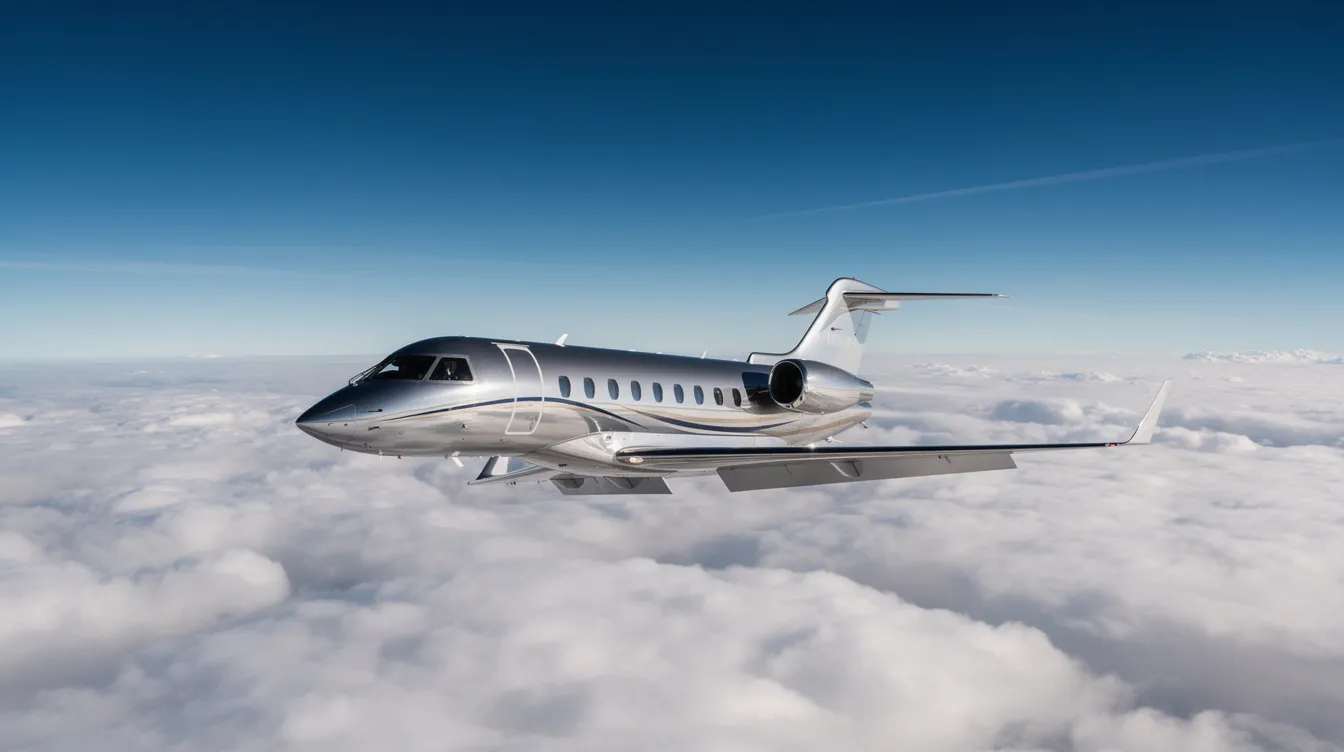
Private jets typically cruise at speeds between 450 and 600 mph, with some models reaching up to 700 mph. However, the overall travel experience is enhanced by factors such as direct routing, faster boarding, and access to more airports, making private aviation a time-efficient choice. Jettly's platform simplifies the booking process, allowing travelers to compare aircraft and optimize their travel plans.
Jay Franco Serevilla
Oct 29, 2026
|
5
min read
Explore our latest articles and updates.

5
min read
Worldwide Jet Charter Reviews
Choosing the right jet charter service is crucial for a seamless private aviation experience, with reviews highlighting key factors such as safety, reliability, cabin quality, crew professionalism, and pricing transparency. Travelers consistently prioritize operators with strong safety records, effective communication, and personalized service, while expressing dissatisfaction with vague pricing and poor service. The article provides a structured checklist for comparing providers and emphasizes the importance of understanding different access models, including on-demand charters, jet cards, fractional ownership, and membership platforms. Ultimately, thorough review analysis combined with direct verification of operators ensures a safe and satisfying private travel experience.
Read More
5
min read
Private Jet Emissions: Impact, Inequality, and Cleaner Ways to Fly
Private jet emissions have drawn significant scrutiny due to their disproportionate environmental impact, with private jets emitting approximately 15–16 million tonnes of CO2 in 2023, representing about 1.7–1.8% of civil aviation emissions while serving a tiny fraction of passengers. The emissions per passenger are extraordinarily high, with private jets emitting 5–14 times more CO2 per passenger-kilometre than commercial flights, largely due to low occupancy rates. A small group of ultra-wealthy individuals and corporations accounts for the majority of these emissions, highlighting stark inequalities in carbon footprints. To mitigate their environmental impact, travelers can consider options like utilizing empty leg flights, choosing more efficient aircraft, and prioritizing sustainable aviation fuels.
Read MoreJoin our community and receive the latest blog updates directly in your inbox.
MEMBERSHIPS AND ASSOCIATIONS



Disclaimer: Jettly operates as a charter broker, offering access to a global digital jet charter marketplace. Jettly is not a direct air carrier and does not own or operate aircraft. All advertised flights are conducted by third-party air carriers that are fully licensed and hold the appropriate Part 135 or Part 121 certifications issued by the Federal Aviation Administration (FAA) or equivalent regulatory authorities under U.S. or foreign law. Jettly complies fully with the U.S. Department of Transportation's Part 295 and Part 298 Charter Broker regulations. Jettly does not carry additional liability insurance. Passengers are covered by aircraft operator insurance. TICO: 50023770


