



Login
Get Instant Pricing On 23,000+ Aircraft


The Beechcraft King Air 200 is a versatile twin-turboprop aircraft known for its short takeoff distance, typically ranging from 2,479 to 3,300 feet. This capability allows it to access smaller regional airports, making it a popular choice for charter clients. Factors such as aircraft weight, temperature, and runway conditions significantly influence its performance, which is crucial for operational planning.
Jay Franco Serevilla
Aug 24, 2026
|
5
min read


View all
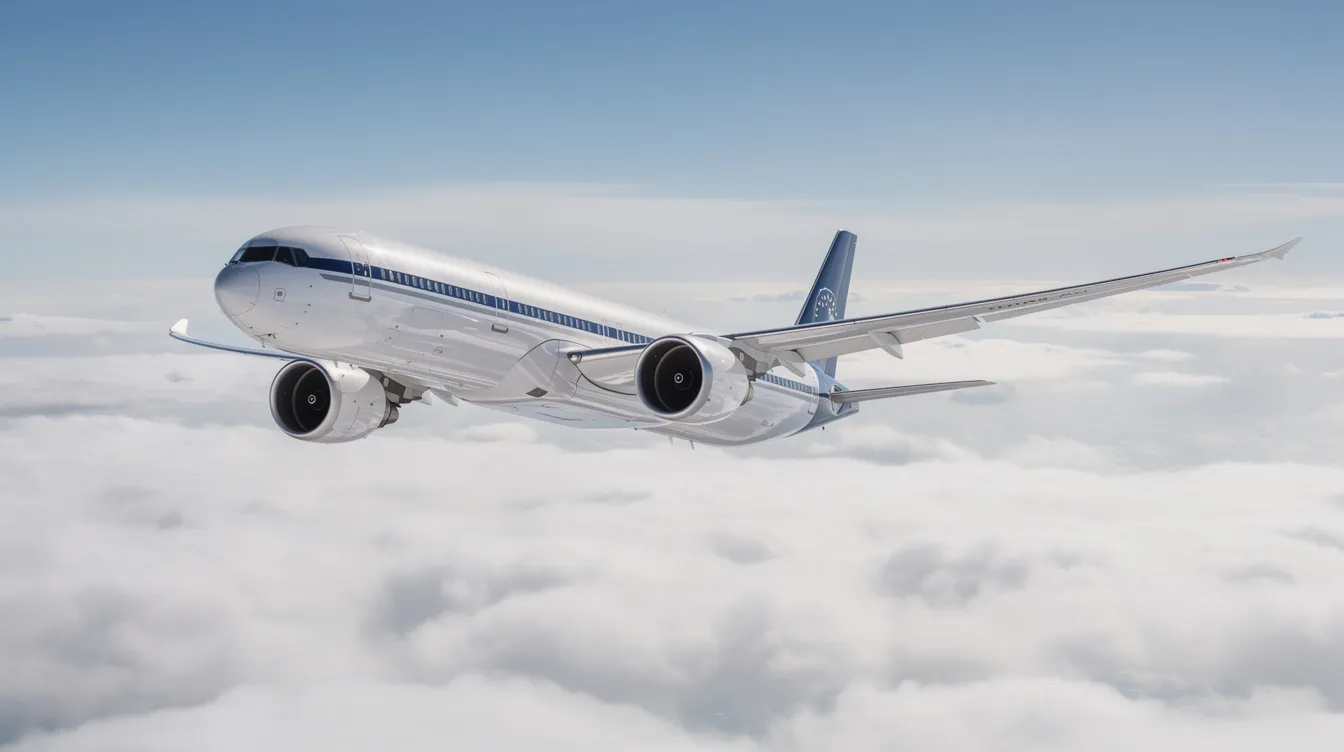
The Boeing 787 Dreamliner revolutionizes long-haul travel with its advanced technology, fuel efficiency, and passenger comfort. With features like lower cabin altitude, higher humidity, and larger windows, it enhances the flying experience while opening over 550 new nonstop routes. The aircraft's innovative design and operational flexibility make it a game-changer in the aviation industry.
Jay Franco Serevilla
Oct 27, 2026
|
5
min read
View all
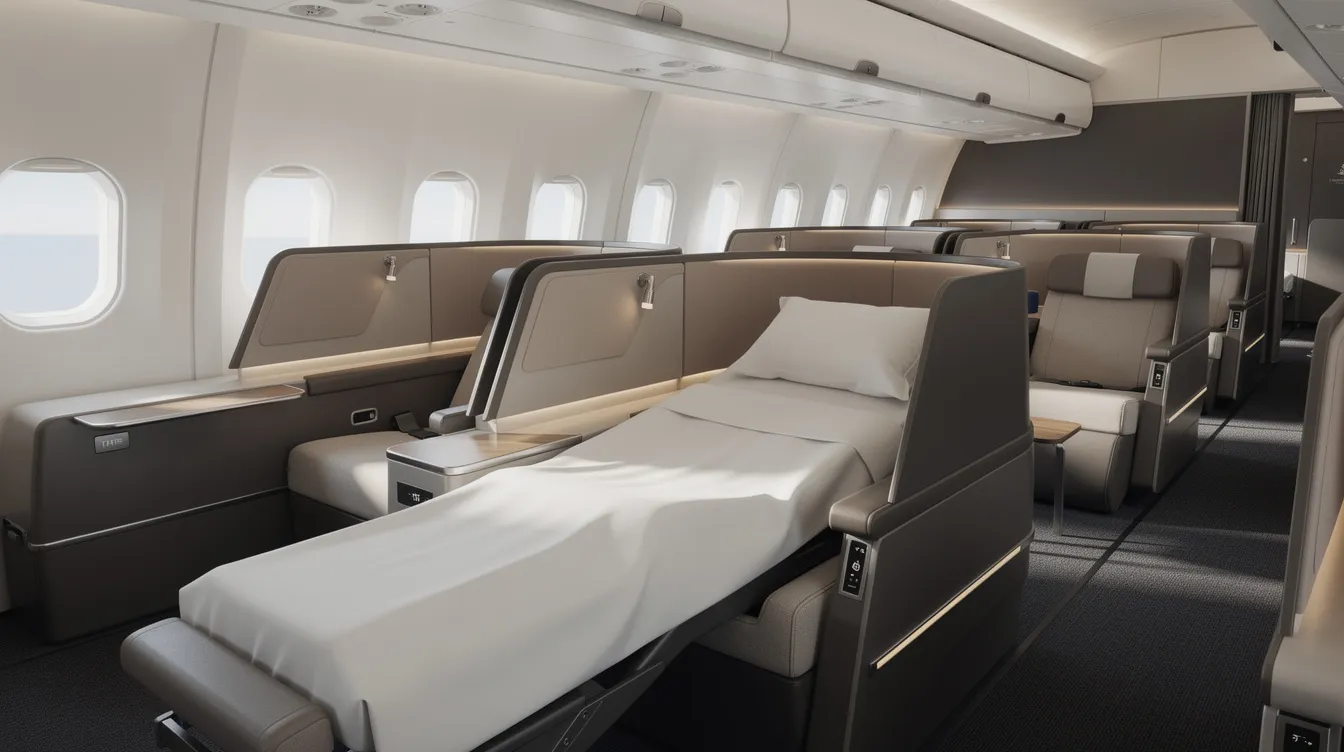
Choosing between Delta Premium Select and Delta One can significantly impact your long-haul travel experience. Delta Premium Select offers a premium economy experience with wider seats and more comfort, while Delta One provides a full business class experience with lie-flat beds and enhanced privacy. Understanding the differences in amenities, pricing, and comfort can help you make the best choice for your travel needs.
Jay Franco Serevilla
Oct 27, 2026
|
5
min read
View all
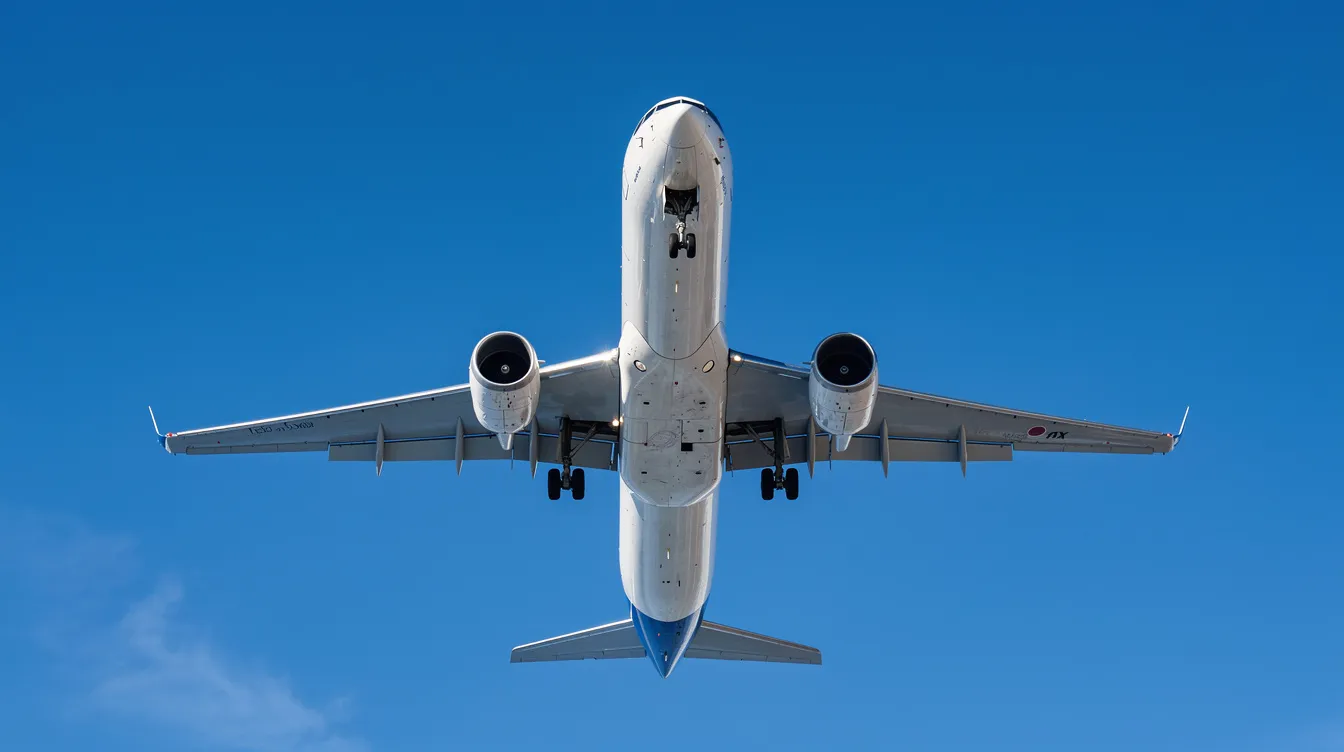
The Boeing 757 boasts a top speed of Mach 0.86, translating to approximately 568-570 knots at cruise altitude. Known for its impressive climb rates and runway performance, it serves both commercial and cargo operations effectively. With a maximum range of 3,900 nautical miles, the 757 remains a popular choice for charter flights, especially for large groups needing speed and efficiency.
Jay Franco Serevilla
Oct 27, 2026
|
5
min read
View all
Understanding flight time is essential for private jet travelers to ensure timely arrivals and efficient trip planning. This guide details how flight time is calculated, the factors that can affect it, and how to effectively use tools like flight time calculators to optimize your journey. With insights from Jettly's platform, travelers can streamline their experience and make informed decisions.
Jay Franco Serevilla
Oct 27, 2026
|
5
min read
View all
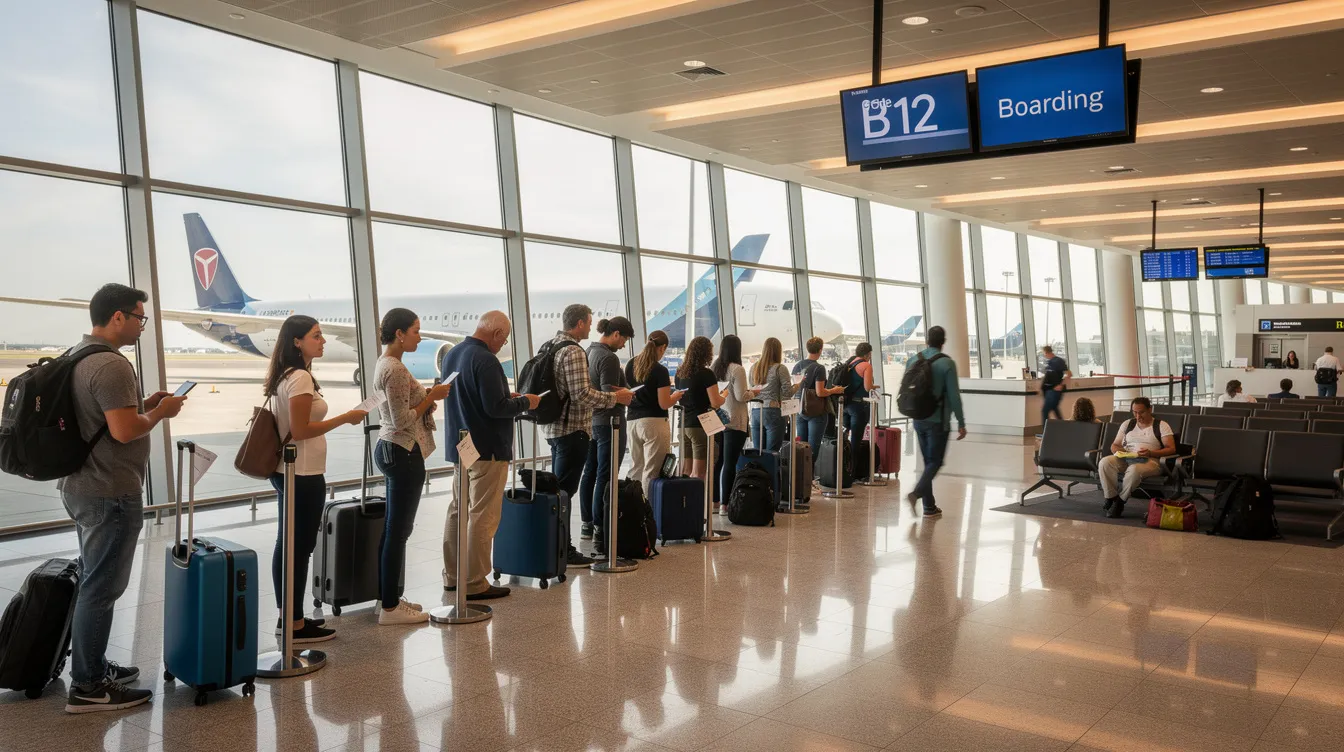
Delta Air Lines utilizes a structured boarding system with eight numbered zones plus pre-boarding, determining the order in which passengers board based on cabin class, fare type, and loyalty status. Understanding this system is crucial for travelers considering commercial flights versus private jet charters, as it impacts overhead bin space and wait times. For those seeking a more streamlined experience, private jet options like Jettly eliminate the complexities of boarding zones altogether.
Jay Franco Serevilla
Oct 25, 2026
|
5
min read
View all
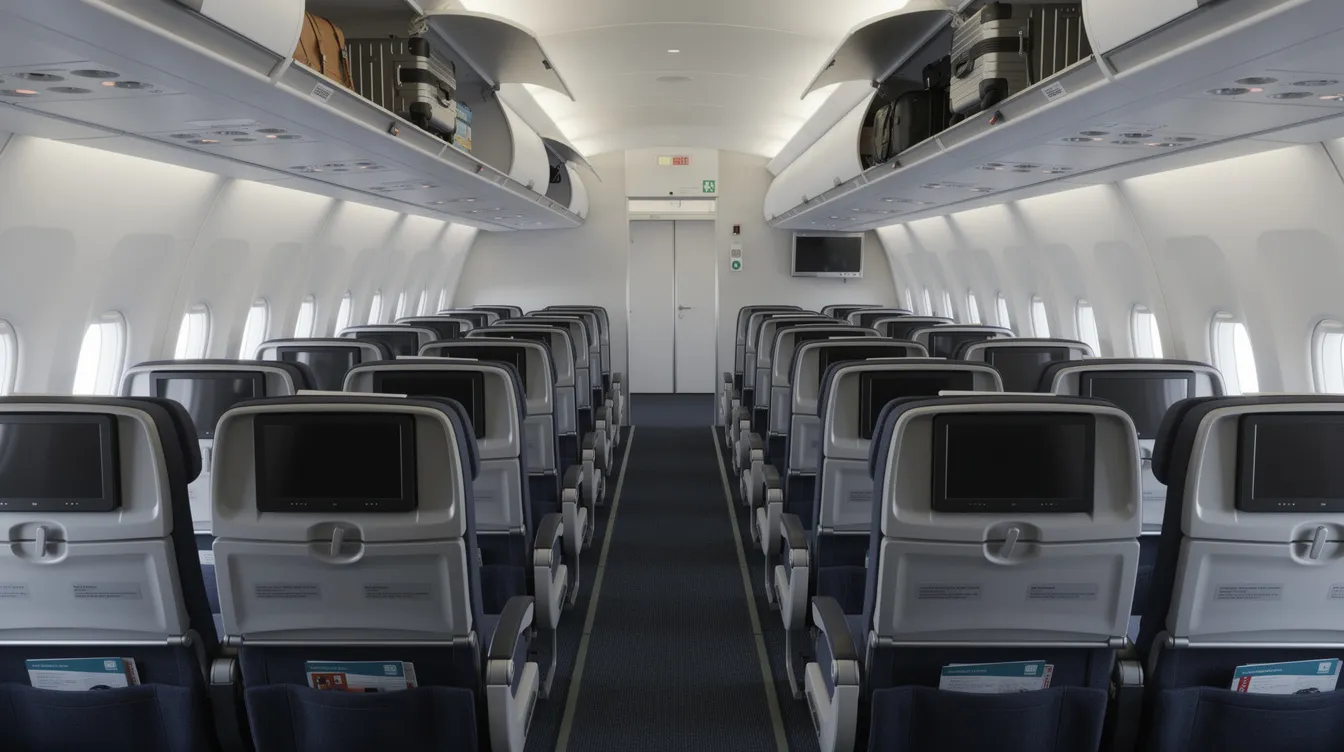
Delta Air Lines has rebranded its Basic Economy fare to Delta Main Basic as of October 1, 2025, maintaining its core restrictions while altering the booking experience. This fare class is the most restrictive in Delta's lineup, making it suitable primarily for solo travelers on short flights who prioritize low prices over flexibility. For most travelers, considering higher fare options like Delta Main Classic or private jet charters may provide better value.
Jay Franco Serevilla
Oct 25, 2026
|
5
min read
Explore our latest articles and updates.
5
min read
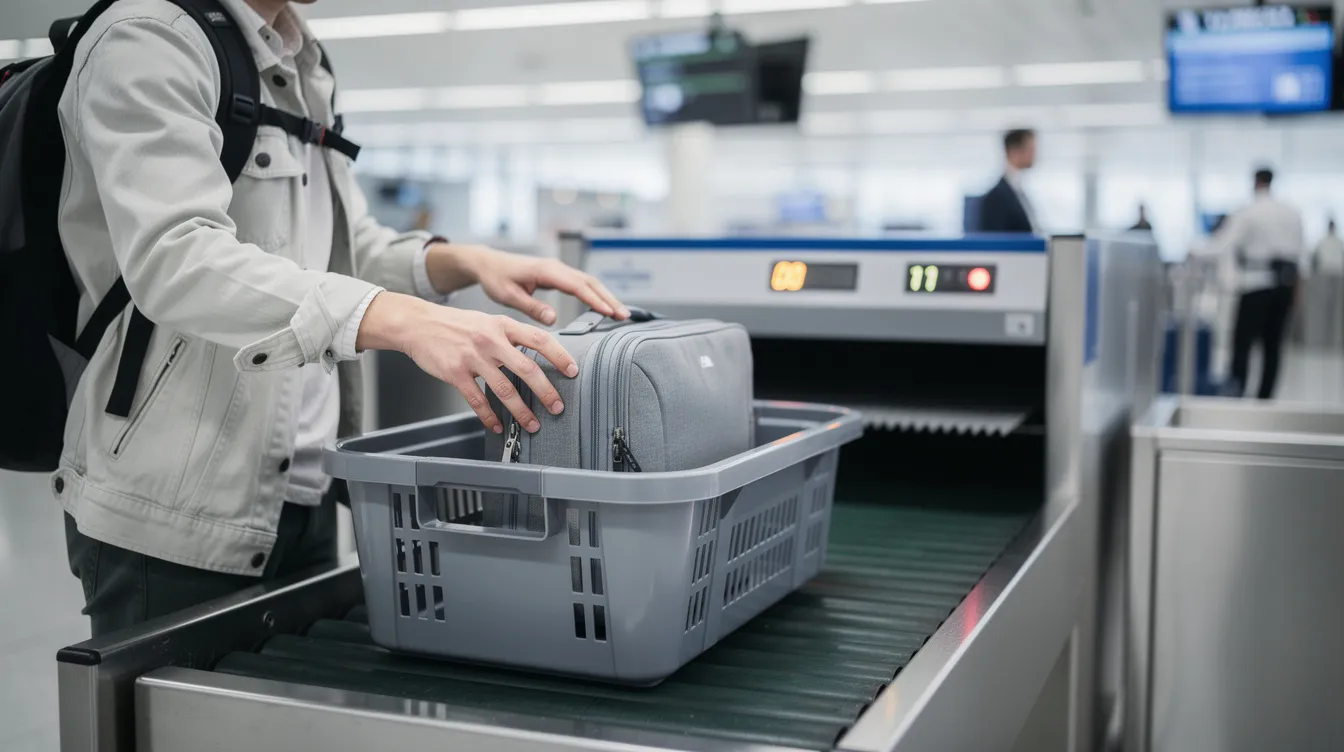
Can You Take Cigarettes on an Airplane? (Commercial & Private Jet Rules)
Cigarettes can be carried in both carry-on and checked luggage on most airlines, but smoking on commercial flights is strictly prohibited, with fines up to $4,000 for violations. While there are no domestic limits on the number of cigarettes for personal use in the U.S., international travel is subject to customs regulations, typically allowing around 200 cigarettes duty-free per adult, though this varies by country. Lighters, vapes, and other smoking accessories have stricter rules, often requiring them to be kept in carry-on luggage only. Private jet charters may allow smoking if permitted by the aircraft owner and operator, offering more flexibility compared to commercial flights.
Read More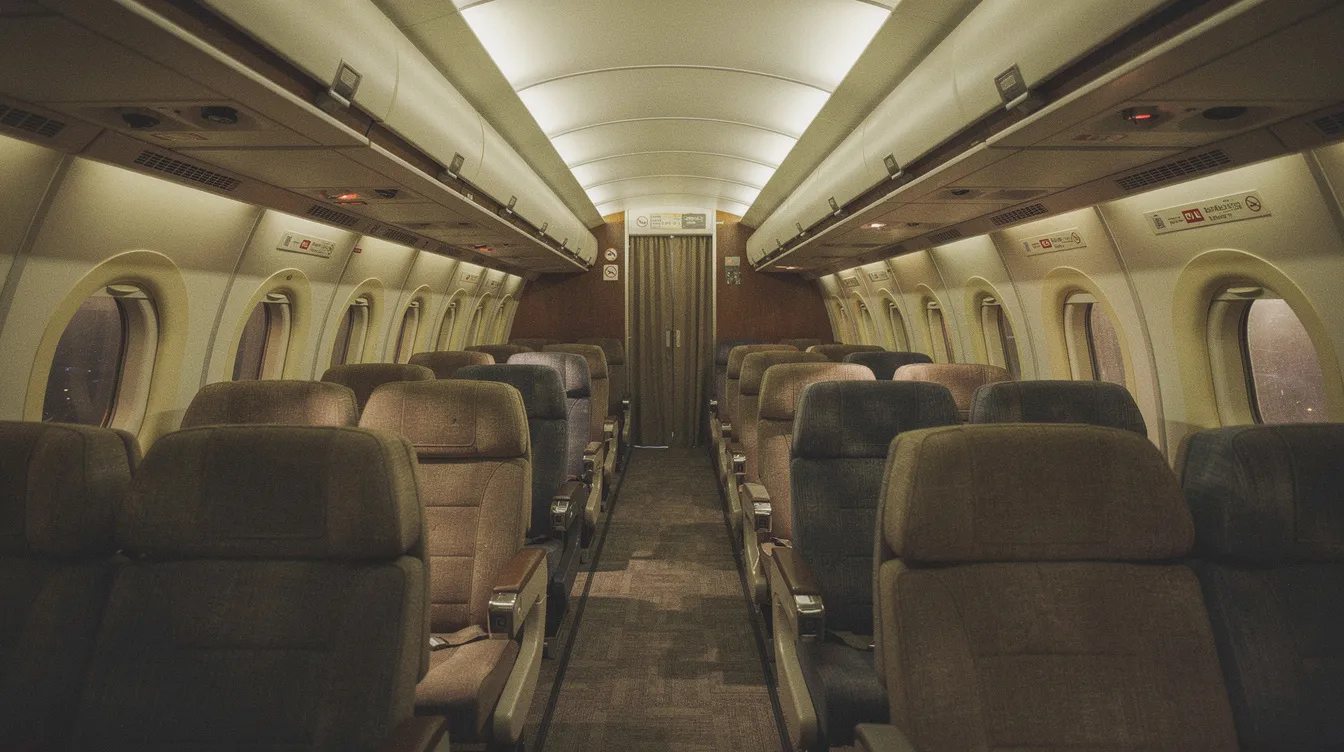
5
min read
When Was Smoking on Airplanes Banned? A Timeline for Commercial and Private Flights
Smoking on U.S. airplanes was gradually banned, starting with domestic flights under two hours in 1988 and culminating in a complete federal ban on June 4, 2000. This movement was driven by health and safety concerns, particularly regarding secondhand smoke and fire risks, despite resistance from the tobacco industry. By the early 2000s, most commercial airlines worldwide had adopted similar smoking bans, leading to a universal expectation of smoke-free flights. Today, smoking and vaping are prohibited on nearly all commercial and private flights, reflecting a commitment to passenger safety and comfort.
Read MoreJoin our community and receive the latest blog updates directly in your inbox.
MEMBERSHIPS AND ASSOCIATIONS



Disclaimer: Jettly operates as a charter broker, offering access to a global digital jet charter marketplace. Jettly is not a direct air carrier and does not own or operate aircraft. All advertised flights are conducted by third-party air carriers that are fully licensed and hold the appropriate Part 135 or Part 121 certifications issued by the Federal Aviation Administration (FAA) or equivalent regulatory authorities under U.S. or foreign law. Jettly complies fully with the U.S. Department of Transportation's Part 295 and Part 298 Charter Broker regulations. Jettly does not carry additional liability insurance. Passengers are covered by aircraft operator insurance. TICO: 50023770


