



Login
Get Instant Pricing On 23,000+ Aircraft

>

Knowing your actual flight time is the difference between a perfectly timed arrival and a missed meeting. For private jet travelers, the number that matters most isn't just the hours in the air - it's the total door-to-door duration that shapes every decision, from booking to landing.
This guide breaks down how flight time is calculated, what shifts it from ideal estimates, and how to plan around it using the right tools and data.
A flight time calculator uses flight distance, aircraft type, route, and weather conditions to estimate duration - but real-world factors can shift results by 15 to 45 minutes.
Airborne flight time (wheels-up to wheels-down) differs from total trip time, which includes taxi, boarding, and ground transfers.
Jettly's digital platform lets travelers compare aircraft, routes, and possible fuel stops in seconds, helping optimize every trip.
Long-haul flights require extra planning for winds, rest, and aircraft range. Tools help avoid underestimating time on a long journey.
Private flights compress ground time significantly compared to commercial aviation, often cutting hours off the total experience.
Flight time is the period from takeoff to landing - wheels-up to wheels-down. Block time, by contrast, measures from the moment the aircraft moves for departure until it stops at arrival, covering taxi, ground delays, and gate operations. Total journey time includes airborne and ground time combined.
Aviation calculations use nautical miles and knots. Geographical distance sets the baseline for flight duration: divide distance by speed, and you get estimated hours. For example, 900 NM at 420 knots equals roughly 2.14 hours airborne. Commercial planes generally cruise between 30,000 and 40,000 feet, and private jets operate in the same range.
Scheduled flight times on airline tickets measure gate-to-gate duration, while non-stop flights show only the in-air time and not total time. Airport time includes check-in, security, connections, and baggage collection, which can add hours on commercial trips. Flight duration also includes boarding, connections, and baggage handling at either end.
Private jet travel through Jettly compresses that ground time by using private terminals (FBOs) and flexible departure windows. For same-day business trips and back-to-back meetings, accurate estimates of total flight time are not optional - they're essential.
Manual estimates are useful when cross-checking an online flight time calculator or roughing out a trip before booking, whether you're planning a route between a city pair or across a country. Flight time depends on distance and ground speed, and the process is straightforward.
Here's the step-by-step:
Determine flight distance: Find the great-circle distance between the departure airport and destination in nautical miles. Real-world routing adds 5–15% over straight-line map distance.
Select a realistic ground speed by aircraft type: Turboprop at 250–300 knots. Light jet at 420–450 knots. Midsize jet at 450–490 knots. Heavy jet at 500–530 knots.
Divide distance by speed: 900 NM ÷ 420 knots = approximately 2.14 hours airborne.
Add buffers: Taxiing adds 10 to 20 minutes to total flight time. Climb and descent phases add another 10–20 minutes combined. For busy airports, plan an extra 10–30 minutes for holding or departure queues.
Flight time calculations depend on distance and aircraft type. These manual steps give a solid baseline before any tool refines the estimate further.
Distance and aircraft type are the backbone of any flight calculator estimate. Flight distance between airports is measured in nautical miles along real-world routes, not flat maps. The shortest flight path is the great-circle route, but airways, restricted airspace, and traffic flow often add mileage.
Multi-leg itineraries - for example, New York to Reykjavik to London - require summing each segment's distance and time, plus ground stops between legs, and may benefit from using an airport locator tool to identify optimal departure and arrival airports.
Aircraft type influences speed and efficiency during flight. Typical cruising speeds vary by aircraft type, directly affecting how long any given route takes:
King Air (turboprop) on a 900 NM flight: ~3.0–3.6 hours at 250–300 knots
Light jet on the same 900 NM: ~2.0–2.1 hours at 420–450 knots
Midsize jet on 900 NM: ~1.8–2.0 hours at 450–490 knots
Jettly's platform lets users enter city pairs and instantly see suitable aircraft categories, indicative times, and pricing, while a dedicated jet card flight cost estimator helps frequent flyers understand route-specific hourly rates.
Flight times depend on geographical, meteorological, and operational factors. Even on the same route, flight times can vary significantly from one day to the next.
Wind and weather: Headwinds slow aircraft down and increase flight time. High-altitude wind currents can reduce flight times with tailwinds. A New York to London eastbound crossing benefits from jet stream tailwinds, while the westbound return faces resistance - a difference of 30 to 60 minutes. Severe weather may cause deviations in flight paths, adding both distance and time. Weather conditions can significantly affect flight duration on any route.
Air traffic and routing: Air traffic control restricts direct point-to-point flying. Airspace restrictions can lengthen a flight path. Airport congestion can create delays for takeoff and landing. Air traffic can add delays to overall flight time, particularly at busy hubs.
Aircraft performance: Cruising altitude affects drag and fuel efficiency during flight. Weight, runway length, and altitude can force lower cruise levels; short runways can lead to fuel or payload limits, or extra fuel stops.
Airport rules: Noise curfews and night restrictions at airports like London City can push departures into less efficient time windows, making it important to understand where private jets can land and which airports offer the best access.
Time zones: Time zone changes affect local arrival and departure clocks. A 7-hour westbound flight may appear to land only 2 hours after it departed, but the airborne time remains the same.
A modern flight time calculator estimates duration using distance, route, fuel burn, and aircraft performance data. Flight time calculators provide instant flight duration estimates, and calculators use distance and ground speed as their core inputs.
Most tools require: origin and destination airports, aircraft type, date, and whether the trip is one-way, round-trip, or multi-leg. Flight time calculators can account for multiple stops in a journey. Advanced calculators also include adjustments for wind conditions, seasonal patterns, and expected routing, which is especially important when planning private jet flights on international routes.
Concrete example: A light jet from KTEB (Teterboro, New York) to KOPF (Miami) covers roughly 1,200–1,400 NM, with an estimated 2.5–3 hours airborne plus a brief taxi at each end.
Airlines often build extra time into their schedules to account for delays - private aviation operators do the same. Same-day weather or air traffic can still shift actual wheels-up and wheels-down times, so treat calculator output as a planning baseline.
Travelers use these estimates alongside Jettly's availability engine to compare routes, aircraft, and schedules in one place.
Aircraft type influences speed and efficiency during flight. Typical cruising speeds vary by aircraft type, directly affecting how long any given route takes:
|
Aircraft Type |
Typical Cruising Speed (knots) |
Estimated Time for 900 NM Flight |
|---|---|---|
|
King Air (Turboprop) |
250–300 |
3.0–3.6 hours |
|
Light Jet |
420–450 |
2.0–2.1 hours |
|
Midsize Jet |
450–490 |
1.8–2.0 hours |
|
Heavy Jet |
500–530 |
1.7–1.8 hours |
These are approximate nonstop airborne times at typical business-jet cruise speeds. Actual results shift with wind, aircraft, and routing, as well as the specific private charter aircraft type chosen for each trip.
Short and medium North American routes:
Los Angeles to Las Vegas: ~1 hour 15 minutes to 1 hour 30 minutes in a light jet, comparable to popular private jet charter routes in and out of Atlanta in terms of short-hop timing
New York to Miami: under 3 hours (~2 hours 30 minutes to 2 hours 50 minutes)
Toronto to Vancouver: ~4 hours 30 minutes to 5 hours, best suited for large jets with sufficient range
Transatlantic long-haul flights:
A New York to London flight takes about 7 hours eastbound; westbound, expect 7 hours 30 minutes to 8-plus hours due to headwinds. Long-haul flights over 7 hours are sensitive to wind and routes.
Boston to Paris: ~6 to 7 hours depending on routing
Miami to Madrid: ~8 to 9 hours, requiring heavy or ultra-long-range aircraft
Transpacific:
Los Angeles to Tokyo flights last approximately 12 hours, requiring careful fuel planning and ultra-long-range jets
European regional:
London to Paris: ~1 hour 15 minutes to 1 hour 30 minutes, where airport access and ground handling often matter more than cruise time, similar to how private jet charter services in Chennai emphasize airport choice as part of total journey planning
Rome to Barcelona: ~1 hour 45 minutes to 2 hours, much like regional itineraries supported by private jet charter in Kolkata where flight time is only part of the overall schedule
Explore more popular routes to see how flight time and costs compare across city pairs.

Executives and families use flight time data to lock in meetings, connections, and rest periods. Many frequent flyers pair this planning with private jet membership programs for predictable access and pricing. Here's how to plan effectively.
Work backward from arrival: If you must land in London by 10:00 local time and the eastbound flight is calculated at 7 hours, add 30–60 minutes for ground and transfer buffers. That means a departure from New York around 02:00–03:00 local.
Private aviation through Jettly often reduces pre-flight arrival requirements to 15–30 minutes at the departure airport - instead of the 1–3 hours commercial travelers typically allow. For travelers flying frequently on similar routes, structured jet card programs can further streamline booking and budgeting. For domestic connections, allow 1.5 to 2 hours when transferring between legs.
On longer routes, fuel stops add 30–60 minutes each for descent, landing, refueling, and climb. Use historical data from past trips on the same route to refine future estimates and reduce uncertainty, and factor in how private jet flight costs are built from aircraft type, duration, and route.
Ready to see what your next trip looks like? Enter your details and receive instant pricing and flight time estimates on Jettly's platform, then explore how affordable private jet charter options align with your timing and budget.
Below are answers to common questions that go beyond the basics covered above, including considerations that complement flight time planning such as affordable options for renting an airplane.
Pilots log flight time in legally recognized logbooks, typically from the moment the aircraft moves under its own power for the purpose of flight until it comes to rest after landing. Regulators like the FAA impose strict limits based on cumulative hours, days, and duty periods. Logs distinguish between day and night conditions, instrument and visual flying, and whether the pilot served as captain, co-pilot, or was under instruction. This record helps maintain safety standards and helps account for fatigue across the aviation industry, and it also underpins many of the safety requirements described in guides on how renting an airplane works for private travel.
Private flights typically use smaller, less congested airports and private terminals with minimal security queues. Travelers can often arrive 15–30 minutes before departure instead of hours in advance. Jettly's access to thousands of airports can also shorten ground transfers by getting closer to the final destination city or region, which means less time in a taxi or car and more time at your leisure or business appointment, whether you’re flying into major hubs like New Delhi on a private jet charter or smaller regional fields.
Calculators are usually accurate within about 10–15% when weather and traffic are normal, especially on well-traveled routes. Strong winds, reroutes, runway closures, or heavy traffic can cause variations of 15–45 minutes. Use a flight calculator for planning and pair those estimates with an understanding of how much a private jet really costs across different ownership and charter models, then confirm details with a charter specialist or operator before any time-critical trip to optimize accuracy.
Dispatchers and operators select stop airports based on runway length, fuel availability, customs needs, and expected weather conditions at each opportunity along the route, especially on international private jet flights that cross multiple countries and oceans, where stop planning can also depend on the country being overflown or entered for routing or customs clearance. Each fuel stop typically adds at least 30–60 minutes. Jettly can propose routings and aircraft types from its global private charter fleet that minimize or avoid fuel stops when speed is the priority - an app-driven process that saves booking time.
Travelers can receive route-specific estimates by entering their departure, destination, dates, and passenger count into Jettly's platform. The system compares aircraft options, indicative flight times, and pricing so users can select the best fit in one step, while guidance on how much it costs to rent a private jet for a single trip helps align expectations.
Understanding flight time is crucial for effective travel plans, especially when choosing private jet charters. Flight time depends on distance, aircraft type, weather, air traffic, and operational factors, all of which can impact your total journey duration. Jettly’s platform simplifies this complexity by offering instant flight time estimates, transparent pricing, and access to a broad range of aircraft and routes worldwide.
Whether planning short regional hops or long international trips, leveraging flight time calculators and expert insights ensures travelers can optimize their schedules, reduce ground delays, and enjoy a seamless private aviation experience.
Ready to experience private travel on your terms? Explore flight options or request a quote at https://www.jettly.com.
Share this post:
Jay Franco Serevilla
Oct 27, 2026
|
5
min read
Discover tips and trends in the industry.
5
min read
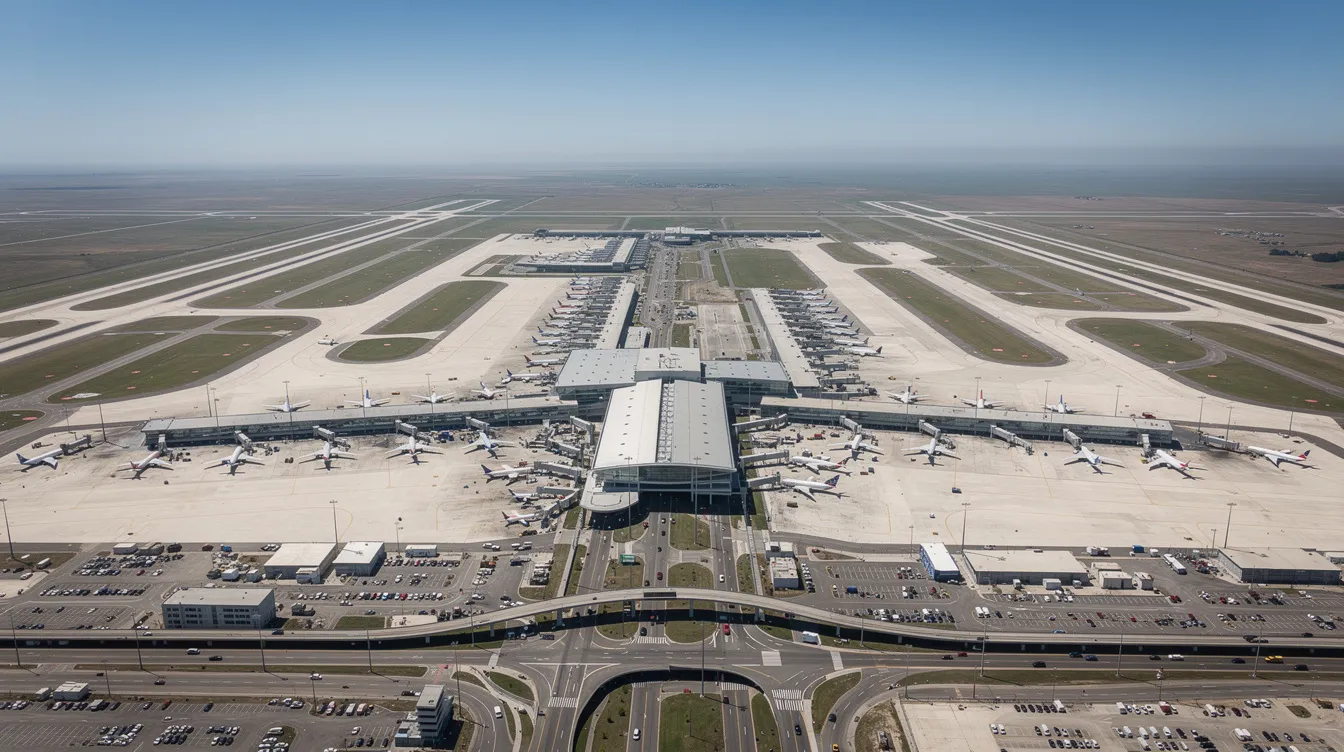
Cleveland Hopkins International Airport (CLE) Guide
Cleveland Hopkins International Airport (CLE) is the primary airport for Northeast Ohio, located just nine miles from downtown Cleveland. With ongoing modernization efforts and a variety of airlines, CLE serves millions of passengers annually, offering both commercial and private jet charter options. This guide provides essential information on terminals, parking, security, and transportation to enhance your travel experience.
Read More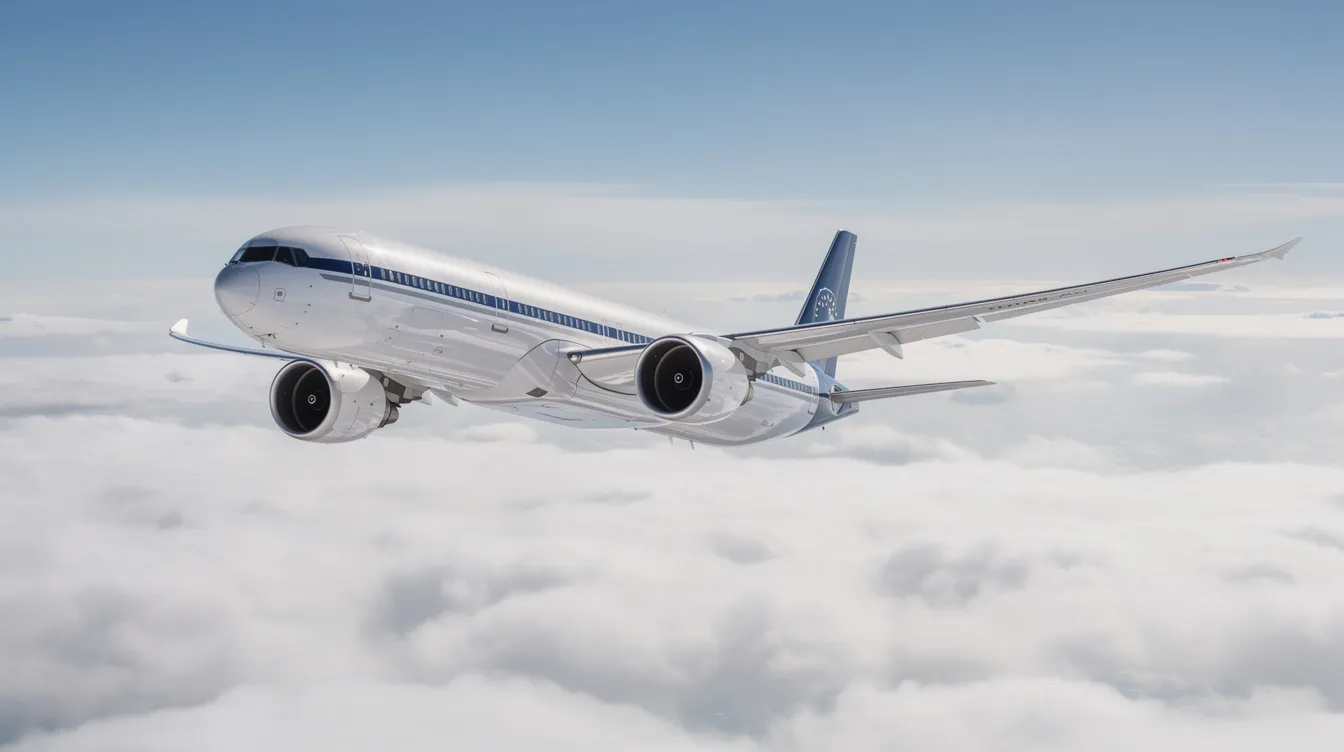
5
min read
Boeing 787 Dreamliner: Technology, Comfort, and Routes Redefined
The Boeing 787 Dreamliner revolutionizes long-haul travel with its advanced technology, fuel efficiency, and passenger comfort. With features like lower cabin altitude, higher humidity, and larger windows, it enhances the flying experience while opening over 550 new nonstop routes. The aircraft's innovative design and operational flexibility make it a game-changer in the aviation industry.
Read MoreStay updated with our latest insights and tips to elevate your journey with us.
MEMBERSHIPS AND ASSOCIATIONS



Disclaimer: Jettly operates as a charter broker, offering access to a global digital jet charter marketplace. Jettly is not a direct air carrier and does not own or operate aircraft. All advertised flights are conducted by third-party air carriers that are fully licensed and hold the appropriate Part 135 or Part 121 certifications issued by the Federal Aviation Administration (FAA) or equivalent regulatory authorities under U.S. or foreign law. Jettly complies fully with the U.S. Department of Transportation's Part 295 and Part 298 Charter Broker regulations. Jettly does not carry additional liability insurance. Passengers are covered by aircraft operator insurance. TICO: 50023770


