


Login
Get Instant Pricing On 23,000+ Aircraft

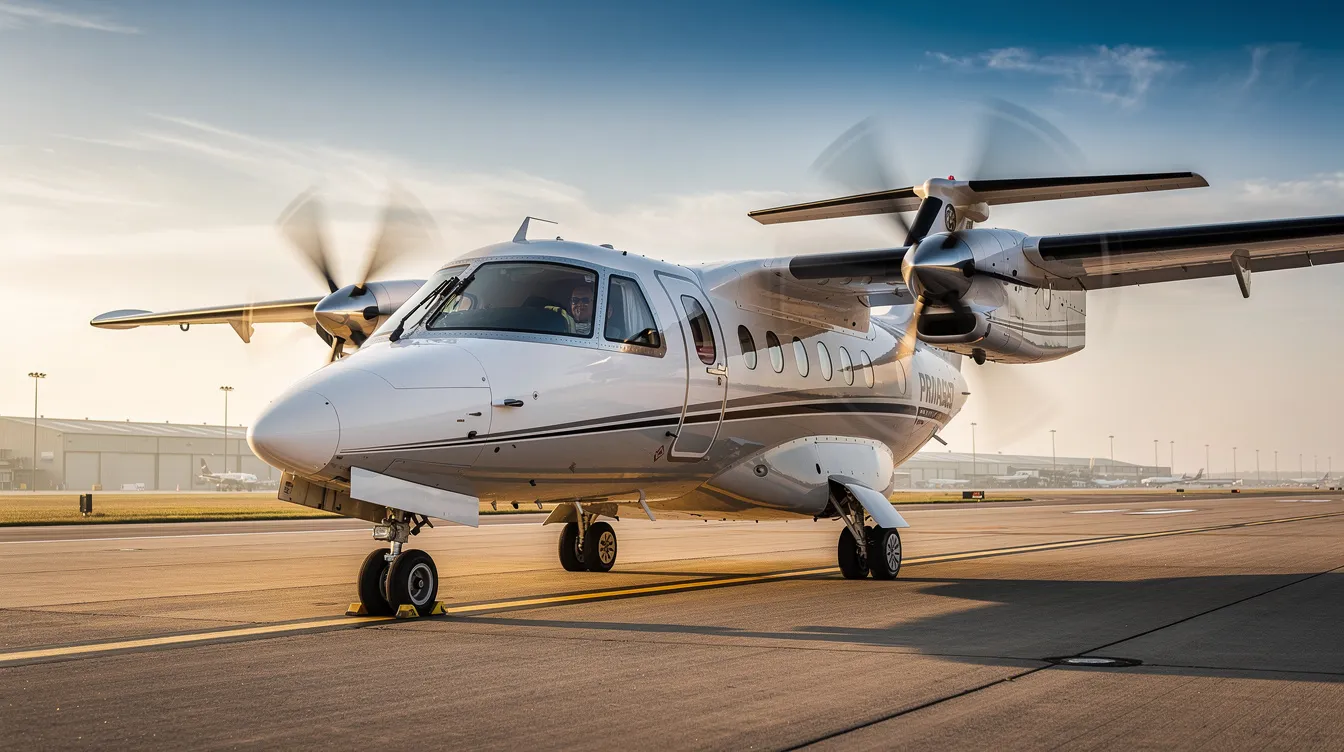
The Piaggio P180 Avanti is a high-speed turboprop aircraft that offers a unique blend of turboprop efficiency and jet-like performance, making it ideal for short to medium-range private travel. Charter pricing typically ranges from $2,000 to $2,500 per flight hour, with the aircraft accommodating 6 to 9 passengers in a spacious and quiet cabin. Its distinctive design allows for reduced drag and improved stability, enabling access to smaller airports and enhancing overall travel convenience. Jettly provides a streamlined platform for booking the Avanti and comparing charter options, ensuring travelers can easily find suitable flights tailored to their needs.
Jay Franco Serevilla
Jun 14, 2026
|
5
min read



View all
Finding the best time to buy airline tickets can be challenging due to fluctuating prices and various factors affecting fares. This guide provides insights on optimal booking windows for domestic, international, and private flights, helping travelers save money and avoid last-minute price hikes. Key strategies include monitoring prices, using fare alerts, and understanding seasonal trends.
Jay Franco Serevilla
Sep 4, 2026
|
5
min read

View all
Finding the best day to book a flight can be tricky, as there's no universal answer. While Sundays may offer slight savings, booking in advance and flying on midweek days like Tuesdays and Wednesdays generally yields better prices. This guide provides valuable insights into optimal booking windows and strategies for both commercial flights and private jet charters.
Jay Franco Serevilla
Sep 4, 2026
|
5
min read

View all
Discover the best times to order plane tickets and when to consider chartering private flights. This guide outlines optimal booking windows for domestic and international flights, as well as private jet charters, helping travelers save money and time. Learn how to navigate fluctuating prices and maximize your travel experience.
Jay Franco Serevilla
Sep 4, 2026
|
5
min read

View all
Aircraft maintenance costs are a significant part of overall operating expenses, especially for business jets. These costs are influenced by factors such as labor, parts, inspections, and the aircraft's age and utilization. Understanding the breakdown of these costs can help travelers make informed decisions about ownership versus chartering through platforms like Jettly.
Jay Franco Serevilla
Sep 4, 2026
|
5
min read

View all
Jettly provides on-demand private jet charter services in Minneapolis, offering access to over 20,000 aircraft worldwide. With flexible scheduling and transparent pricing, travelers can enjoy a seamless flying experience from multiple local airports. Whether for business or leisure, Jettly ensures convenience and luxury without long-term commitments.
Jay Franco Serevilla
Sep 4, 2026
|
5
min read
View all
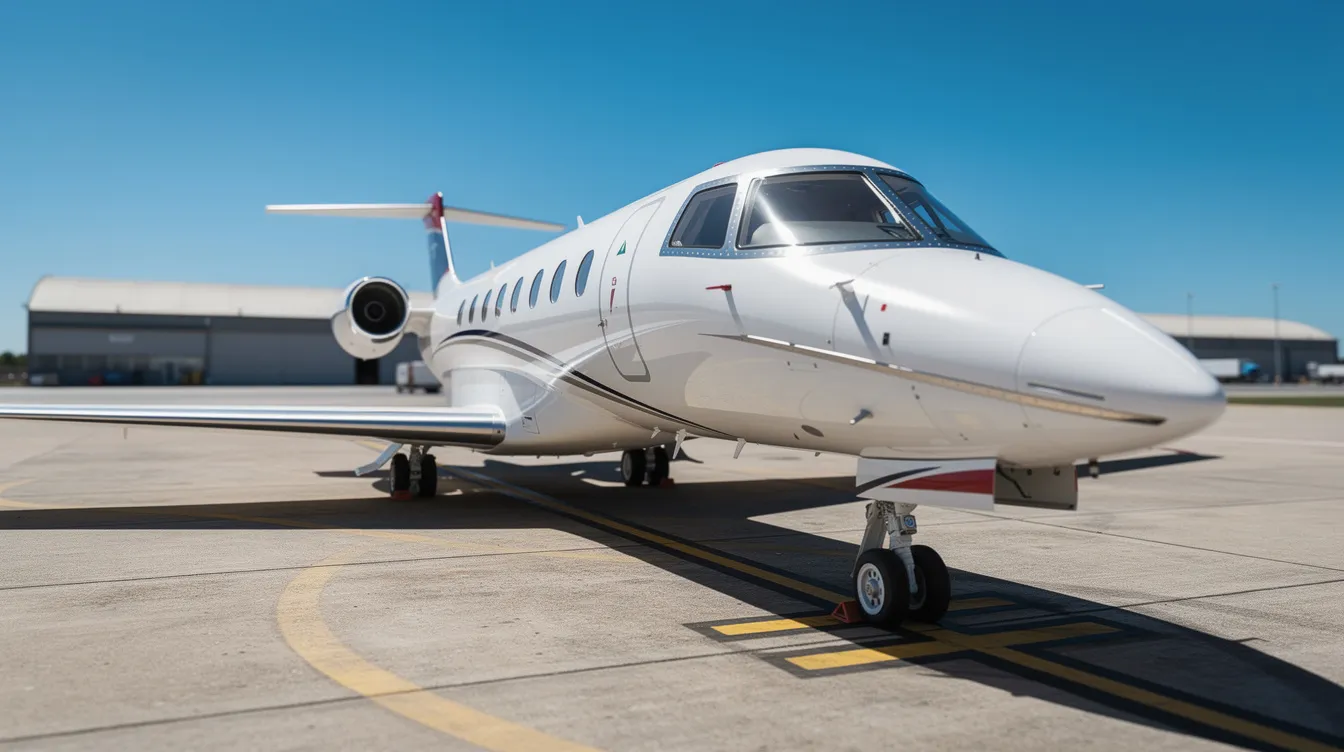
Understanding private jet operating costs is essential for anyone considering aircraft ownership or chartering. This guide details the various expenses involved, including fixed and variable costs, and provides insights into how these costs vary by aircraft type. With information on annual operating costs and the benefits of chartering through platforms like Jettly, readers can make informed decisions about private aviation.
Jay Franco Serevilla
Sep 4, 2026
|
5
min read
Explore our latest articles and updates.

5
min read
Regional Jet Guide: How Regional Jets Fit Into Modern Private and Commercial Travel
Regional jets are essential for connecting smaller cities to major hubs, typically accommodating 30 to 100 passengers on short- to medium-haul routes. They offer a cost-effective and efficient alternative for private charters, especially for groups, with platforms like Jettly facilitating easy access to these aircraft. The regional jet market is evolving, focusing on larger models for improved efficiency and exploring sustainable technologies to reduce environmental impact. Overall, regional jets enhance regional connectivity and support local economies while providing flexible travel options for both commercial and private needs.
Read More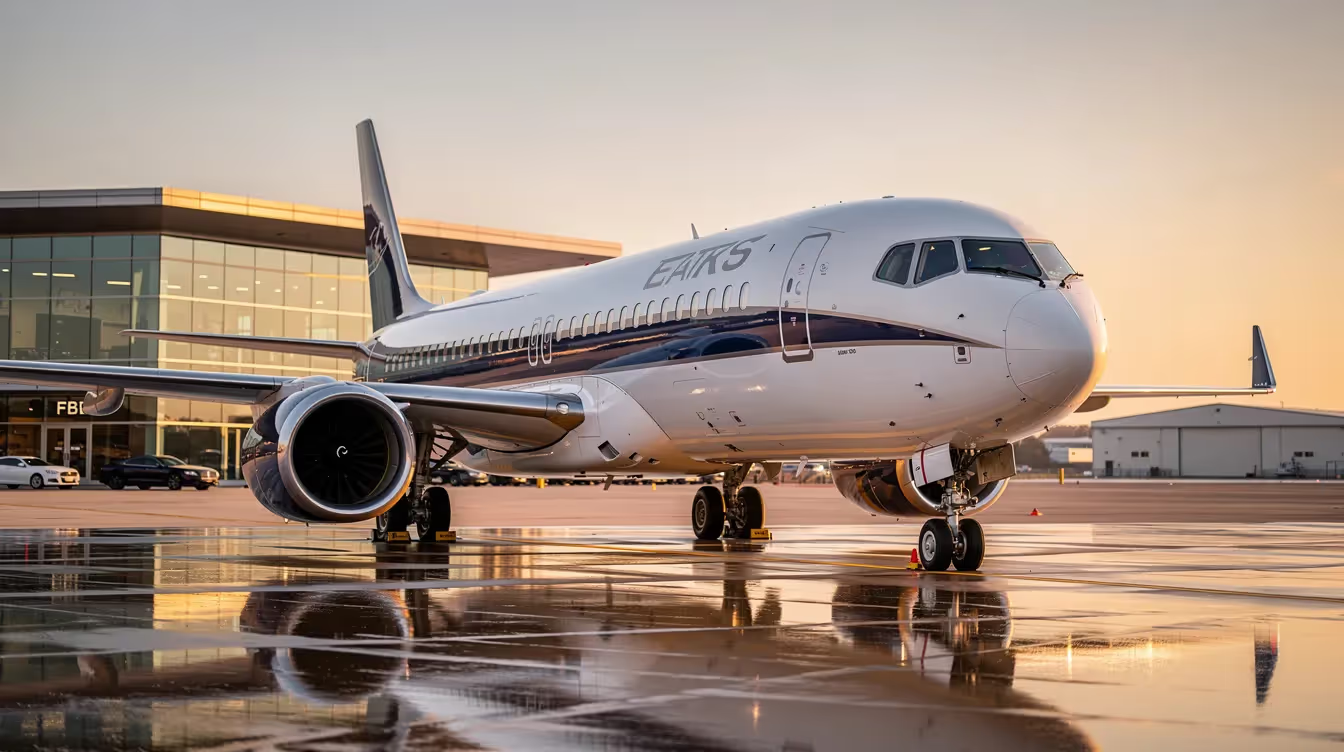
5
min read
Boeing BBJ: Ultimate Guide to the Boeing Business Jet
The Boeing Business Jet (BBJ) combines the reliability of commercial airliners with the luxury of private jets, designed for ultra-long-range flights and spacious interiors. Catering to corporate executives, government officials, and high-net-worth individuals, BBJs can be customized for various uses, including offices and residences. Jettly offers a digital platform for chartering these aircraft, providing instant pricing and access to a global fleet. With models like the BBJ 737 MAX and BBJ 777X, the BBJ is ideal for large groups needing comfort and flexibility on long-haul journeys.
Read MoreJoin our community and receive the latest blog updates directly in your inbox.
MEMBERSHIPS AND ASSOCIATIONS



Disclaimer: Jettly operates as a charter broker, offering access to a global digital jet charter marketplace. Jettly is not a direct air carrier and does not own or operate aircraft. All advertised flights are conducted by third-party air carriers that are fully licensed and hold the appropriate Part 135 or Part 121 certifications issued by the Federal Aviation Administration (FAA) or equivalent regulatory authorities under U.S. or foreign law. Jettly complies fully with the U.S. Department of Transportation's Part 295 and Part 298 Charter Broker regulations. Jettly does not carry additional liability insurance. Passengers are covered by aircraft operator insurance. TICO: 50023770


