



Login
Get Instant Pricing On 23,000+ Aircraft


Travelers from Denver to Key West can choose between commercial flights with layovers and private charters for a direct experience. While commercial options are budget-friendly, private jets offer significant time savings and convenience. This guide provides insights into pricing, travel times, and booking tips to help you make the best choice for your trip.
Jay Franco Serevilla
Jul 29, 2026
|
5
min read


View all
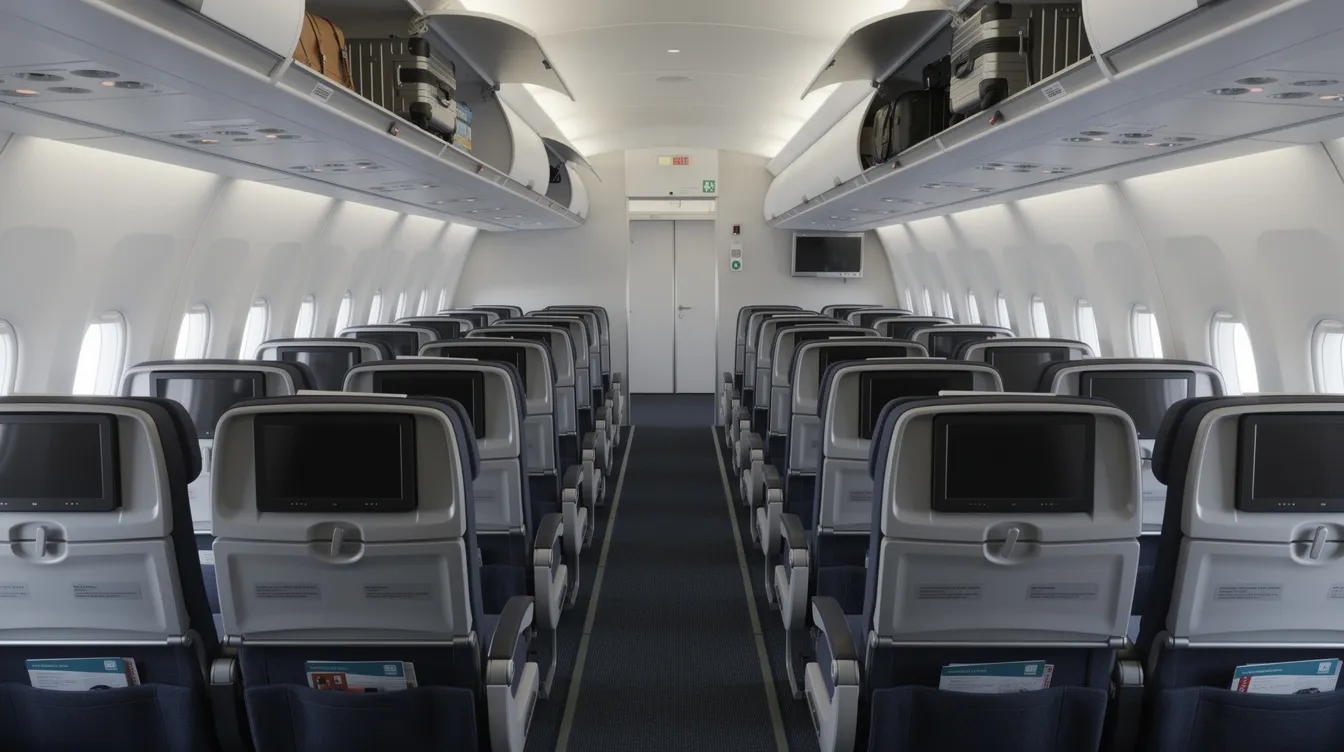
Delta Air Lines utilizes a structured boarding system with eight numbered zones plus pre-boarding, determining the order in which passengers board based on cabin class, fare type, and loyalty status. Understanding this system is crucial for travelers considering commercial flights versus private jet charters, as it impacts overhead bin space and wait times. For those seeking a more streamlined experience, private jet options like Jettly eliminate the complexities of boarding zones altogether.
Jay Franco Serevilla
Oct 25, 2026
|
5
min read
View all
Delta Air Lines has rebranded its Basic Economy fare to Delta Main Basic as of October 1, 2025, maintaining its core restrictions while altering the booking experience. This fare class is the most restrictive in Delta's lineup, making it suitable primarily for solo travelers on short flights who prioritize low prices over flexibility. For most travelers, considering higher fare options like Delta Main Classic or private jet charters may provide better value.
Jay Franco Serevilla
Oct 25, 2026
|
5
min read
View all
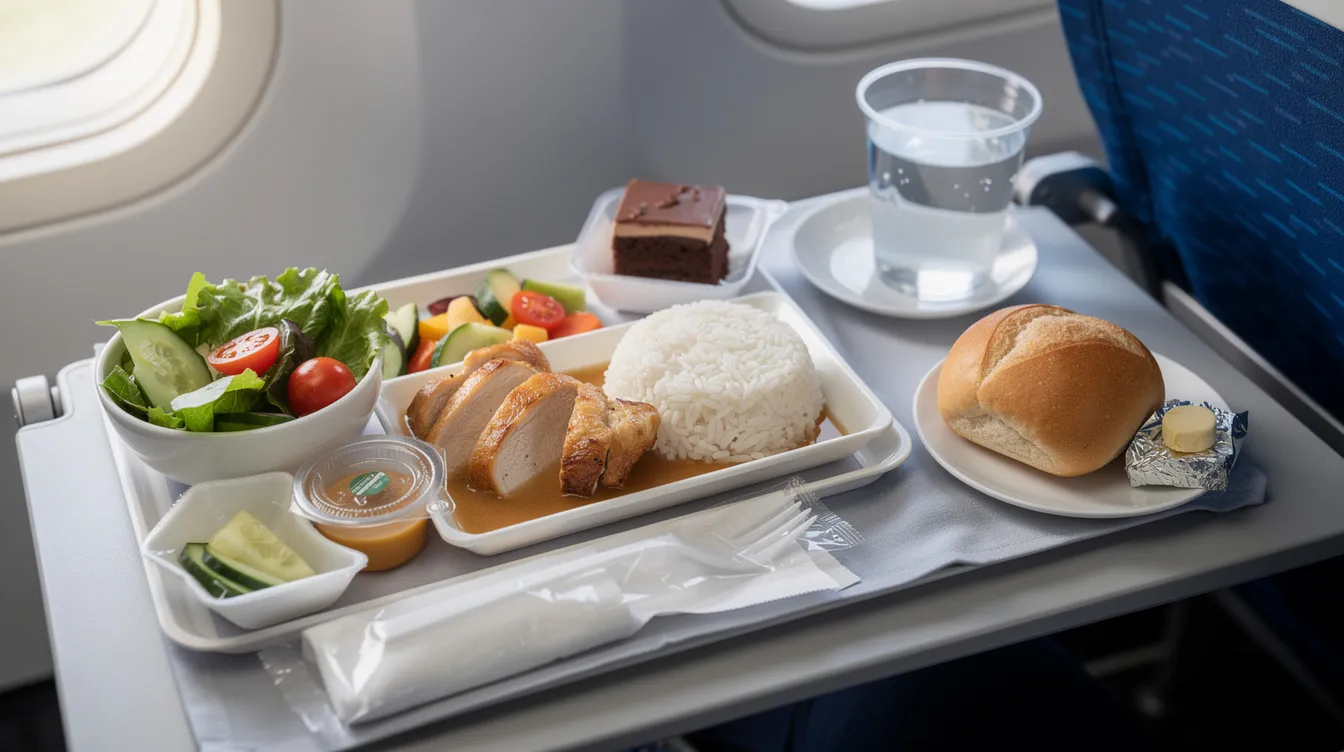
Delta's food menu varies by cabin class, route, and season, offering everything from snacks on short domestic flights to gourmet meals in Delta One. In contrast, private jet dining through Jettly provides fully customized meal options tailored to individual preferences and dietary needs. This guide compares the dining experiences on Delta flights with the flexibility of private jet catering.
Jay Franco Serevilla
Oct 25, 2026
|
5
min read

View all
This guide provides essential information for chartering private jets from Manchester and Liverpool John Lennon airports. It covers airport details, costs, aircraft options, and the convenience of using Jettly's platform for seamless booking. Whether for business or leisure, private jet travel offers unmatched flexibility and luxury.
Jay Franco Serevilla
Oct 25, 2026
|
5
min read
View all
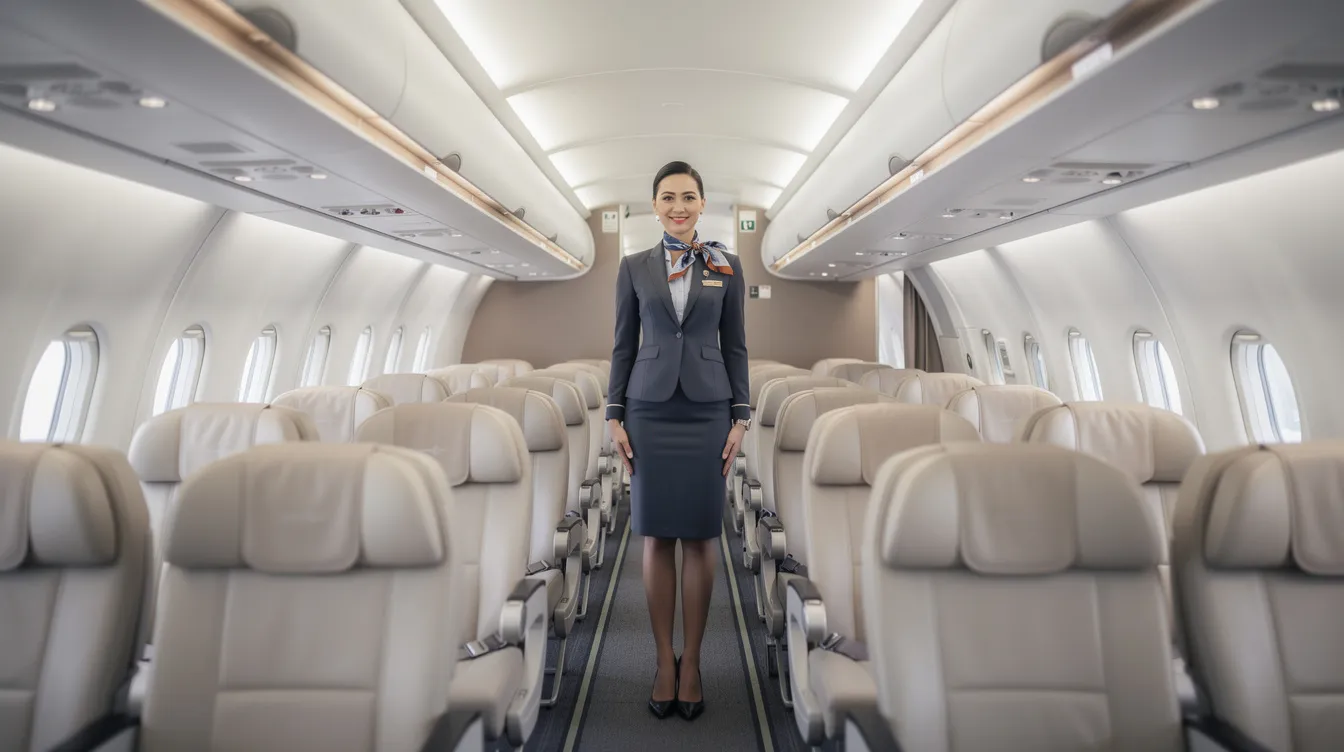
The term 'stewardess' has evolved into the more inclusive 'flight attendant,' reflecting the significant changes in the role from the mid-20th century to today. Modern flight attendants are trained safety professionals responsible for passenger safety, emergency response, and in-flight service, contrasting sharply with the outdated stereotypes of glamorous service. This article explores the history, training, and responsibilities of today's cabin crew across commercial and private aviation.
Jay Franco Serevilla
Oct 25, 2026
|
5
min read
View all
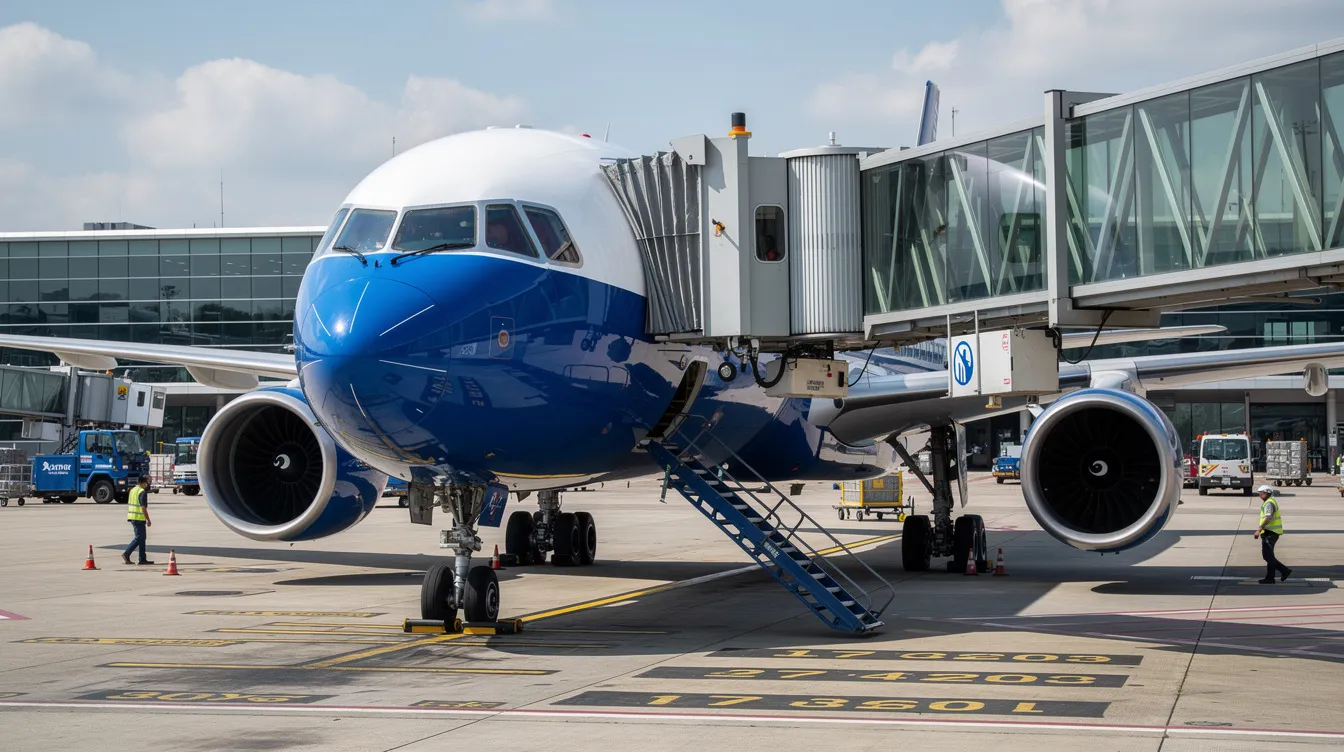
Delta Air Lines Flight DL 767 connects New York and Los Angeles using a Boeing 767-300ER, known for its reliability and comfort. This article explores the flight's features, the aircraft's specifications, and private jet alternatives for travelers seeking flexibility. With Delta planning to retire the 767-300ER by 2030, understanding your options is crucial for future travel.
Jay Franco Serevilla
Oct 25, 2026
|
5
min read
Explore our latest articles and updates.

5
min read
Jets Flying: From Fighter Jet Flights to Private Jet Experiences
Jet flying offers a thrilling contrast between adrenaline-pumping fighter jet flights and the luxurious comfort of private jet charters. This guide explores both experiences, helping aviation enthusiasts and business travelers choose the right option for their needs. Jettly stands out as a premier platform for private jet charters, providing instant pricing and access to a global fleet.
Read More
5
min read
Planet 9 Aviation: Ultra Long Range Private Air Travel & How Jettly Helps You Charter It
Planet 9 Aviation specializes in ultra-long-range private jet travel, offering a managed fleet for intercontinental charters. Through Jettly, travelers can easily access these services without the need for ownership or jet cards, ensuring flexibility and convenience in booking private flights.
Read MoreJoin our community and receive the latest blog updates directly in your inbox.
MEMBERSHIPS AND ASSOCIATIONS



Disclaimer: Jettly operates as a charter broker, offering access to a global digital jet charter marketplace. Jettly is not a direct air carrier and does not own or operate aircraft. All advertised flights are conducted by third-party air carriers that are fully licensed and hold the appropriate Part 135 or Part 121 certifications issued by the Federal Aviation Administration (FAA) or equivalent regulatory authorities under U.S. or foreign law. Jettly complies fully with the U.S. Department of Transportation's Part 295 and Part 298 Charter Broker regulations. Jettly does not carry additional liability insurance. Passengers are covered by aircraft operator insurance. TICO: 50023770


