


Login
Get Instant Pricing On 23,000+ Aircraft

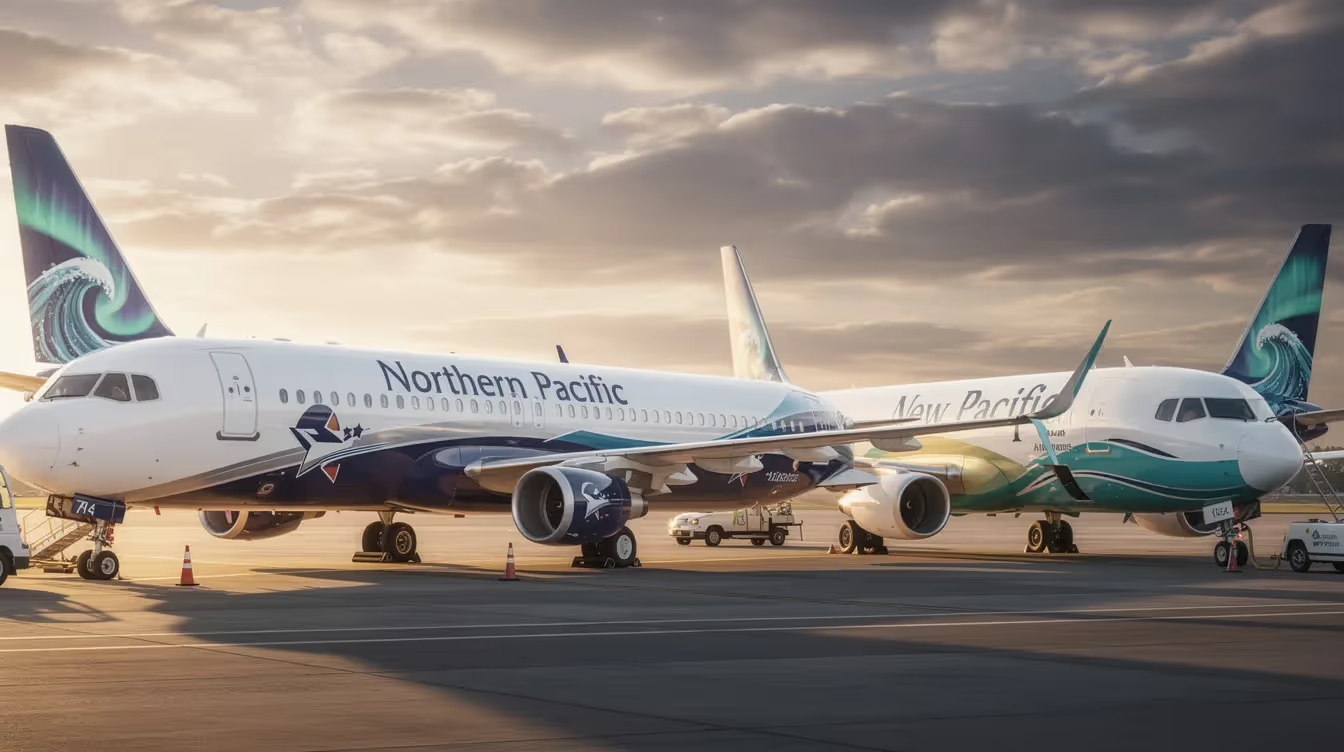
Northern Pacific Airways, rebranded as New Pacific Airlines, aimed to connect the U.S. and East Asia via Anchorage, Alaska, but faced significant operational and financial challenges, ultimately leading to its closure in late 2025. Despite initial plans for affordable transpacific routes and a unique stopover strategy, the airline struggled with regulatory approvals, rising costs, and a lack of sustained international flights. Following trademark litigation with BNSF Railway, the rebranding did not resolve deeper structural issues, and the airline ceased operations shortly after its inaugural flight in July 2023. For travelers affected by the airline's exit, private jet charter services like Jettly offer flexible alternatives to traditional commercial flights.
Jay Franco Serevilla
May 15, 2026
|
5
min read


View all
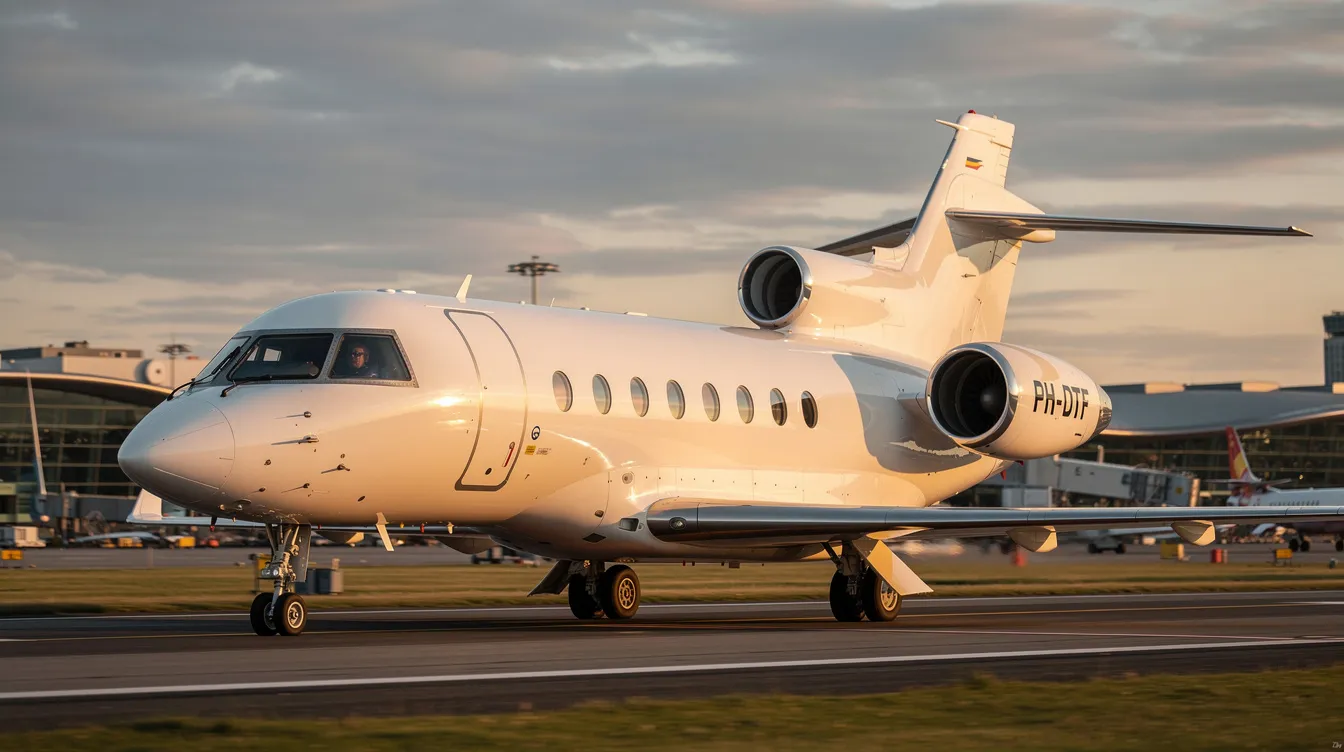
The PH-DTF is a 2008 Dassault Falcon 900EX EASy, a tri-engine business jet known for its long-range capabilities and luxury. With a flight history spanning Europe and North America, it offers travelers a comfortable and efficient option for private jet charters. This article explores its technical specifications, flight history, and how to charter similar aircraft through platforms like Jettly.
Jay Franco Serevilla
Sep 6, 2026
|
5
min read
View all
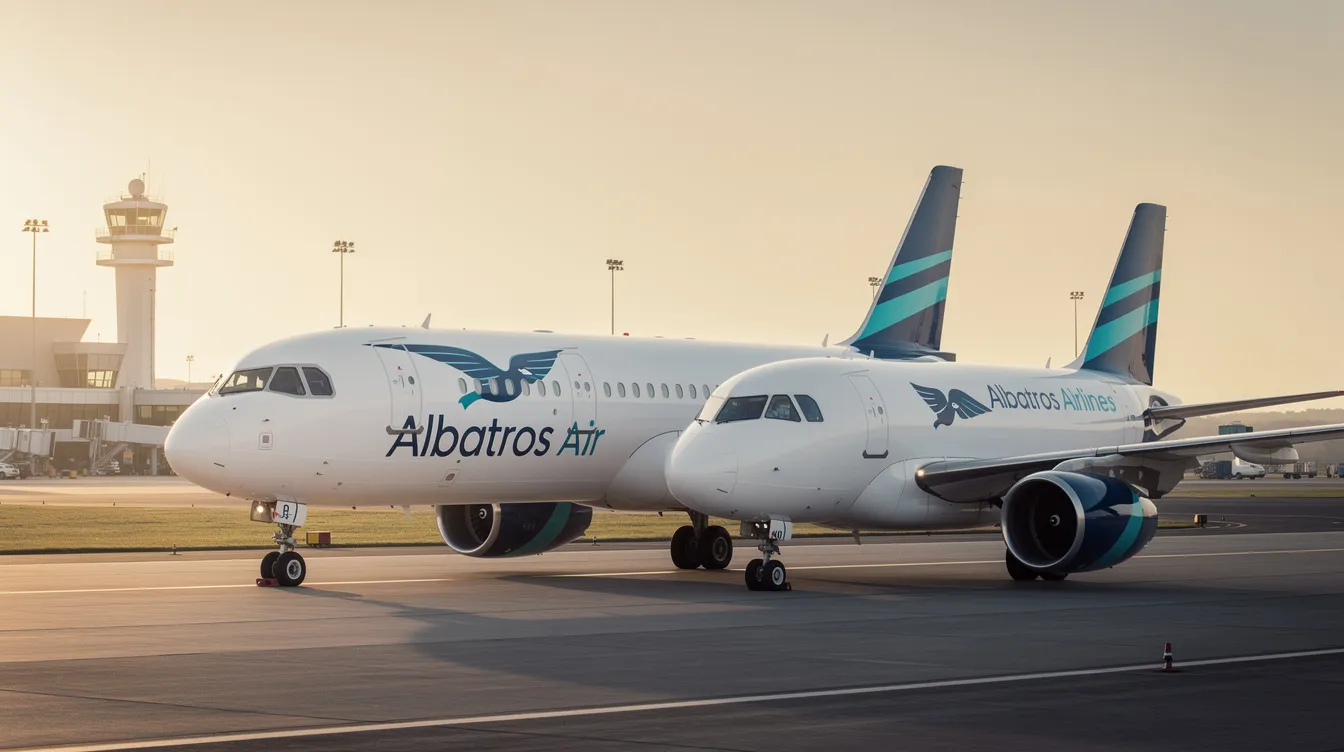
Albatros Airlines and Albatross Air are two distinct aviation companies serving different markets. Albatros Airlines operates scheduled and charter flights in Venezuela, while Albatross Air focuses on local charter services and flight training in West Virginia. For travelers seeking flexibility, digital platforms like Jettly offer access to thousands of aircraft worldwide, enhancing travel options beyond traditional airlines.
Jay Franco Serevilla
Sep 6, 2026
|
5
min read

View all
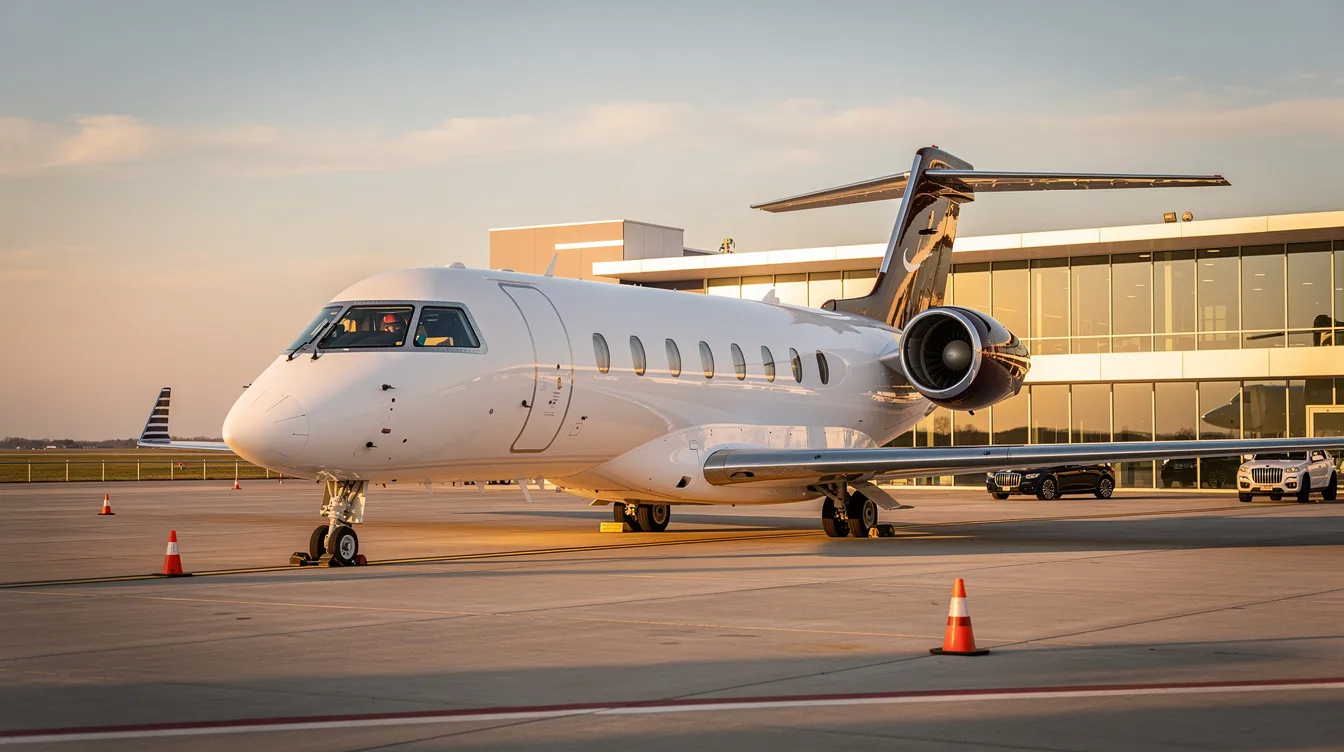
In 2026, a 25-hour NetJets card for a light jet like the Phenom 300 starts at approximately $215,000, with total costs reaching between $247,000 and $262,000 after additional fees. This guide provides a comprehensive breakdown of costs, comparisons with fractional ownership, and insights into whether prepaying for flight hours is the best option for travelers. Understanding these details helps buyers make informed decisions about private aviation solutions.
Jay Franco Serevilla
Sep 5, 2026
|
5
min read
View all
The NetJets app offers fractional owners and jet card holders seamless access to a vast private aviation fleet, allowing for easy flight requests and trip management. However, alternatives like Jettly provide a more flexible, app-first experience without long-term commitments, catering to occasional travelers seeking instant pricing and diverse aircraft options. This article compares the features of both platforms to help travelers choose the best fit for their needs.
Jay Franco Serevilla
Sep 5, 2026
|
5
min read
View all
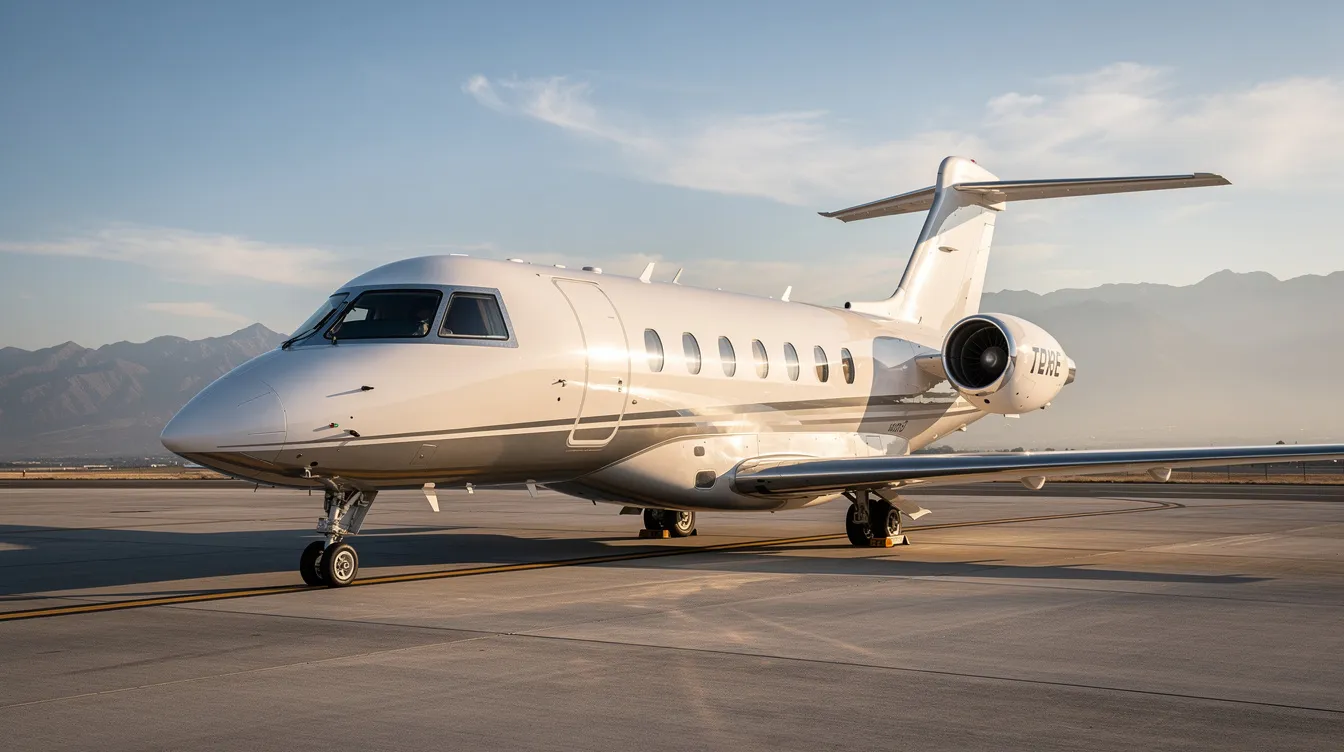
NetJets, a subsidiary of Berkshire Hathaway, is estimated to have a net worth between $9 billion and $11 billion as of 2026. This valuation reflects its extensive fleet of over 1,100 aircraft and significant market share in fractional ownership. The company generates substantial revenue through fractional ownership contracts, jet card programs, and ancillary services, positioning itself as a leader in private aviation.
Jay Franco Serevilla
Sep 5, 2026
|
5
min read
View all
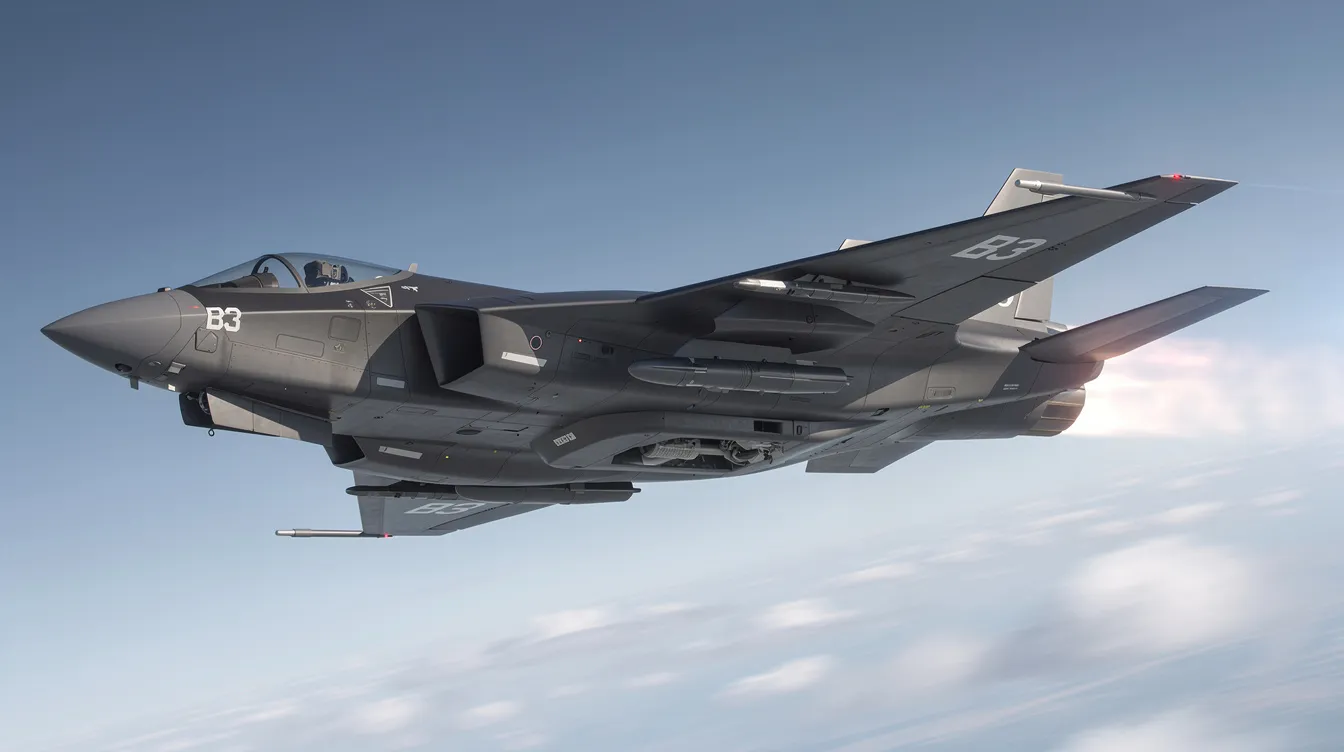
The B3 plane primarily refers to the Swedish B 3 medium bomber, derived from the Junkers Ju 86, which served from the late 1930s until 1958. This guide explores its history, variants, and its influence on modern aviation, including connections to fictional representations in games and advancements in military technology.
Jay Franco Serevilla
Sep 5, 2026
|
5
min read
Explore our latest articles and updates.

5
min read
Aircraft Class: How Categories and Classes Shape Modern Aviation
Understanding aircraft categories and classes is crucial for aviation safety, pilot certification, and informed travel choices, particularly in private jet chartering. These classifications, defined by regulatory bodies like the FAA and EASA, influence everything from pilot training to aircraft design and operational standards. Platforms like Jettly utilize these classifications to help travelers select the right aircraft based on mission needs, offering options across various categories such as light jets, midsize jets, and turboprops. Ultimately, recognizing the distinctions between aircraft categories and classes aids in making smarter flight decisions regarding cost, comfort, and airport accessibility.
Read More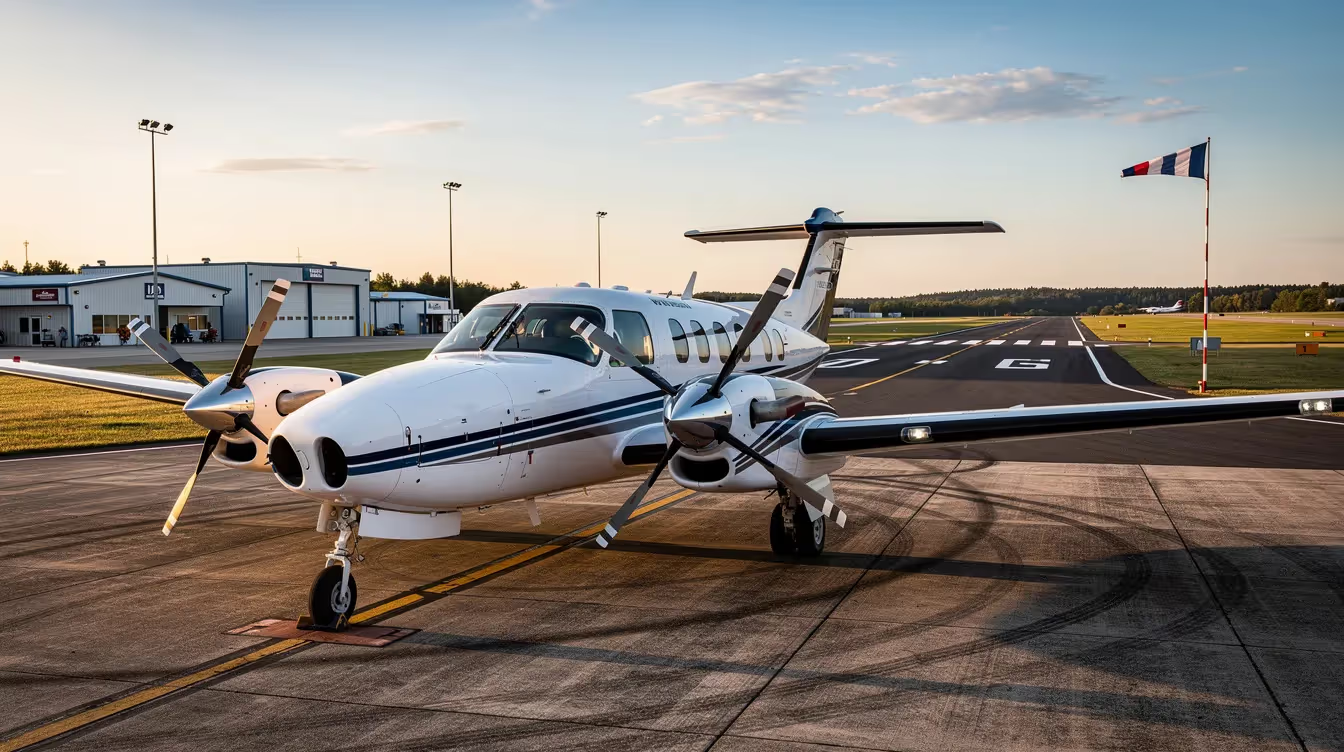
5
min read
Socata TBM7 Guide for Private Charter Travelers
The Socata TBM 700, also known as the TBM7, is a high-performance turboprop aircraft ideal for private charter travelers seeking speed, efficiency, and access to smaller airports. With a maximum cruising speed of 300 knots and a range of up to 1,550 nautical miles, it offers a comfortable option for short- to medium-haul flights, accommodating 6 to 7 passengers. The TBM 700 is particularly advantageous for executive trips, family leisure travel, and urgent transport missions, providing a cost-effective alternative to light jets. Jettly's platform allows users to easily compare and charter the TBM 700 alongside other aircraft options, ensuring a tailored travel experience.
Read MoreJoin our community and receive the latest blog updates directly in your inbox.
MEMBERSHIPS AND ASSOCIATIONS



Disclaimer: Jettly operates as a charter broker, offering access to a global digital jet charter marketplace. Jettly is not a direct air carrier and does not own or operate aircraft. All advertised flights are conducted by third-party air carriers that are fully licensed and hold the appropriate Part 135 or Part 121 certifications issued by the Federal Aviation Administration (FAA) or equivalent regulatory authorities under U.S. or foreign law. Jettly complies fully with the U.S. Department of Transportation's Part 295 and Part 298 Charter Broker regulations. Jettly does not carry additional liability insurance. Passengers are covered by aircraft operator insurance. TICO: 50023770


