



Login
Get Instant Pricing On 23,000+ Aircraft


The Mil Mi-26 is the largest passenger helicopter, accommodating up to 83 people, while the Sikorsky S-92 is the leading choice for civil aviation with a capacity of 19 passengers. These helicopters play vital roles in offshore transport, search and rescue, and VIP services. Charter options are available through platforms like Jettly, which facilitate access to helicopters for specialized missions.
Jay Franco Serevilla
Jul 26, 2026
|
5
min read


View all
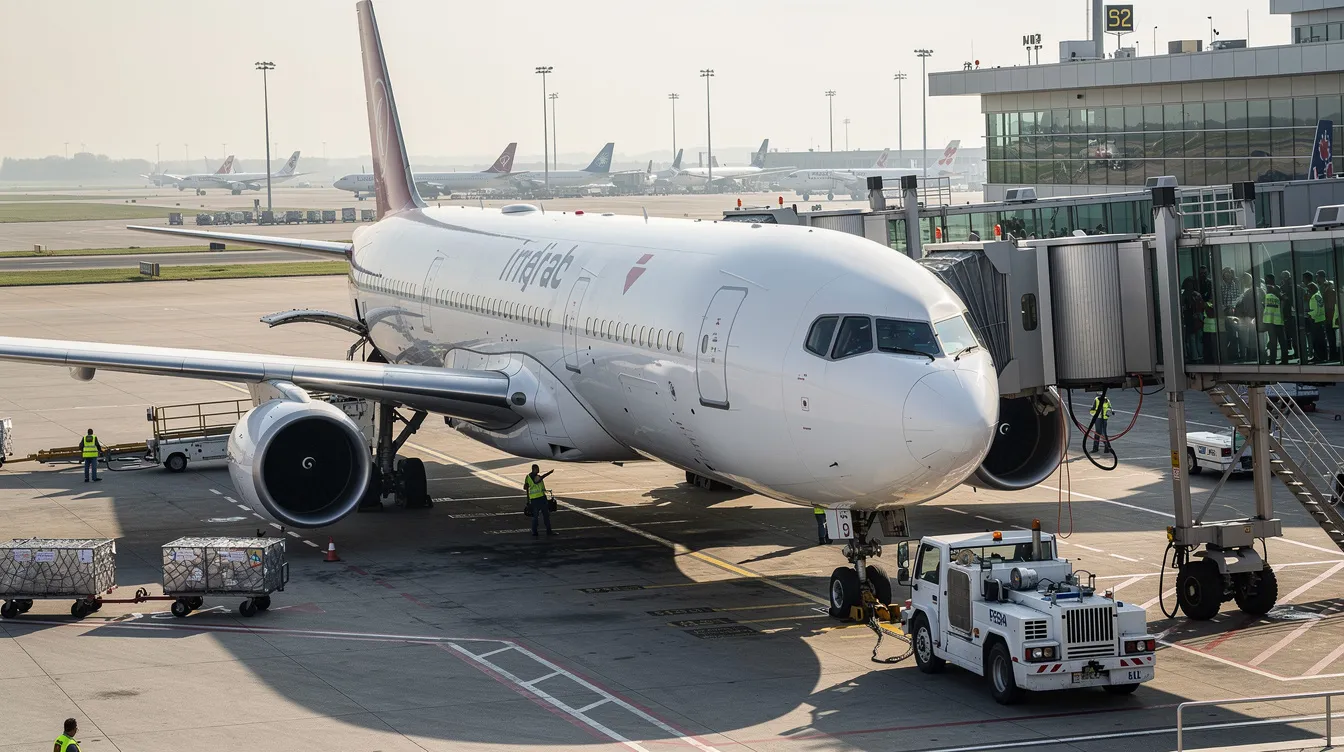
The Boeing 777-200 is a long-haul, wide-body aircraft known for its efficiency and passenger capacity, serving major airlines worldwide. This guide compares the commercial flying experience on the 777-200 with private charter options, highlighting cabin layouts, seat maps, and the benefits of choosing private travel for flexibility and comfort.
Jay Franco Serevilla
Oct 27, 2026
|
5
min read

View all
Cleveland Hopkins International Airport (CLE) is the primary airport for Northeast Ohio, located just nine miles from downtown Cleveland. With ongoing modernization efforts and a variety of airlines, CLE serves millions of passengers annually, offering both commercial and private jet charter options. This guide provides essential information on terminals, parking, security, and transportation to enhance your travel experience.
Jay Franco Serevilla
Oct 27, 2026
|
5
min read

View all
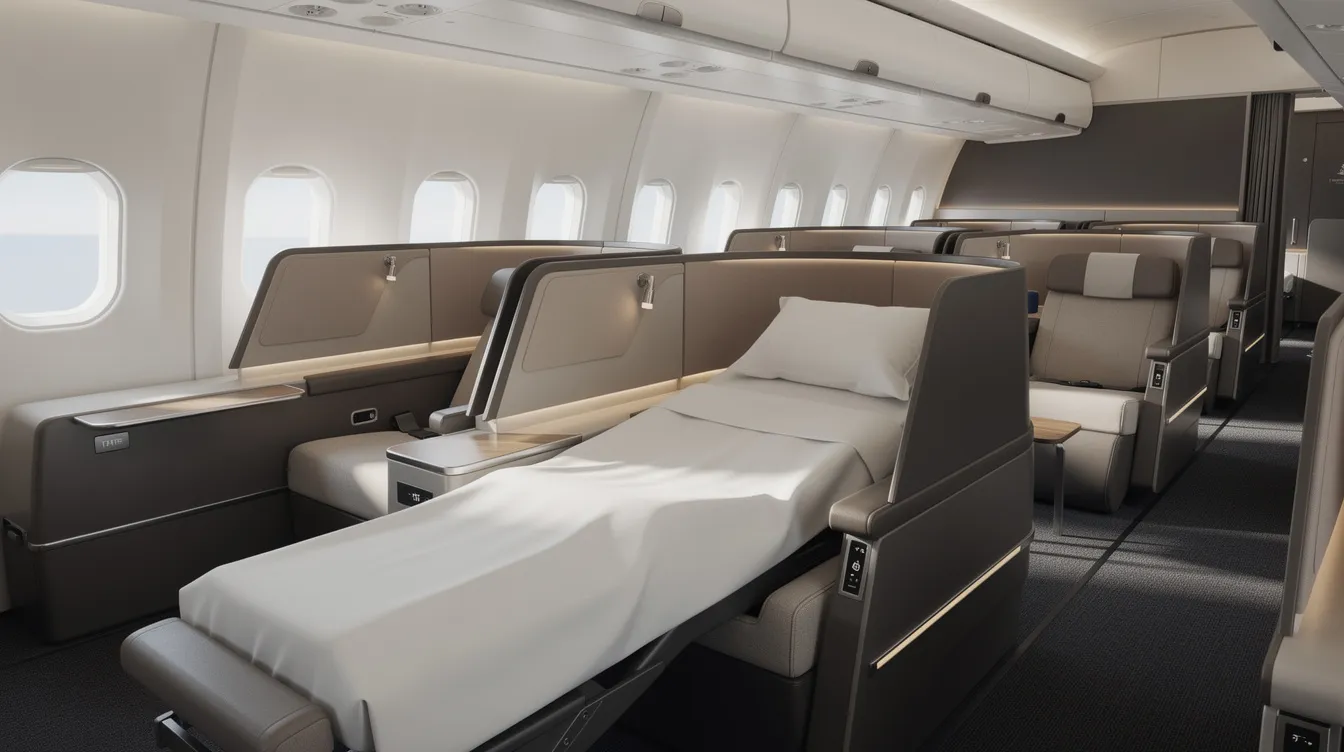
The Boeing 787 Dreamliner revolutionizes long-haul travel with its advanced technology, fuel efficiency, and passenger comfort. With features like lower cabin altitude, higher humidity, and larger windows, it enhances the flying experience while opening over 550 new nonstop routes. The aircraft's innovative design and operational flexibility make it a game-changer in the aviation industry.
Jay Franco Serevilla
Oct 27, 2026
|
5
min read
View all
Choosing between Delta Premium Select and Delta One can significantly impact your long-haul travel experience. Delta Premium Select offers a premium economy experience with wider seats and more comfort, while Delta One provides a full business class experience with lie-flat beds and enhanced privacy. Understanding the differences in amenities, pricing, and comfort can help you make the best choice for your travel needs.
Jay Franco Serevilla
Oct 27, 2026
|
5
min read

View all
The Boeing 757 boasts a top speed of Mach 0.86, translating to approximately 568-570 knots at cruise altitude. Known for its impressive climb rates and runway performance, it serves both commercial and cargo operations effectively. With a maximum range of 3,900 nautical miles, the 757 remains a popular choice for charter flights, especially for large groups needing speed and efficiency.
Jay Franco Serevilla
Oct 27, 2026
|
5
min read

View all
Understanding flight time is essential for private jet travelers to ensure timely arrivals and efficient trip planning. This guide details how flight time is calculated, the factors that can affect it, and how to effectively use tools like flight time calculators to optimize your journey. With insights from Jettly's platform, travelers can streamline their experience and make informed decisions.
Jay Franco Serevilla
Oct 27, 2026
|
5
min read
Explore our latest articles and updates.

5
min read
Jettly Launches Special Missions, Expanding On-Demand Access to Helicopters, Group Charter, Cargo, Medevac and VIP Airliners
Jettly has launched "Special Missions," integrating complex charter categories—including helicopters, group charter (18–200 seats), cargo freighters, medevac flights, and VIP airliners—into its instant-pricing digital marketplace. Supported by a network of over 23,000 aircraft and 24/7 flight operations, the feature replaces slow, offline sourcing with transparent digital access for high-stakes, specialized flying.
Read More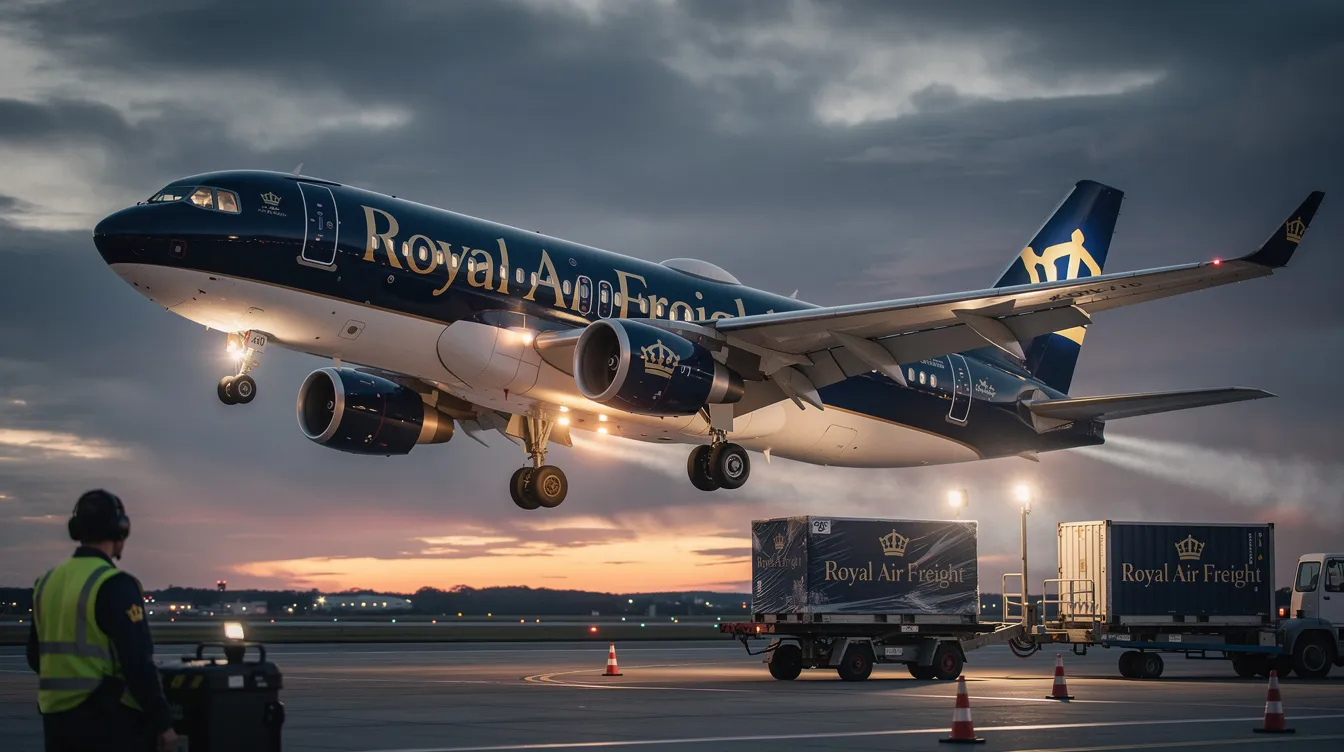
5
min read
Royal Air Freight Inc: Chartering Alternatives with Jettly
Royal Air Freight Inc. has been a trusted name in charter and air freight services since 1961, specializing in expedited cargo and passenger flights across North America. Jettly, a digital charter broker, offers a broader marketplace for comparing private jet and cargo flight options, providing travelers with greater flexibility and instant pricing.
Read MoreJoin our community and receive the latest blog updates directly in your inbox.
MEMBERSHIPS AND ASSOCIATIONS



Disclaimer: Jettly operates as a charter broker, offering access to a global digital jet charter marketplace. Jettly is not a direct air carrier and does not own or operate aircraft. All advertised flights are conducted by third-party air carriers that are fully licensed and hold the appropriate Part 135 or Part 121 certifications issued by the Federal Aviation Administration (FAA) or equivalent regulatory authorities under U.S. or foreign law. Jettly complies fully with the U.S. Department of Transportation's Part 295 and Part 298 Charter Broker regulations. Jettly does not carry additional liability insurance. Passengers are covered by aircraft operator insurance. TICO: 50023770


