


Login
Get Instant Pricing On 23,000+ Aircraft


A private plane pilot operates non-scheduled, on-demand aircraft for owners, companies, or charter platforms like Jettly, which connects travelers with a vast network of aircraft. The career path involves obtaining various certifications, including a Private Pilot Certificate, Instrument Rating, and Commercial Pilot License, typically taking 18–30 months and costing between $70,000 and $120,000. Private pilots enjoy a flexible lifestyle with diverse routes and responsibilities, but face unpredictable schedules and less job stability compared to commercial airline pilots. With increasing demand for private aviation, this profession offers competitive salaries and unique opportunities for those interested in a dynamic flying career.
Jay Franco Serevilla
Apr 28, 2026
|
5
min read


View all
Late August to early September triggers a surge in private aviation as summer travel ends, corporate travel resumes, and families transport students to major universities. Key hubs like Teterboro Airport (KTEB) and Dallas Love Field (KDAL) experience significant congestion, tight landing slots, and higher rates. To navigate these seasonal bottlenecks, charter operators must plan logistics and crew schedules in advance to accommodate flyer demand and ensure seamless travel.
Roz C
Sep 3, 2026
|
5
min read
View all
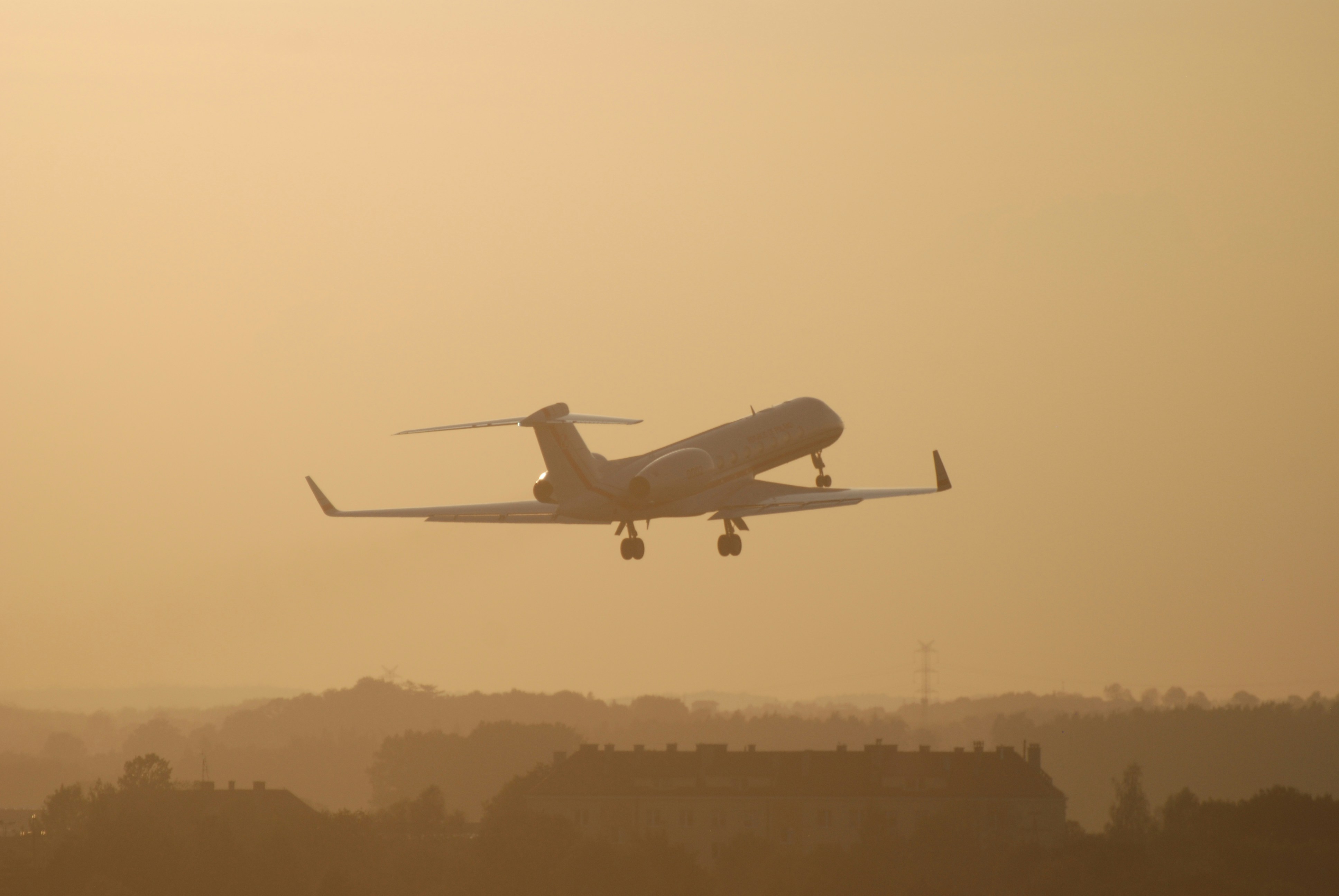
This article explores Tiger Woods' $53 million Gulfstream G550 and how high-performance private aviation serves as a crucial tool for top athletes. Beyond comfort and luxury, the jet's low cabin altitude pressurization, massive storage for specialized physio equipment, and direct long-range flight capabilities help Woods manage chronic injuries and travel fatigue while navigating a demanding global competition schedule.
Roz C
Sep 1, 2026
|
5
min read

View all
This guide provides insights into helicopter flying times, helping travelers understand what to expect when booking a flight. Factors such as distance, weather, and aircraft type influence the duration of flights, with typical airborne times ranging from 15 to 60 minutes. Knowing these details allows for better planning and a more enjoyable charter experience.
Jay Franco Serevilla
Sep 1, 2026
|
5
min read
View all
This guide provides insights into helicopter flying times, helping travelers understand what to expect when booking a flight. Factors such as distance, weather, and aircraft type influence the duration of flights, with typical airborne times ranging from 15 to 60 minutes. Knowing these details allows for better planning and a more enjoyable charter experience.
Jay Franco Serevilla
Aug 30, 2026
|
5
min read
View all
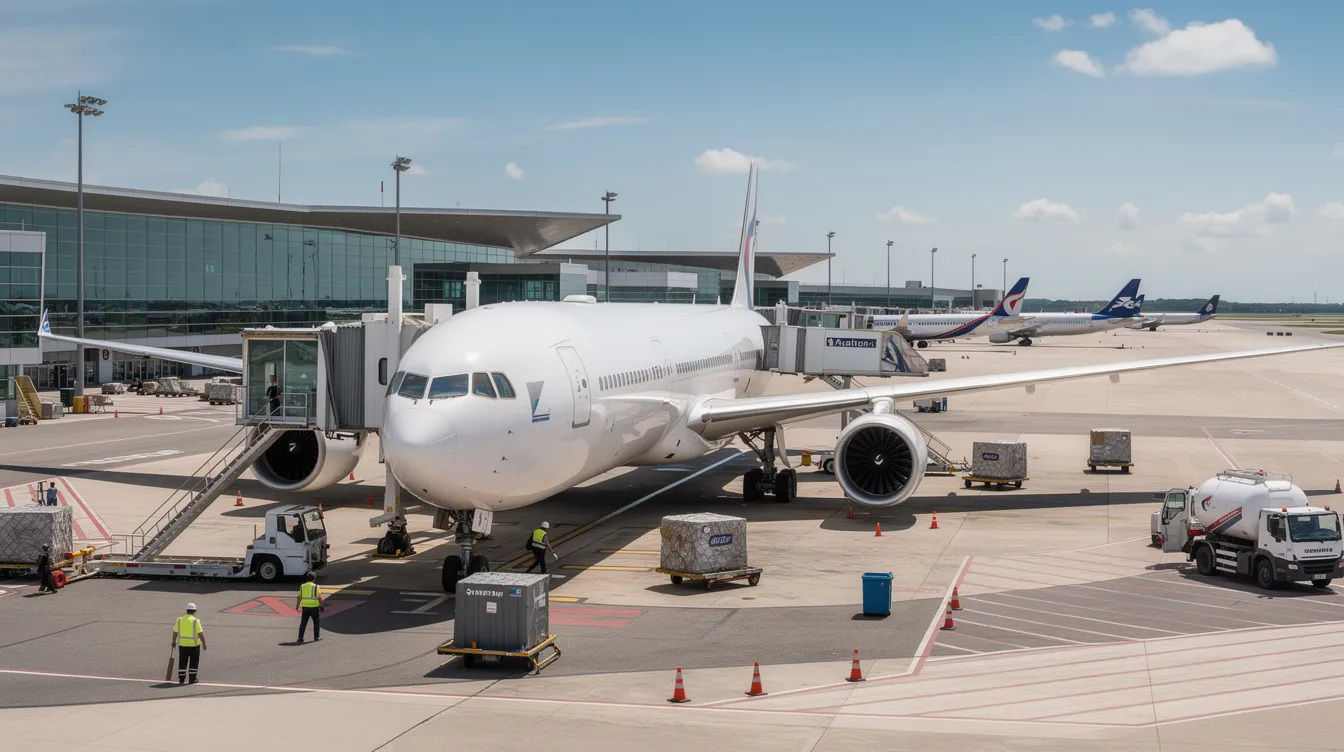
The term 'jet air airlines' often refers to defunct carriers like Jet Airways and JetAir Caribbean. With these airlines no longer operational, travelers are turning to private jet charter services like Jettly for flexible and convenient travel options. Jettly offers instant pricing and access to over 20,000 aircraft, providing a modern alternative to traditional commercial flights.
Jay Franco Serevilla
Aug 30, 2026
|
5
min read
View all
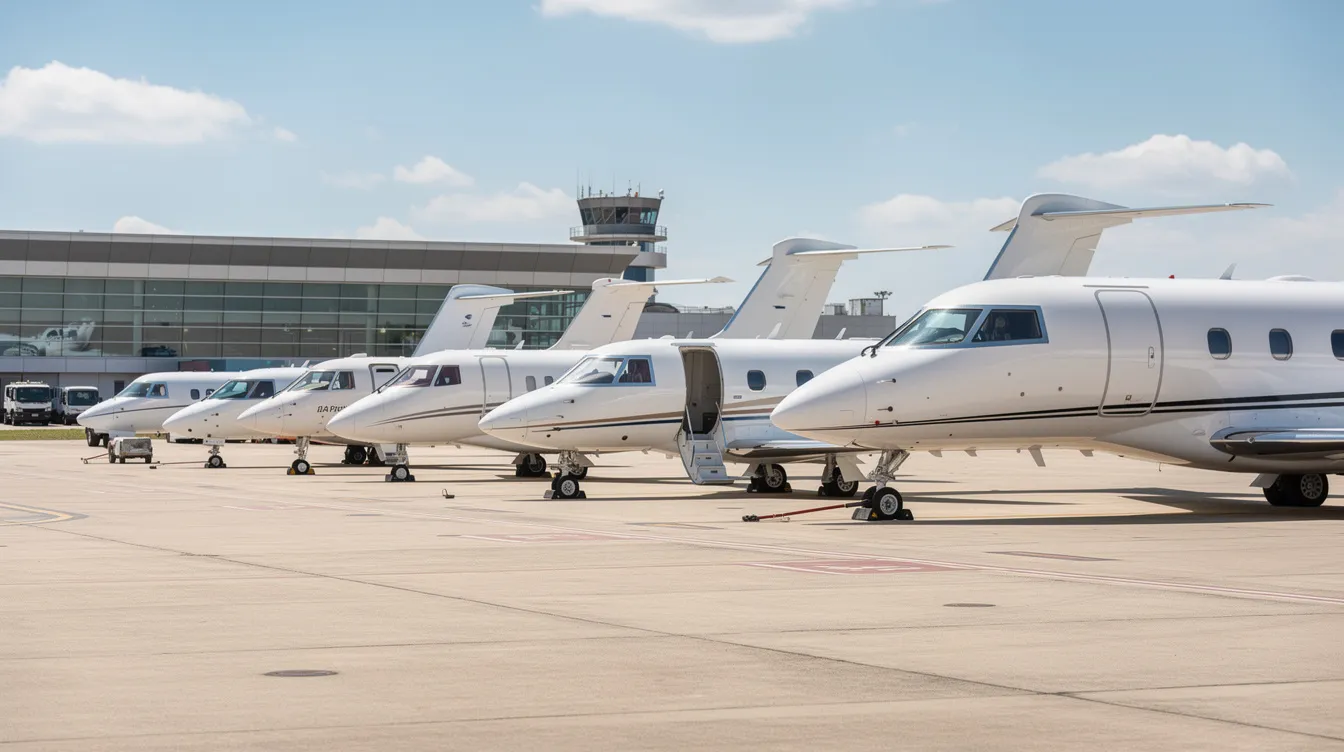
Discover the most popular private planes in the aviation market, categorized by their range and passenger capacity. This guide highlights top jets like the Embraer Phenom 300 and Gulfstream G650ER, focusing on their features, charter demand, and pricing trends from 2023 to 2025. Whether you're a first-time flyer or a seasoned traveler, understanding these options can enhance your private travel experience.
Jay Franco Serevilla
Aug 30, 2026
|
5
min read
Explore our latest articles and updates.

5
min read
West Kootenay Regional Airport (YCG) – Castlegar, BC Private & Commercial Travel Guide
West Kootenay Regional Airport (YCG) is a crucial air link for the West Kootenay region, connecting communities like Castlegar, Nelson, and Trail to Vancouver. Despite its scenic location, the airport faces challenges with flight reliability due to mountainous terrain and weather conditions, earning it the nickname 'Cancelgar.' This guide provides insights into commercial and private travel options, amenities, and essential tips for navigating this regional airport.
Read More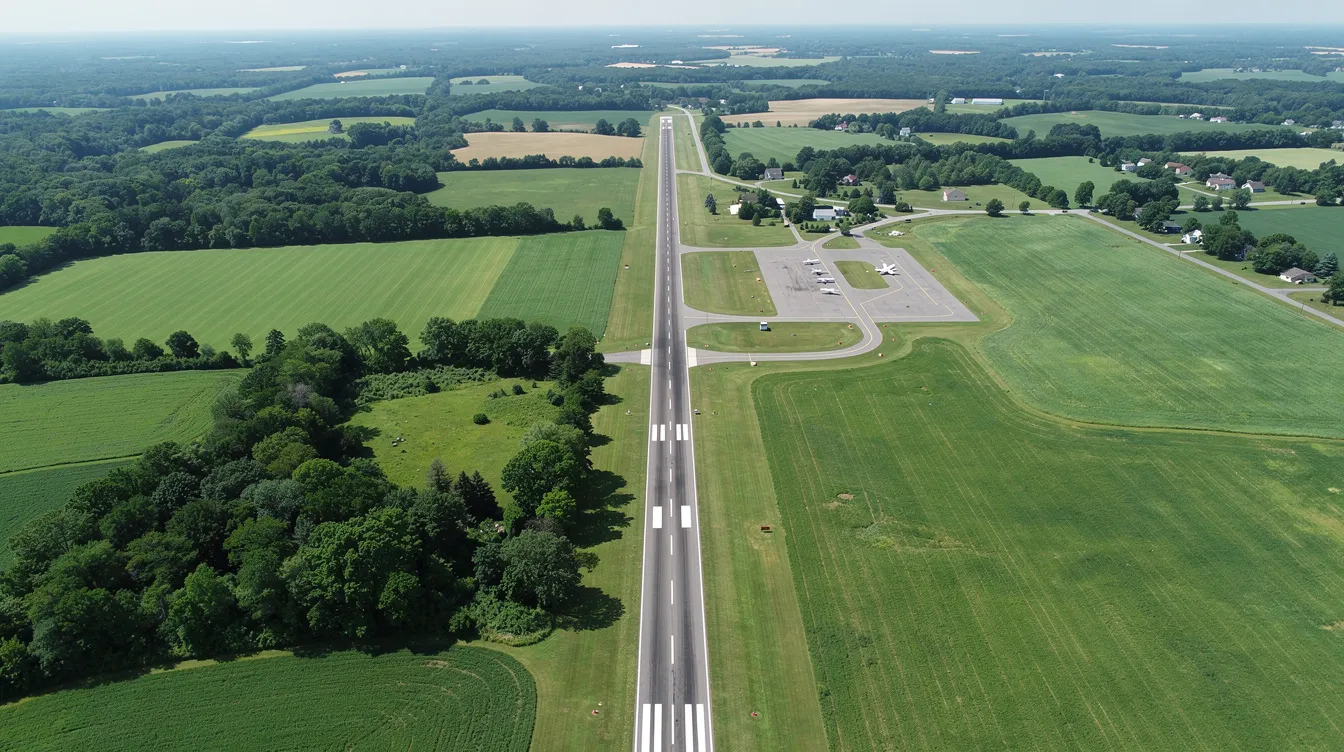
5
min read
St Mary's County Regional 2W6 Airport Guide for Private Flyers
St. Mary's County Regional Airport (2W6) is a key general aviation hub near Leonardtown, MD, offering a 4,150-foot runway and plans for expansion. It serves as a convenient alternative for private flyers, providing access to various aircraft types through Jettly's platform. With its strategic location and growing aviation community, 2W6 caters to both business and leisure travelers, ensuring efficient and flexible travel options.
Read MoreJoin our community and receive the latest blog updates directly in your inbox.
MEMBERSHIPS AND ASSOCIATIONS



Disclaimer: Jettly operates as a charter broker, offering access to a global digital jet charter marketplace. Jettly is not a direct air carrier and does not own or operate aircraft. All advertised flights are conducted by third-party air carriers that are fully licensed and hold the appropriate Part 135 or Part 121 certifications issued by the Federal Aviation Administration (FAA) or equivalent regulatory authorities under U.S. or foreign law. Jettly complies fully with the U.S. Department of Transportation's Part 295 and Part 298 Charter Broker regulations. Jettly does not carry additional liability insurance. Passengers are covered by aircraft operator insurance. TICO: 50023770


