



Login
Get Instant Pricing On 23,000+ Aircraft

>
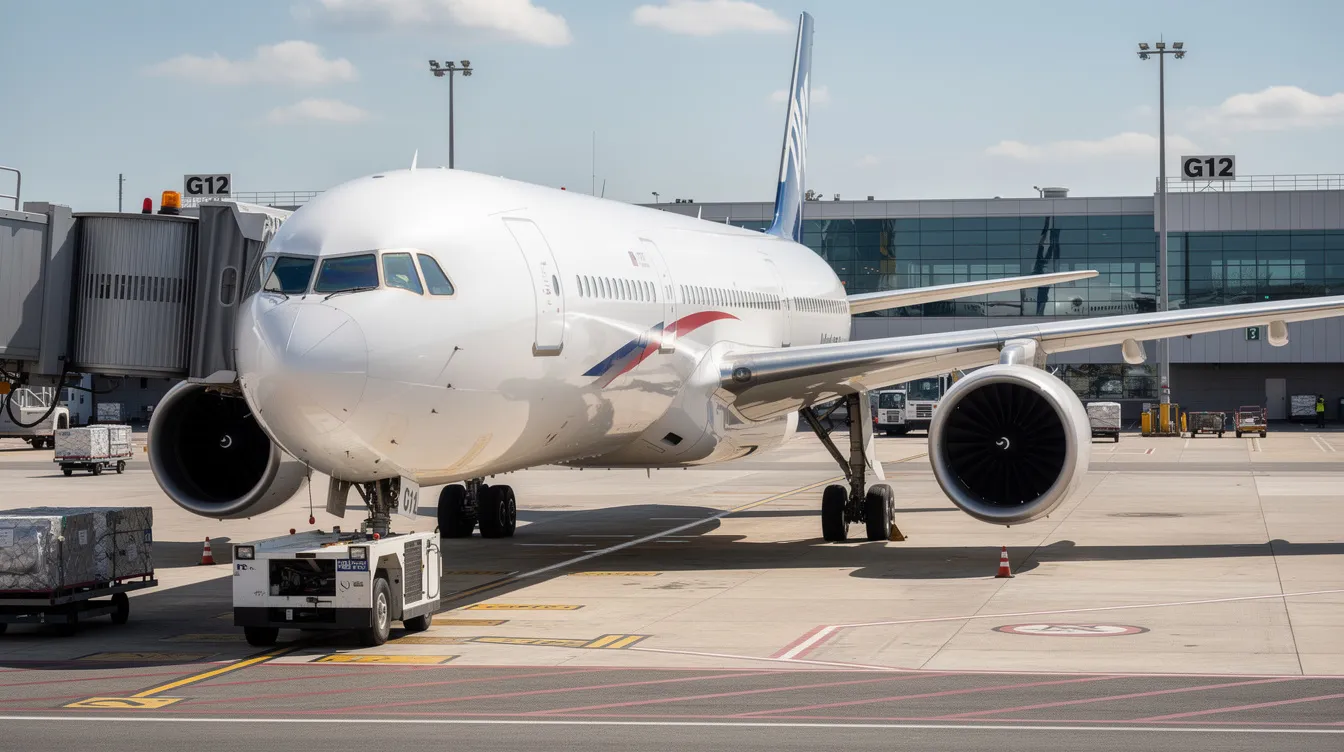
The Airbus A330 is a twin-engine wide body aircraft that has served airlines across the world for over three decades. Understanding airbus a330 cost in 2025 requires looking at multiple variables: the specific variant (A330-200, A330-300, or the latest generation A330neo), the aircraft's age and cycles, cabin configuration, and whether the plane is being purchased, leased, or chartered for private use.
The airbus a330 family spans several variants with dramatically different price points depending on whether you're buying new, purchasing pre-owned, or chartering for a single trip.
New A330-900neo market value sits at approximately $107 million in 2025 for airline-spec deliveries, far below historic list prices that exceeded $230 million. The average purchase price of a pre-owned A330 is $18 million, though specific values range widely with age and condition.
Demand and production backlogs have pushed values of both new neos and mid-life A330ceo models well above their 2020–2022 lows. High demand for A330-900s creates a long backlog for new orders, which in turn supports stronger residual values in the secondary market.
Private charter pricing for an A330 runs $25,000–$35,000+ per flight hour, with the average hourly rental rate around $30,950. Jettly's marketplace can source widebody charters, ACJ330s, and VIP-configured A330s on demand for group travel, events, and corporate movements.
This article breaks down operating costs (fuel burn, crew, maintenance), leasing economics, and how to decide whether chartering, leasing, or owning an A330 makes the most sense for airlines and ultra-high-net-worth individuals.
The airbus a330 family is a mid-size widebody that Airbus launched in the late 1980s, with the first aircraft entering airline service on 17 January 1994. The range now spans classic A330ceo variants (the A330-200 and A330-300, powered by the current engine option) and the newer A330neo generation (A330-800 and A330-900, using the new engine option variant with Rolls Royce Trent 7000 engines). This evolution directly shapes today's cost profiles.
Main cost determinants include variant (200 vs 300 vs 800 vs 900), age and flight cycles, engine option (Trent 700 vs Trent 7000), cabin configuration (high-density airliner layout vs VIP private jet), and market factors like passenger demand, fuel prices, and production bottlenecks, mirroring many of the variables covered in broader guides to affordable aeroplane rental and charter costs.
There is a significant gap between the Airbus "list price" - historically above $230 million - and real-world market values. Airlines and large lessors rarely pay anywhere close to list prices. Discounts of 40–60% are common for bulk orders, just as retail charter customers can often lower effective trip pricing by using Jettly's affordable private jet charter options.
Market conditions, such as fuel prices and passenger demand, impact lease rates and purchase prices. Supply constraints for new engines and strong demand for efficient widebodies have increased A330neo residual values by double-digit percentages between 2022 and 2025.
The purchase price of a new aircraft is only part of the total cost of ownership. Operating costs for the Airbus A330 can exceed the initial acquisition price over the aircraft's lifetime, making fuel burn, maintenance, and crew expenses critical factors.
The A330 family has over 1,600 deliveries as of 2024 and is operated by 151 airlines worldwide. It has accumulated over 72 million flight hours and maintains an impressive 99.0% operational reliability as of October 2025.
The A330 is a primary competitor to Boeing's 777, offering comparable capacity and range with improved fuel efficiency in its latest neo variants.
Understanding the a330 family structure is essential before comparing costs. Each variant's capacity, range, and mission profile drive both purchase and operating economics, so here's what separates them.
A330-300: The longer-fuselage variant seats roughly 295 passengers in a typical three-class layout, with more seats possible - up to about 440 in high-density single-class configurations. The A330-300 has a range of 6,100 nautical miles and entered service on 16 January 1994.
A330-200: A shorter fuselage design built for longer range, carrying around 253 passengers in three-class layouts and up to 440 in maximum seating configurations. The A330-200 first flew on 13 August 1997 and offers an extended range of roughly 13,400 km (about 7,250 nautical miles).
A330neo family: The new engine option models include the A330-800 (around 220–260 seats, with a range of 8,100 nautical miles) and the A330-900 (about 260–287 seats, with a maximum range of 7,350 nautical miles). Both feature new engines and aerodynamic improvements, delivering a 14% fuel economy improvement per seat compared to previous generations.
Cargo and military versions: The A330-200F freighter can carry 65 tonnes over 7,400 km. The A330 MRTT serves military tanker and transport roles. Corporate jets like the ACJ330 and ACJ330neo offer VIP interiors for fewer passengers - typically 20–50 - dramatically altering weight, space, and cost.
The A330 family has a maximum takeoff weight of 242 tonnes, supporting its versatility across passenger, cargo, and special mission roles.
Air Inter was the first operator of the A330, marking the beginning of its commercial service legacy.
Airbus's "list price" is a published catalogue figure that sets an upper benchmark. In practice, no airline pays this number - actual transactions involve substantial negotiation, volume discounts, and trade-in arrangements.
In 2018, the list price of an A330-200 was $238.5 million. A new Airbus A330-300 costs $256.4 million at list. The average cost of a new A330 is $264.2 million when including the full ceo family. The older A330-200 and A330-300 models have list prices ranging from $238 million to $264 million.
The average cost of a new A330-900neo is about $107 million, reflecting substantial discounts from older list prices and the efficiencies of the neo program.
Airbus A330neo models typically cost between $260 million and $310 million at catalogue pricing, but launch customer deals and large fleet orders routinely achieve 40–60% off, bringing effective new-build prices to roughly $100–$150 million for ceo variants in their final production years.
Operating costs for the Airbus A330 can exceed the initial acquisition price over the aircraft's lifetime.
Older A330ceo models can sell for between $20 million to $50 million depending on condition, with the average purchase price of a pre-owned A330 around $18 million as of 2025.
Most airlines lease at least part of their A330 fleet rather than purchasing outright. Leasing preserves capital, provides fleet flexibility, and simplifies balance-sheet management - particularly useful when fleet renewal timelines are uncertain.
Mid-life A330-300s: Leasing a mid-life A330-300 costs approximately $330,000 monthly, depending on age, engine type, and maintenance reserves included in the lease structure.
New A330-900neos: Leasing a new A330-900neo costs around $615,000 monthly based on recent transaction data. Lease rates for younger A330 models range from approximately $750,000 to $900,000 per month, reflecting tighter supply and rising interest rates.
Market conditions, such as fuel prices and passenger demand, impact lease rates significantly.
Lease structures commonly include maintenance reserves, insurance requirements, and return-condition clauses that affect the true monthly cost.
Beyond purchase or lease payments, the real airbus a330 cost is driven by daily operating expenses. Fuel is generally the single largest operating expense for an A330, followed by maintenance, crew, and airport-related charges.
Fuel burn: An A330-300 with Trent 700 engines burns roughly 5.5–6.0 tonnes of fuel per hour (approximately 2,067 gallons per hour based on U.S. carrier data). The A330-900neo with Trent 7000 engines reduces fuel burn per seat by about 14%, thanks to new wing aerodynamics and lighter materials, which is one reason platforms like Jettly market themselves as a cost-effective NetJets alternative for operators seeking efficient widebodies.
Crew costs: A typical long haul A330 flight requires two pilots on the flight deck plus 8–12 cabin crew. Total crew cost per block hour varies by region and carrier but easily reaches several thousand dollars.
Maintenance: The pattern of A-checks, C-checks, and heavy structural checks creates recurring expense. Maintenance cost per block hour typically falls in the low to mid-thousands of dollars, influenced by aircraft age, engine option, and annual utilization.
Airport and ground costs: Wide body aircraft like the A330 pay higher landing fees and overflight navigation charges than narrowbodies due to greater weight and wingspan, and online tools such as Jettly's airport locator platform for private flights help planners evaluate airport options and related charges.
Hourly operating costs for an A330 are estimated between $10,000 and $15,000 for airline passenger operations, excluding ownership or lease payments.
The Airbus A330 platform underpins several corporate and VIP variants - including the ACJ330, ACJ330neo, and various government-spec configurations - used by heads of state, large corporations, and ultra-high-net-worth individuals. These are among the largest private jets in existence and are often complemented by jet card and membership-style access programs for supporting fleets of smaller aircraft.
VIP layouts typically include spacious lounges, private suites, offices, meeting rooms, and bedrooms, carrying between 20 and 50 passengers instead of the 250–300 in airline service. This dramatically changes cost per passenger but provides unmatched cabin space, often paired with premium services like dedicated private jet in-flight catering through Jettly Eats.
Cost examples: A pre-owned A330-200 airframe might cost $15–$25 million, while a high-end VIP completion can add $80–$150 million or more. Total project cost lands in the $100–$200 million range - comparable to top-tier heads-of-state aircraft.
Range performance: Corporate versions like the ACJ330-200 offer range around 15,400 km (8,300+ nm), while the ACJ330neo can fly roughly 19,260 km or up to 21 hours nonstop with 20–25 passengers, and some operators offset costs further by using crowdsourced private jet flights and shared empty seats on select routes.
Jettly operates as a digital private aviation marketplace that can arrange on-demand access to large commercial aircraft, including Airbus A330s in both airline and VIP configuration. The platform connects clients with operators worldwide for group charters, corporate movements, sports teams, and tour operations, alongside a broader catalog of private charter aircraft types across the global fleet.
Typical use cases include moving 200+ conference attendees to an international event, relocating a professional sports team with staff and equipment, operating ad-hoc pilgrimage flights, or running seasonal charter programs on routes where scheduled service doesn't exist, all of which benefit from understanding how Jettly offers affordable private jet charter pricing compared with alternatives.
Hourly charter rates for an A330 in 2025 sit around $25,000–$35,000+ per flight hour for a standard high-density plane, with VIP interiors commanding significantly more. The average hourly rental rate for an A330 is $30,950, though this varies with fuel prices, positioning requirements, and seasonal demand; tools like Jettly's jet card flight cost estimator help benchmark these rates against fixed-hourly programs.
Cost structure: Charter quotes typically itemize minimum flight time commitments, positioning legs, crew duty and overnight costs, catering, and optional services, with add-ons like in-flight catering for private jets through Jettly Eats further influencing the final bill. Jettly's platform surfaces these components transparently so clients can see exactly what drives the price.
Benefits vs scheduled airlines: Full control over departure times, selection of airports closer to the group's destination, dedicated check-in, and the ability to tailor onboard service to company or event branding, especially when using resources like Jettly's airport locator tool for private flights worldwide.
Readers can learn more or request a tailored A330 charter quote by visiting Chartering an Airbus A330 Through Jettly, where they can compare different aircraft types if an A330 exceeds their capacity needs.
Although the Airbus A330 can serve as a private charter aircraft, it isn't always the most economical option. Smaller private charter aircraft across multiple categories often deliver better value for groups under 30–40 passengers.
|
Aircraft Category |
Approx. Hourly Cost |
Best For |
|---|---|---|
|
Light / Midsize Jets |
$3,000–$8,000 |
4–9 passengers |
|
Large-Cabin Heavy Jets |
$10,000–$18,000 |
10–19 passengers |
|
Airbus A330 (standard) |
$25,000–$35,000+ |
150–400+ passengers |
|
Airbus A330 (VIP) |
$35,000–$50,000+ |
20–50 VIP passengers |
Seat economics matter. For 250 passengers, the A330 can offer a competitive per-seat cost versus buying 250 business-class airline tickets. For 20 passengers, a large-cabin private jet is far more cost-effective and flexible, and many travelers also compare A330 charters with more affordable airplane rental options and cost structures before deciding.
Airport flexibility: Many private jets can fly into shorter runways and smaller business aviation airports, reducing ground travel time. An A330 requires major airports with long runways, heavier handling fees, and more complex security - a significant trade-off, especially on routes where a Boeing 737-800 charter or similar narrowbody can serve the mission instead.
Use Jettly's charter cost estimator to compare A330 options with super-mid and heavy jets on the same route, or turn to Jettly's jet card flight cost estimator when you want predictable hourly pricing for repeat trips, balancing time, comfort, and total trip budget before deciding.
The A330 occupies a strategic position in airline fleets worldwide: more capacity and range than large single-aisle jets like the A321neo, yet more efficient and less costly than bigger twins like the Boeing 777 or the Airbus A350 on many routes, while smaller workhorses such as the Boeing 737-800 with its own specs and charter profile cover shorter sectors.
Typical deployment: Medium- and long-haul routes lasting 5–12 hours - transatlantic city pairs, flights between Europe and the Middle East, Asia–Australia domestic and regional segments, and high-density routes where slot constraints at busy airports favor fewer, larger aircraft, similar to how on-demand air taxi and charter operators like Dexter via Jettly optimize aircraft choice for regional missions.
CASK advantage: The A330neo can undercut older widebodies on cost per available seat-kilometre, particularly on routes where its size matches demand without leaving too many empty seats. This makes it a strong fit for airlines scaling up widebody operations without the capital commitment of larger platforms, especially when comparing it directly with A330-300 specifications, range and charter economics.
Fleet commonality: Airlines flying other airbus aircraft benefit from cross-crew qualification and shared maintenance, spares, and training infrastructure across the A320 family and A350. These synergies reduce total fleet operating cost - a major factor in fleet planning and are a recurring theme in many private and charter airline fleet strategy overviews.
In 2025, many airlines are extending A330ceo service lives and investing in cabin retrofits rather than ordering replacement aircraft, because new widebody delivery slots stretch into 2028–2029. This trend supports stronger secondary-market values and keeps the A330 fleet active across the world.
Fuel burn drives both operating cost and environmental impact. The A330neo was designed specifically as a new engine option upgrade to cut CO₂ emissions and reduce fuel consumption compared with the earlier A330ceo generation.
The A330neo's Rolls-Royce Trent 7000 engines, combined with aerodynamic improvements to the wing and lighter structural materials, deliver approximately 14% lower fuel burn per seat compared with first-generation widebodies.
Cabin densification - fitting more seats at the same fuel burn - further improves per-seat economics. Airlines often balance 8-abreast versus 9-abreast economy layouts to optimize the trade-off between revenue per passenger and onboard comfort.
Sustainable aviation fuel (SAF): Airbus is pursuing certification of the A330 family for higher SAF blends, moving toward 100% SAF capability. While SAF is currently more expensive than conventional jet fuel, it reduces lifecycle emissions significantly and is increasingly required under regulatory and corporate ESG frameworks, alongside strict Part 135 charter company safety and compliance standards that govern many private operations.
Carriers operating more efficient A330neos gain a financial advantage when fuel prices spike and regulators introduce emissions trading schemes or carbon taxes. Aircraft selection is now a strategic sustainability decision as much as a financial one - and the A330neo sits well on both dimensions for the routes it serves.
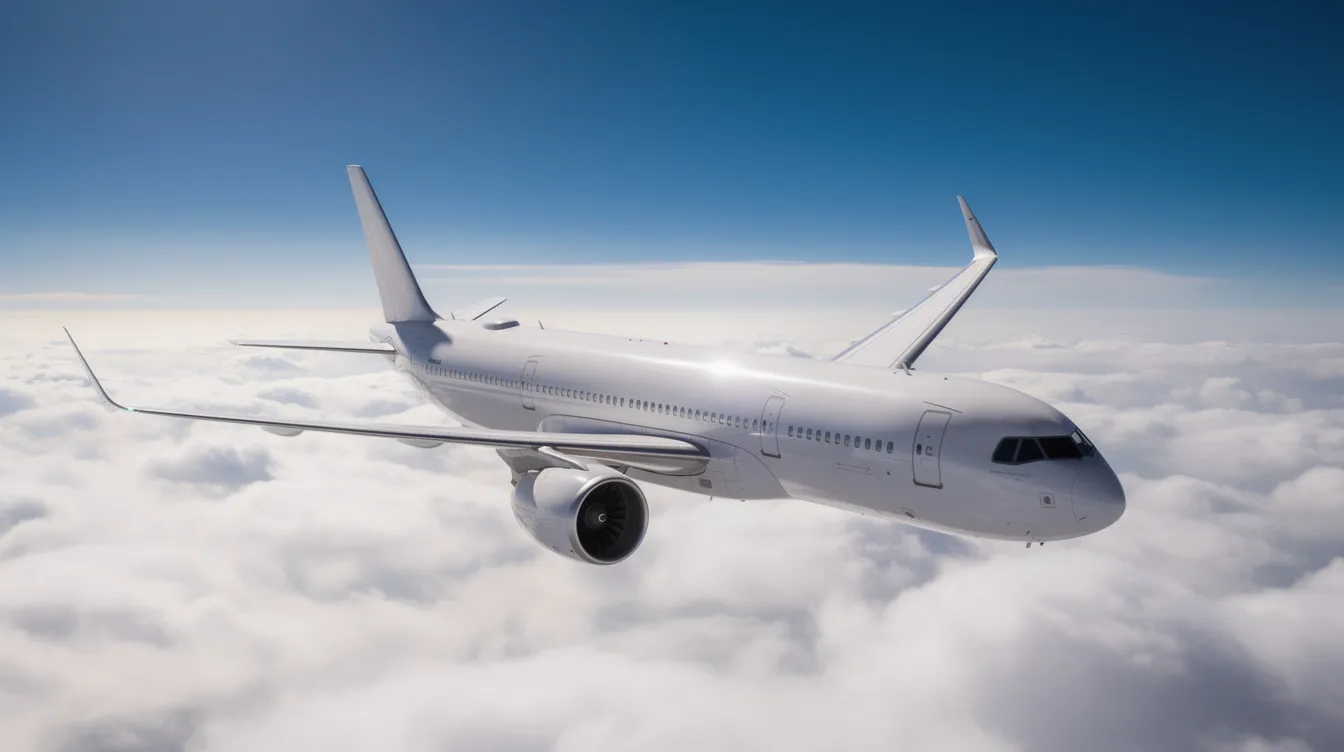
Three decades of production history directly affect current market values and operating costs. Here's how the A330's timeline unfolded.
Airbus launched the A330 program in 1987 as part of a twin-aisle family alongside the four-engine A340. The first A330-300 prototype achieved its first flight in November 1992 and received FAA certification on 21 October 1993.
The A330-300 entered service on 16 January 1994, with Air Inter as the first operator. The A330 became the first aircraft to receive ETOPS-240 approval in November 2009, enabling airlines to fly transoceanic routes with maximum operational flexibility.
The A330-200, with its shorter fuselage and longer range, had its first flight on 13 August 1997 and entered service in 1998.
The A330neo launch customer orders came in 2014. The A330-900neo's first flight occurred in 2017, and after its first delivery, the variant entered airline service in 2018. Deliveries continue through the 2020s, with orders from carriers including TAP Air Portugal, Delta Air Lines, and several Asian operators.
As of October 2025, the A330 fleet has 99.0% operational reliability. As of 2024, the A330 family had over 1,600 deliveries, served 151 operators worldwide, and accumulated over 72 million flight hours; total orders for the A330 family exceed 1,975, a scale that ensures strong parts availability, maintenance infrastructure, and market liquidity for both airlines and private operators.
Jettly is a tech-driven private aviation platform that simplifies the complexity of charter pricing, aircraft selection, and cost comparison for customers considering an A330 or any alternative aircraft, and also enables crowdsourced private jet flights that share empty seats to improve cost efficiency.
The platform aggregates a global inventory of 20,000+ aircraft, including widebodies like the Airbus A330 and a full spectrum of private jets, allowing users to compare options by capacity, range, hourly cost, and airport requirements. Whether the mission calls for an airliner-spec A330 or a 30-passenger charter plane, the comparison is straightforward.
Jettly's instant-pricing and quote tools surface transparent charter estimates incorporating aircraft cost, routing, seasonal demand, and operator fees. Clients can quickly assess whether an A330 is justified for their mission or whether a smaller aircraft fits better.
Membership vs on-demand access: Customers can book one-off A330 charters or use private jet membership plans from Jettly for better pricing consistency and concierge services, without committing to long-term jet cards or fractional ownership.
Jettly works exclusively with certified operators meeting or exceeding relevant aviation authority standards, similar to how Dexter Air Taxi and other private jet operators on the platform are vetted. This is particularly important when chartering high-capacity aircraft like the A330, where Part 135 or equivalent certification and ETOPS compliance are essential, and positions the platform as a compelling NetJets alternative for flexible private flying.
Ready to explore aircraft types, including the Airbus A330, or request a tailored quote? You can also review Jettly's world-class jet card programs for frequent corporate flyers. Visit https://www.jettly.com to get started.
Airbus a330 cost is multi-dimensional - spanning purchase price, lease rates, operating expenses, and charter pricing, all shaped by variant, age, and mission profile.
For airlines: The A330 family offers attractive acquisition and operating costs relative to larger widebodies, with the A330neo providing improved fuel efficiency and strong residual values in a constrained delivery environment. Fleet commonality with other Airbus types adds further economic value.
For private and corporate users: VIP A330s deliver exceptional space and nonstop range, but they come with very high acquisition and hourly operating costs. They're viable mainly for governments, large corporations, and special-event charters where no smaller aircraft can match the capacity or presence required.
For most private travelers: Smaller private jets remain the practical choice for the majority of missions. An A330 makes sense only when group size or branding requirements justify its cost and capacity, which is why many compare it with more flexible NetJets alternatives like Jettly before committing.
Whether you're evaluating a fleet decision or planning a large group charter, the right approach starts with accurate, current cost data and a clear comparison of alternatives.
Ready to find out whether an Airbus A330 or another aircraft fits your route, group size, and budget? You can compare on-demand charter with Jettly's private jet memberships and then explore options or request a quote at https://www.jettly.com.
This FAQ section addresses additional practical questions about A330 costs, particularly from the perspective of private travelers and charter clients.
A typical one-way transatlantic charter - say, New York to London - requires roughly 7–8 flight hours of block time plus repositioning and ground costs, and tools like a jet card flight cost estimator can help you benchmark those charter prices against fixed-rate programs. The total bill often falls between $250,000 and $400,000 depending on season, cabin configuration, and aircraft availability. Jettly can provide route-specific quotes that break out flight hours, crew expenses, and airport fees so clients see exactly how the price is constructed, in line with its broader focus on affordable private jet charter pricing strategies.
From an ownership perspective, several large-cabin jets could collectively cost a similar amount to a single VIP A330 while offering more scheduling flexibility and lower per-hour operating costs, a dynamic often highlighted in industry guides to private and charter airlines. However, for missions moving hundreds of passengers at once, the A330 is more efficient than coordinating multiple smaller aircraft, such as multiple rotations of private jet charter flights in Atlanta, Georgia. Corporate flight departments typically justify A330-class aircraft only when they consistently need very high-capacity, ultra-long-range capability, sometimes pairing ownership with jet card flight cost estimator tools to benchmark charter alternatives.
Ad-hoc charter through a marketplace like Jettly usually represents the lowest-commitment path. It avoids the capital expense of ownership or long-term leases while still giving full-aircraft control for a specific trip or event. Sharing an A330 group charter cost across many passengers can bring per-seat pricing closer to - or below - premium economy or business-class fares on scheduled airlines, especially when informed by guides to affordable aeroplane rental costs and options.
A330neos narrow much of the efficiency gap with Boeing 787s and Airbus A350s, though on very long sectors the latest generation designs can still offer slightly lower fuel burn per seat. However, acquisition cost and delivery availability often favor the A330, especially for airlines expanding capacity in the near term. On medium-haul and many long haul routes, overall economics are close enough that fleet commonality and purchase price frequently matter more than marginal fuel differences, provided operators maintain strict Part 135 charter company safety and regulatory compliance.
A330s require long runways, wide taxiways, and heavy-duty stands, limiting them mainly to major commercial airports. Many private jets can use shorter runways and smaller business aviation airfields, reducing ground travel time, something you can evaluate quickly with an airport locator tool for private jets. For some city pairs, choosing an A330 means using a larger airport farther from the final destination - slightly increasing surface travel versus a smaller jet that can land closer in, such as when comparing Addis Ababa service at Bole International with bespoke private jet charter options in Addis Ababa.
Share this post:
Jay Franco Serevilla
Jul 19, 2026
|
5
min read
Discover tips and trends in the industry.

5
min read
Havasu Falls Helicopter Price: Costs, Schedule, and How to Book in 2026
Planning a trip to Havasu Falls in 2026? The helicopter service offers a quick alternative to the challenging hike, costing approximately $300 one-way. Flights operate on select days and are first-come, first-served, so early arrival is essential. Remember, a valid permit is required for all visitors to access the falls.
Read More
5
min read
How Long Does It Take to Get a Helicopter License? Timeline, Training, and Costs
Becoming a helicopter pilot can take anywhere from 2 months to 2 years, depending on the type of license and training frequency. A private pilot license typically requires 40 flight hours, while a commercial license demands 150 hours. Factors such as training intensity, weather conditions, and flight school choice significantly influence the timeline and costs involved.
Read MoreStay updated with our latest insights and tips to elevate your journey with us.
MEMBERSHIPS AND ASSOCIATIONS



Disclaimer: Jettly operates as a charter broker, offering access to a global digital jet charter marketplace. Jettly is not a direct air carrier and does not own or operate aircraft. All advertised flights are conducted by third-party air carriers that are fully licensed and hold the appropriate Part 135 or Part 121 certifications issued by the Federal Aviation Administration (FAA) or equivalent regulatory authorities under U.S. or foreign law. Jettly complies fully with the U.S. Department of Transportation's Part 295 and Part 298 Charter Broker regulations. Jettly does not carry additional liability insurance. Passengers are covered by aircraft operator insurance. TICO: 50023770


