



Login
Get Instant Pricing On 23,000+ Aircraft

>

Are pilots rich? Most airline and commercial pilots earn solid six-figure incomes, with a median annual wage of $232,140 for airline pilots and $123,220 for commercial pilots in 2026. However, only senior widebody captains at major airlines consistently reach what most people would call "rich" territory, with base pay exceeding $350,000 60$450,000.
The gap between airline pilots and other commercial pilots is significant. Charter, corporate, and flight instructor roles cover a wide spectrum, from modest five-figure starting pay to high six-figure earnings for captains flying large-cabin private jets.
High training costs ($80,000 150,000), student loan debt, and years of low-paying early-career roles mean that high income does not automatically translate to high net worth. Wealth accumulation for pilots is often back-loaded, with higher earnings concentrated in later career stages.
Platforms like Jettly connect travelers with charter operators and their pilots. In the private aviation world, the truly "rich" participants are usually the passengers booking flights, not the flight crew.
Most airline and commercial pilots are well-compensated professionals, but only a select group of top-tier captains at major airlines or high-end corporate flight departments would typically be considered "rich" by standard financial benchmarks.
Public perception plays a big role here. Pilots flying wide-body jets across oceans, wearing crisp uniforms, and brushing shoulders with premium-class passengers create an image of wealth. The reality is more nuanced.
In 2026, the median annual wage for airline pilots, copilots, and flight engineers sits at approximately $232,140, while commercial pilots earn a median annual wage of $123,220, according to the U.S. Bureau of Labor Statistics. Those are high incomes, but they do not guarantee millionaire status.
The distinction between high income and high net worth matters. Pilots must factor in significant training debt, a late career start compared to other professions, and the need for aggressive retirement saving during a compressed high-earning window. In private aviation, those chartering aircraft through platforms like Jettly or using private jet memberships with wholesale charter access are usually the high-net-worth individuals, while the pilots are salaried or contracted professionals doing skilled, demanding work.
Before diving into pilot salary data, it helps to set a baseline for what "rich" actually means in 2026.
Common financial benchmarks for "rich" in the United States include:
Top 5% household income: Roughly $300,000 or more per year
High-net-worth individual: A net worth of $1 million or higher (excluding primary residence in some definitions)
Ultra-high-net-worth: $10 million or more in investable assets
Many senior airline pilots reach the top 10% or even top 5% of household income. But net worth depends heavily on savings rate, career length, investment returns, and lifestyle choices.
Regional differences also matter. A $250,000 income stretches significantly further in cities like Indianapolis or Charlotte than in New York or San Francisco, where housing, childcare, and commuting can consume a huge portion of take-home pay.
Another critical factor: many pilots do not begin earning six-figure incomes until their late 20s or early 30s, after years of expensive flight training and low-paid instructing. That shortens the compounding window for wealth building compared to professionals who start earning immediately after college.
"Pilot" is not a single job. Income depends heavily on whether someone is an airline pilot, a commercial pilot, or working in a specialized niche role.
Airline pilots fly for scheduled carriers under Part 121 operations. This includes major or regional airline carriers, legacy airlines like Delta Air Lines, United Airlines, and American Airlines, low-cost carriers, and cargo operators. These roles form the core of the airline industry.
Commercial pilots cover a broader category: charter pilots, corporate jet pilots, sightseeing and tour operators, aerial survey pilots, and others operating under Part 91 or Part 135 regulations. The Bureau of Labor Statistics and its occupational outlook handbook differentiate between airline pilots, copilots, and flight engineers on one hand, and commercial pilots on the other, which directly affects how salary data gets reported.
Pilots flying private jets for corporations or charter operators-including aircraft sourced through platforms like Jettly and other Part 135 charter companies-fall primarily into the commercial pilot category. Employment of pilots is projected to grow 7% from 2025 to 2035, reflecting strong demand across both airline and commercial sectors. About 16,400 pilot openings are expected each year, and airlines are hiring actively due to pilot shortages. Hundreds of thousands of new pilots will be needed globally by 2040, driven by large-scale retirements and fleet expansion.
Airline pilot pay in 2026 spans a wide range. First-year regional pilots earn approximately $85,000 annually, with many falling between $70,000 and $90,000. At the other end, senior captains at major airlines can earn $450,000 or more. The median sits around $232,140, meaning 50% of airline pilots make over $209,000 per year.
The wage for airline pilots is structured differently from most jobs. Pilots are typically paid hourly based on flight hours, but contracts guarantee a minimum number of monthly credit hours, usually 70 to 85, rather than a flat salary. Those guaranteed credit hours can also include compensated duties beyond flying, such as training and deadhead travel.
Pay scales vary significantly by carrier. According to 2026 contract data, first-year first officers at major carriers start around $110 6$125 per hour: United Airlines at roughly $125.52/hr, Delta Air Lines at approximately $118/hr, and American Airlines near $113/hr.
At the high end, a senior widebody captain with 12 or more years of seniority can earn over $450/hr in hourly rates, translating to base pay well into the mid-$300,000s or higher depending on monthly credited hours. Pilot compensation varies based on experience and type of airline, and most contracts at legacy airlines project top-scale captains reaching $475,000 or more once senior.
Starting pay at first-year regional airlines is considerably lower-hourly wages that translate to $70,000 60,000 annually. But even these figures represent substantial recent increases, reflecting strong demand and competition for new pilots.
Not all commercial pilots fly for airlines. Many work as charter, corporate, or private jet pilots with entirely different pay scales.
The median wage for commercial pilots in 2026 sits around $123,220, but this number spans everything from aerial survey work to heavy-cabin corporate jet flying. Commercial pilots earn across a wide band depending on role, aircraft type, and employer.
Corporate and charter pilot pay typically ranges from $90,000 to $220,000 for mid-career roles, reflecting the diversity of operators in the charter airline and private aviation sector. Captains on large-cabin business jets-think Gulfstream G650 or Global 5500-can earn $230,000 to $420,000 or more, according to the BizJetJobs pilot salary survey. Meanwhile, entry-level corporate jet pilots may see base salary figures closer to $73,000, particularly in smaller operations.
Business aviation pay is climbing faster than general wage inflation. A 2026 AirComp survey reported by AIN Online shows an industry-wide 8% pay increase versus the 3 64% national rate, with pilots on high-demand jets like the G700/G800 earning roughly 20% premiums. G700 captains average about $395,000 in total cash compensation.
Pilots serving flights booked via digital charter platforms typically work for private charter aircraft operator companies. Their pay reflects charter market rates based on aircraft type and operation rather than airline pay scales. For more detail on what private jet pilots earn, Jettly's salary guide breaks down compensation by role and aircraft category, including how pilot salaries fit into overall private jet operating costs.

The pilot seniority list is the single biggest driver of income within any given airline. First officers (copilots) sit below captains in rank, and the pay gap is substantial.
Captains often earn 40 680% more per hour than first officers flying the same aircraft type at the same airline. Senior major airline captains on widebody international routes-flying long-haul Boeing 777s or Airbus A350s-are the pilots most likely to reach $350,000 60$450,000 in annual base pay.
First officers at regional airlines, even with recent pay bumps to $80,000 100,000, land solidly in the middle to upper-middle income range. They earn good money, but few would describe them as "rich."
Promotion from first officer to captain depends on seniority, airline growth, fleet decisions, and completing required training. At most airlines, that progression can take 5 to 12 years. Once a pilot upgrades to captain, the jump in hourly pay and total compensation can dramatically accelerate wealth-building potential.
For pilots at other major airlines and cargo carriers, the math is similar: captain rank is where the real earning power begins. First-year regional pilots and early-career first officers are building flight time and seniority, not building mansions.
Airline type and aircraft type together determine a pilot's earning ceiling more than almost any other factor.
|
Airline Type |
Pay Range for Captains (Annual) |
Notes |
|---|---|---|
|
Regional Airlines |
$120,000 180,000 |
Lower salaries, lower ceilings |
|
Low-Cost Carriers |
$180,000 280,000 |
Mid-range pay, growing demand |
|
Legacy Airlines |
$350,000 450,000+ |
Highest pay, especially widebody international captains |
|
Cargo Operators |
Competitive, varies with differentials |
Night and hazardous duty pay can increase earnings |
Flying larger, more complex aircraft generally brings higher hourly pay. A narrowbody captain on domestic U.S. routes might earn $250,000 300,000 at a major airline, while a widebody captain on trans-Atlantic or trans-Pacific flights at the same airline could exceed $400,000.
Some cargo operators and express carriers add pay differentials for international operations, overnight flying, and hazardous conditions, further boosting effective income. The airline type a pilot joins early in their career sets the trajectory for lifetime earnings.
Pilot compensation includes far more than base hourly pay. Benefits and perks can add substantial value over a career.
Pilots are paid hourly, with most airline contracts guaranteeing a minimum number of credit hours per month (typically 70 85). Airlines guarantee this floor regardless of actual flight time, which provides income stability. That minimum can also include paid training or deadhead time, not only hours spent flying. Most contracts also include:
Per diem allowances for meals when away from base
Overtime and premium pay for holidays, weekends, and extra flying
Profit sharing at airlines like Delta, which has distributed billions in profit-sharing payouts
Sign-on and retention bonuses, especially during periods of high demand
Key benefits at major carriers include:
Health, dental, and vision insurance
Disability coverage and life insurance
Retirement plans with major airlines frequently offering significant retirement contributions ranging from 15% to 17% of earnings
Travel benefits: reduced-fare or standby tickets for pilots and family members, plus jumpseat privileges
These perks meaningfully boost effective compensation. But they do not, on their own, turn most pilots into multimillionaires. That requires combining high income with long-term disciplined saving and investing.
Becoming a pilot is expensive. Early career pilots often face high training costs ranging from $80,000 to $150,000, spanning everything from private pilot through commercial pilot and airline transport pilot certifications, similar to the wide cost range travelers see when exploring affordable aeroplane rental options. To become a pilot, candidates must complete FAA requirements and training, including passing FAA knowledge and practical tests.
A typical career path runs from private pilot to airline transport pilot:
Private pilot license 6$15,500 20,500
Instrument rating 6additional thousands
Commercial pilot certificate total now at 6$60,000 80,000
Certified flight instructor (CFI) needed for hour building
Flight hour accumulation: 61,500 hours required for ATP
Most pilots need a bachelor's degree and flight experience. It takes about 2.5 years to become a commercial pilot through accelerated programs. Programs like ATP Flight School charge approximately $124,000 for a zero-to-career track, with additional fees pushing total costs near $138,000 before living expenses.
Flight instructors typically earn $35,000 to $ 60,000 during the hour-building phase. Many pilots do not begin earning six-figure incomes until their late 20s or early 30s, compressing the time available for compound investment growth. Wealth accumulation for pilots is often back-loaded, with higher earnings in later career stages-a critical reality that separates pilots from other high-earning professionals who start strong right out of school.
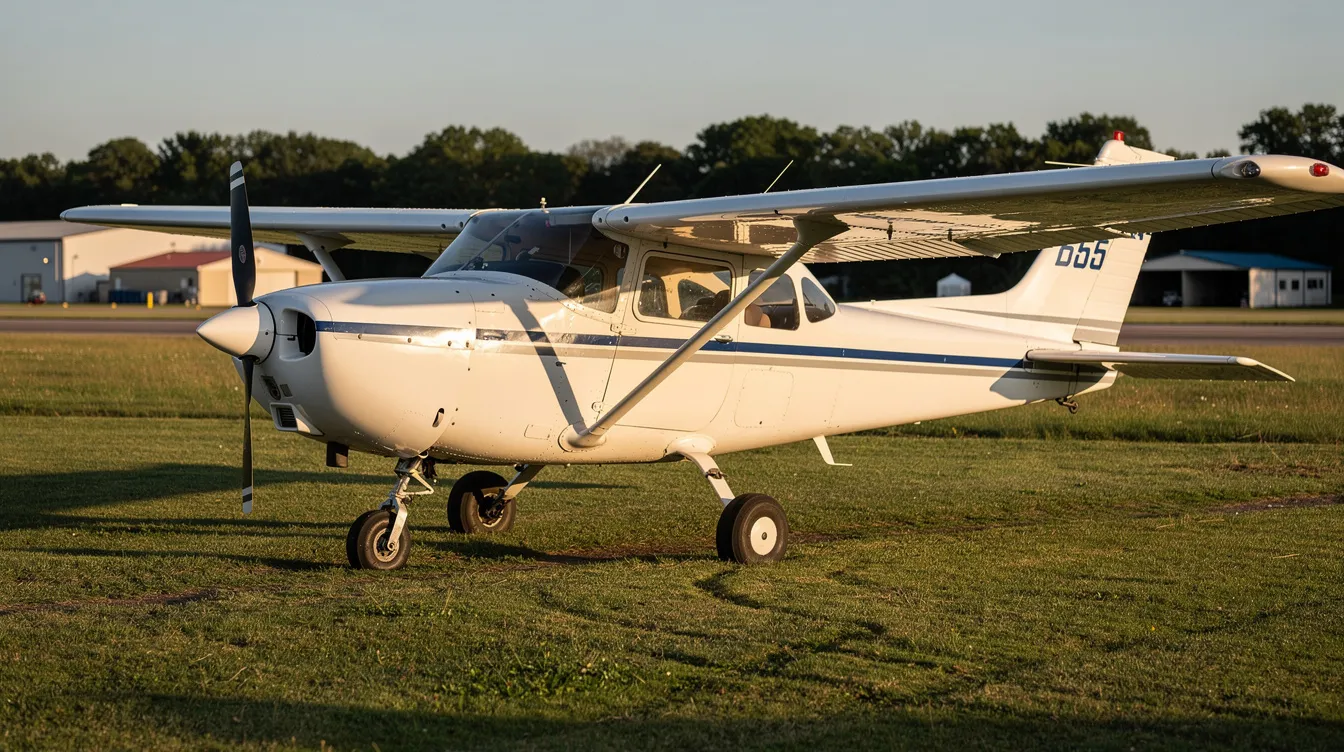
Whether pilots "feel" rich depends not just on what they earn but on how they live, where they are based, and the demands of their schedules.
Pilots working at airlines based in expensive hub cities (Los Angeles, New York, San Francisco) face steep housing, commuting, and childcare costs, while aircraft owners in the same markets may look toward the cheapest private aircraft options to keep long-term expenses manageable. The same $250,000 salary feels very different in Dallas versus Manhattan.
Common pilot expenses beyond standard living costs include:
Commuting: Many pilots live far from their assigned base and maintain "crash pads" (shared apartments) near the airport
Union dues: Typically a few hundred dollars per month
Recurrent training costs: Some employers cover this; others do not
Medical certificates: FAA physicals are required and not always fully reimbursed
Commercial airline pilots in the U.S. face a mandatory retirement age of 65 due to federal law (FAA regulations), which creates a hard ceiling on earning years. Irregular schedules, overnights away from home, and the physical toll of flying professionally influence spending patterns-more eating out, more duplicate housing costs, more time away from family members.
Many pilots choose to live like upper-middle-class professionals rather than celebrities. Wealth outcomes vary widely based on saving and investing habits, not salary alone.
The rise of private jet charters and corporate flight departments has created attractive alternatives to traditional airline careers. But are these pilots richer?
For a detailed look at private pilot salary per hour, compensation depends heavily on aircraft type and employer. Many corporate and charter pilots earn $100,000 220,000, with captains of large-cabin jets from leading private plane manufacturers like Gulfstream and Bombardier matching or exceeding major airline captain pay when bonuses and day rates are included.
Key differences from airline flying:
Fewer passengers, more direct contact with high-net-worth individuals
More irregular but sometimes more flexible schedules
Fewer union protections in many cases
Benefits vary widely by employer
Some corporate captains flying Gulfstream G650s or Boeing Business Jets earn $300,000 240,000, flying aircraft that high-net-worth individuals weigh against other options when evaluating how much a private jet costs to own or charter. But many charter pilots earn amounts closer to mid-career airline pilots, with lower salaries at smaller operators that still market themselves as providing affordable private jet charter to cost-conscious travelers.
Through platforms like Jettly, travelers connect with charter operators whose pilots work under Part 135 regulations. While charter pilots can earn high incomes, the truly "rich" on these flights are typically the customers booking private aircraft or purchasing individual seats on shared private jets, not the flight crew.
No. Aspiring pilots do not need to be rich, but they must plan carefully for substantial training costs and potential debt.
Common funding pathways include:
Personal savings and family support
Aviation-specific loans from lenders like Sallie Mae or AOPA Finance
Scholarships from organizations like Women in Aviation, AOPA, and EAA
Airline cadet programs that subsidize or sponsor flight training in exchange for employment commitments
Military flight training, which provides all training at no personal cost but requires a service commitment
Some regional airlines now offer tuition assistance or sign-on bonuses to offset training costs, reflecting strong demand and ongoing pilot shortages. Many pilots work while completing flight training-holding part-time jobs or earning income as a certified flight instructor once qualified for flight instruction.
Realistic budgeting and financial planning from day one make a big difference. Strong later-career earnings can more than repay the initial investment in a pilot career if managed prudently.
Pilots can become genuinely rich, but usually through long-term investing and disciplined money management, not salary alone. Pilots can accumulate wealth through high salaries, retirement benefits, and disciplined investing.
Key wealth-building strategies for pilots:
Maximize retirement contributions: Take full advantage of 401(k) plans with employer matches of 15 17%
Invest in diversified portfolios: Index funds, real estate, and other assets that compound over decades
Avoid lifestyle inflation: Successful wealth accumulation depends on avoiding lifestyle inflation during peak earning years
Build emergency savings: Medical issues or loss of certification can halt income immediately
Carry disability insurance: Protecting the ability to fly is protecting future income
Aviation careers are sensitive to economic downturns and require careful financial planning. Furloughs, airline bankruptcies, and pandemic-driven disruptions have historically impacted pilot employment projections and job security.
Some pilots supplement income through side businesses, aviation consulting, real estate investing, flight school ownership, or even promoting private aviation through an ultra-high-ticket affiliate program. Understanding how high-net-worth customers travel-such as frequent private jet charters via platforms like Jettly or other NetJets-style alternatives-can provide pilots with insight into broader wealth strategies and networking opportunities.
Pilots are highly skilled professionals serving both commercial airline passengers and private jet travelers. They are central to the value of every flight, whether scheduled or chartered.
Most individuals who are objectively "rich" in the aviation world are passengers and aircraft owners, not pilots. They use scheduled airlines in premium cabins or charter private jets for business and leisure, weighing how much it costs to rent a private jet against the value of saved time and privacy. Digital platforms like Jettly give high-net-worth clients on-demand access to over 20,000 aircraft globally, making private aviation more flexible, transparent, and accessible through instant booking, private jet charter cost estimation tools, and real-time pricing.
Many commercial pilots are employed by charter operators whose aircraft are listed on Jettly, including those offering crowdsourced private jet flights and shared empty seats. Pilots provide safety and expertise, while the platform handles digital booking, instant pricing, and logistics for travelers. The pilot's role is professional, essential, respected, and well-compensated, but it is distinct from the ownership and wealth side of the aviation equation.
For travelers exploring how much private flights cost and wanting a deeper understanding of what drives one private flight's total cost, the value proposition is clear: access to private aviation without the burden of aircraft ownership.

Many senior airline pilots earn high six-figure incomes over long careers, but only a portion become millionaires. A 25 130 year career at a major airline or cargo carrier can generate multi-million-dollar lifetime earnings, but net worth outcomes depend on saving rate, investment strategy, and lifestyle choices. Being a millionaire is about accumulated assets, not annual salary. Most pilots who reach millionaire status do so through decades of consistent investing and retirement contributions, not from a single year's paycheck.
Some corporate or private jet captains on large-cabin aircraft can match or exceed major airline captain pay. G700 captains, for example, average about $395,000 in total cash compensation. However, many charter pilots earn amounts similar to mid-career airline pilots. Total compensation depends on employer type, aircraft size, duty schedule, and benefits-not just whether the role is airline or corporate. Job stability and union protections also differ, which affects long-term financial security.
Most flight instructors earn modest incomes, typically $35,000 60,000 per year, and view instructing as a stepping stone toward airline or charter careers. Long-term wealth for instructors usually requires transitioning into higher-paying roles or building profitable flight schools and aviation businesses. Instructors can still build solid net worth over time with careful budgeting and investment, especially if they later move into better-paid airline or commercial pilot positions where pay scales reward seniority.
Compared to other high-income professionals like doctors, engineers, or software developers, pilots often start earning high incomes later due to the time required to complete flight training, build flight hours, and gain flight experience. However, pilots enjoy relatively predictable career ladders and strong employment projections-about 16,400 openings per year through 2035. In any career, wealth depends more on how money is managed than how much is earned. Pilots who prioritize savings and avoid lifestyle inflation can build substantial wealth over a career.
Jettly is a digital charter marketplace connecting travelers to private aircraft. Pilots on Jettly-listed flights are employed by charter operators, not by the platform itself. Pilot pay on these flights follows commercial pilot and charter industry standards based on aircraft type and operation, not the dynamic pricing passengers see for booking. For those curious about the cost side of flying as passengers, explore private jet charter options, instant pricing, and Jettly's jet card flight cost estimator at https://www.jettly.com.
While many airline and commercial pilots earn solid six-figure incomes, only a select few 7primarily senior captains at major airlines or corporate pilots flying large-cabin jets 6reach the financial thresholds commonly associated with being "rich." High training costs, delayed earnings, and lifestyle factors mean that wealth accumulation for pilots is often a long-term process, reliant on disciplined saving and investing beyond just their hourly pay multiplied by flight hours.
Platforms like Jettly highlight the distinction between pilots as skilled professionals and the high-net-worth travelers who charter private jets. For most pilots, the career offers financial stability, strong benefits, and a respected profession rather than instant wealth.
Aspiring pilots should focus on strategic financial planning and career progression to maximize their earning potential. Meanwhile, travelers seeking private aviation convenience can explore Jettly's transparent, tech-driven platform for instant pricing and booking across a global network of aircraft.
Ready to experience private travel on your terms? Explore flight options or request a quote at https://www.jettly.com.
Share this post:
Jay Franco Serevilla
Oct 27, 2026
|
5
min read
Discover tips and trends in the industry.
5
min read
Private Jet Manchester: Charter Guide to MAN & Liverpool John Lennon
This guide provides essential information for chartering private jets from Manchester and Liverpool John Lennon airports. It covers airport details, costs, aircraft options, and the convenience of using Jettly's platform for seamless booking. Whether for business or leisure, private jet travel offers unmatched flexibility and luxury.
Read More
5
min read
Stewardess: From Classic Airline Icon to Modern Flight Attendant
The term 'stewardess' has evolved into the more inclusive 'flight attendant,' reflecting the significant changes in the role from the mid-20th century to today. Modern flight attendants are trained safety professionals responsible for passenger safety, emergency response, and in-flight service, contrasting sharply with the outdated stereotypes of glamorous service. This article explores the history, training, and responsibilities of today's cabin crew across commercial and private aviation.
Read MoreStay updated with our latest insights and tips to elevate your journey with us.
MEMBERSHIPS AND ASSOCIATIONS



Disclaimer: Jettly operates as a charter broker, offering access to a global digital jet charter marketplace. Jettly is not a direct air carrier and does not own or operate aircraft. All advertised flights are conducted by third-party air carriers that are fully licensed and hold the appropriate Part 135 or Part 121 certifications issued by the Federal Aviation Administration (FAA) or equivalent regulatory authorities under U.S. or foreign law. Jettly complies fully with the U.S. Department of Transportation's Part 295 and Part 298 Charter Broker regulations. Jettly does not carry additional liability insurance. Passengers are covered by aircraft operator insurance. TICO: 50023770


