


Login
Get Instant Pricing On 23,000+ Aircraft

>
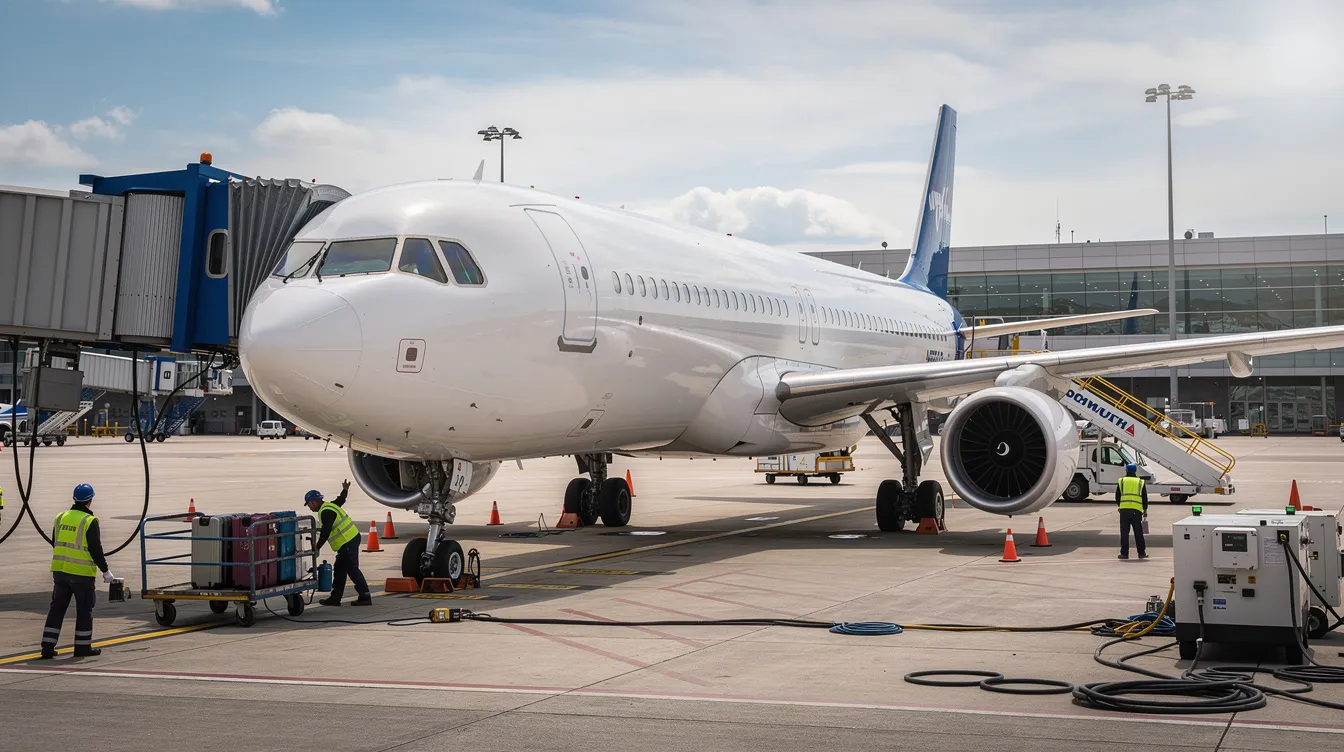
Choosing the best airlines to work for is one of the most consequential career decisions in aviation. Whether you fly the plane, serve in the cabin, or keep operations running on the ground, your employer shapes your paycheck, your schedule, and your quality of life for years, sometimes decades. This guide breaks down the top U.S. and international carriers by pay, culture, career progression, and lifestyle so you can decide which airline fits your personal priorities and life stage.
There is no single best airline to work for. The answer depends on whether you value competitive pay, company culture, base location, flying opportunities, or work rules most.
Delta Air Lines currently leads many employer rankings thanks to high total compensation and profit sharing, while Southwest is widely praised for its people-first culture and fun work environment.
Alaska Airlines and JetBlue often balance lifestyle and faster upgrades, making them strong mid-sized options for pilots and cabin crew on both coasts.
Ultra low-cost carriers like Frontier and Spirit can offer rapid advancement but come with trade-offs in schedule intensity and benefits.
Private jet charter platforms such as Jettly expand flying opportunities beyond traditional airlines for pilots and flight attendants with corporate aviation experience.
No universal best airline exists. Delta Air Lines, American Airlines, United, Southwest, and Alaska Airlines each stand out for different reasons. Your own experience at any carrier will depend on your role, seniority, and what you prioritize most.
Based on 2023–2026 contract data and employee reviews, Delta Air Lines is often viewed as the best airline to work for overall. The company leads in compensation, profit sharing, and career stability, and was named the only airline in the top 100 on TIME's America's Best Companies of 2026 list.
Southwest Airlines is frequently rated the best airline to work for in terms of culture and community. Its employees consistently cite approachable leadership, strong internal support, and a genuinely fun atmosphere. Alaska Airlines ranks highly for West Coast lifestyle, while American Airlines and United appeal to those interested in global long-haul flying opportunities and expansive international routes.
For some professionals, smaller regional carriers, cargo operators, or private aviation, including charter operators partnered with platforms like Jettly, may be a better fit than any scheduled airline.
Candidates should look beyond brand image or aircraft type and instead use objective evaluation factors before choosing an employer. Employee satisfaction in airlines often hinges on compensation and workplace culture, so both deserve careful review.
Total compensation: base pay, profit sharing, retirement contributions, bonuses
Profit sharing: Profit sharing refers to a percentage of company earnings distributed to employees, which can significantly increase total compensation.
Base location: proximity to hubs, cost of living, commuting burden
Schedule stability: reserve rules, duty-day limits, vacation bidding
Upgrade speed: Upgrade speed is the typical time it takes for a pilot or crew member to move from entry-level roles to more senior positions, such as from First Officer to Captain.
Company financial health: profitability, fleet growth, debt load
Work rules: Work rules include contract terms that govern scheduling, reserve days, maximum duty periods, and vacation bidding, all of which impact quality of life.
Industry-leading airlines often provide extensive travel perks to their employees, and benefits like 401(k) matching, healthcare, and flight benefits can add 20–30% or more to total value. Top-ranked airlines typically emphasize strong employee benefits and career advancement opportunities. A strong safety culture also enhances pilot job satisfaction across all carrier types.
Seniority systems are central to airline life. Over the course of a career, years of service shape bidding rights, days off, and aircraft assignments. Moving to another airline resets seniority entirely, which is why researching thoroughly before committing matters so much.

Delta Air Lines, American Airlines, and United dominate the U.S. legacy carrier market and offer some of the highest lifetime earnings and broadest global networks. Long-haul pilots at these carriers often work fewer duty days each month, and senior pilots typically enjoy 15–18 days off per month.
Companies like Delta Air Lines lead in employee satisfaction and corporate reputation metrics. Delta paid employees approximately $1.3 billion in profit sharing for 2024 performance, representing 8.9% of eligible earnings.
Delta Air Lines provides profit sharing of 10–20% of annual pay, structured so the first $2.5 billion in adjusted profit yields a 10% share, and amounts above that yield 20%.
First officers at Delta earn between $90,000 and $110,000 annually. Delta pilots can earn $500,000 or more by upgrading faster through the seniority queue.
Named No. 9 on Fortune's 2026 "Best Companies to Work For" list.
American Airlines increased pilot pay by 21% in May 2023 and ratified new flight attendant contracts in 2024 with improvements in pay, scheduling, and benefits.
American Airlines pilots earn $270,000–$310,000+ as senior captains. American Airlines pilots can avoid commuting by living near hubs like DFW, CLT, MIA, or ORD.
Strong union presence and structured career ladders across maintenance, ground, and corporate roles.
Extensive widebody fleet offering international flights to Europe, Asia, and South America. Hubs in major cities like ORD, DEN, EWR, IAH, SFO, and LAX.
United flight attendants ratified a contract with a 31% increase over five years, plus boarding pay.
The Aviate pilot development program provides a clear pipeline from flight training or regional partners to United First Officer.
Trade-offs at legacy carriers: upgrade time from first officer to captain is typically 5–10 years, hiring standards are highly competitive, and new hires may be assigned to less preferred bases before building seniority. For a deeper look at pilot earnings, see this guide on how much a pilot makes in 2026.
Southwest Airlines is consistently cited by employees as one of the best airlines to work for due to its fun, people-focused culture and strong internal community. Work culture significantly influences employee morale in the aviation industry, and Southwest demonstrates this better than most.
The company's "employees first" philosophy dates back to founder Herb Kelleher. Southwest emphasizes employee care and support at every level, and promotes a fun, community-focused work environment that has become a model for the industry. Airlines with positive cultures often have lower turnover rates, and Southwest is a prime example.
Southwest's compensation mix includes:
Competitive hourly pay rates for pilots, flight attendants, and ground staff
Southwest Airlines offers profit sharing for pilots, with robust bonuses in strong financial years
401(k) matching, health, dental, and vision coverage
Travel benefits for employees and eligible family members
Senior captains at Southwest can earn $250,000 to $280,000 annually. Southwest Airlines also offers faster upgrades than legacy carriers in many cases, making it attractive for ambitious pilots who want to reach the left seat sooner.
Southwest Airlines focuses on domestic flights for shorter trips, which means fewer ultra-long-haul duties and more predictable schedules. This appeals strongly to flight attendants, ground staff, and operations employees who prefer a domestic-focused network. Considerations include an all-737 fleet and the need to live near bases such as Dallas, Denver, Phoenix, or Chicago for quality of life.
Alaska Airlines is valued for its work-life balance and community-focused culture. Its West Coast-centric network covers Seattle, Portland, Anchorage, Los Angeles, and San Diego. Alaska Airlines offers upgrades in 5–8 years during growth phases, historically quicker than some legacy carriers. Competitive benefits and travel benefits extend to Alaska and beyond.
JetBlue focuses on the East Coast, Caribbean, and transcontinental routes with modern fleets of Airbus and Embraer aircraft. Pilots at JetBlue can upgrade to captain in 5–8 years, making it appealing for those seeking variety without ultra-long-haul rotations. The customer-service-driven culture attracts both pilots and cabin crew who prefer a mid-sized company feel.
These airlines are compelling for those who prefer living in cities like Seattle, Boston, New York, or Fort Lauderdale while still accessing decent international and red-eye flying opportunities. Pay bands at both carriers have risen significantly since 2023, narrowing the gap with the Big Three, though top-of-scale captain pay may still trail Delta or American at the highest seniority levels. For detailed pilot comparisons, see best airlines to be a pilot for in 2026.
Low-cost carriers and ultra-low-cost carriers are increasingly important employers across North and South America. The distinction matters: LCCs like Southwest operate lean but with broader service; ULCCs like Frontier and Spirit use even leaner business models with dense seating and high daily aircraft utilization.
Faster promotions and upgrades for pilots due to rapid fleet-driven growth
Opportunities for leadership roles earlier in a career
Spirit Airlines offers starting First Officer pay of $89.38 per hour, with starting Captain pay around $248.56 per hour
Lower starting base pay compared to legacy carriers
More turns per day, tighter turn times, and higher operational tempo
Less generous travel benefits and reserve rules
Schedule intensity can vary widely from week to week
For ambitious early-career aviators, a few years at ULCCs can be a strategic stepping stone toward Delta Air Lines, American Airlines, Alaska Airlines, or private aviation roles where the money and lifestyle improve significantly.
Outside the U.S., major European, Middle Eastern, and South American carriers provide attractive career paths, but relocation and regulatory differences must be considered.
In South America, carriers like LATAM Airlines Group, Azul Brazilian Airlines, and Sky Airline offer growing modern fleets and regional hubs. These airlines appeal to bilingual flight attendants and pilots who prefer Spanish- or Portuguese-speaking environments with exposure to both domestic and international operations.
Global airlines like Emirates and Singapore Airlines, along with other international airways and charter operators, focus on employee lifestyle and benefits for international staff, including tax-advantaged salaries, housing support, and schooling allowances. These perks can offset the challenges of being based far from home, especially for those hired into business class and long-haul cabin crew roles.
Anyone considering overseas positions should evaluate local licensing requirements, seniority systems, and union protections carefully. The regulatory landscape can differ dramatically from U.S.-based airlines or private charter operators.
When discussing the best airline to work for, many roles beyond pilots matter: flight attendant, dispatcher, customer service, maintenance, and corporate positions each have distinct priorities.
Fair work rules, realistic reserve expectations, and schedule flexibility
Quality layover hotels and per diem rates
Meaningful input into safety and service procedures
Interaction with fellow crew members that feels supportive rather than competitive
Training quality and safety culture
Manageable physical workload and clear overtime structure
Career progression paths into supervisory or technical specialist roles
Companies that invest in training and career progression tend to have higher employee retention. Airlines like Southwest and Alaska Airlines are often praised by non-pilot staff for approachable management and strong internal communication, while legacy carriers may offer broader promotion ladders and specialized corporate roles. Those interested in cabin roles in private aviation can explore private jet flight attendant jobs as an alternative path.
Private jet charter, including work with dedicated charter airlines, represents a different career path from scheduled airline work. On-demand flying means smaller crews, varied missions, and closer passenger interaction, often through smaller airports that commercial flights don't serve.
Jettly operates as a digital private aviation platform connecting travelers with a global inventory of more than 20,000 aircraft. This steady demand creates flying opportunities for partnered operators and their crews across turboprops, light jets, midsize jets, and long-range aircraft, many of which are used on routes priced using a private jet charter cost estimator. For a broader look at this career path, see the guide on private aviation jobs and an overview of private jet pilot salary expectations.
Appeal for pilots and cabin crew in private aviation:
Smaller teams, more autonomy, and highly varied trips (business shuttles, family holidays, urgent last-minute travel)
Flexible scheduling models, though short-notice requests are common
Less hub churn and fewer layovers compared to commercial airline flying
As demand for on-demand private travel grows, platforms like Jettly indirectly create more flying opportunities across multiple aircraft types and regions around the world, reflecting broader growth trends in the global fleet of private jets.
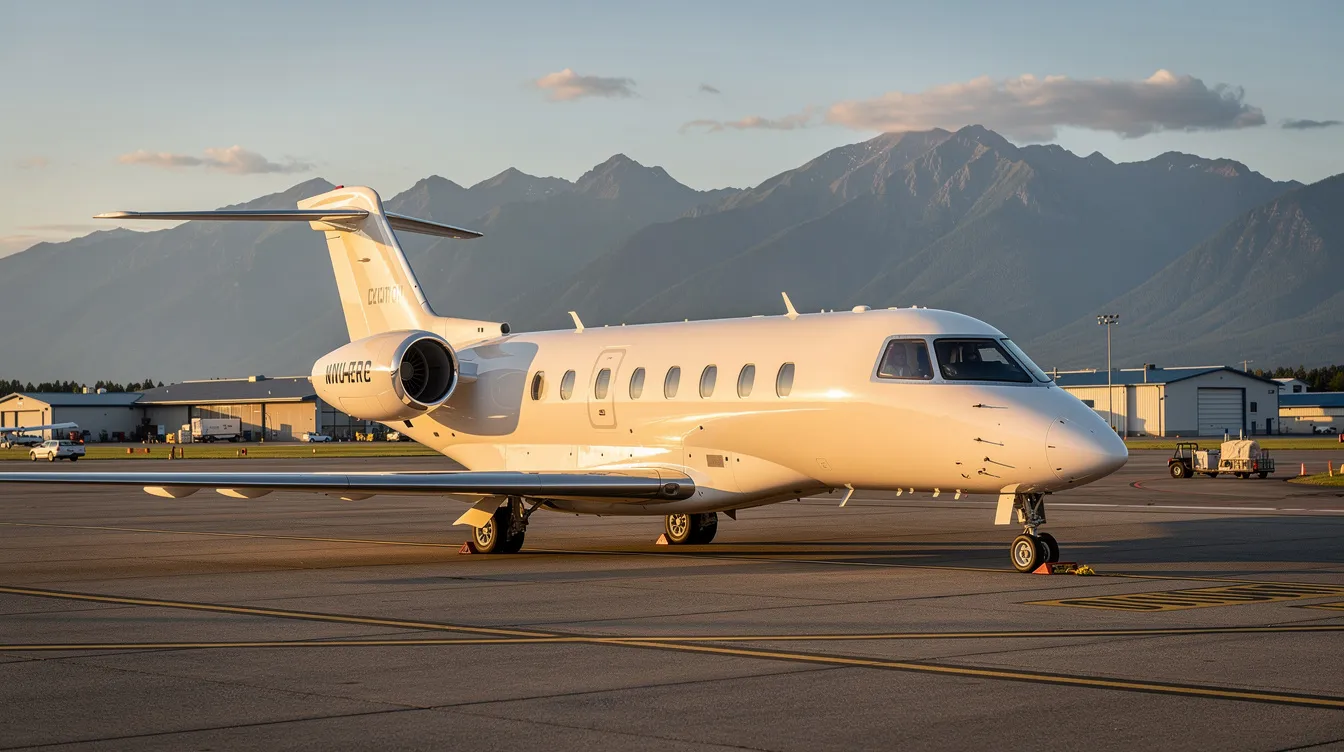
After identifying a shortlist of employers, candidates should compare tangible variables before committing to a given airline or charter operator.
|
Factor |
What to Compare |
Example |
|---|---|---|
|
Starting hourly pay |
Year-1 rates for your role |
Spirit FO: $89.38/hr; Delta FO: $90–110K/yr |
|
Profit sharing |
Percentage of earnings shared |
Delta: 10–20%; Southwest: competitive annual bonuses |
|
Base location |
Hub cities, cost of living |
ATL, DFW, SEA, DEN, ORD, EWR |
|
Work rules |
Reserve days, max duty, min rest |
Varies by contract and union |
|
Upgrade speed |
Years to Captain or lead roles |
5–10 years at most carriers |
|
Travel benefits |
Free or reduced flights for family |
Most majors offer standby domestic and international flights |
Base location is often underestimated. Junior employees may not hold the base they want and can be displaced to cities far from home. Evaluate cost of living and commute times before accepting any offer. Work rules, including reserve duty, maximum duty days per month, and vacation bidding, are core determinants of quality of life; vacation allowances are often measured in weeks and vary by contract, with terms differing widely between carriers.
Planning, networking, and targeted applications matter more than sending generic resumes to every airline. Here is a practical plan:
Research hubs and bases. Determine which airlines operate from your nearest airport and which bases align with where you prefer to live.
Check culture and finances. Use Glassdoor, airline-specific forums, and official investor relations pages to cross-check company culture, financial stability, and fleet growth plans.
Build experience strategically. Internships work for corporate roles, cadet or ab initio programs for pilots, and open houses for flight attendant hiring. Starting at regional carriers is often necessary before joining Delta, American Airlines, Alaska Airlines, or major low cost carriers.
Consider private aviation. For those interested in business aviation, monitoring Part 135 charter companies and private operators partnered with platforms like Jettly and gaining charter experience can be a parallel path. Learn more about corporate pilot salaries to compare earnings with airline roles.
The person who researches thoroughly and applies strategically will consistently outperform someone who blankets the industry with applications.
It is possible but not easy. Moving resets your seniority entirely, meaning you start over on pay scale, schedule bidding, and upgrade position. However, ULCC or regional experience is a strong stepping stone. Legacy carriers value total flight hours, type ratings, and demonstrated professionalism regardless of where you built them.
Yes. The core customer-service and safety skills transfer directly. Private aviation clients tend to be high-net-worth individuals, so corporate etiquette training helps. Many operators value airline-trained crew for their emergency procedure discipline and service consistency.
Charter schedules are on-demand, which means longer but fewer trips with more downtime between missions. You trade the predictability of airline bid schedules for greater day-to-day variety. Some pilots and crew prefer this flexibility, while others prefer the routine that airlines offer.
LATAM Airlines Group and Azul Brazilian Airlines are the largest regional employers with growing fleets and both domestic and international routes. Language proficiency in Spanish or Portuguese is typically required, and local licensing and regulatory frameworks differ from U.S. standards.
By digitizing private jet charter and offering instant pricing and booking across more than 20,000 aircraft worldwide, Jettly drives more demand for private flights. This increased demand indirectly creates more flight hours for operators and their pilots, expanding career opportunities across the private aviation sector.
The best airline to work for depends on your role, your personal priorities, and where you want to live. Delta Air Lines stands out for high pay and profit sharing. Southwest and Alaska Airlines lead in culture and lifestyle. Low-cost carriers offer rapid advancement for those willing to accept the trade-offs of a higher-tempo operation.
Candidates should focus on total compensation, profit sharing, flying opportunities, base locations, and long-term lifestyle rather than brand name alone. Every person reading this will weigh those factors differently, and that is exactly why no single answer fits everyone.
Private jet charter and digital platforms such as Jettly offer a credible alternative or complement to traditional airline careers, especially for those who value flexibility, varied missions, and closer client interaction.
Ready to travel privately on your own terms? Discover flight options, utilize tools such as Jettly’s airport locator, or get a quote at https://www.jettly.com.
Share this post:
Jay Franco Serevilla
Sep 13, 2026
|
5
min read
Discover tips and trends in the industry.

5
min read
Travel Insurance Airfare: How Flight Insurance Works for Private and Commercial Air Travel
Travel insurance for airfare is crucial for protecting your investment in non-refundable tickets against cancellations and delays. Whether you're flying commercially or chartering a private jet, understanding the nuances of flight insurance can save you from significant financial loss. This guide covers what flight insurance entails, its benefits, and when it's worth purchasing.
Read More
5
min read
Vonlane vs. Private Jet Charter: How Luxury Motorcoach Travel Compares to Jettly
This article compares Vonlane, a luxury motorcoach service in Texas, with Jettly, a private jet charter platform. While Vonlane offers a comfortable and convenient ground travel experience, Jettly provides flexibility and privacy for air travel. Discover which option suits your travel needs best.
Read MoreStay updated with our latest insights and tips to elevate your journey with us.
MEMBERSHIPS AND ASSOCIATIONS



Disclaimer: Jettly operates as a charter broker, offering access to a global digital jet charter marketplace. Jettly is not a direct air carrier and does not own or operate aircraft. All advertised flights are conducted by third-party air carriers that are fully licensed and hold the appropriate Part 135 or Part 121 certifications issued by the Federal Aviation Administration (FAA) or equivalent regulatory authorities under U.S. or foreign law. Jettly complies fully with the U.S. Department of Transportation's Part 295 and Part 298 Charter Broker regulations. Jettly does not carry additional liability insurance. Passengers are covered by aircraft operator insurance. TICO: 50023770


