



Login
Get Instant Pricing On 23,000+ Aircraft

>
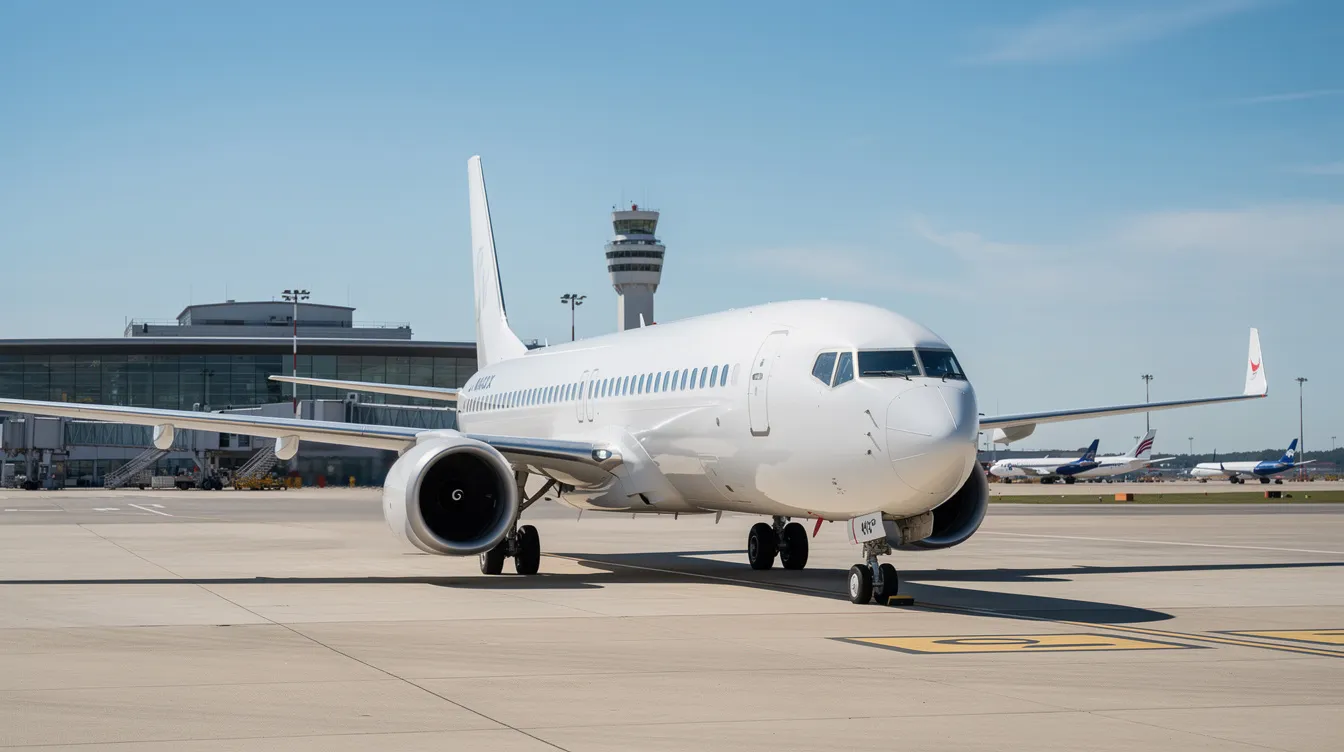
As of late 2026, approximately 2,483 Boeing 737 MAX aircraft have been delivered worldwide, with roughly 2,300 to 2,400 currently in active airline service. The exact number of 737 MAX aircraft in service fluctuates due to maintenance cycles, storage, and regional regulatory timelines.
The Boeing 737 MAX fleet includes four main variants: MAX 7, MAX 8, MAX 9, and MAX 10. The majority of active Boeing 737 MAX planes are the MAX 8 and MAX 9 variants.
Only two MAX aircraft have been permanently lost: Lion Air Flight 610 (2018) and Ethiopian Airlines Flight 302 (2019), which together claimed 346 lives and led to a worldwide grounding.
The Federal Aviation Administration cleared the 737 MAX to return to service on November 18, 2020. Subsequent events, including the Alaska Airlines Flight 1282 MAX 9 door-plug incident in January 2024, prompted additional inspections but no long-term grounding.
Major carriers operating the MAX include Southwest Airlines, Ryanair, American Airlines, United Airlines, and Alaska Airlines.
Travelers who prefer to avoid the 737 MAX can check aircraft type before booking or use private charter platforms like Jettly to select specific aircraft for their flights.
The Boeing 737 MAX is now one of the most widely flown narrowbody aircraft in the world. Despite a troubled history that included a global grounding, software redesigns, and intense public scrutiny, the MAX has become a backbone of short-haul commercial aviation. Over 1 million passengers fly on a Boeing 737 MAX aircraft every day, making fleet size a practical concern for anyone who buys an airline ticket.
When people ask how many 737 MAX are in service, the answer shifts monthly as Boeing delivers new jets and airlines rotate older aircraft through maintenance. This article uses publicly reported Boeing order-and-delivery data through September 2026, combined with fleet databases, to estimate that around 2,300 to 2,400 Boeing 737 MAX aircraft are currently in active service.
Along the way, the article covers the Lion Air flight and Ethiopian Airlines flight crashes, the FAA grounding, the Alaska Airlines MAX 9 incident, and the certification of the newest MAX variants. Jettly, a private aviation platform, follows these developments closely because many of its users benchmark private-jet travel against commercial options like the 737 MAX, using resources similar to an ultimate list of charter airlines when exploring alternatives.
As of September–October 2026, approximately 2,483 Boeing 737 MAX aircraft have been delivered globally. Of those, roughly 2,300 to 2,400 are in active commercial service worldwide. The gap between deliveries and active service comes down to aircraft in storage, heavy maintenance, or awaiting local regulatory clearance.
Only two MAX jets have been permanently written off: Lion Air Flight 610 and Ethiopian Airlines Flight 302. A small number of additional aircraft may be parked at any given time due to scheduled maintenance or configuration work, which is why the exact number of active Boeing 737 MAX aircraft fluctuates.
Deliveries accelerated steadily after recertification. As of October 2023, 1,000 MAX aircraft were active worldwide. By February 2026, about 2,200 Boeing 737 MAX aircraft had been delivered. In the first nine months of 2026 alone, Boeing delivered 363 737 MAX aircraft, the highest nine-month total in the program's history. Earlier estimates placed active global service numbers of Boeing 737 MAX aircraft at around 1,700 to 2,000 jets, a figure the fleet has since surpassed.
For context, the in-service MAX fleet is now comparable in scale to the earlier 737-800 fleet at a similar point in its life cycle, underscoring its central role in short-haul networks. While fleet counts change every month, the order of magnitude-solidly in the mid-2,000s for deliveries and low-to-mid 2,000s for active service-is stable heading into 2027.
The term "737 MAX" refers to a family rather than a single model. The MAX family includes MAX 7, MAX 8, MAX 9, and MAX 10, along with the high-density MAX 8-200 subvariant. Understanding each variant helps explain where fleet growth is coming from and how different aircraft classifications serve different markets.
Here is a breakdown of the four main variants:
|
Variant |
Target Market |
Typical Seating |
Notes |
|---|---|---|---|
|
MAX 7 |
Regional / thinner routes |
~138–172 (two-class configuration) |
Shorter range replacement for the 737-700; expected to fly 1,000 nautical miles farther than the previous generation 737-700 |
|
MAX 8 |
Standard short-haul routes |
~162–189 |
The backbone of the MAX family; entered service on May 22, 2017 |
|
MAX 8-200 |
High-density leisure / LCC |
Up to 210 passengers |
A new design variant of the MAX 8 with additional exits and higher capacity |
|
MAX 9 |
Longer short-haul / higher capacity |
~178–220 |
Certified by the FAA in February 2018; popular with United Airlines and Alaska Airlines |
|
MAX 10 |
Largest variant in the family |
~188–230 |
The largest variant; certified October 20, 2026; deliveries expected to begin in 2027 |
The MAX 8 is by far the most numerous variant in service in 2026, followed by the MAX 9. The MAX 7 and MAX 10 are only just beginning to enter service after certification delays. All variants share CFM LEAP-1B engines, common pilot type ratings, and similar cockpit systems. Many airlines standardize around one or two MAX variants to simplify pilot training, maintenance, and fleet planning.
The 737 MAX program spans more than a decade, from its launch announcement through a global grounding and into a large-scale return to service. Here are the key milestones:
2011: Boeing launches the MAX program as a re-engined successor to the 737 NG.
January 29, 2016: The first flight of the 737 MAX 8 takes place in Renton, Washington.
March 8, 2017: The 737 MAX 8 gains FAA type certification.
May 2017: The first aircraft is delivered to Malindo Air, making it the first MAX operator worldwide.
August 2017: Southwest Airlines receives the first MAX delivery in the United States.
October 29, 2018: Lion Air Flight 610, a 737 MAX 8 operating from Jakarta, crashes minutes after takeoff, killing all 189 on board.
March 10, 2019: Ethiopian Airlines Flight 302, a 737 MAX 8 departing Addis Ababa, crashes six minutes after takeoff, killing 157 people.
March 13, 2019: The FAA grounds all 737 MAX aircraft. Other regulators follow, leading to a worldwide grounding.
November 18, 2020: The FAA clears the 737 MAX to return to service after MCAS software changes, sensor redundancy improvements, and new pilot training requirements.
2021: Regulators in Brazil, Canada, the EU, UK, and other jurisdictions progressively lift their own grounding orders.
January 5, 2024: Alaska Airlines Flight 1282, a MAX 9, suffers a door-plug blowout in flight; the FAA orders inspections of affected MAX 9 aircraft.
August 2026: The FAA grants type certification to the MAX 7.
October 20, 2026: The FAA clears the MAX 10 for certification, with deliveries expected in 2027.
After recertification, deliveries and in-service numbers climbed each year steadily, ultimately producing the fleet of over 2,400 active aircraft seen in late 2026.
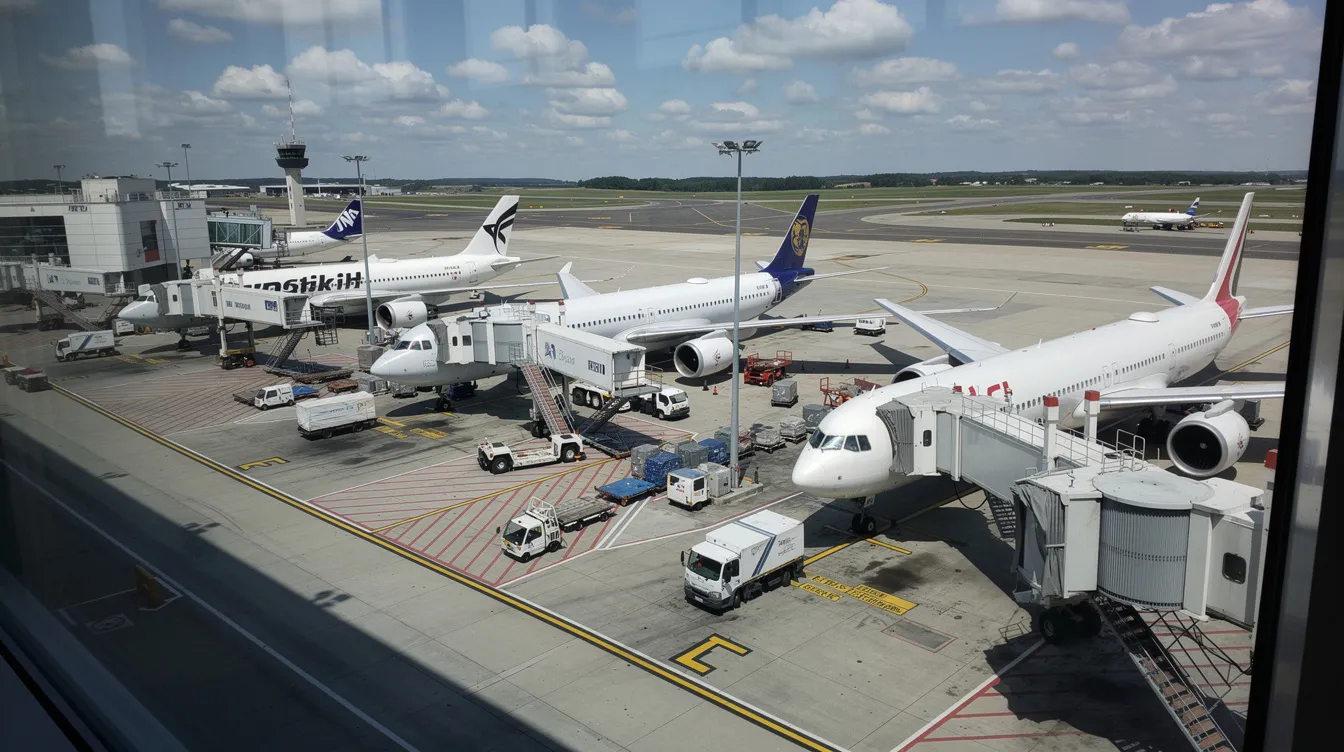
Total deliveries and backlog numbers drive how many 737 MAX aircraft will be in service over the next decade. By late 2026, Boeing has delivered around 2,483 MAX aircraft while holding roughly 4,846 to 4,867 unfilled firm orders. If all backlog orders are fulfilled, the program could eventually exceed 7,000 aircraft, a scale that far surpasses typical renting-a-plane arrangements in the private aviation world.
Boeing publishes quarterly order-and-delivery tables that show yearly trends and major airline customers. Deliveries slowed dramatically during the 2019–2020 grounding, then ramped up again from 2021 onward. In September 2026 alone, Boeing delivered 43 737 MAX aircraft (38 MAX 8s and 5 MAX 9s). The company is targeting a stable production rate of 47 MAX airframes per month once supply chain and regulatory conditions allow.
New orders from carriers like Ryanair (up to 300 MAX 10 aircraft in a 2023 deal), United Airlines, Southwest Airlines, and Air India confirm that airlines expect the type to remain central to their fleets through the 2030s. At the same time, cancellations, deferrals, and production quality hold points-such as FAA limits imposed after the Alaska Airlines Flight 1282 incident-can temporarily slow growth. But they have not reversed the upward trend in cash generation or delivery dates for the program.
Over 40 airlines operate the 737 MAX, but a handful of major carriers account for a large share of the in-service fleet. Major operators of the Boeing 737 MAX family include Southwest Airlines, United Airlines, and Ryanair.
North America:
Southwest Airlines is the largest operator of the 737 MAX with 207 aircraft, making the MAX the core of its fleet and business strategy.
American Airlines, United Airlines, Alaska Airlines, WestJet, and Air Canada each operate dozens to over 200 MAX jets on domestic and cross-border routes.
Europe:
Ryanair and its subsidiaries are the largest European MAX operators, deploying MAX 8-200 aircraft across intra-European and North Africa routes.
Norwegian, Icelandair, Enter Air, and British Airways subsidiaries also fly the type.
Asia and Middle East:
Lion Air operates a significant MAX fleet across Southeast Asia.
Air China, Vietnam Airlines, Nippon Airways subsidiaries, and Oman Air are expanding their MAX fleets as more aircraft are delivered.
Air India has placed large orders that will boost regional in-service numbers in coming years.
Africa and Latin America:
Ethiopian Airlines returned the MAX to its fleet after the grounding, joining South African Airways and other carriers modernizing with the type.
GOL, Aerolíneas Argentinas, and Copa Airlines use MAX aircraft to connect secondary cities and serve longer regional routes in Latin America.
The bulk of in-service 737 MAX aircraft fly in North America, Europe, and Asia, with smaller but meaningful fleets in Latin America, Africa, and Oceania.
North America holds the largest concentration of active MAX jets, driven by the massive domestic networks of Southwest Airlines, United Airlines, and American Airlines.
Europe is growing quickly, led by Ryanair's fleet expansion and secondary operators adding MAX aircraft for short-haul routes across the continent.
Asia saw slower initial returns due to regulatory timelines-China, in particular, delayed recertification and import clearances-but is now catching up with deliveries to Air China, Lion Air, and others.
Latin America and Africa use the MAX to modernize aging fleets and open new routes where widebody aircraft would be uneconomical.
Oceania and the Middle East deploy MAX aircraft on thinner or medium-distance routes, balancing operating efficiency with demand.
Differences in regulatory timelines meant some regions returned the MAX to service later than others, affecting how quickly local in-service numbers recovered after 2019. Flight-tracking platforms can show real-time regional distribution of active 737 MAX flights, underscoring the aircraft's global presence.
Several major safety events have temporarily reduced the in-service 737 MAX fleet, but none have fundamentally reversed long-term growth.
The 2019 worldwide grounding sent nearly the entire in-service fleet-then just over 380 aircraft-into storage. Active numbers dropped effectively to zero for around 20 months. The 737 MAX was grounded after two fatal crashes, and Boeing paid over $2.5 billion in penalties following the investigations.
After recertification, regulators imposed new training and software modification requirements that each aircraft had to meet before returning to service. Pilots needed simulator sessions covering revised MCAS behavior, and operators had to complete aircraft-level modifications, slowing the rebuild of in-service counts.
The Alaska Airlines Flight 1282 incident on January 5, 2024, involved a 737 MAX 9 door-plug failure during flight. The FAA ordered the grounding of 171 MAX 9 aircraft for inspections, temporarily reducing the active MAX 9 fleet. Production quality came under renewed scrutiny, and Boeing faced limits on its production rate until issues were addressed.
Despite these disruptions, the overall in-service fleet climbed each year from 2021 to 2026 as more aircraft were delivered and returned to flying.
Out of thousands of 737 MAX aircraft built, only two have been permanently removed from service due to hull-loss accidents.
Lion Air Flight 610 was a 737 MAX 8 operating from Jakarta. It crashed on October 29, 2018, minutes after takeoff, killing all 189 people on board. Investigators identified the crash as linked to MCAS behavior triggered by a faulty angle-of-attack sensor, combined with maintenance and crew-response factors. This was the first fatal MAX accident.
Ethiopian Airlines Flight 302 was a 737 MAX 8 that crashed on March 10, 2019, near Addis Ababa, killing 157 people. The accident triggered the worldwide grounding of all 737 MAX aircraft. A total of 346 people died in the two crashes.
Investigations into both accidents pointed to MCAS design shortcomings, angle-of-attack sensor failures, training gaps, and weaknesses in the certification process. These findings led to software redesigns, updated pilot training requirements, and tighter FAA oversight of Boeing's production and certification work. Boeing paid over $2.5 billion in penalties after the crashes.
These two aircraft are the only MAX jets permanently written off. All analyses of how many 737 MAX are in service subtract these losses from the total delivery count, much as detailed operator overviews such as an in-depth look at NetJets account for fleet changes over time.
The Federal Aviation Administration and peer regulators-EASA in Europe, Transport Canada, ANAC in Brazil, and others-determine whether the 737 MAX can be placed in or removed from service in their jurisdictions.
Initial FAA certification of the MAX delegated many tasks to Boeing itself, a practice that was heavily criticized after the Lion Air and Ethiopian Airlines crashes revealed shortcomings in the MCAS safety assessment. The FAA grounded the 737 MAX on March 13, 2019, following the Ethiopian Airlines Flight 302 crash.
During the 2019–2020 grounding, global authorities independently flight-tested and reviewed the MAX. They ultimately required MCAS software changes, improved sensor redundancy, and mandatory simulator training in many markets. The FAA cleared the 737 MAX to return to service on November 18, 2020.
After the Alaska Airlines Flight 1282 incident, the FAA again tightened production oversight and temporarily blocked Boeing from increasing the MAX production rate until production quality issues were addressed. The agency also began re-evaluating how it delegates certification tasks to manufacturers.
Today's in-service 737 MAX fleet operates under stricter regulatory scrutiny than any previous Boeing narrowbody. That reassures some travelers while still leaving others skeptical.
For several years, only the MAX 8 and MAX 9 were available for airline customers while the smaller MAX 7 and larger MAX 10 awaited certification. New U.S. safety laws required additional design changes, including enhanced crew-alerting features and a third source of angle-of-attack information, creating significant certification delays.
The FAA certified the MAX 7 in August 2026 after extensive testing and modifications. The first MAX 7 aircraft are expected to enter service with Southwest Airlines and other operators in 2027. The MAX 7 targets shorter-range regional routes and thinner markets, offering a smaller, more efficient option within the MAX family.
The MAX 10 received FAA clearance for certification on October 20, 2026, paving the way for deliveries to begin in 2027. As the largest variant in the family, the MAX 10 is designed to meet demand on higher-capacity routes and compete directly with the Airbus A321neo. Carriers like United Airlines and Ryanair hold significant orders.
The entry into service of the MAX 7 and MAX 10 will cause in-service numbers to rise more quickly from 2027 onward. These new variants allow airlines to right-size capacity across their networks, further embedding the MAX family in global short- and medium-haul operations.
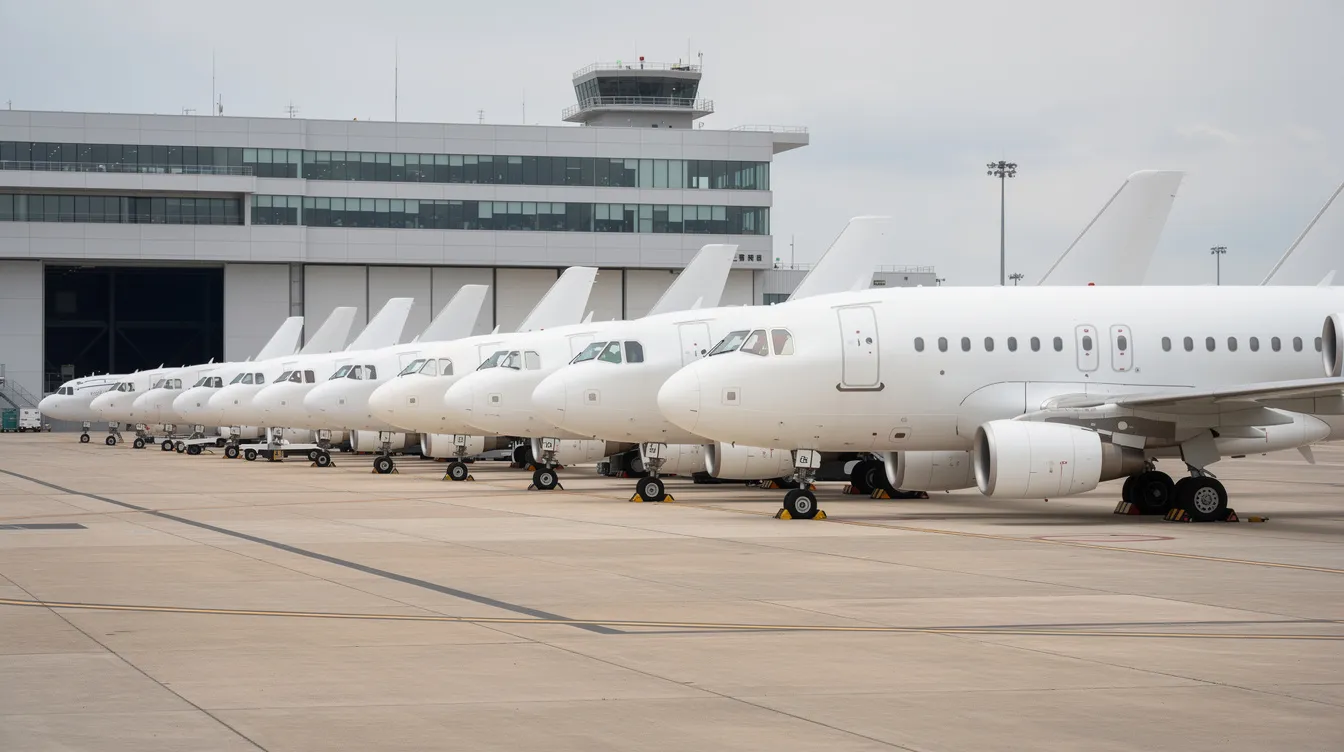
Boeing 737 MAX aircraft typically fly high-frequency short- to medium-haul routes with quick turnarounds and utilization of up to 10–12 hours per day. This high-cycle operation is where the MAX earns its keep for operators.
Deployment examples include:
U.S. domestic: American Airlines and Alaska Airlines use the MAX on dense city-pair routes like New York–Miami and Seattle–Los Angeles.
Europe: Ryanair and Norwegian fly MAX aircraft on intra-European city pairs, often with rapid 25-minute turnarounds.
Regional Asia: Lion Air and Air China deploy the MAX across Southeast Asian and domestic Chinese routes where fuel costs and capacity matter most.
The MAX's range also allows for certain longer routes-such as transcontinental U.S. flights or deeper intra-Asia sectors-that used to require larger aircraft. This flexibility expands how and where operators deploy the plane and invites comparison with earlier narrowbodies like the Boeing 737-800 on similar missions.
Airlines standardizing on MAX aircraft can tightly optimize crew rosters, maintenance planning, and spare-parts inventory to keep more of their fleets flying at all times. But high utilization also means that even a single grounding event can temporarily affect many daily flights when a subset of the fleet is removed for inspections.
Even years after recertification, some passengers still prefer not to fly on the 737 MAX. The Lion Air and Ethiopian Airlines accidents-and ongoing media coverage-have left a lasting impression on certain segments of the traveling public.
Many commercial booking sites now show the aircraft type before purchase. Some online travel agencies have introduced filters to hide Boeing 737 MAX aircraft from search results for concerned travelers. This transparency gives passengers more control but also highlights how visible the MAX remains as a topic.
Major carriers such as American Airlines and Alaska Airlines have run outreach campaigns, including detailed safety information pages and demonstration events, to rebuild public confidence. Load factor data generally shows that passengers have largely returned, and most routes show no measurable drop in demand tied to aircraft type.
Still, niche segments-especially business travelers and high-net-worth individuals-are more likely to actively choose alternatives. For those travelers, Jettly can help by arranging private-jet charters that avoid specific commercial aircraft types altogether, offering turboprops, light jets, or heavy jets matched to the route and the client's comfort level and aligned with guides on how to buy a seat on a private jet and getting a seat on a private jet easily.
The 737 MAX is optimized for low cost per seat and wide network coverage. Private charters prioritize schedule control, privacy, and airport flexibility. These are fundamentally different value propositions, and many travelers weigh both depending on the trip, especially when comparing the best private jet charter companies or a NetJets alternative like Jettly against mainstream airlines.
Here is a quick comparison:
|
Factor |
737 MAX (Commercial) |
Private Jet Charter (Jettly) |
|---|---|---|
|
Boarding time |
45–90 minutes before departure |
15 minutes or less |
|
Security process |
Standard TSA / airport screening |
Streamlined FBO check-in |
|
Aircraft choice |
Assigned by airline |
Selected by traveler |
|
Airport access |
Major hubs only |
5,000+ airports including small fields |
|
Schedule |
Fixed timetable |
Fly on your schedule |
|
Connection risk |
Possible layovers and delays |
Nonstop point-to-point |
Some Jettly clients specifically choose private jets to avoid particular commercial aircraft types or crowded hub airports, especially when traveling with family or VIP teams. Jettly offers instant pricing across thousands of private charter aircraft-from light jets and turboprops to long-range business jets-allowing travelers to bypass the 737 MAX altogether when desired.
Jettly is a digital private jet charter marketplace that lets travelers view and compare individual aircraft options, including operator credentials and safety standards. The platform sources flights only from regulated operators that meet civil aviation authority requirements, similar to how airlines operating the Boeing 737 MAX must satisfy FAA and international regulations, and works exclusively with compliant Part 135 charter companies in applicable markets, including partner operators like Dexter Air Taxi.
Jettly's team can help clients request specific aircraft categories-avoiding certain commercial models, including the 737 MAX, and instead flying on midsize jets, heavy jets, or turboprops. Its airport locator tool, transparent pricing, and real-time availability make it straightforward for travelers who are uneasy about a particular aircraft type to see private alternatives for the same route.
For those new to private aviation, Jettly's platform walks users through how to charter a private jet, including choosing aircraft, reviewing charter operator credentials, and understanding costs, while its flexible private jet memberships and Jet Card programs help frequent flyers structure their charter use. Learn more about Jettly's charter options at https://www.jettly.com.
One reason airlines continue expanding their in-service 737 MAX fleets is the aircraft's fuel efficiency relative to previous generation 737 models. Boeing markets the MAX as offering roughly 15–20 percent lower fuel burn and CO2 emissions per seat than the 737-800, driven by CFM LEAP-1B engines, aerodynamic improvements, and updated systems.
Quieter operations-about a 50 percent smaller noise footprint than the 737 NG-make the MAX more acceptable at noise-sensitive airports across Europe and Asia, contributing to its broad deployment.
Private jets typically carry far fewer passengers per flight, but many operators accessible on Jettly pursue operational efficiency through modern fleets and carbon offsetting options. Travelers comparing commercial 737 MAX flights with private charter should weigh both time savings and environmental considerations, as well as the full picture of how much a private jet costs or a jet card flight cost estimate, potentially offsetting emissions when flying privately through available programs.
Passengers can usually see the aircraft type before booking and again in their booking confirmation, whether they are considering regional hops or longer journeys where private jets can also fly internationally. Here is how to check:
Airline websites: Major carriers like American Airlines, United Airlines, Alaska Airlines, and Lion Air display the aircraft type (e.g., "Boeing 737 MAX 8" or "737-8") in flight search results and on e-tickets.
Online travel agencies: Many metasearch platforms now include aircraft-type labels and, in some cases, filters that let travelers avoid or select flights using Boeing 737 MAX aircraft.
Flight-tracking apps: Tools like Simple Flying's fleet trackers or FlightAware show the registered aircraft type for a given flight number.
Route research: Some routes are consistently served by specific aircraft. Checking historical data can help predict whether a MAX will be used.
Travelers who want to avoid a MAX entirely can combine these tools or choose airlines and routes where the type is less common. Alternatively, Jettly clients can request aircraft category preferences in advance and know exactly what type of business jet or turboprop will be used before confirming a charter, using tools such as Jettly's private jet charter cost estimator and drawing on guidance similar to a comprehensive guide to affordable aeroplane rent when weighing options and budgets.
With thousands of additional orders in backlog, the 737 MAX is likely to remain a mainstay of global short-haul travel for the next two decades. Airlines will rely on the type to replace aging 737 NG and Airbus A320ceo fleets, increase capacity on busy routes, and open new transcontinental or thinner international routes.
Safety improvements and regulatory oversight built into the post-grounding MAX design will shape how future single-aisle programs are certified and monitored. For passengers, the large in-service fleet means the type will be difficult to avoid on many mainstream routes-even as private jet charter offers an opt-out for those who prefer other aircraft.
Understanding how many 737 MAX aircraft are in service helps travelers make more informed decisions about when to fly commercial and when to consider private charter through platforms like Jettly. As the fleet grows past 2,500 deliveries and heads toward 3,000 in the coming years, having that context matters more than ever.
Ready to experience private travel on your terms? Explore flight options or request a quote at https://www.jettly.com.
Below are answers to common questions not fully covered in the main sections, focusing on safety perceptions, airline specifics, and practical travel decisions.
By late 2026, around 2,483 Boeing 737 MAX aircraft have been delivered and roughly 2,300 to 2,400 are in active commercial service. Only two aircraft have been permanently lost-Lion Air Flight 610 and Ethiopian Airlines Flight 302. The exact number changes monthly as new jets are delivered and as some aircraft enter or exit storage or heavy maintenance.
Southwest Airlines is the largest operator with 207 MAX aircraft. Other major operators include Ryanair, United Airlines, American Airlines, Alaska Airlines, and Air Canada, each with significant in-service fleets. Growth is also coming from Asian and Middle Eastern carriers with large outstanding orders that will boost regional in-service numbers over the coming years.
Yes. Travelers can check aircraft type in airline booking flows, choose carriers or routes that use other aircraft, or use filters on certain booking platforms. Safety regulators have cleared the MAX, but for those who remain uncomfortable, private charter via Jettly offers a straightforward way to choose specific aircraft types and avoid the 737 MAX entirely.
The FAA and other regulators required extensive software changes to MCAS, additional pilot training, and hardware improvements before recertifying the aircraft in late 2020 and 2021. The post-recertification safety record has been closely monitored. While incidents like Alaska Airlines Flight 1282 led to further inspections and oversight, regulators have kept the MAX in service and continue to require Boeing to address production quality concerns.
Passengers often choose private jets for schedule flexibility, privacy, the ability to use smaller airports, and in some cases to avoid specific commercial aircraft types such as the 737 MAX. Options like crowdsourced private jet flights, shared empty seats, and other shared charter flights vs. full charter choices can also lower the cost of entry into private aviation. Jettly's platform lets travelers view different private aircraft options with instant pricing, making it easier to compare a tailored charter against a commercial 737 MAX flight and choose what best fits their comfort and time constraints.
The Boeing 737 MAX remains a pivotal aircraft in global commercial aviation, with over 2,300 jets actively serving airlines worldwide as of late 2026. Despite its complex history, including the grounding and recertification process, the MAX family has established itself as a reliable, efficient, and widely used platform across multiple regions and markets. The introduction of the MAX 7 and MAX 10 variants will further expand the fleet’s versatility and capacity in the coming years.
For travelers and industry observers, understanding the size and scope of the 737 MAX fleet is essential for making informed decisions about air travel. While the aircraft continues to operate under stringent safety regulations and oversight, some passengers may prefer alternatives such as private jet charters offered by platforms like Jettly, which provide greater control over aircraft type and travel experience.
Ready to experience private travel on your terms? Explore flight options or request a quote at https://www.jettly.com.
Share this post:
Jay Franco Serevilla
Oct 27, 2026
|
5
min read
Discover tips and trends in the industry.
5
min read
Cirrus Vision Jet: Guide to the Personal Jet Revolution with Charter Options
The Cirrus Vision Jet revolutionizes personal aviation as the first certified single-engine jet, offering performance and safety features that appeal to owner-pilots and travelers alike. With options for chartering through platforms like Jettly, users can enjoy the benefits of private jet travel without the costs of ownership. Its innovative design, impressive range, and advanced safety systems make it a standout choice for regional flights.
Read More
5
min read
cessna sales
The Cessna sales landscape in 2026 showcases a diverse range of aircraft, from vintage models to modern jets, with buyers increasingly utilizing digital tools and charter services for informed decisions. This guide provides insights into popular models, market trends, and practical steps for evaluating and purchasing Cessna aircraft, ensuring buyers navigate the process confidently.
Read MoreStay updated with our latest insights and tips to elevate your journey with us.
MEMBERSHIPS AND ASSOCIATIONS



Disclaimer: Jettly operates as a charter broker, offering access to a global digital jet charter marketplace. Jettly is not a direct air carrier and does not own or operate aircraft. All advertised flights are conducted by third-party air carriers that are fully licensed and hold the appropriate Part 135 or Part 121 certifications issued by the Federal Aviation Administration (FAA) or equivalent regulatory authorities under U.S. or foreign law. Jettly complies fully with the U.S. Department of Transportation's Part 295 and Part 298 Charter Broker regulations. Jettly does not carry additional liability insurance. Passengers are covered by aircraft operator insurance. TICO: 50023770


