


Login
Get Instant Pricing On 23,000+ Aircraft

>
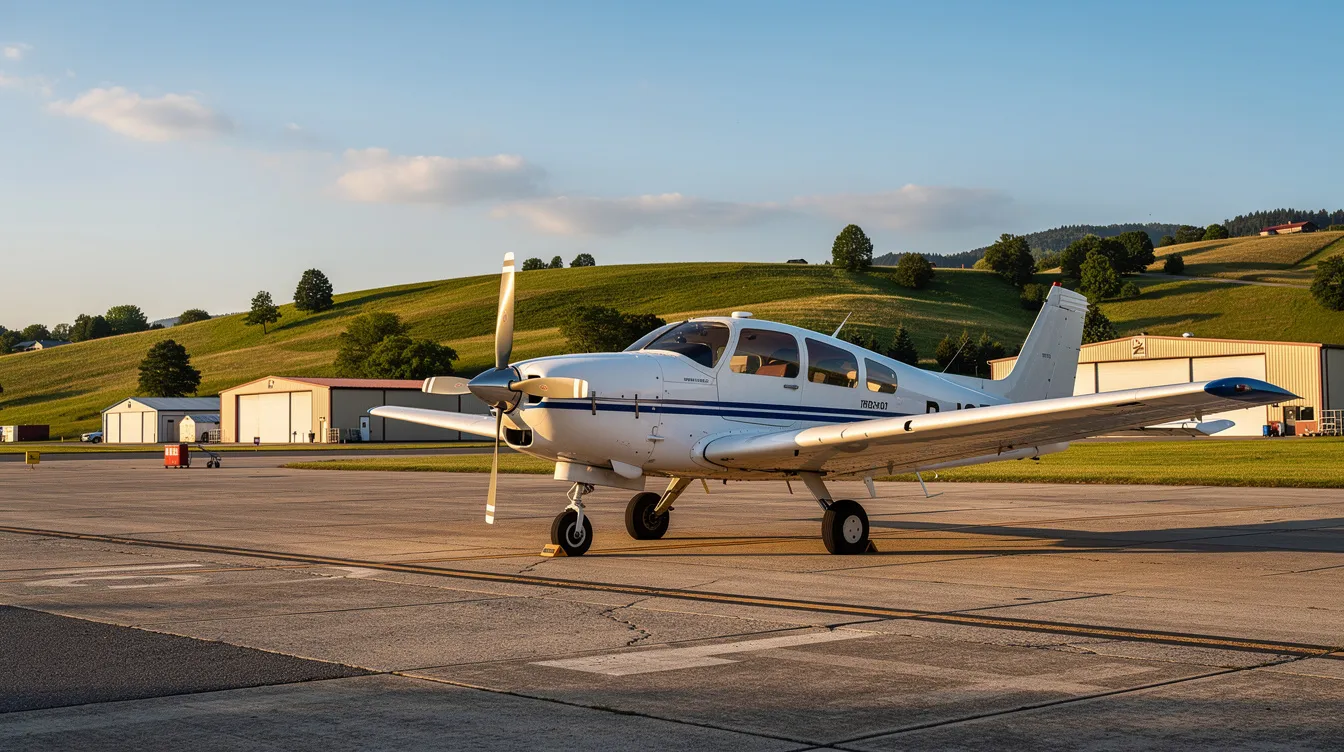
Finding the best small airplanes starts with understanding what each model does well and how it fits a specific trip. A Cessna Skylane handles backcountry strips that turboprops cannot reach. A Cirrus SR22T covers 1,000 nm at 213 knots with a whole-airframe parachute onboard. A light jet like the HondaJet Elite II flies coast-to-coast business routes at 400+ knots. The "best" depends on the mission.
This guide breaks down piston singles, turboprops, very light jets, and light jets, profiles the standout models in each category, and explains how travelers can access them through on-demand charter without the burden of ownership.
The best small airplanes range from proven piston aircraft like the Cessna Skylane and Cirrus SR22 T to fast cruisers like the Mooney Ovation and advanced models such as the Diamond DA50 RG.
These light aircraft cut total trip times by 30–50% on regional routes and can use thousands of smaller airports that airlines do not serve.
Travelers do not need to own a piston single or light jet to benefit. Platforms like Jettly connect them to 20,000+ aircraft on-demand worldwide.
Mission fit - range without fuel stops, passenger count, runway length, budget - matters more than raw speed when choosing the right small plane.
The best small airplanes balance performance, operating economy, and handling simplicity rather than excelling in a single metric.
"Small airplanes" in the context of private aviation span four categories: piston aircraft, turboprops, very light jets (VLJs), and light jets. Each serves a different slice of business and leisure travel, from a weekend family flying trip in a four-seat piston single to a same-day executive round trip in a Citation CJ3+.
The evaluation criteria that matter most include cruising speed (measured in KTAS), real-world maximum range without fuel stops, cabin features and seating, runway performance, modern avionics and safety systems, reliability, and operating cost or charter rate, which travelers can approximate using a private jet charter cost estimator.
Pilots often fixate on top speed or climb rate. But charter travelers care equally about time savings door-to-door, flexible scheduling, and access to airports five minutes from home or the office rather than an hour-away hub. Factors for selecting a small airplane include mission profile, budget, and pilot experience - or, for charter users, simply the route, passenger count, and comfort level needed.
Understanding the four main aircraft categories helps narrow choices quickly.
Piston single-engine aircraft - models like the Cessna 172, Cessna Skylane, and cirrus sr22t - form the foundation of general aviation. Used in flight schools, personal aircraft ownership, and short regional hops, piston aircraft typically cruise at 120–180 knots with ranges of 500–1,000 nautical miles. Light-sport aircraft also fall into this broader group, designed for fun, affordability, and lower operating costs, and they are often featured in guides to affordable aeroplane rent options.
Turboprops such as the Pilatus PC-12 NGX and TBM series bridge piston and jet aircraft. They seat 6–9 passengers, cruise at 260–300 knots, and handle short or unpaved runways - ideal for mixed passenger and cargo missions up to roughly 1,800 nm.
Very light jets like the Cirrus Vision Jet offer 4–6 seats and cruise at 300–400 knots, functioning as personal aircraft with jet speed and advanced safety systems.
Light jets - HondaJet Elite II, Citation M2 Gen2, Cessna Citation CJ3+ - are the fastest small aircraft in this guide. They cruise at 400–450 knots, seat 6–8, and cover 1,300–1,700 nm business routes with premium cabins.
Single-engine piston aircraft remain the backbone of general aviation, balancing fuel efficiency, acquisition cost, and versatility across training, private ownership, and short charter legs. Piston aircraft are ideal for pilot training and personal flying, and they account for the majority of the global general aviation fleet.
These single-engine planes typically seat 2–6 passengers, cruise between 120–200 KTAS, and offer 500–1,000 nm ranges. That makes them suitable for flights like Los Angeles–Napa or Toronto–Muskoka without fuel stops. Budget-friendly options also exist at the entry level: used two-seat trainers like the Cessna 150 and Grumman American AA-1 remain popular stepping stones for new pilots.
The subsections below profile notable models including the Cessna 172 Skyhawk, Cirrus SR22T, Cessna Skylane, Cessna TTx, Mooney Ovation, and Piper M350. The CubCrafters Carbon Cub also deserves mention - it excels in short takeoff and landing capability and is popular for backcountry flying, though it targets a niche audience.
While Jettly's charter mix is dominated by turboprops and jets, select high-performance piston-powered aircraft like the Cirrus SR22T and Diamond DA50 RG appear in certain markets for cost-effective, short-haul missions.
The Cessna 172 Skyhawk and Cessna 182 Skylane are two of the most recognizable single-engine piston aircraft in aviation history. Both are produced by Textron Aviation (Cessna's parent company), and they serve overlapping but distinct roles.
The Cessna 172 Skyhawk has over 44,000 units produced since 1956. It is widely recognized for its forgiving handling and reliability, which is why up to 80% of U.S. primary flight training starts in one. Typical cruise sits around 120 KTAS in a four-seat layout, making it ideal for 300–400 nm hops. Modern avionics such as Garmin G1000 NXi improve aircraft functionality and usability, narrowing the gap between these trainers and more complex platforms.
The Cessna Skylane (182) steps up with roughly 145 KTAS cruise, greater useful load (~1,110 lbs), and better climb performance - about 924 fpm. Its takeoff ground roll of just 795 feet makes it a standout for family flying, backcountry strips, and light business use. A Skylane handles a Denver–Santa Fe hop comfortably, using small regional fields that jets cannot reach. The Cessna T206 Turbo Stationair HD, another small Cessna plane in the family, is known for its durability and cruises at about 161 knots with a six-seat hauling ability that suits cargo and utility roles.
Cirrus Aircraft reshaped the light aircraft market with composite airframes, side-stick controls, and the Cirrus Airframe Parachute System (CAPS) - a whole-airframe parachute that has a documented 95% survival rate across real-world deployments.
The Cirrus SR20 serves as a modern training and entry-level personal aircraft: roughly 155 KTAS cruise, four seats, and a full glass cockpit. It is widely adopted by university programs and advanced flight schools for pilot training.
The Cirrus SR22 and SR22T represent the high-performance end. The SR22 cruises at about 183 KTAS. The turbocharged SR22T cruises at about 213 knots, reaches a service ceiling of 25,000 feet, and delivers a maximum range often exceeding 1,000 nm. Cabin width of 49 inches and Perspective+ avionics with synthetic vision give these planes a luxurious appeal that turns heads among owner-pilots.
Safety technology sets Cirrus apart. Autoland systems - branded "Safe Return" on late-model SR22T configurations - can land aircraft during pilot incapacitation. Combined with CAPS and envelope-protection autopilots, the SR-series ranks among the safest small planes available.
In practice, cirrus sr22t charters serve short regional business travel - Dallas–Santa Fe, Munich–Nice - and some operators list SR-series aircraft on Jettly for efficient performance at lower cost than jet aircraft on routes under 600 nm.
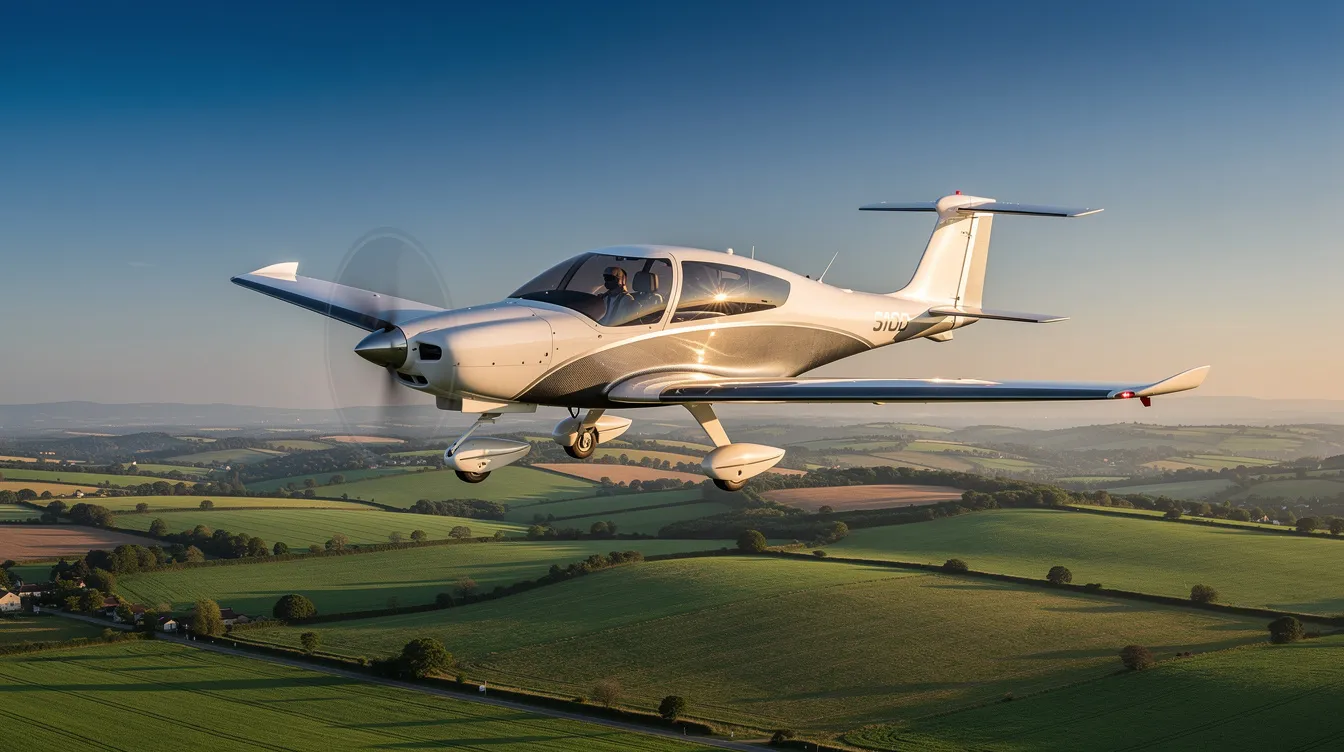
This section focuses on speed-focused single-engine planes - often considered the fastest single-engine planes in real-world general aviation use.
The Mooney Ovation Ultra is a normally aspirated speed leader with cruise close to 197 KTAS. Its efficient performance traces back to the M20 series airframe, and it remains favored by owner-pilots for long, fuel-conscious cross-country flights.
The Mooney Acclaim Ultra is one of the fastest single-engine piston aircraft ever produced. It reaches a top speed of about 242 knots with its turbonormalized Continental TSIO-550-G engine, cruises comfortably above 230 KTAS, and can push maximum range to roughly 1,800 nm with optional long-range tanks. Production pauses mean it is mainly available on the used market, but demand remains strong.
The Cessna TTx (formerly Columbia 400 / Corvallis) is a composite high-performance rival to the cirrus sr22t, offering similar ~230 KTAS-class performance, advanced avionics, and a dedicated following among speed-focused pilots. Textron Aviation discontinued production, yet used models remain popular cross-country tools.
These high-performance singles shine on nonstop 800–1,000 nm trips with limited fuel stops - think Chicago–Denver or London–Málaga. Many pilots still prefer them even after production ended because nothing else in the piston single category matches their speed-to-cost ratio among the cheapest private aircraft options.
Diamond Aircraft builds composite-focused light aircraft that emphasize safety records, cockpit visibility, and fuel efficiency - particularly with diesel engine options.
The Diamond DA40 is a four-seat piston aircraft cruising around 150–155 KTAS. Diamond DA40 has composite construction and is known for excellent fuel efficiency, with options for either Lycoming gasoline or Austro diesel engines. Its safety record is among the best in the aviation industry, and it sees heavy use in flight schools and by private owners globally.
The Diamond DA50 RG is a newer, larger single-engine piston model. The Diamond DA50 RG entered the U.S. market in 2024 after FAA certification in July 2023. It features retractable gear, a five-seat cabin, an all-carbon composite airframe, and a Continental CD-300 jet-fuel (Jet A) engine producing about 300 hp. Maximum cruise reaches roughly 181 KTAS, and the Diamond DA50 RG has a range of over 1,000 nautical miles - a unique blend of efficiency, comfort, and modern design.
The DA50 RG appeals to owner-operators who might otherwise consider the cirrus sr22t or Piper M350. Some DA50 RG aircraft may appear in charter fleets serving niche business and leisure travel routes, and Jettly's platform allows users to filter and compare them against other piston and turboprop options.
Piper Aircraft is a historic light aircraft manufacturer known for Cherokee trainers and step-up high-performance models that serve family flying and business missions, and it regularly appears among the best private plane manufacturers for budget-conscious owners and charter users alike.
Key family and utility aircraft in the lineup include the Piper Cherokee Six / Lance / Saratoga - six-seat piston aircraft with large doors, strong payloads, and cruise speeds around 140–160 KTAS. The Piper Archer, another Cherokee variant, is considered a stable and comfortable option for training and family trips. These models remain popular for air taxi work and personal use.
The Piper M350 ("Malibu Mirage") is a pressurized, high-performance piston aircraft. The Piper M350 cruises at about 213 knots, seats six in pressurized comfort, and bridges the gap between piston aircraft and entry-level turboprops. Its pressurized cabin, de-icing systems, and modern avionics make it a serious cross-country tool for missions up to about 1,000 nm.
Compared to the cirrus sr22t or Mooney Ovation, the M350 offers something none of them can: a pressurized cabin that maintains sea-level air pressure up to roughly 12,000 feet, reducing fatigue on longer flights. The step up from here is the turboprop Piper Meridian (now M500/M600), which adds even more speed and capability.
While many Piper aircraft are owner-operated, some M-class and PA-32 series aircraft are used in regional charter operations accessible via digital platforms like Jettly in select markets.
For travelers and businesses prioritizing speed, pressurization, and cabin comfort on 500–1,800 nm missions, the conversation moves beyond piston aircraft.
Turboprops like the Pilatus PC-12 NGX and TBM series seat 6–9 passengers, cruise around 280–300 KTAS, and can use short or unpaved runways. Turboprops can seat 6–9 passengers and cruise at 260–300 knots, making them charter favorites for regional routes and a staple in comprehensive guides to charter airlines. They also deliver the lowest fuel burn per passenger-mile in the small airplane category.
Very light jets such as the Cirrus Vision Jet offer 4–6 seats and cruise at 300–320 KTAS. Very Light Jets cruise at 300–400 knots and seat 4–6, with integrated CAPS parachute and autoland - ideal for regional executive and family travel.
Light jets - HondaJet Elite II, Citation M2 Gen2, Cessna Citation CJ3+ - deliver pure productivity. Light jets cruise at 400–450 knots and typically seat 6–8 passengers. They handle routes like New York–Miami or London–Geneva with enclosed lavatories, Wi-Fi, and club seating that no piston single can match.
These categories dominate private jet aircraft charter demand on platforms like Jettly, where travelers can instantly compare hourly rates, seating, and range instead of committing millions to ownership.
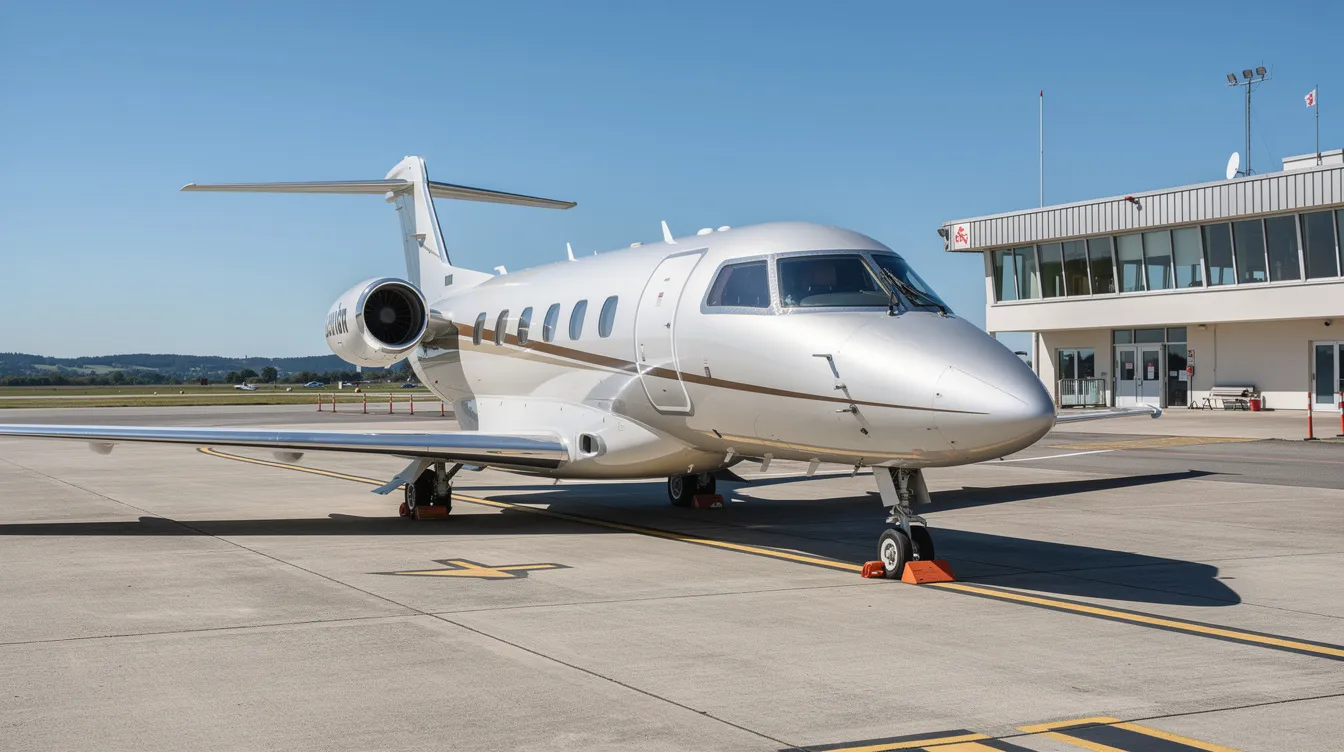
The "best" airplane is mission-specific. A cirrus sr22t might be ideal for 2–3 passengers on a 400 nm hop, while a HondaJet or PC-12 is better for a 1,200 nm business itinerary with six people.
Here is a simple decision framework:
|
Factor |
Piston Single |
Turboprop |
Light Jet |
|---|---|---|---|
|
Best range |
500–1,000 nm |
1,500–1,800 nm |
1,300–1,700 nm |
|
Passengers |
2–4 |
6–9 |
6–8 |
|
Speed |
120–200 KTAS |
260–300 KTAS |
400–450 KTAS |
|
Runway needs |
Short strips OK |
Short strips OK |
Paved, 3,000+ ft |
|
Budget (charter/hr) |
$800–$2,000 |
$2,000–$4,000 |
$4,000–$7,000 |
|
Scenario examples: |
Same-day investor tour (3 cities, 800 nm total): A turboprop like the PC-12 handles the short hops and cargo.
Weekend ski trip (family of 4, 600 nm): A light jet gets there in 90 minutes with ski gear.
Coastal island hop (2 passengers, 250 nm): A piston single or turboprop with short-field capability keeps costs low.
Factors like mission requirements, weather, altitude needs, and desired in-flight amenities (Wi-Fi, galley, enclosed lavatory) all shape the right choice. Jettly's search tools let users enter route and passenger details, locate convenient departure and arrival fields with an airport locator tool, then review a curated list of appropriate aircraft with transparent pricing before committing.
Full ownership suits pilots or companies flying 200–300+ hours per year. Owning a small aircraft makes sense at that volume, but full ownership incurs high upfront and ongoing costs - and the purchase price of used small planes can range widely based on age and equipment, as outlined in detailed guides on how much a private jet costs.
Typical ownership costs for small airplanes:
New piston aircraft: $300,000–$1,150,000 (DA50 RG base price ~$1.15M)
New turboprops: $4M–$7M
New light jets: $5M–$12M
Annual fixed costs: Hangar, insurance, pilot training, inspections, maintenance
Fractional ownership requires a buy-in of $150,000 to $500,000 and still involves scheduling constraints, and anyone considering it should understand the full fractional jet ownership cost breakdown. Chartering small aircraft costs less for those flying under 150 flight hours annually, and charter flights eliminate hangar fees and maintenance scheduling entirely.
On-demand charter via Jettly lets travelers access piston aircraft, turboprops, VLJs, and light jets on a pay-per-trip basis with instant pricing and no jet card or fractional ownership commitment. The platform's digital marketplace covers 20,000+ aircraft worldwide through its private charter aircraft network, with transparent quotes that include positioning and airport fees.
Charter typically wins economically for executives flying 20–50 hours per year, families taking a few long trips annually, or companies testing new routes before investing in their own aircraft.
Safety and environmental impact are central considerations when evaluating the best small airplanes today.
Modern small aircraft feature synthetic vision systems for safety, overlaying terrain, obstacles, and traffic on cockpit displays. Glass cockpits (Garmin G1000/3000, Perspective+) and autopilots with envelope protection are now standard on most new production models. Whole-airframe parachutes enhance safety in modern aircraft - particularly the Cirrus airframe parachute system, which has saved hundreds of lives. Autoland systems can land aircraft during pilot incapacitation, a feature now available on the Cirrus Vision Jet and late-model SR22T.
Pilots complete recurrent training every 6–12 months for safety, and commercial pilot standards apply to all Part 135 charter operations. In the U.S., charter flights operate under Part 135 regulations. In Europe, EASA rules apply. Third-party audits from ARGUS, Wyvern, and IS-BAO add another layer of accountability - and platforms like Jettly prioritize operators who meet these standards.
On sustainability, turboprops often deliver the lowest fuel per passenger-mile on regional routes. Growing use of Sustainable Aviation Fuel (SAF) is reducing emissions across the aviation industry, and Jettly can facilitate carbon offsetting options to help travelers fly with a lighter footprint while still applying tips for booking the cheapest private jet flights.
Charter pricing varies with date, route, aircraft category, and availability. But broad ranges and dedicated guides on affordable private jet charter help travelers plan and compare the cost of chartering a small plane.
Indicative hourly charter cost bands (2025–2026):
|
Category |
Hourly Rate Range |
Typical Seats |
|---|---|---|
|
Piston aircraft |
$800–$2,000 |
2–4 |
|
Turboprop |
$2,000–$4,000 |
6–9 |
|
Light jet |
$4,000–$7,000 |
6–8 |
|
Example routes: |
New York–Boston in a Cirrus SR22T: ~45 min flight, roughly $1,200–$1,800 total vs. 4+ hours door-to-door commercial with connections and security.
Los Angeles–Las Vegas in a HondaJet Elite II: ~50 min, roughly $3,500–$5,000 for up to 5 passengers.
London–Geneva in a Pilatus PC-12: ~1.5 hrs, roughly $5,000–$7,500 with the flexibility to land at smaller Alpine airports.
Cost-optimization strategies: Taking advantage of empty leg flights can also reduce costs significantly when your schedule is flexible.
Select secondary airports with lower fees or consider sharing or crowdsourcing private jet flights to split costs with other travelers.
Stay flexible on departure times.
Use empty legs when available through Jettly for potential 30–50% savings on repositioning flights, and compare them against jet card rates with a jet card flight cost estimator.
Actual quotes come from Jettly's live inventory and reflect real-time aircraft availability on any given date.
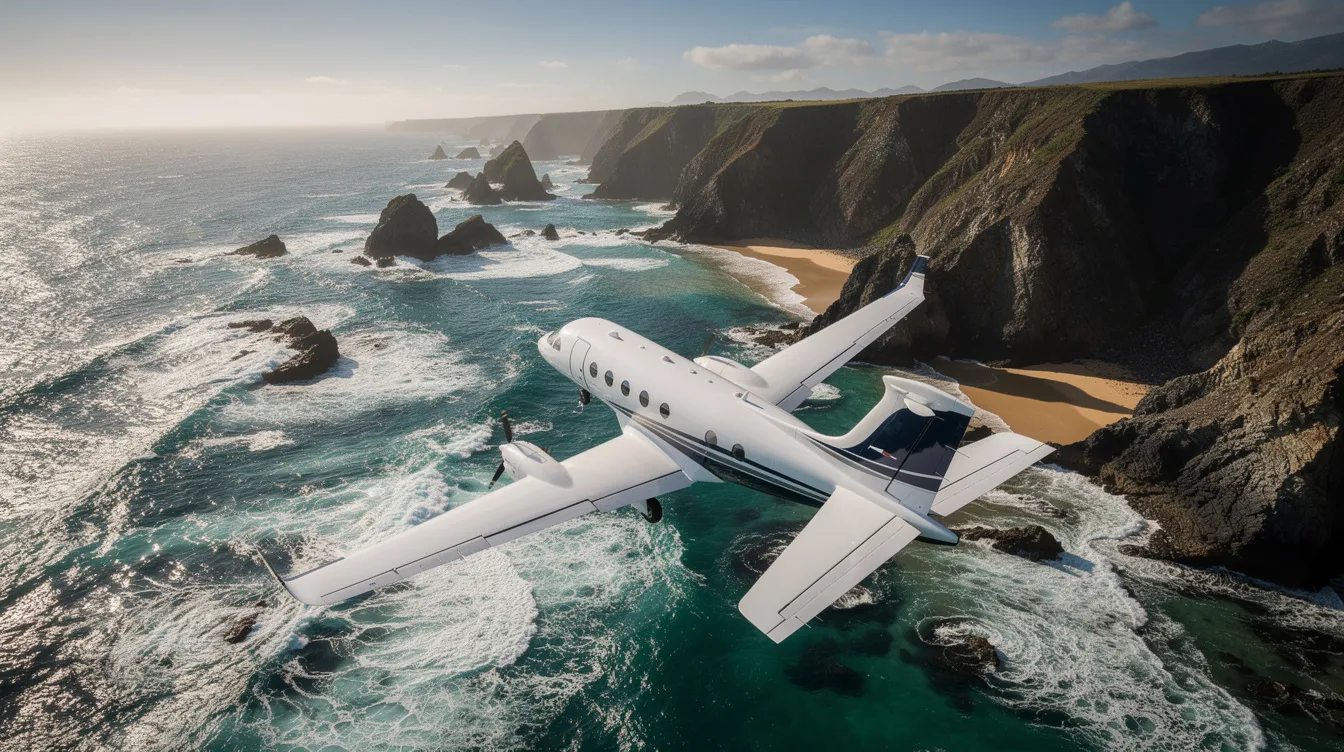
These questions address common concerns not fully covered above, focusing on comfort, logistics, and special-use scenarios.
Cabins on small aircraft are physically smaller than airliners, but the experience is often more relaxing. Turboprops and light jets offer club seating, quiet interiors, and personalized service. Late-generation aircraft like the HondaJet Elite II and Pilatus PC-12 NGX are designed for multi-hour comfort, with stand-up cabins in some configurations. The Piper M350 also delivers pressurized comfort that reduces fatigue over distance. Most charter passengers describe the experience as more private and less stressful than even business class on commercial flights, despite the compact cabin.
Many of the best small airplanes used in charter - particularly turboprops and jets - are certified and equipped for instrument flight, icing conditions, and night operations when flown by professional crews. De-icing systems, advanced weather radar, and redundant avionics are standard on most charter-grade aircraft. Operators maintain strict go/no-go criteria that prioritize safety over schedule. Piston singles used for charter may have more weather limitations, but properly equipped models with TKS ice protection and capable crews can fly safely in a wide range of conditions.
Baggage capacity varies significantly by aircraft type. Turboprops and some light jets handle skis, golf clubs, and multiple large suitcases with ease. The Cessna Skylane offers about 200 lbs and 32 cubic feet of baggage space. Small piston aircraft and VLJs may have tighter limits due to weight and volume restrictions. Always share detailed baggage information during the Jettly booking process so the platform can match the right aircraft to both weight and volume requirements.
Many charter operators allow pets in the cabin on small aircraft, subject to local regulations, carrier requirements, and aircraft size limitations. Unlike commercial flights, there is no need to check a pet into cargo. Travelers should specify pet size, weight, and any crate needs in their Jettly request so operators can approve the flight and advise on any extra cleaning fees or documentation, and frequent flyers may benefit from Jettly's private jet memberships for added flexibility.
Piston aircraft typically have a range of 500–1,000 nautical miles. Turboprops stretch to about 1,500–1,800 nm. Most light jets cover 1,300–1,700 nm nonstop. These figures adjust downward with heavier payloads, headwinds, or routing requirements. Jettly's trip planning factors in conservative reserves and expected winds, so quotes and itineraries reflect practical nonstop distances rather than brochure maximums.
The best small airplanes range from efficient piston singles like the Cessna Skylane and cirrus sr22t to versatile turboprops and light jets such as the Pilatus PC-12 and HondaJet Elite II. Each excels in specific mission profiles - short backcountry hops, fast cross-country legs, or pressurized executive routes spanning 1,500+ nm.
Travelers do not need to own a Cirrus aircraft, Piper aircraft, or Mooney Ovation to benefit from these planes. On-demand charter through Jettly provides flexible access to thousands of aircraft globally, with no long-term commitment.
The key advantages of using Jettly include instant pricing, transparent cost breakdowns, safety-focused operator selection, and the ability to compare multiple aircraft types for each route, positioning it as a compelling NetJets alternative for private flying. Whether the trip calls for a leisure travel weekend in a turboprop or a same-day business round trip in a light jet, the platform handles the complexity so travelers can focus on the destination.
Ready to fly on your terms? Explore flight options or request a quote at https://www.jettly.com.
Share this post:
Jay Franco Serevilla
Jul 29, 2026
|
5
min read
Discover tips and trends in the industry.

5
min read
NYC to Miami Flight Duration: How Long Is the Flight & How to Save Time
Traveling from New York City to Miami typically takes about 3 hours on a nonstop flight, making it a convenient option for both business and leisure travelers. Understanding flight durations and booking strategies can help optimize your travel experience, whether you choose commercial flights or private jet charters. With multiple airlines offering direct services, planning ahead can lead to significant time and cost savings.
Read More
5
min read
Plane Tickets NYC to Miami: Your Complete Guide (Commercial & Private)
This comprehensive guide covers everything you need to know about booking plane tickets from NYC to Miami, including commercial and private flight options. It highlights key airports, airlines, pricing strategies, and tips for finding the best deals. Whether you're traveling for business or leisure, understanding your options can enhance your travel experience.
Read MoreStay updated with our latest insights and tips to elevate your journey with us.
MEMBERSHIPS AND ASSOCIATIONS



Disclaimer: Jettly operates as a charter broker, offering access to a global digital jet charter marketplace. Jettly is not a direct air carrier and does not own or operate aircraft. All advertised flights are conducted by third-party air carriers that are fully licensed and hold the appropriate Part 135 or Part 121 certifications issued by the Federal Aviation Administration (FAA) or equivalent regulatory authorities under U.S. or foreign law. Jettly complies fully with the U.S. Department of Transportation's Part 295 and Part 298 Charter Broker regulations. Jettly does not carry additional liability insurance. Passengers are covered by aircraft operator insurance. TICO: 50023770


