



Login
Get Instant Pricing On 23,000+ Aircraft

>
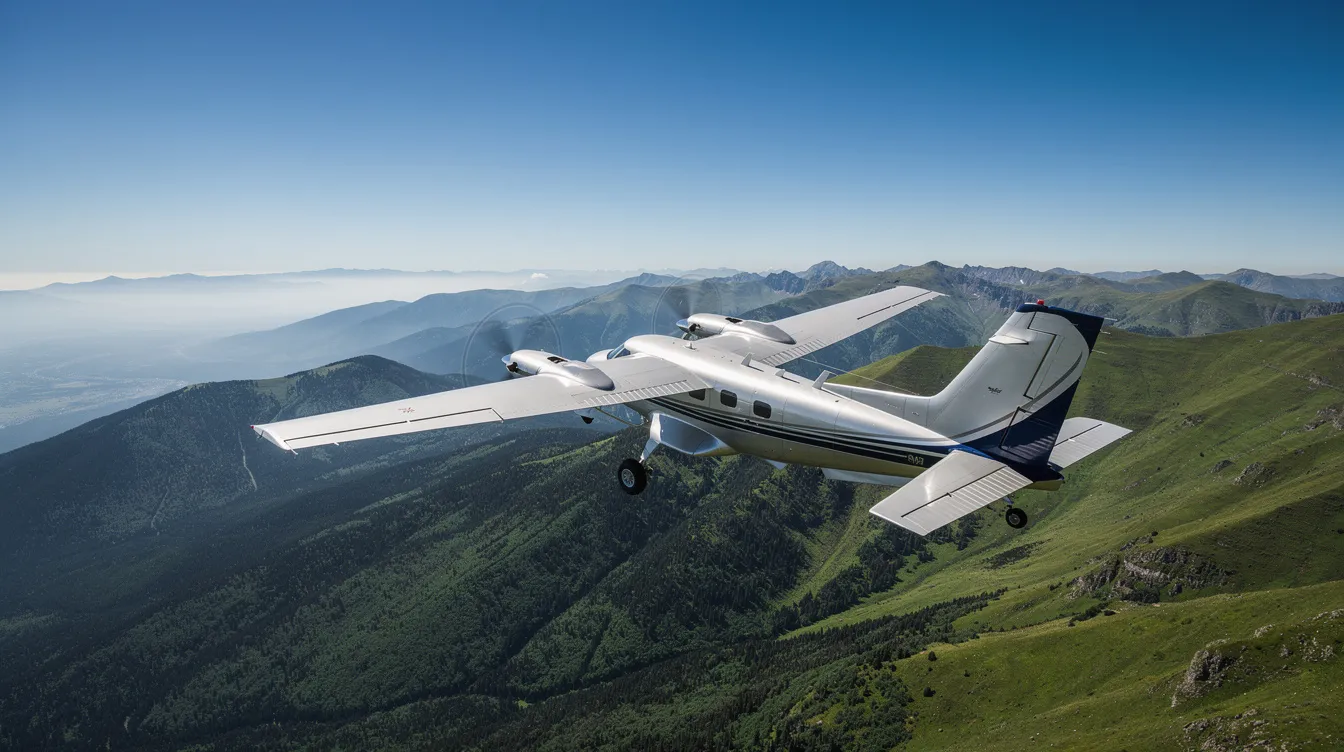
For pilots and frequent private travelers weighing speed, cost, and flexibility for regional business or leisure trips, the fastest single engine plane flying today is the Epic E1000 GX, which reaches about 333 KTAS, while the fastest single engine piston plane is the Mooney M20V Acclaim Ultra at roughly 242 KTAS. This guide is for pilots, private travelers, and aviation enthusiasts interested in the fastest single engine planes and how they compare to private jets. Understanding these aircraft helps travelers and pilots make informed decisions about speed, cost, and flexibility for regional trips. That range now makes single engine aircraft a serious option for corporate executives, high-net-worth individuals, and families who want real-world cruise performance without stepping up to a light jet, and this guide compares the top piston and turboprop contenders, key performance metrics, how they stack up against private jets, plus the ownership-versus-charter tradeoffs that shape the right aircraft for each mission.
A single engine plane is an aircraft powered by one engine, which can be a piston, turboprop, or jet engine. The fastest single-engine planes are high-performance turboprops and turbocharged piston aircraft. Piston aircraft use reciprocating engines similar to those in cars, turboprops use a turbine engine to drive a propeller for greater power and efficiency at higher altitudes, and single engine jets use a jet engine for even higher speeds and altitudes. Each category offers different performance, cost, and operational characteristics, making them suitable for various missions and pilot preferences.
The fastest single-engine planes are high-performance turboprops and turbocharged piston aircraft. The Epic E1000 GX leads certified turboprops at roughly 333 KTAS, while the Mooney M20V Acclaim Ultra tops piston singles at 242 KTAS.
Top speeds of single-engine piston aircraft can reach approximately 242 knots; top speeds of single-engine turboprops exceed 330 knots.
Single engine planes sit between traditional general aviation pistons and light jets on speed, cost, and flexibility, making them practical for regional business travel and family trips.
Cruise speed, not published maximum speed, determines real-world trip time. Factors like altitude, payload capacity, and weather shape actual performance.
Modern cockpits use advanced avionics to enhance flying precision, engine efficiency, and speed management, improving safety and operational control.
Retractable landing gear reduces aerodynamic drag for higher speeds, while lightweight composite materials and aerodynamic cleanliness further enhance speed and climb performance.
Turbocharging allows piston planes to maintain maximum horsepower at higher altitudes, and turboprop engines have significantly higher power-to-weight ratios than piston engines, enabling faster cruise speeds and better high-altitude performance.
A digital charter platform like Jettly private jet memberships lets travelers access fast single engine turboprops and jets on demand, matching aircraft to each mission without the cost of ownership.

The answer depends on the category. Among certified piston singles, the Mooney M20V Acclaim Ultra holds the crown with a maximum cruise speed of 242 KTAS (roughly 278 mph). Step up to single engine turboprops and the Epic E1000 GX is recognized for its high-performance capabilities, reaching about 333 KTAS (383 mph) at altitude rather than near sea level. The fastest single-engine production aircraft are generally turboprops, which benefit from far more powerful engines and cleaner high-altitude aerodynamics.
There is an important distinction between the fastest single engine aircraft ever built and the fastest you can realistically fly or charter today. Experimental racers and military trainers have posted higher numbers, but they lack FAA certification for standard civilian operations and are not available for charter or typical personal use.
When comparing aircraft, cruise speed is the figure that matters for trip planning. Published top speed often reflects a short-duration, best-case scenario at ideal altitude and weight. Cruise speed is what the aircraft sustains over a full flight. On a 500 nm trip, the Acclaim Ultra at 242 KTAS completes the flight in about two hours and four minutes. A very light jet at 380 KTAS does the same in about one hour and 19 minutes. The gap narrows when you factor in airport access and ground time, which is where single engine planes often have an edge.
Speed in a one engine aircraft is shaped by the interplay of power, aerodynamics, and altitude. Raw horsepower matters, but it is only one piece of the equation.
Engine type and power: Engine power significantly influences aircraft speed. A piston engine in a Mooney or Cirrus produces 280–310 hp, while a turboprop engine like the Pratt & Whitney PT6A in the Epic E1000 GX delivers around 1,200 shp. Turboprop engines have significantly higher power-to-weight ratios than piston engines, which is why they cruise so much faster. Turbocharged engines allow piston planes to maintain speed at higher altitudes, preserving maximum horsepower. A jet engine, like the Williams FJ33 in the Cirrus Vision Jet, avoids propeller limitations entirely and sustains thrust efficiently at high altitudes.
Airframe shape and materials: Aerodynamic design reduces drag and enhances speed. Lightweight composite materials enhance speed and climb performance by allowing smoother, more refined shapes than older metal construction. Aerodynamic cleanliness reduces drag and improves speed efficiency, especially above 200 knots where drag rises sharply with airspeed. Retractable landing gear reduces aerodynamic drag for higher speeds, which is why every serious speed contender tucks its wheels away.
Weight and load: Lightweight airframes improve overall aircraft performance. More passengers, baggage, and fuel mean slower climbs and reduced cruise speed. Every pound counts when squeezing out the last few knots.
The difference between top speed, cruise speed, and Vne (never-exceed speed) matters. Vne is a structural safety limit. Top speed is the fastest the aircraft can sustain briefly at optimal altitude. Cruise speed is the sustainable, efficient setting pilots actually use for the duration of a flight.
Propeller-driven general aviation aircraft face a physical wall as blade tips approach transonic speeds, generating noise and drag. Pure jet engines bypass this entirely, which is why even a small jet engine can push a light aircraft past 300 KTAS without the vibration or efficiency losses that limit propeller-powered planes.
High performance single engine piston aircraft compete on cruise speed while staying practical for owner pilots and advanced flight training. These are certified, production aircraft used for personal and business flying, not record-only platforms. High-speed piston aircraft are designed for economical personal and business travel, and their main purpose is rapid transportation using smaller airports.
Turbocharging allows planes to maintain maximum horsepower at higher altitudes, and turbocharged engines maintain better performance at high altitudes. That is why the fastest piston singles in the world all rely on forced induction. Here are the standout models:
Mooney M20V Acclaim Ultra: The Mooney M20V Acclaim Ultra has a cruise speed of 242 KTAS, making it the fastest single engine piston plane in recent production. Powered by a turbocharged Continental TSIO-550-G (280 hp), it reaches FL250 and covers roughly 1,100 nm on standard tanks. Its useful load with full fuel is about 380 lb, so it is best suited for one or two passengers on business hops.
Cessna TTx: The Cessna TTx can cruise at approximately 235 KTAS, backed by a sleek composite airframe and advanced Garmin avionics. The Cessna TTx has a range of approximately 1,250 nautical miles. Production has ended, but it remains popular on the used market. Textron Aviation produced this model as part of the Cessna lineup.
Cirrus SR22T: The Cirrus SR22T has a cruise speed of about 213 KTAS, using advanced technology to support performance, safety, and pilot experience while pairing solid capability with the cirrus airframe parachute system (CAPS). The Cirrus SR22T has a range of approximately 1,021 nautical miles, making it a strong choice for family trips and regional business travel.
Piper M350: A pressurized six-seat piston aircraft with roughly 213 KTAS cruise and strong appeal for high altitude performance cross-country flying. The Piper M350 has a useful load of about 1,300 lbs, giving it real flexibility for passengers and baggage.
Mooney Ovation Ultra and Cirrus SR22: The Mooney Ovation Ultra cruises at about 197 knots as a fast, efficient non-turbo benchmark. The normally aspirated Cirrus SR22 sits in a similar bracket.
Beechcraft Bonanza G36: A classic that remains relevant, the Beechcraft Bonanza G36 has a top speed of about 176 knots-not the fastest, but a trusted platform for comfortable cross-country flying.
Diamond DA40: At the lighter end, the Diamond DA40 cruises at about 154 knots, serving as an efficient trainer and personal aircraft rather than a speed machine.
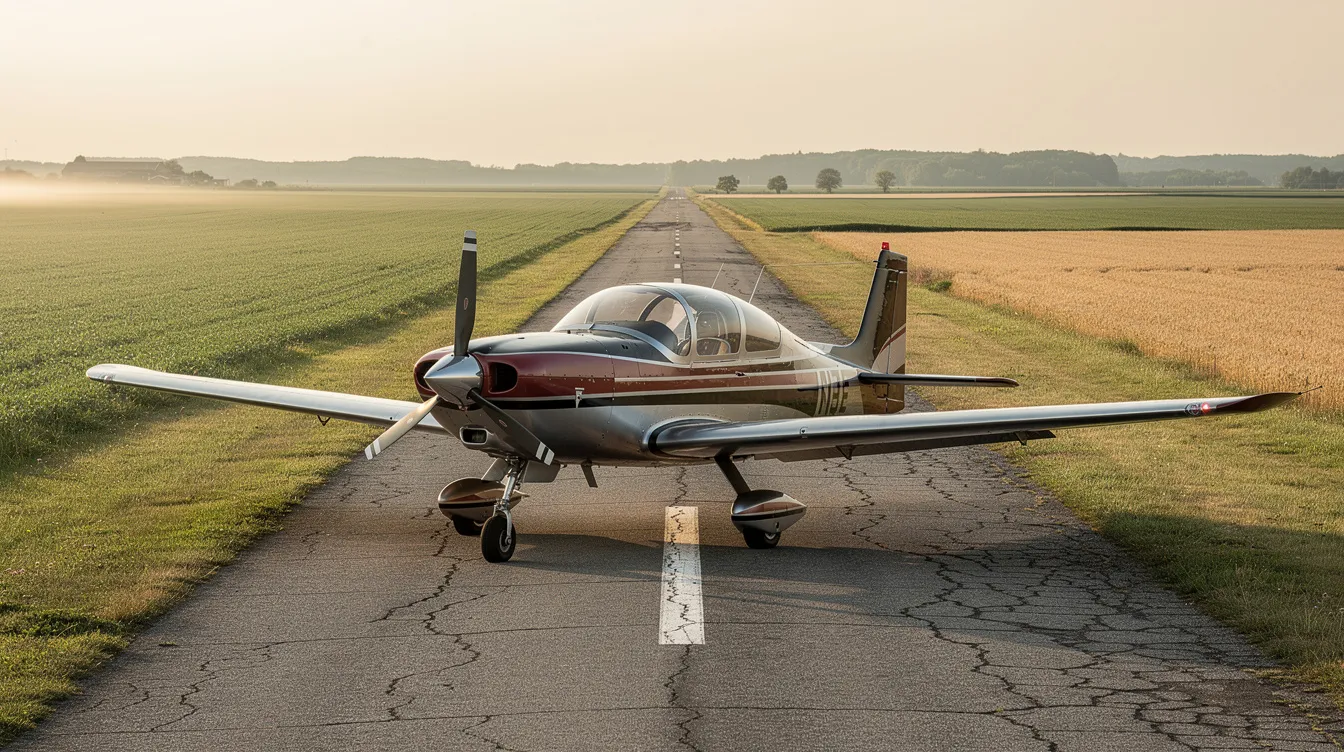
Single engine turboprops represent the next step up from high performance piston singles. They deliver significantly higher cruise speed, faster climb rates, and typical operating altitudes of FL280–FL340. Turboprops and turbocharged piston engines maintain performance in thin air at high altitudes, but turboprops do so with far more power in reserve.
Epic E1000 GX: The fastest certified single engine turboprop in production, with a maximum cruise speed around 333 KTAS. Range reaches approximately 1,550 nm. Powered by a Pratt & Whitney PT6A-67A producing roughly 1,200 shp, it seats up to six passengers in a composite airframe built for advanced aerodynamics and minimal drag.
Daher TBM 960: Cruise speeds approach 330 KTAS, with a range of about 1,440 nm at max speed or 1,730 nm in economy cruise. The TBM 960 features auto throttle, envelope protection, and modern avionics that reduce pilot workload on long flights.
Pilatus PC-12 NGX: At roughly 290 KTAS max cruise, the PC-12 NGX trades some speed for a large, comfortable cabin and oversized cargo door. Range with four passengers stretches to about 1,800 nm. Its PT6E-67XP engine uses full FADEC for precision and exceptional fuel efficiency.
Piper M600/SLS: With a top speed of roughly 274 KTAS and a five-passenger cabin, the M600/SLS bridges the gap between piston aircraft and the largest turboprops. Its emphasis on safety tech appeals to pilots seeking a manageable step into turbine flying.
While still single engine, these turboprops require turbine-specific training and carry acquisition and operating costs closer to smaller jets than to piston singles. Many of them are accessible on demand through charter platforms like Jettly, making their speed available without ownership.

Single engine jets sit at the top of the speed and performance ladder for one engine civilian aircraft.
Cirrus Vision Jet (SF50): The only FAA-certified single engine jet in regular production, the Vision Jet cruises at roughly 311 KTAS with a service ceiling of 31,000 ft. It seats up to seven in a modular cabin and carries the same whole-airframe parachute philosophy as the Cirrus SR22T. It is especially popular among owner pilots upgrading from piston Cirrus models. New aircraft in the G2+ and G3 variants add emergency autoland and improved range of about 1,275 nm.
Multi-engine VLJs for context: The HondaJet and similar very light jets are twin-engine designs, so they fall outside the single engine category. However, they cruise at 400+ KTAS, illustrating where single engine performance currently ends and twin-engine territory begins.
Interestingly, the fastest single engine turboprops like the Epic E1000 GX actually outpace the Vision Jet in raw cruise speed. The differences show up in fuel burn, runway requirements, and cabin feel. From a traveler's perspective, choosing between a single engine jet and a fast turboprop via charter often comes down to budget, airport access, and personal preference rather than a dramatic speed gap.
Picking the fastest single engine aircraft for real-world use means looking past the headline top speed figure. Several metrics shape actual trip performance.
Cruise speed at operating altitude: Why cruise speed at typical operating altitudes matters more than maximum is simple: most pilots fly at economy or high cruise settings, not full throttle. Turbocharging and pressurization allow aircraft like the Mooney Acclaim Ultra or Cirrus SR22T to maintain high cruise speeds at altitude where thinner air reduces drag. Modern cockpits use advanced avionics to enhance flying precision and engine efficiency, and modern avionics enhance speed management and safety across all categories.
Range and fuel efficiency: There is a direct trade-off between flying faster and higher fuel burn per hour. A TBM 960 at 330 KTAS burns significantly more fuel than at its 252 KTAS economy cruise, but covers 1,440 nm versus 1,730 nm. On a 700 nm route, the faster setting saves about 25 minutes but burns more fuel. A slightly slower but more efficient setting might yield a similar door-to-door time if it eliminates a fuel stop.
Payload and useful load: Passenger count, baggage, and fuel capacity interact directly. A fastest single engine plane with a limited useful load-like the Acclaim Ultra's 380 lb with full fuel-might require compromises when carrying a full family or team. The Piper M350's 1,300 lb useful load handles more passengers and gear comfortably.
Beyond numbers, speed matters for operational reasons. Faster planes can reduce travel time significantly. Speed allows access to farther airports in less time. High-speed aircraft can handle tough weather better because they spend less time in adverse conditions. Faster planes improve overall operational flexibility, and speed enhances the excitement and fun of flying for pilots and passengers alike.
The decision between buying a high performance aircraft and chartering one depends on how often you fly and what missions you run. Owner pilots who fly 200+ hours per year on predictable routes may justify ownership. Travelers who need fast private aircraft a few times per month often find on-demand private charter more practical.
Ownership considerations:
Fast piston singles like the Acclaim Ultra or Cessna TTx cost roughly $800,000–$1.5M on the used market. Turboprops run $2M–$5M+. The Cirrus Vision Jet lists around $3.5–$4M for a new aircraft.
Ongoing expenses include hangar fees, insurance, maintenance, engine reserves, and for turbine aircraft, significantly higher inspection costs.
Training and experience requirements scale with performance. Turbine and jet type ratings require dedicated flight training and recurrent checks that add cost and time.
How charter changes the equation:
Platforms like Jettly provide access to a wide range of fast aircraft-from a Cirrus SR22T to a TBM, PC-12, or light jet-on demand without capital commitment, while also explaining how private jet charter pricing works.
Transparent, instant pricing and tools like a jet card flight cost estimator let travelers compare the cost of chartering a PC-12 versus a light jet on the same route.
Flexibility to pick aircraft category based on each mission: a short regional hop, a cross-country business trip, or a seasonal family vacation, especially for travelers using structured jet card programs.
Consider a business traveler flying Los Angeles to Las Vegas (about 200 nm), who might otherwise compare legacy fractional options like NetJets fractional ownership. A fast turboprop charter gets there in under 50 minutes, uses smaller general aviation airports, and avoids the overhead of jet ownership. For a Toronto–New York corridor (roughly 350 nm), chartering a TBM 960 or similar turboprop delivers jet-like speed with access to airports closer to city centers, and similar logic applies when evaluating international private jet flights.
Even the fastest single engine aircraft usually cruise slower than midsize and large business jets. But on short sectors, fast turboprops and single engine jets can match or exceed some very light jets in total door-to-door time.
Three factors shape real-world travel time beyond cruise speed:
Airport access: Fast single engine planes can use smaller airports closer to city centers or final destinations, cutting ground transport time that often exceeds the flight itself.
Ground handling: Private aviation eliminates commercial security lines, lengthy boarding, and taxi delays. Smaller aircraft at quieter airports amplify this advantage.
Cruise speed differences on typical legs: Over a 500 nm route, a TBM 960 at 330 KTAS arrives about 25 minutes after a light jet at 420 KTAS. Factor in the turboprop's ability to use a closer airfield using tools like an airport locator platform, and the gap shrinks to minutes.
Where single engine aircraft excel: Regional missions where runway length is limited-remote resorts, secondary business airports, or island runways. Missions where fuel efficiency and cost-per-mile matter more than shaving a few additional minutes.
Where twin-engine jets dominate: Long-haul routes above 1,500–2,000 nm, flights requiring higher cruise altitudes, larger cabins, or more passengers. Jets offer clear advantages on transcontinental or international legs.
Jettly's marketplace allows customers to compare fast single engine turboprops and jets with side-by-side pricing, helping balance speed, cost, and comfort for each trip.
This section is a practical guide for both pilots considering ownership and charter customers deciding which aircraft type to book. Stay tuned to the factors that actually drive the right choice.
Key decision factors:
Trip length: Short hops under 300 nm favor fast pistons. Regional flights of 300–800 nm are the sweet spot for turboprops. Longer legs above 800 nm often justify a light aircraft with jet propulsion or a larger jet.
Passenger count and baggage: Two passengers with carry-ons fit a Mooney. Four to six with golf bags need a PC-12 or larger.
Airport options: Runway length, surface type, and local infrastructure at both ends of the trip determine which aircraft can operate.
Budget: Piston charters cost significantly less per hour than turboprops, which cost less than jets. The right choice balances time saved against dollars spent, and understanding the full cost of private jet travel helps frame that decision.
Comfort: Cabin size, pressurization, in-flight catering through services like Jettly Eats in-flight catering, and Wi-Fi requirements vary widely across categories.
Quick profiles:
An entrepreneur flying weekly 400–600 nm trips: a TBM or PC-12 via charter delivers speed, a comfortable cabin, and access to smaller fields without ownership burdens.
A family making seasonal vacations of 300–500 nm: a Cirrus SR22T or similar piston charter balances cost and speed for three to four passengers.
A corporate team of 6–8 people with luggage: a larger turboprop or light jet charter from one of the top private jet charter companies is more efficient, even if slightly more expensive per hour, because it avoids multiple legs or cramped seating.
Jettly's digital tools-instant quotes, aircraft filters, and global inventory-make it straightforward to align aircraft choice with each mission's priorities rather than defaulting to a single fastest aircraft.
Below are common questions about speed, safety, and charter access for fast single engine planes.
Not necessarily. While speed matters, factors such as runway length, weather conditions, passenger count, and cost per hour often make a slightly slower turboprop or light jet more practical. A PC-12 NGX at 290 KTAS may be a better fit than an Epic E1000 GX at 333 KTAS if the destination has a short runway or the trip requires a larger cabin, even after considering the overall cost of owning or chartering private aircraft.
On Jettly, customers can compare several aircraft options for the same itinerary to see how minor speed differences stack up against price and cabin comfort, using guides to charter airlines and private operators for additional context. The fastest option is not always the most efficient or cost-effective, and many travelers find Jettly a compelling alternative to large providers like NetJets.
Modern high performance aircraft like the Cirrus SR22T, TBM 960, and PC-12 NGX are certified under strict FAA and international regulations. They are equipped with advanced avionics, autopilots, terrain awareness systems, and in some cases whole-airframe parachutes. Pilots fly safely in these aircraft because manufacturers engineer them to operate within defined speed and structural margins.
In charter operations arranged through platforms like Jettly, aircraft and crews must meet commercial safety standards. This includes proper licensing, regular maintenance oversight, and insurance coverage, the same standards highlighted when evaluating the best private jet charter companies. The safety profile of a well-maintained, professionally operated single engine turboprop is comparable to that of many light jets in the charter fleet.
Many Mooney and Cirrus aircraft are privately owned, but some do operate under commercial charter certificates, especially in markets focused on on-demand regional travel. Availability depends on location and operator.
On Jettly, users can search by aircraft type or performance category, or focus on options that let them buy a single seat on a private jet. The platform's inventory includes fast piston singles, turboprops, and jets for different missions. A specific tail number or rare model may not be available in every region, but comparable high performance alternatives are typically accessible through the platform's network of over 20,000 aircraft, and there are many ways to get a seat on a private jet easily.
Cruise speed is airspeed through the air mass, while groundspeed is what determines actual travel time. A 30-knot headwind reduces groundspeed by 30 knots regardless of aircraft type, but a faster aircraft absorbs that penalty proportionally better. For example, a turboprop cruising at 330 KTAS into a 30-knot headwind still covers ground at 300 knots. A piston single at 213 KTAS drops to 183 knots-a larger percentage loss.
On a 500 nm route with a 30-knot headwind, the turboprop arrives in about one hour and 40 minutes. The piston single takes roughly two hours and 44 minutes. That is over an hour of difference, illustrating how a higher cruise speed compounds its advantage in adverse wind conditions. Most pilots factor prevailing winds into route planning, making cruise speed one of the most important variables for long distances.
Jettly's platform lets travelers enter route, date, and passenger details to instantly view available aircraft-including fast single engine turboprops, piston aircraft, and jets-along with transparent pricing and tips for booking the cheapest private flights. The private jet cost calculator helps estimate charter flight pricing before booking, and travelers willing to share aircraft can further reduce costs by using crowdsourced private jet flights and shared seats.
Ready to experience private travel on your terms? Explore flight options or request a quote at https://www.jettly.com, whether you need a private jet charter in Chennai, a private jet charter in Kolkata, or tailored private flights to New Delhi.
The fastest single engine planes today, from the turbocharged Mooney M20V Acclaim Ultra piston aircraft to the high-performance Epic E1000 GX turboprop, demonstrate how advanced engineering delivers impressive speed, range, and efficiency. These aircraft offer a compelling middle ground between traditional piston planes and light jets, making them ideal for regional business travel and family trips where time savings, airport access, and operational flexibility matter. Whether choosing ownership or on-demand charter through platforms like Jettly, travelers can access these fast, efficient aircraft tailored to mission needs without the complexity and cost of larger jets. Understanding key performance metrics such as cruise speed, range, and payload enables smarter decisions that balance speed with comfort and budget. As technology evolves, fast single engine planes continue to expand the possibilities of private aviation, offering a practical, cost-effective way to fly farther and faster on your terms.
Ready to experience private travel on your terms? Explore flight options or request a quote at https://www.jettly.com.
Share this post:
Jay Franco Serevilla
Jul 19, 2026
|
5
min read
Discover tips and trends in the industry.

5
min read
Havasu Falls Helicopter Price: Costs, Schedule, and How to Book in 2026
Planning a trip to Havasu Falls in 2026? The helicopter service offers a quick alternative to the challenging hike, costing approximately $300 one-way. Flights operate on select days and are first-come, first-served, so early arrival is essential. Remember, a valid permit is required for all visitors to access the falls.
Read More
5
min read
How Long Does It Take to Get a Helicopter License? Timeline, Training, and Costs
Becoming a helicopter pilot can take anywhere from 2 months to 2 years, depending on the type of license and training frequency. A private pilot license typically requires 40 flight hours, while a commercial license demands 150 hours. Factors such as training intensity, weather conditions, and flight school choice significantly influence the timeline and costs involved.
Read MoreStay updated with our latest insights and tips to elevate your journey with us.
MEMBERSHIPS AND ASSOCIATIONS



Disclaimer: Jettly operates as a charter broker, offering access to a global digital jet charter marketplace. Jettly is not a direct air carrier and does not own or operate aircraft. All advertised flights are conducted by third-party air carriers that are fully licensed and hold the appropriate Part 135 or Part 121 certifications issued by the Federal Aviation Administration (FAA) or equivalent regulatory authorities under U.S. or foreign law. Jettly complies fully with the U.S. Department of Transportation's Part 295 and Part 298 Charter Broker regulations. Jettly does not carry additional liability insurance. Passengers are covered by aircraft operator insurance. TICO: 50023770


