


Login
Get Instant Pricing On 23,000+ Aircraft

>
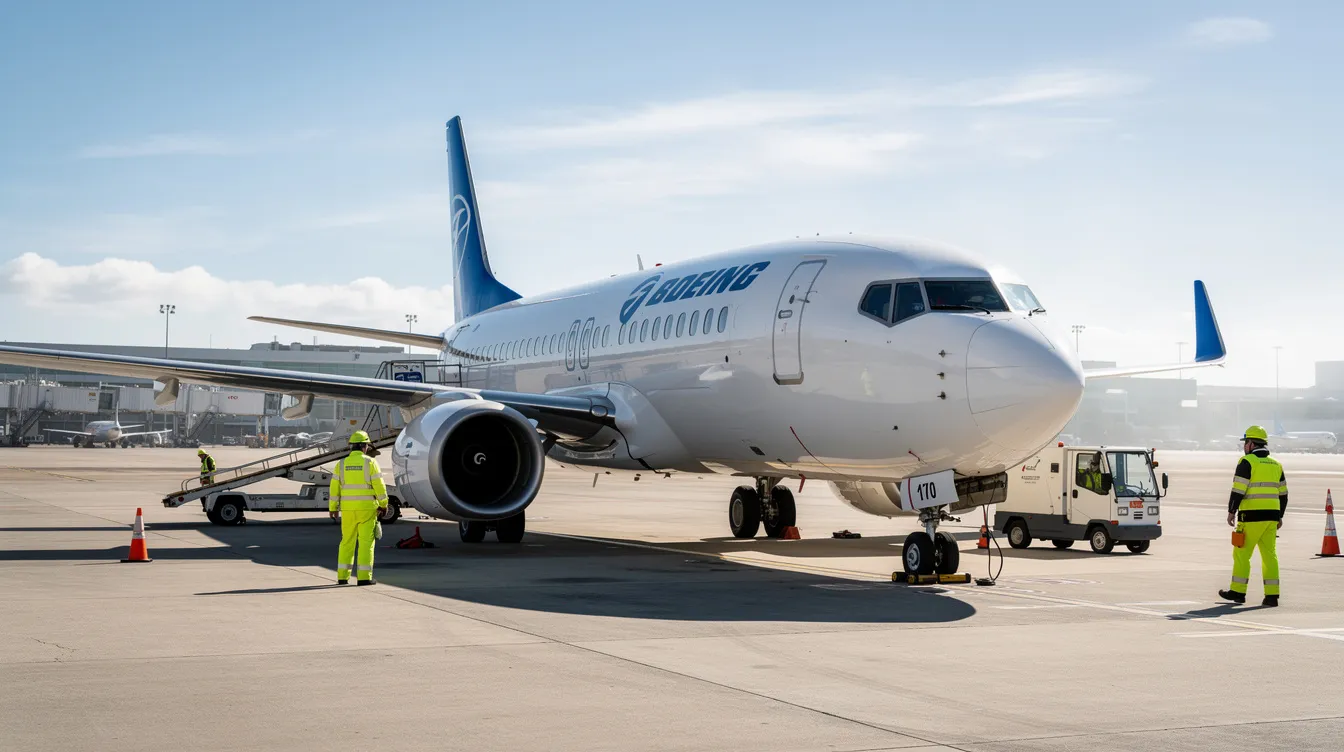
The Boeing 737 is the most-produced commercial jetliner in history, and understanding its Boeing 737 seat capacity is essential for anyone comparing travel options. This article is designed for travelers, aviation enthusiasts, and airline planners who need to make informed decisions about flight options, fleet planning, or simply want to understand how aircraft seating impacts comfort, efficiency, and travel experience. Across four generations and more than a dozen variants, this single-aisle aircraft can carry anywhere from about 85 to 230 passengers, depending on the model, cabin layout, and airline configuration.
But raw seat counts only tell part of the story. How airlines configure their cabins, what engines power the aircraft, and how passenger comfort is balanced against density all play a role in the final number of seats on board.
Seat capacity refers to the number of passengers a Boeing 737 can carry, and this number varies by model and generation in the Boeing 737 family. Understanding seat capacity is key for comparing aircraft, planning travel, and evaluating airline choices.
This guide breaks down the seating capacity of every major 737 variant, explains the technical factors that shape those numbers, and explores when travelers might benefit from looking beyond commercial aviation entirely.
The Boeing 737 family seats 85 to 230 passengers depending on generation, variant, and cabin layout. Passenger capacity varies by model and generation in the Boeing 737 family, and airline choices matter as much as certified maximums.
The Boeing 737-800 typically seats 162 to 189 passengers and remains the most popular variant in the Next Generation series. The 737 MAX 8 carries between 162 and 200 seats, while the 737 MAX 10 can seat up to 230 passengers in high-density configurations.
Next Generation Boeing 737 models seat between 108 and 220 passengers. MAX series Boeing 737 models seat between 138 and 230 passengers.
Airline configurations may reduce published seating capacities for Boeing 737 models. Whether an airline chooses economy class throughout or a two-class layout with premium seating, the result can shift total seat count by 20 to 50 seats on the same airframe.
Newer 737 MAX aircraft pair higher passenger capacity with fuel-efficient engines that reduce fuel consumption per seat, making dense layouts economically attractive for carriers focused on short-haul routes and medium-haul routes.
While a commercial 737 maximizes seating capacity for large-scale operations, private jets typically carry 4 to 16 travelers in spacious, flexible cabins. Platforms like Jettly offer a wide selection of private charter aircraft as an alternative for those who prioritize personal space and schedule control over seat count.
A Boeing 737 can seat roughly 85 to 230 passengers. The exact number depends on the generation, the specific variant, and whether the airline uses a single-class or two-class configuration. Boeing 737 passenger capacity ranges from roughly 85 to 240 seats when accounting for every possible layout across all variants.
Here is a summary of typical seating configurations by variant:
|
Variant |
Two-Class (Typical) |
All-Economy / Max Density |
|---|---|---|
|
737-100 |
~85–100 |
~100 |
|
737-200 |
~100–115 |
Up to 130 |
|
737-300 (Classic) |
~128–140 |
Up to 149 |
|
737-400 (Classic) |
~146–160 |
Up to 168 |
|
737-500 (Classic) |
~108–125 |
Up to 132 |
|
737-600 (NG) |
~108–123 |
Up to 132 |
|
737-700 (NG) |
~126–149 |
Up to 189 |
|
737-800 (NG) |
~160–175 |
Up to 189 |
|
737-900/900ER (NG) |
~175–195 |
Up to 215–220 |
|
737 MAX 7 |
~135–160 |
Up to 172 |
|
737 MAX 8 |
~162–180 |
Up to 200 |
|
737 MAX 9 |
~175–195 |
Up to 220 |
|
737 MAX 10 |
~188–204 |
Up to 230 |
The 737-100 typically seats around 100 passengers, while the 737-200 can accommodate up to 130 passengers. Classic series Boeing 737 models seat between 110 and 168 passengers. As of July 2026, 17,507 units of the 737 have been ordered, reflecting the enormous demand for this aircraft across commercial aviation.
Certified maximums are governed by emergency exit regulations, which can limit maximum seating capacity on Boeing 737 models. Most airlines choose lower seat counts to maintain passenger comfort and smooth passenger service flow.
All Boeing 737 models share a similar fuselage width and a 3-3 seating configuration in economy class. What changes between generations is fuselage length, wing design, and engine technology, which directly influence passenger capacity, range, and operating economics.
The 737 family has evolved through four distinct generations:
|
Generation |
Variants |
Era |
|---|---|---|
|
Original |
737-100, 737-200 |
1960s–1980s |
|
Classic |
737-300, 737-400, 737-500 |
1980s–2000s |
|
Next Generation |
737-600, 737-700, 737-800, 737-900ER |
1997–present |
|
737 MAX |
MAX 7, MAX 8, MAX 9, MAX 10, MAX 200 |
2017–present |
Each generation series introduced design updates that allowed airlines to increase capacity without proportionally raising fuel burn. Longer fuselages added seat rows. Blended winglets and advanced technology in avionics reduced drag. More powerful, fuel-efficient engines like the CFM56 and LEAP-1B enabled heavier payloads over longer routes.
The 737 Next Generation and 737 MAX families form the backbone of many airline fleets as of the mid-2020s, so most current capacity discussions focus on these models. For a broader perspective on how aircraft of different sizes compare, see Jettly's guide to the size of planes.
While increasing capacity per flight supports airline economics, private aviation platforms like Jettly focus on optimizing comfort and flexibility for smaller groups, where cabin space matters more than seat count.
The first 737-100 was rolled out on January 17, 1967, marking the beginning of what would become the most successful commercial aircraft family ever built. Lufthansa was the first airline to operate the 737-100, entering service with the type in early 1968.
Original Boeing 737 models seat between 85 and 130 passengers:
The 737-100 carried approximately 85 to 100 passengers in an early two-class layout.
The 737-200, a stretched version, could accommodate up to 130 passengers in high-density all-economy configurations, or roughly 100 to 115 in two-class seating.
The 737-200 entered service in April 1968 with United Airlines, which helped drive demand for the larger variant on US domestic routes. United Airlines played a key role in establishing the 737 as a workhorse for shorter range operations.
These early jets used Pratt & Whitney JT8D engines, which were less fuel efficient and considerably louder than later CFM56 and LEAP engines. That limited the economic benefits of adding more seats and restricted the aircraft to shorter routes.
Most 737-100 and 737-200 aircraft are now retired from commercial service, but they established the six-abreast, single-aisle aircraft seating standard that every subsequent Boeing 737 still uses today.
The Boeing 737 Classic series entered service in the 1980s, bringing increased passenger capacity, CFM56 engines, and improved avionics compared with the Originals. These aircraft served as the bridge between the early jets and the modern NG series.
Typical capacities for each Classic model:
The 737-300 typically seats 149 passengers in a standard layout, with two-class configurations running around 128 to 140 seats.
The 737-400, a longer fuselage variant, seated 146 to 168 passengers depending on layout. It was optimized for higher-density trunk routes.
The 737-500, the smallest variant in the Classic lineup, carried 108 to 132 passengers and was designed for shorter range operations where frequency mattered more than capacity.
Airlines used mixed cabins with Business plus economy class seats on trunk routes, usually operating below certified maximum seating capacity for comfort and service reasons. European carriers and major US airlines relied heavily on the 737-300 and 737-400 for domestic and regional flights throughout the 1990s.
Rising fuel prices and the arrival of newer, more fuel-efficient Boeing 737 Next Generation and Airbus A320 jets led to the gradual phase-out of most Classic aircraft by the late 2000s.
The Boeing 737 Next Generation family, introduced in 1997 with the 737 Next Generation series, modernized the design with a larger wing, higher fuel capacity, and CFM56-7B fuel-efficient engines. These changes delivered better range, lower fuel consumption, and improved passenger comfort compared with the Classics.
Seat ranges for each NG variant:
737-600: 108 to 132 seats (the smallest variant in the NG series)
737-700: 126 to 149 seats in typical configurations
Boeing 737-800: 162 to 189 passengers, making it the workhorse of the generation
737-900/900ER: 173 to 215 seats in high-density single-class configurations
The Boeing 737-800 is the most popular variant in the Next Generation series. It forms the core fleet of operators like Southwest Airlines, Ryanair, and Alaska Airlines, as well as various charter and holiday carriers worldwide. For more technical details on Boeing 737-800 specs, range, and charter rates, the 737-800 has a wingspan of 35.8 meters and is powered by CFM56-7B engines for efficiency.
Aerodynamic improvements like blended winglets and wing tip refinements increased fuel efficiency per seat, making higher passenger capacity economically viable on short-haul routes and medium-haul routes. Many NG cabins now feature the Boeing Sky Interior with sculpted sidewalls and improved LED lighting, which plays into perceived passenger comfort despite relatively dense seating in the main cabin.
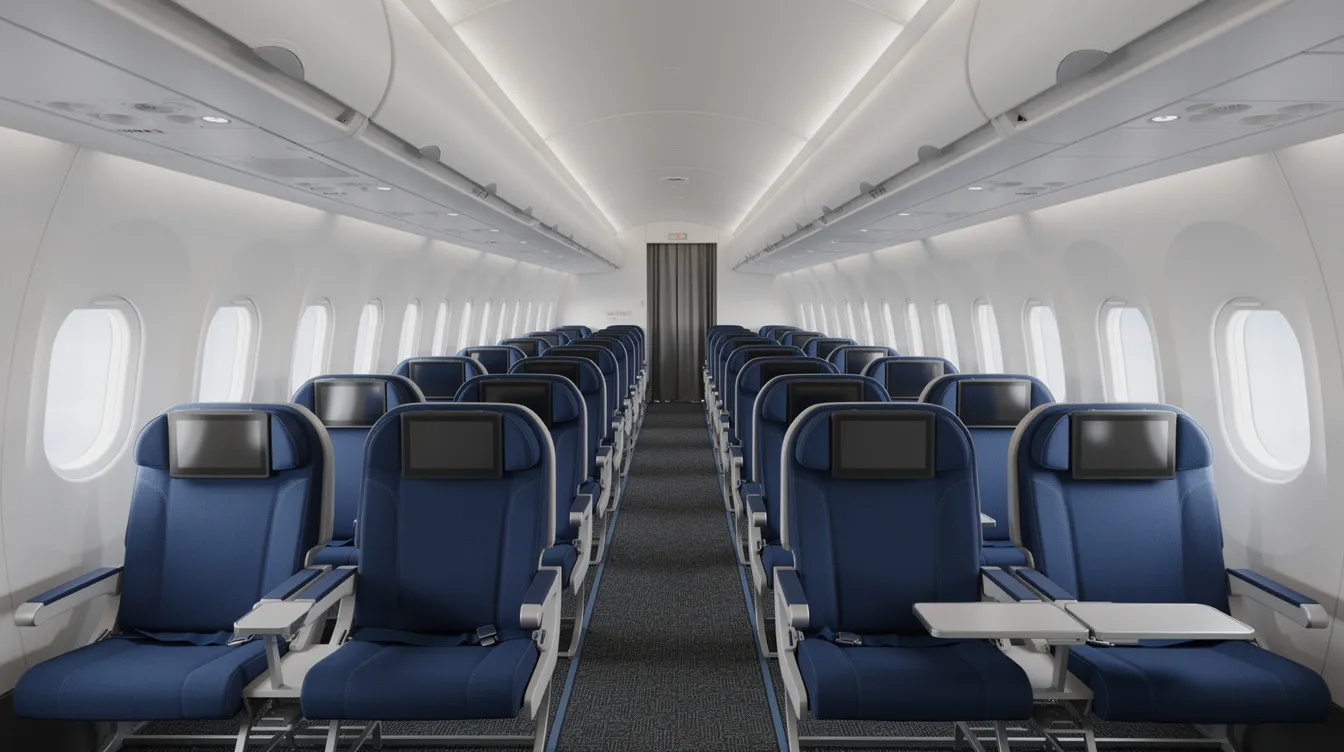
The 737 MAX is the latest Boeing 737 generation, entering service in 2017 with the 737 MAX first flying on January 29, 2016. It features advanced technology and fuel-efficient LEAP-1B engines, which are larger CFM LEAP engines designed to improve fuel efficiency by up to 14% compared with older NG models.
Seat capacity ranges across the MAX family:
737 MAX 7: approximately 138 to 172 seats
737 MAX 8: 162 to 200 seats
737 MAX 9: 178 to 220 seats
737 MAX 10: 188 to 230 passengers, making it the largest in the family
The 737 MAX 10 can be configured for up to 230 seats in a high-density layout. The special high-density "MAX 200" configuration of the 737 MAX 8 allows up to about 200 standard passengers in all-economy, designed specifically for low-cost carriers prioritizing maximum seating capacity. The 737 MAX 200 has a high-density layout that accommodates up to 200 standard passengers through additional exit doors.
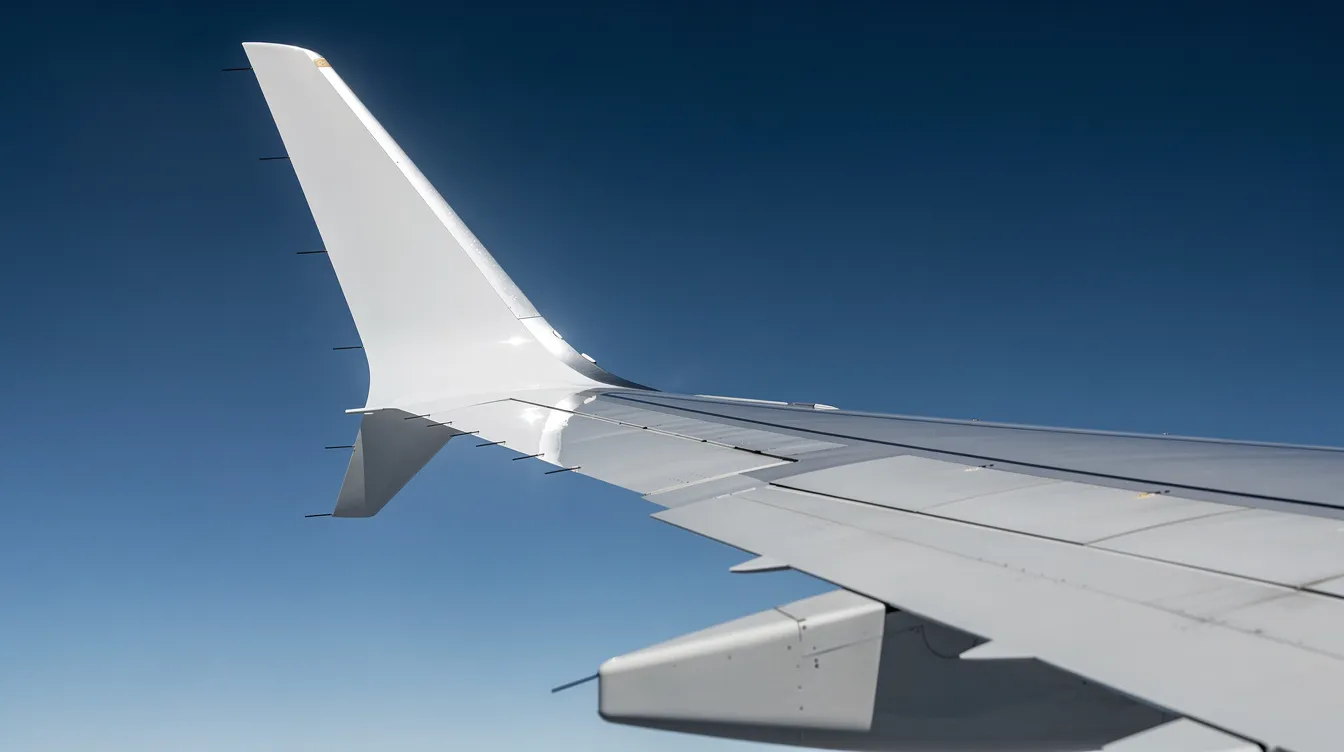
The 737 MAX combines larger fuel-efficient engines, split-tip "Advanced Technology" winglets at the wing tips, and modern passenger cabin designs to reduce fuel burn per seat compared with 737 Next Generation aircraft. The 737 MAX family has over 7,000 firm orders, reflecting strong airline confidence in the platform.
After two fatal crashes led to a worldwide grounding in 2019–2020, the 737 MAX returned to service with updated software, training, and oversight. Airlines like American Airlines, Southwest Airlines, and others now operate the type across their networks with a focus on efficiency and capacity. The aircraft's history with the two fatal crashes prompted significant industry-wide safety improvements.
Certified maximum passenger capacity is a ceiling, not a guarantee. Real-world seating capacity is shaped by cabin layout choices: the number of class cabin sections, seat pitch, and galley or lavatory placement. Boeing 737 uses high-density layouts favored by low-cost carriers to maximize passenger capacity, while full-service airlines take a different approach.
Common layout types include:
All-economy with 3-3 seating across a single aisle, maximizing rows and total seats
Two-class cabins with Business or first class seats in the forward passenger cabin plus economy behind
High-density configurations used by budget carriers, where seat pitch drops to 28 to 29 inches
The trade-offs are straightforward. Adding more rows of economy class seats generates higher revenue per flight. Reducing capacity to offer premium or extra-legroom products increases per-seat yield. Airlines constantly adjust this balance based on route demand and competitive pressure.
Exit row positions, mid-cabin doors, and overwing exits directly influence the maximum allowed seating capacity. Emergency exit regulations can limit maximum seating capacity on Boeing 737 models, particularly on longer variants like the 737-900ER and 737 MAX 10, where additional exit doors are required to certify higher passenger counts.
As an example, Ryanair configures its 737-800 fleet with 189 seats in a single-class layout, while American Airlines runs a similar airframe with roughly 160 to 172 seats in a two-class configuration that includes first class seats and a larger main cabin.
The same Boeing 737 airframe can carry significantly fewer passengers when fitted with a Business or first class cabin compared to a pure economy class layout. The difference often amounts to 15 to 30 seats on the same aircraft.
Typical economy class parameters on a Boeing 737:
3-3 seating configuration across a single aisle
Standard economy seating width on Boeing 737 is approximately 17 to 17.3 inches
Seat pitch ranges from roughly 28 to 32 inches, with low-cost airlines pushing to the lower end
Many seats include movable armrests for accessibility
Business or first class layouts on the 737 typically feature 2-2 seating in the forward cabin, wider class seats often exceeding 20 inches, and a greater pitch of 34 to 40 inches. Some airlines also install personal device holders and power outlets in premium rows.
Consider the Boeing 737-800 operated by a full-service carrier: a common setup includes 12 first class seats plus a 147-seat main cabin with designated premium economy-style rows. That totals around 159 seats, compared with 189 in an all-economy layout. The typical Boeing 737 operates with a narrow-body layout, so these layout choices have an outsized impact on total capacity. The Boeing 737 typically features a 3-3 seating configuration in economy class across every generation.
The Boeing 737-800 stands as the flagship of the NG series, balancing passenger capacity of typically 162 to 189 seats, solid range for medium-range operations, and strong fuel efficiency. It has served as the default aircraft for hundreds of airlines worldwide.
Standard seating layouts include:
189 seats in dense all-economy for low-cost carriers like Ryanair and Malindo Air
170 to 175 seats in a two-class configuration for full-service carriers
Hybrid layouts that add extra-legroom rows at exit doors and in the forward cabin space
Seat pitch differs significantly between airline configurations. Some carriers offer 30 to 31 inches as standard, while a subset of rows, particularly exit rows and front cabin sections on the left side and right, provide 34 to 38 inches of legroom.
Modern 737-800 cabins commonly feature the Boeing Sky Interior with LED mood lighting, sculpted sidewalls, larger overhead bins with larger overhead storage bins, power outlets, and wi fi connectivity. These amenities help offset the perception of tight seating in economy class.
For practical reference: Southwest Airlines runs its 737-800 fleet with 175 seats in a single-class layout. Alaska Airlines operates a similar count in a two-class setup with premium rows. Ryanair pushes to the maximum 189 seats. These differences illustrate how dramatically airline configuration choices affect the passenger experience on identical hardware.
There is an inherent tension between maximizing seating capacity and maintaining passenger comfort on a narrow-body aircraft like the Boeing 737. Every additional row of seats reduces personal space for everyone on board.
Narrower seat pitch and reduced recline can increase discomfort on longer sectors, especially when aircraft like the 737-800 and 737 MAX 8 are used on flights over four hours, which is increasingly common on medium-haul routes and some longer routes.
Enhanced cabin features aim to improve perceived comfort even when physical space is limited:
LED mood lighting reduces fatigue
Sculpted sidewalls create a slightly more open feel
Quieter cabins from improved engine nacelle design
In-flight connectivity via wi fi and personal device charging
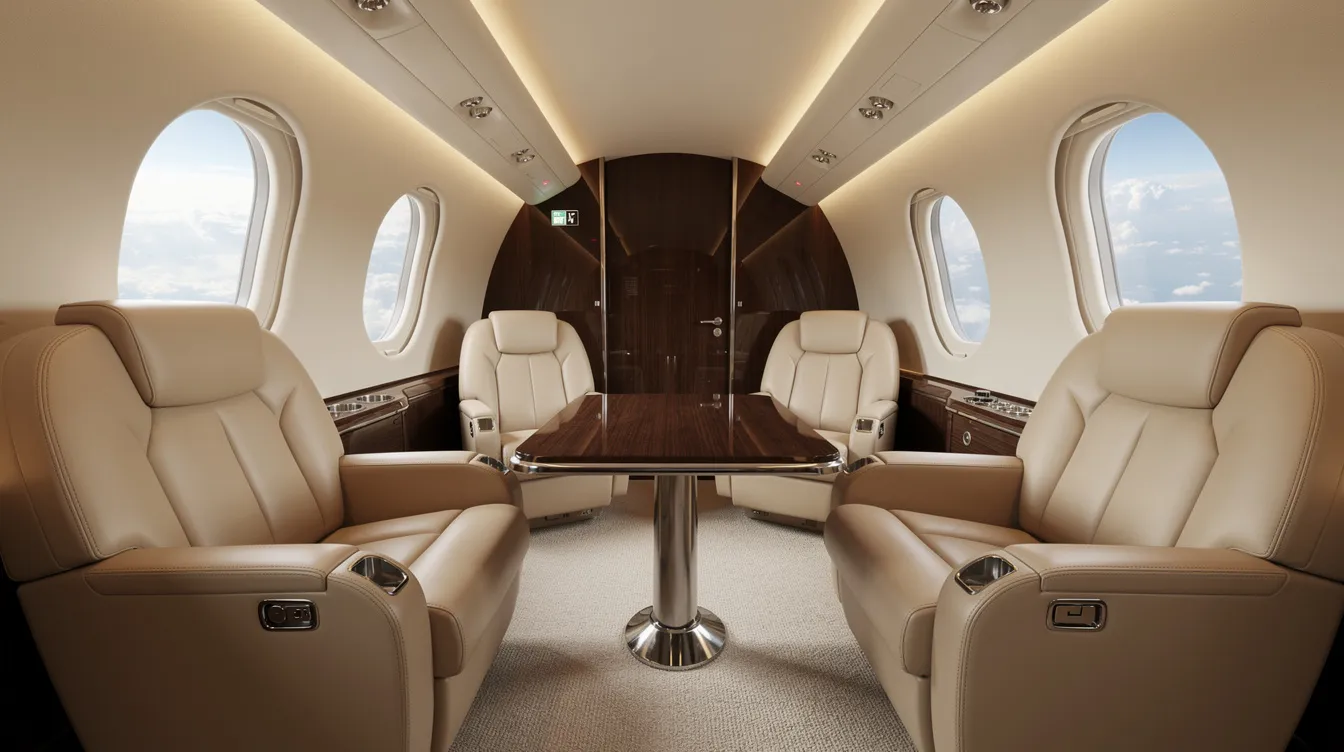
While commercial 737 cabins may seat 170 to 200-plus passengers, private jets typically accommodate 4 to 16 travelers in spacious layouts focused on comfort and productivity. Passenger capacity can exceed 200 seats in high-density configurations of the 737 family, which makes the contrast with private aviation even more striking. For details on how many people fit on different private aircraft and how much a private jet can cost, see Jettly's guide on how many passengers a private jet can carry.
While the airframe's maximum range is published for each Boeing 737 variant, actual operational range depends on load: passenger count, baggage weight, and fuel carried. A full passenger cabin on a maximum-range sector requires trade-offs.
For popular models like the 737-800 and 737 MAX 8, a full passenger load may require reduced cargo or slightly limited fuel on sectors approaching their maximum design range. The 737-800 can reach approximately 3,000-plus nautical miles, while 737 MAX models extend that further thanks to improved aerodynamics.
Higher seating capacity can improve fuel efficiency per seat when load factors are high. That is, lower fuel burn per passenger makes high-density layouts attractive to airlines operating competitive routes. Boeing delivered 8,918 737s between March 1988 and December 2018, and the aircraft's ability to carry cargo in its belly hold alongside passengers adds to its versatility.
Private jet operations work differently. Fuel efficiency per seat is lower, but time savings, direct routings to smaller airports, and complete schedule control provide greater overall value for high-priority trips. Using an airport locator tool for private charters, travelers can identify smaller airfields and plan nonstop flights between city pairs that commercial 737 flights connect only through hubs, often saving hours of total travel time.
Aerodynamic and engine improvements have been central to enabling higher Boeing 737 seating capacity without proportionally increasing fuel burn and emissions. Each generation brought measurable gains.
The evolution of wingtip devices tells the story clearly:
Early 737 models had no winglets
The 737 Next Generation introduced blended winglets, saving approximately 3 to 5% in fuel
The 737 MAX uses split-tip "Advanced Technology" winglets, sometimes called split-scimitar designs, for further drag reduction through aerodynamic improvements
Engine technology followed a similar progression. The JT8D engines on Original variants gave way to the CFM56 on the Classic and NG series, then to larger CFM LEAP engines (LEAP-1B) on the 737 MAX. The MAX's engines alone deliver up to around 14% better fuel efficiency over older NG models, enabling airlines to improve fuel efficiency while carrying more passengers over longer distances.
These improvements connect directly to increased passenger capacity and longer ranges. Airlines can fill more seats while keeping operating costs and environmental impact per passenger lower. The combination of crew commonality across 737 variants also reduces training costs when airlines upgrade from NG to MAX fleets.
On the sustainability front, private aviation is also making progress through carbon offsetting and optimized routing. Platforms like Jettly work with operators who increasingly adopt these practices, positioning themselves as a flexible NetJets alternative for flying private. Learn more about private jet emissions and cleaner flying.
A typical Boeing 737 carries 130 to 200-plus passengers in commercial service. Private jets operate in an entirely different category, with cabins designed for small groups rather than maximum headcount.
Capacity ranges for common private jet categories:
Light jets: 4 to 7 passengers
Midsize jets: 6 to 9 passengers
Super-midsize jets: 8 to 10 passengers
Large cabin or heavy jets: 10 to 16 passengers
Private jet seating favors club configurations, conference tables, and divans, focusing on passenger comfort, privacy, and productivity rather than maximizing seat count. Families in particular may appreciate the best private planes for family travel. Seat width on a midsize private jet can exceed 22 inches, compared with the 17 to 17.3 inches standard in Boeing 737 economy class.
For large groups, chartering two or more private jets can still be competitive in terms of time savings and overall trip value compared with filling multiple premium class seats on a single Boeing 737 flight. Digital platforms like Jettly allow travelers to search and compare a wide range of aircraft sizes, including options suited for groups who might otherwise book a block of seats on a commercial 737. Jettly's guide to charter airlines and private flight options helps frame these choices. To compare private jet sizes and find the right fit, Jettly's platform makes the process straightforward.
The Boeing 737 excels at moving large numbers of people efficiently between major airports. But many executives, families, and high-value teams eventually prioritize schedule control and cabin space over seat count.
Common pain points of 737 commercial travel include:
Crowded cabins with limited personal space
Fixed schedules and connection requirements
Long airport dwell times and security queues
Limited control over the onboard environment and fellow passengers
Private charter flips these dynamics. Travelers can arrive 15 to 30 minutes before departure, use private terminals (FBOs), bypass standard security lines, and fly directly between smaller airports closer to final destinations, especially when they know how to get a seat on a private jet easily.
Consider a New York to Miami trip. A scheduled 737 flight involves arriving at the airport 90 minutes early, navigating terminal crowds, and potentially connecting. A private jet booked via a digital charter platform departs on the traveler's schedule from a convenient FBO, with total door-to-door time often cut by two or more hours, and can even include tailored in-flight meals through services like Jettly Eats in-flight catering.
While per-seat cost on a private jet is higher than a 737 economy ticket, the productivity gains, privacy, and time savings are often decisive for business-critical or high-value leisure trips. Travelers comparing options can consult Jettly's guide on affordable private jet charter pricing. The aircraft also opens access to routes and airports that commercial 737 flights simply do not serve, including many smaller airports across military applications bases turned civil fields.
Jettly operates as a digital private aviation marketplace that complements, rather than competes directly with, high-capacity Boeing 737 services offered by airlines. Through flexible private jet memberships, the platform exists for travelers who need a different kind of solution.
Jettly provides on-demand access to more than 20,000 aircraft worldwide. Travelers can choose the exact passenger capacity and aircraft category that fits each mission, whether it is a short hop on a turboprop or a transatlantic flight on a heavy jet, and can use a jet card flight cost estimator to understand likely pricing.
Beyond on-demand charter, Jettly also offers jet card programs for frequent flyers.
Key platform features include:
Instant pricing and transparent cost breakdowns
Ability to compare aircraft types (light, midsize, heavy jets, turboprops)
No long-term contracts or fractional ownership required
Flexible booking for last-minute or planned trips
Common scenarios where travelers switch from a commercial Boeing 737 to a private charter via Jettly include tight-turnaround business meetings, multi-city site visits, family vacations to remote destinations, or urgent same-day travel. Depending on budget and privacy needs, travelers can weigh shared charter flights versus full charters. Jettly works only with vetted operators who comply with relevant civil aviation authorities, maintaining safety standards that align with what passengers expect from major airlines.
Matching aircraft passenger capacity to trip requirements, budget, and service expectations is the core decision every traveler faces, whether that means hundreds of seats on a Boeing 737 or a handful on a private jet.
A simple decision framework:
Book commercial Boeing 737 flights for large groups, flexible timing, and price-sensitive trips
Consider private jet charter for small executive teams, families, or mission-critical travel where schedule control matters
For mid-sized group travel (sports teams, corporate roadshows, music tours), Jettly can coordinate multiple jets or larger VIP-configured aircraft
Jettly users can filter aircraft options by number of passengers, range, and cabin size, ensuring the chosen jet fits comfort expectations and runway length at chosen airports. They can also explore crowdsourced private jet flights and shared empty seats to reduce per-seat costs. To understand how to charter a private jet and what the process involves, Jettly's booking guide walks through each step.
Think of commercial 737 capacity as one tool and private charter as another. Optimal travel often combines both depending on route and purpose.
Both airlines and private aviation customers are increasingly focused on fuel efficiency and emissions, especially when operating aircraft with high seating capacity like the Boeing 737. Airbus delivered 8,605 A320 family aircraft by December 2018 and had a 59.4% market share in July 2017, pushing Boeing to make the 737 more efficient to remain competitive. The Boeing 737 family had the highest cumulative orders until surpassed by the A320 family in October 2019.
Newer Boeing 737 Next Generation and 737 MAX models improve fuel efficiency per seat compared with older aircraft through advanced technology in engines, wing design, and weight reduction. The result is lower fuel consumption per passenger on every flight.
Private jets generally consume more fuel per passenger than a full Boeing 737. However, flexible routing, access to smaller airports, and the ability to avoid unnecessary positioning flights can partially offset this on certain missions, especially when travelers choose the best private plane manufacturers for their needs and match aircraft types carefully to each trip.
The growing role of sustainable aviation fuel (SAF), carbon offset programs, and operational best practices gives both airlines and private charter operators tools to reduce their environmental footprint. For travelers comparing providers, Jettly's guide to the best private jet charter companies highlights which operators prioritize safety and sustainability. Jettly aligns with responsible operators and supports efficiency-focused initiatives, positioning private charter as increasingly mindful of sustainability alongside convenience.
Below are answers to common questions travelers ask about Boeing 737 seating and how it compares with private charter options.
The most common configurations are found on Boeing 737 Next Generation and 737 MAX aircraft, typically offering around 170 to 190 seats in a mix of economy class and a small premium cabin. Low-cost carriers often use single-class layouts reaching 189 to 200 seats, while full-service airlines reduce capacity slightly to offer extra-legroom and premium seating in the forward section. The generation series in active service today makes the NG and MAX the dominant reference points for seating configurations.
No specific variant guarantees better legroom. Passenger comfort depends largely on each airline's chosen seat pitch, cabin design, seat width, and whether the carrier installs the Boeing Sky Interior with modern amenities. Travelers who prioritize comfort should look for airlines advertising extra-legroom rows or premium economy-style seating, which some carriers offer even on dense 737-800 flights. The aircraft features Boeing's award-winning Sky Interior on many recent deliveries.
Airlines occasionally reconfigure Boeing 737 cabins to match new route structures, branding strategies, or revenue goals, which can change total seat counts by a small margin. These changes are constrained by regulatory limits on maximum seating capacity and exit configurations, so modifications tend to fine-tune rather than radically alter layouts. A carrier might add or remove a few rows during scheduled heavy maintenance checks. The 737 has also seen military applications with specialized interior configurations, though these are rare in the commercial context.
Jettly primarily focuses on private jets seating roughly 4 to 16 passengers, but for larger groups it can help arrange access to bigger aircraft, including regional airliners and VIP-configured jets. While exact Boeing 737 charters are less common in the private market, Jettly's global inventory includes aircraft suitable for team travel, events, and group movements. For cost guidance, travelers can use Jettly's charter cost estimator to compare options.
Private jets are typically preferable for time-sensitive trips, complex multi-stop itineraries, access to smaller airports, or situations where privacy and in-flight productivity matter more than the lowest fare. The first delivery of value often comes from eliminating connection times and airport queues. Travelers should use commercial Boeing 737 services for high-volume, predictable routes and consider Jettly's private charter options when schedule control, flexibility, or personalized passenger service become top priorities.
Boeing 737 seat capacity ranges from about 85 to 230 passengers across generations, with modern 737 Next Generation and 737 MAX models typically configured between 160 and 200 seats. The Boeing 737 is the most-produced commercial jetliner in history, and its seating configurations reflect decades of engineering refinement.
Actual seating capacity is driven not just by the airframe, but by cabin design choices that balance fuel efficiency, passenger comfort, and airline revenue strategy. Whether it is a 189-seat Ryanair 737-800 or a 160-seat American Airlines two-class layout, the same aircraft can deliver very different experiences.
Travelers now have more options than ever. Commercial 737 flights handle high-capacity routes efficiently. Private jets, accessible through platforms like Jettly, provide tailored experiences for smaller groups and time-critical missions, whether that means bypassing crowded terminals or flying directly into smaller airports that commercial flights do not serve. Regional offerings such as private jet charter in Atlanta, Georgia, or private jet charter in Kolkata, West Bengal show how localized services can complement global jet card and membership solutions. Partnerships with operators such as Dexter Air Taxi private jet services expand these options even further.
Ready to experience private travel on your terms? Explore flight options or request a quote at https://www.jettly.com.
Share this post:
Jay Franco Serevilla
Aug 26, 2026
|
5
min read
Discover tips and trends in the industry.
5
min read
Learjet for Sale: Models, Pricing, and Smarter Alternatives with Jettly
The Learjet market in 2026 features exclusively pre-owned aircraft, with prices ranging from under $1 million to over $6 million depending on model and condition. Buyers often find that on-demand charter through Jettly offers a more flexible and cost-effective alternative to ownership, providing access to a wide range of aircraft without the associated maintenance and management responsibilities.
Read More
5
min read
How to Fly Private Plane Cheap: Smart Ways to Cut Private Jet Costs with Jettly
Flying a private plane cheaply is now possible with innovative strategies and platforms like Jettly. By utilizing empty leg flights, choosing cost-effective aircraft, and maintaining flexibility with travel dates and airports, travelers can significantly reduce their private aviation costs. This guide provides practical tips to make private jet travel accessible without compromising on comfort or safety.
Read MoreStay updated with our latest insights and tips to elevate your journey with us.
MEMBERSHIPS AND ASSOCIATIONS



Disclaimer: Jettly operates as a charter broker, offering access to a global digital jet charter marketplace. Jettly is not a direct air carrier and does not own or operate aircraft. All advertised flights are conducted by third-party air carriers that are fully licensed and hold the appropriate Part 135 or Part 121 certifications issued by the Federal Aviation Administration (FAA) or equivalent regulatory authorities under U.S. or foreign law. Jettly complies fully with the U.S. Department of Transportation's Part 295 and Part 298 Charter Broker regulations. Jettly does not carry additional liability insurance. Passengers are covered by aircraft operator insurance. TICO: 50023770


