



Login
Get Instant Pricing On 23,000+ Aircraft

>
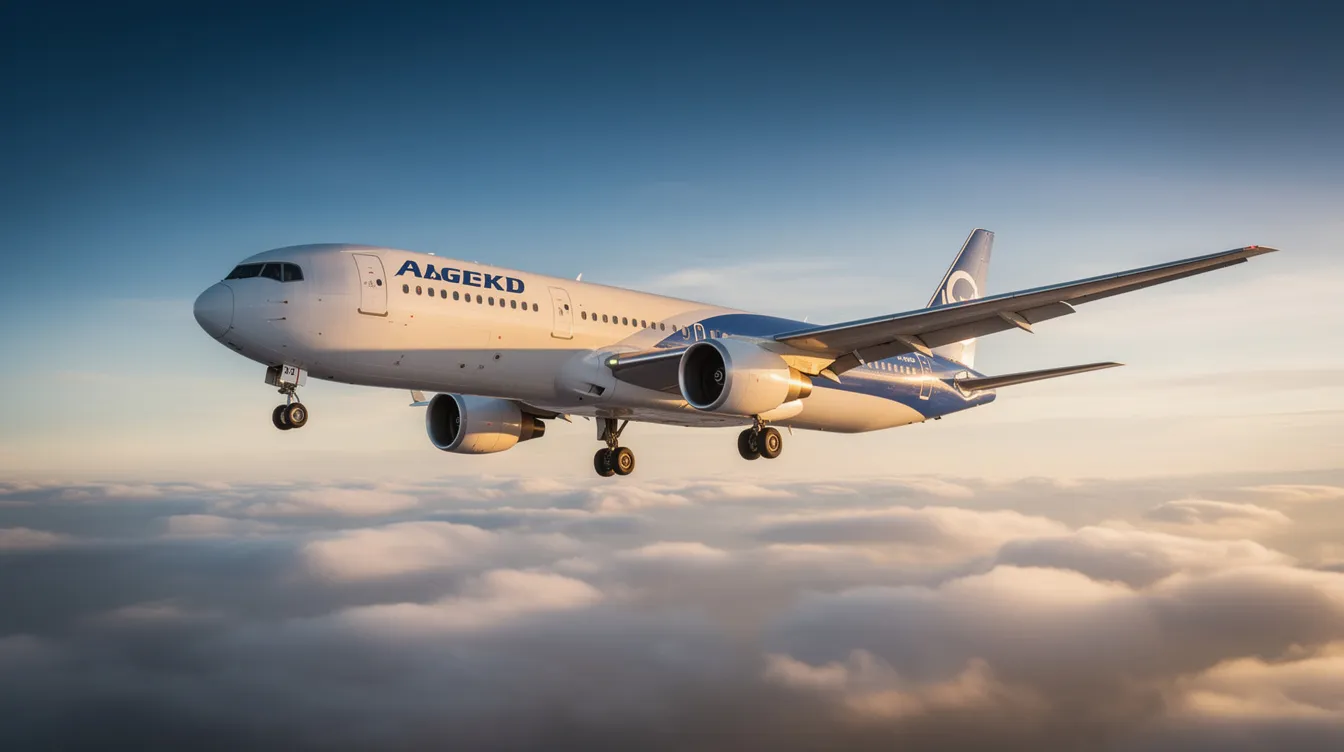
The Boeing 767 has been connecting continents since 1982. Whether it is carrying passengers across the Atlantic or moving overnight cargo between sorting hubs, this wide-body airliner remains a fixture of global aviation. But how fast can it actually fly? Below is a detailed look at the Boeing 767's top speed, its real-world cruising speed, how it stacks up against competing planes, and what all of this means for travelers considering a large-group charter.
Most Boeing 767 variants cruise around Mach 0.80–0.82 (about 528–541 mph / 850–870 km/h) and share a maximum operating Mach number (MMO) of approximately Mach 0.86.
"Top speed" in airline and charter operations is governed by regulations, airframe certification, and fuel efficiency, not engine power alone.
The maximum operating speed of the Boeing 767 is Mach 0.86, placing it in line with other wide-body aircraft of its generation.
The 767 remains competitive in speed among its contemporaries, and its long-haul range (up to roughly 6,590 nautical miles depending on the variant) makes it suited for intercontinental routes.
For large-group private charters arranged through platforms like Jettly, the 767's speed profile delivers airline-equivalent block times with the added benefits of direct routing and private-terminal handling.
The Boeing 767 top speed, defined by its certified MMO, is approximately Mach 0.86. At cruise altitude, that translates to a true airspeed in the neighborhood of 560 mph, depending on temperature and altitude. In everyday operations, however, the aircraft flies slower. The Boeing 767 has a cruising speed of Mach 0.80, which equates to roughly 528–530 mph (about 850–870 km/h) at typical flight levels between 35,000 and 43,000 feet.
The difference between "maximum operating speed" and "normal cruise speed" matters. MMO is the certified upper boundary - the speed above which aerodynamic phenomena like shock waves and buffet begin to pose risks. Major airlines and charter operators keep their 767 fleet well below that limit to maximize fuel efficiency, passenger comfort, and structural longevity.
All primary Boeing 767 variants - the 767‑200/200ER, 767‑300/300ER, 767‑400ER, and the freighter models - share a nearly identical wing and fuselage cross-section. Their certified top speeds are effectively the same. What separates them is range, capacity, and weight, not raw speed.
Because the Boeing 767 is a wide-body twinjet designed for medium- to long-haul routes, its speed profile is engineered to balance fuel burn against schedule reliability. For those considering a large aircraft like the 767 for VIP or group charter through Jettly, block time and punctuality ultimately matter more than chasing an extra few knots of airspeed.
Every commercial aircraft has two main speed limits published in its flight manual. MMO is the Maximum Mach Operating Number - the fastest the airplane is allowed to fly relative to the speed of sound. VMO is the Maximum Operating Speed measured in knots indicated airspeed (KIAS), which governs at lower altitudes where air is denser.
For the Boeing 767 family, the key figures are:
MMO: Mach 0.86 (applies above a transition altitude, typically around 23,000–26,000 feet)
VMO: Approximately 360 KIAS (governs below the transition altitude)
Service ceiling: Approximately 43,000 feet
At high altitude, compressibility effects dominate. Shock waves can form over the wings as local airflow approaches Mach 1 even when the airplane itself is well below that number. MMO provides a buffer against these transonic hazards. At lower altitudes, structural loads from dynamic pressure are the concern, so VMO in knots IAS is the controlling limit.
The FAA and EASA certification framework requires that the aircraft demonstrate safe handling characteristics up to and slightly beyond VMO/MMO. Cockpit avionics are equipped with overspeed warning systems - visual and aural alerts that activate if pilots inadvertently approach these limits. Crews are trained to respond immediately by reducing mach or airspeed.
In both commercial and private charter services, a Boeing 767 cruises below MMO to preserve safety margins, reduce aerodynamic noise in the cabin, and optimize fuel burn.
On most long-haul routes, major airlines operate the Boeing 767 at a cruising speed between Mach 0.80 and Mach 0.82. Some operators push closer to Mach 0.84 when schedules are tight or fuel prices are favorable, but sustained flight near MMO is rare.
Two concepts drive the speed at which a dispatch department selects:
Long Range Cruise (LRC): The speed that maximizes distance per unit of fuel, typically near Mach 0.80 for the 767.
Cost Index: A ratio that balances fuel cost against the value of flight time. Higher cost index values push cruise speed upward; lower values prioritize fuel savings.
Block times on popular 767 routes illustrate the practical effect. A New York (JFK) to London (LHR) flight typically runs about 6 to 7 hours eastbound, while the return leg can stretch an hour longer due to headwinds. Routes like Atlanta to São Paulo or Tokyo to Honolulu fall within similar envelopes, with winds aloft sometimes shifting ground speed by over 100 mph in either direction.
Private charter missions using a 767 - corporate shuttles, sports teams, music tours, government delegations - use the same high-altitude corridors and airline-style cruise speeds. These operations sit within a broader market of private charter aircraft across multiple categories, where speed is just one of many performance metrics. Passengers often perceive speed differences more from wind conditions than from small changes in cruise mach number.
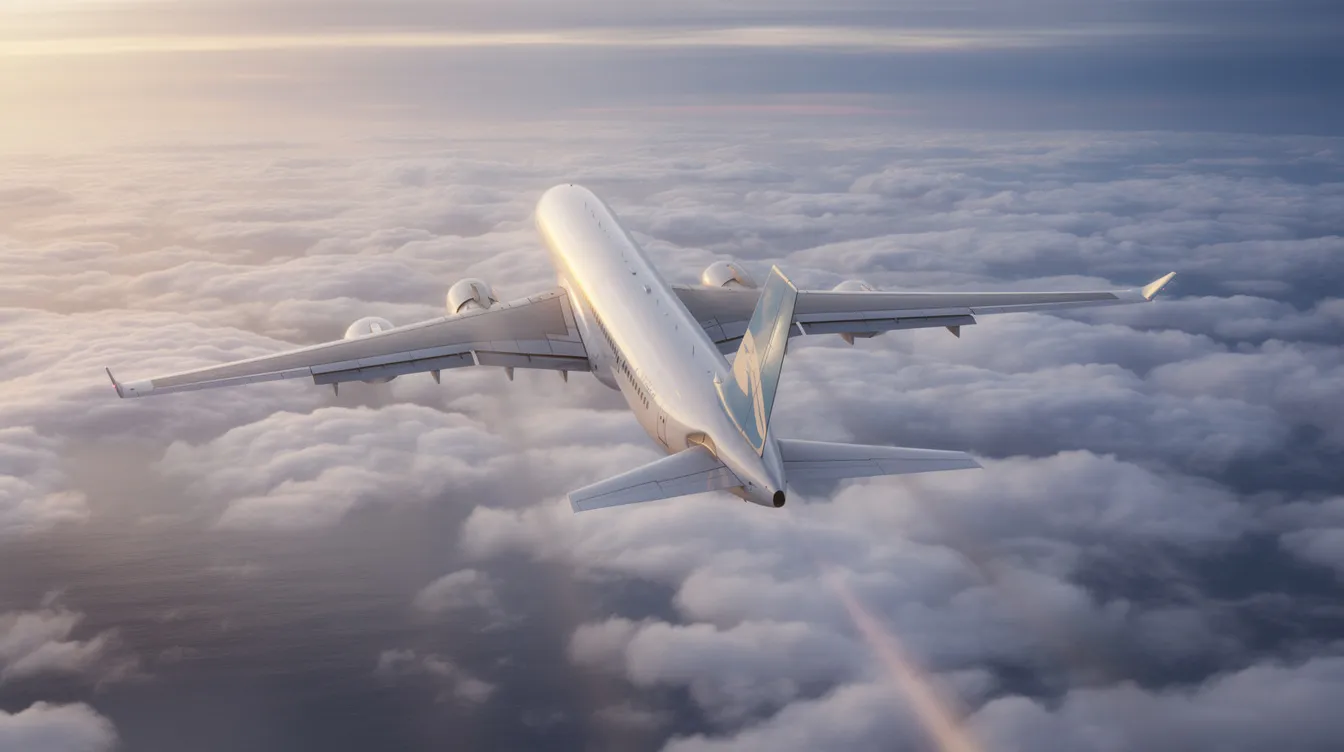
All passenger and freighter Boeing 767 variants share a common wing design with a wingspan of 156 feet 1 inch and a sweep angle of 31.5 degrees. Because the aerodynamic profile is essentially identical across the family, certified top speeds are the same.
Here is how the main models compare:
767‑200 / 200ER: The original variant, with a length of roughly 159 feet 2 inches. The 767-200ER entered service with El Al on March 27, 1984, adding extended fuel capacity. Typical cruising speed for the 767-200 is 530 mph. The 767-200 has a maximum range of 4,474 miles, while the 767-200ER can fly up to 6,385 nautical miles.
767‑300 / 300ER: Stretched fuselage, heavier maximum takeoff weight of 412,000 lb for the ER. The 767-300ER has a cruising speed of 530 mph and a range of 5,990 nautical miles. It became the most successful 767 version with 583 deliveries, while smaller utility aircraft like the Cessna 207 serve very different mission profiles where short runways and remote access matter more than high cruise speed.
767‑300F: Factory-built freighter capable of carrying up to 58 tons of cargo over distances exceeding 3,000 nautical miles. Cruise speeds match passenger versions, and its passenger sibling, the Boeing 767-300ER in VIP charter configuration, offers similar performance for travelers.
767‑400ER: Introduced around 2000, the 767-400ER features a 21.1-foot fuselage stretch over the 767-300, bringing its total length to about 201 feet 4 inches. The 767-400ER features a cruising speed of Mach 0.80 and a range of 5,625 nautical miles. It uses raked wingtips and an updated cockpit but retains the same MMO.
The Boeing 767 is powered by two high-bypass turbofan engines (options include the Pratt & Whitney PW4000 and the General Electric CF6). Speed differences between variants show up more in climb performance and fuel burn than in maximum Mach, which is constrained by the shared airframe and certification envelope. When comparing across fleets, it sits below ultra-long-range aircraft like the Boeing 777-200LR with its 9,000 nm reach. The Boeing 767 has three fuselage lengths - the -200, -300, and -400ER - but the length of the Boeing 767 varies from 159 feet 2 inches to 201 feet 4 inches depending on the variant, while speed limits stay constant.
The Boeing 767's cruise and top speed are typical for a wide-body aircraft of its generation. It is neither the fastest nor the slowest in the category.
Here is how it lines up against key competitors:
Airbus A300 / A310: These older Airbus models cruise around Mach 0.80, essentially matching the 767.
Airbus A330: Newer design; typical cruise of Mach 0.82–0.83. On a seven-hour sector, the difference translates to roughly 10–15 minutes - noticeable on spreadsheets but rarely meaningful to passengers. Jettly also profiles similar aircraft like the Airbus A330-300 and narrowbodies such as the Boeing 737-800 for regional sectors for charter comparisons.
Boeing 787: Cruises at Mach 0.84–0.85, benefiting from newer aerodynamics and composite materials. Time savings over a 767 on a transatlantic route might amount to 15–20 minutes.
Boeing 777: Another newer design cruising near Mach 0.84, with a wider fuselage and longer range on some variants, particularly the Boeing 777-200LR long-range model.
While newer designs like the 787 fly slightly faster and are more fuel efficient, the time difference on a 6–8 hour sector is often measured in single-digit minutes. For airline scheduling departments, those minutes add up across thousands of flights. For individual travelers, they are nearly imperceptible, especially when comparing wide-body charters to efficient narrow-body options like a Boeing 737-800 private jet rental on shorter routes.
In private and charter use, on-time departures, access to preferred airports, and bypassing connections save far more time than marginal differences in cruise mach. Regional hubs with strong private aviation infrastructure, such as Atlanta-based private jet charter gateways, show how airport choice can rival raw speed in time savings. The 767's established ETOPS record made it a workhorse for transatlantic and transpacific services through decades of operation, and it remains competitive on speed despite its age.
Cruise speed and fuel capacity together determine how far a Boeing 767 can fly nonstop. The range of the Boeing 767 varies from approximately 3,300 to 6,590 nautical miles depending on the variant, payload, and conditions.
Key range figures by variant:
|
Variant |
Approximate Max Range |
|---|---|
|
767-200 |
~3,900 nm (4,474 miles) |
|
767-200ER |
~6,385 nm |
|
767-300ER |
~5,990 nm |
|
767-400ER |
~5,625 nm |
|
767-300F |
~3,255 nm (full payload) |
These ranges enabled the 767 to serve intercontinental routes that previously required three- or four-engine aircraft. Major airlines deployed it on transatlantic pairs like Boston–Dublin, New York–Madrid, and Chicago–Frankfurt, as well as on Latin American routes such as Miami–Buenos Aires and transpacific "thin" routes where a 747 carried too many empty seats, similar in spirit to how private jet charter in hubs like Atlanta, Georgia, supports diverse route options for smaller groups.
The 767 was the first twin-engine jet to complete a non-stop transatlantic journey, a milestone made possible by ETOPS (Extended-range Twin-engine Operations) certification. Starting in the late 1980s, ETOPS rules allowed twinjets to fly oceanic corridors previously reserved for tri-jets and quads, and the 767's speed and reliability made it the introduction platform for that change, influencing how travelers think about choosing the best personal or private aircraft for long-range missions.
For private charter customers considering a 767 through Jettly for large-group travel, the aircraft's ability to maintain near-Mach-0.80 cruise over 10- to 12-hour missions makes it suited for nonstops like North America–Europe or North America–Hawaii with full amenities. The 767 is optimized for fuel efficiency and long-range operation, which keeps charter costs manageable even on extended sectors, especially when paired with guidance on the overall affordability of private jet charter.
A significant share of the active 767 fleet now consists of freighters. For integrators and cargo airlines, on-time overnight delivery makes speed critical - every minute of delay can cascade through a sorting-hub network.
Carriers like FedEx Express, UPS, and DHL operate 767‑300Fs on trunk routes such as Memphis–Los Angeles, Louisville–Anchorage, and Leipzig–Cincinnati. These cargo missions typically cruise at Mach 0.80–0.82 to meet hub connection windows, relying on precise airport locator and routing tools to keep complex networks synchronized. When departure delays occur, flight plans may call for slightly higher cruise mach numbers to recover time, though operators still respect MMO and fuel burn constraints, just as on-demand air taxi and charter operators do in the private travel market.
Passenger-to-freighter conversions - the 767‑300BCF and 767‑300BDSF - retain the same top speed and similar cruise performance as their passenger origins. The aerodynamic profile is largely unchanged; the cabin floor and interior are converted or reinforced for palletized cargo rather than seat configurations.
For specialized charter missions - time-critical cargo, combined freight plus support crew movements, or disaster-relief logistics - commercial airline charter brokers like Jettly can source freighter-configured 767s where block time and reliable cruise speed matter as much as capacity, drawing on a broad list of charter airlines and private operators to match aircraft to mission.
Passengers do not "feel" Mach number directly. Comfort at cruise speed depends on cabin design, pressurization systems, and noise control far more than on whether the aircraft is flying at Mach 0.80 or Mach 0.83.
The 767's wide-body cabin layout is typically arranged in a 2‑3‑2 configuration in economy, with a cabin width of roughly 15.5–16 feet. That layout provides comfortable aisles and room for passengers to move, even on long flights.
Many 767s still in the fleet of major airlines have been retrofitted with modern LED lighting, updated inflight entertainment systems, and premium seating products. These cabin refreshes create an interior experience comparable to newer wide-body jets, despite the older airframe.
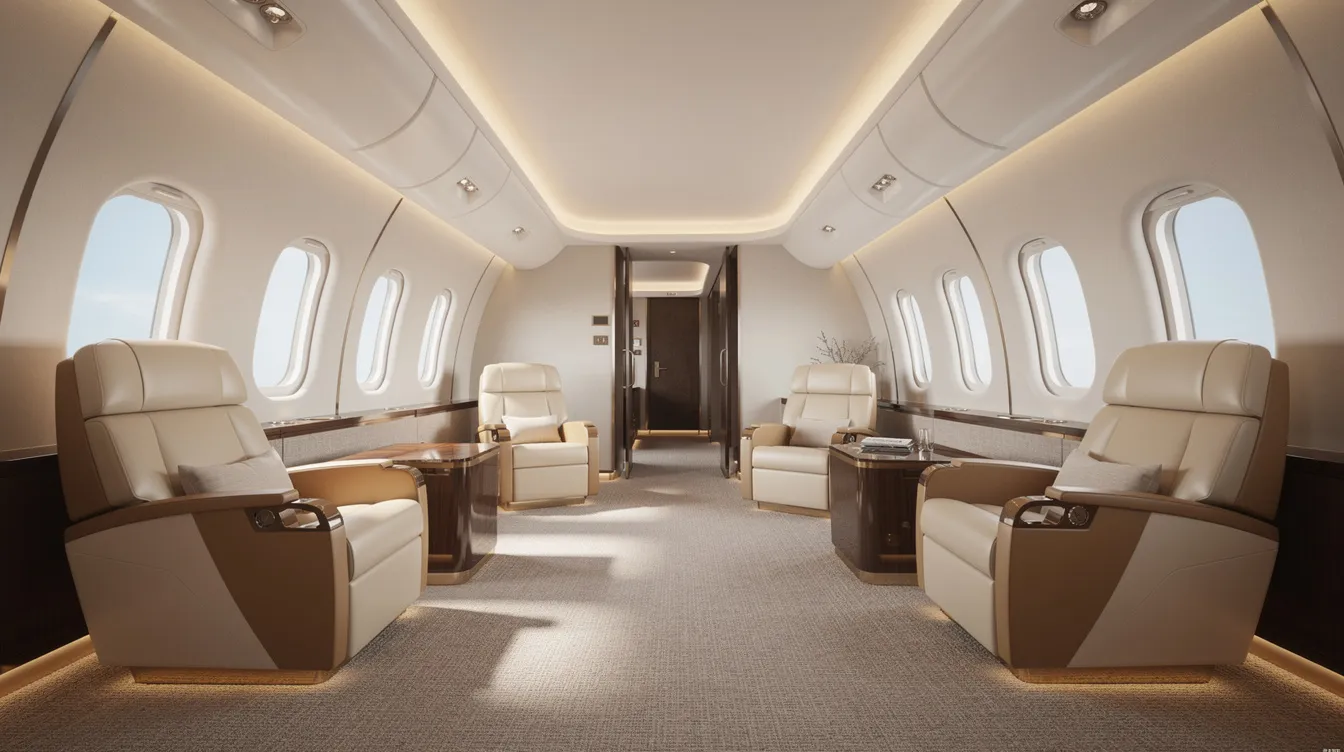
In VIP and corporate shuttle configurations used for private charter, the 767 can be transformed with lie-flat suites, lounges, meeting rooms, upgraded sound insulation, and elevated in-flight catering for private jets - all while operating at the same cruise mach as commercial versions. In a Jettly-arranged 767 charter, the speed profile mimics airline schedules, but passengers benefit from direct routing, bespoke cabin layouts, and private-terminal handling, turning cruise speed into more net time saved door-to-door.
Flying faster than optimal cruise on a Boeing 767 significantly increases fuel burn. That has direct consequences for both airline economics and charter pricing.
The basic aerodynamic principle is straightforward: drag rises sharply as an aircraft approaches transonic speeds. Moving from Mach 0.80 to Mach 0.84 can increase fuel consumption per hour by a noticeable margin - often cited as 3–5% more fuel for a relatively modest time saving. Over a six-hour sector, that adds up to hundreds of gallons of additional jet fuel.
Major airlines manage this trade-off through cost index tools built into their flight management systems. Pilots input a cost index value that the FMS uses to calculate the optimal cruise mach for that specific flight, accounting for:
Current fuel prices
Crew duty time remaining
Schedule importance (connecting passengers, curfews)
Aircraft weight
For private charters, including large-group charters arranged through Jettly, operators usually stick close to fuel-efficient cruise speeds. Shaving a few minutes off a long-haul sector rarely justifies the extra cost for the client, something that becomes clear when using a jet card flight cost estimator to compare scenarios.
There is also an environmental dimension. Higher cruise speeds increase CO₂ output per passenger or per ton of cargo. As operators and travelers become more conscious of carbon footprints, efficient speed selection and, where available, carbon offset programs play a growing role in flight planning.
All Boeing 767 speed limits are set with substantial safety margins. The aircraft has a long operational history spanning passenger, cargo, and military variants, with a strong security and reliability record.
If a 767 approaches or slightly exceeds MMO or VMO, the cockpit overspeed warning activates - a distinctive clacker and visual alert on the airspeed tape. Pilots are trained to reduce speed immediately, typically by reducing thrust and adjusting pitch. If uncorrected, sustained overspeed could lead to structural loads beyond design limits, but the warning systems provide ample time for crew response.
The 767 logged a 96.1 percent dispatch rate in its first year of service, and its dispatch reliability has remained high across decades. Continued use by major airlines and air forces (including the KC-46 Pegasus tanker) is evidence of robust engineering and safe high-speed performance.
Past incidents involving the 767 have rarely been attributed to simple overspeed. Instead, they typically involved complex human, mechanical, or environmental factors. One aircraft crashed due to fuel exhaustion (the famous "Gimli Glider"), not speed-related failure - underscoring that speed is tightly managed within normal operating procedures.
For charter customers, vetted operators in Jettly's network must comply with national aviation authority regulations, maintenance schedules, and crew training standards that include proper high-speed and turbulence-penetration procedures, with many frequent flyers opting for structured jet card programs with predictable terms to access this level of safety and consistency.
While most private flights use smaller jets, wide-body aircraft like the Boeing 767 are sometimes chartered for large groups: sports teams, music tours, corporate roadshows, and government delegations. When 50–200 or more passengers need to fly together, a 767 makes practical sense, especially on a Boeing 767-300ER long-range charter where speed, comfort, and range align for transcontinental missions.
Jettly's digital charter marketplace can source Boeing 767 aircraft from certified operators worldwide, offering on-demand pricing and configuration options tailored to mission requirements. Whether the need is a passenger-only layout, a mixed cargo setup, or a VIP arrangement, Jettly connects clients with capable operators via its broader inventory of private charter aircraft. For those exploring different aircraft sizes, the platform also covers options from heavy jets to widebodies like the 747.
Cruise speed and range figures translate directly into charter benefits: nonstop transatlantic or transcontinental missions at near-airline speeds, with private-jet-style ground handling and custom schedules. Key service elements for speed-sensitive travelers include:
Coordinated ground transportation to minimize transfer time
Private terminal (FBO) access to reduce pre-flight waiting
In-flight connectivity and catering to keep business teams productive while flying at Mach 0.80+
Custom departure times that align with the group's schedule, not an airline's
For quotes and additional charter information, visit the Jettly website.
Many travelers associate private jets with high speed, but in cruise, large airliners like the 767 and long-range business jets often fly at similar mach numbers. A Gulfstream G650, for instance, cruises near Mach 0.85 - only marginally faster than a 767 at Mach 0.80–0.82.
The perceived time savings of smaller jets come less from higher airspeed and more from:
Point-to-point routing to closer airports
Faster ground operations and security processing
Shorter taxi times at smaller fields
Quicker boarding for fewer passengers
These are advantages that Jettly leverages across all aircraft categories, not just widebodies. For a first-time charter experience, the platform simplifies the process regardless of aircraft size - learn more in Jettly's guide to booking a private jet.
For very large groups, a single 767 charter can be more efficient per passenger than deploying multiple smaller jets, even though all fly at comparable speeds. Shared solutions like crowdsourced private jet flights and empty-seat sharing can also influence how groups think about cost per traveler. This matters for corporate events or sports seasons where everyone must arrive at the same destination together, on time.
Clients weighing their options should work with Jettly advisors to determine whether a 767 wide body, a smaller heavy jet, or a mixed fleet provides the best combination of total travel time, comfort, and budget. Resources that explain the overall cost of private jet charter and ways to save help put these choices in perspective, and the cost of splitting a private jet among passengers can also factor into the equation.
The Boeing 767 has served a long list of operators since its first flight and entry into commercial service. Key airlines include:
United Airlines - the launch customer; the 767 entered service with United Airlines on September 8, 1982
American Airlines and Delta Air Lines - among the largest domestic and international 767 operators
Japan Airlines and All Nippon Airways - early adopters in the Asia-Pacific market
Air Canada, British Airways, and several carriers across Europe
FedEx, UPS, and DHL - dominant cargo operators
Over decades of service, these operators have used similar cruise speed policies on the 767 family, demonstrating stable and predictable performance that simplifies crew training and fleet scheduling.
Notable military variants include the KC-767 and the KC-46 Pegasus, a US Air Force tanker based on the 767-200 airframe. These aircraft operate at speeds comparable to civil 767s, often flying long-endurance missions at efficient cruise Mach numbers in support of global military operations.
Continued demand for 767 freighters and tankers into the 2020s - despite newer models being available on the market - reflects confidence in the platform's speed, range, and economics for specific mission profiles. Boeing's production line for the 767 freighter has remained active longer than many predicted.
For charter customers, the same fundamental performance envelope proven by airlines and militaries underpins chartered 767 operations sourced through platforms such as Jettly.
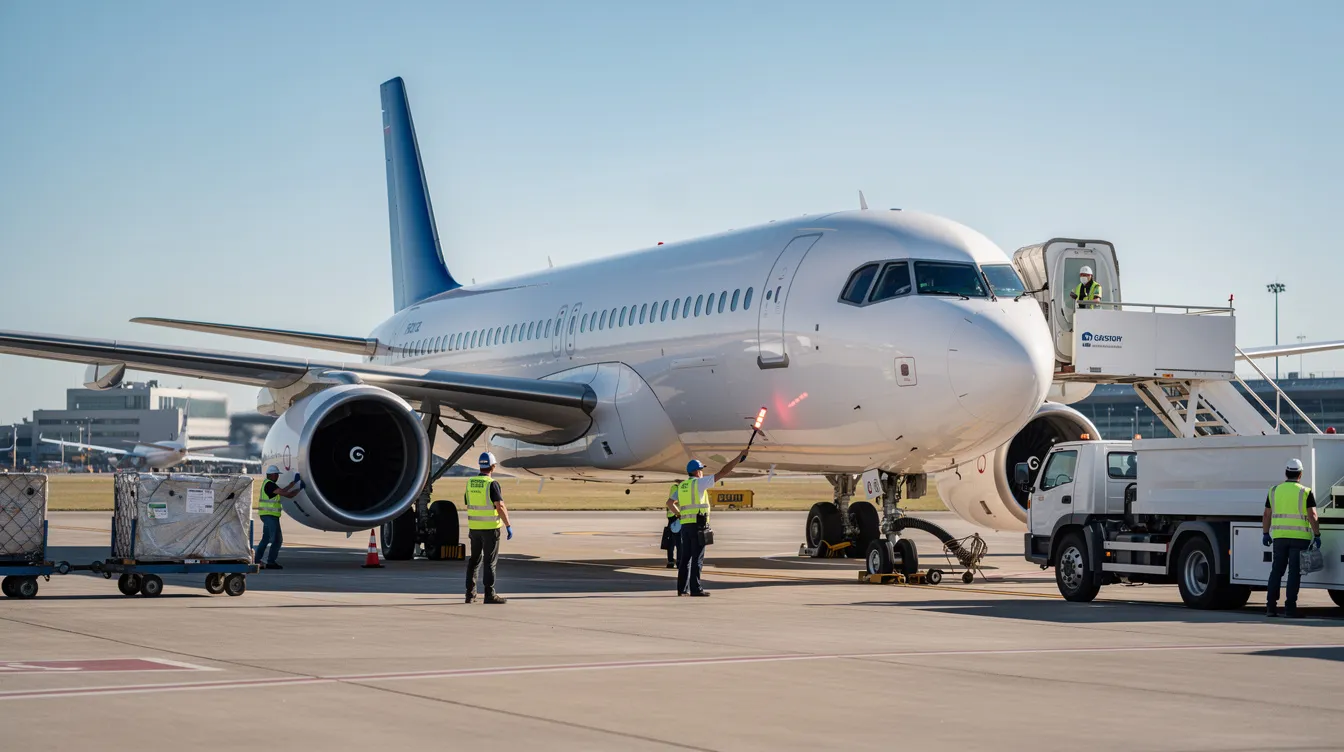
The Boeing 767 is a mature design. Its first flight took place in 1981, and the aircraft entered service with United Airlines in 1982. In the mid-2020s, it is gradually being replaced on passenger routes by the Boeing 787, Airbus A330neo, and Airbus A350 - all of which offer improved fuel efficiency and slightly higher cruise speeds.
However, the 767's top speed figures remain fully adequate for current cargo, tanker, and charter uses. The world still needs the aircraft, and many converted freighters and military variants will continue operating well into the 2030s, supported by global air taxi and private jet operators that integrate them into bespoke charter solutions.
Regulatory and environmental factors - stricter emissions rules, fleet renewal incentives, noise restrictions at certain airports - may phase out some older 767s in passenger service. But the delivery of new 767-300 freighters continues, and retrofitted passenger aircraft keep entering cargo service.
From a traveler's perspective, the transition from a 767 to a 787 or A350 tends to change the cabin experience and fuel efficiency more than end-to-end travel time. Cruise Mach numbers across these types stay within a narrow band of Mach 0.80–0.85; the difference is measured in minutes, not hours, and discerning flyers often focus more on choosing among top private jet charter companies and service models than on marginal speed variations between airframes.
For charter clients using Jettly, aircraft choice will increasingly involve comparing modern wide-bodies and classic workhorses like the 767. Cabin layout, availability, and price will drive decisions, with speed differences playing a secondary role. Additionally, as newer aircraft enter the charter market, the 767 may offer a cost advantage for operators and clients who prioritize value over having the latest model.
Below are answers to common questions about 767 performance and charter operations that go beyond the details covered above.
On a cruise, many long-range business jets and the Boeing 767 fly at similar Mach numbers. A super-midsize jet like the Challenger 350 cruises near Mach 0.80, and a large-cabin Gulfstream G650 reaches about Mach 0.85. Door-to-door time differences come more from routing flexibility and airport access than raw airspeed. Smaller jets might climb faster and use more airports closer to your destination, but the 767 offers scale for large groups at a comparable cruise speed.
No. The Boeing 767 is not designed for supersonic flight. Its certified maximum operating Mach is around 0.86, well below Mach 1. The wing shape, structural design, and engines are all optimized for efficient subsonic cruise. Attempting to fly beyond MMO would risk dangerous aerodynamic effects, including shock-induced buffet and potential loss of control.
Operating near the upper end of the cruise speed range increases fuel burn, which can raise the overall cost of a charter - especially on long-haul routes lasting six hours or more. Operators typically choose an efficient cruise speed (around Mach 0.80) unless there is a compelling operational reason to fly faster, such as recovering from a ground delay. Clients can use Jettly's charter cost estimator or a dedicated jet card flight cost estimator to understand how mission parameters affect pricing.
Modest differences in cruise Mach - say, Mach 0.80 versus Mach 0.83 - have virtually no effect on jet lag. Time zone changes and schedule timing drive jet lag far more than a few extra minutes of flight time. Comfort depends on cabin design, seat quality, noise levels, humidity control, and the ability to move around the cabin, all of which are independent of whether the aircraft is cruising at the low or high end of its speed range.
The exact cruise speed is set by the operating carrier or charter operator based on safety, fuel planning, and scheduling constraints. However, clients can discuss timing priorities with Jettly when planning a mission. If arriving by a specific time is critical, operators can account for that in their flight planning. For maximum schedule flexibility and minimum ground time, working with Jettly advisors to design the overall itinerary - including departure timing, route selection, and ground logistics - typically yields more time savings than adjusting cruise speed alone.
The Boeing 767 top speed - an MMO of approximately Mach 0.86 and a typical cruise near Mach 0.80–0.82 - places it firmly in line with other long-haul wide-body aircraft used on major airline and charter routes around the world. It is not the fastest widebody manufactured today, but it is far from the slowest end of the spectrum.
For passengers and charter clients, the key benefits of the 767 are its proven reliability, long-haul range, flexible cabin capacity, and the deep operational knowledge that comes from more than four decades of worldwide service. Pushing for marginally higher cruise speeds offers diminishing returns compared to these fundamentals.
Private charter via Jettly turns the 767's performance into real-time savings by avoiding connections, optimizing departure times, and integrating ground transport - even when airspeed matches that of scheduled services. As a flexible alternative to traditional fractional programs like NetJets, this model emphasizes smart use of existing speed rather than chasing higher Mach numbers. The Boeing 767's top speed is more than fast enough; what matters is how efficiently you use it.
Ready to experience private travel on your terms? Jettly's range of private jet memberships with flexible access and wholesale rates can complement on-demand 767 charters for frequent flyers. Explore flight options or request a quote at jettly.com.
Share this post:
Jay Franco Serevilla
Jul 19, 2026
|
5
min read
Discover tips and trends in the industry.

5
min read
Delta Boarding Zones: How Delta Air Lines Boarding Works (and What It Means for Private Flyers)
Delta Air Lines utilizes a structured boarding system with eight numbered zones plus pre-boarding, determining the order in which passengers board based on cabin class, fare type, and loyalty status. Understanding this system is crucial for travelers considering commercial flights versus private jet charters, as it impacts overhead bin space and wait times. For those seeking a more streamlined experience, private jet options like Jettly eliminate the complexities of boarding zones altogether.
Read More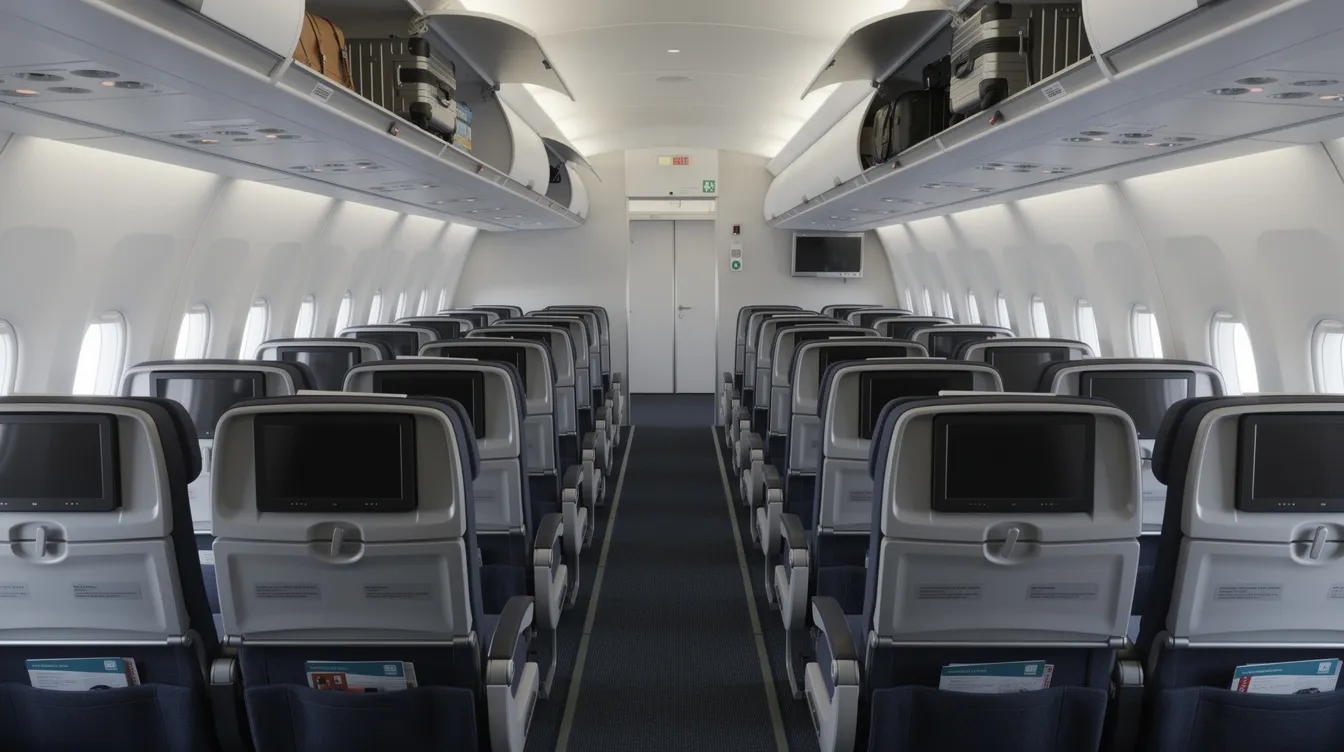
5
min read
Delta Basic Economy: What Changed, What It Includes, and When to Avoid It
Delta Air Lines has rebranded its Basic Economy fare to Delta Main Basic as of October 1, 2025, maintaining its core restrictions while altering the booking experience. This fare class is the most restrictive in Delta's lineup, making it suitable primarily for solo travelers on short flights who prioritize low prices over flexibility. For most travelers, considering higher fare options like Delta Main Classic or private jet charters may provide better value.
Read MoreStay updated with our latest insights and tips to elevate your journey with us.
MEMBERSHIPS AND ASSOCIATIONS



Disclaimer: Jettly operates as a charter broker, offering access to a global digital jet charter marketplace. Jettly is not a direct air carrier and does not own or operate aircraft. All advertised flights are conducted by third-party air carriers that are fully licensed and hold the appropriate Part 135 or Part 121 certifications issued by the Federal Aviation Administration (FAA) or equivalent regulatory authorities under U.S. or foreign law. Jettly complies fully with the U.S. Department of Transportation's Part 295 and Part 298 Charter Broker regulations. Jettly does not carry additional liability insurance. Passengers are covered by aircraft operator insurance. TICO: 50023770


