



Login
Get Instant Pricing On 23,000+ Aircraft

>
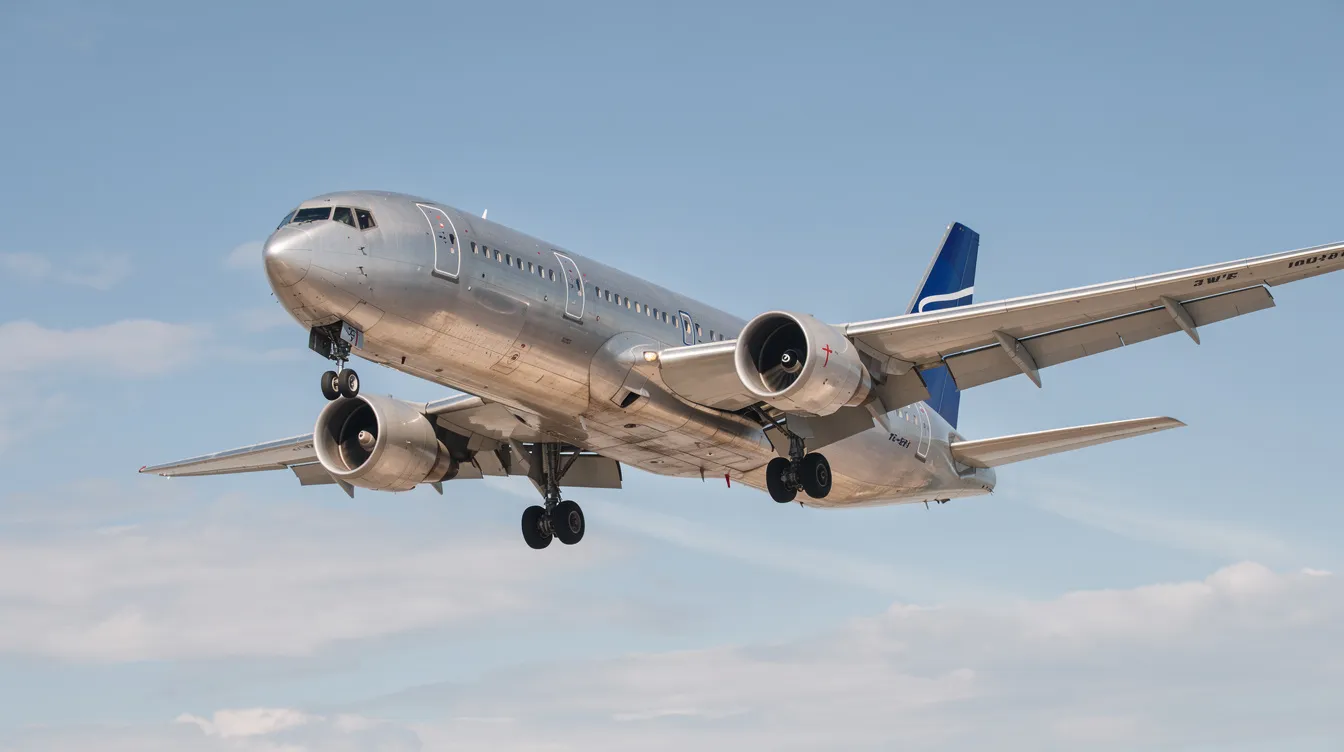
The Boeing 767 has been a fixture of commercial and cargo aviation for over four decades. Yet few topics matter more to operators, charter planners, and cargo shippers than understanding Boeing 767 weight data—the numbers that determine how far the aircraft can fly, how much it can carry, and which airports it can serve.
This guide breaks down every major weight specification across the 767 family, from the original 767-200 to the freighter and military variants still in production today.
Boeing 767 weight figures directly affect payload, range, runway requirements, and overall suitability for passenger, cargo, and charter missions. Getting these numbers right is the difference between a feasible route and an expensive fuel stop.
The operating empty weight of the 767 varies by model from approximately 176,000 lbs to 229,000 lbs, while the MTOW ranges from 282,000 lbs to 450,000 lbs depending on the variant.
The 767-300ER typically has an MTOW of approximately 412,000 lbs, and the 767-400ER is the heaviest variant at 450,000 lbs.
Higher certified weights on the 767-300ER support longer non-stop missions—up to 10,880 km—compared with earlier 767 versions designed primarily for domestic and medium-haul routes.
For charter customers using platforms like Jettly, weight data drives airport choice, maximum group size, cargo capacity, and runway performance calculations for every trip.
The Boeing 767 is a wide-body, twin-engine airliner that first entered commercial service on September 8, 1982. Boeing designed it to fill a gap between narrowbody jets and larger widebodies on medium- and long-haul routes, and the aircraft quickly proved its versatility across domestic, transatlantic, and transpacific operations.
When people search for "Boeing 767 weight," they are usually looking for several distinct figures: empty weight, maximum takeoff weight (MTOW), maximum landing weight (MLW), and maximum zero-fuel weight (MZFW). The maximum takeoff weight of a Boeing 767 varies by model. Across all variants, typical operating empty weight ranges roughly from 80,000 kg to over 90,000 kg (176,000–198,000 lb), while MTOW spans from about 142,000 kg to more than 204,000 kg (313,000–450,000 lb).
The 767 family includes passenger, freighter, and military derivatives. Different mission profiles—short-haul shuttle service versus transoceanic flights versus cargo transport—drive different certified weight options. The Boeing 767 typically seats between 181 to 375 passengers depending on configuration, and the wingspan is 47.57 m across all main variants.
The Boeing 767-300 and 767-300ER are the most commercially important versions today, playing key roles in many airline fleet plans and replacement decisions. Meanwhile, continued production for freighter and KC-46A tanker roles keeps the Boeing 767 relevant in global aviation despite newer widebody designs like the 787.
Before comparing variants, it helps to understand the official weight definitions used by Boeing, the FAA, and operators. These terms appear in every performance chart, certification document, and flight plan.
Manufacturer's Empty Weight (MEW): The aircraft structure, engines, fixed equipment, unusable fuel, and fluids. This excludes payload, passengers, and usable fuel. It represents the baseline structural dead weight of the airframe.
Operating Empty Weight (OEW): MEW plus standard crew, catering, potable water, and operational equipment. OEW varies by airline configuration—a VIP interior with premium galleys weighs more than a high-density economy layout.
Maximum Takeoff Weight (MTOW): The maximum structural weight for takeoff. It governs how much fuel and payload the aircraft can carry on any given departure.
Maximum Landing Weight (MLW): The structural limit for landing, typically significantly lower than MTOW on the 767. If a heavily loaded 767 must return shortly after departure, the crew may need to hold and burn fuel or, in rare cases, dump fuel to get below MLW.
Maximum Zero-Fuel Weight (MZFW): The maximum weight of the aircraft plus payload but excluding usable fuel, particularly important for 767 freighter loading where cargo weight often "caps" before MTOW is reached.
Boeing offers multiple certified weight options for many 767 variants, allowing airlines and cargo operators to tailor performance to specific route networks through different MTOW, MLW, and MZFW packages published in documents like the Rev K Airport Planning guide.
The 767-200 was the original model, officially launched in 1978. After its first flight and certification, it entered service in 1982 with United Airlines, designed primarily for North American domestic routes and early transatlantic operations. All Nippon Airways was among the first international carriers to adopt the type.
The operating empty weight of the 767-200 is approximately 176,650 lbs (about 80,100 kg), though OEW varies by interior layout and engine options. Early 767-200 MTOW figures sat around 142,880 kg (315,000 lb), with higher weight options pushing toward 159,000 kg (351,000 lb).
The 767-200ER, introduced in the mid-1980s as an extended-range variant, added higher MTOW options. It can carry up to 395,000 pounds at its highest certified MTOW, paired with additional fuel tanks that enable ranges of up to roughly 6,385 nautical miles. In 1984, the 767-200ER set a non-stop record of 12,082 km, demonstrating the platform's remarkable reach.
The 767 was the first aircraft certified for ETOPS (Extended-range Twin-engine Operational Performance Standards), making it the first twin-engine aircraft to regularly fly long over-water routes. This certification transformed commercial aviation economics and paved the way for every twin-engine widebody that followed.
While relatively few 767-200s remain in passenger service as of 2026, converted freighters based on the -200 airframe still operate, and the variant's weight and performance profile laid the groundwork for the later 767-300 and 767-300ER.
The Boeing 767-300 is a 6.42 m (21 ft 1 in) stretch of the original 767-200, certified in 1986 and entering service the same year. The stretch gave the aircraft greater capacity on high-demand routes without requiring a completely new airframe.
Key external dimensions:
|
Dimension |
Value |
|---|---|
|
Length |
54.94 m (180.25 ft) |
|
Wingspan |
47.57 m (156.1 ft) |
|
Height |
15.85 m (52.0 ft) |
|
Wing area |
~283.3 m² |
The 767-300 has an empty weight of 79,560 kg (approximately 175,400 lb). Typical OEW for a configured passenger version sits around 87,000 kg (191,000–192,000 lb), depending on engine choice and interior.
Standard MTOW for the passenger 767-300 is around 159,210 kg (351,000 lb) with engines such as the Pratt & Whitney PW4050 or General Electric CF6-80C2B2. MLW falls approximately in the 136,000–140,000 kg (300,000–309,000 lb) range. The gap between MTOW and MLW means that if a heavily loaded 767-300 must return shortly after departure, fuel burn or holding is required before landing.
Passenger capacity ranges from about 210 seats in a three-class layout, 260–270 in two-class, to roughly 350 seats in high-density single-class. Configuration choices directly influence OEW—heavier galleys, premium seats, and in-flight entertainment systems all add weight.
The 767-300's combination of weight and capacity makes it attractive for group charter use on high-demand routes, such as large sports teams or corporate groups needing a widebody rather than several smaller jets, and high-end options like the Boeing 767-300ER for rent offer long-range capability with VIP interiors.
The 767-300ER is the most commercially successful 767 variant. It entered service with American Airlines on March 3, 1988, designed specifically for long-haul international routes with higher certified weights and more fuel capacity.
Manufacturer's empty weight for the 767-300ER typically falls around 80,600–81,400 kg (177,800–179,500 lb). OEW for a typical dual-class layout sits in the 90,000–90,500 kg (198,000–199,600 lb) range, though VIP or low-density interiors push this higher.
The Boeing 767-300ER has a maximum takeoff weight of approximately 181,890 kg (401,300 lb) in common configurations. Standard MTOW options span from about 172,365 kg (380,000 lb) up to 181,890 kg (401,300 lb), with some late-build or special-option aircraft approaching 186,880 kg (412,000 lb). This higher MTOW enables impressive range figures, with the 767-300ER capable of flying 10,880 km (6,880 miles) with design payload, supporting non-stop flights on thinner international routes like secondary European cities to North America.
Typical MLW values sit around 145,000–150,000 kg (320,000–331,000 lb). Airlines carefully plan reserves so that 767-300ER flights arrive comfortably below MLW after long sectors.
As of 2017, 583 units of the 767-300ER had been delivered, reflecting strong market demand for a mid-size widebody capable of serving routes where larger aircraft would be uneconomical. For charter and VIP operations, certain Boeing 767 private jet configurations leverage the higher MTOW for extended non-stop flights with luxurious, low-density layouts.
Boeing launched the 767-300F freighter variant in 1995, and it has since become a mainstay of the global air cargo market. Many passenger 767-300s have also been converted into 767-300BCF (Boeing Converted Freighter) and 767-300BDSF configurations by specialized shops.
The 767-300F features a main deck cargo door for loading, along with structural reinforcements and floor strengthening that differentiate it from passenger versions. Typical OEW for a factory 767-300F sits around 88,000–89,000 kg (194,000–196,000 lb).
Key freighter weight and capacity figures:
|
Parameter |
767-300F |
|---|---|
|
MTOW |
~186,880 kg (412,000 lb) |
|
MZFW |
~140,000–145,000 kg (309,000–320,000 lb) |
|
Maximum structural payload |
~116,000 lbs (subject to structural limits) |
|
Cargo capacity |
Up to 58 tons |
|
Total cargo volume |
15,469 cubic feet |
|
Pallet positions |
Up to 24 standard pallets |
The 767-300F can carry up to 58 tons of cargo efficiently across medium- and long-haul lanes. As of 2019, 161 767-300Fs had been delivered, with major operators including FedEx Express, UPS Airlines, and DHL-affiliated carriers. These fleets rely on the weight-range trade-offs of the 767 for charter air freight and express cargo operations worldwide.
Converted freighters like the 767-300BCF have OEW slightly higher than the passenger baseline due to added structure, but often slightly lower than factory freighters since some interior finishes and systems are removed.
At hot-and-high airports or short runways, a 767 freighter may need to leave payload behind to meet performance limits, even when the structural MTOW allows more weight. Cargo-focused weight planning also prioritizes MZFW and structural floor-loading limits in the rear and forward cargo holds, because these often cap payload before MTOW is reached on shorter sectors.
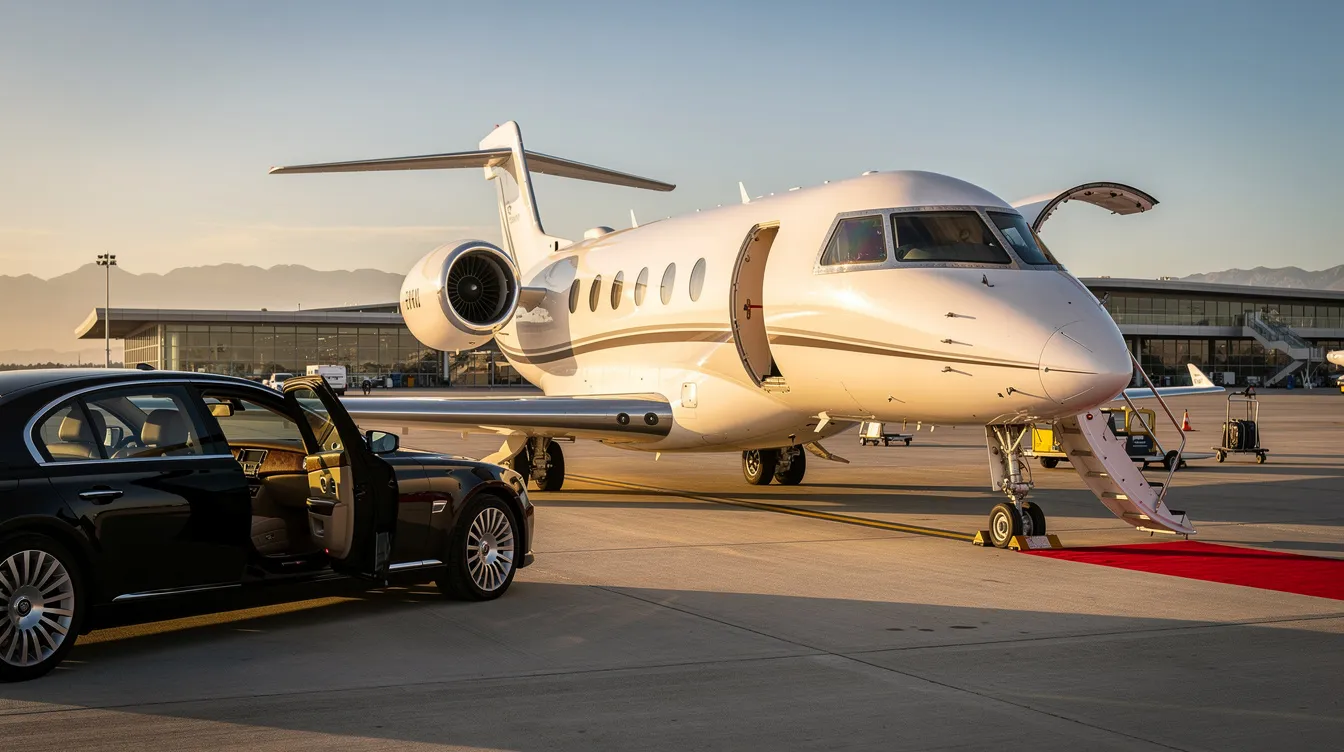
The 767-400ER is the largest member of the family. It entered service in 2000 with Delta Air Lines and Continental Airlines, featuring a further stretched fuselage and updated interior. The 767-400ER measures 205.11 feet in length, noticeably longer than the -300 series.
Key 767-400ER weights:
Typical empty weight: ~89,000–90,000 kg (196,000–198,000 lb)
MTOW: ~204,120 kg (450,000 lb)—the heaviest variant
MLW: ~158,757 kg (350,000 lb)
MZFW: ~149,685 kg (330,000 lb)
Despite its higher weight and capacity, the 767-400ER sold in relatively small numbers as the market shifted toward newer widebody designs. Some 767-200s and 767-300s have been configured as government or VIP planes, with unique interior weights but similar structural limits to their commercial counterparts.
Among military variants, the KC-46A Pegasus stands out. This 767-2C-based military tanker and transport was developed for the U.S. Air Force under a major defense program. Its empty weight sits in the low 90,000 kg range, with MTOW around 188,000–188,500 kg (about 415,000 lb), optimized for fuel offload and cargo rather than passenger seating. The KC-46A meets updated certification and safety requirements, and its ongoing production keeps the 767 line active in Everett alongside freighter builds.
Weight, fuel, and range are tightly linked on any aircraft. Every additional kilogram of payload or structural weight on a Boeing 767 requires more fuel, which can shorten maximum range or force a fuel stop.
The payload-range trade-off for a 767-300ER works like this: at maximum structural payload, the aircraft cannot take full fuel, limiting range to medium-haul distances. At lighter payloads, full tanks enable long-haul missions beyond 10,880 km. Higher MTOW variants allow airlines to operate longer transatlantic and some transpacific routes—New York to Rome, London to Montreal, Tokyo to Honolulu—that would be marginal on lower-weight airframes.
Operating from hot-and-high airports (Denver, Mexico City, Johannesburg) can impose "performance-limited" takeoff weights that fall well below structural MTOW due to reduced air density and runway length constraints.
Weight also affects:
Climb performance and cruise altitude: Heavier takeoff weights mean lower initial cruise altitudes. Crews plan step-climbs as weight is reduced during cruise to maintain optimal efficiency. The 767's typical cruising speed of about Mach 0.80 is maintained across a range of weights, but fuel burn per nautical mile rises at higher gross weights.
Fuel burn comparisons: The 767 burns 7,000 lb less fuel per hour than the L-1011 TriStar it helped replace, and its twin-engine design improves fuel efficiency over older tri-jet and quad-engine aircraft—though for shorter sectors, narrowbodies like the Boeing 737-800 may offer superior seat-mile economics.
ETOPS planning: Long-range ETOPS missions require careful fuel and weight planning, including contingency fuel for diversions and reserves over oceans or remote areas.
Airlines use computerized weight and balance systems to optimize load distribution, improving performance and passenger comfort while remaining within center-of-gravity limits—a process that matters equally for commercial airline charter operations.
The Boeing 767 uses a largely aluminum-alloy airframe with selective use of advanced composite materials, balancing strength, durability, and weight. The wings, spars, and ribs are designed to support high fuel loads and aerodynamic forces at MTOW while minimizing excess structural weight.
Major fuselage sections are manufactured by suppliers—including Japanese partners like Kawasaki and Mitsubishi under a long-standing development partnership—and then integrated at Boeing's Everett facility with tight tolerances to avoid unnecessary weight. Boeing produced the 1,000th 767 on February 2, 2011, a milestone reflecting the platform's enduring production run.
The original 767 cockpit was equipped with CRT screens as part of its pioneering glass cockpit, replacing heavier electromechanical instruments. This two-crew flight deck design, shared with the 757, reduced cockpit equipment weight and simplified avionics, allowing pilots to transition between both types with minimal additional training. The commonality also helped airlines phase out older, heavier three-crew widebodies like the DC-10.
Starting around 2008, blended winglets became available for many 767-300ERs and freighters. Boeing 767's winglets improve fuel efficiency by approximately 6.5% at cruise, adding modest structural weight to the wings but delivering meaningful fuel savings over thousands of flight hours.
Interior fittings—galleys, lavatories, premium seating, in-flight entertainment systems—can significantly alter the operating empty weight of a 767. VIP or low-density configurations may add several tonnes compared with a standard economy layout. Operators pursue ongoing weight-reduction programs:
Replacing older wire harnesses
Installing lighter avionics
Shedding redundant components to extend the economic life of aging 767 fleets
Even the landing gear assemblies are inspected and maintained to original weight specifications throughout the aircraft's service life, ensuring structural handling characteristics remain within design limits.
Beyond structural limits, practical weight for any given Boeing 767 flight is constrained by runway length, surface conditions, temperature, and airport altitude. These environmental factors often matter more than the number printed on the certification document, particularly at hot, busy markets such as private jet charter in Houston, where summer temperatures can significantly reduce allowable takeoff weight.
Performance charts or dispatch software determine the maximum allowable takeoff weight for a specific airport on a specific day. Shorter or wet runways and higher ambient temperatures reduce permissible takeoff weight. A 767-300ER at a sea-level airport with a long runway—say, London Heathrow or New York JFK—can usually depart at or near MTOW. The same aircraft at a high-altitude or shorter-runway airport may need to leave fuel or payload behind.
Typical runway length requirements for 767-300 operations fall above 2,400–2,700 m (8,000–9,000 ft), but actual requirements depend heavily on weight and conditions. Landing weight constraints also influence fuel planning; crews aim to arrive close to but below MLW, especially at busy hubs and charter markets like private jet charter in Atlanta, where runway performance and traffic flows are key considerations.
For charter or ad hoc cargo operations, planners must confirm both departure and destination airport performance limits for the specific 767 variant and expected payload, often starting with an airport locator tool to identify suitable fields and runway characteristics. The aircraft's main landing gear footprint and overall weight determine pavement strength requirements, and not every secondary airport can accommodate a fully loaded 767.
Noise restrictions, taxiway width, and gate size also relate to the aircraft's weight and physical footprint. Many secondary airports that cannot handle heavier widebodies like the 747 can still support the 767, a meaningful advantage for flexible routing on airline charter services.
Widebody aircraft like the Boeing 767 occasionally appear in the charter market for large groups, sports teams, touring artists, or government delegations. These missions require careful weight planning that goes well beyond booking a seat.
For charter brokers and platforms such as Jettly, key weight parameters on a 767-300 or 767-300ER include MTOW, MLW, and typical payload capacity after accounting for fuel on the chosen route. A typical charter scenario might involve a corporate roadshow between New York and London using a VIP-configured 767-300ER: a relatively low passenger count of 60–80 people but high baggage and equipment weight. If the combined OEW, fuel, passengers, and cargo stay within the 186,880 kg MTOW ceiling, the mission works non-stop.
Charter planners must also factor in airport performance limits. Operating a fully loaded 767 charter into a smaller regional airport may require a fuel stop or reduced payload—details that a platform like Jettly can surface during the quoting process using a private jet charter cost estimator tied to distance, weight, and airport fees.
Key considerations for 767 charters:
Freighter charters for automotive parts, e-commerce shipments, or relief supplies rely heavily on MZFW and structural floor-loading limits as much as on MTOW.
Compared with typical large-cabin private jets (Gulfstream G650, Bombardier Global 7500), the 767 is suited to large groups—not the small-group luxury segment where lighter jets excel. For a comparison of different plane sizes, Jetly's private charter aircraft resources can help match group size to aircraft type.
Customers should provide detailed passenger counts and cargo weights so operators can verify that a specific 767 variant can perform the mission within weight and runway limits.
The 767's reliability and proven track record across decades of operations give charter clients confidence that the platform can handle demanding missions, from accident-free safety records to predictable costs.
Every tonne of additional weight on a Boeing 767 increases fuel consumption and CO₂ output over the life of the aircraft. This relationship between weight and emissions is straightforward: heavier aircraft burn more fuel, period.
The 767 was considered fuel efficient at its introduction, especially versus tri-jets like the L-1011 and DC-10. But newer models like the Boeing 787 and Airbus A330neo offer significantly lower fuel burn per seat, thanks in part to lighter composite structures and more advanced engines.
Operators mitigate the weight-related environmental impact of older 767s through several strategies:
Retrofitting winglets for approximately 6.5% cruise fuel savings
Optimizing cabin layouts to reduce unnecessary interior weight
Using advanced flight-planning software to minimize discretionary fuel and weight, combined with tools such as Jettly's affordable private jet charter pricing resources, to understand cost and emissions trade-offs
Participating in carbon offset programs
Charter customers booking 767 flights through platforms like Jettly can inquire about offset or sustainability options offered by specific operators. Correct weight and balance calculations also reduce unnecessary fuel carriage—carrying less excess fuel lowers takeoff weight, creating compounding efficiency gains throughout the flight.
As 767s age, decisions about passenger-to-freighter conversion, storage, or retirement are influenced by how their weight and fuel economics compare to newer alternatives on a per-tonne-kilometer basis. While the 767 may not match cutting-edge widebodies in absolute fuel efficiency, its moderate weight, proven reliability, and strong freighter conversion market keep it economically viable on many routes in 2026.
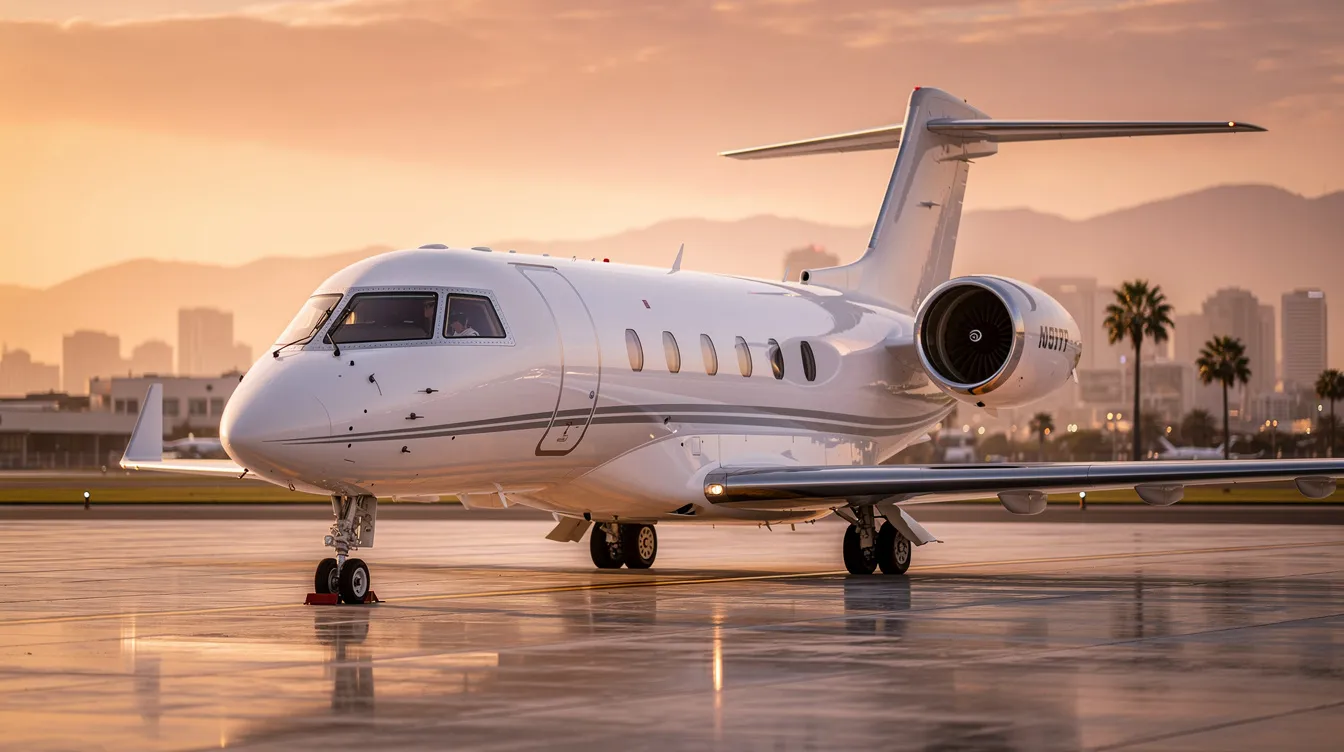
Most private travelers on Jettly fly on light, midsize, or large-cabin business jets capable of operating from shorter runways, as outlined in Jettly's guide to charter airlines and private flights and its overview of the best private jet charter companies, with many frequent flyers opting for structured jet card programs; at the other end of the spectrum, smaller types such as the Cessna 207 serve remote fields that a 767 could never reach. The Boeing 767 becomes relevant when moving very large groups or substantial cargo, where smaller aircraft simply cannot accommodate the headcount or weight.
Key decision factors where weight plays a role:
|
Factor |
Boeing 767 |
Large-Cabin Business Jet |
|---|---|---|
|
Typical passengers |
150–350+ |
8–19 |
|
MTOW range |
142,000–204,000 kg |
20,000–45,000 kg |
|
Minimum runway |
~2,400+ m |
~1,500–1,800 m |
|
Best for |
Large groups, cargo, long sectors |
Small groups, flexible airports |
A 767-300 or 767-300ER might be selected for moving 200+ employees to a corporate event, transporting a full sports squad and staff, or handling urgent cargo movements for manufacturing supply chains. For missions involving 8–14 passengers, a Gulfstream or Challenger will operate at far lower costs with access to more airports, typically under the regulations that govern Part 135 charter companies, and lighter twins such as the Cessna 340 may be even more economical on short hops.
Jettly's digital platform can surface multiple aircraft options for a route, including widebodies like the 767 when appropriate, with transparent pricing that reflects operating weight, distance, and airport fees, especially for members enrolled in Jettly's private jet membership programs or those comparing Jettly as a NetJets alternative. Customers can use Jettly's aircraft charter guide, consult a private jet charter cost estimator, or speak with aviation advisors to match payload and route requirements to the right aircraft category.
Understanding Boeing 767 weight data helps large groups and cargo shippers make informed decisions about whether a 767 is truly the right fit versus other available aircraft in the market.
These FAQs address common questions about Boeing 767 weight, performance, and charter suitability that are not fully covered in the main sections above.
Maximum payload is the difference between MZFW and OEW. For a typical 767-300ER, this figure often falls in the 45,000–50,000 kg (99,000–110,000 lb) range depending on configuration. Airlines may operate at slightly different figures due to cabin layout and optional equipment, so exact payload limits are aircraft-specific. For charter planning, operators calculate allowable payload for a given route based on both structural payload limits and fuel requirements.
No. Even though the 767 has high certified MTOW values, performance-limited weights may apply at short, hot, or high-altitude airports. At a long sea-level runway like London Heathrow or New York JFK, a 767-300ER commonly departs close to MTOW. At high-altitude airports like Denver or Mexico City, operators may need to reduce fuel or payload. Detailed performance calculations determine a safe maximum for each departure.
Airlines use standard passenger and baggage weight assumptions—typically 90–100 kg per person including bags—but cargo can quickly exceed passenger mass on a mixed-use or freighter flight. On 767 freighters, nearly all structural payload capacity is allocated to cargo, making accurate weight declarations critical for safety and compliance. For charter, oversized or dense cargo may hit structural floor-loading limits before reaching overall MZFW or MTOW limits.
Yes. VIP and government 767s often feature extensive interior modifications—private suites, conference rooms, and added systems—that increase operating empty weight by several tonnes. While structural MTOW usually remains similar to the base model, the higher OEW reduces available payload and can marginally impact maximum range. Operators account for these changes in their performance and flight-planning calculations for each mission.
Customers should collect key data: number of passengers, estimated baggage and cargo weight, departure and destination airports, and any required non-stop routing. Using a platform like Jettly, operators can confirm that a specific 767 variant meets all weight and performance requirements for the planned trip and, when appropriate, leverage crowdsourced and shared private flights to improve aircraft utilization and reduce per-passenger costs, complementing more traditional shared charter flights vs. full charter options brokered through partners such as Dexter Air Taxi and Zenflight. For complex missions involving remote destinations or heavy cargo, aviation advisors can recommend alternate aircraft or routing if a 767 would face weight or runway limitations.
Boeing 767 weight figures—especially for the 767-300 and 767-300ER—continue to shape how airlines, cargo operators, and charter clients deploy the type worldwide. The core numbers tell a clear story:
Empty weights generally fall in the 80,000–90,000 kg range
MTOWs span roughly 142,000 kg to over 204,000 kg, depending on variant and configuration
The 767's twin-engine power plant and moderate size make it capable of serving both domestic and intercontinental missions
Continued production for freighter and KC-46A tanker roles—with deliveries still underway—shows that the 767's balance of structural weight, payload, and range remains attractive more than four decades after entry into service. For charter and private travel, understanding weight informs realistic expectations about route possibilities, airport choices, and pricing.
Ready to explore charter options—from light jets to wide-body aircraft like the Boeing 767? Review available aircraft or request a quote at https://www.jettly.com.
Share this post:
Jay Franco Serevilla
Jul 19, 2026
|
5
min read
Discover tips and trends in the industry.

5
min read
Delta Boarding Zones: How Delta Air Lines Boarding Works (and What It Means for Private Flyers)
Delta Air Lines utilizes a structured boarding system with eight numbered zones plus pre-boarding, determining the order in which passengers board based on cabin class, fare type, and loyalty status. Understanding this system is crucial for travelers considering commercial flights versus private jet charters, as it impacts overhead bin space and wait times. For those seeking a more streamlined experience, private jet options like Jettly eliminate the complexities of boarding zones altogether.
Read More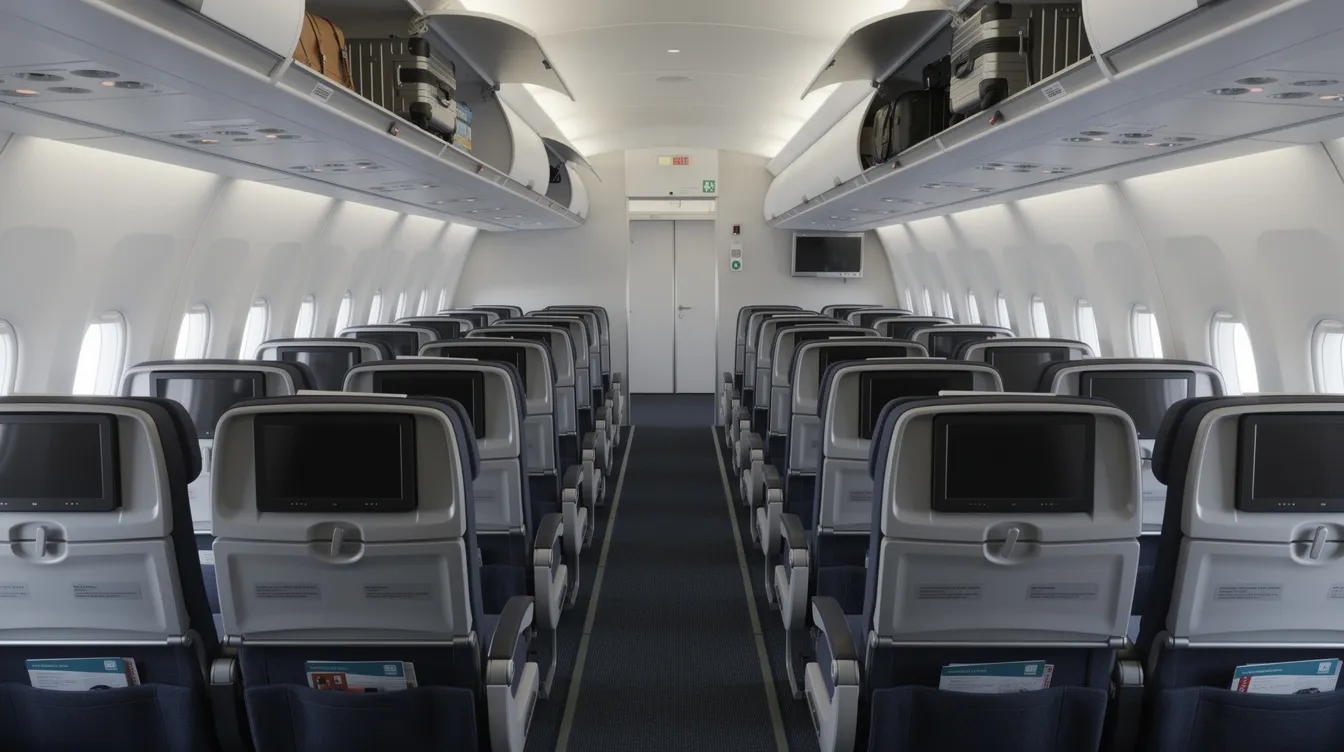
5
min read
Delta Basic Economy: What Changed, What It Includes, and When to Avoid It
Delta Air Lines has rebranded its Basic Economy fare to Delta Main Basic as of October 1, 2025, maintaining its core restrictions while altering the booking experience. This fare class is the most restrictive in Delta's lineup, making it suitable primarily for solo travelers on short flights who prioritize low prices over flexibility. For most travelers, considering higher fare options like Delta Main Classic or private jet charters may provide better value.
Read MoreStay updated with our latest insights and tips to elevate your journey with us.
MEMBERSHIPS AND ASSOCIATIONS



Disclaimer: Jettly operates as a charter broker, offering access to a global digital jet charter marketplace. Jettly is not a direct air carrier and does not own or operate aircraft. All advertised flights are conducted by third-party air carriers that are fully licensed and hold the appropriate Part 135 or Part 121 certifications issued by the Federal Aviation Administration (FAA) or equivalent regulatory authorities under U.S. or foreign law. Jettly complies fully with the U.S. Department of Transportation's Part 295 and Part 298 Charter Broker regulations. Jettly does not carry additional liability insurance. Passengers are covered by aircraft operator insurance. TICO: 50023770


