



Login
Get Instant Pricing On 23,000+ Aircraft

>
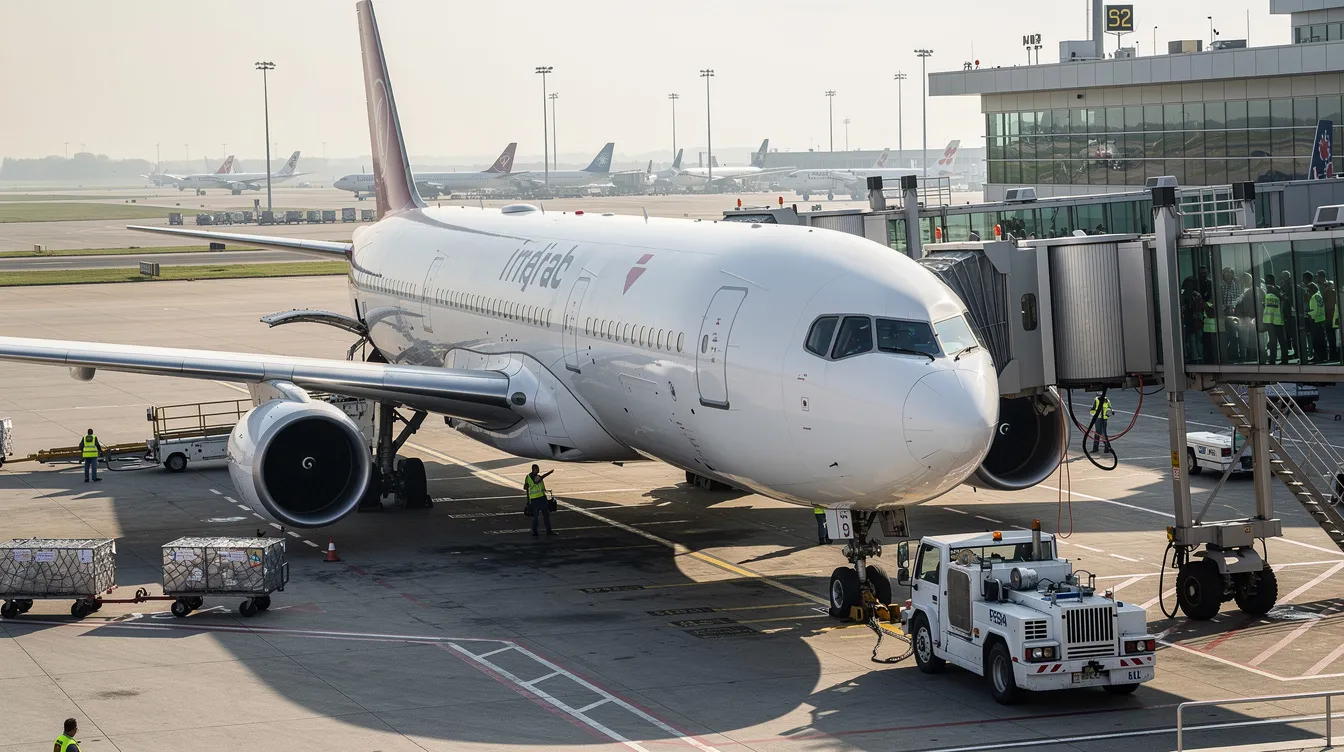
The Boeing 777-200 has been a cornerstone of long-haul commercial aviation for over three decades. This wide-body twin-engine jet airliner connects major hubs across the Atlantic, Pacific, and beyond, carrying millions of passengers each year on airlines like British Airways, United Airlines, and American Airlines. (A wide-body twin-engine jet airliner is an aircraft with two engines and a wide fuselage, allowing for two aisles and high passenger capacity.) This guide is intended for travelers, aviation enthusiasts, and anyone comparing commercial and private air travel options. But how does the experience on this commercial aircraft stack up against private charter? This guide breaks down the 777-200's cabin layout, seat maps, technical specifications, and how it compares to flying private through platforms like Jettly.
The Boeing 777-200 is a wide-body, twin-engine long-haul airplane introduced in 1995, still in active service with major carriers including British Airways, American Airlines, and United Airlines.
The Boeing 777-200 and Boeing 777-200ER are "classic" long-haul widebodies known for maximum range capabilities, powerful jet engine options from General Electric, Rolls-Royce, and Pratt & Whitney, and high passenger capacity of up to 440 seats depending on configuration.
Cabin classes on the 777-200 range from First and Business Class with lie-flat seats to Premium Economy and Main Cabin/Economy, each with distinct seat map layouts that vary by airline.
Commercial 777-200 flights offer cost-efficient scheduled service, while private charter through Jettly provides greater privacy, flexible scheduling, direct routing, and time savings at the airport.
Jettly's global charter marketplace gives travelers private alternatives to busy 777 hubs and routes, with access to over 20,000 aircraft and instant pricing.
The Boeing 777-200 is the original "Triple Seven" variant, introduced in the mid-1990s for medium to long-haul routes. It remains in active service with dozens of airlines worldwide in 2026, serving as a workhorse on transatlantic, transpacific, and intercontinental sectors.
Within the broader Boeing 777 family, the -200 sits alongside the -200ER and -300 as part of the "classic" lineup. Later versions include the -300ER, -200LR, and the forthcoming 777X. The Boeing 777 family offers significant operational efficiencies for airlines, and the design allows for a reduced number of engines compared to similar capacity aircraft like the 747, cutting fuel and maintenance costs. This means the 777-200 achieves similar passenger capacity as older four-engine aircraft, but with only two engines, improving efficiency.
The 777-200 was the first commercial airplane designed entirely with 3D CAD tools, a milestone in aviation manufacturing. This use of 3D CAD tools marked a significant advancement in aircraft design and manufacturing. Its circular fuselage cross-section supports flexible cabin layouts, and the spacious twin-aisle cabin set a new standard for widebody comfort. The aircraft features a blade-shaped tail cone that reduces aerodynamic drag.
Key operators historically and today include British Airways, United Airlines, American Airlines, Japan Airlines, and several Asian and Middle Eastern carriers. By 2014, the 777 became Boeing's best-selling wide-body airliner. While airlines use the Boeing 777-200 for dense scheduled flights, Jettly focuses on private charter solutions that complement or replace these routes for travelers who value flexibility and privacy.
Boeing formally launched the 777 program on October 15, 1990, with United Airlines placing the first order for 34 aircraft plus options. The development timeline moved quickly: configuration was frozen in March 1991, major assembly began in 1993, and the aircraft rolled out on April 9, 1994. The first flight took place on June 12, 1994.
The Boeing 777 received simultaneous airworthiness certification from the FAA and European authorities on April 19, 1995. The first Boeing 777 was delivered on May 15, 1995, to United Airlines. The first commercial flight occurred on June 7, 1995, operating as United Flight 921 from London Heathrow to Washington Dulles.
Boeing used a collaborative design partnership approach, consulting airlines including British Airways, Japan Airlines, All Nippon Airways, and others on cabin layout, systems, and operational requirements. This "Working Together" philosophy was introduced under the 777 program and influenced everything from overhead bin size to cockpit design.
Airlines were attracted to the 777-200 for several reasons:
Twin-engine fuel efficiency versus four-engine jumbos like the 747
ETOPS capability enabling direct overwater routes
A wider cabin with more space per passenger than the 767
Lower operating cost per seat mile on long-haul sectors
The type spread rapidly across global carriers for transatlantic and transpacific service, and the 777 fleet surpassed 900,000 flight hours by 1998.
This section covers the core technical data that matters most to travelers, aviation enthusiasts, and pilots evaluating the 777-200's capabilities.
Dimensions and airframe details:
|
Specification |
Value |
|---|---|
|
Length |
63.7 m (209 ft 1 in) |
|
Wingspan |
60.9 m (199 ft 11 in) |
|
Height |
~18.5 m (60 ft 9 in) |
|
Cabin width (interior) |
~5.88 m (19 ft 3 in) |
|
Maximum takeoff weight |
247,200 kg (545,000 lb) |
These dimensions make the 777-200 a true widebody aircraft, capable of accommodating up to 336 passengers in a three-class configuration. The airframe features a six-wheel main landing gear - the largest landing gear assembly on a twin-engine commercial jet - designed for optimal weight distribution across runways.
Engines: The Boeing 777-200 is powered by either General Electric GE90, Pratt & Whitney PW4000, or Rolls-Royce Trent 800 engines. Each of these powerful jet engine options features very large fan diameters, and the aircraft is powered by two engines with up to 98,000 lbf of thrust, depending on the variant.
Performance: The maximum cruising speed of the Boeing 777-200 is Mach 0.84. It features a range of 5,240 nautical miles (~9,700 km), making it capable of most transatlantic and many transpacific routes.
Avionics: The 777-200 has advanced avionics and a glass cockpit with electronic displays. It introduced computerized flight-management systems and features a digital fly-by-wire flight control system - a first for a Boeing commercial aircraft, giving pilots precision control across all flight phases.
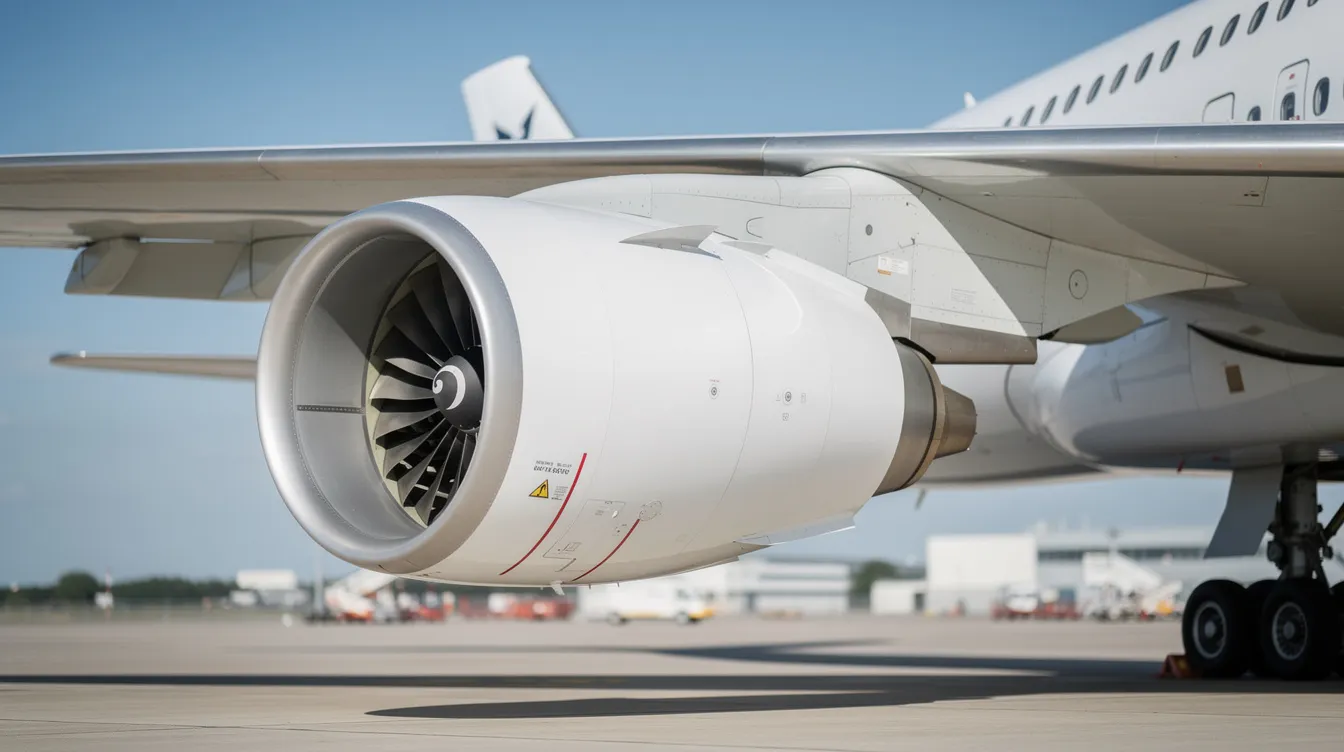
The Boeing 777-200ER is an extended-range, higher-weight evolution of the original -200. Travelers and even some airline customers often see the two names used interchangeably, but they differ significantly from an operations perspective. Variants of the Boeing 777-200 differ in range, passenger capacity, and engine technology.
Key differences at a glance:
|
Feature |
777-200 |
777-200ER |
|---|---|---|
|
Maximum takeoff weight |
~247,200 kg (545,000 lb) |
~297,550 kg (656,000 lb) |
|
Maximum range |
~5,240 nmi (~9,700 km) |
~7,725 nmi (~14,305 km) |
|
Fuel capacity |
Standard |
Extended fuel tanks |
|
Typical routes |
Medium-haul, domestic trunk |
Ultra-long-haul transoceanic |
The Boeing 777 family includes extended-range models such as the 777-200ER and 777-200LR. The 777-200LR variant boasts a range exceeding 8,500 nautical miles (15,740 km), and the 777-200LR entered service on February 26, 2006, targeting the world's longest nonstop routes; Jettly also offers this ultra-long-range type for VIP operations, as detailed on its Boeing 777-200LR charter and specifications page.
The Boeing 777-200ER has an increased range of approximately 7,725 nautical miles (14,305 km), enabling nonstop service on routes like London–Tokyo, New York–São Paulo, and Los Angeles–Sydney. Boeing delivered 422 777-200ER aircraft by 2019, making it the most popular classic 777 variant.
Many British Airways, American Airlines, and United Airlines long-haul flights marketed as flying on a "777-200ER" use this variant to reach distant cities nonstop. From a passenger's point of view, the interior experience can be similar, but seat maps and cabin layouts vary by airline and variant.
A seat map is a diagram of the cabin showing seat rows, class sections, aisles, lavatories, galleys, and emergency exits. Checking the seat map before booking a Boeing 777-200 or 777-200ER flight helps travelers pick the best available seats for comfort and convenience.
The Boeing 777-200 facilitates high-density seating configurations thanks to its wide fuselage. Economy Class on the Boeing 777-200 typically features a 3-4-3 seating layout in higher-density configurations, though some airlines still use a more comfortable 3-3-3 arrangement. In either case:
Seat width ranges from about 17 to 18 inches
Seat pitch is typically 31 to 32 inches
Overhead bin space can feel contested in 3-4-3 rows
Airlines publish detailed seat map tools showing locations of galleys, lavatories, bulkhead rows, and exit rows with extra legroom. Sites like AeroLOPA and FlightSeatMap let travelers compare layouts across carriers.
On long flights, the narrow 3-4-3 economy layout can feel cramped. Frequent feedback from passengers includes limited shoulder room, aisle congestion during meal service, and competition for overhead bin space - especially on routes lasting eight hours or more.
Travelers should cross-check the seat map before booking and consider private charter through Jettly on routes where main cabin comfort is a key concern, especially for families or business groups needing productive flight time.
Many Boeing 777-200 and 777-200ER aircraft feature either a combined First plus Business cabin or a large flagship business class cabin only. Globally, the trend over the past two decades has moved toward improved business class rather than maintaining a separate first class cabin.
Typical business class layouts on the 777-200 include:
1-2-1 configurations in newer retrofits, giving every passenger direct aisle access
2-2-2 or 2-3-2 in older configurations
Lie-flat seats with 180-degree recline
Seat pitch around 76 to 80 inches; width around 20 to 22 inches
First Class seats on the Boeing 777-200 have a pitch of 76 inches in many configurations. United Airlines offers its Polaris business product on 777-200ER aircraft with approximately 50 lie-flat seats. American Airlines features Flagship Business on its 777-200ER fleet, while British Airways historically configured its 777-200 with Club World business class in a 2-4-2 layout.
Quiet cabin zones are typically found between the first and second doors, where business class passengers benefit from reduced engine noise and less foot traffic. Newer 1-2-1 layouts with direct aisle access from every seat have significantly improved the business class experience.
Even so, these premium products involve shared cabins with other passengers. For travelers who want a fully private environment - where catering, layout, and schedule are entirely under their control - private jets offer a distinct advantage over even the best commercial business class.
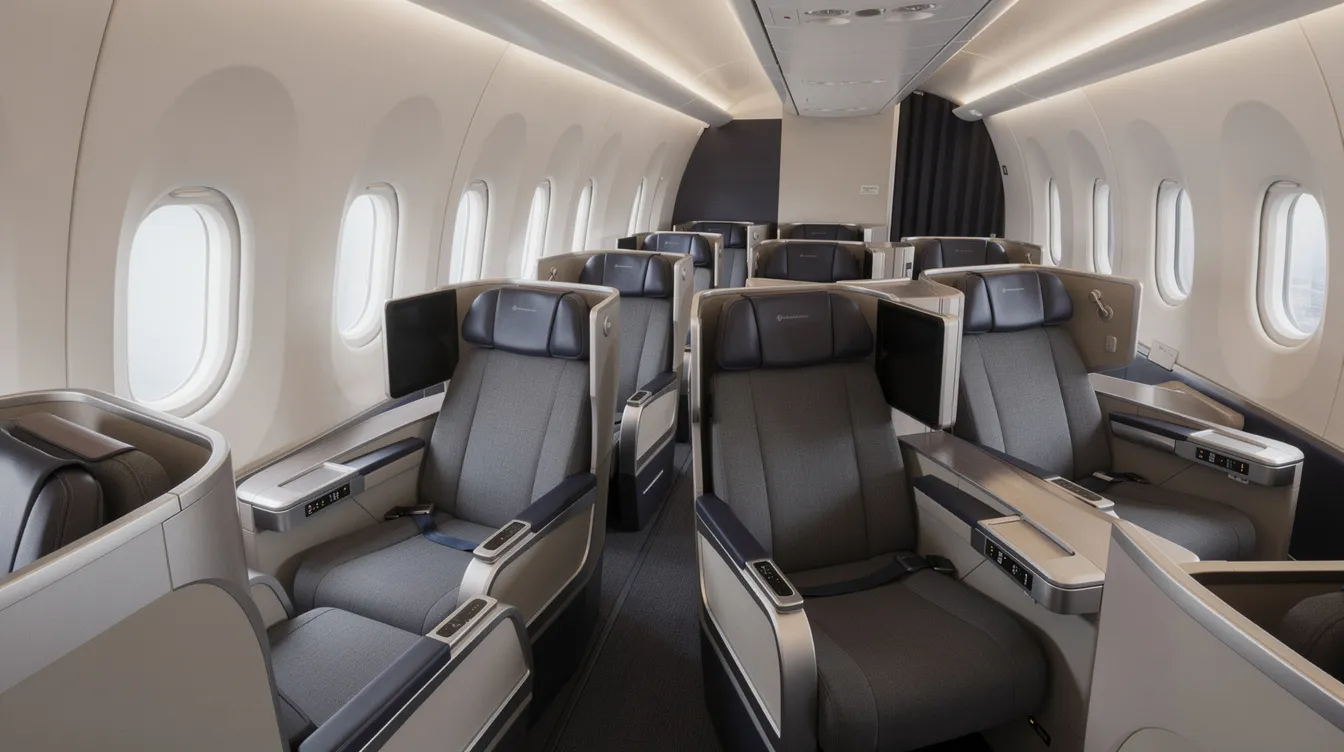
Premium economy serves as the mid-tier cabin between main cabin economy and business class on many Boeing 777-200 and 777-200ER aircraft. It offers a noticeable step up from economy without the full cost of business class.
Typical premium economy seating features include:
Wider seats, around 18 to 19 inches
More generous pitch - Premium Economy seats on the Boeing 777-200 have a pitch of 35 inches on many carriers
Layout of 2-4-2 or 2-3-2 depending on airline
Upgraded meals, more checked baggage allowance, and priority boarding
British Airways offers World Traveller Plus on selected 777-200ER configurations, while American Airlines provides its Premium Economy product on the same type. United Airlines' Boeing 777-200 has 364 seats configured as 28 First Class, 102 Premium Economy, and 234 Economy in one common layout, giving premium economy a sizable share of the cabin.
Enhanced perks often include better in-flight entertainment screens, amenity kits, and sometimes better meal service. But the cabin is still shared with dozens of other passengers.
By contrast, chartering a private aircraft means the entire cabin is effectively premium. Even small business jets in Jettly's network often offer more legroom per passenger than premium economy rows, along with full privacy and tailored amenities.
Main cabin - or economy - is the largest section of a typical 777-200 seat map, often exceeding 200 seats on a single aircraft. On American Airlines' 777-200ER, the economy section holds roughly 146 to 234 seats depending on configuration. The 777-200 is often used for medium- to long-haul flights, so economy passengers may spend eight to fourteen hours in these seats.
Typical figures in economy:
Seat pitch: 31 to 32 inches
Seat width: 17 to 18 inches
Layout: 3-4-3 (high density) or 3-3-3 (more comfortable)
Two seats on each side in some rows near doors or exits
Comfort considerations on long-haul Boeing 777 flights include cabin noise near the wing and engines, proximity to lavatories and galleys creating foot traffic, and the difference between forward and aft economy zones. Forward economy tends to be quieter and experiences less turbulence vibration.
Passengers seeking to avoid middle seats or high-traffic areas should study the airline's Boeing 777-200 seat map before selecting seats. Exit rows offer extra legroom but may have fixed armrests or limited recline.
For corporate teams needing to work in flight or families wanting more space, switching from a crowded main cabin to private charter can transform the travel experience entirely.
Most modern 777-200 and 777-200ER aircraft offer personal in-seat screens with on-demand entertainment systems. Specifics vary by airline and retrofit status, but passengers can generally expect thousands of hours of movies, TV shows, and music.
Common aircraft features across 777-200 fleets include:
Power outlets or USB charging at each seat (standard in business and premium economy, increasingly common in economy)
Adjustable LED lighting with mood-lighting programs
Advanced cabin pressurization systems designed to reduce fatigue
Higher humidity levels than older aircraft types, though not as high as the 787 or A350
Wi-Fi and live TV are available on certain United Airlines and American Airlines Boeing 777 fleets, though coverage can drop over oceans depending on the satellite system installed. Some carriers have upgraded to high-speed Ka-band connectivity while others rely on slower Ku-band systems.
Private jets, by contrast, let Jettly passengers specify connectivity requirements, onboard catering preferences, and cabin layout to suit work or relaxation needs on the same long-haul sectors - a level of control that commercial widebody service cannot match, especially when using instant-book services like Zenflight, Jettly's private jet marketplace.
British Airways, United Airlines, and American Airlines have all operated substantial Boeing 777-200 or 777-200ER fleets for transatlantic and transpacific routes over the past three decades.
British Airways helped shape the original design of the 777 and deploys its 777-200ER fleet on routes from London Heathrow to North America, Asia, and Africa. Typical BA configurations include around 272 seats across First (where still fitted), Club World business class, World Traveller Plus premium economy, and World Traveller economy. BA's involvement with the type goes back to the early 1990s design consultations.
United Airlines, as the launch customer, continues to fly the 777-200 and 777-200ER on key domestic trunk routes and long-haul international service. United's Polaris-equipped 777-200ER features around 276 seats in a layout that includes roughly 50 business seats, 24 premium economy seats, and over 200 economy seats. Some older configurations use different class distributions.
American Airlines uses its 777-200ER fleet to connect hubs like Dallas–Fort Worth, Miami, and New York to Europe, South America, and beyond. A typical American Airlines 777-200ER carries approximately 273 seats - 37 in Flagship Business, 24 in premium economy, 66 in Main Cabin Extra, and 146 in regular economy.
While these carriers move large volumes of passengers on fixed schedules, Jettly's marketplace is aimed at travelers who prefer direct point-to-point charter flights that bypass hubs and queues entirely, positioning itself as a flexible NetJets alternative for private flying.
One of the Boeing 777-200's strengths is flexibility in seating configurations. Typical passenger capacity for the Boeing 777-200 is 305 to 440 depending on configuration, and the Boeing 777-200 can seat up to 336 passengers in a standard three-class setup.
Common configurations include:
Three-class (Business, Premium Economy, Economy): 250 to 320 seats
Four-class (First, Business, Premium Economy, Economy): 250 to 280 seats
High-density two-class: 330 to 440 seats
Airlines use seat maps to balance revenue, comfort, and range. Adding more seats means more weight, which can reduce range or payload on certain routes. On very long routes, airlines trade some seats for additional galleys, crew rest areas, and extra lavatories - a necessary investment in passenger and crew comfort.
For a deeper understanding of how aircraft size affects the travel experience, seat map tools like AeroLOPA help travelers compare layouts across different carriers and variants.
The Boeing 777-200 and 777-200ER were designed to link major global hubs nonstop across oceans. The baseline -200 covers routes up to about 5,240 nautical miles, while the -200ER pushes that to approximately 7,725 nautical miles.
Routes historically served by the type include:
London–New York
London–Hong Kong
Chicago–Frankfurt
Los Angeles–Tokyo
New York–São Paulo
Various routes to Hawaii from the U.S. mainland
The 777-200ER's extra range allowed airlines like British Airways and United to consolidate four-engine 747 routes onto more efficient twins, saving fuel and maintenance costs on the same city pairs.
Many 777-200 aircraft have been redeployed in recent years to medium-haul or high-distance leisure routes as newer 777-300ER and 787 Dreamliner aircraft enter fleets. Some serve high-demand domestic trunk routes where their large capacity fills a need.
Jettly customers often use long-range business jets to reach similar city pairs with more flexible schedules and the ability to access smaller airports not served by widebody commercial flights, using tools like an airport locator for private jet charter to identify convenient departure and arrival points. For details on long-range private jet options, Jettly's fleet includes aircraft capable of transcontinental and transoceanic sectors, and its catalog of private charter aircraft across all categories helps travelers match cabin size and range to their specific route.
The Boeing 777-200 is generally regarded as comfortable in lower-density layouts, but high-density 3-4-3 economy configurations can feel tight on flights exceeding six hours. Feedback from passengers over the decades has been consistent on several themes.
What passengers appreciate: Strong cabin climate control, a relatively quiet ride compared to older four-engine aircraft, smooth handling over water, and the wide twin-aisle cabin that makes boarding and deplaning easier.
Common complaints: Narrow seats in 3-4-3 economy, limited recline, overhead bin competition, and proximity to lavatories or galleys creating foot traffic and ambient noise.
Seat placement matters. Over-wing mid-sections experience more engine noise and vibration. Aft cabins tend to be louder. Forward cabins are typically quieter and more stable. Exit rows and bulkhead seats offer more legroom but may have trade-offs like fixed armrests.
Premium cabins on airlines like American Airlines and United receive high marks for flat beds and service. Economy passengers, however, often report crowding and limited personal space - a contrast with the privacy and room available on private jets that Jettly sources for travelers accustomed to business or premium economy standards.
The Boeing 777 family underwent extensive flight testing in the early 1990s, including ETOPS (Extended Twin-Engine Operations) evaluations. The baseline 777-200 with PW4084 engines earned ETOPS-180 certification on May 30, 1995, meaning it could fly routes up to 180 minutes from any alternate airport on a single engine. This opened direct overwater routes previously limited to four-engine aircraft.
Boeing's testing program included static load tests and fatigue testing to 120,000 cycles - representing three design lifetimes. Multiple test aircraft logged long-duration flights across varied conditions before certification was granted.
The Boeing 777 has 31 aviation accidents as of May 2024, with 542 fatalities and five in-flight accidents over more than three decades of service. While any accident is significant, the overall record across billions of passengers carried is considered strong by industry standards.
Airlines and private charter operators alike must adhere to strict maintenance and regulatory standards. Jettly works only with certified operators and aircraft meeting national and international safety requirements, whether the flight involves a heavy business jet or a larger charter aircraft.
Some Boeing 777-200 and 777-200ER airframes are being converted to freighters as they age out of passenger service. These conversions extend the operational life of the airframe by a decade or more.
Boeing's Converted Freighter (BCF) program removes passenger cabins, installs large cargo doors, and reinforces the floor structure for freight operations. This gives older 777-200s a valuable second career on long-haul cargo routes where their range and payload capacity remain competitive.
Governments and corporations have also used 777 variants as VIP aircraft, taking advantage of the spacious cabin and long range for head-of-state or executive transport. This application is more common on the -200LR and -300ER, but demonstrates the type's versatility. For those interested in executive-configured Boeing aircraft, Jettly's platform also connects travelers with options like the Boeing Business Jet.
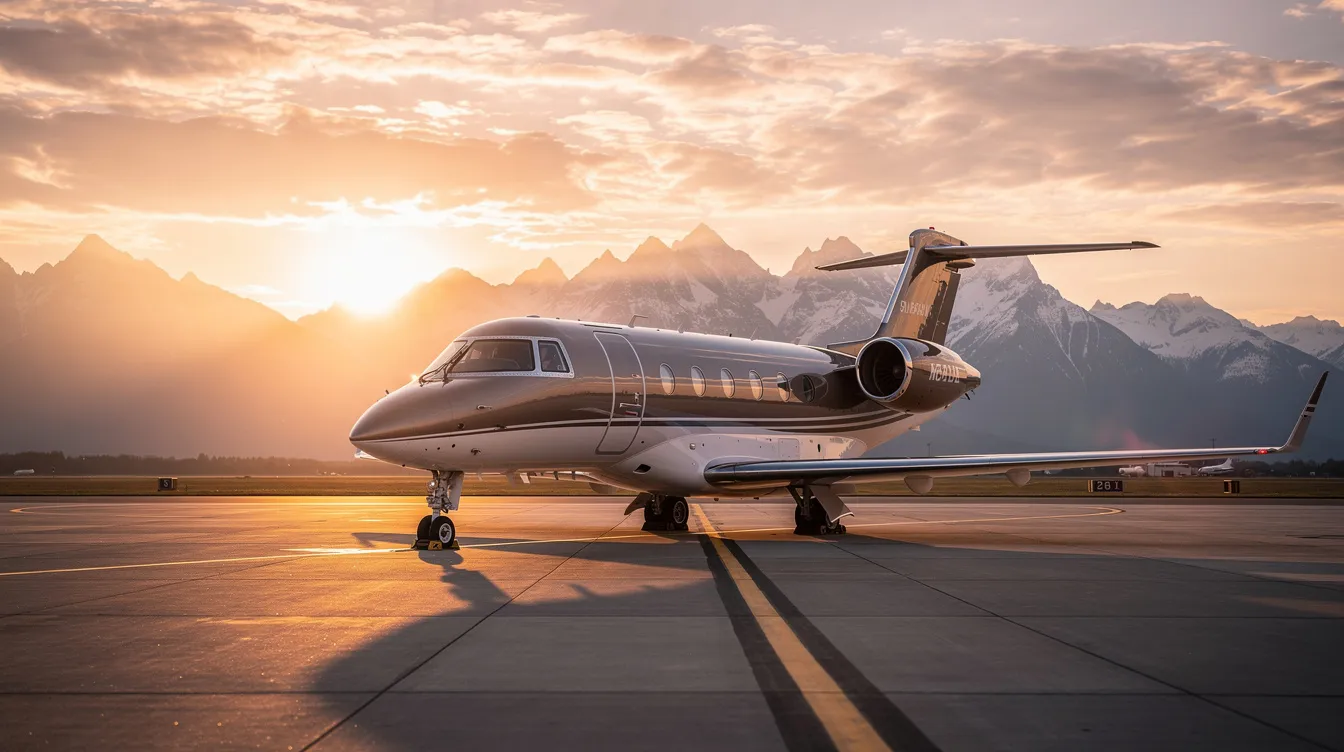
Commercial flights on a Boeing 777-200 are ideal for scheduled, cost-efficient travel serving high-volume routes. Private charter excels in flexibility, time-saving, and privacy - different tools for different needs.
Check-in and boarding: At major hubs, passengers face long security lines, boarding groups, and gate waits that can consume two to three hours. Private terminals (FBOs) offer minimal waiting and direct ramp access - travelers often arrive 15 minutes before departure.
Cabin experience: Dense main cabin layouts on a 777-200 mean shared space, fixed meal schedules, and limited movement. Private jets offer fully private cabins, made-to-order catering, and custom seating. Even a midsize jet provides more personal space than a premium economy row.
Fleet and flexibility: Jettly's platform offers instant pricing, a global network of 20,000+ aircraft, and the ability to match aircraft size to group needs - from light jets for four to six passengers to heavy jets capable of crossing oceans.
Real-world example: A corporate team of eight, normally booked in business class on a Boeing 777-200ER at roughly $5,000 to $8,000 per seat round-trip, might instead charter a super-midsize jet for a comparable total cost - gaining schedule flexibility, a non-stop meeting environment, and access to a closer airport. Tools like Jettly's private jet charter cost estimator help quantify these trade-offs on specific routes. For transparent cost comparisons, Jettly's platform provides instant quotes, and its jet card flight cost estimator lets frequent flyers approximate one-way pricing under different membership structures.
Many Boeing 777-200 routes funnel through major hubs like London Heathrow, New York JFK, Chicago O'Hare, and large gateways across Europe and Asia. These airports are efficient for airlines but time-consuming for travelers dealing with connections, delays, and long walks between terminals.
Jettly's digital platform allows travelers to bypass these congested hubs by flying between secondary airports closer to their homes and final destinations, with private jet memberships available for those who charter frequently and want wholesale rates without long-term contracts. The platform features:
Instant online pricing with transparent cost breakdowns
Choice between jet card-style member plans and on-demand booking models
Coordinated ground transportation
Tailored in-flight catering coordinated through services like Jettly Eats for private jet catering
The ability to schedule flights at short notice for business, leisure, or urgent family travel
Whether the goal is to avoid a layover at a busy hub or reach a destination not served by 777 routes, Jettly provides a direct alternative and works exclusively with vetted Part 135 charter companies and certified operators to maintain safety standards.
Ready to experience private travel on your terms? Explore flight options or request a quote at jettly.com or consider localized services such as private jet charter in Houston, Texas, for specific departure cities.
Many airlines are gradually planning to replace classic Boeing 777-200 aircraft with newer models like the 777-300ER, 787 Dreamliner, Airbus A350, and eventually the 777X. But the -200 and -200ER remain active in 2026, and some will fly for years to come.
Some 777-200s are being retired or sold to smaller carriers or replaced on shorter routes by narrowbodies like the Boeing 737-800 with its own distinct specs and range profile. Others receive cabin refits - newer seats, updated IFE systems, and added premium economy sections - to extend their passenger service life. Freighter conversions offer another path for aging airframes.
For travelers, this transition means more variety in aircraft types on familiar routes, often mixing 777s, 787s, and A350s within the same airline network. Cabin quality can fluctuate depending on which aircraft is assigned to a particular flight.
Regardless of airline fleet changes, private charter provides consistent control over aircraft type, schedule, and onboard experience, and guides to the best private jet charter companies and providers can help travelers compare options beyond traditional airlines. Understanding Boeing 777-200 configurations helps travelers make informed choices - whether staying with commercial flights or exploring private alternatives through Jettly.
Below are answers to common questions about the Boeing 777-200 and how it compares to private jet charter, covering points not fully detailed in the sections above.
Forward economy or premium economy cabins are often quieter and experience less foot traffic from galley and lavatory use. Bulkhead and exit-row seats provide extra legroom but may have trade-offs like fixed armrests or proximity to lavatories. Business class cabins between the first and second set of doors typically offer the quietest, most stable ride. Passengers should check the specific airline's seat map before booking to identify highly rated seats - tools like AeroLOPA and SeatGuru can help.
The 787 Dreamliner and Airbus A350 generally offer higher cabin humidity, slightly lower cabin altitude (reducing fatigue), and improved fuel efficiency per seat. However, a well-refitted 777-200 can still deliver very competitive seats and entertainment. Some travelers find the 777's wider fuselage and robust feel reassuring, while others prefer the quieter, more modern cabins of newer types. The choice often comes down to which aircraft an airline assigns to a particular route on a given day.
The 777-200's spacious twin-aisle cabin and multiple lavatories can suit families well, especially when choosing seats near bulkheads or in smaller forward economy sections. The wide cabin makes it easier to move through the aisle with children. For families who want even more flexibility - customized departure times, extra luggage with fewer restrictions, and a private environment for children to rest and move around - chartering through Jettly offers an alternative that eliminates the stress of managing a long flight in a crowded cabin.
Noise levels on a 777-200 are moderate for a large twin-engine jet. Passengers seated over the wings and in the aft cabin experience higher noise from engines and airflow, while modern insulation keeps front cabins relatively quiet. Many private jets used in Jettly's network - particularly mid and large-cabin categories designed for long-range business travel - are at least as quiet in the passenger cabin, with the added benefit of fewer passengers contributing to ambient noise.
Charter is most compelling when travelers value time savings, need flexible scheduling, travel as a group, or require direct flights to airports not served by Boeing 777 routes, especially when weighing jet rentals versus first-class tickets for corporate travel. It makes particular sense for tightly timed business trips where schedule flexibility is critical, multi-stop itineraries that would require multiple commercial connections, or high-value leisure travel where comfort and privacy justify the cost. Explore options or request a quote through Jettly's online platform at jettly.com.
The Boeing 777-200 remains a cornerstone of long-haul commercial aviation, offering a balance of range, capacity, and operational efficiency that has served airlines and passengers well for over 25 years. Its spacious twin-aisle cabin, powerful twin engines, and advanced avionics make it a reliable choice for many global routes. However, the dense seating layouts and fixed schedules of commercial 777-200 flights contrast sharply with the flexibility, privacy, and personalized service available through private jet charter platforms like Jettly.
Whether flying commercially or chartering privately, understanding the Boeing 777-200’s capabilities and cabin options helps travelers make informed choices. To explore private flight options or get a personalized quote, visit Jettly.com and discover how private aviation can transform your next trip.
Share this post:
Jay Franco Serevilla
Oct 27, 2026
|
5
min read
Discover tips and trends in the industry.
5
min read
Flying Delta Airlines: How It Compares to Flying Private with Jettly
Flying Delta Airlines in 2026 offers a structured experience with various fare classes and loyalty perks, making it a solid choice for many travelers. However, for those prioritizing flexibility, privacy, and time savings, private jet charter with Jettly presents a compelling alternative. This guide compares both options, helping travelers decide which fits their needs best.
Read More5
min read
Boeing 777-200: Cabin Layout, Seat Maps, and How It Compares to Private Charter
The Boeing 777-200 is a long-haul, wide-body aircraft known for its efficiency and passenger capacity, serving major airlines worldwide. This guide compares the commercial flying experience on the 777-200 with private charter options, highlighting cabin layouts, seat maps, and the benefits of choosing private travel for flexibility and comfort.
Read MoreStay updated with our latest insights and tips to elevate your journey with us.
MEMBERSHIPS AND ASSOCIATIONS



Disclaimer: Jettly operates as a charter broker, offering access to a global digital jet charter marketplace. Jettly is not a direct air carrier and does not own or operate aircraft. All advertised flights are conducted by third-party air carriers that are fully licensed and hold the appropriate Part 135 or Part 121 certifications issued by the Federal Aviation Administration (FAA) or equivalent regulatory authorities under U.S. or foreign law. Jettly complies fully with the U.S. Department of Transportation's Part 295 and Part 298 Charter Broker regulations. Jettly does not carry additional liability insurance. Passengers are covered by aircraft operator insurance. TICO: 50023770


