


Login
Get Instant Pricing On 23,000+ Aircraft

>
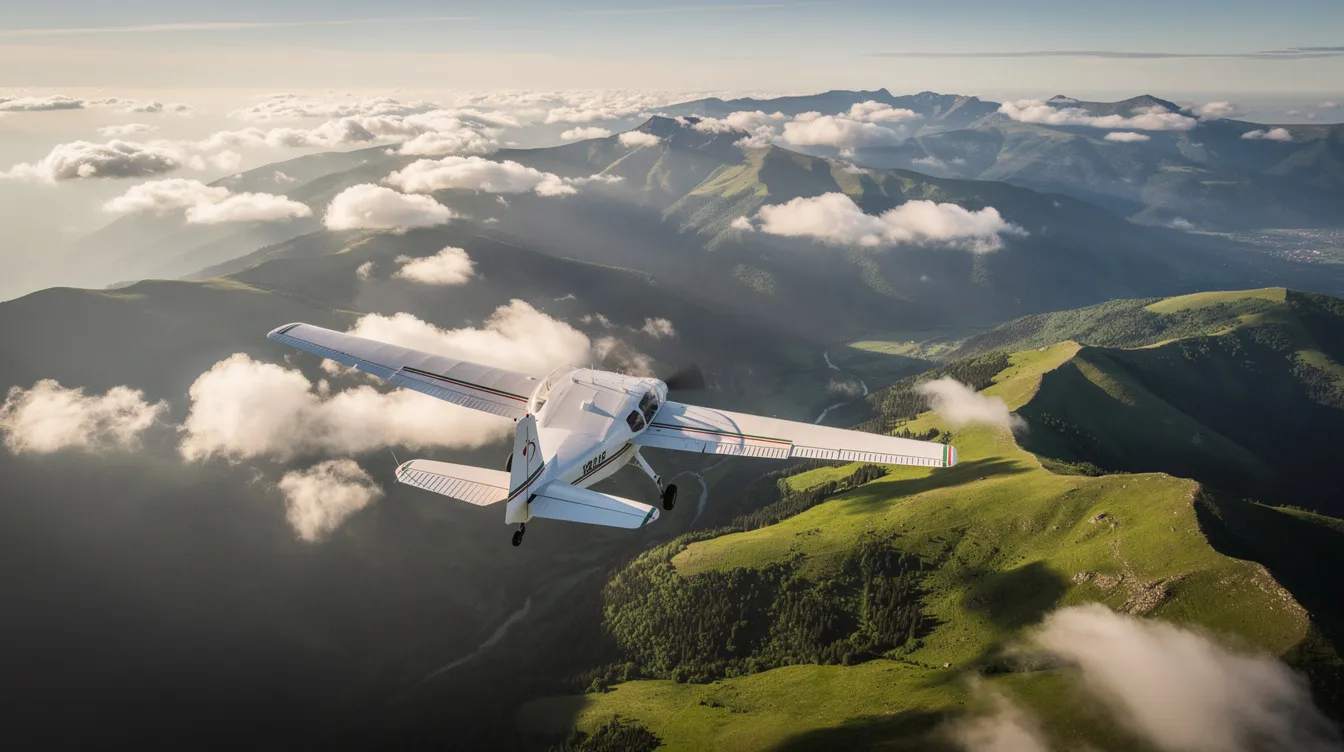
The Cessna P210N remains one of the most capable pressurized piston singles ever produced. For buyers, owners, and charter clients comparing it against other aircraft in its class, understanding the full range of Cessna P210N specs is essential. Here is what the numbers actually look like.
The Cessna P210N is a turbocharged, pressurized, retractable gear, six seat single engine airplane manufactured from roughly 1978 to 1983, powered by a 310 HP Continental TSIO 520 engine.
Best cruise speed reaches 191 KIAS, with a maximum range of 661 NM and a service ceiling of 23,000 feet.
Typical seats-full range falls between 430 and 600 NM under realistic loading and reserves, with useful load reaching up to 1,574 lbs.
Operating costs run in the mid-to-high hundreds of dollars per hour when factoring in fuel, maintenance, insurance, and annual inspections.
Comparing these specs to entry-level turboprops and light jets helps travelers decide between ownership and on-demand charter through platforms like Jettly.
The Cessna P210N is a pressurized evolution of the Cessna 210 Centurion line, designed for serious cross-country flying in weather. Pressurization refers to the aircraft's ability to maintain cabin pressure at altitude, as the P210N features a pressurized cabin. The Cessna 210 was first flown in January 1957, and Cessna produced the 210 until 1985, creating 26 model variants across nearly three decades of development. The P210N variant was produced in significant quantities during its 1978–1983 production run, preceding the later and rarer P210R model.
The "P" designation means pressurized. The aircraft retains the high wing, retractable landing gear configuration common to the Cessna 210 family. Retractable landing gear allows the wheels to be drawn into the aircraft during flight, reducing drag. The P210N also features a cantilever wing design, meaning the wing is self-supporting without external bracing, which enhances speed and efficiency. Typical use cases include owner-pilots flying business trips, family travel, and regional hops of 300–700 NM above weather and terrain. While Jettly's marketplace focuses primarily on private charter aircraft for charter, understanding P210N specs helps compare piston options to entry-level jets and turboprops.
The Cessna 210 was first flown in January 1957 and produced until 1985, resulting in 26 different model variants. The P210N stands out as a popular pressurized variant, while the rarest models, the T210R and P210R, were produced in limited numbers during 1985-86.
|
Specification |
Value |
|---|---|
|
Wingspan |
~36.8 ft |
|
Fuselage length |
~28.2 ft |
|
Height |
~9.0 ft |
|
Specification |
Value |
|---|---|
|
Cabin seats |
6 (pilot + 5 passengers) |
|
Max gross weight |
4,000 lbs |
|
Typical empty weight |
2,550–2,800 lbs |
|
Useful load (max) |
Up to 1,574 lbs |
|
Fuel capacity |
~90 gallons usable |
The cabin accommodates up to six people, though comfort improves noticeably with three to four adults on longer legs.
Baggage volume runs roughly 26 ft³ total. Hangar requirements are modest given the wingspan and fuselage length, but owners should verify door clearances and nearby options using an airport locator tool before committing to a hangar space.
The pressurization system supports a maximum differential pressure of about 3.35 psi, keeping the cabin altitude significantly below ambient when cruising near FL200. This reduces fatigue on longer flights and eliminates the need for supplemental oxygen at normal cruise altitudes.
The P210N is powered by a turbocharged engine - specifically the Continental TSIO 520- with Continental as the engine manufacturer, a fuel-injected six-cylinder producing a maximum horsepower of 310 HP. This turbocharged setup maintains performance at higher altitudes where normally aspirated engines lose significant power.
|
System |
Description |
Key Specs |
|---|---|---|
|
Fuel System |
Two wing tanks burning 100LL avgas. Provides endurance for regional routes. |
~90 gallons usable, ~17 GPH |
|
Retractable Gear |
Landing gear retracts into the airframe to reduce drag and improve cruise speed and efficiency. |
Retractable, requires maintenance |
|
Pressurization & Air |
Maintains cabin pressure, heat, and ventilation for comfort at altitude. |
Max diff. pressure ~3.35 psi |
|
Avionics |
Many aircraft upgraded to modern glass panels, WAAS GPS, and ADS-B. Original panels had analog gauges. |
IFR-capable, varies by aircraft |
The P210N's fuel consumption is around 17 gallons per hour at normal cruise power, giving solid endurance for flight planning on regional routes.
The retractable landing gear system improves cruise speed and efficiency over fixed-gear models, but demands meticulous maintenance on aging airframes - gear inspections, actuators, and door seals all require attention.
Cabin pressurization, heat, and ventilation keep the crew and passengers comfortable at the aircraft's service ceiling. The pressurized cabin is a defining feature separating the P210N from non-pressurized Cessna 210 variants.
Many aircraft in the fleet today have been converted with modern glass panels (Garmin G500/G600), WAAS GPS, and ADS-B transponders. Original panels carried analog gauges and legacy radios. Avionics condition is a key driver of both resale value and safety - charter platforms like Jettly typically work with operators whose aircraft carry current IFR-capable equipment.
The performance data for the Cessna P210N determines how effectively it covers common regional routes. These numbers matter for flight planning, whether you are an owner or evaluating the model against charter alternatives.
|
Performance Metric |
Value |
|---|---|
|
Best Cruise Speed |
191 KIAS (~200 KTAS) |
|
Normal Cruise |
179 KTAS |
|
Maximum Range |
661 NM |
|
Seats-Full Range |
430–500 NM |
|
Max Range (LR) |
650–680 NM |
|
Service Ceiling |
23,000 feet |
|
Stall Speed |
58 KIAS |
|
Takeoff Distance |
1,300 feet |
|
Landing Distance |
<2,000 feet |
Compared with non-pressurized Cessna 210 variants, the P210N trades modest payload for substantially better comfort and utility at altitude. That trade-off makes it more comparable in mission profile to entry-level turboprops than to simple four-seat pistons.
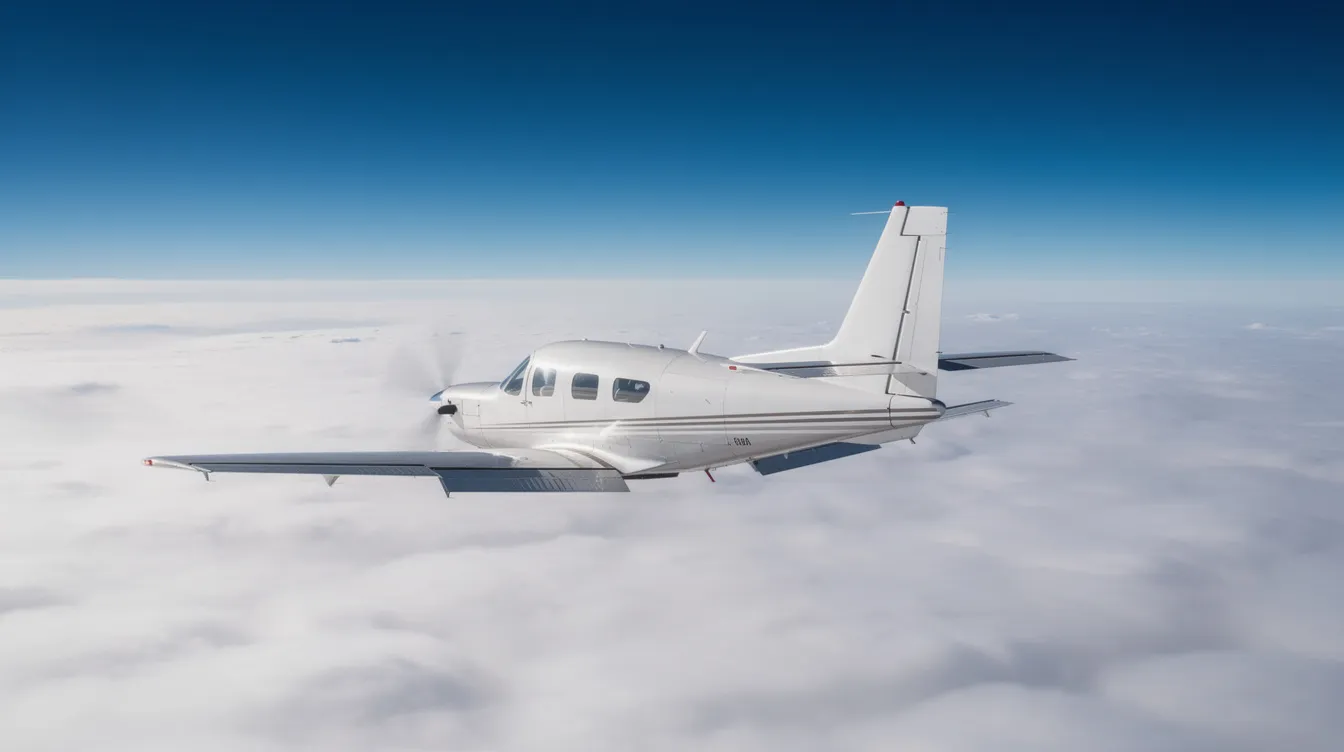
Owning a Cessna P210N involves both fixed and variable costs that add up quickly, similar in structure to a typical private jet operating cost breakdown. Here is what a typical annual ownership profile looks like based on available data:
|
Cost Category |
Estimated Amount |
|---|---|
|
Annual inspection |
$15,308.81 |
|
Insurance |
$4,633.22 per year |
|
Fuel cost (annual) |
$17,122.53 |
|
Hourly maintenance |
$26.55 per hour |
|
Total ownership |
$39,463.40 per year |
Variable costs - fuel, oil, engine and propeller reserves, and landing fees - represent the largest per-hour components. At roughly 17 gallons per hour and current avgas prices, fuel alone runs $100–$120 per hour. Combined with maintenance reserves and fixed cost allocation at around 200 hours per year, a well-maintained P210N often lands in the $700–$850 per hour range all-in.
For pilots flying fewer than 100 hours per year, the money equation shifts toward alternatives like renting other aircraft classes, where understanding affordable airplane rent costs and options becomes useful. Those who compare total annual ownership cost against chartering a turboprop or light jet through Jettly on the routes they actually fly or use a private jet charter cost estimator often find charter more economical - with no maintenance surprises, no hangar lease, and no capital risk.
The P210N belongs to a broader Cessna 210 family that includes the standard 210N, the turbocharged T210N, and later R-series models.
P210N vs 210N: Similar airframe and retractable gear layout, but the P210N adds pressurization and turbocharging. The trade-off is slightly less payload and more complexity for high-altitude capability.
P210N vs T210N: Both are turbocharged, but only the P210N is pressurized. The T210N appeals to owners who want altitude performance without the added weight and maintenance of pressurization systems.
P210R: The rarest models are the T210R and P210R, produced in 1985–86. The P210R introduced a 325 HP TSIO 520 AF engine, extended wingspan for larger fuel capacity, and improved handling - but commands a higher acquisition cost due to scarcity.
For mission profiles frequently exceeding 700–800 NM or requiring full seats and bags, many travelers step up to twin pistons, turboprops, or very light jets and start evaluating the broader picture of how much a private jet costs relative to advanced pistons. Buyers evaluating a pre-owned P210N should also research FAA Airworthiness Directives affecting the Cessna 210 line, including carry-through spar inspections mandated in March 2020 and subsequent report cycles.
The Cessna P210N excels at regional missions: business hops between mid-size cities, mountain crossings where pressurization supplies real value, and family trips from smaller GA airports closer to home, similar in distance to popular private jet charter routes from Kolkata.
That said, the majority of charter flights on platforms like Jettly are conducted with multi-engine aircraft, turboprops, and light jets - offering redundancy, more cabin space, and higher speed at affordable private jet charter rates. On routes like Denver to Santa Fe or Dallas to regional airports in the Southwest, a P210N's pressurization and range would be useful, but a chartered turboprop covers the same distance faster with more windows of operational flexibility.
Jettly's advantages for travelers comparing ownership to charter include instant pricing, access to 20,000+ aircraft globally, digital booking, and the ability to choose aircraft class per trip without long-term commitment through flexible private jet memberships.
Ready to discover private flight options tailored to your needs? Get a quote at https://www.jettly.com..
Below are answers to common questions about Cessna P210N specs, performance, and operating economics not fully covered above.
Many P210Ns are flown in IFR conditions thanks to their turbocharged engine, pressurization, and available de-icing equipment (boots, heated prop, pitot heat). Suitability depends entirely on the specific airframe's equipment - certified GPS, autopilot, and functioning speed brakes or de-ice systems are essential. Pilots need appropriate training and recent instrument experience to operate safely in hard IFR, and all decisions should reference current performance data for the individual airplane.
Expect 15–20 gallons per hour at economy power settings and 20–25 gallons per hour at higher cruise power. Altitude, mixture management, and weight all affect these numbers. When combined with maintenance reserves and fixed cost allocation, the all-in operating cost per hour runs significantly higher than fuel alone.
The pressurized cabin greatly reduces fatigue compared with non-pressurized pistons, eliminating the need for oxygen at typical cruise altitudes. Flights of two to three hours are realistic for three to four adults with baggage. Full six-seat occupancy works better on shorter legs or with smaller passengers - the cabin is compact relative to turboprops or light jets.
Key concerns include engine overhaul intervals for the TSIO 520, propeller maintenance, pressurization seal integrity, and corrosion inspections. The biggest structural issue is the wing spar carry-through inspection mandated by multiple FAA Airworthiness Directives. Buyers should review logbooks carefully and verify AD compliance to avoid unexpected five-figure repair bills.
Ownership can make sense for pilots flying 150–300 hours per year who enjoy operating their own aircraft. For those flying only a handful of trips annually, chartering through a platform like Jettly offers turboprops or light jets per trip - more cabin space, speed, and multi-engine redundancy - without the fixed annual costs, early-model maintenance surprises, or capital risk of owning a 40-plus-year-old pressurized piston single.
The Cessna 210 series has a rich history, having first flown in January 1957 and produced continuously until 1985, resulting in 26 different model variants. Among these, the P210N variant stands out as one produced in significant quantities, marking it as a popular choice in the line. The rarest models, the T210R and P210R, were produced in limited numbers during 1985-86, making them unique collector's items or specialized aircraft.
The P210N is a pressurized, turbocharged, retractable-gear, six-seat single-engine aircraft known for its cantilever wing design that enhances speed and efficiency. Pressurization refers to the aircraft's ability to maintain cabin pressure at altitude, as the P210N features a pressurized cabin. A cantilever wing design means the wing is self-supporting without external bracing, enhancing speed and efficiency. Retractable landing gear allows the wheels to be drawn into the aircraft during flight, reducing drag. It accommodates up to six people comfortably, with a maximum takeoff weight of 4,000 lbs and a useful load capacity reaching up to 1,574 lbs. The fuel capacity is approximately 90 gallons, supporting a jet fuel consumption rate of around 17 gallons per hour at normal cruise power.
The aircraft's pressurization system supports a maximum differential pressure of about 3.35 psi, allowing it to maintain cabin comfort at higher altitudes. It has a certified service ceiling between 23,000 and 27,000 feet, with a stall speed of 58 KIAS and a takeoff distance of 1,300 feet.
Performance-wise, the P210N delivers a maximum horsepower of 310 HP and achieves a best cruise speed of 191 KIAS. The aircraft also boasts a maximum range of 661 NM, making it suitable for various regional missions requiring speed, efficiency, and comfort.
Owning a Cessna P210N involves several fixed and variable costs. The annual inspection cost is approximately $15,308.81, with insurance costs around $4,633.22 annually. Fuel expenses can reach $17,122.53 per year based on typical usage, while hourly maintenance costs average $26.55. Overall, the total cost of ownership sums up to about $39,463.40 annually.
These costs highlight why some owners or occasional flyers might prefer to charter aircraft via platforms like Jettly, which offers access to a broad range of aircraft without the burdens of ownership, especially once they understand one-flight private jet cost factors.
Explore private flight options tailored to your preferences by requesting a quote at https://www.jettly.com.
The Cessna P210N stands out as a versatile, pressurized single-engine aircraft ideal for regional travel, combining turbocharged performance with cabin comfort at altitude. Its specifications, including a 310 HP engine, retractable gear, and a service ceiling of 23,000 feet, make it a capable choice for owner-pilots and small groups seeking efficient cross-country flights. However, operating costs and maintenance considerations for this aging airframe are significant factors in ownership decisions.
For travelers and pilots weighing ownership against charter, platforms like Jettly offer an attractive alternative, providing instant access to a wide range of aircraft types without the fixed costs or maintenance risks, similar to the modern options outlined in this guide to charter airlines and private flights. Whether for business or leisure, the P210N’s specs highlight its niche between piston singles and entry-level turboprops, helping users make informed choices about their private aviation needs.
Discover private travel tailored to your needs. Browse available flights or get a personalized quote at https://www.jettly.com.
Share this post:
Jay Franco Serevilla
Aug 24, 2026
|
5
min read
Discover tips and trends in the industry.
5
min read
What Are Empty Leg Flights? A Practical Guide to Discounted Private Jet Travel
Empty leg flights are discounted private jet journeys that occur when a jet is repositioning without passengers. These flights offer travelers the luxury of private aviation at a fraction of the cost, typically 50% to 80% cheaper than standard charters. This guide explains how to find and book these flights, making private travel more accessible for those with flexible schedules.
Read More
5
min read
Cost of Flight for Life: What Air Ambulance Transport Really Costs
Air ambulance transport can be a lifesaver during medical emergencies, but the costs can be staggering, ranging from $12,000 to over $200,000. This guide explores the factors influencing these prices, including distance, aircraft type, and medical care level, while offering tips on managing and reducing costs effectively.
Read MoreStay updated with our latest insights and tips to elevate your journey with us.
MEMBERSHIPS AND ASSOCIATIONS



Disclaimer: Jettly operates as a charter broker, offering access to a global digital jet charter marketplace. Jettly is not a direct air carrier and does not own or operate aircraft. All advertised flights are conducted by third-party air carriers that are fully licensed and hold the appropriate Part 135 or Part 121 certifications issued by the Federal Aviation Administration (FAA) or equivalent regulatory authorities under U.S. or foreign law. Jettly complies fully with the U.S. Department of Transportation's Part 295 and Part 298 Charter Broker regulations. Jettly does not carry additional liability insurance. Passengers are covered by aircraft operator insurance. TICO: 50023770


