


Login
Get Instant Pricing On 23,000+ Aircraft

>
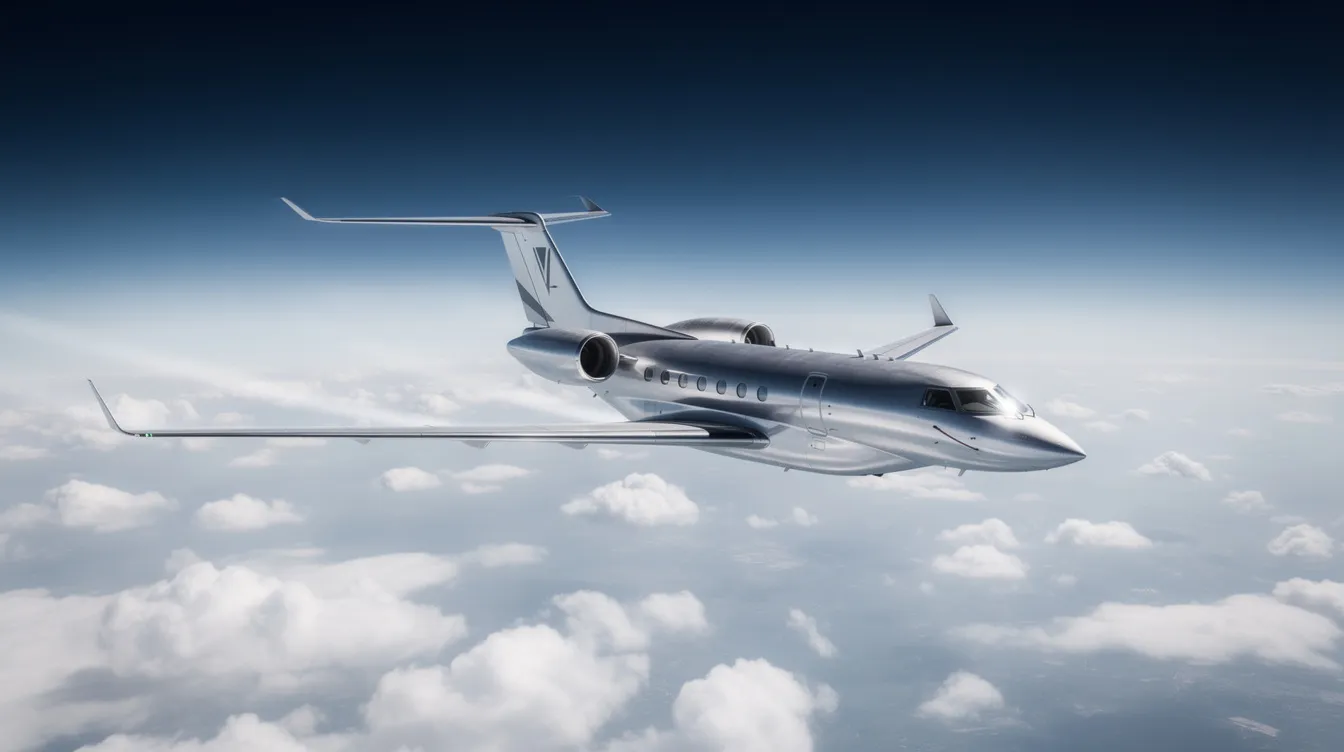
The Cirrus Vision Jet has redefined what a personal jet can do. But how fast does it actually fly in cruise? This guide breaks down the real numbers behind the Cirrus Vision Jet cruise speed in knots, explains what affects those figures in practice, and shows how charter travelers can take advantage of this aircraft through platforms like Jettly and other top private jet charter companies. This guide is designed for owner-pilots, charter customers, and aviation enthusiasts who want to understand how cruise speed in knots impacts trip planning, cost, and overall jet experience.
The Cirrus Vision Jet has a maximum cruise speed of 311 knots true airspeed (KTAS) under standard conditions at optimal altitude. In everyday operations, most pilots plan on a cruise speed of around 300 knots at maximum performance, which accounts for realistic weight, temperature, and routing.
The G2 Vision Jet typically cruises between 305 and 311 KTAS when flying at FL280 to FL310, depending on aircraft weight and atmospheric conditions. Cruising speed can vary based on model configuration and operating conditions, so brochure-perfect numbers don't always match what shows up on the flight deck during a given trip.
For context, this puts the Vision Jet modestly ahead of most single-engine turboprops (which cruise in the 260–290 knot range) but below twin-engine light jets like the HondaJet or Citation CJ series, making it a strong candidate when evaluating the best cross-country plane for regional missions. On a typical 600 nm business leg at 300 KTAS, expect roughly two hours of flight time — competitive with any aircraft in this class.
The Cirrus Vision Jet (SF50) is a single-engine very light jet primarily designed for the owner-pilot market. Built by Cirrus Aircraft, it aims to bridge the gap between high-performance piston aircraft and traditional business jets, offering jet speed and comfort in a package that a single pilot can safely operate. It is frequently compared with other top contenders for the best personal plane. Built by Cirrus Aircraft, it was intended to bridge the gap between high-performance piston aircraft and traditional business jets, offering jet speed and jet comfort in a package that a single pilot can operate safely, and it is often compared with other contenders for the best personal plane.
Here are the main variants:
Original Vision Jet (G1) - Certified October 2016, first deliveries December 2016. Max cruise around 300 KTAS, ceiling limited to approximately FL280.
G2 Vision Jet - Launched January 2019. Higher ceiling (FL310), improved avionics, autothrottle, and more consistent cruise speed near 311 KTAS.
G2+ - Introduced mid-2021. Better hot-and-high and takeoff performance, with improved speed potential under certain conditions, building on Cirrus's reputation among leading private plane manufacturers.
G3 Vision Jet - Announced with a target max cruise speed of 317 KTAS, expected around 2026.
The aircraft can carry up to seven occupants, including the pilot, has a maximum range of 1,200 nautical miles, and operates from standard runways that handle light jet traffic. It features a distinctive V-tail design and is powered by a single Williams FJ33-5A engine mounted above the fuselage.
Jettly clients searching for a light jet charter most often encounter G2 and G2+ models in the platform's inventory, as these represent the majority of the active fleet within its broader private charter aircraft marketplace.
Before diving deeper into performance numbers, it helps to understand what "cruise speed in knots" actually means. There are three different speed references pilots use, and they can cause confusion if mixed up. For a broader look at how different aircraft types compare, see Jettly's guide on cruise speed of aircraft.
Indicated airspeed (KIAS) - What the flight deck instruments display based on air pressure. The Vision Jet has a maximum operating limit speed of 250 knots indicated airspeed at lower altitudes (VMO).
True airspeed (KTAS) - Corrects indicated airspeed for altitude and temperature. This is what Cirrus publishes as cruise speed.
Groundspeed - How fast the aircraft moves over the Earth's surface. This is what GPS shows and what determines actual trip time.
When someone references the Cirrus Vision Jet cruise speed knots figure, they almost always mean KTAS at a typical cruise altitude — not groundspeed, which shifts with wind.
A simple example: flying at 300 KTAS with an 80-knot headwind yields a groundspeed of only 220 knots. Flip the wind to a tailwind, and groundspeed jumps to 380 knots. Same aircraft, same power setting, vastly different arrival times.
Temperature matters too. The Vision Jet achieves its best KTAS at or near International Standard Atmosphere (ISA) temperatures. On hot days (ISA+15°C or more), the same power setting produces lower true airspeed.
The G2 Vision Jet is the current mainstream model for most charter operators and Cirrus owners. Its published max cruise speed sits at approximately 311 KTAS under standard conditions at mid-weight. At FL310, the Vision Jet cruises at 309 knots - close to the published maximum and achievable with disciplined fuel and weight management.
In practice, most operators plan around 300 KTAS for flight planning purposes. This conservative approach absorbs the effects of heavier payloads, non-standard temperatures, and ATC routing that may prevent climbing to the ideal flight level.
The climb profile to reach cruise typically takes 15–20 minutes to FL280 and slightly longer to FL310, depending on weight and temperature. The aircraft can fly at a maximum altitude of 31,000 feet, which enables it to cruise above most weather and in thinner air where true airspeed is highest.
The single Williams FJ33-5A engine produces approximately 1,800 pounds of thrust — enough to sustain jet speed while keeping fuel consumption at cruise altitude to about 60 US gallons per hour.
Compared to the original Vision Jet, the G2 offers a higher ceiling and more consistent access to the 305–311 KTAS range. The G2+ further improves takeoff and hot-and-high performance. In a Flight International test, the G2+ reached 313 KTAS even in conditions 10°C hotter than standard — demonstrating real design margin. For more detail on how the Vision Jet stacks up against other very light jets, check out Fastest VLJ: Speed, Performance & Charter Options.
Forum posts and pilot discussions sometimes mention the Vision Jet "only doing 220 knots." These reports are real but don't contradict published performance. Here's what drives the discrepancy:
Sub-optimal altitude. Flying at FL240 instead of FL300+ means denser air, higher drag, and lower true airspeed for the same power setting. At FL240, a Vision Jet might see 280–290 KTAS rather than 305–311.
Headwinds. An 80-knot headwind at altitude (not uncommon on east-to-west US routes) drops groundspeed to around 220 knots even if the aircraft is cruising at 300 KTAS. Pilots watching GPS groundspeed can easily conflate this with aircraft performance.
Weight and temperature. A fully loaded aircraft on an ISA+15°C day has less thrust margin. The engine works harder, climb is slower, and the aircraft may settle at a lower altitude where achievable KTAS is reduced.
Economy cruise settings. Some pilots reduce power to save fuel or extend range, deliberately accepting a slower cruise speed.
None of these scenarios indicate a problem with the aircraft. They reflect the normal range of real-world operations that every jet experiences.
The Cirrus Vision Jet was engineered with safety first and cruise speed optimized within those design constraints. This philosophy sets it apart from aircraft that prioritize raw performance above all else.
The Cirrus Airframe Parachute System is central to this approach:
The Vision Jet is the first jet with a whole-aircraft parachute — a system carried over and scaled up from Cirrus piston aircraft like the SR22.
CAPS serves as a last-resort emergency system, deploying a parachute that lowers the entire aircraft and its passengers to the ground in an unrecoverable situation.
The system adds structural weight and has minor aerodynamic implications, but Cirrus views the trade-off as fundamental to the aircraft's mission as a personal jet for owner pilots and their families.
The safe return autoland system adds another layer. Developed with Garmin and certified by the FAA in August 2020, the safe return autoland system can land the aircraft automatically if the pilot becomes incapacitated. The safe return system is activated with a cabin-ceiling switch that any passenger — including non-pilots — can press.
Once activated, the autoland system selects a suitable airport, navigates to it while avoiding terrain and weather, and executes approach and landing without human input. It prioritizes safety over speed, but this design choice is exactly what makes the Vision Jet appealing for personal use, family travel, and single-pilot operations.
Charter operators listed on Jettly who fly Vision Jets often highlight these safety systems as a differentiator for clients booking executive or family travel.

Buyers and charter users regularly compare the Cirrus Vision Jet to single-engine turboprops and small light jets. The differences in cruise speed, range, and cabin capacity can be decisive depending on the mission. For a broader overview of turboprop aircraft and their charter roles, Jettly maintains a dedicated guide.
|
Aircraft |
Type |
Approx. Cruise Speed (KTAS) |
Typical Range (nm) |
Passengers |
|---|---|---|---|---|
|
Cirrus Vision Jet G2 |
Single-engine VLJ |
300–311 |
1,000–1,200 |
4–6 |
|
Dassault TBM 960 |
Single-engine turboprop |
326–330 |
1,500+ |
4–6 |
|
Pilatus PC-12 NGX |
Single-engine turboprop |
280–290 |
1,800+ |
6–9 |
|
Cessna Citation Mustang |
Twin-engine VLJ |
340 |
1,150 |
4 |
|
HondaJet Elite S |
Twin-engine light jet |
420 |
1,437 |
5–6 |
Turboprops are generally more fuel-efficient at lower altitudes and offer excellent short-field capabilities, but many cruise 20–40 knots slower than the Vision Jet on longer legs. The TBM 960 is an exception — it matches or slightly exceeds Vision Jet speed but remains a turboprop with different cabin characteristics.
Twin-engine light jets like the HondaJet can cruise above 400 knots, but they come with higher operating costs, more complex pilot requirements, and greater insurance demands. For a deeper look at prop planes versus jets, Jettly's resource library covers the key trade-offs.
Jettly's platform lets users filter and compare these aircraft categories by cruise speed, range, and price for specific routes, and tools like its airport locator make it straightforward to see which aircraft best fits a given trip.
Cruise speed in knots directly translates to trip time, but range and payload add complexity. The Cirrus Vision Jet has an NBAA IFR range of 1,200 nautical miles at long-range cruise with standard reserves—- enough for nonstop flights like New York to Miami or Toronto to Atlanta. For a detailed breakdown, see Jettly's analysis of Cirrus Vision range.
Heavier payloads (more passengers, full baggage, extra fuel) reduce range or require a slightly slower cruise setting to conserve fuel. At 60 US gallons per hour at cruise altitude, fuel burn is manageable but not trivial on longer legs.
The trade-off between max cruise and long-range cruise looks like this:
Max cruise (~311 KTAS): Faster arrival, higher fuel burn, slightly reduced range.
Long-range cruise (~295–300 KTAS): Modest time penalty (5–10 minutes on a 600 nm leg), extended range, lower cost per mile.
As a real-world example: a 700 nm business trip at 300 KTAS takes roughly 2 hours and 20 minutes airborne. The same leg in a turboprop cruising at 270 knots adds about 15–20 minutes. On a same-day round trip, that difference adds up to 30–40 minutes of travel time saved.
Jettly's instant pricing quotes and jet card flight cost estimator factor in aircraft type, typical cruise speed, and fuel burn to show cost and time differences between alternatives.
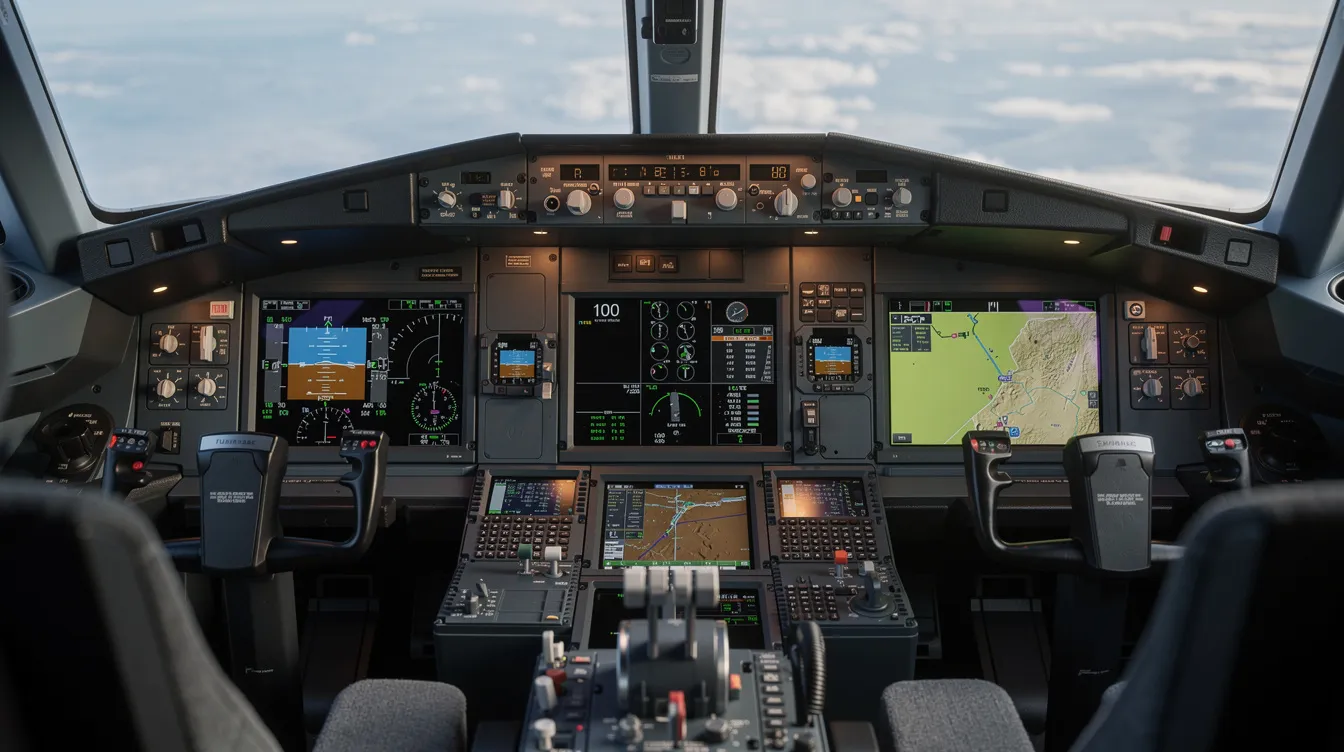
The Vision Jet's flight deck is built around the Garmin Perspective Touch+ system (G3000-based), designed specifically for owner-pilot ergonomics and reduced workload during single-pilot operations.
Key automation features that support efficient cruise include:
Autothrottle - Maintains selected airspeed or Mach number without constant pilot input, helping the aircraft hold optimal cruise speed profiles.
Advanced VNAV and flight level change modes - Streamline climbs and descents so the pilot reaches cruise altitude efficiently rather than wasting fuel in extended transitions.
Integrated weather radar and datalink weather - Let pilots evaluate turbulence, convective activity, and wind layers to choose the best altitude and routing for maintaining efficient cruise rather than deviating or descending unnecessarily.
Automatic database updates - On newer G2+ and G3 aircraft, connected cockpit features keep navigation, terrain, and procedure databases current, reducing workload and supporting safer flight planning.
The avionics suite also includes synthetic vision, traffic awareness, and terrain mapping - all displayed on large touchscreen panels. This level of technology supports scenario-based training programs that Cirrus requires for recurrent training, ensuring pilots can extract the best performance from the aircraft safely.
Charter operators on Jettly often favor these avionics because they enable confident, efficient operations on busy business routes where aircraft availability and schedule reliability matter most, especially when paired with instant-book solutions like Zenflight private jet charter.
The Cirrus Vision Jet was designed primarily for the owner pilot who wants jet convenience without stepping up to a multi-engine plane. But it has increasingly found a home in regional charter operations.
For owner pilots:
Jet speed of around 300 knots combined with manageable single-engine systems, CAPS, and safe return makes the Vision Jet a compelling step up from piston aircraft or turboprops.
Cirrus owners benefit from the aircraft's relatively straightforward cockpit and the support infrastructure Cirrus provides, including recurrent training and the best single-pilot jet guide for cost-conscious buyers.
The Vision Jet serves well as personal transportation for business travel, weekend trips, and family use within a 2–3 hour flight radius.
For charter customers:
Approximately 300-knot jet speed turns same-day out-and-back business trips into efficient missions. A small executive team can fly 500–700 nm, hold meetings, and return the same evening.
Families traveling to vacation destinations within 1,000 nm can enjoy the comfort of a jet cabin seating up to six adults (plus the pilot) without the cost of larger aircraft.
Jettly's marketplace allows non-owners to experience Vision Jet performance by booking on demand or through flexible private jet memberships, avoiding long-term aircraft ownership commitments and the associated overhead.
Cruise speed is only one dimension of value. Operating cost per hour determines whether that speed is economically justified for a given mission, especially for owners evaluating affordable planes and budget-friendly aircraft choices.
Key cost figures for the Vision Jet:
Hourly operating cost: Approximately $1,200 per flight hour (fuel, maintenance, reserves).
Annual operating cost: Approximately $780,787 for an active owner logging typical flight hours.
Fuel consumption: About 60 US gallons per hour at cruise altitude.
For active owners, these numbers explain why many travelers prefer on-demand charter through platforms like Jettly, which focuses on affordable private jet charter, rather than carrying the full burden of ownership. Jettly's charter cost estimator can help travelers compare trip-specific pricing.
The Vision Jet often offers better trip economics than larger light jets on 1–2 hour legs while still cruising at true jet speed. Compared to turboprops, the Vision Jet costs more per hour but delivers faster door-to-door times. The speed premium makes sense for tight schedules and higher-value business trips where time carries a real cost.
For occasional high-priority trips, chartering a Vision Jet through Jettly can be significantly more cost-effective than stepping into full aircraft ownership.
Passengers feel the benefit of 300-knot jet speed less in raw numbers and more in reduced travel time and smoother high-altitude rides. Cruising at up to FL310 —the Vision Jet can reach an altitude of 31,000 feet — allows many flights to sit above most weather and turbulence, creating a noticeably smoother experience compared to lower-flying turboprops.
Inside the cabin:
Seating for four to five primary passengers plus a jump or child seat (up to six adults total).
Large panoramic windows provide excellent visibility and natural light, enhanced by the elevated cabin position.
Modern interior with a cabin width suitable for the personal jet category—not spacious by midsize jet standards, but comfortable for regional trips of two to three hours.
A small baggage compartment accommodates weekend bags and briefcases.
The safe return autoland system provides particular reassurance for non-pilot passengers. Knowing that anyone in the cabin can activate emergency autoland by pressing a single button overhead changes the comfort calculation for families flying with an owner pilot or on a single pilot charter.
Jettly users can often select Vision Jet operators who combine this passenger-friendly cabin with tailored in-flight catering from Jettly Eats and ground transportation add-ons, rounding out the complete travel experience.
The Vision Jet holds a significant place in aviation history as the world's first single-engine civilian jet to receive FAA type certification, achieved in October 2016. This milestone opened a new aircraft category and set the foundation for subsequent models.
Key regulatory milestones include:
RVSM certification on the G2, enabling efficient cruise at higher flight levels (FL290–FL310) and thus closer to published cruise speed figures.
Safe Return Autoland certification (August 2020), making the Vision Jet the first jet aircraft certified with Garmin Autoland.
Fleet directives: The fleet has experienced targeted groundings, including a 2019 angle-of-attack sensor replacement and a 2020 cabin fire investigation. Cirrus addressed both promptly with design changes and service bulletins, maintaining fleet safety standards.
The CAPS system has been tested in-flight successfully, and a limited number of CAPS deployments on Vision Jets have occurred with favorable survival outcomes — reinforcing the safety culture that Cirrus builds into every aircraft.
Approach speeds are also worth noting for safety context: stall speed with flaps down is measured at 67 knots, contributing to manageable runway performance and landing characteristics for the pilot.
Reputable Part 135 charter operators on Jettly fly under strict regulatory oversight, maintenance regimes, and pilot training standards. This framework maximizes both safety and performance for every flight.
Selecting between a Vision Jet, a turboprop, or a larger light jet comes down to mission profile and budget. For a comprehensive look at how private jets compare, and where they fit among leading charter airlines and private operators, Jettly maintains a detailed comparison guide.
Trips of 400–1,000 nm with 3–5 passengers
Good runways at both departure and destination (the Vision Jet needs standard light jet runway lengths)
Time-sensitive schedules where jet speed matters but a larger cabin isn't necessary
Owner pilots or charter clients who prioritize safety capabilities like CAPS and safe return
Consider a turboprop when: aircraft like the Cessna 340 can offer strong performance with different cost and runway trade-offs.
Operating from very short runways - turboprops can operate from runways as short as 3,200 feet
Carrying heavier loads or flying ultra-short hops where speed is less important than cost and runway access
Budget is the primary constraint on regional legs under 400 nm
Step up to a larger light jet when options such as a high-speed Citation X charter become more appropriate for longer or faster missions.
Carrying more than five or six passengers
Needing nonstop legs beyond 1,200 nm or faster cruise above 350–400 knots
Wingspan and cabin width requirements exceed what the Vision Jet offers
Jettly's search tools let travelers plug in route, passenger count, and timing to instantly compare Vision Jet options against other light jet and turboprop charters through its global private jet charter platform, rremoving theguesswork from aircraft selection.

The Cirrus Vision Jet typically cruises around 300–311 knots true airspeed, delivering genuine jet speed combined with safety features like the Cirrus Airframe Parachute System and safe return autoland that no other aircraft in its class can match. Real-world cruise speed depends on altitude, wind, weight, and pilot choices, but the Vision Jet remains a strong performer for regional business and leisure travel.
Jettly's digital charter platform gives travelers access to Vision Jets and comparable aircraft on demand, without the long-term cost and complexity of aircraft ownership. Whether flying a 500 nm day trip or a 1,000 nm weekend getaway, understanding the Cirrus Vision Jet cruise speed knots figure helps travelers plan smarter, faster trips with confidence, including options to crowdsource private jet flights and share empty seats to reduce costs.
Ready to experience private travel on your terms? Explore flight options, consider Jettly's jet card programs, or request a quote at https://www.jettly.com.
Share this post:
Jeff Ryan Serevilla
Sep 22, 2026
|
5
min read
Discover tips and trends in the industry.

5
min read
Low Wing Cessna: History, Design, and Modern Charter Relevance
Low-wing Cessna aircraft, known for their speed and efficiency, have significantly influenced private aviation. These models, including the Cessna 400 and Citation jets, prioritize performance and comfort, making them ideal for modern charter services. Their unique design enhances aerodynamic efficiency, providing a sporty flying experience that appeals to both pilots and passengers.
Read More
5
min read
Gulfstream Engines: Powering Long-Range Business Aviation
Gulfstream engines are pivotal in enhancing long-range business aviation, offering unmatched performance and comfort. This guide provides insights into the technology and specifications of Gulfstream engines, helping travelers make informed decisions for their aviation needs. With options like the Rolls-Royce BR710 and Pearl 700, Gulfstream aircraft ensure efficient, high-speed travel across global routes.
Read MoreStay updated with our latest insights and tips to elevate your journey with us.
MEMBERSHIPS AND ASSOCIATIONS



Disclaimer: Jettly operates as a charter broker, offering access to a global digital jet charter marketplace. Jettly is not a direct air carrier and does not own or operate aircraft. All advertised flights are conducted by third-party air carriers that are fully licensed and hold the appropriate Part 135 or Part 121 certifications issued by the Federal Aviation Administration (FAA) or equivalent regulatory authorities under U.S. or foreign law. Jettly complies fully with the U.S. Department of Transportation's Part 295 and Part 298 Charter Broker regulations. Jettly does not carry additional liability insurance. Passengers are covered by aircraft operator insurance. TICO: 50023770


