



Login
Get Instant Pricing On 23,000+ Aircraft

>
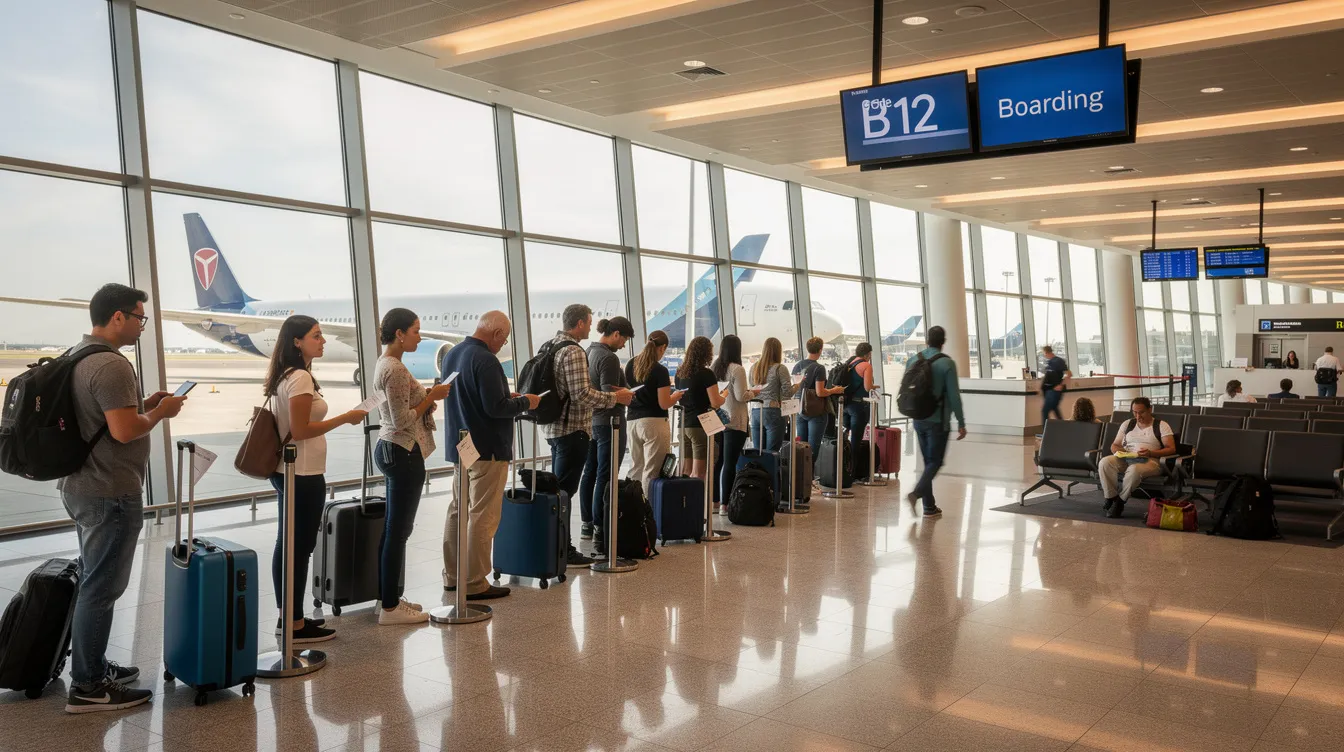
Every Delta boarding zone determines when you step onto the aircraft, how much overhead bin space remains, and how long you spend standing in line. Delta Air Lines boarding now uses a numbered system of eight boarding zones plus pre-boarding, each tied to cabin class, fare type, medallion status, and whether you hold a Delta credit card. For travelers weighing commercial flights against private jet charter, understanding this system is the first step toward deciding how to spend their time at the airport.
Delta Air Lines uses eight official boarding zones (1 through 8) plus pre-boarding. The boarding order runs from Delta One and first class passengers (Zone 1) down to basic economy passengers (Zone 8).
Your boarding position depends on cabin class, medallion status, fare type, and credit card benefits. Diamond Medallion members board in Zone 2; Platinum Medallion members board in Zone 4; Silver Medallion members and Delta credit card holders board in Zone 5.
Passengers in Zones 1 through 3 have a high likelihood of finding overhead bin space, while those in Zones 6 through 8 face greater competition for bin storage and longer waits.
The boarding order helps manage overhead bin space and reduce gate congestion, but real-world gate conditions can vary depending on flight load and airport.
For travelers who want to skip boarding groups entirely, chartering a private jet through Jettly eliminates zones, lines, and bin competition.
Delta switched from branded group names to numbered boarding zones on May 1, 2024. The system applies to most domestic flights and Delta flights worldwide, including many partner-operated flights. Delta has eight official boarding zones plus pre-boarding, and the underlying hierarchy of cabin class, loyalty tier, and fare type still determines your place in line.
Here is the boarding process in order:
Pre-boarding: Passengers needing extra assistance and active duty military members
Zone 1: Delta One and first class passengers
Zone 2: Diamond Medallion, Delta Premium Select customers, Delta 360°
Early Access (between Zone 2 and Zone 3): Families with strollers or car seats
Zone 3: Delta Comfort+ passengers
Zone 4: Sky Priority customers (Platinum and Gold Medallion members, SkyTeam Elite Plus members)
Zone 5: Silver Medallion members, eligible Delta American Express cardholders, Delta corporate travelers
Zone 6: SkyMiles members in Delta Main Classic without elite status
Zone 7: Non-SkyMiles members in Main Classic
Zone 8: Basic economy passengers (Delta Main Basic)
Boarding zones are displayed on boarding passes and digital apps. Your assigned zone appears on your printed boarding pass and inside the Fly Delta app. Gate agents call each boarding zone in sequence over the PA system, and screens at the gate display which zone is currently boarding.
Delta boarding zones and boarding groups refer to the same concept: the sequence used to organize passengers at the gate. With pre-boarding counted, there are effectively nine groups, but zones are officially numbered 1 through 8 on every Delta boarding pass.
Delta assigns boarding zones based on ticket class and medallion status. The system evaluates four factors in order:
Cabin class (Delta One, First, Delta Premium Select, Comfort+, Main Cabin)
Loyalty status (Diamond, Platinum, Gold, Silver Medallion, or equivalent partner elite tiers like Flying Blue Platinum, Virgin Atlantic Flying Club, and SkyTeam partner levels)
Fare class (Delta Main Classic, Main Cabin Extra, Basic Economy)
Credit card benefits (co-branded Delta SkyMiles American Express cards)
The system assigns whichever zone is earliest among those a passenger qualifies for. Later zones, especially Zone 8 for basic economy, tend to have reduced access to overhead bin space and carry a higher chance of gate-checked carry-on bags.
Delta Air Lines employs a pre-boarding process for certain passengers. Pre-boarding is the group called before any numbered boarding zone on most Delta Air Lines flights.
Pre-boarding customers include:
Passengers with disabilities or mobility limitations who need extra time to reach their seats
Active duty military members (military personnel with valid military ID)
In some cases, Delta 360° invite-only members when designated by the airline
Families traveling with large strollers or car seats may receive early access between Zone 2 and Zone 3. This is not a numbered zone; instead, the gate agent announces it during the boarding process. Early access lets parents settle children and stow bulky items before the bulk of main cabin passengers board.
Travelers who believe they qualify for pre-boarding should speak with the gate agent before boarding begins, rather than waiting for their printed boarding zone to be called.
Zones 1 through 4 are the priority boarding tiers. Delta separates passengers into Sky Priority and General Boarding lanes, and travelers in these first four zones use the Sky Priority lane at the gate.
Zone 1 covers Delta One and first class passengers. On international long-haul flights, this means lie-flat seat holders; on domestic routes, it includes domestic first class ticket holders. Fly in a premium cabin for priority boarding, and you board before anyone else in the numbered zones. Passengers in Zones 1 through 3 have a high likelihood of finding overhead bin space, making early boarding a practical advantage rather than a status perk alone.
Zone 2 includes Diamond Medallion members (even when booked in a lower cabin like Main Cabin) and Delta Premium Select passengers on aircraft that offer that premium cabin. Delta 360° members also board here. A Diamond Medallion flyer holding a standard Main Cabin ticket still boards in Zone 2, ahead of many travelers in more expensive seats who lack elite status.
Zone 3 is for Delta Comfort+ passengers, who get extra legroom and early boarding on Delta flights. This zone fills the gap between premium cabin travelers and the broader SkyMiles Priority elite members.
Zone 4 covers Platinum Medallion members, Gold Medallion members, SkyTeam Elite Plus members, and partner airlines elite tiers such as Club Gold members, Flying Blue Platinum holders, and equivalent statuses. These Sky Priority customers board after Comfort+ but before the standard main cabin.
Delta uses specific lanes for different boarding zones to streamline the boarding process. After Zone 4, the remaining passengers move through the general boarding lane.
Most non-elite travelers end up in Zones 5 through 8 when flying Delta Main Cabin or Basic Economy.
Zone 5 is where several categories converge: Silver Medallion members, silver elite members, club silver members, and blue silver members board here. Delta corporate travelers also receive Zone 5 boarding. Eligible Delta SkyMiles Gold American Express cardholders, Platinum American Express cardholders, and Reserve American Express cardholders qualify for this zone as well. The boarding benefit from a Delta credit card can cover the cardholder and up to nine passengers on the same reservation.
Zone 6 applies to SkyMiles members traveling in Delta Main Classic without medallion status or a qualifying Delta credit card. These travelers are still ahead of non-SkyMiles members and basic economy passengers.
Zone 7 covers non-SkyMiles members in Delta Main Classic. By this point, overhead bin space is often limited on full flights.
Zone 8 is reserved for basic economy passengers (Delta Main Basic). Zone 8 passengers board last among numbered zones and face the highest likelihood of limited bin storage. Basic economy fares carry additional restrictions: reduced change flexibility, no complimentary upgrades, and limited seat selection.
Holding a co-branded Delta credit card can move a traveler from Zone 7 or Zone 8 to Zone 5, even on cheaper main cabin fares. Eligible Delta American Express cardholders may receive priority boarding, placing them ahead of most standard main cabin and all basic economy passengers.
The annual fee on Delta SkyMiles American Express cards varies by tier. Beyond boarding position, these cards often include a checked bag free on Delta flights, bonus SkyMiles on Delta purchases and other eligible purchases (including restaurants worldwide and the ability to book prepaid hotels), statement credits, reduced foreign transaction fees, and additional miles per eligible dollar spent on hotel purchases.
Medallion status and cabin class take precedence over credit card benefits. If a traveler's elite status or ticket would place them in an earlier boarding group, Delta uses the highest available boarding position. A Gold Medallion member holding a Delta SkyMiles Gold American Express card, for example, already boards in Zone 4 through status; the card does not change that.
For frequent flyers splitting travel between commercial and private aviation, private jet memberships and the credit card's boarding perk are factors among several when evaluating the annual fee against actual travel patterns.
The Delta boarding order looks clean on paper. At crowded hubs like Atlanta, JFK, or LAX, the actual boarding process can feel less orderly.
Many travelers cluster near the gate podium well before their boarding group is called. This crowds the lane, slows scanning, and creates confusion about which zone is actively boarding. Gate agents sometimes accelerate or merge zones during tight turnarounds or irregular operations (weather delays, aircraft swaps), leading to inconsistency between what the boarding pass says and what happens at the jetbridge.
Overhead bin availability becomes strained by Zones 6 through 8, especially on full flights and peak business routes. When bins fill up, gate agents begin tagging carry-on bags for gate check, which adds time during deplaning at the destination. For business travelers with tight connections, that added time can matter, prompting some to compare traditional airlines with the wider world of charter airlines and private flights.
Some passengers advocate for back-to-front boarding by row, but Delta, like most U.S. carriers, prioritizes loyalty, cabin, and credit card relationships over strict row-based boarding. The tradeoff is faster boarding for elite members and premium cabin holders, with more bin competition for everyone else.
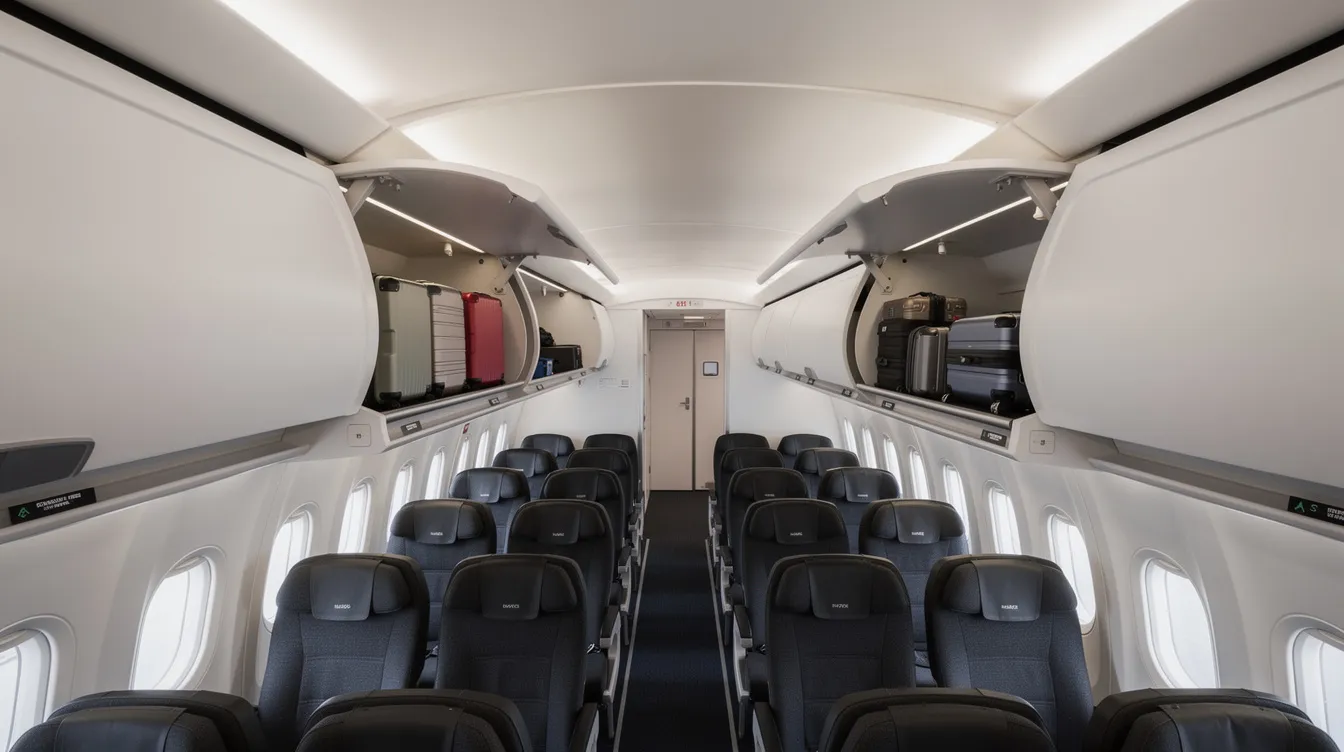
A few practical steps can reduce stress when navigating Delta boarding zones on commercial trips.
Get to the gate early for better boarding access. Arriving near the start of boarding ensures you line up when your zone is called, not after half the cabin is already seated.
Use the Fly Delta app for boarding notifications. The app sends real-time updates on gate changes, boarding start times, and zone calls. It also displays your boarding zone so you can plan accordingly.
Travel lightly to avoid overhead bin issues. One smaller carry-on bag and a personal item reduce dependence on overhead bins, especially for travelers in Zones 6 through 8.
Hold a Delta credit card for Zone 5 boarding. If you fly Delta regularly in main cabin, the Zone 5 bump from a Delta SkyMiles American Express card can make a practical difference in bin access and queue time.
Clarify special needs early. Passengers eligible for pre-boarding, early access for car seats or strollers, or disability assistance should speak with the gate agent before general boarding begins.
Delta's eight boarding groups place it in the middle of the U.S. airline spectrum for boarding complexity. American Airlines uses nine or more boarding groups. United uses a similarly numbered approach. Southwest, until recently, used an open-seating model with no assigned seats and boarding positions based on check-in order.
Several large European and Asian carriers use simpler schemes with fewer zones, often dividing passengers into priority vs. economy groups and boarding by row or seat number.
Delta's numbered system was partially adopted to align with SkyTeam partner airlines and to make gate announcements clearer for international travelers connecting through hubs like Amsterdam or Paris. At those airports, partner airline rules can slightly adjust which elite members receive priority boarding on Delta flights, which is why checking local gate announcements matters.
Complex boarding zones, crowded gates, and competition for overhead bin space drive some frequent flyers to consider private jet charter. For executives and families who value control over their schedule, the contrast with commercial boarding groups is stark.
Chartering a private jet through Jettly removes the concept of boarding zones entirely. Travelers arrive at a fixed-base operator (FBO) terminal, pass through fast private security screening where required, and board directly once the aircraft is ready. There is no separation between "premium" and "basic economy" on a chartered flight; everyone on board is part of the same traveling party.
For travelers exploring specific aircraft options, Jettly provides access to a broad range of private charter aircraft.
Practical use cases include:
A business team flying from New York to Miami for same-day meetings, avoiding check-in lines and boarding groups at JFK by choosing a flexible alternative to fractional programs like NetJets
A family connecting two smaller cities where commercial options require multiple layovers and uncertain bin space, selecting from the best private planes for families to match range and comfort needs
Last-minute travel where commercial options involve tight connections and late boarding zones, but travelers still want to get a seat on a private jet easily
Jettly's digital platform offers instant pricing and on-demand access to thousands of aircraft worldwide, including tools to crowdsource private jet flights and share empty seats, letting travelers bypass commercial boarding zones on trips where time and flexibility matter most.

The typical Delta boarding process at a busy hub involves arriving at the airport 90 minutes or more before departure, clearing TSA security, walking to the gate, and waiting for your boarding zone to be called. Even Zone 1 passengers spend time in the terminal before boarding begins.
Private aviation uses smaller, dedicated terminals. There are no boarding groups, zones, or long queues. Passengers often arrive 15 to 30 minutes before departure. Luggage is loaded by the ground crew without passengers competing for overhead bins, and bags are offloaded quickly at arrival, reducing total door-to-door travel time.
Private flyers choose departure times that work around meetings, events, or family schedules. There is no fixed commercial timetable or boarding window to navigate.
For travelers frequently buying premium Delta cabins (Delta One, Delta Premium Select, or Comfort+ for priority boarding on Delta flights), comparing those cumulative costs against occasional private charters can be worthwhile. This is especially true for multi-city business trips where each leg involves a separate boarding process, separate overhead bin competition, and separate security screening, making it worthwhile to review top private jet charter companies and options.
Below are common questions not fully covered in the main sections, focused on practical scenarios travelers ask about.
Delta usually allows families to board together when they line up with the lowest numbered boarding zone in the group. If one parent has Zone 3 and another has Zone 6, both can typically board with Zone 3. However, the airline does not guarantee early boarding for everyone when tickets were purchased separately or in different cabins. Parents with young children can request early access at the gate to settle kids and strollers before main boarding groups begin. On a private charter through Jettly, the entire family boards as a single party without managing separate boarding zones or asking gate agents for exceptions, and can choose between shared charter flights and full charters depending on budget and privacy needs.
Boarding zones become less relevant when a connection is very tight. Delta's operations teams sometimes hold flights briefly or rebook passengers, especially when delays are caused by the airline itself. Even travelers in high boarding groups like Zone 1 or Zone 2 cannot override airport transfer times if gates are far apart or if immigration is required on arrival. Private charter through Jettly can reduce or eliminate connections by flying direct between secondary airports, removing the risk of missed flights due to long boarding processes at hub airports.
The same eight Delta boarding zones are generally used on international flights. However, partner airline rules and airport-specific procedures at hubs like Amsterdam or Paris can adjust priority for certain medallion tiers. Delta One and Delta Premium Select passengers still board early abroad, but some Silver Medallion or partner elite benefits may be limited depending on local agreements. Travelers should check their boarding pass and listen to local gate announcements rather than assuming the U.S. boarding order will apply exactly.
Delta's general guidance recommends arriving at least 2 hours before domestic flights and 3 hours before international flights, regardless of boarding zone. Being in Zone 8 means boarding later, not arriving later. Basic economy passengers must still clear security and be present at the gate before boarding closes, usually 15 minutes prior to departure. On a private jet through Jettly, arriving 20 to 30 minutes before departure is often sufficient, since there are no long security lines or multi-zone boarding calls.
On private charters, departure times are more flexible. The aircraft typically waits within reasonable limits for the traveling party, since there are no other commercial passengers or boarding zones to manage. Large delays may incur additional costs such as crew duty-time considerations or parking fees, so coordinating arrival times among all passengers remains important. Even with occasional delays, the absence of fixed boarding groups and long gate queues makes the experience far more adaptable than Delta's standard boarding zones.
Delta Air Lines boarding zones 1 through 8 determine who boards first based on cabin, loyalty status, fare class, and credit card benefits. Pre-boarding covers passengers needing assistance and board active duty military personnel. Knowing your boarding zone helps manage expectations about line length, overhead bin access, and the time required at the gate on busy domestic and international routes.
For travelers tired of navigating complex boarding zones, crowded gate areas, and uncertain bin availability, Jettly offers a different path. No boarding groups. No zones. Passengers control timing and board through quiet FBO terminals on their own schedule.
Ready to experience private travel on your terms? Explore flight options or request a quote at https://www.jettly.com.
Share this post:
Jay Franco Serevilla
Oct 25, 2026
|
5
min read
Discover tips and trends in the industry.
5
min read
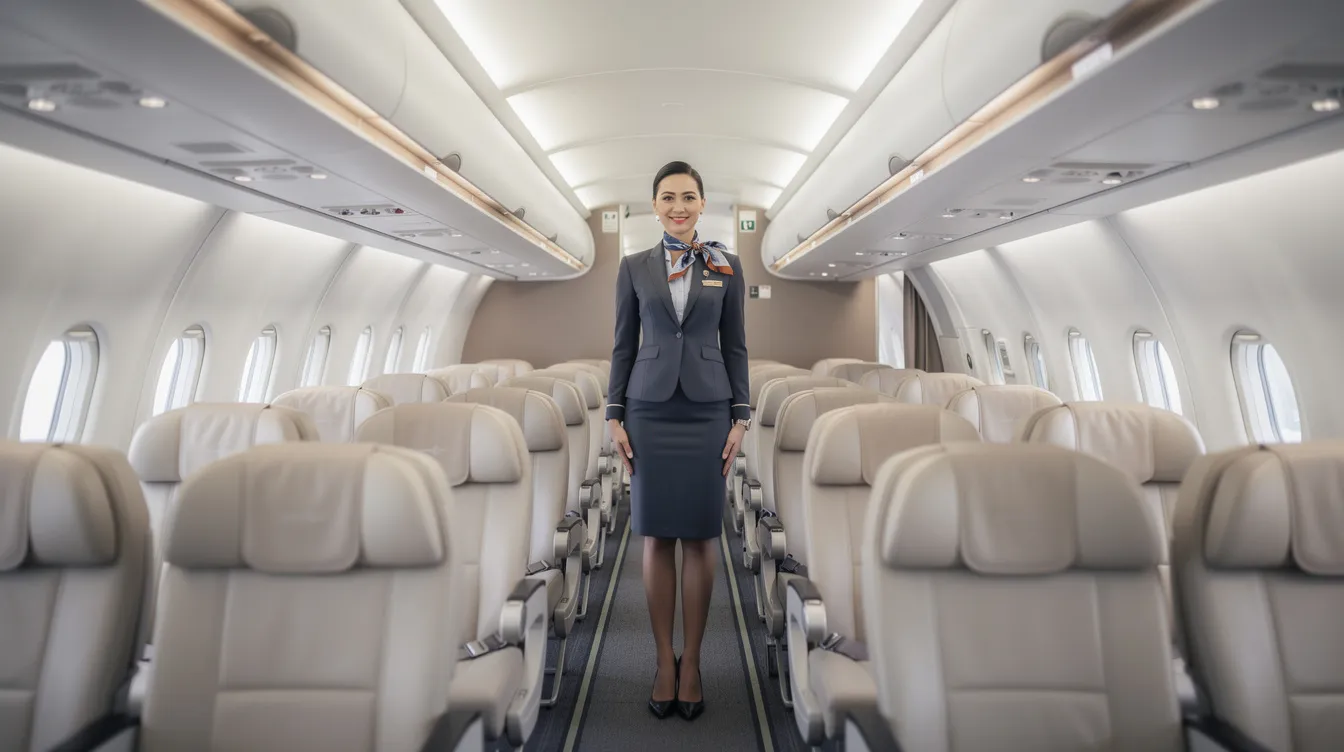
Stewardess: From Classic Airline Icon to Modern Flight Attendant
The term 'stewardess' has evolved into the more inclusive 'flight attendant,' reflecting the significant changes in the role from the mid-20th century to today. Modern flight attendants are trained safety professionals responsible for passenger safety, emergency response, and in-flight service, contrasting sharply with the outdated stereotypes of glamorous service. This article explores the history, training, and responsibilities of today's cabin crew across commercial and private aviation.
Read More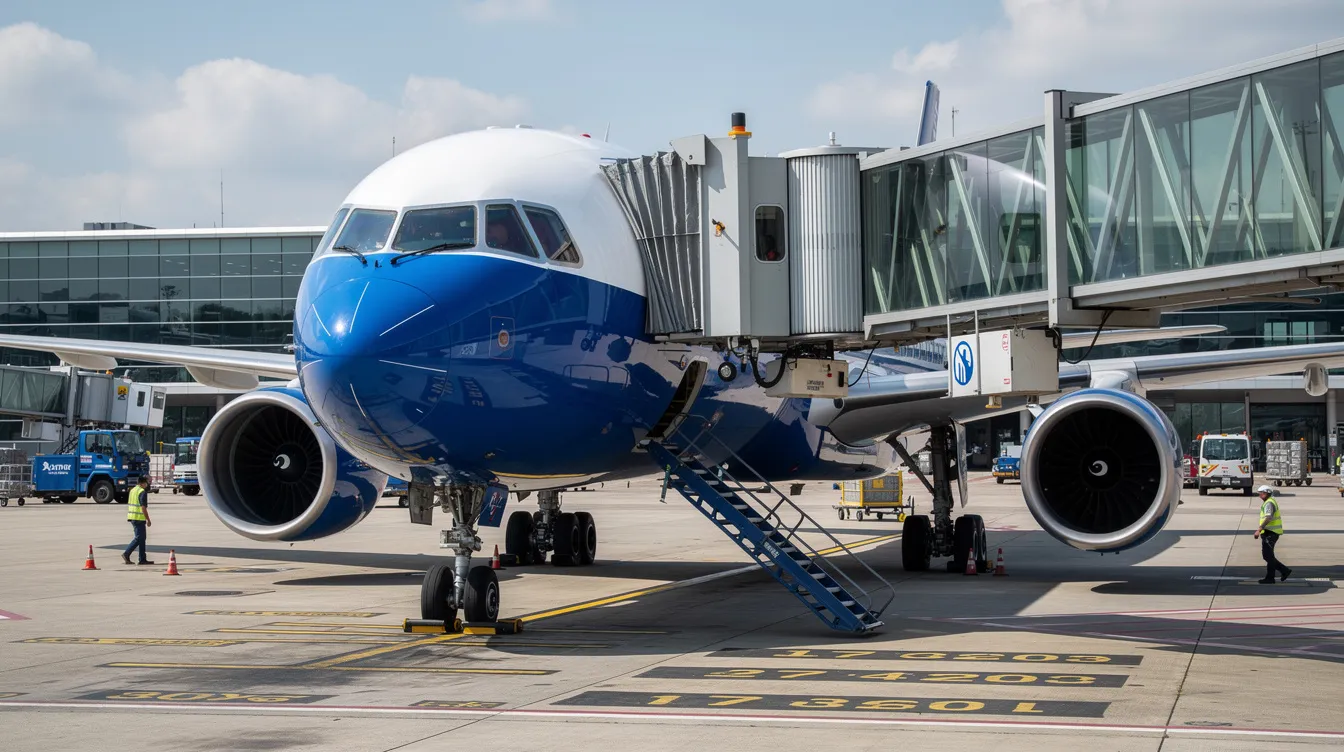
5
min read
DL 767: Delta Air Lines Flight DL767, Boeing 767‑300ER & Private Jet Alternatives
Delta Air Lines Flight DL 767 connects New York and Los Angeles using a Boeing 767-300ER, known for its reliability and comfort. This article explores the flight's features, the aircraft's specifications, and private jet alternatives for travelers seeking flexibility. With Delta planning to retire the 767-300ER by 2030, understanding your options is crucial for future travel.
Read MoreStay updated with our latest insights and tips to elevate your journey with us.
MEMBERSHIPS AND ASSOCIATIONS



Disclaimer: Jettly operates as a charter broker, offering access to a global digital jet charter marketplace. Jettly is not a direct air carrier and does not own or operate aircraft. All advertised flights are conducted by third-party air carriers that are fully licensed and hold the appropriate Part 135 or Part 121 certifications issued by the Federal Aviation Administration (FAA) or equivalent regulatory authorities under U.S. or foreign law. Jettly complies fully with the U.S. Department of Transportation's Part 295 and Part 298 Charter Broker regulations. Jettly does not carry additional liability insurance. Passengers are covered by aircraft operator insurance. TICO: 50023770


