


Login
Get Instant Pricing On 23,000+ Aircraft

>
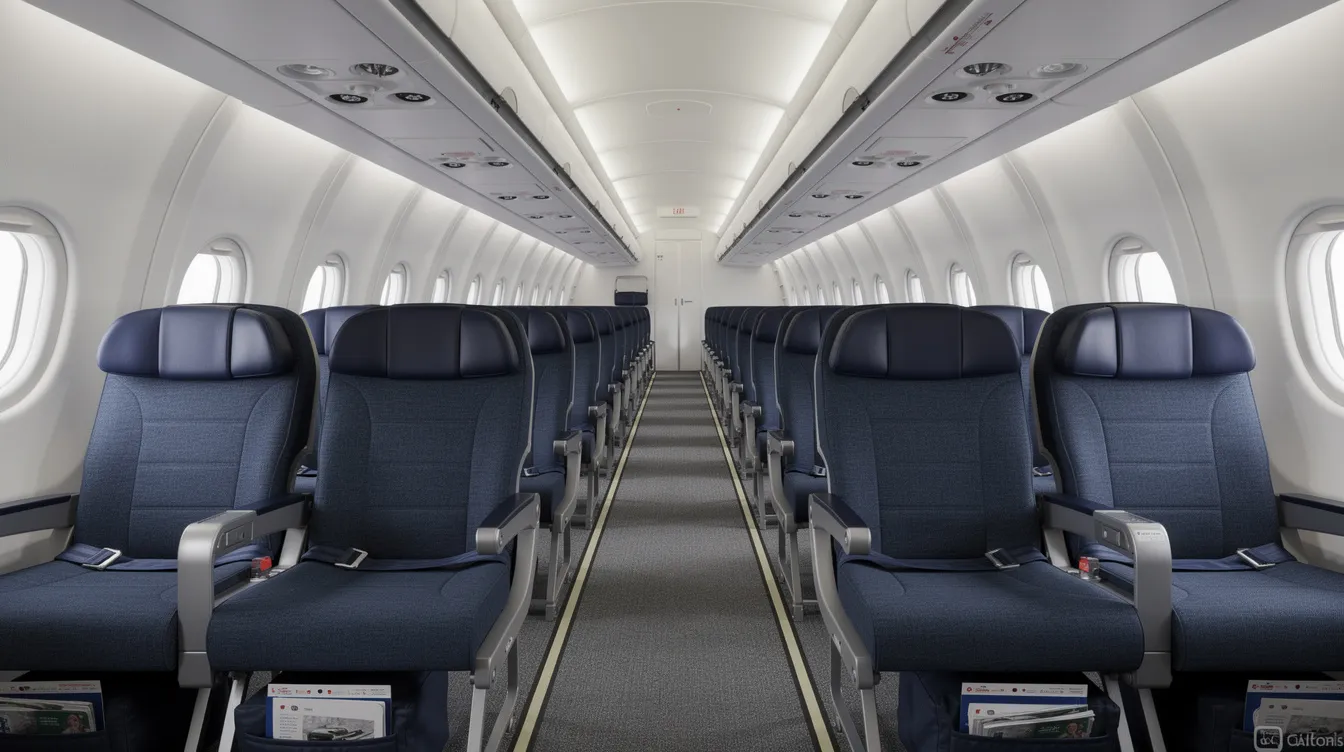
Even on a flight that was supposedly sold out, you might spot empty seats scattered throughout the cabin. Before you grab your carry-on and head for that open row, there is a lot more going on behind the scenes than most passengers realize.
Many empty seats on planes are blocked for safety reasons, crew rest, or revenue management and are not truly available to passengers.
Always ask a flight attendant before attempting to swap seats, especially during takeoff and landing phases when movement is prohibited.
Airline seat maps can be misleading because they hide reserved, broken, or soft-blocked airline seats that appear open but cannot be booked.
Private jet charter through Jettly removes the empty seat guessing game by giving travelers complete control over the cabin layout and passenger list.
Readers seeking guaranteed extra space and flexibility can explore private charter options at Jettly.
Empty seats are a normal part of how every airline operates, shaped by safety rules, crew rest requirements, and revenue management strategies. Globally, airlines do not fill every seat, and average load factors vary by season. That does not mean money is being lost on every unoccupied spot.
Consider a July long-haul flight to Europe on a widebody aircraft where six rear seats stayed empty for the entire seven-hour trip despite the plane being oversold. The number of travelers who actually boarded may have differed from what the airline expected. Passengers were denied use of those rows because they were blocked in the system for operational reasons, not because the cabin crew was being arbitrary.
This article covers the safety and technical reasons first, then booking and revenue logic, passenger etiquette for moving, and finally how private jets and platforms like Jettly change the experience entirely.
Before any ticket is sold, regulations and safety calculations can already determine which seats must stay blocked.
Weight and balance. Airplanes must meet strict weight and balance standards before takeoff. Cabin seating affects the aircraft's center of gravity, especially when fuel loads are high or cargo is heavy, including how weight is distributed along the length of the cabin, not just front to back. Some rear or forward rows may be left empty to keep weight within limits. Weight and balance restrictions can limit the number of passengers on a given flight.
Crew-to-passenger ratios. In many jurisdictions, one flight attendant is required per 50 passengers. Airlines may cap occupied seats to match available cabin crew on that flight.
Crew rest areas. On medium- and long-haul legs, certain standard passenger seats or curtained-off rows are reserved for flight attendants as rest areas. These cannot be used by travelers, even if they look unoccupied after board time.
Technical issues. A seat with a broken seatbelt, a recline that cannot be locked upright for landing, an inoperative drop-down oxygen mask above that row, or a failed air component tied to that seat's safety system must be marked out of service. FAA cabin safety regulations require the airline to placard such seats "Do Not Occupy."
Off-duty crew. Airlines sometimes block seats for off-duty crew members who need to reposition, and seats may be held back for other operational purposes.
Mobility needs. Some seats are reserved for passengers with mobility issues or specific needs, even if those reservations are invisible on the seat map.
A flight attendant has the authority to keep a seemingly empty seat unused if there is any doubt about its safety status or its role in emergency procedures.
A typical airline seat map displayed on a website or app shows seat assignments, not the full ticket inventory. What a person sees is rarely the whole picture.
|
Reason for Empty Seat |
Description |
Impact on Passengers |
|---|---|---|
|
Soft-blocked seats |
Reserved for elite flyers, families, or passengers with specific needs |
Seats appear open but cannot be booked |
|
Overbooking |
Selling more tickets than seats to cover no-shows |
Visible empty seats despite full flight |
|
Neighbor-free products |
Seats kept empty for extra comfort when paid for |
Passengers pay for guaranteed empty seats |
|
Dynamic pricing |
Prices adjusted based on demand and availability |
Last seats may not be sold for profit reasons |
|
Last-minute changes |
Seats blocked/unblocked for families, minors, or mobility needs |
Seat availability can change up to departure |
Soft-blocked seats. Airlines may reserve bulkhead seats, certain aisle spots, or middle seats for elite frequent flyers, families with infants, or passengers with reduced mobility. Seat 12A might appear open but cannot be selected by most people.
Overbooking. Airlines often overbook flights to account for no-shows. An airline might sell 305 tickets for a 300-seat aircraft because passengers frequently miss flights due to various factors. This can leave visible empty seats even on a technically oversold flight.
Neighbor-free products. Some carriers now sell an "empty middle seat" option where a passenger pays to keep seat 24C unsold for comfort, causing the map to show availability that is intentionally blocked.
Dynamic pricing. Prices are adjusted dynamically based on seat availability and demand. Dynamic pricing algorithms are used to maximize revenue, and airlines sometimes accept that selling cheaper last seats may not be worth the impact on profitability. Empty seats do not necessarily indicate that airlines are losing money.
Last-minute changes. Moving families together, reseating unaccompanied minors, or accommodating wheelchair users can cause seats to be blocked and unblocked repeatedly right up to departure.
Airlines manage seating inventory before boarding flights, and they also operate flights with low occupancy to maintain routes and network efficiency. Airlines may even retain flight slots at congested airports with near-empty flights. Empty seats can be the result of operational needs and unpredictable passenger demand, and they highlight the contrast between commercial carriers and the wide range of private and charter airlines available to travelers.
Timing, cabin rules, and flight attendant approval decide what is allowed.
Wait for cruising altitude. During taxi, takeoff, and landing, regulations require passengers to sit in their assigned seats with seatbelts fastened. Wait until cruising altitude and the seatbelt sign is off before considering a move, though the exact point when movement is allowed depends on crew instructions.
Always ask first. Flight attendants can provide information on available empty seats. The crew may be managing weight balance, blocked rows, or reserved seats not visible to the cabin. Airlines restrict movement to certain empty seats for safety.
Seat-type restrictions. Extra legroom seats in exit rows, bulkhead seats, or seats sold as extra comfort often cannot be occupied without eligibility or payment. You cannot move to premium seats without paying an upgrade fee. Some empty seats are reserved for passengers with specific needs.
Etiquette matters. Avoid sprawling into an empty middle seat between two occupied seats without asking. Share under-seat storage politely, keep heavier bags in the overhead bin, and resolve any disputes calmly with respect and help from a stranger-turned-crew member.
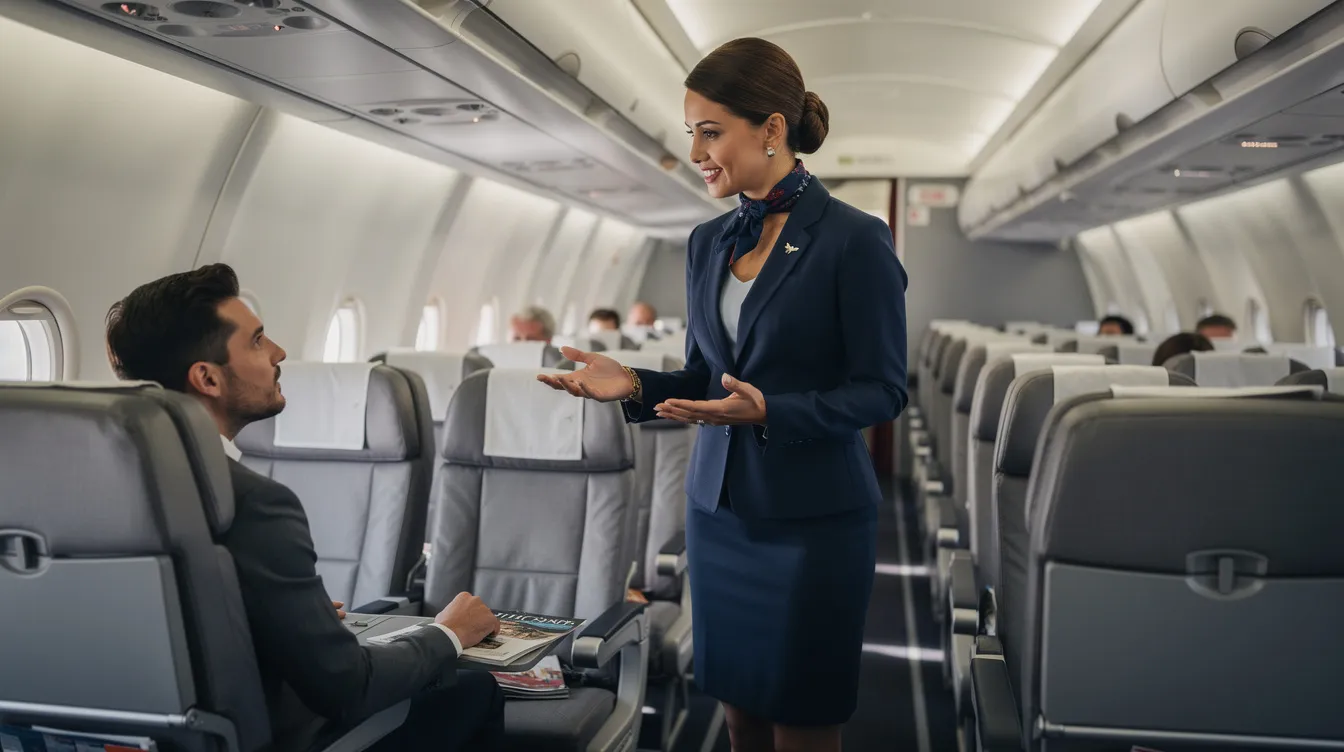
No passenger can guarantee an empty seat next to them on a commercial flight, but certain plans can improve the odds.
Fly mid-week rather than Friday or Sunday. Tuesday and Wednesday departures tend to have lighter loads.
Check the seat map close to departure. Airlines often release soft-blocked seats in advance of boarding, revealing open rows.
Some airlines let travelers buy a second seat or a neighbor-free product. This is especially useful for larger passengers, musicians with instruments, or anyone seeking more distance from a stranger in economy, and it mirrors how buying a single seat on a private jet can offer similar extra space in a different market segment.
Once allowed, putting light items like a jacket or travel pillow on a spare seat is fine. Keep drinks and heavier bags stored properly, especially when the tray table needs to fold away during turbulence.
Balance cost, schedule, and comfort. For a long-haul overnight flight, paying the price for an extra seat or upgrading may be worth the money compared to hoping for a lucky drop in occupancy. Compare the cost of a commercial upgrade against private jet charter prices to see which option fits your budget, especially if you are also considering booking the cheapest private jet flights through strategies like empty legs and shared charters.
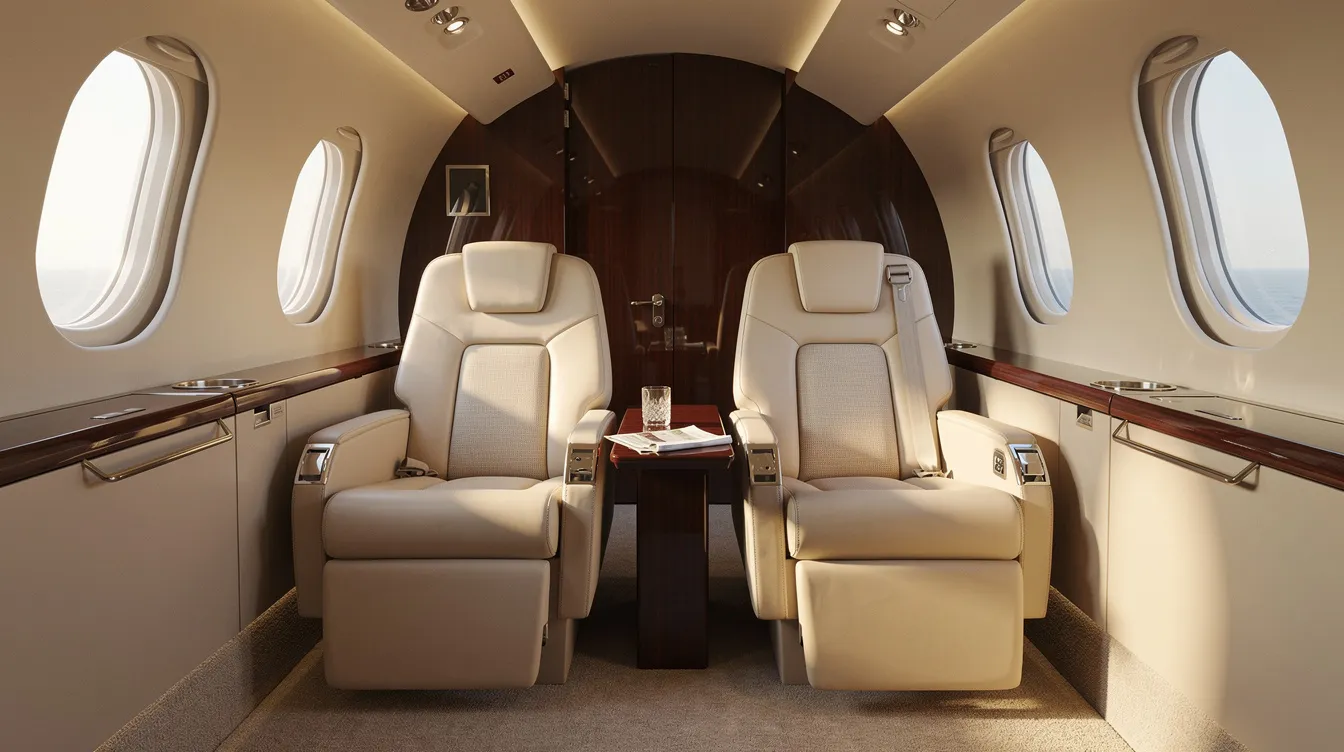
On a private flight, the concept of empty seats is fundamentally different. Customers can choose between shared charter flights and full charters, but in either case they are reserving access to the aircraft rather than fighting over individual seats. Every unoccupied seat is simply extra space, not a restricted resource controlled by airline rules.
A private flight arranged through Jettly allows a traveler or group to decide who occupies each seat. On many light jets and midsize jets, typical layouts range from four to nine passenger seats, and travelers often fly with fewer people than the maximum. Guides that explain how many passengers a private jet can carry show how different cabin sizes translate into open seats for stretching out, working, or keeping personal items nearby.
Because Jettly is a digital marketplace with access to over 20,000 aircraft across 190 countries, customers can choose aircraft size and configuration to match their group by browsing a broad range of private charter aircraft. No last-minute overbooking, no competition for exit rows, and no need to wait for a flight attendant to approve seat moves. Every seat on the chartered aircraft is part of the customer's private cabin.
Travelers who are aware of how commercial empty seat rules play out-and are tired of the guessing game-can explore Jettly's on-demand charter options and instant pricing tools for popular routes like New York to Miami or Los Angeles to Las Vegas, using them alongside resources that explain what drives the cost of a single private flight.
Lying across an empty row is often tolerated at cruising altitude on less crowded flights, but you must still wear a seatbelt and be seated upright with the belt fastened during turbulence, takeoff, and landing when instructed. Crew may ask you to return to your assigned seat if the row is needed for operational reasons or late-boarding travelers, so comfort use of a row is never guaranteed—unlike discounted empty leg flights on private jets, where unused repositioning legs can sometimes be booked outright.
The seat map in an app displays seat assignments rather than the total number of tickets sold. Soft-blocked, reserved, or out-of-service seats can appear open even though every seat is accounted for in the booking system. Gate agents have the most up-to-date information on no-shows, standbys, and maintenance holds, so their word usually reflects the true situation—very different from platforms that crowdsource private jet flights and share empty seats, where open spots are deliberately listed for others to book.
Safety on a commercial flight is not significantly improved by having an empty neighboring seat. Seat design, evacuation rules, and aircraft certification assume full loads of passengers. An empty seat may benefit your comfort and personal space but does not change the fundamental safety level, which is governed by strict regulatory standards and ongoing maintenance, even when you get a seat on a private jet easily through memberships, empty legs, or shared charters.
If a seat is genuinely unusable due to a defect, flight attendants and gate agents may reassign the passenger. On rare occasions, that can mean a move to a higher cabin if no equivalent seat exists in the original class. This is an exception driven by necessity, not a free upgrade process, and most airlines will first seek solutions within the same cabin before putting someone in business or first class—very different from reserving premium cabins through jet card programs with fixed hourly rates.
A Jettly charter is priced for the aircraft, not per seat. Any unused seats simply provide extra room rather than being restricted or sold to others. There is no overbooking, no competition for specific airline seats, and complete control over who is on board. Travelers who fly frequently may prefer private jet memberships that bundle this flexibility with predictable pricing. Review aircraft options and layouts at Jettly if consistent personal space is a priority.
Ready to fly on your terms? You can estimate costs in advance with Jettly's jet card flight cost estimator and compare broader jet card pricing details if you fly often. Those exploring alternatives to fractional ownership might review NetJets and its private aviation model alongside Jettly's own NetJets alternative overview. If you are still deciding how to travel, consult guides on the best private jet charter companies and the ultimate list of charter airlines or learn how to find the best cross-country plane for long trips. In-flight, Jettly clients can even arrange bespoke meals through Jettly Eats in-flight catering. Explore flight options or request a quote at https://www.jettly.com. See related posts for more Jettly travel tips.
Empty seats on planes are a complex result of operational safety, crew requirements, and sophisticated revenue management strategies. While it may seem like a chance to grab extra space, many empty seats are reserved or blocked for important reasons that support flight safety and efficiency. Passengers should always follow crew instructions and ask before moving to any empty seat.
For travelers seeking guaranteed space, flexibility, and control over their flying experience, private jet charters through platforms like Jettly offer a clear advantage. By chartering a private jet, travelers avoid the uncertainty of commercial flights and enjoy the convenience of a fully customizable cabin with no overbooking or seat restrictions.
Ready to experience private travel on your terms? Explore flight options or request a quote at https://www.jettly.com.
Share this post:
Jay Franco Serevilla
Aug 19, 2026
|
5
min read
Discover tips and trends in the industry.
5
min read
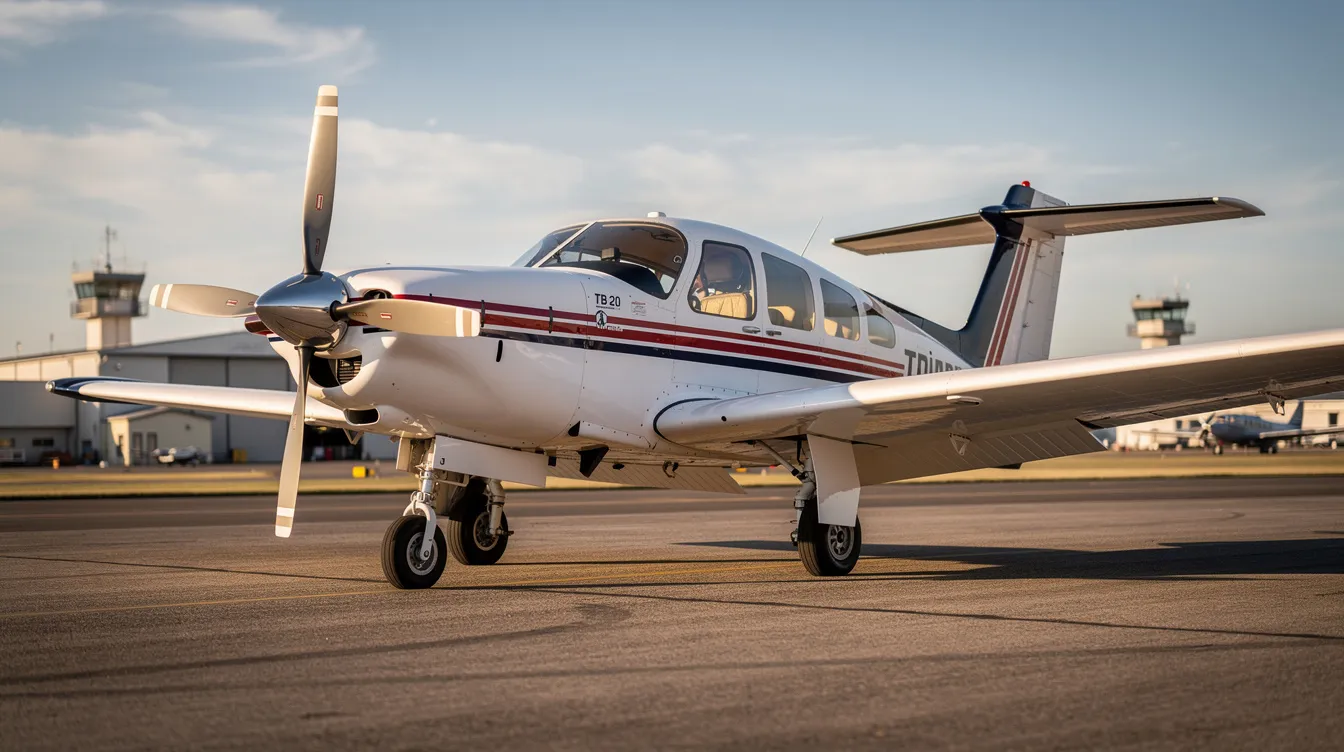
Socata TB Series Guide: TB 20 Trinidad and Related Models
The Socata TB series, particularly the TB 20 Trinidad, is a renowned family of French single-engine aircraft designed for touring and training. With its spacious cabin and retractable landing gear, the TB 20 is favored by private pilots and flight schools for its performance and comfort. This guide explores the TB series' features, variants, and its relevance in modern private aviation.
Read More
5
min read
Freight Runners Express, Inc: Charter Options, Routes, and How Jettly Compares
Freight Runners Express, Inc is a Milwaukee-based charter airline specializing in cargo and passenger services across North America. With a fleet of turboprop aircraft, it offers efficient transport solutions for time-sensitive logistics. Jettly, a digital charter marketplace, provides comparable options, allowing users to access a wider range of aircraft and pricing in real time.
Read MoreStay updated with our latest insights and tips to elevate your journey with us.
MEMBERSHIPS AND ASSOCIATIONS



Disclaimer: Jettly operates as a charter broker, offering access to a global digital jet charter marketplace. Jettly is not a direct air carrier and does not own or operate aircraft. All advertised flights are conducted by third-party air carriers that are fully licensed and hold the appropriate Part 135 or Part 121 certifications issued by the Federal Aviation Administration (FAA) or equivalent regulatory authorities under U.S. or foreign law. Jettly complies fully with the U.S. Department of Transportation's Part 295 and Part 298 Charter Broker regulations. Jettly does not carry additional liability insurance. Passengers are covered by aircraft operator insurance. TICO: 50023770


