



Login
Get Instant Pricing On 23,000+ Aircraft

>
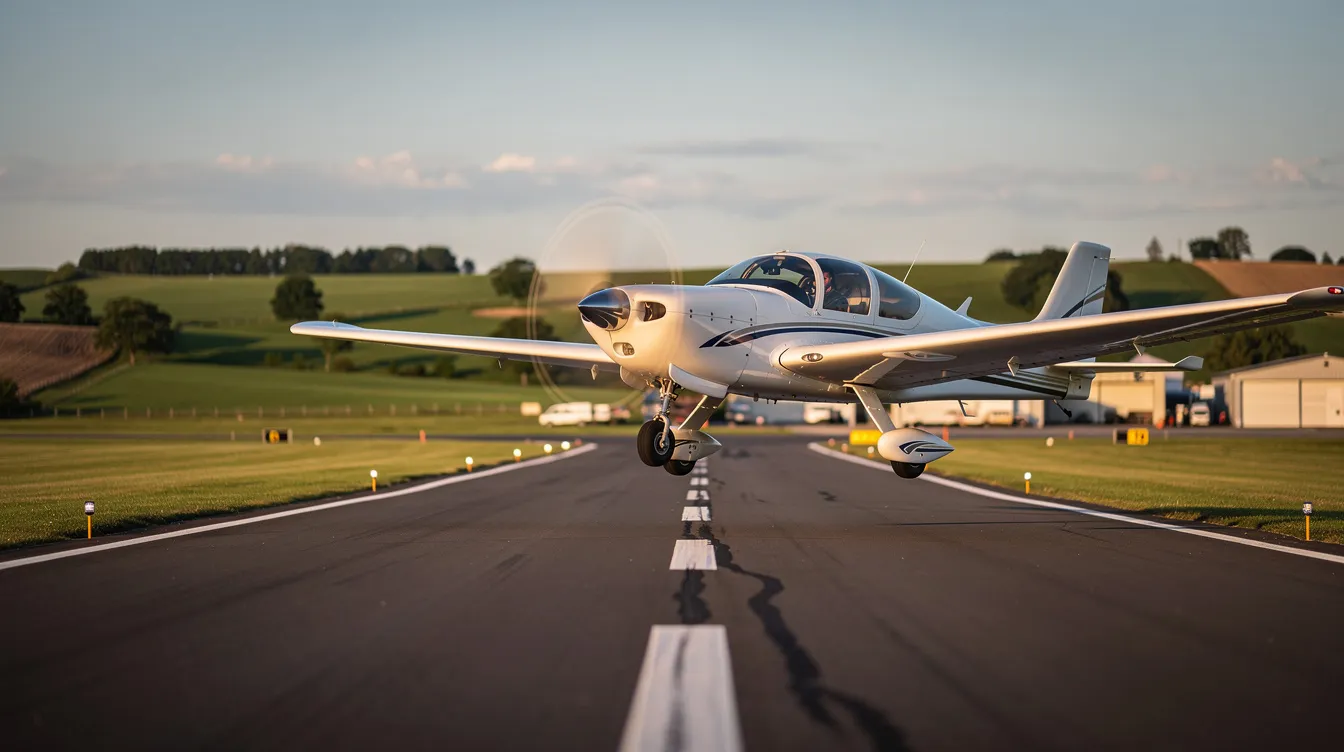
Fast civilian planes span a massive speed range, from high-performance general aviation singles cruising above 200 knots to ultra-long-range business jets flying near Mach 0.95. As of 2026, the fastest civilian airplanes are ultra-long-range business jets capable of covering entire continents without stopping.
Cruise speed, range, and mission profile (business travel, family trips, charter) determine which fast aircraft makes sense for a given traveler and route.
Standout examples include the Mooney Acclaim Ultra (fastest single-engine piston at 242 knots), the Epic E1000 GX (fastest single-engine turboprop at 333 knots), the Cessna Citation X+, the Gulfstream G800, and the Bombardier Global 8000.
Fast civilian planes integrate directly with private jet charter platforms like Jettly, letting travelers access high speed without owning the aircraft.
Private jets can reach speeds over 700 miles per hour and save an average of 127 minutes per trip compared to commercial flights.
This article compares cruise speed, aircraft categories, and real-world use cases for travelers seeking the fastest options in the sky.
Fast civilian planes are non-military aircraft built to deliver high cruise speed across a range of categories. That includes piston singles pushing past 200 knots, turboprops exceeding 300 knots, light jets cruising at 420–515 mph, and large business jets operating near Mach 0.85–0.95. Fast civilian aircraft maximize speed, efficiency, comfort, and range under civil aviation regulations.
The difference between a fast plane and a slow one translates directly into hours saved. A Cessna Citation X+ can cover the US coast to coast in under four hours, while a commercial flight on the same route takes six or more. That gap multiplies across frequent trips. Demand for fast personal planes is increasing among business travelers who treat time as their most limited resource.
Jettly operates as a digital marketplace where travelers can charter many of these high-speed aircraft on-demand instead of buying them. The platform connects users with a global inventory of aircraft types, from turboprops to ultra-long-range jets.
This article moves from the fastest single-engine and turboprop aircraft up to the quickest business jets available to charter today.
For civilian travelers and charter customers, cruise speed matters more than any one-off speed record. Cruise speed is the velocity an aircraft maintains during the main portion of a flight. Maximum speed (or MMO, maximum operating Mach) represents the top allowed limit, used rarely and at higher fuel burn.
General aviation aircraft typically quote cruise speed in knots true airspeed (KTAS), while large jets use both KTAS and Mach number. A Mach number expresses speed relative to the speed of sound, which varies with altitude and temperature. At sea level, the sound barrier sits near 761 mph; at high altitudes where jets fly, it drops to roughly 660 mph.
Maximum cruise speed versus typical cruise speed can differ meaningfully. The Mooney Acclaim Ultra publishes a max cruise of roughly 242 knots but is often flown slightly slower for fuel efficiency. A Citation X+ has an MMO of Mach 0.935 but cruises near Mach 0.90–0.92 in everyday operations.
Several external factors affect real-world cruise speed:
Altitude: Thinner air at high altitudes allows higher true airspeed. Many high-speed planes operate at altitudes above 40,000 feet.
Weight: Heavier loads limit climb rate and optimal cruise altitude.
Winds aloft: Tailwinds boost ground speed; headwinds reduce it.
Advanced avionics and autopilot systems—including auto throttle—help pilots optimize routing and altitude capability for maximum efficiency. For Jettly users, published cruise speed gives a realistic idea of how much time a specific aircraft can save on typical routes.
Modern high-performance singles represent the entry point into fast civilian planes for private owners and some air-taxi missions. These piston aircraft still access smaller airports than jets, and anything above roughly 200 knots cruise is considered high performance in piston general aviation.
The Mooney Acclaim Ultra stands alone as the fastest single-engine aircraft in the piston category. It reaches a top speed of 242 knots (about 278 miles per hour) thanks to its turbocharged Continental engine, and it cruises comfortably at high altitudes with a ceiling of 25,000 feet. The Mooney Acclaim Ultra features modern safety systems, weather radar, and advanced avionics that enhance speed and efficiency. Operating costs for the Acclaim Ultra range from $250 to $350 per hour, making it one of the most affordable ways to fly fast. Though production paused, it remains available on the used market and is a benchmark for single-engine performance.
Two other piston aircraft compete closely in the high-performance singles category:
The Cirrus SR22T Turbo has a maximum speed of 213 knots and includes the Cirrus Airframe Parachute System that has saved hundreds of lives, making it a standout for safety-conscious owner-pilots. Advanced avionics and autopilot systems improve navigation and safety at high speeds.
The Piper M350 cruises at about 213 knots with a pressurized cabin that enables comfortable high-altitude flight, reducing passenger fatigue and enhancing safety.
Other notable high-performance singles include:
Mooney Ovation Ultra with a cruise speed of 197 knots
Cessna Turbo Stationair HD at 161 knots
These aircraft provide a balance of speed, utility, and comfort.
For short regional missions where cost efficiency matters more than jet speed, Jettly can surface piston options for two-to-three-passenger trips, keeping charter rates well below jet-level pricing.
Single-engine turboprops sit between pistons and jets. They combine high speed, good range, and access to short runways—making them ideal for many charter missions in remote or regional markets. High-performance turboprops typically cruise at 300–390 mph, powered by turboprop engines that deliver jet-like performance at lower operating costs.
The Epic E1000 GX is one of the fastest single-engine turboprop aircraft in civilian service. Key specs:
|
Metric |
Epic E1000 GX |
|---|---|
|
Top cruise speed |
~333 KTAS |
|
High cruise speed |
~325 KTAS |
|
Range |
~1,560 nm |
|
Engine |
Pratt Whitney PT6A-67A (1,200 shp) |
|
Seats |
Six people |
|
Ceiling |
34,000 ft |
The aircraft's carbon-fiber composite airframe enables maximized speed and efficiency. The Epic E1000 is often cited as the fastest single-engine turboprop and a benchmark for remarkable performance in its class.
Competing fast turboprops include:
Daher TBM 940: Achieves a maximum cruising speed of 330 knots and features advanced avionics and an auto-throttle system that facilitates precise speed management.
Piper M700 Fury and M600 SLS: Cruise speeds roughly 274–300+ knots, offering cutting-edge technology at lower acquisition costs.
Beechcraft Denali and Pilatus PC-12: Prioritize versatility and payload over pure top cruise speed but still deliver strong single-engine performance.
These turboprops serve executive shuttle roles, medical flights, and high-end personal travel. For many two-to-five-passenger missions under 1,500 nautical miles, a fast turboprop like the Epic E1000 or TBM can match or beat a light jet on door-to-door travel time due to better airport access and shorter ground times, especially when paired with an airport locator tool that helps identify convenient departure and arrival fields.
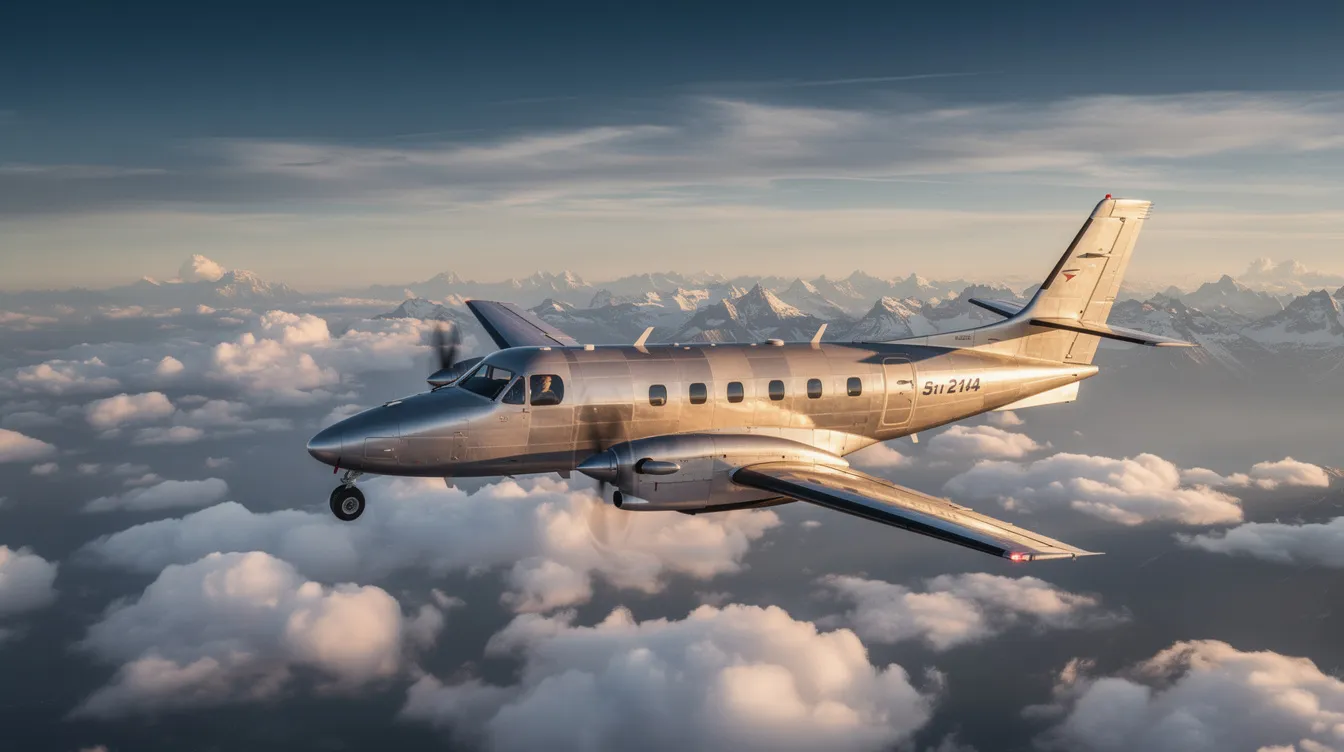
High-speed general aviation covers owner-flown and small charter aircraft that prioritize speed without necessarily stepping up to turbine power. These light aircraft serve as the backbone of general aviation worldwide and are central to choosing the best cross-country plane for your travel journey based on speed, range, and mission profile.
Notable examples include:
Cirrus SR22T: Delivers cruise speeds around 213 knots with advanced glass cockpits and the whole-airframe parachute system. It remains enormously popular among owner pilots and training organizations.
Cirrus SR22: Cruises near 183 knots—still fast for a naturally aspirated single-engine plane.
Cirrus Vision SF50: Has a maximum speed of 305 knots, bridging the gap between piston singles and traditional light jets with its single-engine jet configuration, and illustrates many of the trade-offs discussed when evaluating the best personal plane for your needs.
Cessna Turbo Stationair HD: With a cruise speed of 161 knots, it prioritizes rugged design and high useful load for backcountry operations, float flying, and air taxi services. Aerial surveying is a common use of specialized light planes like these, where speed matters but isn't the only priority.
Cessna Skylane (Cessna 182): Cruising near 145 knots, remains a general aviation workhorse. It's slower than the fastest single-engine planes but still relevant for regional hops and training missions.
|
Aircraft |
Cruise Speed |
Primary Role |
|---|---|---|
|
Cirrus SR22T |
~213 KTAS |
High-speed personal travel, training |
|
Cessna Turbo Stationair HD |
~161 KTAS |
Utility, backcountry, air taxi |
|
Cessna Skylane (182) |
~145 KTAS |
Training, regional travel |
These aircraft complement faster jets in charter fleets. They cover short routes, reach smaller airfields, and can be more cost-effective for one-to-three-hour flights where ultra-high cruise speed is less critical.
Light jets typically seat five to nine passengers, with cruise speeds roughly between 420 and 515 miles per hour and ranges around 1,200–2,000+ nautical miles. They bridge the gap between turboprops and large business jets—faster than turboprops, with lower operating costs than heavy jets.
Light jets often cruise between 420–515 mph, making them ideal for regional and short transcontinental trips. Notable examples include:
Embraer Phenom 300E: Cruises around Mach 0.80 (~511 mph), one of the most popular light jets in charter fleets worldwide.
HondaJet Elite S: Reaches approximately 486 mph with an innovative over-the-wing engine design that reduces cabin noise and creates a spacious cabin relative to its size.
Classic variants like the Dassault Falcon 10/100, which established the fast light jet category decades ago.
Cessna continues to set benchmarks in the light jet segment. The Citation CJ4 and Citation XLS+ deliver high cruise speeds with strong presence in charter fleets, and the broader Citation family remains a cornerstone of business aviation, frequently highlighted when comparing how fast private jets fly and how they stack up against airliners.
Light jets have operating costs between $1,200 and $2,000 per hour—significantly less than ultra-long-range jets. For many Jettly customers flying 500–1,500 nautical miles with four to seven passengers, light jets offer the best balance of cruise speed, cabin comfort, and charter rate per hour.
With private jet charter, travelers can choose specific aircraft classes on a per-trip basis, selecting light jets when speed plus affordability matter more than ultra-long range.
Ultra-long-range business jets represent the fastest aircraft in regular civilian service. These high-speed aircraft regularly cruise above Mach 0.90, and some approach Mach 0.95—just a fraction below the sound barrier. Bombardier and Gulfstream dominate the ultra-fast private jet market, and the competition between them keeps pushing performance forward, as explored in depth in Jettly's guide to fast personal planes and high-speed aircraft in 2025. The market for high-speed aircraft is highly competitive and dynamic.
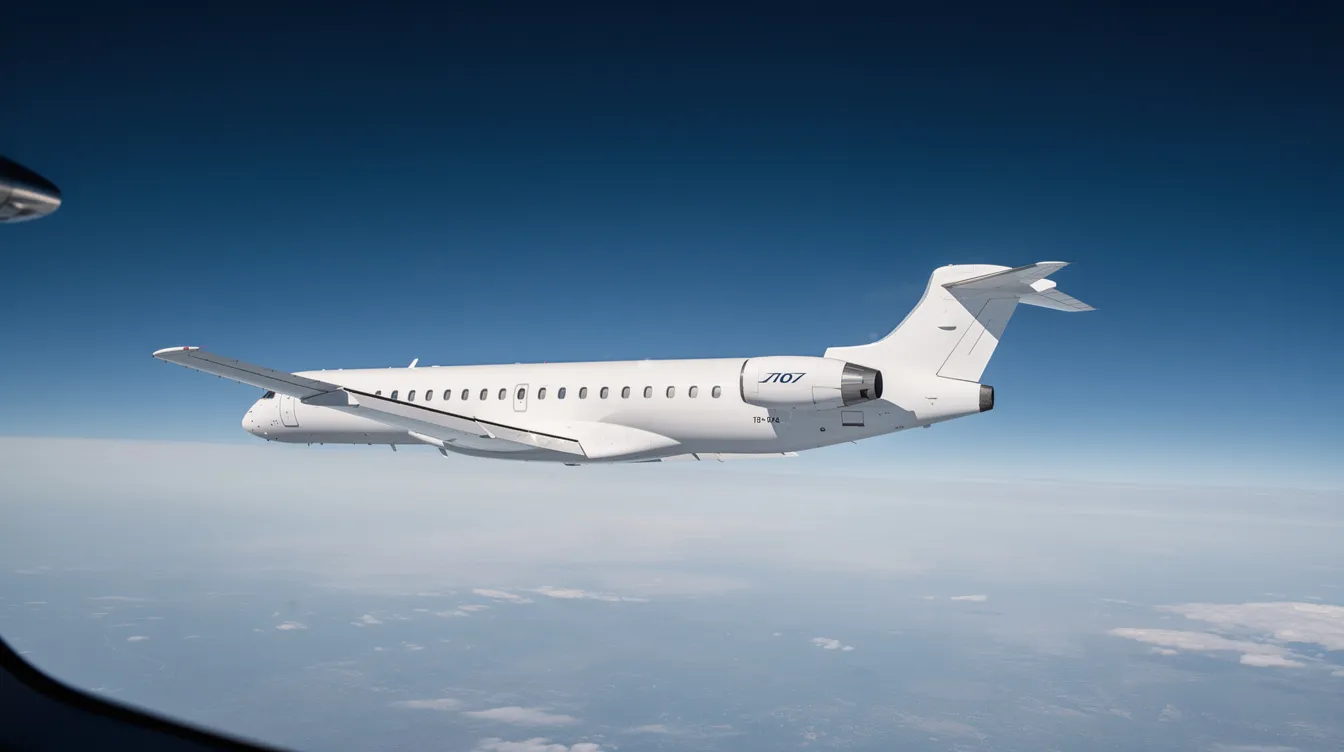
Bombardier Global 8000: The current speed leader. The Bombardier Global 8000 can fly at Mach 0.95, making it the fastest business jet in terms of maximum operating Mach. At long-range cruise (Mach 0.85), it covers roughly 8,000 nautical miles—enough for nonstop flights like New York to Hong Kong. At higher cruise settings near Mach 0.92–0.94, range decreases but time savings increase. Its cabin features four distinct zones plus crew rest, with a ceiling of 51,000 feet. The Global 8000 features advanced safety systems and avionics, redundant flight control systems, and high-efficiency turbofan engines that provide exceptional fuel efficiency and thrust.
Gulfstream G700 and G800: The Gulfstream G700 achieves a maximum speed of Mach 0.935. The G800 matches that MMO while extending range to approximately 8,200 nautical miles at Mach 0.85—designed for nonstop intercontinental travel with up to 19 passengers. Both feature altitude capability up to 51,000 feet and maintain cabin altitude below 3,000 feet to reduce jet lag. Their aerodynamic swept wings and transonic wing designs reduce wave drag while maximizing speed.
Cessna Citation X+: The Cessna Citation X+ has a top speed of Mach 0.935, making it one of the fastest civilian aircraft ever produced. It cruises near Mach 0.90–0.92 in typical operations and can cut US coast-to-coast travel to under four hours. Operating costs for the Cessna Citation X+ range from $1,200 to $2,000 per hour for light jets and $3,500 to $4,500 per hour for ultra-fast jets. Ultra-fast jets typically incur operating costs of $3,000 to $6,000 per hour across the category.
These jets equip state-of-the-art avionics and high-efficiency turbofan engines that provide high thrust and exceptional fuel efficiency. Fast civilian aircraft share design features like aerodynamic swept wings to reduce drag, and their aerodynamic design reflects decades of engineering refinement. Composite materials in aircraft enable maximized speed and efficiency.
Many of these aircraft are available through Jettly's global inventory, letting customers book near-sonic travel on-demand for executive roadshows, high-stakes meetings, or once-in-a-lifetime trips.
Fast civilian planes do more than move quickly. They're designed to keep passengers productive and comfortable at high cruise speed. Fast civilian planes are designed for speed, efficiency, and comfort in equal measure.
In fast general aviation aircraft like the Cirrus SR22T, Piper M350, and Epic E1000 GX, cabins feature ergonomic seating, advanced noise insulation, modern climate control, and in some cases a pressurized cabin for comfortable high-altitude cruise. Pressurized cabins enable comfortable high-altitude flight by maintaining lower cabin pressures even at 25,000–34,000 feet.
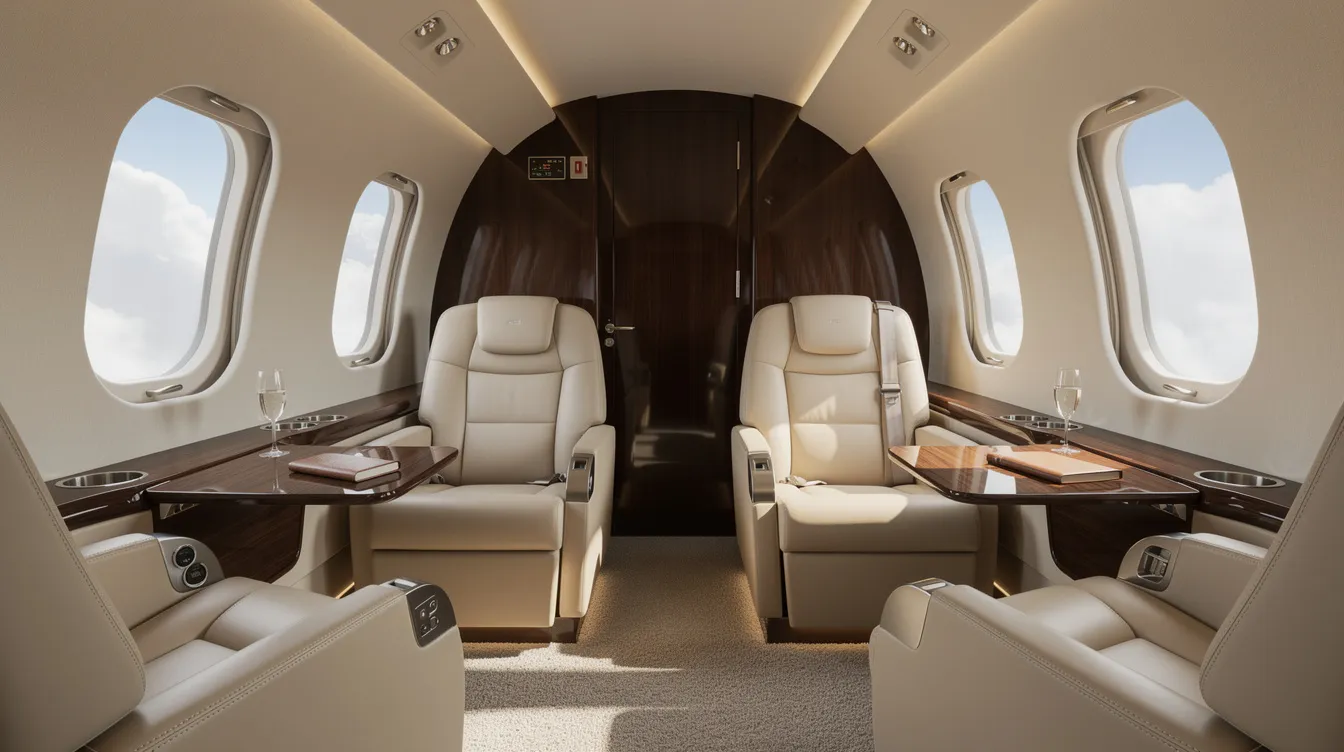
Business jets take cabin comfort further. Aircraft such as the Global 8000, Gulfstream G700/G800, and Cessna Citation X+ feature flat-floor cabins, lie-flat seating or suites, advanced lighting, low cabin altitude, and high-speed connectivity that turn time in the air into usable work or rest time. Private jets offer luxury amenities comparable to first-class travel, often enhanced by dedicated in-flight catering for private jets. Modern fast planes maintain cabin altitude below 3,000 feet to reduce jet lag—the G800 achieves a cabin altitude of roughly 2,840 feet at FL410, significantly reducing fatigue on long flights.
On Jettly, travelers can filter by aircraft size, comfortable cabin features, and speed, making it easier to find the right balance between fast cruise and comfort amenities for any given trip.
The real benefit of fast civilian planes is door-to-door time saved, not just cruise speed numbers in a brochure. Private jets save an average of 127 minutes per trip compared to commercial flights, and that figure grows on routes with poor commercial service or connecting-flight requirements.
Business jets can access smaller airports than large commercial airliners. This means travelers can use less congested airports closer to their actual origin and destination, cutting ground transfers by 30–60 minutes per leg. Fast private jets allow executives to travel on their own schedules, and private jets allow for direct flights to thousands of airports that airlines don't serve, forming the backbone of the global network of charter airlines and private flight providers.
Consider a 1,000 nautical-mile trip and how tools like a jet card flight cost estimator can help quantify the value of speed on that route:
|
Aircraft Type |
Approx. Speed |
Flight Time |
Door-to-Door Advantage |
|---|---|---|---|
|
Epic E1000 (turboprop) |
~325 KTAS |
~3.1 hours |
Access to small airports saves ground time |
|
Light jet |
~450 KTAS |
~2.2 hours |
Fast cruise, moderate airport flexibility |
|
Ultra-long-range jet |
~Mach 0.90 |
~1.8 hours |
Fastest flight, but may need a larger airport |
Charter services enable rapid direct flights that larger commercial airlines might not offer. Advanced flight planning and real-time route optimization through modern avionics help pilots adjust cruise altitude and routing to take advantage of tailwinds, maximizing ground speed benefits.
Services like Jettly make this efficiency accessible without ownership commitments, letting customers choose the most time-effective aircraft for each route—whether that saves time via a fast turboprop or the fastest available jet.
Fast civilian planes come with steep price tags. High-performance piston aircraft start above $1 million new. Ultra-fast jets like the Global 8000 exceed $75 million. Annual operating costs for even a surplus military trainer like a MiG-21 can reach about $50,000—and that aircraft type offers none of the comfort or utility of a modern civilian plane. The MiG-29's annual operating costs can exceed $50,000.
For most travelers, charter makes more financial sense than ownership, and structured options like jet card programs for frequent private flyers can further optimize costs and convenience.
Jettly operates as a digital private jet charter marketplace, connecting users to over 20,000 unique aircraft globally. The platform includes many of the high-speed aircraft types discussed in this article, from turboprops to ultra-long-range jets. Private jets provide access to over 20,000 unique aircraft through Jettly's network. The market for private jet charters includes business and leisure travelers, and fast civilian planes serve roles in corporate and executive transportation.
Key platform benefits include flexible private jet memberships alongside on-demand charter, making high-speed aircraft more accessible trip by trip:
Instant pricing and transparent cost breakdowns
On-demand booking without long-term jet card or fractional ownership commitments
Membership options for frequent flyers seeking lower per-flight costs
Safety assurance: Jettly works only with certified operators and crews, ensuring high-speed performance is backed by strict maintenance and operational standards
Typical use cases where speed drives aircraft selection: executives booking same-day multi-city trips, families maximizing vacation time, and travelers needing last-minute repositioning across continents, sometimes offsetting costs further by crowdsourcing private jet flights and sharing empty seats.
Learn more about how to book a private jet or browse aircraft categories at jettly.com.
"Fastest" is not always "best." The ideal aircraft depends on mission profile, passenger count, range, airport access, and budget. A turbocharged piston single-engine plane might be perfect for one trip and completely wrong for another.
Key decision factors include—many of the same criteria highlighted when comparing the best private jet charter companies and their offerings:
Route length: Under 500 nm, 500–1,500 nm, 1,500–4,000 nm, or 4,000+ nm
Passenger count: 1–3, 4–7, or 8+
Airport constraints: Runway length at origin and destination
Cabin priorities: Spacious cabin vs. raw cruise speed
Example scenarios:
|
Mission |
Passengers |
Distance |
Best Fit |
|---|---|---|---|
|
Business day trip |
3 |
600 nm |
Fast turboprop (Epic E1000, TBM) |
|
Regional meeting |
7 |
1,800 nm |
Light jet (Citation CJ4, Phenom 300E) |
|
Transoceanic executive trip |
10 |
4,500 nm |
Ultra-long-range jet (Global 8000, G800) |
Operating costs vary significantly. Light jets run roughly $1,200–$2,000 per flight hour. Long-range jets command $3,000 to $6,000+ per hour. Charter removes ownership risks like depreciation, hangar fees, and crew salaries. Use the charter cost estimator or review private jet charter costs to compare options.
Jettly's platform effectively acts as a mission-matching tool, letting users filter by aircraft type, performance, and cost to find the right fit for each specific trip instead of committing to a single aircraft.
This section answers common questions about cost, safety, and practical aspects of using fast civilian aircraft via charter.
The Bombardier Global 8000, with a maximum operating Mach of 0.95, holds the current title as the fastest aircraft in civilian service. The Gulfstream G800 and Cessna Citation X+ both reach Mach 0.935. Availability through charter operators varies by region and scheduling, but platforms like Jettly regularly list these aircraft types in their global inventory for on-demand booking.
A high-performance turboprop typically runs $1,500–$2,500 per hour, while light jets range from $1,200 to $2,000 per hour and ultra-fast long-range jets cost $3,000–$6,000+ per hour. The time savings justify the premium when the route is long enough. On a 600 nm trip, the speed difference may save only 30–45 minutes—not always worth doubling the cost. On a 2,500 nm trip, the gap can exceed two hours.
No. All civilian aircraft, regardless of speed, must meet strict certification standards from authorities like the FAA and EASA. Pilots flying high-speed aircraft receive specialized training, and maintenance intervals are rigorously enforced. High-performance aircraft often carry more redundant systems and advanced avionics than slower counterparts. The Bombardier Global 8000, for example, features advanced safety systems, redundant flight control systems, and state-of-the-art avionics.
Jettly allows travelers to filter by aircraft category, size, and performance characteristics. While specific tail-number availability depends on operator schedules, the platform's access to over 20,000 aircraft means customers can typically find the aircraft class—and often the exact model—they prefer for a given trip.
Newer high-speed jets use high-bypass turbofan engines with significantly better fuel efficiency per seat-mile than older models. Many operators are integrating sustainable aviation fuel into their operations. While a private jet consumes more fuel per passenger than a full commercial flight, the efficiency gap narrows considerably on routes where commercial options require connections, and newer engine technology continues to reduce emissions per mile flown.
For more detailed answers or personalized guidance based on your usual routes and travel frequency, visit jettly.com or explore Jettly's deep dive on NetJets and the wider private aviation landscape.
Fast civilian planes now span from high-performance single-engine aircraft cruising at 242 knots to ultra-long-range jets pushing Mach 0.95—just below the sound barrier. This range gives travelers unprecedented speed and flexibility, whether the mission is a 400-mile regional hop or an intercontinental nonstop flight, and mirrors the rapid growth of the global fleet of private jets and emerging usage trends.
Emerging trends point toward even better performance ahead. More efficient turbocharged engines and turbofan designs, advanced composite structures, cabin comfort innovations, and sustainable aviation fuel integration all aim to reduce emissions without sacrificing cruise speed. The aviation industry continues to refine aerodynamic design and avionics to push what civilian flight can deliver.
For most travelers, private jet charter through digital platforms like Jettly remains the most practical way to access these high-speed aircraft, trip by trip, without ownership commitments. The platform's global inventory covers every speed class discussed in this article.
Ready to experience private travel on your terms? Explore aircraft options, compare speeds and categories, and request a charter quote at jettly.com.
Share this post:
Jay Franco Serevilla
Jul 19, 2026
|
5
min read
Discover tips and trends in the industry.
5
min read
Worst Safety Record Aircraft: Deadliest Passenger Jets, Hull Losses, and What They Mean for Airline Safety
Certain aircraft have gained notoriety for their poor safety records, particularly the Fokker F28 and McDonnell Douglas MD-11, which exhibit high hull loss rates. While the Boeing 737 family has the highest total fatalities, this is largely due to its extensive use rather than inherent danger. Understanding these statistics is crucial for travelers assessing aviation safety.
Read More
5
min read
www trivago com flights: Cheap Flights vs. Private Jets with Jettly
This guide compares the use of Trivago for cheap flights and hotel deals with booking private jets through Jettly. While Trivago excels at finding budget-friendly options, Jettly offers flexibility and time savings for travelers needing efficient transportation. Understanding both platforms helps travelers make informed decisions based on their specific needs.
Read MoreStay updated with our latest insights and tips to elevate your journey with us.
MEMBERSHIPS AND ASSOCIATIONS



Disclaimer: Jettly operates as a charter broker, offering access to a global digital jet charter marketplace. Jettly is not a direct air carrier and does not own or operate aircraft. All advertised flights are conducted by third-party air carriers that are fully licensed and hold the appropriate Part 135 or Part 121 certifications issued by the Federal Aviation Administration (FAA) or equivalent regulatory authorities under U.S. or foreign law. Jettly complies fully with the U.S. Department of Transportation's Part 295 and Part 298 Charter Broker regulations. Jettly does not carry additional liability insurance. Passengers are covered by aircraft operator insurance. TICO: 50023770


