



Login
Get Instant Pricing On 23,000+ Aircraft

>
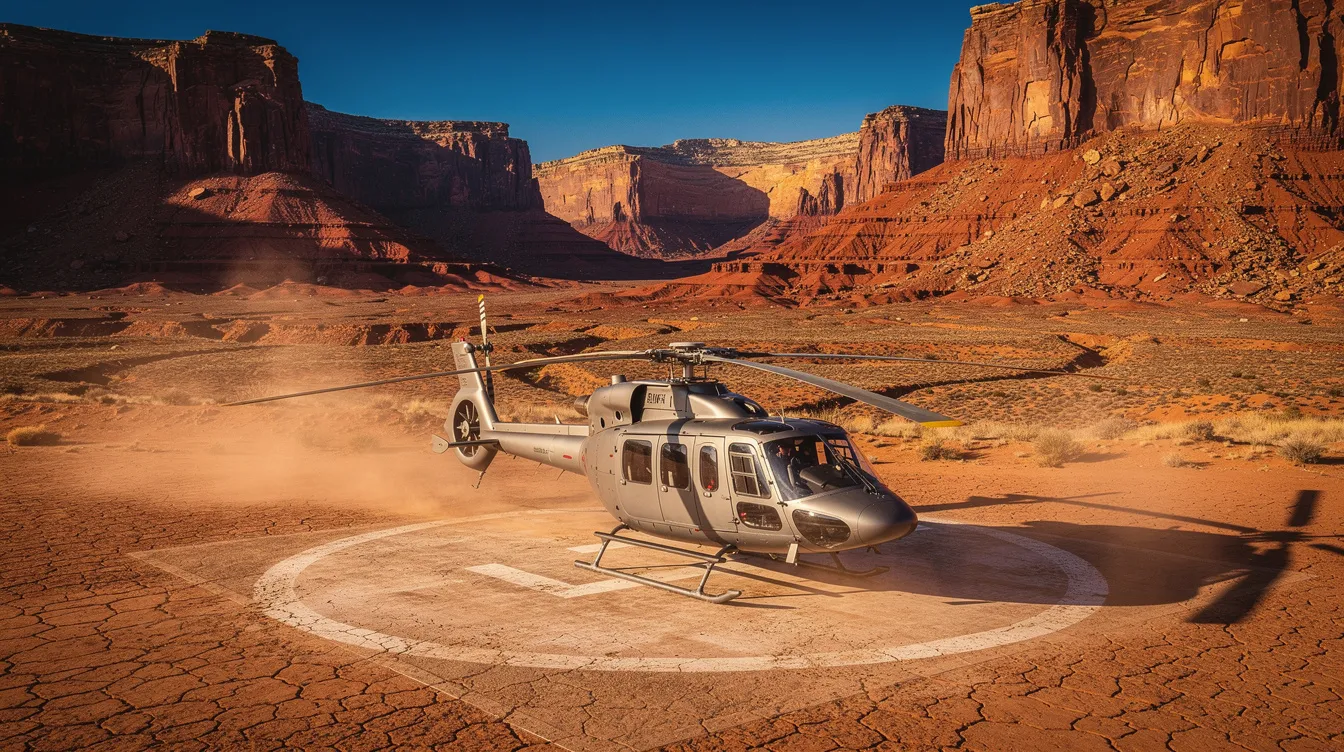
If you're planning a trip to one of Arizona's most iconic natural wonders, the Havasu Falls helicopter price is probably near the top of your research list. Getting to this remote turquoise oasis deep inside Havasu Canyon requires serious effort-either an 8-mile hike through the desert or a short chopper flight that cuts travel time down to minutes. But the helicopter option comes with its own set of rules, costs, and uncertainties that catch many visitors off guard.
This guide breaks down everything you need to know about the Havasupai helicopter in 2026: current pricing, flight schedules, how boarding works, what to pack, and how to plan around the realities of a first-come, first-served transport service on tribal land.
As of 2026, tourists pay approximately $300 per person one-way for the Havasupai helicopter between Hualapai Hilltop and Supai Village. Older references citing $85 per person are outdated-helicopter prices increased in 2023 and again in 2025.
Helicopter flights operate on Sundays, Mondays, Thursdays, and Fridays, on a first-come, first-served basis. There are no guaranteed seats or fixed departure times for tourists.
The helicopter drops passengers at Supai Village, roughly 2 miles from the Havasu Falls campground. Every visitor still has to hike or walk to the falls.
This service operates on the Havasupai Indian Reservation, separate from Grand Canyon National Park, and follows tribal pricing and rules that can change without notice.
Jettly can arrange private helicopter and fixed-wing charters to regional airports near Hualapai Hilltop and the Grand Canyon but does not operate flights directly into Supai Village, instead relying on its global network of private charter aircraft.
Havasu Falls is one of several stunning waterfalls along Havasu Creek within the Havasupai Reservation in northwestern Arizona. Despite its proximity to the Grand Canyon, it sits on sovereign tribal land managed by the Havasupai Tribe-not inside Grand Canyon National Park. National park passes don't apply here. Tribal permits and tribal rules do.
When people search for "Havasu Falls helicopter" or "Havasupai helicopter," they're referring to a short utility shuttle flight between Hualapai Hilltop and Supai Village. This is not a scenic Grand Canyon helicopter ride. The helicopter service operates as a utility transport shuttle, historically run by Airwest Helicopters under tribal oversight, primarily serving tribal members, freight, and permit-holding tourists.
The helicopter does not offer sightseeing tours to Havasu Falls. It's a practical transport option-nothing more. And because the Havasupai Tribe controls pricing, schedules, and access rules, treat every detail in this guide as a planning baseline. Verify current information through official Havasupai communications before finalizing your trip.
Recent tribal information puts the tourist fare at approximately $300 per person one-way between Hualapai Hilltop and Supai Village, with all taxes and fees included. For travel prior to April 1, 2024, some older quoted prices excluded a fuel surcharge paid directly on the day of the tour.
This is a significant jump from historical pricing. For years, helicopter flights to Supai cost $85 each way, and round-trip helicopter transport costs an additional $200 per person at that era's rates. If you're reading older blog posts or forum threads quoting sub-$200 figures, those numbers no longer apply.
Here's what to expect financially in 2026:
|
Service Type |
Cost per Person (Approx.) |
Notes |
|---|---|---|
|
One-way flight (tourist) |
$300 |
Includes one personal pack |
|
Round-trip flight |
$600 |
Two one-way flights |
|
Family of four, round-trip |
$2,400 |
Four passengers, two-way flights |
|
Extra gear transport |
$30–$50 |
Per item, varies by weight |
One standard personal pack-think a medium-sized backpack-is typically included in the fare. Extra bags and heavy freight are charged separately at posted rates before boarding.
Children generally pay the same per-seat rate as adults. Pricing is based on occupied seats and weight, not age, unless the tribe posts a specific child rate.
All pricing is subject to change without notice. Before your visit, confirm the latest fare through the tribe's official FAQ pages, and if you're pairing your canyon trip with premium travel, understand how to buy a seat on a private jet to nearby regional airports.
The $300 one-way fare covers a narrowly defined service. Here's the breakdown.
Included in the base fare:
One passenger seat from Hualapai Hilltop helipad to Supai Village (or reverse)
Handling of one personal pack per passenger
All applicable taxes and fees
Not included:
Havasupai Falls entrance permits or reservation fees
Havasupai Lodge or campground booking costs
Pack mule services between Supai Village and the campground
Food, water, gear rental, or any in-canyon shuttles
Extra baggage charges for oversized packs, coolers, or supply boxes
Each helicopter passenger can bring one personal pack or carry-on item at no extra cost. Anything beyond that-a second duffel, a cooler, photography equipment cases-incurs additional freight charges, typically paid in cash or by credit card before loading.
Passengers must hike approximately 2 miles from Supai Village to the Havasu Falls campground. The helicopter doesn't eliminate walking entirely.
Havasupai permits are required for all visitors to access the canyon and its facilities. The helicopter is transport, not a standalone access pass. You still need a confirmed overnight reservation.
Example cost scenario: A family of four flying round-trip with two extra gear boxes might pay roughly $2,400 in helicopter fares plus $60–$100 in freight charges, on top of permit fees, camping or lodge costs, and food expenses.
The financial math is straightforward. The helicopter ride costs $300 one-way per person. Hiking the trail from Hualapai Hilltop to Supai Village costs nothing beyond what you've already spent on permits, gear, and getting to the trailhead, but travelers used to helicopter rental costs in other contexts or comparing NetJets alternatives like Jettly will recognize that remote operations can be comparatively expensive.
But cost isn't the only variable.
The hike covers about 8 miles (10 miles to the campground) with significant elevation change. Most hikers budget 3 to 6 hours depending on fitness, pack weight, and heat. The helicopter ride takes about 10 minutes each way, a contrast similar to choosing between commercial airlines and top private jet charter companies for regional access. That's a massive time and energy savings, especially on the return when fatigue sets in, much like choosing an efficient route with a jet card flight cost estimator or structured corporate jet card program when planning private air travel.
Here's a rough comparison of three common approaches:
Hike both ways: $0 in helicopter fares. Requires quality boots, trekking poles, and the fitness to handle 16–20 miles of desert canyon hiking. Full day of hiking split across arrival and departure.
Hike in, fly out: ~$300 per person for the return flight. Popular with hikers who want the full trail experience going in but prefer to skip the steep climb out after a full day or multi-day stay at Havasu Falls, Mooney Falls, and Beaver Falls.
Fly both ways: ~$600 per person. Maximum time saved. Best for visitors carrying heavy camera gear, those with physical limitations, or anyone recovering from fatigue after day hiking to multiple falls.
The helicopter is often considered worth it for the return trip-climbing out of the canyon after visiting Havasupai Falls in Arizona heat can push hikers toward heat exhaustion, especially in summer.
Still, even those who fly must walk about 2 miles between Supai Village and the campground. There is no true "no-hike" option.
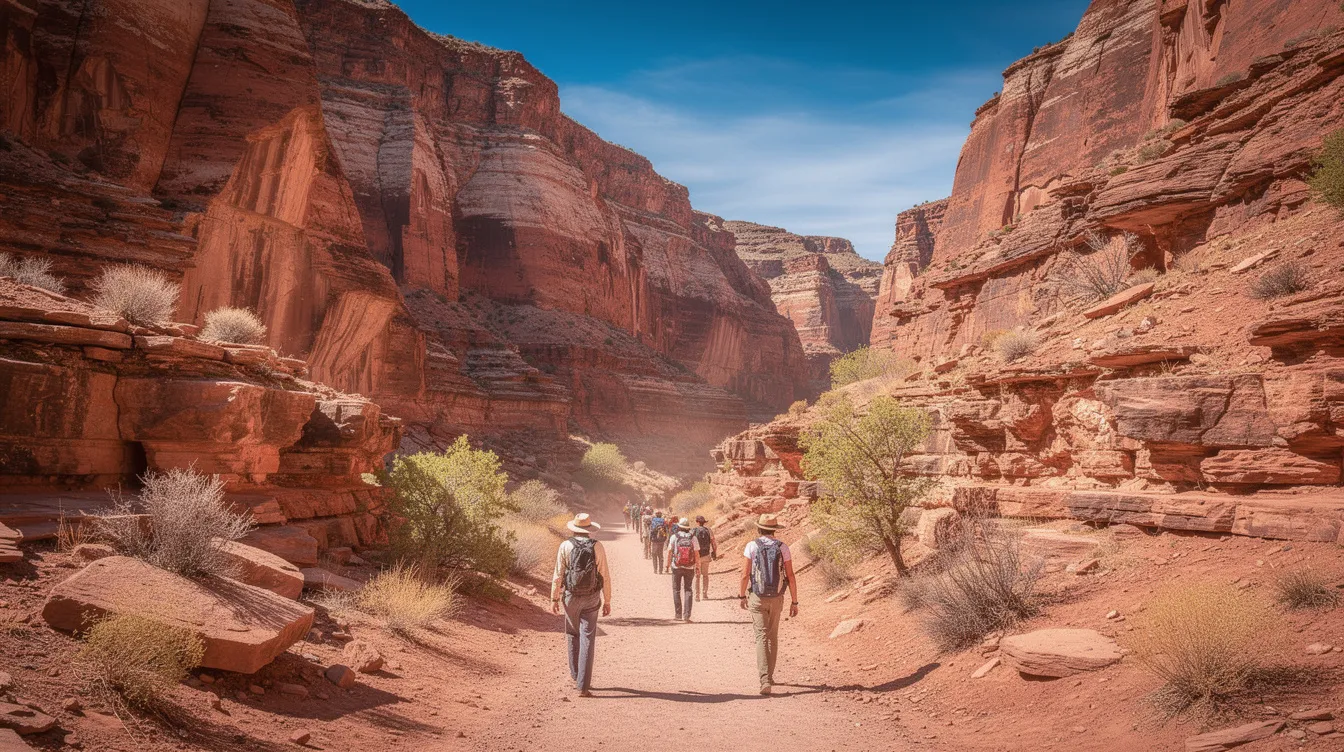
Helicopter flights are typically scheduled for select days of the week. As of 2026, the most recent public information indicates flights run on Sundays, Mondays, Thursdays, and Fridays. The schedule is subject to change based on weather, maintenance, and tribal needs.
Flights begin around mid-morning, often near 10:00 a.m. Arizona time, and continue until all priority passengers are moved or conditions deteriorate. There's no guaranteed last-flight time. On busy days, flights may extend into early afternoon. On slow days or during monsoon season, they can shut down early.
The helicopter flight takes approximately 10 minutes one way between Hualapai Hilltop and Supai Village, flying Sundays and other operating days low over Havasu Canyon. The views are brief but dramatic-red rock walls and desert terrain stretching toward the Grand Canyon rim.
Flights to Havasu Falls are subject to weather conditions and operational needs. Summer thunderstorms, high winds, and low visibility can ground the helicopter for hours or entire days. Treat this service as a convenience, not a guarantee-especially during monsoon season (July through September) or shoulder-season weather.
The Hualapai Hilltop trailhead and helipad sit at the end of Indian Road 18, roughly 60–63 miles northwest of Peach Springs, Arizona. The Hualapai Hilltop parking lot is gravel, with portable toilets but no food, water, or fuel services. Arrive prepared.
Passengers must check in between 10:00 AM and 1:00 PM. Show up at the hilltop parking lot early-before sunrise on busy days-to place your name on the flight list. You'll need to show proof of your Havasupai reservation.
The Supai Village helipad sits near the Tourism Office and the village cafe. Outbound visitors should check in at the tourism office or designated desk the day before departure whenever possible to secure an early spot on the list.
Havasupai tribal members receive boarding priority over all other passengers. After locals and tribal staff, freight and contractors board next. Tourists fill remaining seats on a first-come, first-served basis, sometimes grouped by weight for helicopter balance.
Havasupai helicopter flights require prior approval and reservations from the Havasupai Tribe-meaning you need a valid overnight permit to even get on the list. Helicopter rides are first-come, first-served with no advance booking of specific flight times.
Expect long wait times due to high demand and limited flight availability. Waits of several hours are common during peak periods. There are no formal seat assignments or strict departure slots. You're reserving a place in line, not a time.
Accepted payment methods typically include cash and major credit cards (Visa, MasterCard) at both Hualapai Hilltop and Supai Village. However, cell signal in the canyon is weak, and the credit card reader can go offline without warning.
Bring cash. Enough U.S. currency to cover helicopter fares both ways, extra baggage fees, and a buffer for unexpected changes. If the card terminal is down and you don't have cash, you may miss your flight.
All payments are generally taken on the day of travel, just before boarding. There is no advance online booking or credit-hold system for tourists.
Receipts may be basic-a handwritten slip or a simple printout. Take a photo of any posted fare boards or paper receipts for personal records and travel insurance claims.
Tipping is optional but appreciated by ground crews and pilots. A modest cash tip is appropriate where allowed, but gratuities do not influence boarding priority.
The weight limit for luggage is 40 pounds per passenger for your included personal pack. The helicopter can carry a maximum weight of 40 pounds per bag, with additional or heavier items subject to freight charges.
Here are some practical packing guidelines:
Keep valuables and essentials (ID, medications, camera) in a small daypack you can hold in your lap.
Avoid overstuffed loose bags that are difficult to secure inside the cabin.
Gear shipped out by helicopter from Supai Village is usually offloaded at Hualapai Hilltop near the parking lot. Plan to retrieve bags promptly.
Sending gear via helicopter costs between $30 and $50 per extra item, depending on weight.
For peak-season trips, arrive at the hilltop before sunrise for early access to the flight list. Wear sun protection, bring a hat, and carry enough water and snacks for a full day in case of long waits at the exposed helipad. There's no shade structure or vendor at the trailhead.
Anyone planning to visit Havasupai Falls must first secure a valid reservation through havasupaireservations.com, managed directly by the Havasupai Tribe. The helicopter does not grant access by itself.
Visitors need a confirmed 4-day/3-night reservation for either the campground or the Havasupai Lodge (also known as the Supai Lodge) in Supai Village. Day trips are not allowed. Tribal rules require overnight stays, and the combination of flight schedules and the 2-mile walk from Supai to the falls makes same-day in-and-out tourism impractical and non-compliant.
Booking patterns to know:
Early access windows for the upcoming season typically open in January, with high demand and rapid sell-outs.
Reservation terms, cancellation policies, and camping or lodge pricing change periodically.
All planning should start with the tribe's official site, not third-party blogs or tour operators.
Visiting Havasupai without a valid permit will result in being turned away-whether you arrive by helicopter or on foot.
Havasupai helicopters have an excellent safety record spanning decades of operations into the canyon. No tourists have been killed or injured in helicopter incidents involving the tribal shuttle service.
For transparency: the last fatal helicopter incident occurred in the 1980s (a 1983 cable-related mishap during freight operations). A 2016 crash resulted in minor injuries to the pilot during a ground-rollover incident. Both were rare events, and neither involved tourist passenger flights. If you're comparing different types of aircraft for regional access, Jettly's guide to affordable aeroplane rental costs and options and an overview of the cheapest private aircraft can help frame broader pricing expectations.
Helicopter flights are weather-dependent and can be canceled on short notice. Summer monsoon storms, high winds, and low cloud cover are the most common causes of delays. When flights are grounded, visitors may need to hike in or out instead.
Personal safety near the falls is also worth noting: cliff-jumping is banned (especially at Beaver Falls), rocks are slippery near Havasu Creek, and heat exhaustion is a real risk during summer months. Medical evacuations by helicopter may incur separate rescue costs.
Carry travel insurance that covers evacuation and trip disruptions. Always maintain a backup plan to hike out if the chopper is grounded unexpectedly. For broader context on helicopter rental costs and pricing factors, how long helicopter rides typically last, and whether private jets can fly internationally, Jettly's guides offer a useful overview.
Jettly does not sell or operate the tribal Havasupai helicopter to Supai Village. That service is controlled exclusively by the Havasupai Tribe and its contracted partners, whereas Jettly focuses on broader charter airlines and private flight solutions worldwide. Private aircraft cannot land at Havasu Falls or in Supai Village-air access there is reserved for tribal and contracted operations only, though travelers can still benefit from Jettly's affordable private jet charter options into nearby regional airports.
Where Jettly adds value is getting you to the region, even through innovative options like crowdsourced private jet flights and shared empty seats or other easy ways to get a private jet seat. The platform can arrange private jet charters to Las Vegas, Flagstaff Pulliam Airport, affordable semi-private flights to Vegas, or smaller general aviation fields closer to the Grand Canyon, helping you navigate where private jets can land most conveniently.
A sample itinerary might look like this: charter to Las Vegas or Flagstaff using Jettly's airport locator tool or even route via private jet charter in Chennai on a broader international trip, ground transfer to Peach Springs and Hualapai Hilltop, overnight nearby, then take the Havasupai helicopter or hike into Supai the next morning.
Jettly's on-demand marketplace provides instant pricing, multiple aircraft categories (including light jets, turboprops, private charter aircraft, and private helicopter charters), and flexible departure times for travelers building a broader Grand Canyon or Southwest itinerary.
Ready to explore private flight options to the Grand Canyon region? Travelers trying to offset the cost of reaching remote gateways like Hualapai Hilltop may also benefit from tips for booking the cheapest private jet flights. Consider Jettly's private jet memberships for frequent flyers, and get instant pricing and compare aircraft at https://www.jettly.com.
These quick answers address common edge cases and misunderstandings not fully covered above. For the most current information, always check with the Havasupai Tribe directly.
No. One-day trips are not allowed under current Havasupai rules. All visitors must hold overnight reservations for a minimum of 4 days and 3 nights. The helicopter schedule combined with the 2-mile walk from Supai Village to the campground makes same-day in-and-out logistics unrealistic. Attempting a day trip would violate tribal regulations, and you'd likely be turned away at check-in or at the Tourism Office.
No. The helicopter operates on the Havasupai Indian Reservation, which is separate from Grand Canyon National Park and outside National Park Service jurisdiction. National park passes, concessionaire systems, and NPS rules do not apply. Visitors must follow Havasupai tribal regulations and pay tribal permit and helicopter fees directly to the tribe.
As of 2026, tourists generally cannot book exact flight times online. Reservations for the helicopter are first-come, first-served. You sign up in person on a list at Hualapai Hilltop or Supai Village on the day of travel or the day before departure. Any limited early access or pre-list systems the tribe may introduce are best confirmed directly through havasupaireservations.com or official tribal channels shortly before your visit.
On busy days, arrive at the Hualapai Hilltop parking lot before sunrise. Standby lists fill quickly, and flights begin moving passengers who checked in earliest. Check-in for helicopter flights is between 10:00 AM and 1:00 PM. At Supai Village, visitors are often encouraged to register for departure flights the day before they plan to leave to secure a stronger position in line.
No. Private aircraft and charters cannot land at Havasu Falls or in Supai Village. That airspace and land are reserved for tribal and contracted operations only. Jettly can arrange private flights to nearby regional airports and heliports around the Grand Canyon and northern Arizona-including Las Vegas, Flagstaff, and Kingman-from which travelers continue by road to Hualapai Hilltop. From there, you transfer to the Havasupai helicopter or start the hike. Use Jettly's charter cost estimator to compare options for the regional leg of your trip.
The Havasu Falls helicopter offers a convenient but premium-priced alternative to the challenging hike into the remote Havasupai Canyon. With a current one-way price around $300 and flights operating on Sundays, Mondays, Thursdays, and Fridays on a first-come, first-served basis, travelers should plan carefully and arrive early to secure a spot. While the helicopter significantly reduces travel time and effort, visitors must still hike about 2 miles from Supai Village to the falls and hold valid tribal permits for overnight stays.
For those seeking efficient regional access, Jettly provides private jet charter options to nearby airports, complementing the helicopter shuttle service. Whether hiking both ways, flying out, or flying both ways, understanding the costs, schedule, and rules around the Havasupai helicopter is essential to a smooth visit.
Ready to experience private travel on your terms? Explore flight options or request a quote at https://www.jettly.com.
Share this post:
Jay Franco Serevilla
Oct 20, 2026
|
5
min read
Discover tips and trends in the industry.

5
min read
Leasing a Helicopter: How Helicopter Leasing Works (and When It Makes Sense)
Leasing a helicopter provides operators and individuals with access to aircraft without the hefty upfront costs of ownership. This flexible arrangement allows for predictable payments and can be tailored to suit various operational needs, whether through wet or dry leases. For those flying less frequently, on-demand charter services may offer a more cost-effective solution.
Read More
5
min read
How High Does a Helicopter Fly? Maximum Altitude, Limits & Practical Uses
Helicopters typically fly between 500 and 5,000 feet during routine operations, with some models reaching service ceilings of 20,000 feet or more. The highest recorded flight reached 40,820 feet in 1972, but most helicopters operate much lower due to factors like air density and engine power. Understanding these limits is essential for travelers considering helicopter charters for various missions.
Read MoreStay updated with our latest insights and tips to elevate your journey with us.
MEMBERSHIPS AND ASSOCIATIONS



Disclaimer: Jettly operates as a charter broker, offering access to a global digital jet charter marketplace. Jettly is not a direct air carrier and does not own or operate aircraft. All advertised flights are conducted by third-party air carriers that are fully licensed and hold the appropriate Part 135 or Part 121 certifications issued by the Federal Aviation Administration (FAA) or equivalent regulatory authorities under U.S. or foreign law. Jettly complies fully with the U.S. Department of Transportation's Part 295 and Part 298 Charter Broker regulations. Jettly does not carry additional liability insurance. Passengers are covered by aircraft operator insurance. TICO: 50023770


