



Login
Get Instant Pricing On 23,000+ Aircraft

>
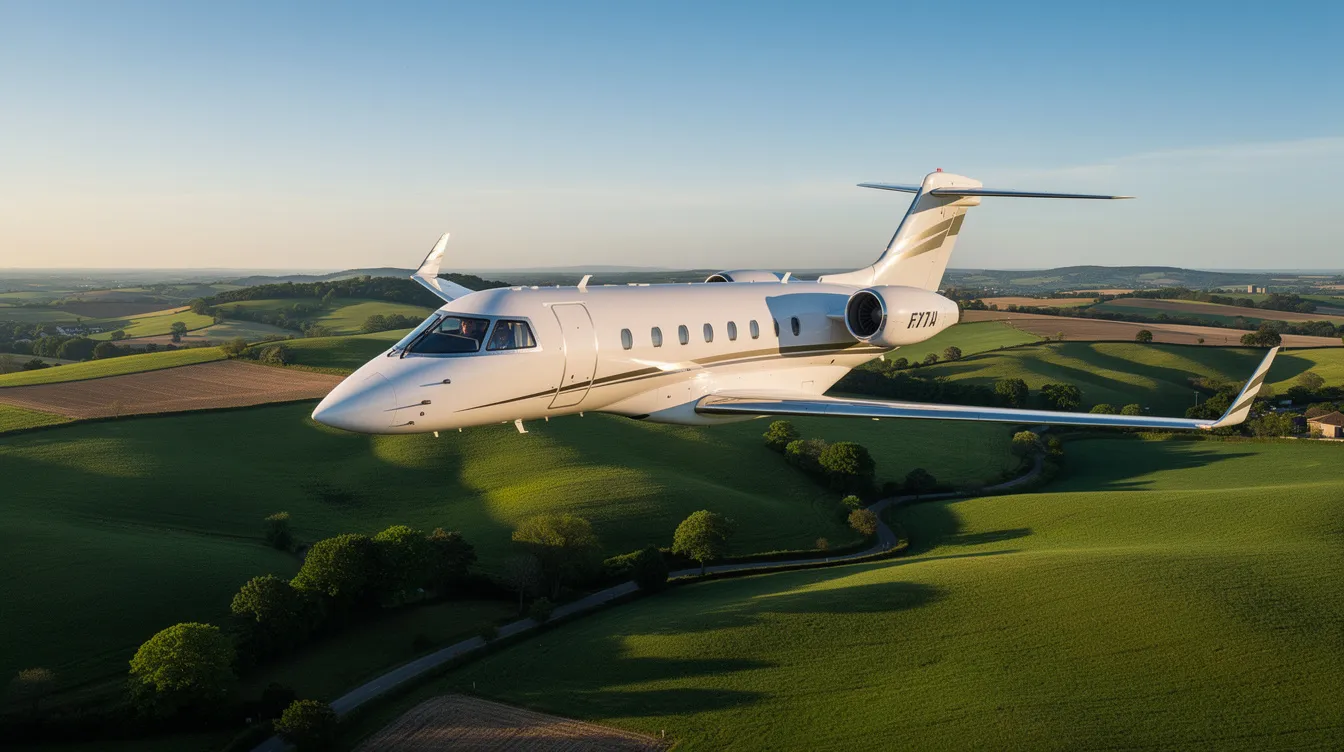
The Honda plane has become one of the most recognized names in light business jets. Built by Honda Aircraft Company, the HondaJet family combines automotive engineering heritage with serious aeronautics, delivering a very light jet that punches above its weight in speed, cabin space, and fuel efficiency. This guide covers every model in the lineup, key performance data, safety history, and how to charter a HondaJet through platforms like Jettly.
Honda Aircraft Company created the HondaJet as a very light jet optimized for business and family travel. It is now widely used in private aviation and on-demand charter, with over 275 HondaJets delivered worldwide by August 2026.
The HondaJet line spanning the original HondaJet, HondaJet APMG, HondaJet Elite, HondaJet Elite S, and HondaJet Elite II stands out for its over-the-wing engine mount design, strong fuel efficiency, and generous baggage space for its class.
The latest HondaJet Elite II received type certification from the FAA and type validation in multiple regions, including Brazil in 2026, supporting its growing role in global private and business flights.
As a very light jet and light jet platform, HondaJet aircraft are ideal for short regional trips of two to three hours with up to five or six passengers, though they have range and payload limits compared with midsize and heavy jets.
Digital charter platforms like Jettly allow travelers to access HondaJet aircraft on-demand without ownership, combining the jet's efficiency with transparent pricing and flexible routing, and often highlight how they offer affordable private jet charter through competitive rates and smart routing.
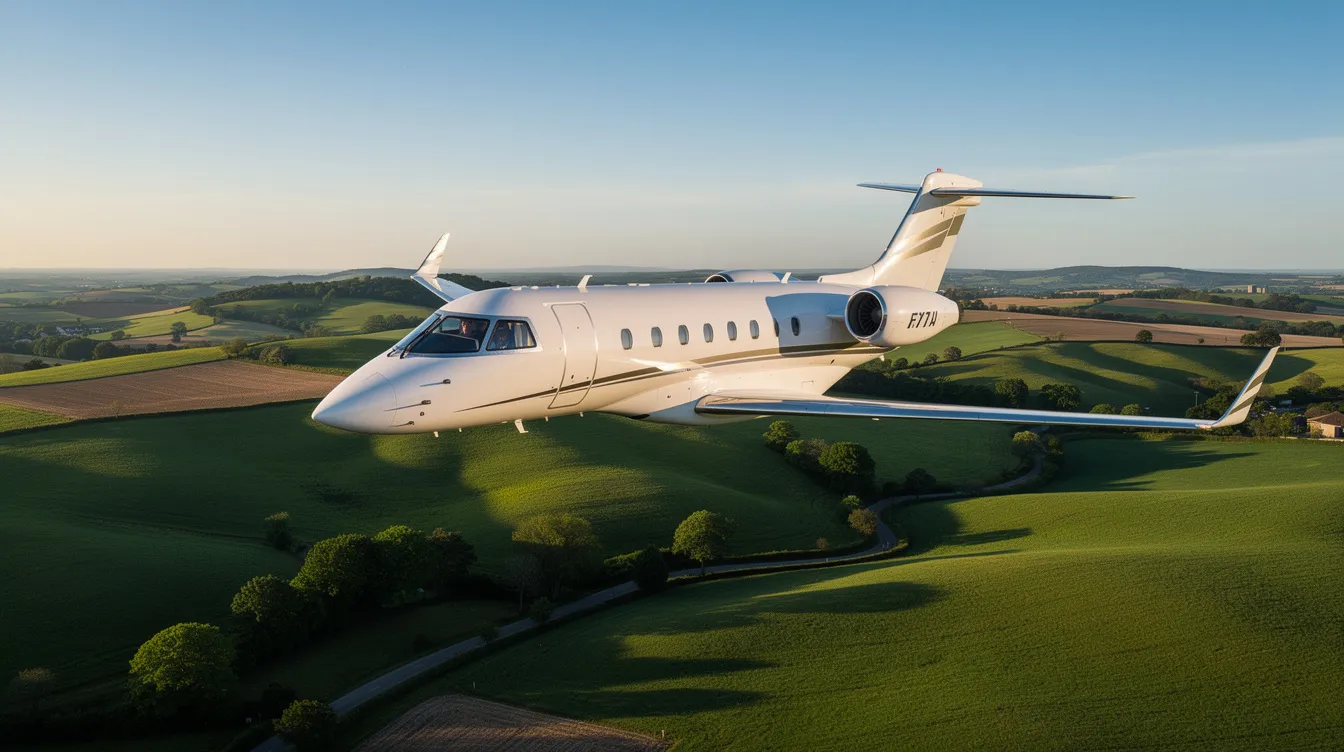
Honda Aircraft Company is Honda's dedicated aviation arm. Established in 2006 and headquartered in Greensboro, NC, the company integrates R&D, production, and customer support on a single campus with roughly 1,000 staff from over 40 countries. Honda Aircraft Company aims to establish branded aircraft manufacturing, not just engine supply — a distinction that separates it from many automotive companies that dabbled in aviation without committing to a full airframe program.
When people search for a "Honda plane," they're almost always referring to the HA-420 HondaJet and its derivatives. These are classified as very light jet and light jet business aircraft, designed for owner-operators, corporate flight departments, and charter providers.
Honda initially explored aviation technologies in the 1980s with small experimental aircraft. The first aircraft research began in 1986, and the proof-of-concept HondaJet completed its first flight in December 2003. From the outset, Honda targeted private aviation, aiming to build a fuel-efficient, comfortable aircraft for business travel, personal use, and charter operations.
Honda's decision to pursue aviation alongside its cars and motorcycle businesses dates to the mid-1980s. Honda began aircraft research in 1986 at its Fundamental Technology Research Center. By the late 1990s, engineers were developing composite fuselages and natural-laminar-flow wing designs. HondaJet's unique engine placement was conceived in 1997, leading to formal over-the-wing engine mount research and wind-tunnel testing by 1999.
Engineer Michimasa Fujino played a central leadership role in shaping the HondaJet concept as a high-speed, aerodynamically advanced light jet developed for a quieter cabin and lower drag. Honda's aviation journey is supported by decades of aeronautical research that fed directly into this program.
The first flight of the HondaJet proof-of-concept took place in December 2003 from Greensboro. Honda developed the HF120 turbofan engine in partnership with GE Aerospace, and that research project validated the engines mounted above the wing concept under real flight conditions.
The path to commercialization accelerated after the Oshkosh debut in July 2005 and the formal founding of Honda Aircraft Company in 2006. An extensive certification campaign followed, involving roughly 2.4 million pages of documentation and years of flight testing. The FAA awarded type certification in December 2015, and first delivery to a customer followed shortly after. By the mid-2020s, Honda had also successfully completed EASA validation in Europe and ANAC validation in Brazil, enabling global fleet deployment.
The term "Honda plane" now covers several generations. The HondaJet series includes the original HA-420 model and several improved variants: the HondaJet APMG, HondaJet Elite, HondaJet Elite S, HondaJet Elite II, and the in-development HondaJet Echelon.
The original HondaJet entered service around 2015–2016 with typical five-passenger club seating, a belted lavatory seat, cruise speed near 420 knots, and roughly 1,200-plus nautical miles of range depending on configuration and load.
The HondaJet APMG — the Advanced Performance Modification Group — is a factory upgrade for earlier aircraft. It improves takeoff performance, payload, and avionics features, keeping older airframes competitive in the charter market.
The HondaJet Elite, launched in 2018, brought increased range to approximately 1,437 nautical miles, reduced cabin noise through acoustic treatments, and updated Garmin-based avionics. The Elite S followed around 2021 with further performance tweaks, higher maximum takeoff weight, new exterior color packages, and advanced communication options.
The HondaJet Elite II, unveiled in 2022, pushed the platform further with a range of 1,547 nautical miles, Garmin G3000-based flight deck enhancements, autothrottle, ground spoilers, and refined interior options. It positions the HondaJet as a leading very light jet heading into 2026.
HondaJet has delivered 250 aircraft as of February 2024. Honda's aviation business has delivered over 275 HondaJets worldwide by August 2026, targeting owner-operators, corporate flight departments, and charter operators.
|
Model |
Year Introduced |
Max Cruise Speed (knots) |
Max Range (nautical miles) |
Max Takeoff Weight (lbs) |
Typical Seating |
Key Features |
|---|---|---|---|---|---|---|
|
Original HA-420 |
2015 |
~420 |
~1,200+ |
12,500 |
5-6 |
Over-the-wing engine mount, efficient design |
|
APMG Upgrade |
2017 |
~420 |
Improved over original |
Slightly higher |
5-6 |
Enhanced performance, avionics upgrade |
|
Elite |
2018 |
~420 |
1,437 |
Higher than original |
5-6 |
Reduced cabin noise, updated Garmin avionics |
|
Elite S |
2021 |
~422 |
Similar to Elite |
Increased |
5-6 |
Performance tweaks, new colors, comm options |
|
Elite II |
2022 |
422 |
1,547 |
12,500 |
5-6 |
Garmin G3000, autothrottle, ground spoilers |
|
Echelon (In Dev) |
2026+ (planned) |
TBD |
2,625 |
TBD |
Up to 11 |
Transcontinental range, larger cabin |
HondaJet's signature aircraft design — the engines mounted over the wings — sets it apart from most light jets with rear fuselage-mounted engines. This Over-The-Wing Engine Mount configuration, or OTWEM, is central to everything that makes the Honda plane distinctive.
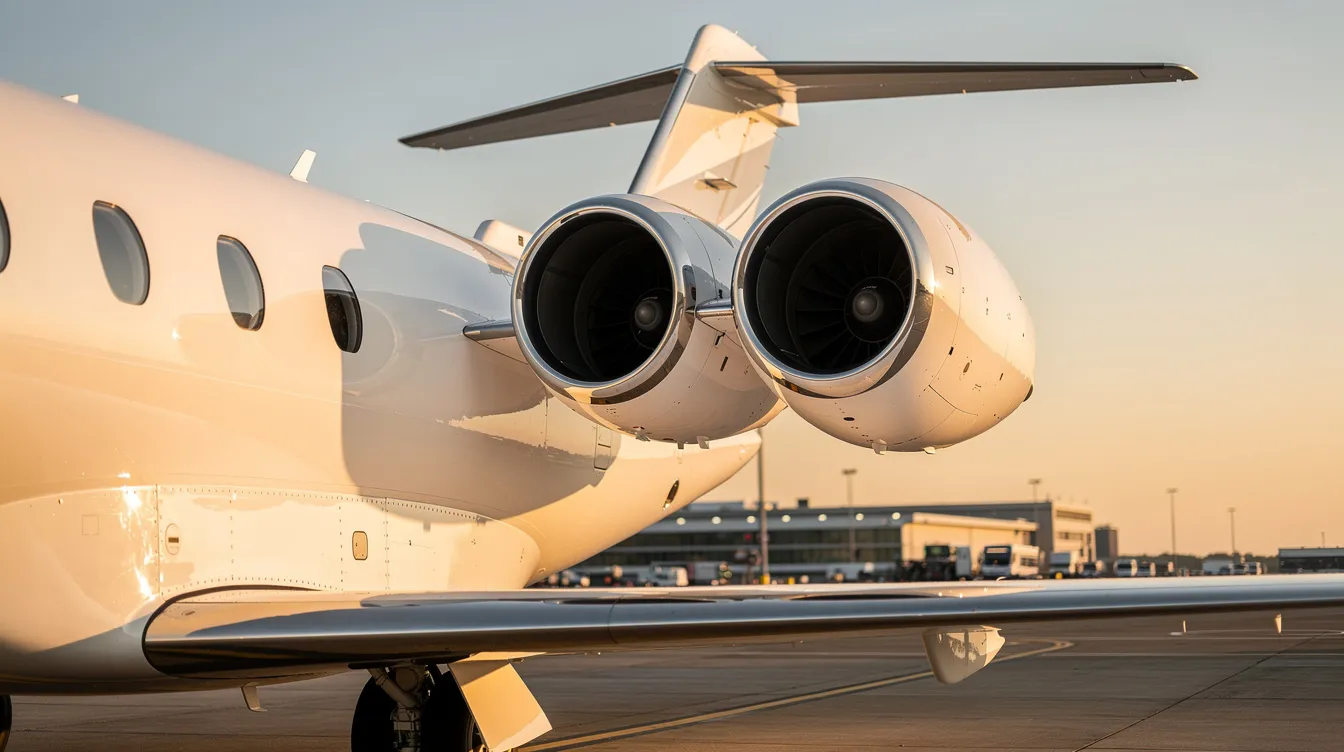
The aerodynamic benefits of the wing engine mount concept are measurable. It reduces wave drag at high speed, produces more efficient lift distribution across the wing, and improves fuel economy. Natural Laminar Flow design on the wing further reduces skin friction drag and enhances fuel efficiency. The composite fuselage of HondaJets enhances structural strength while reducing weight, contributing to the aircraft's overall performance advantage.
The cabin advantages are equally important. With no engine pylons on the fuselage, the interior gains more volume, resulting in a quieter cabin because the engines sit further from passengers, plus design flexibility for larger windows and improved headroom. Baggage space is generous for the class: the Elite II offers about 62 cubic feet across aft and forward compartments, enough for several rolling suitcases, golf clubs, or weekend bags.
The standard charter interior features four-seat club seating, an additional side-facing seat, and an optional belted lavatory. Honda's aviation innovations include advanced avionics such as the Garmin G3000 glass cockpit, synthetic vision, and optional autothrottle in the Elite II—features that appeal to both professional crews and experienced owner-pilots.
HondaJet aircraft combine speed, efficiency, and short-mission practicality, making them well suited for one- to three-hour private aviation trips.
The HondaJet Elite II has a maximum cruise speed of 422 knots and can climb to FL430 (43,000 feet). Most flights cruise between FL350 and FL430, above most weather and commercial traffic. The HondaJet Elite II has a maximum range of 1,547 nautical miles with four occupants under NBAA IFR reserves.
In practice, the Elite II can cover popular regional routes like New York–Miami, Los Angeles–Seattle, or London–Málaga nonstop under favorable conditions. Heavier payload, strong headwinds, or hot-and-high airports may require a fuel stop. The HondaJet has a maximum takeoff weight of 12,500 pounds, and the actual passenger and baggage load on any given flight depends on route length and conditions, much as with any cross-country travel aircraft selection where matching mission profile to capability is key.
For charter customers, the sweet spot is four to five passengers with luggage on legs up to about 2.5 to 3 hours. Compared with midsize jets, the HondaJet's smaller size and efficient aerodynamics mean lower hourly fuel consumption and reduced operating cost — a direct benefit in charter pricing that can be explored in detail using a private jet charter cost estimator.
The HondaJet has a 99.7% dispatch reliability rate, supporting its use in time-sensitive business and charter operations, whether arranged as full charters or through shared charter flights, depending on traveler preferences.
HondaJet's operational rollout began with first customer deliveries in late 2015 and early 2016. Owner-operators, corporate fleets, and charter providers worldwide adopted it rapidly. By December 2021, around 200 HondaJet aircraft were in service with roughly 98,000 accumulated flight hours. That total has grown substantially since.
The ICAO designator HDJT allows air traffic control and flight planning systems to identify the HondaJet in global operations, and it will appear on documentation and pricing quotes when you analyze private jet flight cost factors for a single trip.
Safety deserves a balanced discussion. As of August 2025, HondaJet had six hull-loss accidents. Five fatalities occurred in HondaJet accidents as of August 2025. The first fatal HondaJet accident occurred on November 5, 2024, near Mesa, Arizona, during a rejected takeoff that resulted in a runway overrun. In a separate incident in April 2025 in North Bend, Oregon, all five people on board survived the HondaJet incident despite the aircraft being damaged beyond repair.
In May 2023, Jet It grounded its HondaJet fleet after an incident involving a runway excursion. A subsequent legal dispute was later settled out of court. These events are part of the maturing operational history of the fleet and highlight the importance of pilot training and runway assessment.
Charter customers should always verify that their flights are arranged through licensed, safety-audited operators adhering to FAA, EASA, or local authority regulations, and many travelers rely on platforms that present a vetted range of private charter aircraft to simplify that choice, often focusing on properly certified Part 135 charter companies.
Honda Aircraft takes a continuous improvement approach across three key programs: APMG upgrades, Elite II enhancements, and the larger HondaJet Echelon concept — developments that appeal to travelers evaluating how much a private jet costs over time in relation to performance and technology.
The HondaJet APMG S and related upgrade packages improve takeoff and landing performance, useful load, and avionics features on earlier aircraft. These kits help keep older HondaJets attractive in the charter market and have received validation from the European Union Aviation Safety Agency (EASA), enabling European operators to benefit under regional regulations.
The HondaJet Elite II's certification progress has been notable. Honda announced type validation by Brazil's ANAC, celebrated at LABACE 2026 with the first delivery in that country. Automation features like Emergency Autoland enhance flight safety in HondaJets; the Elite II became the first twin-turbine very light jet to offer this system.
The HondaJet Echelon is designed for transcontinental travel with a range of 2,625 nautical miles. This in-development, larger light jet or small midsize concept seats up to 11 and targets longer missions, making it relevant for travelers researching how much a private jet costs across different sizes. As of 2026, wing structure assembly has been successfully completed, and the program is progressing toward final production and first flight.
For travelers, these developments mean longer nonstop routes, more cabin space, and more charter options available through platforms like Jettly, especially when combined with tools such as an airport locator for private flights that help identify convenient departure and arrival fields and resources that explain what you need to know about one flight cost before booking.
HondaJet aircraft fit within private aviation primarily as very light jet and light jet solutions for short to medium regional hops, sitting alongside many operators featured in broader guides to the charter airlines and private flight market and even among fleets highlighted in roundups of the best celebrity private jets and luxurious air travel.
Typical mission profiles include, especially for cost-conscious travelers using strategies for booking the cheapest private jet flights or deciding between shared charter flights and full charters:
Same-day business trips between regional hubs
Quick leisure flights such as Los Angeles–Las Vegas, Toronto–New York, or intra-European legs like Geneva–Nice
Weekend getaways with family and luggage
Charter advantages include lower hourly rates compared with larger business jet categories, good fuel efficiency, a comfortable cabin for three-hour segments, and access to smaller airports closer to final destinations, all of which affect the overall cost to rent a private jet for a given trip, whether you reserve the entire aircraft or use platforms that crowdsource private jet flights and share empty seats.
Limitations matter when booking: range is limited compared with midsize or heavy jets, weight and balance constraints apply when all seats are occupied, baggage space is fully used, and performance can decrease on very short or hot-and-high runways.

Consider a small executive team using a HondaJet Elite II for a two-hour regional shuttle between Charlotte and Nashville—fast boarding, no connecting flights, same-day return. Or a family of four using a HondaJet for a weekend beach trip with golf bags and luggage, taking advantage of the generous aft baggage compartment and the many modern options for getting a seat on a private jet easily, including step-by-step guidance on how to buy a seat on a private jet.
Jettly is a digital private jet charter marketplace that includes HondaJet aircraft among its global inventory of over 20,000 unique aircraft. Travelers can filter by aircraft type, preferred cabin size, or budget to identify HA-420, HondaJet Elite, or Elite II options where available.
The core benefits of using Jettly instead of ownership or jet cards include on-demand access to HondaJet aircraft, instant pricing and quotation tools, and the flexibility to choose aircraft type per trip, especially for members enrolled in private jet memberships that unlock additional savings and perks or those comparing Jettly's world-class corporate jet card programs. Customers see the cost impact of choosing a HondaJet versus a larger jet, including expected flight time and potential savings from lower fuel burn and operating costs, or they can explore structured programs with a dedicated jet card flight cost estimator. For a detailed breakdown, see the Price of Honda Jet Aircraft: Ownership Costs vs. Charter Alternatives.
Flights facilitated through Jettly are operated by licensed, third-party operators under relevant civil aviation authority oversight, often with additional safety ratings and audits, and may be fulfilled by branded partners such as Dexter Air Taxi private jet operators. Travelers who want to compare trip budgets in advance can use tools like a private jet charter cost estimator and educational resources on understanding private jet flight cost factors before they learn more about charter options and sample pricing at jettly.com.
While many travelers search for a specific HondaJet, it helps to compare it with other private jet categories before booking, much like broader guides to finding the best cross-country plane compare aircraft types by range, speed, and mission profile.
The HondaJet sits as a very light jet and light jet hybrid: fast and efficient for up to about five or six passengers on short- to mid-range missions, ideal when cost and efficiency are priorities, especially for travelers looking at NetJets alternatives like Jettly after first understanding how NetJets works as an industry leader rather than committing to fractional ownership.
Turboprops often have similar or better short-runway performance and can be cost-effective on very short legs, but the HondaJet offers higher cruise speeds and a typical jet cabin feel. Travelers weighing these options often start by understanding how much a private jet costs overall. Midsize jets provide more range, stand-up cabins, and higher baggage capacity—better suited for longer business travel or larger groups—but come with higher hourly costs, particularly on private jets flying internationally where additional fees and planning considerations apply. Heavy and long-range jets are designed for intercontinental flights and larger groups; a HondaJet is not intended for such missions but can complement long-haul travel as a regional connector.
The HondaJet is the right choice for short regional trips under 1,000 to 1,200 nautical miles, small groups of four to five, or cost-sensitive charter bookings where a light jet vs. heavy jet cost comparison favors efficiency over cabin size.
Honda Aircraft continues investing in R&D, efficiency, and advanced avionics for the HondaJet family and the upcoming HondaJet Echelon. Growth in very light jet usage is being driven by flexible work patterns, regional business travel, and travelers seeking to avoid crowded hubs by using smaller airports.
Digital charter platforms like Jettly shape demand by making HondaJet availability easier to discover, offering real-time comparisons with other aircraft, and simplifying booking, much like broader guides to the best private jet charter companies and top luxury options help travelers evaluate providers. Smaller, efficient jets like the HondaJet reduce fuel burn per trip on short missions compared with larger aircraft, and growing interest in carbon offsetting and efficient routing aligns with broader environmental considerations in the world of aviation.
HondaJet models are well positioned to remain important in the light jet and very light jet charter space through the 2020s and beyond, including on emerging routes in markets such as private jet charter in Kolkata, West Bengal.
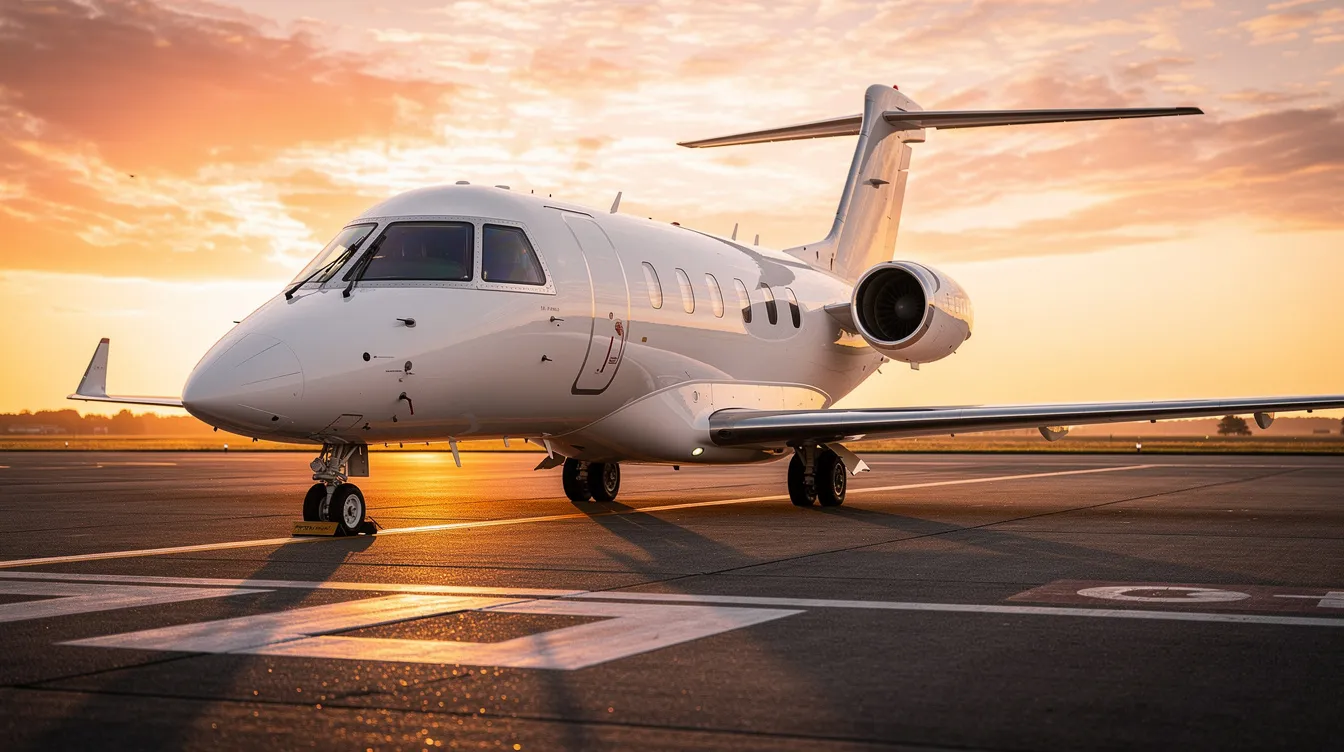
Below are answers to common questions about HondaJet aircraft and how they relate to private jet charter services.
The HondaJet and HondaJet Elite II are designed for short to medium regional flights, typically up to around 1,000 to 1,547 nautical miles depending on load and conditions. They are not intended for transoceanic or long-haul intercontinental missions. For those routes, travelers should consider large cabin and long-range jets available on platforms such as Jetly.
Most HondaJet configurations seat five passengers in the main cabin, with an optional belted lavatory seat bringing the total to six when weight and balance allow. For maximum comfort and baggage flexibility on two- to three-hour flights, many charter customers prefer traveling with four to five passengers.
The HondaJet's baggage space is generous for its class, with separate nose and rear compartments that can typically accommodate several rolling suitcases plus small bags or golf clubs. Exact allowance depends on passenger count, route length, and operator policies. Confirm specifics with your charter provider or via the Jettly booking team before travel.
HondaJet hourly charter rates are usually lower than midsize and heavy jets because of lower fuel burn and operating costs, making them cost-efficient for short regional trips. Use a platform like Jettly to obtain instant pricing, compare the HondaJet with other categories, and see the total trip cost including repositioning and handling fees.
In many markets, travelers can request specific models such as the HondaJet Elite or Elite II. Availability depends on local operator fleets and aircraft positioning on the desired date. Specify your preference when requesting a quote on Jettly and stay open to similar alternatives in the very light jet or light jet category if a particular variant is unavailable.
The Honda plane, embodied by the HondaJet family, represents a significant advancement in very light and light jet categories. With its innovative over-the-wing engine mount design, advanced steering augmentation system, and efficient composite construction, HondaJet delivers a unique blend of performance, comfort, and fuel efficiency. Supported by decades of research and recognized by institutions such as the American Institute of Aeronautics and Astronautics for excellence, Honda Aircraft Company continues to push the boundaries of private aviation.
For travelers seeking flexible, cost-effective private jet options, HondaJet models equipped with modern avionics and safety features offer an attractive choice for regional travel. Platforms like Jettly make it easy to access these powered aircraft on demand, combining transparency and convenience without ownership commitments.
As the HondaJet family evolves with programs like the Elite II and the upcoming Echelon, the brand remains well positioned to meet the growing demand for efficient, technologically advanced private jets. Whether for business trips, family vacations, or urgent travel needs, the HondaJet stands out as a smart, reliable option in the private aviation market.
Ready to experience private travel on your terms? Explore HondaJet flight options or request a quote at https://www.jettly.com.
Share this post:
Jay Franco Serevilla
Oct 27, 2026
|
5
min read
Discover tips and trends in the industry.
5
min read
cessna sales
The Cessna sales landscape in 2026 showcases a diverse range of aircraft, from vintage models to modern jets, with buyers increasingly utilizing digital tools and charter services for informed decisions. This guide provides insights into popular models, market trends, and practical steps for evaluating and purchasing Cessna aircraft, ensuring buyers navigate the process confidently.
Read More
5
min read
Are Pilots Rich? Airline & Commercial Pilot Pay, Wealth Potential, and Lifestyle in 2026
In 2026, airline and commercial pilots earn substantial incomes, with median salaries of $232,140 and $123,220, respectively. However, only senior captains at major airlines typically reach what is considered 'rich' status, with earnings exceeding $350,000. Factors such as high training costs and delayed income accumulation impact pilots' net worth, making wealth-building a long-term endeavor.
Read MoreStay updated with our latest insights and tips to elevate your journey with us.
MEMBERSHIPS AND ASSOCIATIONS



Disclaimer: Jettly operates as a charter broker, offering access to a global digital jet charter marketplace. Jettly is not a direct air carrier and does not own or operate aircraft. All advertised flights are conducted by third-party air carriers that are fully licensed and hold the appropriate Part 135 or Part 121 certifications issued by the Federal Aviation Administration (FAA) or equivalent regulatory authorities under U.S. or foreign law. Jettly complies fully with the U.S. Department of Transportation's Part 295 and Part 298 Charter Broker regulations. Jettly does not carry additional liability insurance. Passengers are covered by aircraft operator insurance. TICO: 50023770


