



Login
Get Instant Pricing On 23,000+ Aircraft

>
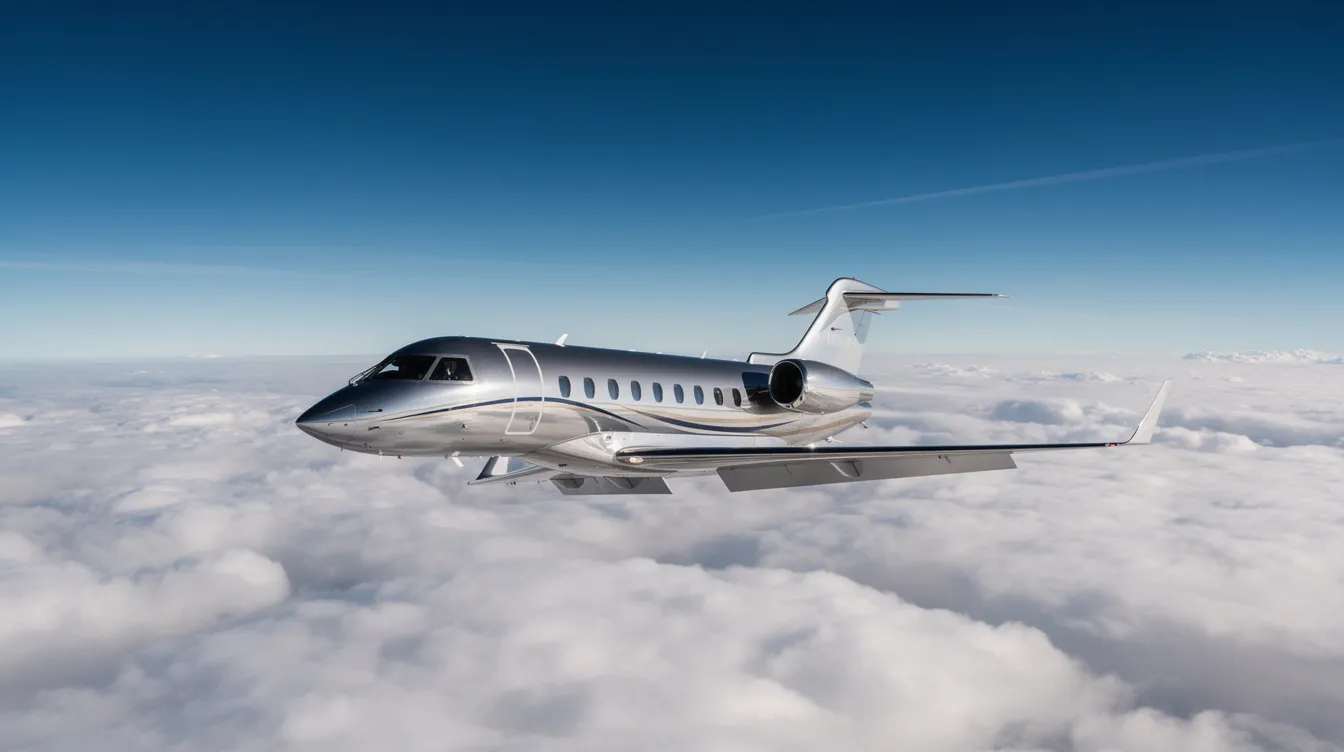
Private jets cruise at an average of 450 to 600 mph, depending on size category. Light jets sit at the lower end, while ultra-long-range jets push past 600 mph, and the fastest business jets can approach 700 mph. For corporate executives, high-net-worth individuals, and families weighing private charter for speed, flexibility, and comfort without the burden of ownership, raw airspeed only tells part of the story. The real question is how fast a private jet gets you from door to door, and that depends on aircraft selection, routing, cruising altitude, airport access, and boarding logistics as much as miles per hour.
This guide breaks down typical private jet speeds by category, how they compare with commercial airliners, what factors change cruise performance, and where the tradeoffs between speed, efficiency, and cost show up in real trips. It also looks at how Jettly’s digital booking platform helps travelers compare aircraft, pricing, and routing quickly, because the time saved on private aviation often comes not just from competitive cruise speeds, but from direct flights, faster boarding, and access to more airports.
The typical cruising speed for a private jet ranges from 450 to 600 mph (about 500 to 700 km/h), with the fastest business jet models reaching maximum speeds near 700 mph.
Private jets cruise slightly faster than most commercial airliners, but the bigger time savings come from a quick boarding process, direct routes, and access to smaller airports closer to your final destination.
Light jets, midsize jets, and long-range jets each occupy different speed bands: roughly 450–525 mph, 500–575 mph, and 530–610 mph, respectively.
Private jets often fly at higher altitudes than commercial aircraft, reducing drag and improving fuel efficiency and comfort.
Platforms like Jettly combine aircraft speed with route flexibility and instant digital booking to cut total door-to-door travel time, not just airspeed.
Most private jets cruise between 500 and 600 miles per hour at altitude. The fastest production business jets, such as the Cessna Citation X+ and the Bombardier Global 8000, have maximum operating speeds in the Mach 0.92–0.94 range, which translates to roughly 610–620 mph. Some private jets can reach speeds up to 980 km/h under specific conditions.
Private jet speed typically refers to cruise speed at higher altitudes, not the maximum speed that pilots use only in limited phases of flight.
A typical light jet cruises around 450–480 mph (roughly 724–772 km/h), while a long-range jet cruises near 560–590 mph (about 900–950 km/h).
Private jets typically cruise at 500 to 700 km/h across most categories, making them competitive with or faster than commercial planes on the same routes.
While some fast private jets can technically approach 700 mph, operators almost always balance speed with fuel consumption and passenger comfort, cruising at about 85–90% of maximum capability.
Cruising speeds vary based on the size and class of the aircraft. A very light jet built for short hops operates in a different speed band than an ultra-long-range jet designed for transatlantic flights.
|
Aircraft Category |
Examples |
Typical Cruise Speed (mph) |
Typical Cruise Speed (km/h) |
Typical Range (miles) |
Typical Range (km) |
|---|---|---|---|---|---|
|
Very Light and Light Jets |
Cessna Citation CJ4, Phenom 300E |
380–525 |
610–845 |
Up to 1,500 |
Up to 2,414 |
|
Midsize and Super Midsize |
Embraer Praetor 500, Challenger 350 |
500–575 |
805–925 |
Around 2,000 |
Around 3,219 |
|
Large Cabin and Ultra Long Range |
Gulfstream G650ER, Global 7500 |
530–610 |
853–982 |
6,000+ |
9,656+ |
Light jets are often quickest off the ground on shorter routes because they need less runway and climb fast. Larger jets maintain higher speeds and longer range for intercontinental private jet travel. Jettly's platform lets travelers choose the right jet by filtering private charter aircraft options by aircraft category, balancing speed, range, and cost for each trip.
Cruise speed is the efficient, sustainable speed a private jet maintains for most of the flight. Maximum operating speed is the top speed the airframe is certified to handle safely; it burns more fuel and adds engine wear.
The average cruising speed for many private jets falls between 450 and 600 mph.
Maximum speed can be 20–50 mph higher but is seldom used for extended periods.
Commercial jets also hold back from their top speed; most commercial aircraft cruise at Mach 0.78–0.85 to optimize fuel, not raw speed.
A concrete example: the Gulfstream G650ER has a maximum speed near Mach 0.925 (~610 mph at cruise altitude) but a typical cruise around Mach 0.85 (~560 mph). Flying at maximum speed for the full flight would burn far more fuel and reduce range by hundreds of miles.
For most private jet passengers, mission fit (range, runway length, passenger count) matters more than chasing the absolute highest top speed. Jettly helps match clients with aircraft whose cruising speed and range fit their exact itinerary.
Many private jets cruise between 500 and 600 mph (roughly Mach 0.80–0.90). Most commercial airliners cruise at speeds between 520 and 575 mph (around Mach 0.78–0.85). Commercial airliners typically cruise at 850 to 900 km/h, which overlaps with the upper range of private aircraft.
The in-air speed gap between commercial and private jets is modest; often just 10–20%.
The big advantage of flying private is total journey time, not jet cruising speed alone.
Consider New York to Miami, roughly 1,100 miles. A midsize private jet at 510 mph covers it in about 2 hours 10 minutes. A commercial airliner at a similar cruise speed takes about the same in the air, but commercial travel adds 1–2 hours of check-in, security, boarding, and baggage claim. Private jets can also climb above crowded, slower altitudes and use more direct routes, while commercial flights must follow scheduled slot times and indirect routings through major hubs.
When travelers ask how fast a private jet is in mph, they usually care about overall trip time, not indicated airspeed. The speed of a private jet in mph is only one piece of the equation.
Private jet passengers typically arrive 15–30 minutes before departure at smaller terminals (FBOs), not 1–2 hours early.
Private jets allow for immediate boarding without long security lines or boarding groups.
Private jets can fly direct to airports closer to the final destination, cutting ground transportation time. Private jets can access over 5,000 U.S. airports compared to 500 for commercial airlines.
Flexible departure times reduce delays from missed connections or tight schedules.
Private jet travelers save an average of 127 minutes per flight when accounting for all ground-based time savings. For those exploring entry points into private aviation, guides on how to get a seat on a private jet easily can help match these time savings with accessible booking strategies. Private jets can reduce total travel time by 3 hours compared to commercial flights on many medium-haul routes.
A practical scenario: a business traveler using a Jettly private charter to do a same-day round trip between London and Geneva. By leveraging options to crowdsource private jet flights and share empty seats, some travelers can access this convenience at significantly lower per-seat costs. On commercial airlines, that itinerary requires an overnight stay due to connection times. On a private plane, the traveler departs on their schedule, lands closer to the city center, and returns the same evening.
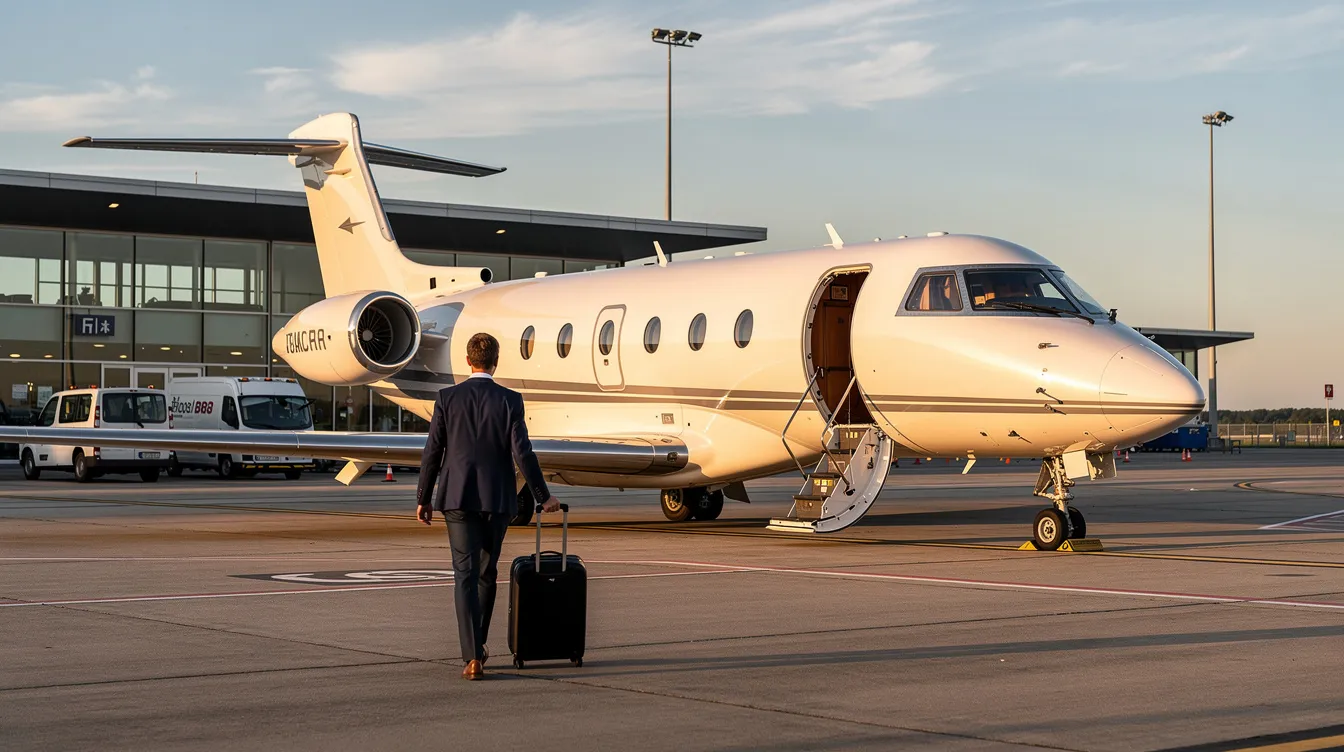
Private jets often fly at higher altitudes than commercial aircraft. Many private jets operate between 41,000 and 45,000 feet, with some certified to 51,000 feet (the G650ER's ceiling). Private jets typically cruise at altitudes between 31,000 and 51,000 feet, depending on the aircraft type and mission.
Higher cruising altitudes reduce drag, allowing faster speeds. Private jets achieve higher true airspeed at cruising altitude due to thinner air at the same engine power.
Less air traffic at higher altitudes lets private jets fly more direct routes and avoid holding patterns.
Private jets can avoid turbulence by flying above most weather systems, leading to smoother, more comfortable private jet travel.
Cruising altitude affects fuel efficiency and overall travel comfort; thinner air means less drag and lower fuel burn per mile.
Private jets frequently operate at altitudes between 38,000 and 51,000 feet, while private jets can also fly between 31,000 and 42,000 feet on shorter legs. For conversions: 450 knots equals roughly 518 mph; pilots talk in knots while travelers think in miles per hour.
Jettly's charter partners use flight planning tools to select optimal cruise altitudes for both speed and fuel efficiency, applying the same principles discussed in detail when comparing how fast private jets fly versus airliners.
The published private jet speed number is only a starting point. The actual speed on any given flight varies with conditions and operating choices.
Aircraft design: Wing shape, fuselage aerodynamics, and composite materials determine how much less drag the aircraft encounters at speed.
Weight and payload: More passengers, baggage, and fuel increase weight, which can reduce climb rate and optimal cruising speed.
Altitude and temperature: Colder, thinner air at higher altitudes generally boosts true airspeed and fuel efficiency. Higher altitudes reduce drag, allowing jets to achieve higher speeds.
Weather conditions and winds: Tailwinds can increase ground speed to well over 600–700 mph on transatlantic flights, even though the aircraft's airspeed remains within standard cruise speeds. Headwinds do the opposite.
Air traffic and routing: ATC restrictions, step climbs, and vectoring can affect overall cruise speed and total distance flown, changing the aircraft's ground speed and flight time.
On eastbound transatlantic flights, jet stream tailwinds regularly push ground speed past 700 mph while the private jet's indicated airspeed stays near Mach 0.85. Jettly's network operators adjust routes, altitudes, and speeds dynamically to keep flights efficient when conditions change.
The "best" speed depends on mission type. Short hops, cross-country trips, and intercontinental private jet travel all favor different aircraft.
Short regional route (e.g., Los Angeles to Las Vegas, ~230 miles): a light jet cruising around 430–470 mph covers the distance in roughly 40 minutes of flight time. On these legs, boarding and ground logistics dominate total travel time.
Medium-haul business route (e.g., New York to Miami, ~1,100 miles): a midsize or super midsize jet at 480–520 mph completes the leg in about 2.5 hours, similar to the performance considerations in choosing the best cross-country plane for your travel journey.
Long-range route (e.g., New York to London, ~3,450 miles): large-cabin jets like the Gulfstream G650ER or Bombardier Global 7500 cruise near 560–610 mph to fly nonstop, arriving in roughly 6–7 hours.
Faster cruise speeds matter more as distance increases. On a 200-mile hop, saving 20 mph shaves off just a few minutes. On a 4,000-mile crossing, it can mean 30+ minutes.
Jettly's platform can suggest different aircraft types for the same city pair based on whether the customer prioritizes speed, cost, or cabin space, and tools like Jettly's jet card flight cost estimator help predict how those choices affect pricing.

Flying closer to maximum speed increases operating cost per hour. The trade-off between jet speed, fuel consumption, and charter price is real.
Slightly slower cruise speeds (10–20 mph below max) can reduce fuel burn and engine wear while barely affecting arrival time. On a 1,000-mile trip, 20 mph less adds about 4 minutes.
Operators of private jets and commercial airliners both choose an "economical cruise speed" for each mission; standard cruise speeds sit at roughly 85–90% of the aircraft's maximum.
Heavier loads or shorter runways may require different climb and cruise profiles, subtly changing average speed.
Choosing a smaller, efficient light jet through a platform like Jettly for a 1–2 hour regional trip can save thousands in charter costs with minimal impact on total travel time compared to a large, ultra-fast jet. Environmentally conscious travelers can also benefit from optimized cruise settings, modern aircraft designs, and sustainable aviation fuel options that balance speed with lower emissions, especially when selecting from the best private jets that combine luxury and performance.
"Fast enough, efficient, and well-matched to the route" usually beats "fastest possible mph" in private aviation, which is why many frequent flyers lean on structured jet card programs for predictable private travel costs.
Jettly is a digital private aviation platform that focuses on total trip efficiency, combining aircraft speed, airport choice, and scheduling flexibility into a single booking experience, with complementary services like Jettly Eats in-flight catering for private jets enhancing the onboard experience.
Access to 20,000+ private jets worldwide enables matching each trip with aircraft that offer suitable cruise speed, range, and cabin size.
Instant pricing and digital booking reduce the time spent researching private charter flight options and waiting for quotes.
Jettly connects travelers with operators using smaller secondary airports closer to city centers, cutting ground transfer times that business travelers lose at major hubs, whether they're booking a private jet charter in Chennai, Tamil Nadu, or another major city.
Direct non-stop routing (avoiding layovers common in commercial travel) often saves hours on business and leisure itineraries through direct flights, a major advantage highlighted in route guides such as private jet charter in Kolkata, West Bengal.
A concrete example: a corporate team charters a super midsize jet via Jettly for a Toronto–Dallas round trip in one day. Flight time each way is about 3.5 hours at roughly 510 mph. The team boards 20 minutes before departure, lands at a secondary airport near downtown Dallas, holds their meeting, and returns that evening. On commercial airlines, that same trip requires a pre-dawn departure, a connection, and likely an overnight hotel.
Jettly offers both membership and on-demand access models, allowing frequent flyers to structure private travel around flexibility, cost transparency, and time savings through tailored private jet memberships. Learn more about Jettly's charter options.
These questions cover common follow-ups about how fast private jets fly and what that means for travelers planning their next trip.
The fastest business jets in regular service, including the Gulfstream G700 and Bombardier Global 8000, have maximum speeds around Mach 0.90–0.94, translating to roughly 610–620 mph at typical cruise altitudes. In normal operation, these fast civilian planes cruise closer to 560–610 mph to balance speed and fuel efficiency. Charter flights prioritize comfort, safety, and range over pushing maximum speed.
In cruise speed terms, private jets are usually as fast or slightly faster than commercial airliners. Some smaller light jets may cruise at speeds comparable to or slightly below large passenger jet widebodies. Even when the mph figures are similar, private jets often win on total travel time through faster boarding, direct routing, and better airport access.
On many medium-haul trips, flying private saves 1.5–3 hours once security, boarding, connections, and baggage claim are factored in. A 2.5-hour private jet flight can replace a 2-hour commercial flight plus 2+ hours of airport processes. For travelers focused on value, understanding how to buy a seat on a private jet can make those time savings accessible at a lower cost. Jettly's ability to reach smaller airports closer to a traveler's destination can add another 30–60 minutes of savings on each end.
Current private jets used for charter are subsonic. They normally fly below Mach 1, typically between Mach 0.75 and 0.93, well under the sound barrier. While future supersonic business jets are under development, no mainstream supersonic private aircraft operate in regular commercial service as of 2026 due to fuel efficiency, noise, and regulatory constraints.
Typical cruise speeds in mph across Jettly's network: Light jets: about 420–480 mph. Midsize and super midsize jets: around 470–530 mph. Large and long-range jets: roughly 530–610 mph
Jettly matches aircraft to each mission, so the actual speed of a private charter depends on the chosen jet, route length, and weather conditions, as well as the overall cost of chartering a private jet. Explore real-time charter options and get transparent pricing at https://www.jettly.com.
Ready to experience private travel on your terms? Those comparing providers like NetJets can explore how Jettly serves as a flexible NetJets alternative for flying private and then request a quote at https://www.jettly.com.
Understanding how fast a private jet flies in mph is just one part of the travel experience. While private jets typically cruise between 450 and 600 mph—often slightly faster than commercial aviation—the true value lies in the overall time savings and convenience. Private jets fly higher, access thousands of airports, offer flexible scheduling, and enable direct routes that commercial airlines cannot match. This combination of speed, flexibility, and efficiency means private jet travelers often save hours compared to flying commercial.
Jettly leverages these advantages by providing instant access to a global private jet market with transparent pricing and digital booking. Whether you need a light jet for a quick regional hop or a long-range jet for intercontinental travel, the platform helps match you with the right aircraft to fly faster and smarter.
Ready to experience private travel on your terms? Explore flight options or request a quote at https://www.jettly.com.
Share this post:
Jay Franco Serevilla
Oct 29, 2026
|
5
min read
Discover tips and trends in the industry.
5
min read
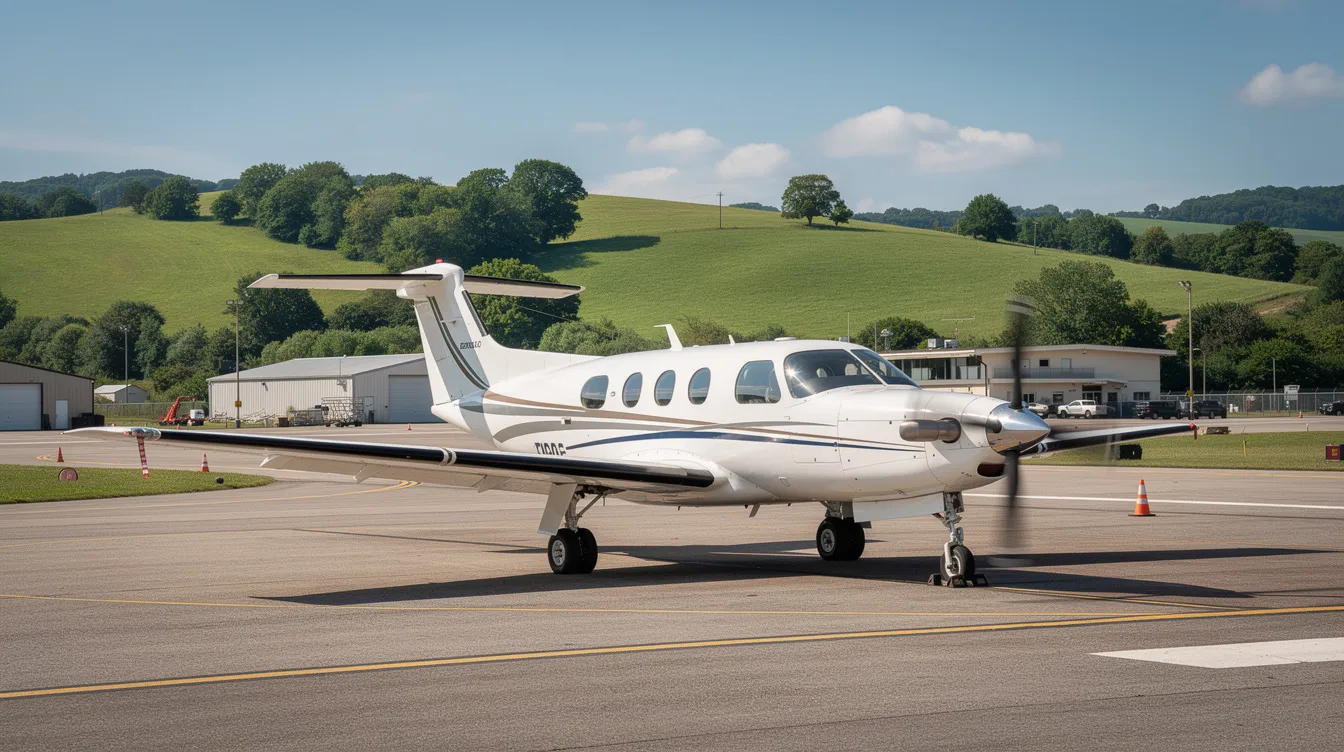
Turboprop Charter: Cost‑Effective Private Aircraft for Regional Trips
Turboprop charter prices in North America and Europe range from $1,200 to $3,000 per hour, making them a cost-effective choice for regional flights under 1,000 miles. Premium models can reach up to $5,000 per hour during peak demand. Jettly's platform allows users to compare rates transparently, ensuring travelers find the best options for their needs.
Read More
5
min read
What Is the Cheapest Day to Buy Airline Tickets?
Finding the cheapest day to buy airline tickets is more complex than simply booking on a Tuesday. Dynamic pricing means fares fluctuate based on demand, making timing and flexibility key factors. This guide explores effective strategies for securing the best flight prices, whether for commercial airlines or private jet charters.
Read MoreStay updated with our latest insights and tips to elevate your journey with us.
MEMBERSHIPS AND ASSOCIATIONS



Disclaimer: Jettly operates as a charter broker, offering access to a global digital jet charter marketplace. Jettly is not a direct air carrier and does not own or operate aircraft. All advertised flights are conducted by third-party air carriers that are fully licensed and hold the appropriate Part 135 or Part 121 certifications issued by the Federal Aviation Administration (FAA) or equivalent regulatory authorities under U.S. or foreign law. Jettly complies fully with the U.S. Department of Transportation's Part 295 and Part 298 Charter Broker regulations. Jettly does not carry additional liability insurance. Passengers are covered by aircraft operator insurance. TICO: 50023770


