



Login
Get Instant Pricing On 23,000+ Aircraft

>
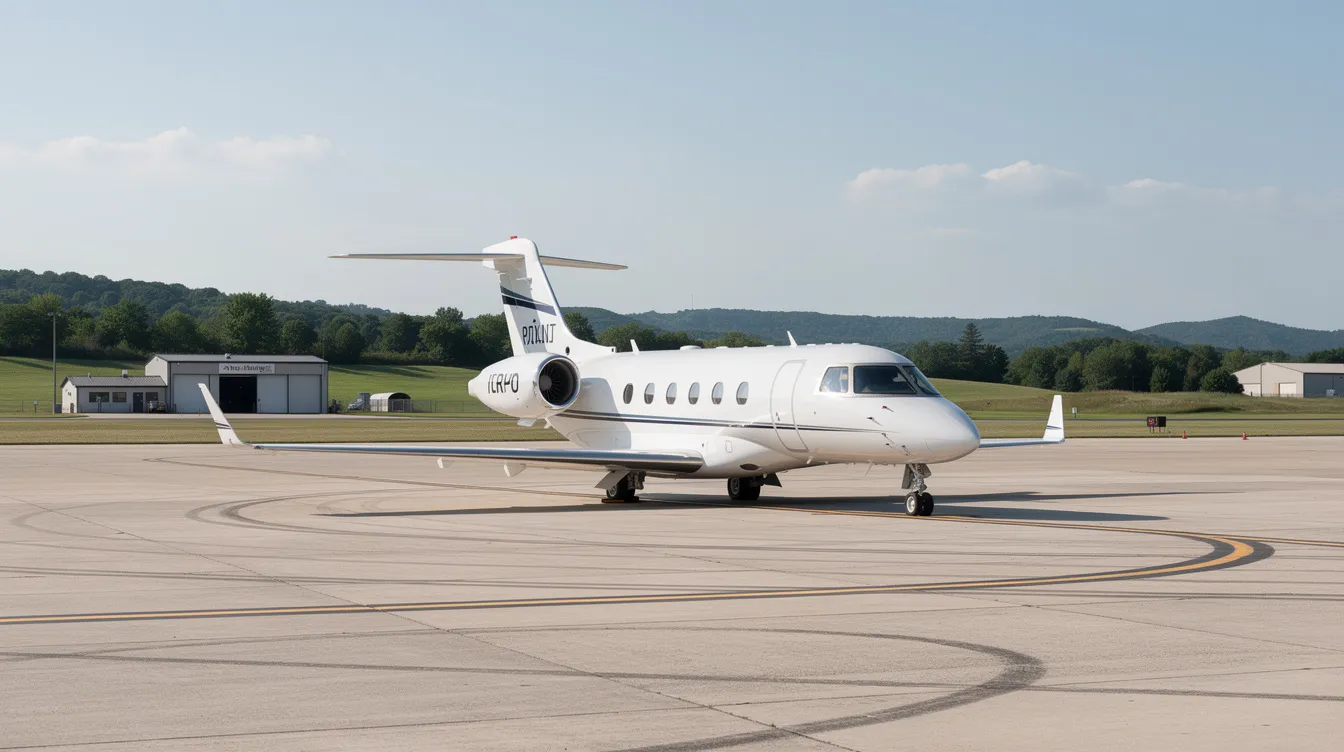
Understanding the private small jet price landscape in 2026 requires looking beyond a single number. Whether you're considering an on-demand charter, a jet card, fractional ownership, or buying a private plane outright, the costs vary widely based on aircraft category, trip profile, and how many flight hours you log each year. This guide breaks down every major cost component for very light jets and light jets so you can make a clear, informed decision about flying private.
Private jet rental costs range from $2,300 to $23,000 per hour depending on aircraft category. For small jets specifically, very light jets charter for roughly $2,500–$4,800 per flight hour, while light jets run about $3,500–$7,000 per hour.
Owning a small private jet comes with ongoing fixed and variable costs that can add $500,000 to $1.2 million per year on top of the purchase price, making it practical mainly for those flying at least 200 hours annually.
For travelers flying privately under roughly 150 hours per year, on-demand charter through a platform like Jettly is almost always more cost-efficient than buying a private jet outright or entering fractional ownership.
Government taxes add a 7.5% Federal Excise Tax on domestic flights, and additional charges like repositioning flights, landing fees, jet fuel surcharges, and crew expenses can increase the final private jet cost by 20–40% beyond base hourly rates.
Jettly's digital marketplace gives travelers access to thousands of light jets and very light jets with real-time, transparent pricing-no ownership commitments required.
The short answer: how much it costs depends on whether you're chartering or buying. For charter, very light jets typically run $2,500–$4,800 per flight hour, while light jets cost $3,500–$7,000 per hour on routes like New York–Miami or Los Angeles–Las Vegas. For purchase, very light jets start around $2 million new, and light jets can cost $3 million to $14 million when new, with pre-owned options starting significantly lower.
If you're considering ownership, expect total annual operating costs of $700,000 to $1.5 million for a typical light jet flying 200–300 hours per year. That includes crew salaries, hangar fees, insurance, fuel, and maintenance reserves.
For those who don't want to commit that kind of capital, Jettly's charter cost estimator lets travelers get instant pricing across thousands of private aircraft, paying only for the flights they actually take.
The private small jet price you'll encounter depends heavily on whether the aircraft falls into the very light jet category or the broader light jet class. Small jets typically include very light jets and light jets, and the distinction matters for both comfort and cost. Aircraft category affects pricing directly-larger jets cost more to charter and operate.
Very light jets include models like the Cirrus Vision Jet, Eclipse 500, Cessna Citation Mustang, and Embraer Phenom 100. These are compact private aircraft optimized for short regional flights, typically carrying 2–5 passengers with a range of roughly 1,000–1,500 nautical miles. Many are certified for single-pilot operation, which reduces flight crew costs. For a deeper look at performance in this class, Jettly's fastest VLJ guide covers the top contenders.
Light jets seat 6 to 8 passengers and offer greater range (around 1,500–2,200 nautical miles) and faster cruise speeds. Popular models include the Cessna Citation CJ3+, HondaJet Elite II, Embraer Phenom 300E, and Learjet 45XR. These aircraft generally require two pilots for charter operations and provide more cabin space, luggage capacity, and stand-up cabins on some models.
Key differences that drive price:
Cabin size and comfort: Light jets offer more room, enclosed lavatories on some models, and refreshment centers. VLJs have tighter cabins.
Range: Light jets handle longer domestic flights nonstop. VLJs are best for shorter flights under about 2.5 hours.
Runway performance: VLJs can access smaller airports with shorter runways, reducing ground transportation time to final destinations.
Charter rate: VLJs sit at a lower price point; light jets cost more per hour but carry more passengers.
Very light jets are often the cheapest private jet option for travelers who need to cover short distances quickly. They work best for short-haul flights and short regional flights where scheduled airlines either don't offer direct service or would require connecting flights.
In 2026, charter rates for very light jets typically fall between $2,500 and $4,800 per flight hour. That covers the entire aircraft, flight crew, and basic services. Cabin space is limited-usually four seats in a club configuration-but for a quick business trip or a couple traveling light, VLJs deliver.
Here's what specific routes look like in practice:
New York to Boston or Washington, D.C. on a Phenom 100 (about 1–1.5 flight hours): approximately $8,000–$12,000 one way, including positioning and standard fees.
Los Angeles to San Francisco on a Citation Mustang (about 1 hour): roughly $7,000–$10,000 one way.
These prices cover the aircraft, crew, and standard jet fuel surcharges but generally exclude government taxes and optional extras like catering. Short leg fees often apply to flights under 60 minutes to offset the operator's minimum cost thresholds, which can make very short hops proportionally more expensive per mile.
Jettly users can filter specifically for very light jets to find the most budget-friendly option for a given route.
Light jets are the most commonly chartered small business jets, striking a balance between speed, range, and private jet charter costs. They handle popular domestic flights like coast-to-coast trips and medium-distance routes efficiently.
In 2026, light jet charter rates typically range from $3,500 to $7,000 per flight hour. The exact rate depends on the aircraft's age, positioning requirements, and seasonal demand. According to industry data, newer models with advanced avionics and efficient engines command premium rates.
Route examples for 2026:
New York to Miami on a Citation CJ3 or Phenom 300E (about 2.5–3 hours): approximately $16,000–$28,000 one way.
Dallas to Chicago on a Learjet 45XR (about 2 hours): roughly $14,000–$24,000 one way.
When 5–7 passengers share the cost of the entire aircraft, the per-person price can rival or beat commercial first class on the same routes. Sharing costs among passengers reduces per-person rates significantly, especially on flights where commercial business class tickets run $1,500–$3,000 each.
Jettly's marketplace presents multiple light jet options per route, allowing travelers to compare aircraft age, cabin layout, and total private jet cost before booking. For a broader look at how much a private jet costs per flight, Jettly publishes detailed route-level pricing data.
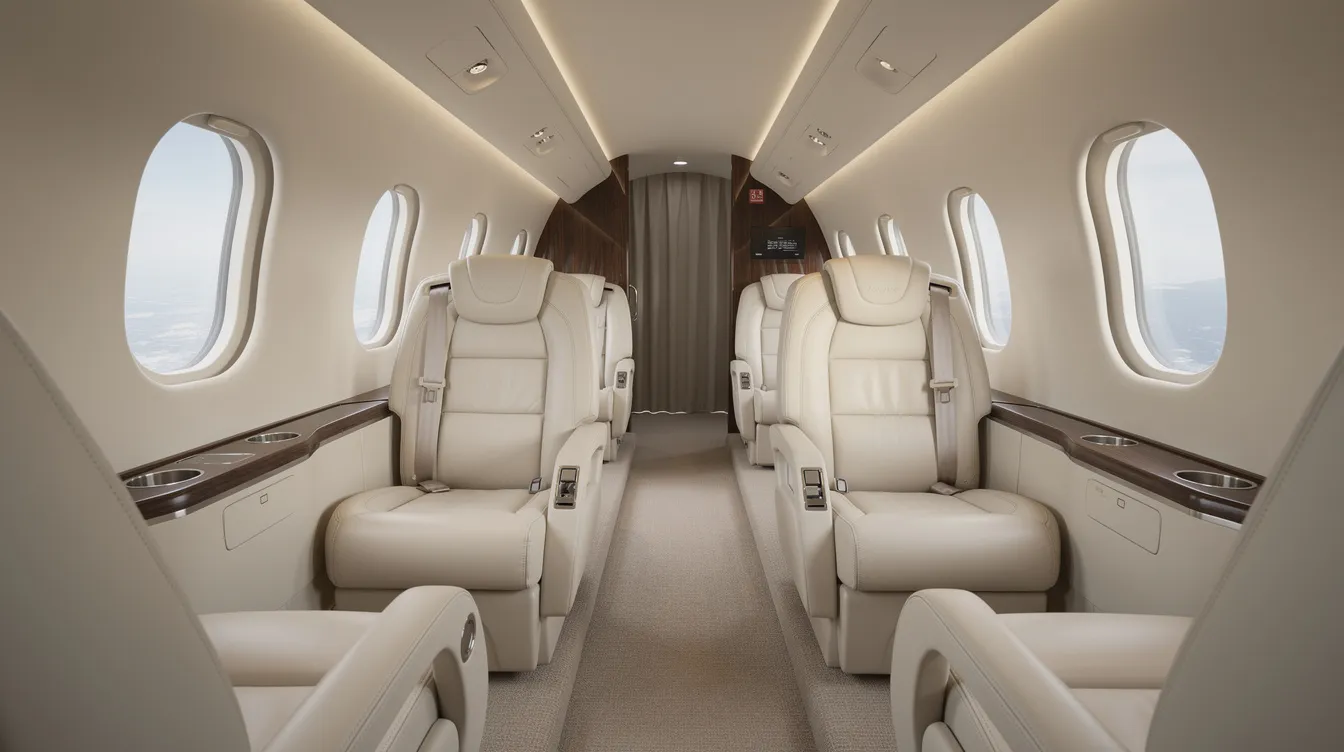
Acquisition price is only the first step in understanding private jet cost, but it remains a decisive factor for anyone considering private jet ownership. The total flight hours and landing cycles on an aircraft also influence its resale value, so purchase price is closely tied to long-term economics.
Very light jets: Very light jets start around $2 million new. Models like the Cirrus Vision Jet G2+ list at approximately $3.3–$3.6 million. The HondaJet Elite II falls near $6.2 million, straddling the VLJ/light boundary.
Light jets: Light jets can cost $3 million to $14 million when new. The Citation M2 Gen2 sits around $6 million, while the Phenom 300E lists near $11 million. The Citation CJ4 Gen3 falls in the upper end of this range.
Overall, upfront costs for a small private jet can range from $800,000 to $10 million depending on whether you buy new or pre-owned, and which model you select.
A pre-owned very light jet can cost between $800,000 and $2 million for older models with higher hours. Light jets on the used market can range from $3.5 million to over $9 million depending on age and condition, with 10–15-year-old aircraft sometimes available for $2–$4 million.
Aircraft requiring major inspections or engine overhauls will have lower asking prices but higher near-term capital requirements. Upgrading outdated avionics can also significantly increase costs after acquisition. For a full breakdown of purchase costs, Jettly's buying guide covers the topic in depth.
Operating costs are often higher and more complex than buyers expect. They form the core of the true private jet cost and frequently surprise first-time private jet owners. Owners often encounter additional costs like maintenance and fuel after purchase that weren't fully anticipated during the buying process. Annual operating costs can easily reach hundreds of thousands of dollars-even for the smallest jets.
Fixed costs for small jets range from $300,000 to $700,000+ annually. These are incurred whether the aircraft flies or not. Fixed costs include hangar rental and insurance, but the full list is longer:
Crew salaries and training: A full-time pilot for a light jet can earn $80,000–$150,000+ per year, and many charter configurations require two pilots.
Hangar fees: $1,500–$5,000+ per month depending on location and aircraft size.
Insurance: Hull and liability coverage typically runs 1–3% of the aircraft's value annually.
Annual inspections and regulatory compliance: Required regardless of utilization.
Avionics subscriptions and database updates: Ongoing costs that add up over the year.
Variable costs are directly tied to flight hours. For a typical light jet, expect:
Fuel: Dependent on current fuel prices and burn rate.
Maintenance reserves: Accrued per hour to fund future engine and airframe overhauls.
Landing and handling fees: Charged by FBOs at each destination.
Crew per diem and trip expenses: Varies by mission.
For a light jet at 200 hours per year, industry benchmarks place total annual operating costs at $700,000 to $1.2 million all-in. A Citation XLS, for example, runs approximately $940,640 per year at 200 hours and about $1.49 million at 400 hours. Typical ownership expenses can total $500,000 to $1 million+ annually for smaller, less-utilized jets.
For a complete operating cost breakdown, including model-specific numbers, Jettly's guide covers the details.
Most price differences between small private jets trace back to a handful of consistent factors. Understanding these drivers helps when comparing charter quotes or evaluating a purchase.
Aircraft size and weight: Heavier aircraft burn more fuel, incur higher landing fees, and cost more to maintain. Even within the light jet class, a Phenom 300E is notably more expensive to operate than a Citation M2.
Age and avionics: Aircraft age can increase rental rates by $100 to $1,000 per hour. Older jets with outdated avionics may also need expensive upgrades to meet current regulatory and operational standards.
Range capability: Jets with longer range carry more fuel and have larger, more expensive engines. A Dassault Falcon entry-level model with transcontinental range costs more per hour than a short-range VLJ.
Crew requirements: Some very light jets allow single-pilot operation under Part 91 rules, cutting crew salaries in half compared to dual-pilot light jets. Most private jet charter operations require two pilots regardless.
Cabin amenities: Wi-Fi systems, enclosed lavatories, refreshment centers, and luxury amenities all add weight and maintenance cost, driving up both acquisition price and hourly rates.
Passenger count: Larger cabin configurations that accommodate more passengers typically involve heavier, more complex aircraft.
Each of these factors affects both the hourly charter rate and the long-term cost of ownership.
Advertised hourly charter rates rarely include all government and airport charges. These additional line items can add 20–40% to the base private jet cost, and understanding them is essential for accurate budgeting.
A 7.5% Federal Excise Tax applies to all U.S. domestic flights booked as charter. This is calculated on the transportation cost and added to the invoice.
Domestic segment fees are $5.30 per passenger, per leg for flights within the United States.
International flights crossing U.S. borders carry head taxes and customs fees instead of the segment tax.
Airport landing fees can range from $100 to $2,000 per visit, depending on the airport authority and aircraft weight.
FBO handling and ramp fees: Charged by the fixed-base operator at each airport, covering ground services, parking, and facility use.
Crew overnight fees range from $200 to $600 per crew member per night when the aircraft stays at the destination. Operational logistics can increase costs by $200 to $600 per crew member per night on multi-day trips.
De-icing charges can cost between $1,500 and $12,000, depending on aircraft size and weather severity. This is particularly relevant for winter flights on light jets operating in northern climates.
Fuel surcharges: Some operators add explicit surcharges when fuel prices spike.
Jettly emphasizes transparent, all-in pricing so travelers see federal excise tax, airport fees, and other surcharges before confirming a booking.
Jet fuel is one of the largest variable operating costs for any private aircraft, making energy markets critical to the economics of flying private. Fuel costs can range from $1,000 to $1,500 per flight hour for light jets, depending on the aircraft's burn rate and current Jet A pricing.
When fuel prices rise by 20%, a light jet burning 180 gallons per hour could see its fuel cost jump by $300–$500 per flight hour. Over a 3-hour flight like New York to Miami, that adds $900–$1,500 to the total bill.
Efficient very light jets like the Cirrus Vision Jet burn significantly less fuel per hour than older or larger light jets, which helps stabilize operating costs over time. Newer engines with better specific fuel consumption and aerodynamic improvements like winglets contribute to lower per-mile fuel expenses.
Some operators apply explicit fuel surcharges during periods of volatile pricing, while others incorporate dynamic fuel adjustments into their hourly rates. Either way, travelers should ask whether fuel is included in the quoted rate or treated as a pass-through cost.
There are three main ways to pay for access to small private jets, and each suits a different usage profile.
Charter means paying only for flight time plus taxes and fees. There's no capital commitment, no depreciation risk, and no annual fixed costs. This model works best for travelers flying under roughly 150–200 hours per year who want flexibility across many aircraft types and routes. Private jet rentals in this category range from $2,300 to $17,000 per hour depending on aircraft type, with VIP airliners at the extreme end costing $18,000 to $23,000 per hour.
Fractional ownership involves purchasing a share of a specific aircraft (typically 1/16 to 1/4), which entitles the owner to a set number of annual flight hours. A jet card works similarly but without an equity stake-you prepurchase hours at a fixed rate. Both come with monthly management fees and ongoing costs. For a detailed cost comparison, Jettly's fractional ownership guide breaks down the numbers.
Buying a private jet outright offers maximum control over scheduling, cabin configuration, and crew selection. But it requires millions in capital, exposes the owner to residual value risk, and demands active management of maintenance, hangars, insurance, and regulatory compliance. Many find that ownership makes more sense when flying at least 200 hours a year-below that threshold, the per-hour cost of the annual fixed costs becomes prohibitively high.
Jettly is positioned as a digital marketplace tailored to the charter segment, giving clients many of the benefits of ownership-aircraft choice, schedule control, access to smaller airports-without long-term financial commitments.
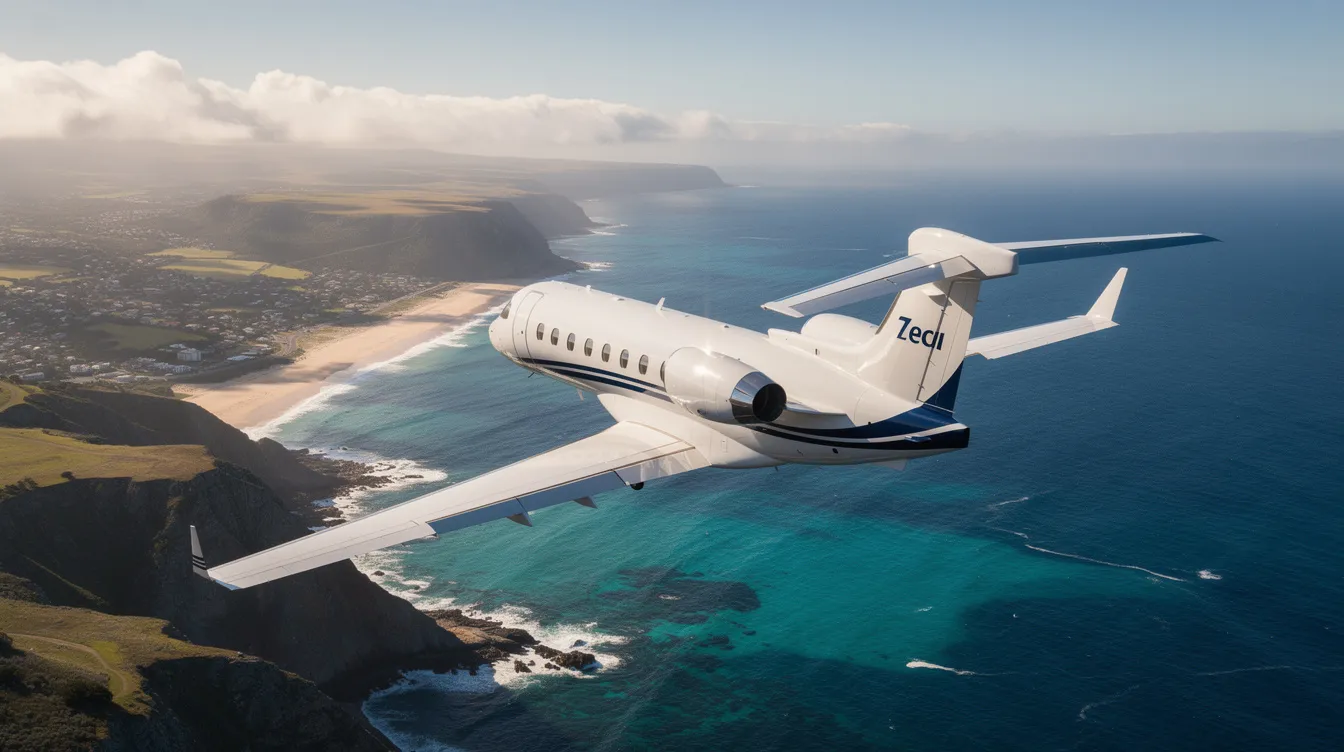
Private small jet price for a one-way trip is not simply half the round-trip cost. Repositioning-also called deadhead or ferry flights-is the main reason.
When you book a one-way private flight, the operator must fly the aircraft back to its base or reposition it for the next charter. That empty return leg is billed at the full hourly rate (aircraft, crew, fuel), and the cost is typically built into your one-way quote. This can add 30–100% to the base flight cost depending on flight distance and aircraft base location.
Round trips with same-day or next-day returns can be more cost-effective. The aircraft waits at the destination, and you avoid the repositioning charge. You'll still pay crew overnight fees ($200–$600 per crew member) and parking/hangar costs, but these are usually far less than a full repositioning flight.
Empty leg flights offer a powerful alternative. When an aircraft is already scheduled to fly empty on a repositioning leg, operators often sell those seats at steep discounts. Empty leg flights can save up to 75% off standard rates if your timing and route align. Jettly's empty leg flights page shows available options in real time.
As of mid-2024, there are roughly 24,000+ business jets registered worldwide. Light jets and very light jets make up a substantial portion of this fleet, particularly in North America and Europe, where the number of private jets operating is driven by short-to-medium-haul demand and the density of regional airports.
This depth of inventory keeps charter rates competitive. Jettly alone provides access to over 20,000 unique aircraft globally, spanning turboprop aircraft, very light jets, light jets, mid-size jets, super midsize jets, heavy jet categories, and large cabin jet configurations.
High fleet density in regions like the U.S. means aircraft are often based near major metro areas, which reduces repositioning fees. In contrast, regions where large jets dominate the fleet may have fewer small jet options, leading to higher costs for short regional flights.
While larger aircraft and ultra-long-range jets offer more cabin space and nonstop intercontinental capability, they carry significantly higher charter and ownership costs. Here's how the categories compare in 2026:
|
Aircraft Category |
Typical Hourly Charter Rate |
Passenger Capacity |
Typical Range |
|---|---|---|---|
|
Very light jets |
$2,500–$4,800 |
2–5 |
1,000–1,500 nmi |
|
Light jets |
$3,500–$7,000 |
6–8 |
1,500–2,200 nmi |
|
Midsize jet / super midsize jet |
$7,000–$12,000 |
8–10 |
1,600–2,000+ miles |
|
Large jets / large cabin jet |
$10,000–$16,000 |
Up to 19 |
3,000–4,500 nmi |
|
Ultra long range |
$12,000–$20,000+ |
12–16 |
5,000–7,500 nmi |
|
Turboprop aircraft |
$2,300–$3,500 |
4–9 |
800–1,200 nmi |
Turboprop rentals start at around $2,300 per hour, making them the most affordable entry point. Midsize jets offer a range of 1,600 to 2,000 miles with stand-up cabins and more luggage capacity. Large jets can accommodate up to 19 passengers for group travel. VIP airliners rent for $18,000 to $23,000 per hour at the top end.
For trips under about 2–3 hours, small jets usually offer the best value unless specific baggage, runway, or cabin requirements demand a larger aircraft. Larger jets burn much more fuel per hour and incur higher landing fees, magnifying the impact of jet fuel costs and government taxes.
Jettly's private jets comparison tool lets travelers see exactly how the private jet cost changes across different aircraft categories for the same route.
Scenario-based pricing helps translate hourly rates into realistic door-to-door budgets. Here are three concrete 2026 examples:
Route: Chicago to Cleveland (~300 miles each way) Aircraft: Cirrus Vision Jet or Phenom 100 Flight time: Approximately 1 hour each way, 2 hours total air time Estimated cost: $12,000–$18,000 round trip
This includes base charter rate (~$3,500/hr × 2 hours), repositioning (if aircraft isn't based at your departure airport), and standard handling fees. Federal excise tax (7.5%) and segment fees ($5.30/passenger/leg) are additional line items.
Route: New York to Miami for a family of 5. Aircraft: Citation CJ3 or Phenom 300E. Flight time: Approximately 3 hours each way, 6 hours total. Estimated cost: $35,000–$50,000 round trip
With crew overnight at the destination (2 nights × 2 crew × $300–$600), FBO handling, and taxes, the all-in cost reflects the reality of a weekend getaway. Per person, that's $7,000–$10,000-competitive with premium commercial fares when you factor in time savings and the ability to access smaller airports closer to your destination.
Route: Los Angeles → Las Vegas → Phoenix → Los Angeles Aircraft: HondaJet Elite or Citation M2 Flight time: Approximately 4–5 hours total across three legs Estimated cost: $25,000–$38,000
Multi-leg trips maximize the value of private aviation by consolidating what would be multiple commercial itineraries into a single day. Choosing secondary airports (like Henderson Executive near Las Vegas) can lower landing and ramp fees.
Jettly can instantly quote these missions with live operator pricing rather than static estimates.
Smart planning can significantly lower total private jet cost without sacrificing safety or comfort. Here are the most effective tactics:
Right-size the aircraft: Don't book a light jet when a very light jet handles the mission. Matching aircraft to your actual passenger count and flight distance avoids paying for unused capacity.
Use secondary airports: Choosing non-hub regional airports can lower landing and ramp fees while often putting you closer to your final destination with less ground transportation time.
Tap into empty leg flights: These one-way repositioning flights offer discounts of 30–75% off standard rates. Flexibility on timing is the tradeoff. Check Jettly's cheap private jet charter prices guide for current strategies.
Book floating-fleet aircraft: Booking floating-fleet aircraft can save up to 30% on one-way rentals because the operator doesn't need to reposition from a fixed base.
Book early on popular routes: Booking 30 to 60 days in advance offers the best pricing options, especially around holidays and peak business travel dates.
Be flexible on departure times: Mid-week and early morning departures often have better availability and lower positioning costs.
Consider shared charters: Some platforms and operators offer seat-sharing on popular routes, splitting the cost of the entire aircraft among multiple booking parties.
For most individuals and companies, chartering a private jet is financially more efficient than full private jet ownership unless they consistently exceed certain annual flight hours.
Ownership becomes cost-effective only at high utilization levels-often 250+ flight hours per year-when annual fixed costs are spread across enough trips to bring the per-hour cost below charter rates. Below that threshold, the math clearly favors charter.
Charter avoids several burdens that come with owning your own private jet:
No capital outlay: No need to tie up $2–$12 million in a depreciating asset.
No depreciation risk: VLJs can lose 10–15% of value in the first year and roughly 30% over five years.
No asset management: Hangar contracts, maintenance scheduling, regulatory compliance, and crew management are the operator's responsibility.
Fleet flexibility: On-demand charter through Jettly offers access to many aircraft types and sizes, so travelers aren't locked into a single small jet for every mission. Need a midsize jet for one trip and a VLJ for the next? No problem.
Easy exit: Travelers can simply stop booking flights. There's no need to sell a jet or negotiate fractional share terms.
For a deeper dive into the real cost of aircraft ownership, Jettly's ownership guide lays out the full picture.
Jettly is a digital private aviation marketplace focused on clear, competitive pricing for private jets worldwide. The platform aggregates live quotes from a global network of certified operators, covering over 20,000 unique aircraft including very light jets, light jets, and every larger aircraft category.
Key platform features:
Instant price estimates: Enter your route and passenger count to see real-time pricing from multiple operators.
Side-by-side aircraft comparisons: Compare cabin layout, range, age, and total cost for matching aircraft on the same route.
Membership options: Frequent flyers can access preferred rates and priority booking.
Safety-first approach: Jettly works only with properly regulated operators (FAA Part 135 in the U.S.) and provides transparent operator details at booking.
The private jet company also shows federal excise tax, airport fees, and other surcharges as separate line items, so clients see the true cost before confirming.
Learn more about Jettly's charter options and pricing tools at https://www.jettly.com.
While private jets emit more CO₂ per passenger than commercial flights on the same routes, small jets and efficient scheduling can reduce the footprint per mission compared to larger private aircraft.
Very light jets and newer light jets feature more efficient engines and improved aerodynamics, lowering fuel burn and jet fuel cost per mile. A modern VLJ burns a fraction of the fuel consumed by a heavy jet or large cabin jet covering the same distance.
Many operators on Jettly's platform offer carbon offsetting programs or support sustainable aviation fuel (SAF) initiatives where available. While SAF availability remains limited, adoption is growing across the private aviation industry.
Consolidating multiple business meetings into a single multi-leg trip on a small jet can be both cost- and emissions-efficient compared with booking multiple commercial flights, hotel stays, and rental cars across several days.
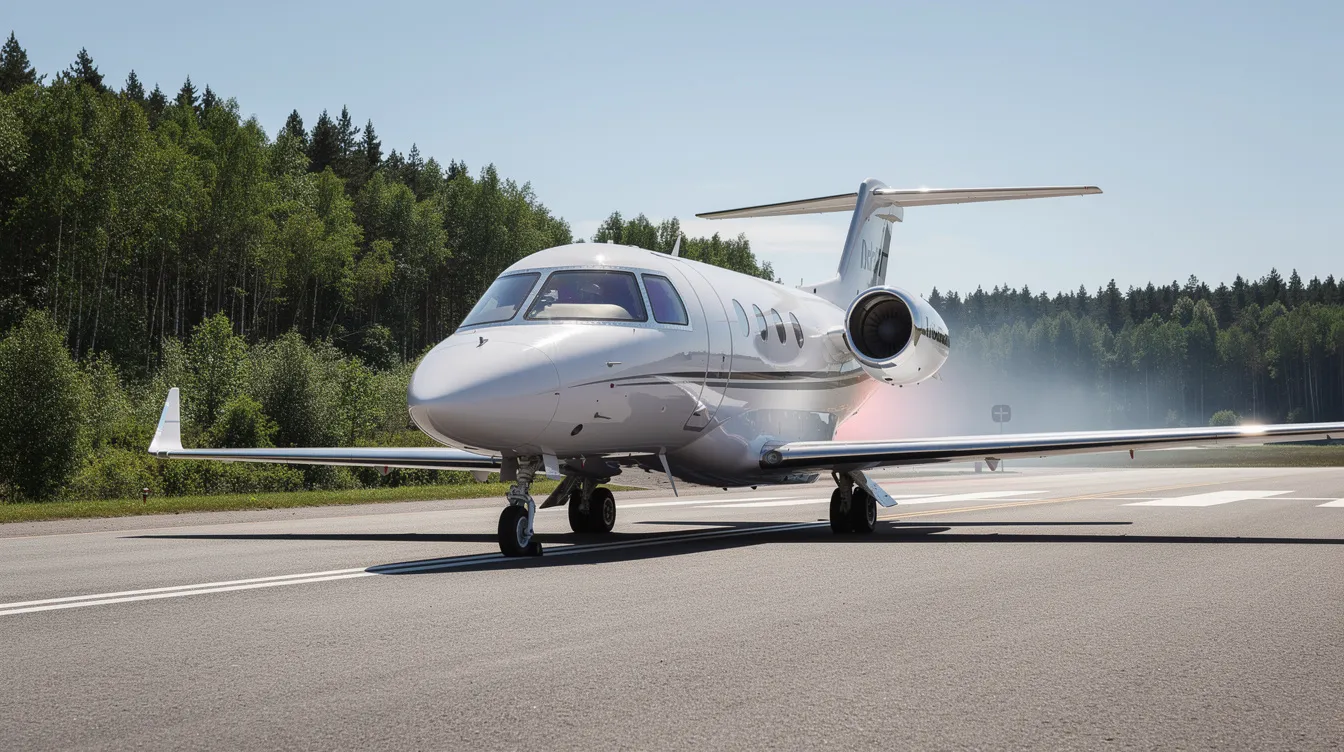
On a per-seat basis, economy class is almost always cheaper. But when 5–7 travelers share the cost of a light jet, the per-person rate can rival or beat commercial business or first class fares-especially on routes where premium tickets run $1,500–$3,000 each. Factor in time savings from avoiding long security lines, connections, and overnight stays, and the effective cost becomes competitive for business travelers. Empty leg deals and very light jets on short routes can further narrow the gap with premium commercial fares on scheduled airlines.
Many modern light jets have ranges between 1,500 and 2,200 nautical miles, making routes like New York to Dallas or London to Athens possible nonstop. However, payload (number of passengers and luggage), weather, and winds can reduce practical range and sometimes require a fuel stop. For ultra-long-range missions- like New York to Tokyo-you'd need a much larger aircraft. Small jets aren't designed for long-haul flights of that distance.
In most cases, charter flights within the United States are subject to the 7.5% Federal Excise Tax on the transportation cost, plus domestic segment fees of $5.30 per passenger per leg. Flights wholly outside U.S. territory are not subject to U.S. FET but may incur other countries' taxes and charges. Jettly's quotes for U.S. flights show FET as a separate line item so there are no surprises at payment time.
Jettly typically presents multiple specific aircraft options for each request, including photos, seating layouts, and operator details. Travelers can filter by category-very light jets, light jets, midsize, large, ultra long range-and often select a preferred make or model where available. Final availability depends on operator schedules, but the platform is designed to give travelers real choice rather than generic categories. This is the same class of transparency you'd expect from owning your own aircraft, without the commitment.
Booking 30 to 60 days in advance offers the best pricing options, particularly on popular routes and during peak travel periods like holidays and major events. Last-minute bookings are entirely possible but may carry higher repositioning costs or limited aircraft selection, especially for specific light jets in high-demand markets. Jettly supports both advance planning and short-notice trips, showing real-time availability and pricing as conditions change. For the most competitive private jet service, a little advance planning goes a long way.
Private small jet price ultimately depends on aircraft type-very light jets versus light jets-trip profile, and whether you charter, go fractional, or buy a private jet outright. For international flights on longer routes, larger aircraft may be necessary. But for the majority of domestic flights and shorter regional trips, small private jets deliver the perfect aircraft match at a manageable cost.
For most travelers, on-demand charter of small private jets offers the best balance of flexibility, cost control, and access to a broad fleet. Understanding operating costs, federal excise tax, landing fees, and repositioning dynamics helps you compare charter offers accurately and avoid surprises.
Jettly's platform makes it easy to view transparent, real-time private jet pricing for light jets and very light jets on your preferred routes-no phone calls, no hidden fees, no long-term contracts.
Ready to experience private travel on your terms? Explore flight options or request a quote at https://www.jettly.com.
Share this post:
Jay Franco Serevilla
Aug 29, 2026
|
5
min read
Discover tips and trends in the industry.
5
min read
Mexico Jet Travel: Private Jet Charters, Routes, and Mexico City Airports with Jettly
Flying private to Mexico in 2026 offers unparalleled convenience and flexibility, allowing travelers to bypass crowded terminals and customize their itineraries. With Jettly's digital marketplace, you can access thousands of aircraft for on-demand flights to popular destinations like Cabo San Lucas and Mexico City. Understanding the latest regulations and airport options is crucial for a seamless travel experience.
Read More
5
min read
Private Jet Membership: How Jet Memberships Work and When They Make Sense
Private jet memberships offer travelers convenient access to private flights without the burdens of ownership. With various membership models available, including prepaid jet cards and subscription services, it's essential to choose one that aligns with your travel frequency and needs. Jettly stands out by providing flexible options and access to a vast fleet of aircraft worldwide.
Read MoreStay updated with our latest insights and tips to elevate your journey with us.
MEMBERSHIPS AND ASSOCIATIONS



Disclaimer: Jettly operates as a charter broker, offering access to a global digital jet charter marketplace. Jettly is not a direct air carrier and does not own or operate aircraft. All advertised flights are conducted by third-party air carriers that are fully licensed and hold the appropriate Part 135 or Part 121 certifications issued by the Federal Aviation Administration (FAA) or equivalent regulatory authorities under U.S. or foreign law. Jettly complies fully with the U.S. Department of Transportation's Part 295 and Part 298 Charter Broker regulations. Jettly does not carry additional liability insurance. Passengers are covered by aircraft operator insurance. TICO: 50023770


