



Login
Get Instant Pricing On 23,000+ Aircraft

>
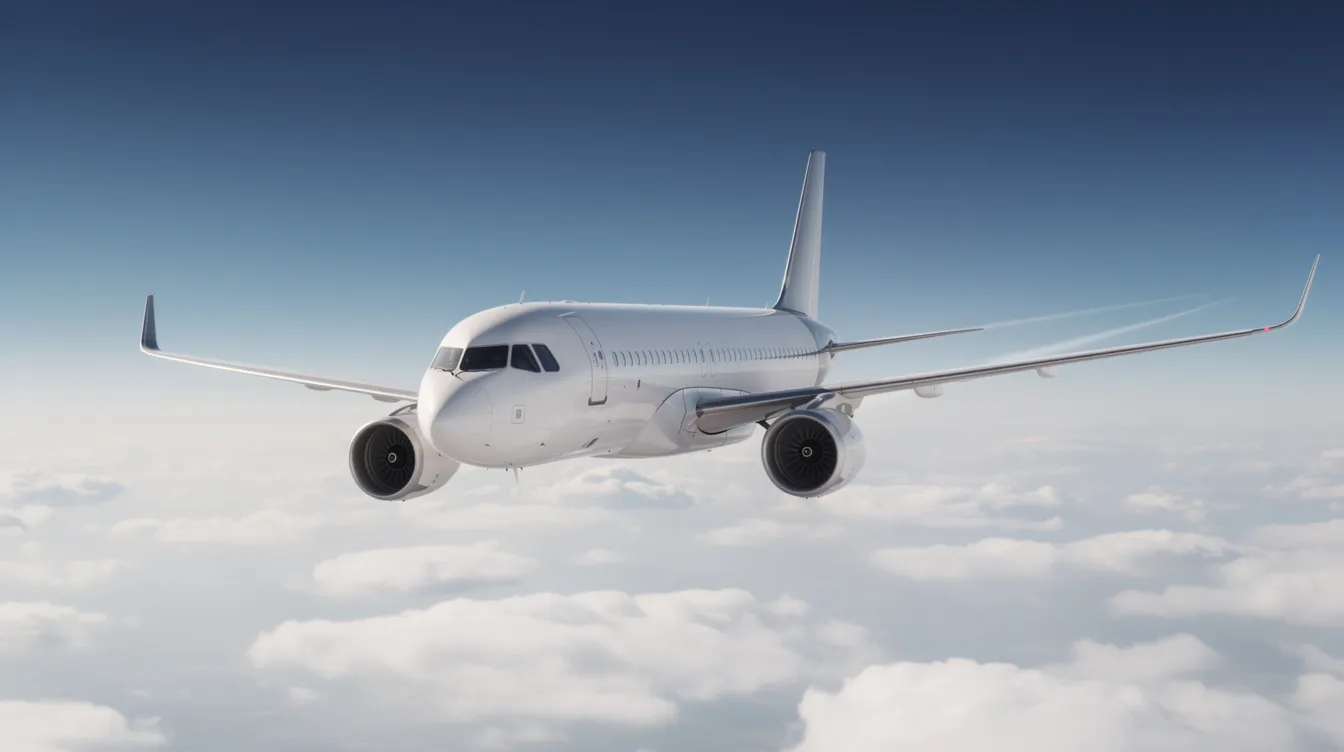
The range of A320 family aircraft runs from about 3,100 to 4,700 nautical miles, depending on the variant, payload, and cabin configuration, with the standard A320 typically covering roughly 3,000–3,300 nm and the A320neo reaching around 3,400 nm. That directly affects which city pairs can be served nonstop—a critical factor for airlines, charter operators, and travelers, including frequent flyers, corporate executives, and high-net-worth individuals comparing charter options.
Whether it's a three-hour domestic hop, a longer overwater route, or an extended-range mission, knowing how far each A320 variant can actually fly helps match the right aircraft to the right trip, avoid unnecessary fuel stops, and balance cost, convenience, and operational fit. This guide looks at the range of the main A320 family variants, how ceo and neo models differ, what payload, weather, and routing do to real-world performance, where longer-range versions like the A321XLR and ACJ models fit, and how Jettly uses that data when evaluating charter bookings.
The Airbus A320 family has a maximum range of 3,100 to 4,700 nautical miles depending on variant, payload, and configuration. Here are the essential figures:
The standard A320ceo covers roughly 3,000–3,300 nm (about 6,100 km), while the A320neo extends that to approximately 3,400 nm (6,300 km) thanks to new LEAP-1A or PW1000G engines and advanced sharklets that improve aerodynamics.
The A320neo is 15% more fuel efficient than the A320ceo and offers up to 20% lower fuel consumption, enhancing real-world range and operational cost savings.
The A320neo can accommodate up to 194 passengers in a high-density layout, compared to the A320ceo's typical seating of 150 to 180 passengers.
The A321XLR pushes single aisle range to 4,700 nautical miles (8,700 km), opening true transatlantic routes.
ACJ corporate variants like the ACJ319neo can fly beyond 6,750 nm with VIP cabins carrying 8–25 passengers.
The A320 family maintains a 99.7% operational reliability rate as of 2023–2024, reflecting its proven performance with over 176 million flights completed since 1988.
Range matters for route planning: knowing whether an aircraft can fly London–Cairo, New York–Reykjavik, or Dubai–Bangkok nonstop determines whether a fuel stop—or a different aircraft—is needed.
Jettly uses accurate aircraft performance data, including operational range and fuel burn figures, to match travelers with suitable A320 family aircraft on its charter platform.
Airbus inaugurated the A320 program in 1984 with a clear goal: build a modern single aisle airliner that could dominate the short to medium-haul market. The A320 family includes four core models—the A318, A319, A320, and A321—each offering a different fuselage length, seating capacity, and range profile. The A320 made its maiden flight on 22 February 1987, marking the first airliner to incorporate fly-by-wire technology, which enhances safety and efficiency in flight control by replacing manual controls with electronic interfaces and introducing flight envelope protection for safer operations. Air France (via Air Inter) took the first delivery in 1988.
From there, the family expanded quickly. The A321 entered service in 1994, the A319 followed in 1996, and the smaller A318 arrived in 2003. The A318 seats 107 to 132 passengers, the A319 typically accommodates 124 to 160 passengers, the A320 seats 150 to 180 passengers, and the A321 can carry 180 to 220 passengers. Airbus established the A320 as the backbone of global aviation, and by October 2019 it became the highest-selling airliner family in history. As of 2024, the Airbus A320 family has accumulated over 20,000 orders, and as of June 2026, 12,743 aircraft have been delivered.
Airbus launched the new engine option (neo) family in December 2010, with the first A320neo entering service in January 2016. These neo variants, powered by CFM LEAP-1A or Pratt & Whitney PW1000G geared turbofan engines, brought better fuel efficiency and slightly extended range. The A320 typically operates on short-haul routes averaging under 1,000 miles, but larger variants like the A321LR and A321XLR now cover long haul routes previously reserved for widebody aircraft. Since 1988, the A320 family has completed over 176 million flights, a testament to how well the family's range and versatility match global demand.
For private charter and corporate group travel booked through Jettly, the same family aircraft and ranges apply, but with customized cabin layouts and service levels tailored to each mission.
The range of A320 variants depends on the specific model, engine option, and cabin configuration:
A318: maximum range of approximately 5,700 km (~3,100 nm), suitable for niche operations including steep approach airports.
A319: maximum range between 6,650 km and 6,850 km (~3,650–3,750 nm) with sharklets.
A320ceo: around 3,000–3,300 nm (5,550–6,100 km), depending on maximum takeoff weight (up to 83,000 kg) and cabin layout.
A320neo: up to 3,400 nm (approximately 6,300 km) with 150–194 passengers in a two-class or high-density configuration.
A321: roughly 3,600–4,000 nm for the classic and A321neo, with the A321 reaching a maximum range of 4,000 nautical miles (~7,400 km).
A321XLR: up to 4,700 nautical miles (approximately 8,700 km), entering service in the mid-2020s.
Aircraft range varies significantly based on weight, weather, and altitude. Higher payloads reduce the maximum achievable range of an aircraft, while cruising altitude optimizes fuel consumption and extends range. The A320 family has a typical cruising speed of 903 km/h, enabling efficient short to medium-haul operations.
Here are a few real-route examples the Airbus A320 can typically cover nonstop:
New York to Dallas: approximately 1,300 nm—well within any A320 variant's capability.
London to Moscow: roughly 1,550 nm, comfortably inside the operational range.
Singapore to Tokyo: about 2,900 nm, manageable for an A320neo with standard loads.
A route like New York to São Paulo (around 4,800–5,000 nm), however, falls outside standard A320 range with full payload and would usually require a technical fuel stop.
Jettly's platform factors real-world range and payload into instant quotes, ensuring that the chosen aircraft can complete a requested mission nonstop wherever possible. Tools like Jettly's private jet charter cost estimator help translate those performance numbers into budget expectations, and for more on A320 charter rates and specifications, visit the Jettly aircraft page.
The A320 family spans multiple fuselage lengths, all sharing common flight controls, cockpit design, and core systems. This commonality allows airlines to cross-utilize crews across the A319, A320, and A321, reducing training costs and enabling flexible deployment between short and longer-range routes.
Airbus designed the A320 family specifically for short to medium-haul operations, but with variants like the A321XLR, the family now covers longer range missions once reserved for widebody aircraft.
Airlines tune range versus seating capacity based on route economics. Higher-density seating slightly reduces practical range because of extra weight, while premium or VIP layouts with fewer passengers can extend range significantly. Pilots benefit from the shared type rating across all variants, which simplifies scheduling and crew management.
Jettly may present multiple A320 family options—say, an A319 versus an A321—to a corporate client, depending on the required range and group size for a given city pair, drawing from its broader private charter aircraft inventory of more than 20,000 jets worldwide.
The distinction between the current engine option (A320ceo) and the new engine option (A320neo) is one of the most impactful factors in determining real-world range and fuel burn. The engines define how efficiently an aircraft converts fuel into thrust, and the neo generation represents a significant leap forward.
Engine types for each generation:
CEO: older CFM56-5A/B or IAE V2500 engines.
NEO: new generation CFM LEAP-1A or Pratt & Whitney PW1000G geared turbofan engines.
The A320neo offers up to 20% lower fuel consumption compared with previous models and is 15% more fuel efficient than the A320ceo. In practice, analyses show 15–20% lower fuel burn during cruise segments. This improvement allows the neo to fly slightly farther—or carry more fuel payload on marginal sectors—without structural changes to the airframe.
Aerodynamic refinements also play a role. The A320neo's advanced sharklets reduce induced drag, extending range by a meaningful margin. Earlier CEO aircraft without these devices had shorter effective range. Combined with new engines, these technological advancements give the neo generation meaningful operational advantages.
Consider a practical example: a leisure airline operating older A320ceos may need a fuel stop on a marginal winter sector when facing strong headwinds. An A320neo operating the same route can often complete it nonstop with comfortable reserves, because it simply burns less fuel per hour.
Charter buyers browsing Jettly's platform can see whether an operator offers an A320ceo or Airbus A320neo and how that choice affects flight time, fuel costs, and environmental impact, especially when combined with Jettly's flexible private jet memberships that unlock wholesale charter pricing.
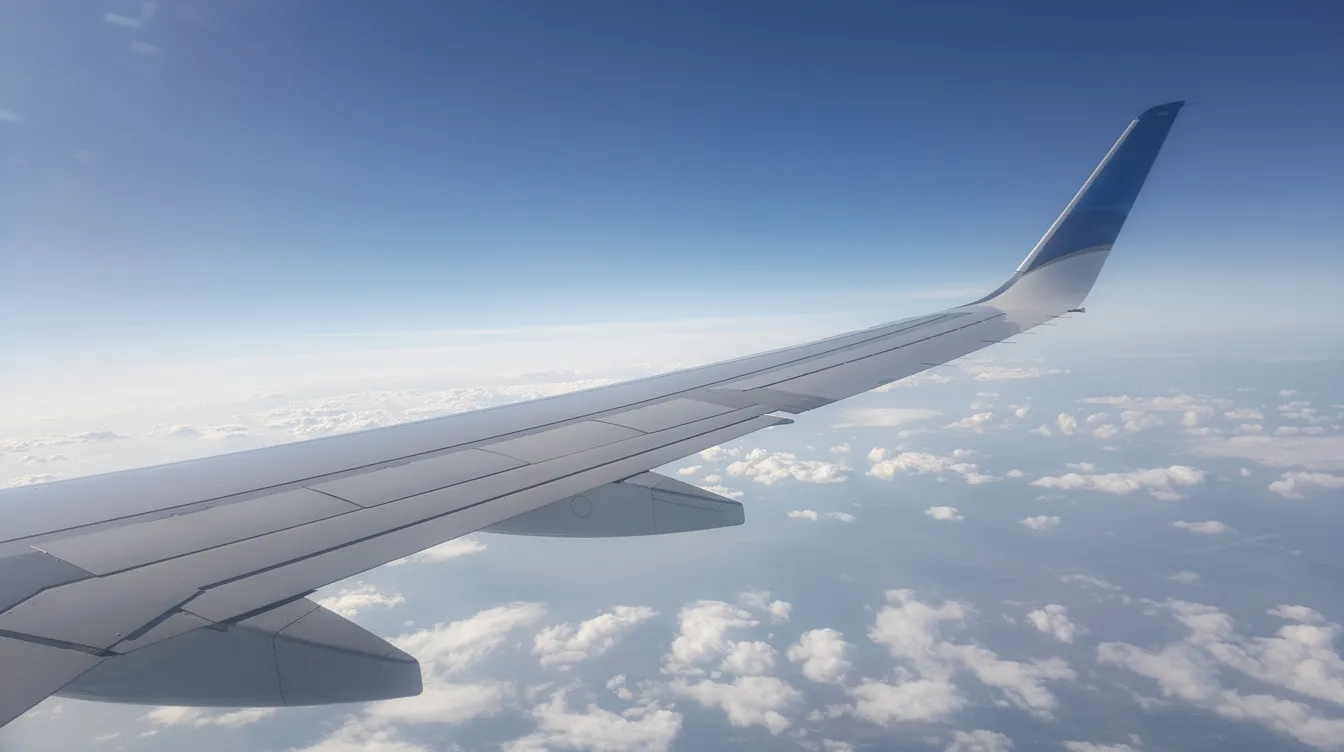
The A321neo LR and A321XLR represent the long range flagships of the Airbus A320 family. These larger variants were designed to open true transatlantic and "long thin" routes using single aisle economics—missions that previously required widebody aircraft.
Concrete range figures for these variants:
A321neo: up to about 4,000 nm in standard configuration. The A321neo is the most-ordered variant of the A320 family, accounting for more than half of A320neo family sales.
A321LR: around 4,000–4,100 nm with 180 passengers, using additional centre fuel tanks.
A321XLR: up to 4,700 nautical miles (approximately 8,700 km), entering service in the mid-2020s. The A321XLR can fly up to 8,700 km, enabling routes like Rome–New York or Delhi–London.
Several engineering changes make the A321XLR's range possible: a new rear centre fuel tank (RCT) with roughly 12,900 litres of capacity, higher maximum takeoff weight of about 101.5 tonnes, reinforced landing gear, and an optimized wing with improved high-lift devices. The A321XLR has a 30% lower fuel burn per seat compared with previous generation long range narrow-bodies, making point-to-point markets viable without widebody aircraft.
Real and planned route examples include Dublin–Washington, Lisbon–Recife, and Montreal–Athens. These city pairs illustrate how 4,700 nm of range reshapes network planning for airlines like American Airlines and Frontier Airlines, as well as charter operators.
On a charter marketplace like Jettly, long range A321neo LR and XLR aircraft offer attractive alternatives to widebodies for mid-size groups wanting nonstop intercontinental travel at a lower total trip cost, while larger twin-aisle options such as the Airbus A330-300 remain better suited to very long sectors or higher passenger counts.
Airbus Corporate Jets (ACJ) versions of the A320 family focus on long range private and government transport. These aircraft share the same airframe and systems as their airline counterparts but feature VIP cabins with dramatically fewer seats, enabling much greater fuel carriage and therefore extended range.
Specific range figures with low-density VIP cabins:
ACJ319neo: up to approximately 6,750 nm (12,500+ km) with 8–25 passengers. Flight duration can reach 14–15 hours nonstop.
ACJ320neo: around 6,000 nm (approximately 11,100 km) with similar passenger capacity. Additional centre fuel tanks (ACTs) and the reduced payload of a VIP layout extend range well beyond airline configurations. For more details on this variant, see the Airbus ACJ320neo guide on Jettly.
While technically based on the same A319 and A320 platforms, ACJ aircraft offer intercontinental nonstop capability—Los Angeles to London, Dubai to Tokyo—that standard airline-configured family aircraft cannot achieve. The A319CJ variant fills a similar niche for corporate operators wanting maximum range from a smaller fuselage.
Typical VIP cabin layouts include lounges, private suites, and conference areas. These lighter interiors reduce overall weight, leaving more room within the maximum takeoff weight envelope for fuel. This weight-to-fuel trade-off is the primary reason ACJ aircraft fly so much farther than their airline equivalents, and it also feeds directly into charter pricing models explained in Jettly's guide on affordable private jet charter costs.
ACJ aircraft are part of the global charter inventory. Platforms like Jettly can sometimes source ACJ319neo or ACJ320neo aircraft for heads of state, sports teams, or ultra-high-net-worth clients requiring long range missions with custom interiors. Operators of these aircraft often use tailored fuel strategies and crew scheduling to maximize available range while respecting duty limits and safety margins.
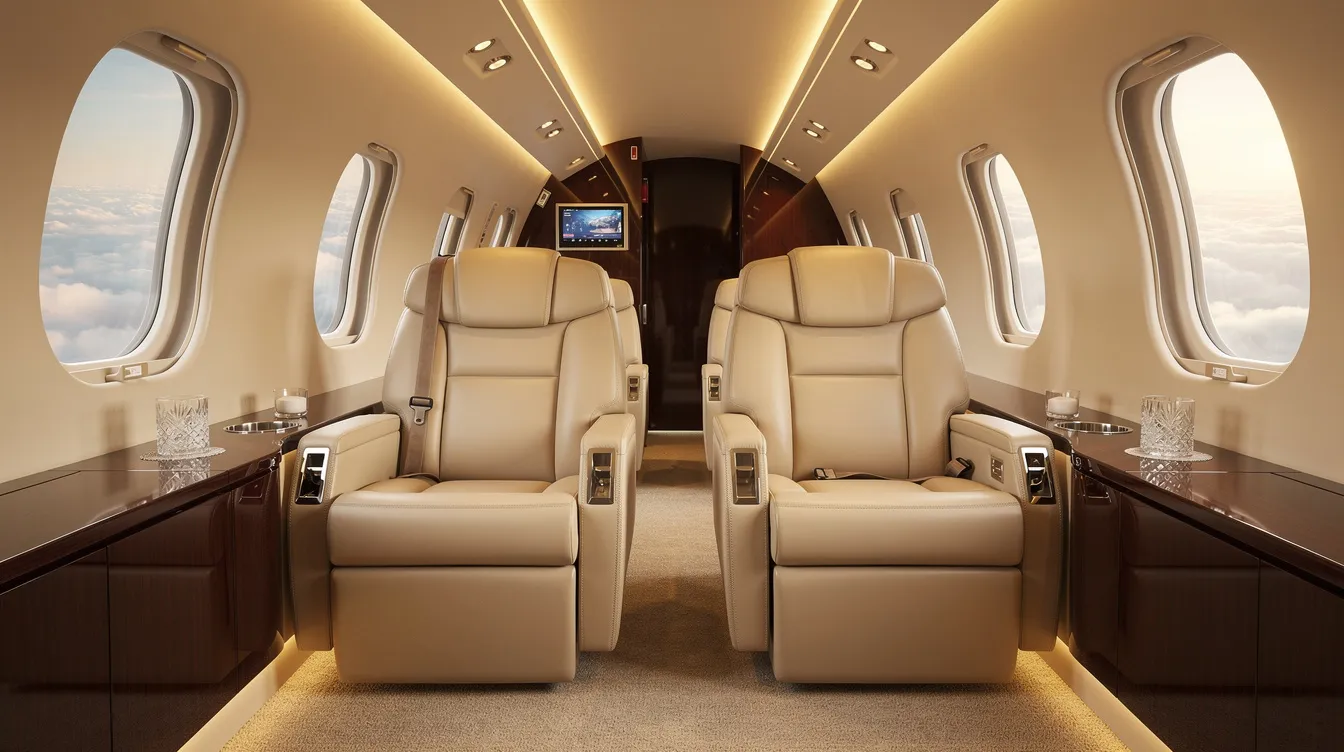
The A320 family's fly-by-wire flight controls and aerodynamic refinement help squeeze more range out of each kilogram of fuel. The A320 was the first airliner with fly-by-wire technology, and this system has influenced every variant since.
Core features of the fly-by-wire system:
Fly-by-wire technology replaced manual controls with electronic interfaces, giving pilots precise digital command over the aircraft. The A320 family generally features a fly-by-wire control system managed through a glass cockpit.
The system includes flight envelope protection for enhanced safety, preventing the aircraft from exceeding structural or aerodynamic limits. This allows smoother, more efficient cruise profiles and reduces unnecessary fuel burn caused by pilot overcorrection.
Key aerodynamic features that support range:
The early A320 wing was optimized for cruise at Mach 0.78–0.80, matching a typical cruise speed of around 903 km/h (487 knots).
The addition of sharklets and later wing refinements on the neo family reduce induced drag, extending range by a meaningful margin.
Clean airframe design across the family reduces parasitic drag, contributing to operational efficiency over long sectors.
Cruising altitude optimizes fuel consumption and extends aircraft range. Modern flight management systems use vertical navigation (VNAV) profiles and cost index settings to help crews balance speed against fuel burn. On a five- or six-hour flight near the aircraft's maximum range, these systems keep operations within narrow fuel margins safely—a benefit that charter clients receive automatically when using tools like Jettly's airport locator platform to plan optimal departure and arrival points.
Any reduction in fuel burn directly increases endurance or lowers cost on a given sector. The A320 family has lower fuel consumption than older models it replaced, and the gap between ceo and neo generations adds another layer of savings.
Typical fuel burn benchmarks:
A 150-seat A320 burns 11,608 kg of fuel over 3,984 km, providing a useful baseline for estimating costs and emissions on medium-haul sectors.
The A320neo, equipped with new engines like the LEAP-1A or PW1100G and sharklets, achieves 15–20% lower fuel consumption and CO₂ emissions per seat compared with older A320ceo aircraft without wingtip devices.
The result: the A320neo is both more fuel efficient on existing routes and capable of reaching slightly longer sectors with the same fuel load.
Airbus currently approves up to 50% Sustainable Aviation Fuel (SAF) blends for the neo family, with testing underway toward 100% SAF capability. This does not materially change raw range figures, but it significantly reduces lifecycle carbon emissions. For companies chartering A320 family aircraft for corporate shuttles or events through providers like Jettly, SAF compatibility supports ESG commitments without operational compromise.
Some charter customers request carbon offsetting or emissions reporting alongside their bookings. Understanding the underlying fuel burn of each A320 variant helps estimate climate impact per trip—a data point that Jettly can factor into its service offering and into pricing tools such as its jet card flight cost estimator.
Brochure range assumes ideal conditions. Real-world A320 family operations must account for payload, headwinds, alternate airports, and constraints at departure and arrival fields.
Several concrete route scenarios illustrate how range plays out in practice:
A320neo on a high-density leisure route like Frankfurt–Canary Islands (approximately 1,900 nm): even with strong winter headwinds, the aircraft maintains ample range margin. Most airlines and low-cost airlines operate this sector comfortably year-round.
A321LR on transatlantic service such as Dublin–Boston (approximately 2,500 nm) or Lisbon–New York (around 3,100 nm), using its extended fuel capacity to serve routes that full service carriers previously covered only with widebodies.
A319 on challenging operations like London–Moscow or Johannesburg–Nairobi, illustrating the regional flexibility of mid-range variants.
Range-limiting factors include:
Hot-and-high airports (Denver, Mexico City, Addis Ababa) reduce takeoff performance and may limit how much fuel can be loaded, cutting achievable range.
Short runways, noise restrictions, or steep approaches—such as the A318 serving London City—impose weight limits that affect usable range on longer sectors.
Dispatchers and charter planners sometimes apply payload restrictions, leaving seats unsold or cargo behind, to preserve nonstop capability on borderline sectors. When a customer requests a long sector near the limits of an A320 family aircraft, the platform or charter specialist may suggest a fuel stop, an A321LR or XLR, or a different aircraft category with more range, such as a regional jet like the Canadair CRJ-200 for shorter segments feeding into long-haul services.
For a given maximum takeoff weight, more payload means less fuel—and therefore reduced range. Higher payloads reduce the maximum achievable range of an aircraft, making cabin layout a surprisingly important variable.
Typical layout comparisons can also intersect with how travelers pay for their flights—for example, full-ship charter versus crowdsourced private flights that share empty seats:
Airline high-density A320 family layouts (180–230+ seats in single class) carry more fuel weight in passengers and baggage, reducing fuel reserves available for long sectors. The A320 typically carries 150-180 passengers in standard airline configuration, while the A320neo can carry up to 194 passengers in a high-density layout.
Lower-density two-class configuration layouts (140–180 seats) reduce total payload weight, freeing margin for more fuel and slightly extending range.
VIP and ACJ layouts (8–25 passengers) leave substantial room for additional fuel tanks, increasing range dramatically.
A few tonnes of extra payload can cut available fuel by a corresponding amount, reducing range by several hundred nautical miles on marginal sectors. For instance, a fully booked A321 carrying heavy sports equipment might need a fuel stop on a sector that would be achievable nonstop with lighter baggage loads.
The A320 features the widest single aisle cabin in its class—a cabin width that allows flexible seating arrangements—and amenities like mood lighting enhance the passenger experience without significantly affecting weight. The seating capacity and passenger count chosen by an operator directly influence how far the aircraft can fly on any given mission.
On a charter marketplace like Jettly, the same A320 family aircraft type can have very different usable range profiles depending on configuration. Accurate payload assumptions are critical when generating instant pricing and routing, which is why operators and platforms request detailed passenger and cargo weight information before finalizing quotes and may advise on whether shared charter flights or full charters make more sense for a given group size and mission length.
An Airbus A320 family aircraft becomes the logical charter choice when the mission involves large groups—corporate offsites, sports teams, incentive trips, music tours—where smaller business jets cannot carry enough passengers. The A320 family has a 99.7% operational reliability rate as of 2024, giving charter clients confidence in schedule integrity.
Jettly's global inventory may include airline-style A320s for ad-hoc charter or ACMI operations, dedicated corporate shuttle services, and ACJ319 or ACJ320 aircraft for VIP long range missions. For frequent flyers, structured solutions like Jettly's jet card programs combine predictable pricing with access to these aircraft types. For a thorough jet study of which aircraft fits a specific route and group size, the platform's tools compare options in real time.
Three realistic charter scenarios leveraging A320 family range, each sitting within the broader universe of operators covered in Jettly's charter airlines guide:
A320neo charter for a European company offsite: London–Athens–London in a single day with 170 employees. At roughly 1,300 nm each way, the A320neo handles this easily with full payload.
A321neo charter for a sports team flying New York–Los Angeles nonstop with equipment. At approximately 2,150 nm, this sits well within the A321neo's range even with heavy cargo, while ultra-long missions for similar groups might instead require widebody options like the Boeing 777-200 LR.
ACJ319neo charter for a multi-leg VIP tour: Dubai–Paris–Toronto with minimal fuel stops. The ACJ319neo's 6,750 nm range makes each leg feasible nonstop.
For more on how commercial airline charter and group flights work, Jettly offers detailed guidance on its platform.
The advantages of A320 family aircraft in the charter context are clear: a familiar cabin environment, strong range for two- to six-hour missions, wide airport availability, and competitive operating costs per seat compared with chartering multiple smaller jets. Jettly's instant pricing and routing tools use actual aircraft performance data—range, fuel burn, runway requirements—to propose realistic options and avoid surprises like unexpected fuel stops.
The A320 family sits between smaller business jets and large widebody airliners in terms of both range and passenger capacity, creating specific niches for group travel and regional networks.
Typical range comparisons across aircraft categories, which also influence how travelers choose among leading private jet charter companies:
Light and midsize business jets cover roughly 1,500–3,000 nm, ideal for small groups (4–9 passengers) on domestic or short international hops, making them a better fit for some family itineraries than airliners—topics explored in depth in Jettly's guide to the best plane for a family of four.
Long range business jets stretch to 5,500–7,500 nm, serving intercontinental point-to-point missions for small parties. The Boeing BBJ competes in this space as well and appears frequently alongside leading private plane manufacturers like Gulfstream and Bombardier in long-range mission planning, including models highlighted among the best private planes for families.
The A320 family spans approximately 3,000–4,700 nm in passenger service, and up to 6,750 nm for the ACJ319neo in VIP configuration.
Widebody airliners like the A330 or Boeing 787 reach 6,000–8,500 nm, carrying 250–350+ passengers on long haul routes, while high-capacity narrow-bodies such as the Boeing 737-800 fill similar mission profiles to the A320 on shorter sectors.
Use cases where the A320 family is the best fit:
Medium-length charter flights with 100–220 passengers, where a business jet would require multiple aircraft.
High-frequency corporate shuttles within large domestic markets (New York–Chicago, Toronto–Vancouver), where the per-seat cost is attractive.
Transatlantic routes using A321LR or XLR for point-to-point service, avoiding the cost and complexity of widebody operations.
Missions like New York–Hong Kong (approximately 7,000 nm) exceed even the A321XLR's range and are better served by ultra-long-range business jets or widebodies. In these cases, Jettly's platform can recommend alternative aircraft categories that match the required distance, ranging from light twins like the Cessna 340 for feeder legs to large-cabin jets for the intercontinental sectors.
While the per-hour operating cost of an A320 family aircraft is higher than a light jet, the cost per passenger can be substantially lower for large groups on two- to six-hour legs—making it a smart economic choice for group charter.
Airbus is already studying successors to the current A320 family, with a likely service entry target in the 2030s. These next-generation aircraft aim to push single aisle market performance further on both range and fuel burn.
High-level technology themes include:
Ultra-high bypass ratio engines from manufacturers like Pratt & Whitney, Safran, and Rolls-Royce, building on the gains already achieved by the neo generation.
New composite wings with higher aspect ratios—Airbus's "Wing of Tomorrow" programme—and possible folding wingtip devices to reduce drag while fitting existing airport gates.
Hybrid-electric or hydrogen propulsion concepts, though these may initially affect shorter-range variants before scaling to full single aisle distances.
The next generation is expected to offer at least 15–25% better fuel efficiency than current A320neo family aircraft. This could enable even longer ranges—potentially pushing standard narrow-bodies past 5,000 nm—or dramatically reduce fuel costs and emissions on existing routes. The key features of these future aircraft will likely include advanced aerodynamics, lighter materials, and digital systems that optimize every phase of flight.
Airbus and most airlines are also focused on higher SAF blends and net-zero emissions targets by 2050, which will influence aircraft design, final assembly processes, and route planning decisions.
For charter customers, this means that over the coming decades, travelers booking through digital platforms like Jettly may see more range, lower emissions per trip, and a wider choice of fuel efficient single aisle aircraft for both regional and intercontinental journeys.
Below are practical questions about A320 family range that supplement the main discussion above.
While the brochure maximum range sits around 3,000–3,400 nm, many charter and airline operators plan regular A320 missions in the 2,000–2,800 nm band. This leaves comfortable fuel reserves and flexibility for diversions or holding patterns. A common long charter leg like Madrid–Tel Aviv (roughly 1,900 nm) or Chicago–San José, Costa Rica (approximately 2,100 nm) sits near the top of what operators routinely schedule nonstop on an A320. Jettly or any professional broker will account for season, winds, and payload before confirming whether an A320 can serve a requested city pair without stops. The technical specifications of each specific aircraft determine the final answer.
Strong headwinds increase flight time and fuel burn, effectively reducing usable range. Adverse weather can also require holding patterns or diversions that consume additional fuel. Dispatchers account for forecast winds aloft and storm systems when calculating fuel loads and selecting alternate airports for A320 family flights. On borderline routes, a severe headwind forecast may cause an operator to schedule a technical fuel stop or restrict payload—carrying more fuel at the expense of fewer passengers or less cargo—to preserve safety margins.
Standard A320 and A321 variants can perform some shorter transatlantic routes with payload limits, but the A321LR and A321XLR are specifically optimized for a broader set of transatlantic city pairs. The A321XLR's 4,700 nm range covers Boston–Dublin, New York–Lisbon, and Montreal–London in typical layouts. For charter customers, long transatlantic missions may be better suited to A321LR/XLR or to long-range business jets, depending on group size and desired comfort level.
Heavier cargo and baggage consume maximum takeoff weight that could otherwise be used for fuel, reducing the maximum achievable range. A fully booked A321 carrying heavy sports equipment may require a fuel stop on a long route that would otherwise be feasible nonstop with lighter baggage. Accurate passenger and cargo weight information is essential during charter planning, and platforms like Jettly typically request these details before finalizing routes and quotes.
Travelers can explore aircraft options and get instant or assisted quotes at https://www.jettly.com. The platform includes A320 family aircraft alongside other types with different range capabilities. Users can compare routes, aircraft categories, and estimated flight times digitally before confirming a trip.
Ready to experience private travel on your terms? Explore flight options or request a quote at https://www.jettly.com.
The Airbus A320 family offers a versatile range of aircraft capable of serving short to medium-haul routes efficiently, with variants like the A321XLR extending the reach into true long-haul territory. Thanks to continuous innovations such as fly-by-wire technology, advanced engines, and aerodynamic improvements, the A320 family delivers reliable performance, fuel efficiency, and operational flexibility. For private charter travelers and group missions, these aircraft balance passenger capacity, range, and comfort, making them a practical choice for diverse travel needs. Platforms like Jettly leverage detailed range and performance data to match travelers with the right A320 variant, ensuring seamless, nonstop journeys whenever possible. Whether flying corporate groups, sports teams, or VIP clients, the A320 family remains a cornerstone of modern aviation with proven reliability and adaptability.
Ready to experience private travel on your terms? Explore flight options or request a quote at https://www.jettly.com.
Share this post:
Jay Franco Serevilla
Jul 19, 2026
|
5
min read
Discover tips and trends in the industry.

5
min read
Havasu Falls Helicopter Price: Costs, Schedule, and How to Book in 2026
Planning a trip to Havasu Falls in 2026? The helicopter service offers a quick alternative to the challenging hike, costing approximately $300 one-way. Flights operate on select days and are first-come, first-served, so early arrival is essential. Remember, a valid permit is required for all visitors to access the falls.
Read More
5
min read
How Long Does It Take to Get a Helicopter License? Timeline, Training, and Costs
Becoming a helicopter pilot can take anywhere from 2 months to 2 years, depending on the type of license and training frequency. A private pilot license typically requires 40 flight hours, while a commercial license demands 150 hours. Factors such as training intensity, weather conditions, and flight school choice significantly influence the timeline and costs involved.
Read MoreStay updated with our latest insights and tips to elevate your journey with us.
MEMBERSHIPS AND ASSOCIATIONS



Disclaimer: Jettly operates as a charter broker, offering access to a global digital jet charter marketplace. Jettly is not a direct air carrier and does not own or operate aircraft. All advertised flights are conducted by third-party air carriers that are fully licensed and hold the appropriate Part 135 or Part 121 certifications issued by the Federal Aviation Administration (FAA) or equivalent regulatory authorities under U.S. or foreign law. Jettly complies fully with the U.S. Department of Transportation's Part 295 and Part 298 Charter Broker regulations. Jettly does not carry additional liability insurance. Passengers are covered by aircraft operator insurance. TICO: 50023770


