



Login
Get Instant Pricing On 23,000+ Aircraft

>

Figuring out when is the best time to buy airline tickets can feel like trying to hit a moving target. Flight prices fluctuate constantly, airline sales appear without warning, and prices change based on dozens of variables most travelers never see. This guide breaks down what recent data actually says about the best booking windows for domestic flights, international trips, and private jet charters, so you can stop guessing and start saving.
There is no single "best day of the week" to buy plane tickets. Timing windows and travel dates matter far more than whether you click "purchase" on a Tuesday or Thursday.
For most cheap flights on commercial airlines, book domestic flights 1 to 3 months in advance and international flights 2 to 8 months ahead.
The cheapest day to fly is often midweek (Tuesday through Thursday) or Saturday for domestic trips, while Thursdays are frequently cheapest for international departures.
Waiting until the last minute usually makes commercial airline tickets more expensive, while private jet empty leg flights can actually become cheaper very close to departure.
Jettly offers instant private jet pricing, empty leg deals, and on-demand charters that follow different rules than commercial booking.
Airline ticket prices are dynamic, algorithm-driven, and can shift dozens of times in a single day. Dynamic pricing algorithms update fares multiple times per day based on demand, seat availability, and competitive pressure.
Revenue management systems use historical data, seasonality, and booking patterns to raise or lower fares on a given route. Business travelers tend to book late and pay premium prices, so airlines hold some seats at higher price points as the departure date approaches. Leisure demand pushes fares up during school breaks and major holidays.
The old rule that flights are cheapest on Tuesday at 3 p.m. is outdated, so it makes more sense to use fare alerts and comparison tools to track prices over time before booking. Most airlines now update prices continuously across all days of the week. Airfare price tracking can be automated using various websites, making it easier to compare current prices rather than rely on folklore.
One important distinction: commercial airlines price per seat, while private jets are priced per aircraft and mission. A New York–Miami economy fare might swing 40% over 60–90 days based on inventory, while a private jet charter on the same route is tied more to aircraft type, crew scheduling, and routing efficiency.
The optimal time to buy flights depends on whether the trip is domestic, international, or private charter. The ranges below are based on recent 2024–2026 studies from Expedia, Google Flights, and CheapAir.
Here is a quick comparison of typical booking windows:
|
Trip Type |
Recommended Booking Window |
Notes |
|---|---|---|
|
Domestic (U.S.) |
1 to 3 months before departure |
Cheapest fares often 21 to 60 days ahead |
|
Nearby International (Mexico, Caribbean) |
1 to 3 months before departure |
Avoid last-minute bookings around holidays |
|
Long-haul International (Europe, Asia) |
3 to 6+ months before departure |
Book earlier for premium cabins and peak times |
|
On-demand Private Flights via Jettly |
Same-day to several months ahead |
Empty leg flights offer last-minute discounts |
These are probability ranges for better prices, not guarantees. Major holidays or big events usually require booking at the early end of each window. The subsections below dive deeper into each category with practical date examples.
For U.S. and similar short-haul flights, most cheap flights appear about 21 to 60 days before departure. The lowest domestic flight prices appear around 39 days before departure, according to CheapAir's analysis of 917 million fares.
Concrete guidance: for a mid-June 2026 New York–Los Angeles trip, start monitoring prices in early March and aim to buy plane tickets between early April and early May. Booking flights 34 to 86 days before departure can save travelers approximately 25% on domestic flights compared to booking outside this timeframe.
Booking too early can lead to higher prices for flights. At 8 to 11 months out, cheaper fare buckets are often not yet released. Waiting until the last 2 to 3 weeks usually triggers steep price hikes because flight prices typically rise sharply within three weeks of departure. Budget carriers may open airline sales earlier, but they still raise fares sharply inside 14 days when urgent demand increases.
International flights tend to have a wider optimal booking window. International flights should generally be booked 2 to 6 months ahead, with many Europe routes cheapest around 90 to 120 days before departure. Booking international flights 50 to 101 days in advance saves money, according to Expedia's Air Travel Hacks Report.
Specific examples: booking international airfare for U.S. to London or Paris in July 2026 is often best done between February and April. Mexico and Caribbean vacations for February 2026 are often best reserved between October and December 2025.
Asia, Africa, and Middle East long-haul flights can require earlier booking (4 to 7 months) for better prices and better seat options, especially in premium cabins. Prices typically rise sharply after 50 days before international flights. While some data shows discounts 18 to 29 days before certain international routes, this is risky. Most travelers should avoid last-minute fares for international travel if they want the lowest fares.
Private jet pricing is quote-based per aircraft and not tied to a cheapest day to book flights. Timing is about availability and routing efficiency, not day of the week.
Booking a private jet charter for a fixed event-a board meeting, wedding, or ski trip-is usually best done weeks or months in advance to secure the right aircraft, schedule, and airport slots.
Empty leg flights (repositioning flights sold at 30 to 75% off standard charter rates) follow different timing rules entirely. These often appear 24 to 72 hours before departure, making last-minute private flights sometimes significantly cheaper than booking far in advance.
Example: a same-week empty leg from Los Angeles to Las Vegas listed on Jettly at a sharply reduced rate compared to a freshly chartered identical route. Jettly's digital platform shows real-time empty leg availability and instant pricing, removing the need to call multiple operators.
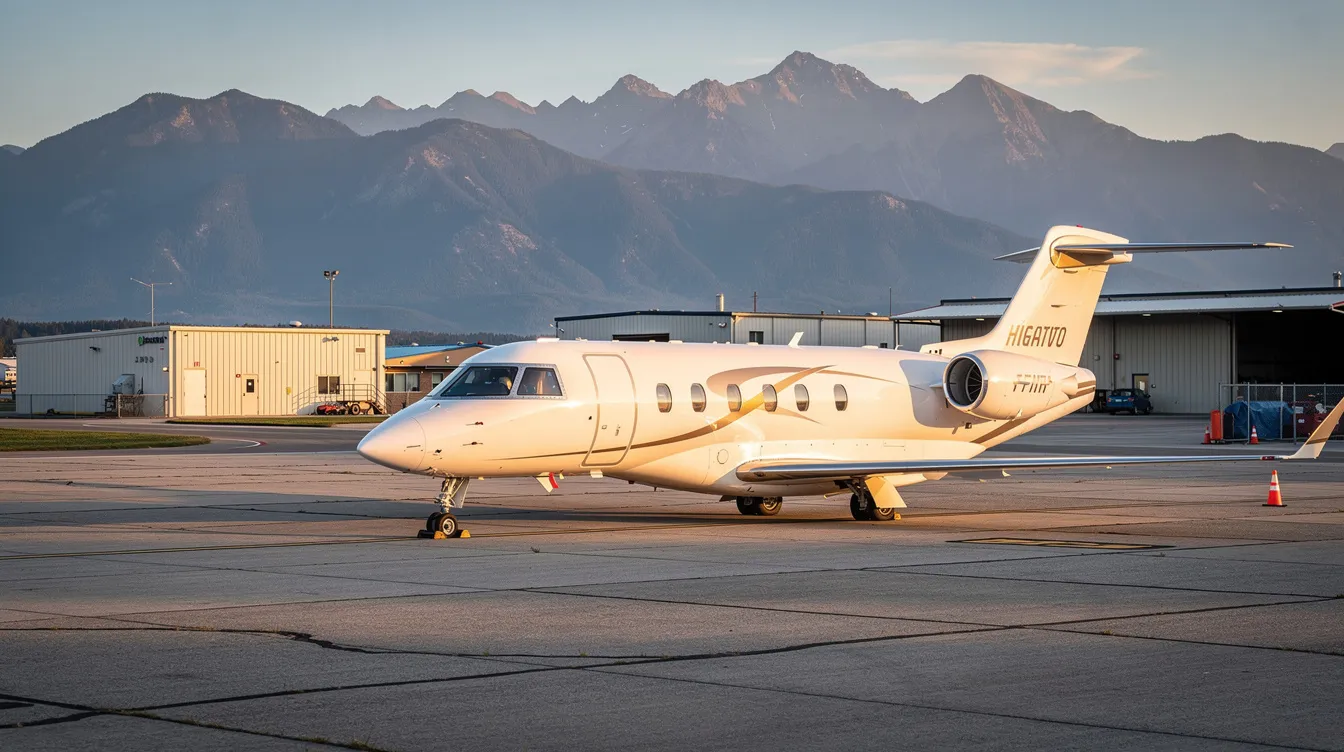
The short answer: the day you fly matters far more than the specific day you click "book a flight." Any savings by purchase day are usually small-a few percent at most.
Google Flights data shows that booking over the weekend can sometimes save between 5% to 10% on certain flights, but these differences are not large enough to justify delaying a clearly good fare. The departure day of the week has a much bigger impact on the best price.
Private jet quotes on platforms like Jettly are unaffected by purchase weekday. Rates depend on aircraft, airport pair, schedule, and operator costs.
For domestic flights, Tuesdays, Wednesdays, and Saturdays often offer the cheapest fares. Saturdays are the cheapest days for domestic flights. Fridays and Sundays are the most expensive days to fly due to weekend leisure and business demand.
For many international routes, Thursdays are the cheapest days for international flights, although the gap between days is smaller than on domestic routes. Flying on Tuesdays through Thursdays can save about 15%. Midweek flights are generally cheaper than weekend flights.
Concrete example: flying New York–London on a Wednesday night in March 2026 might be 10 to 20% cheaper than a Friday evening departure on the same airline and cabin. Use the calendar view in tools like Google Flights to visually compare fares across days when trying to find cheap flights.
Month and season often affect airfare more than any single booking day, especially around school breaks and major holidays. Airfare prices fluctuate based on seasonal demand and major holidays.
Cheapest months to fly: August and September are the cheapest months to fly. January and February are often the cheapest months for domestic travel. September and October are usually low-demand periods for air travel, making them ideal for finding the best deals.
Peak seasons (June, July, December) see higher flight prices due to demand. Traveling during shoulder seasons can yield significant savings compared to peak travel windows.
For peak events like Christmas, Thanksgiving, or major sporting events, travelers should buy tickets at the early end of the recommended booking window. Private jets for holiday weekends and big events often need to be chartered months in advance due to airport slot and parking constraints, whether you're flying to major hubs or destinations like Chennai by private jet charter. Learn more about private jet charter costs to plan accordingly.
Booking around holidays like Thanksgiving and Christmas typically requires earlier reservations to avoid high pricing.
Thanksgiving 2026 (late November): Data shows best prices appearing about 24 to 59 days before departure, with a low point roughly 35 days out. Start monitoring fares in early September and aim to book holiday flights by early to mid-October.
Christmas 2026: Lowest prices typically appear around 32 to 73 days before travel, with a sweet spot around 50 to 55 days out. Flying on the holiday itself (December 25) often yields flights cheaper than the surrounding days. Private charters may still price higher simply due to limited aircraft and crew availability during holiday periods.
Stop chasing a single perfect day to book flights. Instead, combine tools, alerts, and flexible travel dates for better prices across both economy and premium cabins.
On the private side, Jettly functions as an instant comparison and booking tool for thousands of private charter aircraft, removing the usual back-and-forth of phone quotes. For commercial travelers, define what a "good price" looks like for your route by watching fares over 1 to 2 weeks before committing, as long as you are still outside the last-minute window.
Setting up price alerts notifies travelers when fares drop, helping them catch price drops as they happen. Google Flights can notify users if flight prices change on specific routes or travel dates. You can also use flight comparison sites like Kayak or Skyscanner.
Create multiple alerts for different departure days (Tuesday vs Thursday), nearby airports, and different cabin classes for fuller visibility. A simple workflow:
Choose your travel month
Set alerts 3 to 6 months out
Track flight prices and watch for a significant drop (10 to 20%)
Buy plane tickets when that threshold is reached
Private travelers can use Jettly's cost calculator and jet card flight cost estimator to generate instant quotes repeatedly as dates or airports change, instead of relying on traditional fare alerts.
Most U.S. airlines allow free changes on standard economy tickets, having eliminated change fees in recent years. This means travelers can book flights early in the ideal window, then keep tracking prices and rebook at a lower price if fares fall.
Basic economy tickets are usually much more restrictive. Always check fare rules before relying on rebooking for better prices. Standard economy tickets and above give you the most flexibility.
Private jet prices may also shift with schedule tweaks. Using a platform like Jettly and leveraging private jet memberships lets travelers quickly compare alternate times, airports, or aircraft types to optimize total cost.
Flexibility on dates, airports, and flight times often saves more money than obsessing over a single cheapest day. Consider these strategies:
Shift departures by a day or two for midweek departures
Embrace early morning or late-night flights
Check nearby airports near major cities (e.g., Oakland instead of SFO, Burbank instead of LAX)
Adding a connection instead of insisting on nonstop can reduce ticket cost by 20% or more on some routes
For private jets, choosing a smaller aircraft, avoiding ultra-peak times, or using less congested regional airports located with an airport locator tool can lower charter costs without sacrificing comfort.
While standard economy tickets are almost always cheaper in cash terms (paying cash), private jets can be more cost-effective in total value when you factor in time saved, productivity, and overnight cost reductions.
Examples: a same-day New York–Washington, D.C. business loop on a light jet versus multiple commercial segments saves hours of airport time, especially when you choose among the best private jet charter companies with convenient scheduling. A family ski trip flying directly into a smaller mountain airport instead of connecting through a hub eliminates rental cars, layovers, and wasted half-days, and may be achievable on the cheapest private aircraft options rather than large-cabin jets.
Jettly's marketplace lets business flyers and families compare different aircraft categories-light, midsize, heavy jets, turboprops-and choose from the best private planes for families so they can match cost, range, and comfort to the specific trip. For high-stakes meetings, tight multi-city tours, or traveling with small children, the flexibility of private charter may justify a higher upfront price compared with chasing the same flights on commercial carriers, particularly when you choose models from the best private plane manufacturers tailored to your mission.

Many booking myths are outdated or unsupported by real data. Believing them can cause travelers to miss genuinely good fares while waiting for conditions that may never appear.
The Tuesday myth comes from legacy fare-loading practices when airlines published new fares early in the week. Modern dynamic pricing has made that pattern unreliable. Current data shows deals can appear any day of the week, and the difference between days is usually much smaller than the impact of booking window or travel day.
Book flights when you see a good fare within the ideal window rather than delaying to wait for a particular weekday. Private jet prices, including Jettly quotes, are not tied to weekday booking patterns at all.
There is no solid evidence that airlines systematically raise prices because a user searches multiple times or skips incognito mode. Most fare changes visible during a session are caused by inventory shifting or other customers booking the same routes, not tracking cookies.
Focus on comparing multiple tools, tracking fares over several days, and acting when a price falls into your target range. Using trusted platforms-including Jettly for private charters-provides transparent pricing and clarity on how much a private jet costs without relying on browsing hacks.
For popular commercial routes and peak travel dates, airline ticket prices usually rise in the final 14 to 21 days. Avoid booking flights too early or too late to prevent premium pricing. Last-minute deals exist but are more common on off-peak dates or less busy routes, and are not reliable for families, groups, or holiday travel.
The exception: private jet empty leg flights or crowdsourced private jet flights that share empty seats, where booking close to departure can genuinely yield large savings if your route and schedule are flexible. Treat last-minute deals as a bonus, not a core strategy for booking cheap flights.
Below are specific, practical questions covering booking limits, one-way versus round trip, and private jet timing, including when jet card programs may make sense versus ad hoc charter.
Most airlines open schedules about 330 to 360 days before departure. Booking this early makes sense only for very high-demand events or specific cabins like award tickets in business class. Booking too early may not yield the best prices. For most cheap flights, booking inside the recommended windows (1 to 3 months domestic, 2 to 8 months international) provides months' advance notice while yielding a better balance of price and choice. Private jet charters on Jettly can often be booked much closer to departure, but holidays still benefit from planning ahead.
For many traditional airlines, round-trip tickets are still priced more attractively than two one-way flight tickets on the same carrier. On competitive routes and low-cost carriers, one-way fares can be similar, making it possible to mix airlines for better overall value through online travel agencies. Private jet pricing via Jettly is based on full aircraft missions; a round-trip with a same-day return is often more efficient than two separate one-way charters days apart, and some travelers instead choose to buy a seat on a private jet on a shared flight to reduce costs.
There is no consistent pattern of fares dropping on specific calendar dates. Airlines focus on booking curves and demand patterns based on past trends, not arbitrary calendar days, when adjusting prices. Monitor fares over several days using the Expedia app or Google Flights and act on significant drops regardless of what day of the month they occur.
If dates are fixed for major holidays, buy flights toward the early part of the recommended window-often 3 to 4 months ahead for domestic and 4 to 7 months for international travel. Use price alerts as soon as desired dates are available, then find deals and buy once fares settle into a reasonable range. For private jet travel during holidays, book as soon as plans are set, or explore options to get a seat on a private jet easily if you need flexibility. Aircraft, crew, and airport slots fill seats and become limited much faster than commercial higher prices would suggest.
Jettly is a digital private aviation marketplace giving travelers access to 20,000+ aircraft worldwide, with instant pricing and the ability to buy flights on their own schedule. Instead of worrying about the best day to book flights, Jettly users choose departure times, airports, and aircraft types-sometimes using empty leg offers for money-saving opportunities and significant savings-while enhancing the onboard experience with in-flight catering for private jets.
Experience private air travel tailored to your needs. Browse available flights or get a personalized quote at https://www.jettly.com.
While there is no single perfect day to buy airline tickets, understanding the best booking windows for domestic, international, and private flights can help travelers save money and reduce stress. For commercial flights, aim to book domestic trips 1 to 3 months ahead and international journeys 2 to 8 months in advance. Flying midweek or on Saturdays often yields the lowest fares. Avoid last-minute bookings for commercial flights unless you are flexible, as prices tend to rise sharply close to departure.
Ultimately, combining flexible travel dates, fare alerts, and a clear understanding of booking windows will empower travelers to secure the best prices. Jettly's digital platform simplifies private jet charter with transparent pricing, instant booking, and access to thousands of aircraft worldwide. Learn more about Jettly's charter options at https://www.jettly.com.
Share this post:
Jay Franco Serevilla
Sep 4, 2026
|
5
min read
Discover tips and trends in the industry.

5
min read
Bell 407 Operating Cost Per Hour: Complete Owner and Charter Guide
The Bell 407 is a versatile light helicopter known for its reliability and efficiency. Understanding its operating cost per hour is crucial for potential owners and charter operators, as it varies based on fixed and variable expenses. This guide provides a comprehensive breakdown of costs, helping you make informed decisions about ownership or chartering.
Read More
5
min read
Medevac Flight Cost: What a Medical Evacuation Really Costs in 2026
In 2026, medevac flight costs range from $25,000 for short domestic transfers to over $200,000 for complex international missions. Factors influencing pricing include distance, aircraft type, and patient medical needs. Understanding these costs is crucial for families facing urgent transport decisions, especially when insurance coverage varies significantly.
Read MoreStay updated with our latest insights and tips to elevate your journey with us.
MEMBERSHIPS AND ASSOCIATIONS



Disclaimer: Jettly operates as a charter broker, offering access to a global digital jet charter marketplace. Jettly is not a direct air carrier and does not own or operate aircraft. All advertised flights are conducted by third-party air carriers that are fully licensed and hold the appropriate Part 135 or Part 121 certifications issued by the Federal Aviation Administration (FAA) or equivalent regulatory authorities under U.S. or foreign law. Jettly complies fully with the U.S. Department of Transportation's Part 295 and Part 298 Charter Broker regulations. Jettly does not carry additional liability insurance. Passengers are covered by aircraft operator insurance. TICO: 50023770


