



Login
Get Instant Pricing On 23,000+ Aircraft

>

Figuring out when to buy air tickets that actually save money is part science, part strategy, and part knowing what kind of travel fits your needs. The "right" time depends on your route, the season, and whether you are flying commercial or booking a private jet charter through a platform like Jettly. This guide breaks down the data-backed booking windows for both commercial and private flights so you can stop guessing and start acting.
The optimal booking window shifts based on route type, season, and whether a traveller chooses commercial airlines or a private charter through Jettly. Here is what the data says upfront:
Commercial economy (domestic): The sweet spot for booking domestic flights is typically 1 to 3 months before departure, with many routes hitting their lowest average airfare around 30–60 days out. International flights should be booked 2 to 8 months in advance, with the lowest prices often appearing around 60–120 days before departure.
Private jet via Jettly: Last-minute booking can actually work in a traveller's favour. Jettly's on-demand marketplace allows flights to be arranged within hours, though booking 1–3 weeks ahead for leisure trips or 24–72 hours for routine business routes typically balances cost and aircraft selection.
Peak routes and seasons: High-demand corridors like New York–London, Toronto–Vancouver, and Los Angeles–Miami during ski season usually require earlier booking than off-peak or secondary routes—often 2–5 months ahead for commercial and 1–4 weeks for private.
Verification delays: When booking last-minute or high-value tickets, travellers may encounter extra security or fraud checks—sometimes displayed as "je verzoek wordt geverifieerd" on certain platforms. These moments mean additional processing time, so keeping ID and payment details ready is important.
Test before committing: Jettly's instant-pricing search lets prospective travellers compare different dates, departure times, and aircraft categories in real time. It is the fastest way to see how timing affects cost before locking in a charter.
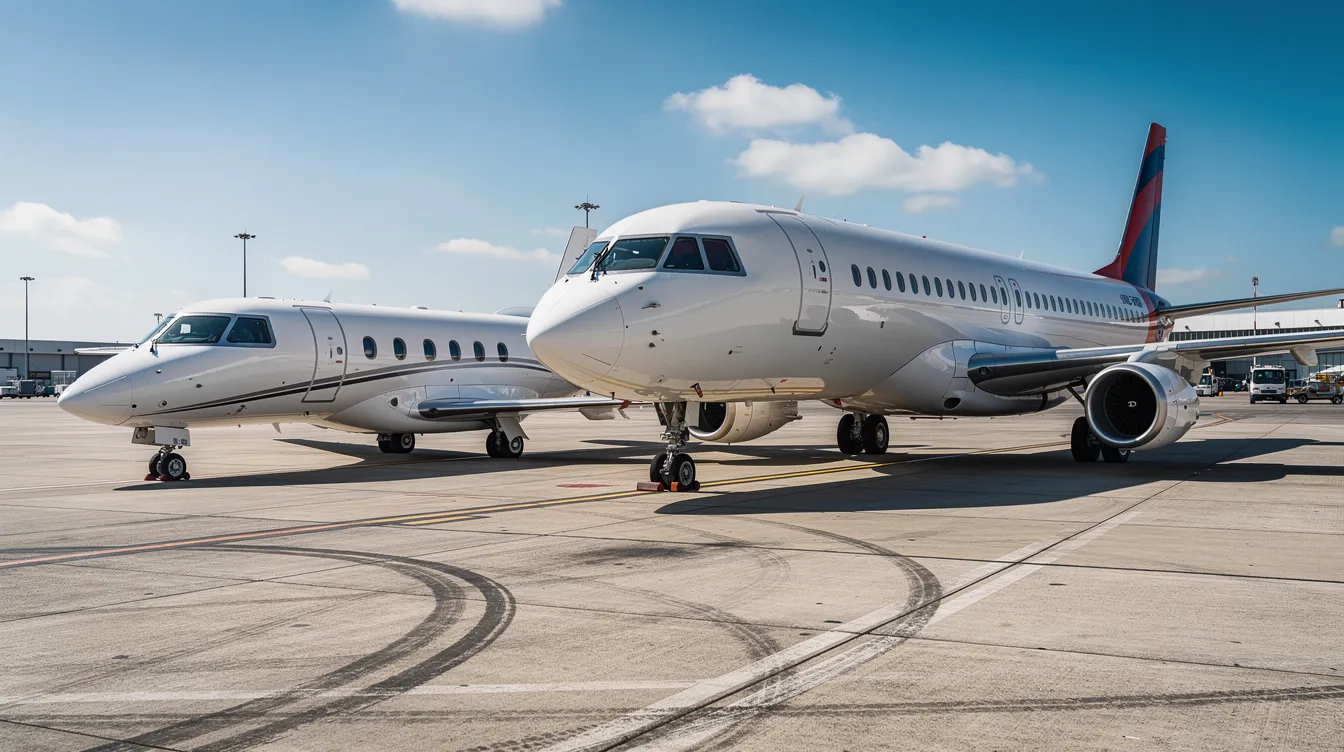
There is no single magic day that guarantees the cheapest airfare. Airline pricing is dynamic and changes constantly based on live demand, competitor activity, fuel costs, and how many seats remain in each fare class.
Airlines divide every cabin into multiple booking classes, each with its own price and rules. Early in the booking window, lower fare classes are available. As those fill up or hit advance-purchase deadlines, only higher-priced classes remain. Revenue management algorithms forecast demand and decide when to open or close each class. That is why prices rise steeply when you book too late—the discounted fare buckets are simply gone. Booking too early, however, can mean paying for undiscounted fare classes before airlines have released their promotional inventory.
Domestic economy flights on major routes (e.g., Chicago–New York, LA–San Francisco) often price best 21–60 days out. Based on five years of Google Flights data, U.S. domestic flights historically reach their lowest average fares around 39 days before departure.
Long-haul international routes (New York–London, Miami–Madrid, Toronto–Tokyo) often see better deals 60–120 days in advance. The lowest averages for international flights tend to fall around 89 days before departure.
For peak periods like Christmas–New Year, U.S. Thanksgiving, European summer holidays (June–August), and events like Art Basel Miami or the World Economic Forum, travellers should buy tickets 2–5 months in advance. For major holidays like Thanksgiving or Christmas, booking roughly 35 to 50 days out tends to capture the best balance of selection and price.
For shoulder seasons (late April–May, September–early November), travellers can often wait closer to 3–6 weeks. Travel periods like January, February, September, and October generally feature lower airfare due to decreased demand. Travelling during shoulder seasons significantly impacts airfare costs in a favourable direction.
Midweek travel, particularly on Tuesdays and Wednesdays, often yields lower fares. Flying on a Tuesday can save upwards of 14% compared to expensive Sunday departures. Sundays and Mondays are consistently the most expensive days to fly due to heavy traffic. For international departures, midweek flights on Wednesdays and Thursdays tend to offer the lowest rates. Early morning and late-night flights are often cheaper as well, since most travellers prefer mid-day schedules.
That said, tracking specific routes with alert tools like Google Flights, Skyscanner, or airline apps matters more than obsessing over the day of the week. Setting up automated price alerts can notify travellers when a route drops in price. Flight comparison apps help find lower prices quickly across multiple carriers. Using flexible date grids can reveal massive price drops by shifting travel dates even slightly, and tools that include an airport locator for secondary and private airports can uncover additional savings and routing options.
Economy tickets follow the 3–8 week pattern described above.
Premium economy and business class often have corporate demand that pushes best fares earlier, around 60–120 days out, especially on transatlantic and transpacific routes.
Last-minute business-class deals do appear but are unpredictable and should not be counted on for firm travel plans.
Same-day or 1–3 day lead time often leads to steep last-minute price surges on busy routes. However, airlines may offer last-minute promotions for same-day flights on off-peak routes or secondary airports. Booking online is possible up to 2–3 hours before departure in many cases. This is where private jets offer a genuine alternative, covered in the next section.
When booking high-value or international tickets close to departure, banks and airlines may trigger additional checks (3-D Secure, ID verification). On some booking platforms, a screen might tell you to vernieuw deze pagina niet while your request processes, or prompt you to een paar seconden doorgaan. Plan for a short delay before the ticket is fully confirmed—especially for last-minute international purchases.
Pick a target departure date.
Start watching fares 2–3 months ahead.
Set fare alerts on at least two tracking tools.
Check nearby airports for price differences.
Define an "acceptable" price range.
Buy when the fare drops into that range within the ideal window (typically 30–45 days for domestic, earlier for international).
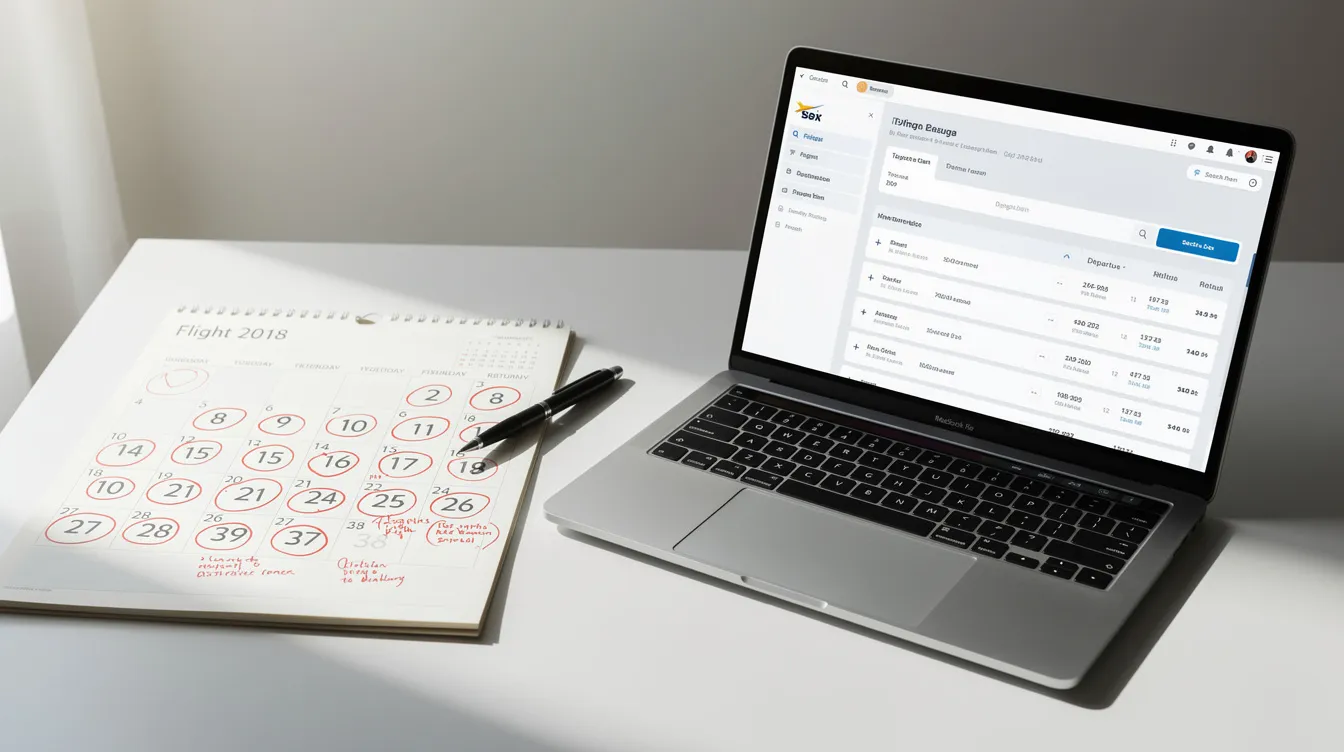
Private jet pricing follows different dynamics from commercial airlines. There are no mass "flash sales," airline-style fare classes, or hundreds of seats competing on a single route. Instead, prices vary based on aircraft availability, airport slots, crew scheduling, and how flexible the traveller is on time and aircraft type.
What private charters do offer is speed, privacy, and control. Jettly's platform gives access to over 23,000 private charter aircraft worldwide, operating as a broker that connects travellers with vetted third-party operators. No membership is required, though optional programs exist for travellers who want discounted rates and priority empty leg alerts.
The result is a cost curve that looks nothing like commercial airfare. Earlier booking gives more aircraft choices and often better hourly rates, but last-minute booking is genuinely viable—unlike commercial travel, where it usually means paying a premium. Reviewing a guide on how Jettly offers affordable private jet charter can clarify how timing interacts with total trip cost.
Common business routes (New York–Washington DC, London–Paris, Toronto–Montreal) can be arranged within 24–48 hours.
Leisure trips (LA–Las Vegas weekend, New York–Nassau, Geneva–Ibiza) often book 1–3 weeks ahead for the best selection of aircraft.
Ultra-long-range or complex multi-leg itineraries are usually best reserved 2–4 weeks out to avoid premium pricing or limited inventory; using a private jet charter cost estimator can help you see how different lead times change pricing.
Jettly's marketplace can source aircraft on a few hours' notice for medical, family, or business emergencies. Constraints may apply—crew duty limits, airport operating hours, weather, and customs clearance for international routes. Prices for ultra-short-notice flights are typically higher due to repositioning costs and limited options. For more on this, see Jettly's guide on how to book a same-day private jet charter.
Light jets and turboprops for short hops (Boston–Toronto, Nice–Olbia) are often plentiful and can tolerate shorter lead times without significant price increases, especially if you apply affordable luxury strategies for booking the cheapest private jet flights.
Large-cabin and ultra-long-range jets (New York–Dubai, LA–London) are fewer in number, making earlier booking advantageous for both selection and cost; understanding how much a private jet costs at different sizes and ranges can inform when you decide to commit.
Alongside traditional on-demand quotes, platforms like Zenflight instant-book private jet charter illustrate how real-time availability and pricing can streamline the decision of when to buy.
Travellers enter their route, dates, and passenger count to see live or indicative pricing. From there, they can refine options—aircraft category, Wi-Fi, pet accommodation, baggage needs—before sending a formal charter request. That request is then verified by Jettly's team and partner operators. During this step, je kunt over een paar minutes typically expect confirmation as the operator checks aircraft maintenance status, crew availability, insurance, and any required permits.
These are repositioning flights already scheduled to fly empty—one aircraft heading to pick up the next charter or returning to base. Jettly surfaces available empty leg flights that can be 25–75% cheaper than standard charter rates, and its shared-flight tools let travellers crowdsource private jet flights and share empty seats to reduce costs even further. For example, a heavy jet from NYC to Miami that normally charters for around $28,500 might list as an empty leg for approximately $13,500. The catch: timing is different. Most empty legs are published just 1–14 days before departure, with many appearing only 24–72 hours ahead. Travellers need flexibility on day and time to take advantage. Learn more about empty leg strategies to maximise savings.
New York–Miami in winter, Los Angeles–Aspen during ski season, and London–Nice in late spring are best secured 1–4 weeks earlier to ensure aircraft availability.
Midweek business trips between financial centres can often be arranged 48–72 hours ahead with competitive pricing, whether you are flying between major hubs or using regional bases such as private jet charter in Kolkata, West Bengal.
Once a traveller selects a flight option, operators must confirm crew legality, aircraft availability, and regulatory compliance. This is why instant quotes are indicative until Jettly verifies the request and issues a final charter agreement. For cross-border flights, overflight permits and customs clearances add time—another reason booking a few days ahead helps. Understanding how Part 135 charter companies operate and are regulated can also shed light on why these checks matter. Count on a few extra hours for these checks when planning international private charters.
Ready to see what private jet travel looks like for your next trip? Explore options or request a quote at https://www.jettly.com. Experimenting with different dates and departure times on the platform is the fastest way to find a workable combination of timing, aircraft, and budget.

Whether buying a commercial economy ticket or chartering a private jet through Jettly, the decision of when to buy air ticket options comes down to three variables: route demand, personal flexibility, and trip purpose. Here is how to put those variables to work.
Define your must-have times and airports.
Start tracking fares 2–3 months out.
Set a target budget based on historical pricing for your route.
Watch how prices move week by week.
Purchase when fares drop near or below your target within the ideal window (e.g., 30–45 days for many domestic routes).
Travellers who can adjust travel by ±1–2 days or use alternate airports (e.g., flying into Fort Lauderdale instead of Miami, Newark instead of JFK, London Stansted instead of Heathrow) can wait slightly longer and often find better deals. Flexibility with airports can save significant money on flights. Consider shifting travel dates by a day or two for potential savings of 10% to 20%, and weigh whether jet rentals vs. first-class tickets for corporate travel change the ideal booking window for your trip.
Those with non-flexible events such as weddings, board meetings, or major sports events should buy earlier to lock in selection and avoid last-minute surges.
When prices spike, or seat maps start to fill, some travellers also reassess whether commercial still fits their needs and look instead at the best private jet charter companies and options, where availability and fixed-rate programs can influence when it makes sense to book.
Sustained price increase for 5–7 days in a row.
Limited seat availability (few seats left in your desired cabin).
Approaching 21 days before departure on a busy route with no sign of fare drops.
Multiple competing airlines on the same route.
Prices that are above historical norms months in advance.
Off-peak travel days (Tuesday, Wednesday, Saturday) where last-minute seats often remain.
For fixed-date business trips, request quotes 1–3 weeks ahead to compare aircraft. Understanding the real cost of flying private helps set realistic expectations and highlights why a NetJets alternative like Jettly for more flexible private flying can change the timing calculus.
For flexible leisure getaways, browse Jettly's empty legs and on-demand options 3–10 days before the desired departure, applying affordable luxury tips for booking the cheapest private jet flights to decide when to lock in a deal.
For short-notice trips, the "right time" is effectively as soon as the traveler's schedule firms up. A last-minute private jet charter is entirely feasible through Jettly's network.
For both commercial and private flights, last-minute bookings may trigger extra verification. Most airlines allow free cancellation or changes within 24 hours of booking, which provides a safety net. On the private side, je verzoek wordt geverifieerd once you submit a charter request—operators need to confirm crew, aircraft, and compliance before the quote becomes binding. Travellers who fly privately more than a few times per year may find that private jet memberships with wholesale-style rates change how far in advance they prefer to book. Travellers should ensure passports, visas, and payment methods are ready at least 24 hours before departure.
The best timing blends data (fare tracking, seasonality), personal flexibility, and access to the right tools. For commercial travel, that means fare alerts and flexible date searches. For private charters, it means testing dates and routes on Jettly's marketplace—and requesting a quote when a commercial schedule or cabin class no longer fits.

The following FAQs cover practical details and edge cases that do not fit neatly into the main sections—especially around last-minute decisions, holiday travel, and private jet specifics, including how to buy a seat on a private jet and understand its costs.
For most major airlines in North America and Europe, walk-up same-day tickets at the airport are rarely cheaper than online options, especially on busy routes like New York–Chicago or London–Amsterdam. Low-cost carriers sometimes offer desk-only changes or fees, but genuine last-minute fare deals more often appear through apps and price-comparison tools than at the physical counter. Airlines may occasionally offer same-day standby or promotional fares online, but these are the exception rather than the rule.
For high-demand holidays (Christmas, New Year's, Chinese New Year, Easter, summer school breaks), travellers should secure commercial tickets 2–5 months in advance, especially for family itineraries requiring multiple seats together. Concrete example: buying New York–Orlando or London–Tenerife flights by late September for Christmas travel helps avoid steep last-minute increases. For more detail on whether holiday flight prices will drop, see Jettly's dedicated breakdown.
Many business travellers secure private jet charters about 7–14 days before departure to balance schedule certainty with aircraft choice, particularly on routes like Toronto–New York or Frankfurt–Zurich. Through Jettly, it is still feasible to arrange flights within 24–48 hours, but the earlier request usually results in a wider range of aircraft and potentially more favourable pricing. Use Jettly's charter cost estimator to compare lead-time scenarios.
Travellers with uncertain plans can prioritise refundable or changeable fares on commercial airlines (most carriers allow free cancellation within 24 hours of booking). Alternatively, Jettly offers flexible private charter options where departure times can adapt around meetings or weather, and there are multiple easy ways to get a seat on a private jet when your schedule firms up. A hybrid strategy works well: secure the critical outbound leg early for events like conferences or weddings, and wait slightly longer on the return if fare rules and costs allow changes.
Pick a specific route and date—for example, New York–Miami on a Thursday in January—then compare commercial business-class fares against a light or midsize jet quote via Jettly's instant-pricing tool. For groups of 4–8 travellers, private charter through Jettly can sometimes approach or undercut the per-person cost of business class, especially on short-haul or regional routes. Travellers who fly frequently may also want to compare jet card costs and pricing structures or explore Jettly's jet card programs to see how committing to block hours affects when it makes sense to book. That makes the timing of private booking a practical alternative to chasing commercial fare drops. Explore options and request a quote at https://www.jettly.com.
Knowing when to buy air ticket options is crucial for optimising travel costs and convenience, whether flying commercial or booking a private jet through Jettly. Commercial flights generally offer the best prices when booked 1 to 3 months in advance domestically and 2 to 8 months ahead internationally. Travellers benefit from flexibility in dates and airports, midweek travel, and setting fare alerts to catch price drops.
Private jet charters with Jettly provide unmatched flexibility, allowing last-minute bookings with competitive pricing and access to a vast global fleet. Booking 1–3 weeks ahead for leisure or 24–72 hours for business trips balances cost and availability. Empty leg flights and instant pricing tools offer additional savings and transparency.
Ultimately, the best timing blends data-driven fare tracking, personal schedule flexibility, and the right tools. Jettly’s platform empowers travellers to make informed decisions and enjoy the convenience, privacy, and efficiency of private air travel. Ready to experience private travel on your terms? Explore flight options or request a quote at https://www.jettly.com.
Share this post:
Jay Franco Serevilla
Oct 31, 2026
|
5
min read
Discover tips and trends in the industry.

5
min read
Boeing Planes: Guide to Boeing Commercial Aircraft, Boeing Business Jets, and Travel Choices
This comprehensive guide explores Boeing's commercial aircraft, business jets, and travel options, helping travelers and aviation enthusiasts make informed choices. From the iconic 737 MAX to the luxurious BBJ variants, Boeing planes cater to various needs, whether for commercial flights or private charters. Understanding the differences in aircraft types and configurations can enhance the travel experience and optimize costs.
Read More
5
min read
Air Force One Layout: Inside America's Flying Oval Office
Air Force One is a highly modified Boeing 747 that serves as the U.S. president's airborne command center. Its layout includes dedicated zones for governance, security, and press operations, ensuring the president remains operational at 45,000 feet. With approximately 4,000 square feet of space, the aircraft is designed for privacy and efficiency, accommodating up to 76 passengers and 26 crew members.
Read MoreStay updated with our latest insights and tips to elevate your journey with us.
MEMBERSHIPS AND ASSOCIATIONS



Disclaimer: Jettly operates as a charter broker, offering access to a global digital jet charter marketplace. Jettly is not a direct air carrier and does not own or operate aircraft. All advertised flights are conducted by third-party air carriers that are fully licensed and hold the appropriate Part 135 or Part 121 certifications issued by the Federal Aviation Administration (FAA) or equivalent regulatory authorities under U.S. or foreign law. Jettly complies fully with the U.S. Department of Transportation's Part 295 and Part 298 Charter Broker regulations. Jettly does not carry additional liability insurance. Passengers are covered by aircraft operator insurance. TICO: 50023770


