



Login
Get Instant Pricing On 23,000+ Aircraft

>
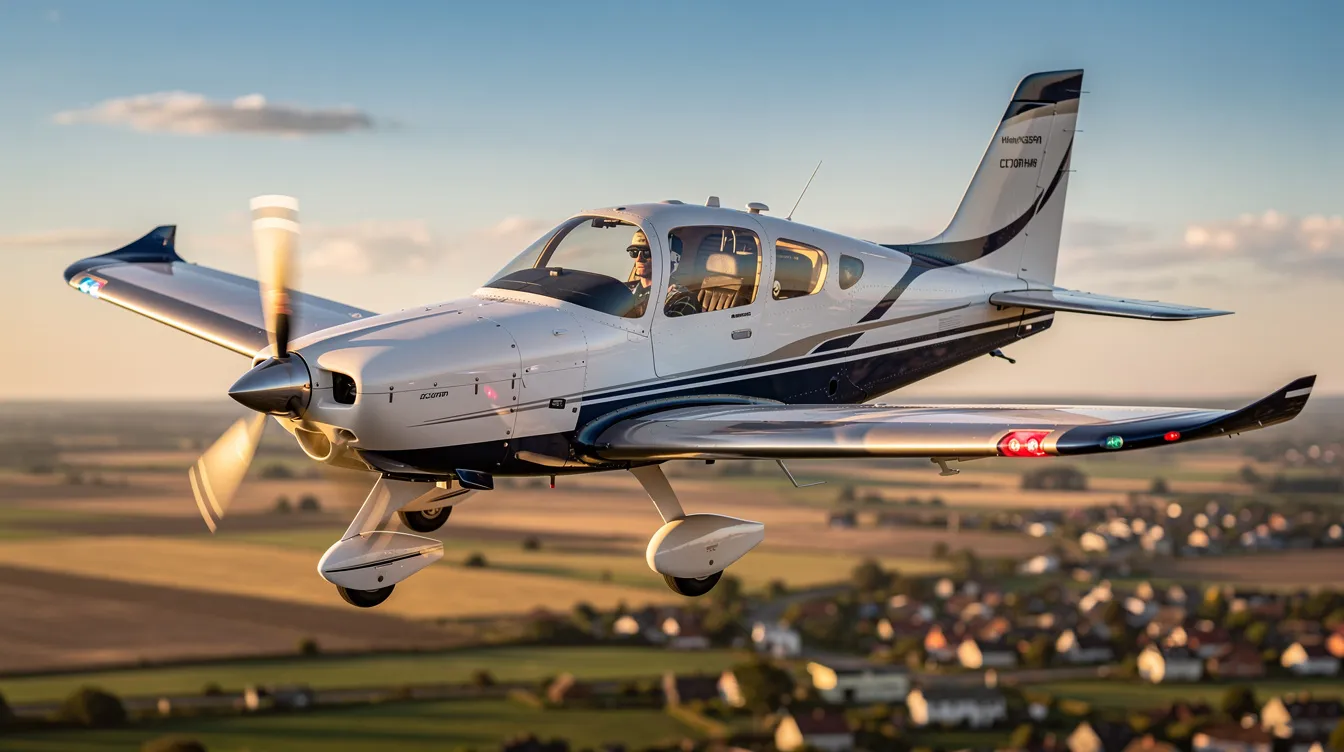
Choosing the best single-engine airplane for cross-country flying in 2026 means weighing speed, range, comfort, and cost against how you actually plan to use the aircraft. Whether you dream of flying coast-to-coast in your own plane or need a practical platform for 500-mile business legs, the right pick depends on your mission profile, your budget, and how many hours per year you spend in the sky.
This guide is for private pilots, aircraft owners, and business travelers considering cross-country flying in a single-engine airplane. Choosing the right aircraft can save time, money, and improve safety on long trips.
This guide breaks down the top piston aircraft and high-performance singles for serious cross-country travel, compares ownership with on-demand charter, and explains when stepping up to a turboprop or light jet through Jettly makes more sense than pushing a piston single to its limits.
The best choice of aircraft depends on speed, range, payload, and safety. Single-engine aircraft are popular for long-distance cross-country flying, but no single model fits every trip.
Top single-engine aircraft include:
Cirrus SR22
Mooney Acclaim
Piper M350
Beechcraft Bonanza G36
Diamond DA50 RG
Capable Piper Cherokee derivatives
"Single-engine aircraft" here primarily means modern, high-performance piston airplanes. For missions above 1,000 nm, single-engine turboprops often deliver better range and altitude performance.
For trips above roughly 1,000–1,200 nm or multi-leg business travel, private charter via Jettly is typically more time- and cost-efficient than owning a long-range single-engine airplane.
Later sections compare ownership versus charter costs, walk through real-world route examples, and offer guidance on when to fly your own single-engine versus using Jettly.
"Best" always depends on your mission. A solo pilot running 400 nm business legs has different needs than a family of four heading to California for a week. VFR sightseeing demands different equipment than serious IFR travel across mountain ranges at night.
Here is what this guide evaluates:
Performance criteria:
Cruising speed (impacts flight time and fuel efficiency)
Usable range with reserves (range: how far the aircraft can fly on a full tank)
Fuel burn per hour
Useful load (the maximum weight an aircraft can carry, including passengers and baggage)
Climb performance for real-world legs
Fuel capacity (amount of fuel the aircraft can hold)
Key features to evaluate include range and fuel capacity.
Comfort and ergonomics: Cabin size, seating configuration, noise levels, heating and ventilation all affect how you feel after three to five hours in the cockpit. A spacious cabin matters more than you think on a long journey.
Safety and technology: Modern glass cockpits (which improve pilot fatigue during long flights), synthetic vision systems for safety, autopilots with envelope protection, and whole-airframe parachutes reduce workload over longer flights.
Economics: Acquisition cost, hourly direct operating costs, maintenance, insurance, and hangar fees all factor in. Performance varies based on aircraft condition, configuration, and operating conditions, so evaluating aircraft should always account for safety, efficiency, and cost of operation.
Charter as a complement: Some pilots use a personal piston aircraft for regional trips and rely on Jettly's turboprops and light jets for longer, time-critical missions, combining the versatility of ownership with the capability of on-demand private charter aircraft services.
This section gives a shortlist of standout single-engine aircraft that excel at cross-country flying. Piston aircraft typically cruise at 120–180 knots with ranges of 500–1,000 nautical miles, while single-engine aircraft overall can cruise at speeds of 120 to 200 knots. Long-distance flying generally implies legs of 300 to 1,000 nautical miles.
Here are the models worth your focus:
Cirrus SR22T - Tech-forward high performance with a whole-airframe parachute
Mooney Acclaim Ultra - Speed and efficiency leader in the piston class
Beechcraft Bonanza G36 - Comfort and load-carrying for family travel
Diamond DA50 RG - Modern design, fuel efficiency, and Jet-A reliability
Piper M350 - Pressurized high performance for weather-beating IFR legs
Piper Cherokee family - Established, affordable entry for cost-conscious cross-country trips
|
Aircraft |
Cruise Speed (KTAS) |
Range w/ Reserves (NM) |
Seats |
Key Feature |
|---|---|---|---|---|
|
Cirrus SR22T |
~213 |
800–950 |
5 |
CAPS parachute |
|
Mooney Acclaim Ultra |
~242 |
1,100–1,275 |
4 |
Fastest piston single |
|
Bonanza G36 |
~175 |
860–950 |
6 |
Comfort and payload |
|
Diamond DA50 RG |
~181 |
750–820 |
5 |
Diesel / Jet-A engine |
|
Piper M350 |
~213 |
Up to 1,343 |
6 |
Pressurized cabin |
Readers doing frequent 800–1,500 nm legs should also consider single-engine turboprops and private jet charter, covered below.
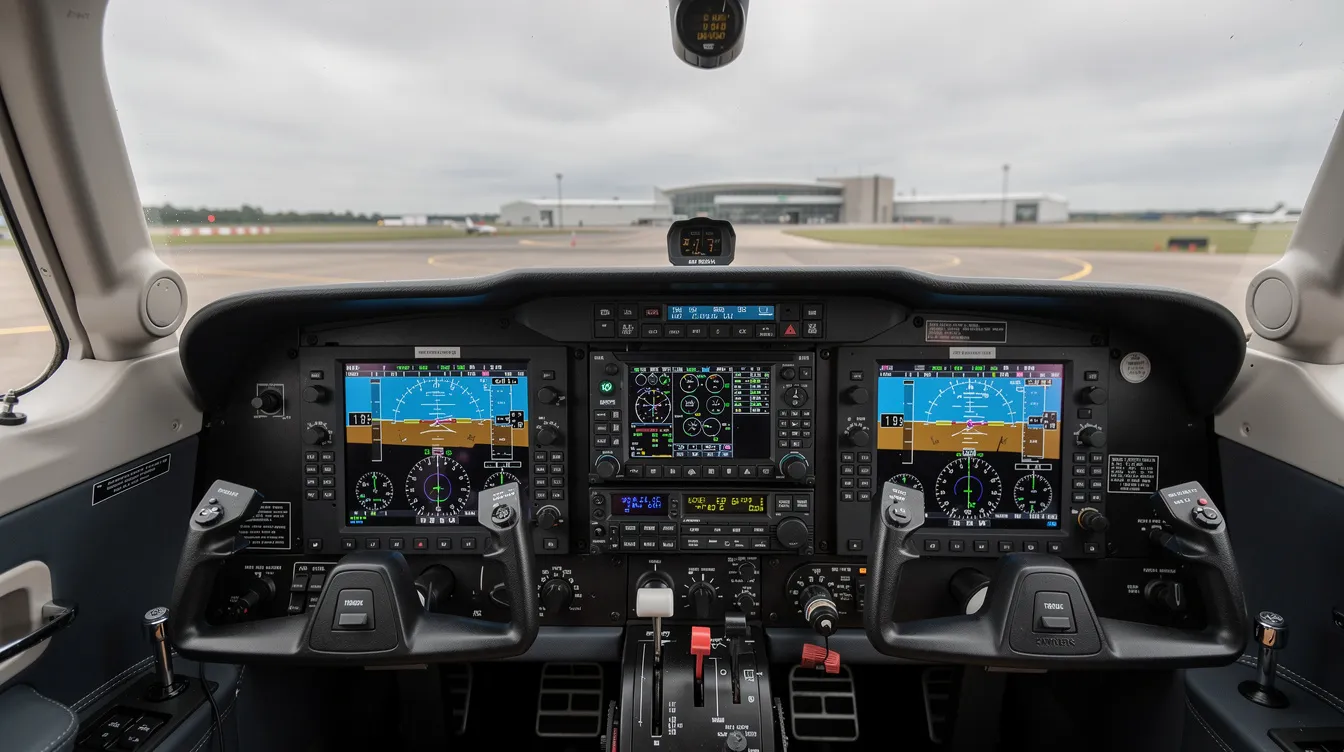
High-performance single-engine aircraft trade higher purchase and operating costs for faster cruise and longer legs. They make sense for dedicated cross-country pilots who value velocity and time savings.
Mooney Acclaim Ultra: The fastest single-engine plane in the piston class. The Mooney Acclaim Ultra reaches a top speed of about 242 knots and can achieve a maximum range of 1,800 nautical miles under ideal conditions with long-range tanks. It demands high pilot proficiency but rewards with coast-to-coast capability in two or three legs.
Cirrus SR22T: The Cirrus SR22 cruises at about 183 KTAS in standard trim, while the turbo SR22T pushes to roughly 213 KTAS at 18,000 feet. The Cirrus SR22T has a maximum range often exceeding 1,000 nautical miles. Its Cirrus Airframe Parachute System (CAPS) has a 95% survival rate, and advanced avionics (Garmin Perspective+) make it a strong pick for family cross-country trips.
Piper M350: The Piper M350 cruises at about 213 knots with a pressurized cabin that reduces the need for supplemental oxygen at high altitude. With a max range near 1,343 nm, it handles serious IFR cross-country legs where weather avoidance matters. The Cessna TTx, while discontinued, remains relevant on the used market for its similar speed.
These airplanes are ideal for 600–900 nm business trips or coast-to-coast missions. When passengers or schedule demands increase, stepping up to a turboprop or light jet via Jettly is the logical next move.
Not every cross-country pilot chases raw speed. For many, cabin comfort, payload, and forgiving handling matter more over long days in the air, especially with family aboard.
Beechcraft Bonanza G36: Six seats, cruise near 170–175 KTAS, and a production history stretching back decades make the Bonanza an established cross-country platform. It can carry roughly 1,033 lb of useful load and handles multi-day touring with luggage well.
Piper Cherokee family: The Piper Cherokee line (Archer, Arrow, Saratoga, Cherokee Six) offers stable handling, straightforward systems, and useful cabin space for regional trips in the 300–600 nm range. These are not the cheapest airplanes to buy, but their affordability relative to high-performance models and their reliability make them accessible to new pilots stepping into cross-country flying. Many flight schools use Cherokee variants for training, and the skills transfer directly.
Diamond DA50 RG: This aircraft entered the U.S. market in 2024 after FAA certification in July 2023. With composite materials throughout, retractable gear, a Jet-A-burning turbodiesel engine, and cruise around 180 KTAS, the Diamond DA50 RG has a range of over 1,000 nautical miles. Its modern design and fuel efficiency appeal to pilots who want to save money on fuel while flying a technologically current airframe. Diamond also builds the DA40, which has one of the best safety records in aviation, a reference point for the brand's safety-first approach.
The Cessna 172 Skyhawk, with over 44,000 units produced since 1956, is not a cross-country speed machine but remains the world's most-produced aircraft and a solid leisure touring option for shorter legs. It should not be confused with a light sport aircraft, though some pilots in that category eventually upgrade to Cessna or Cherokee models for more capability.
Match your mission to cabin layout and useful load, not just brochure cruise numbers.
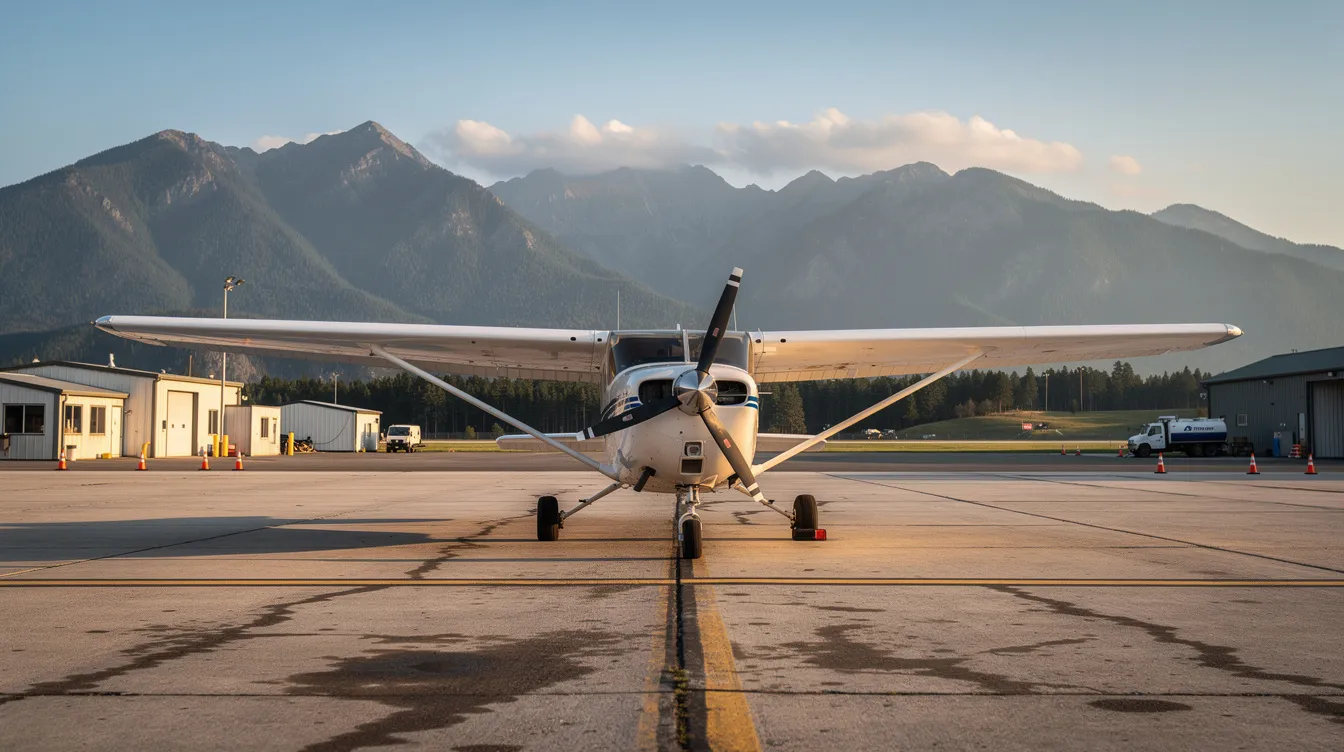
CCross-countryflying in practice means planning realistic segments, not chasing maximum-range figures.
Book cruise vs reality: Published speeds assume clean configurations at optimal altitude. Winds aloft, temperature, and loading often reduce true groundspeed by 10–30%. Assuming favorable winds on every leg is a mistake that experienced pilots learn to avoid.
Range planning: Real-world legs are usually 60–75% of brochure range to maintain fuel reserves and comfort. Piston single-engine aircraft typically range from 500 to 1,000 nautical miles, but responsible planning means stopping well short of dry tanks.
Human factors: Pilot fatigue is a serious factor. Flying six to seven hours in a piston aircraft in one day is a very different experience from a 90-minute hop. Pilots complete recurrent training every 6–12 months for safety, and that training reinforces the importance of personal minimums and rest. Modern small aircraft feature synthetic vision systems for safety, and autoland systems can land aircraft during pilot incapacitation, but these are supplements to good judgment, not replacements.
Speed comparison: An 800 nm trip in a slower single cruising at 130–140 KTAS takes roughly six hours plus a fuel stop. The same trip in a high-performance single at 200+ KTAS takes under four hours, potentially nonstop. That time difference can shape an entire travel day.
For missions consistently above 900–1,000 nm, many owners supplement personal flying with Jettly charters to reduce long, fatiguing flying days, and guides on finding the best cross-country plane can help refine that decision.
Piston single-engine aircraft handle most cross-country missions up to about 800–1,000 nm well. Beyond that, turboprops or chartered jets become more efficient and comfortable.
Turboprops: Single-engine turboprops like the Pilatus PC-12 NGX or Daher TBM series can cruise at 260–300 knots and handle short runways. They offer pressurized cabins, 1,500–1,800 nm range, and the capability to fly above most weather. Single-engine turboprops offer the best range and altitude performance in the single-engine world.
Cost reality: Owning a long-range, high-performance piston or turboprop suitable for regular 1,200+ nm flights can cost $800–$1,500 per hour when all expenses are included, and understanding private jet operating costs in detail shows how quickly that money adds up.
Jettly's platform: Jettly connects travelers to over 20,000 unique aircraft—from piston aircraft and turboprops to light jets that cruise at 400–450 knots and typically seat 6–8 passengers—with instant pricing, an airport locator tool, and on-demand booking. Chartering eliminates high ownership costs and maintenance fees. Charter services also offer access to smaller airports not served by airlines.
When charter wins: Occasional transcontinental business trips, international legs beyond a single engine's safe range, or carrying five to eight passengers in comfort. Private jet charters can cut trip times by 30–50% compared with multi-stop piston legs. Chartering provides flexible scheduling without long-term commitments.
Consider a 1,700 nm trip: in a high-performance single, you are looking at multiple stops and a full day or more. A chartered light jet via Jettly completes it in roughly four hours, door to door.
Many readers are weighing whether owning a single-engine airplane makes sense for their cross-country travel or whether private charter is a smarter use of money, so understanding how much a private jet costs over time is critical.
Acquisition costs (2025–2026): Used high-performance piston singles run $300,000–$1.2M. Single-engine turboprops land between $3M–$6M. The shape of the used market remains tight for well-equipped models.
Annual fixed costs: Hangar or tie-down, insurance, maintenance reserves, engine and prop overhauls, training currency, and equipment upgrades. These costs exist whether you fly 50 hours or 300 hours per year.
Hourly ownership costs: High-performance piston aircraft run roughly $250–$450 per hour in direct costs, plus fixed cost allocation. Turboprops often reach $800–$1,500 per hour all-in, which is comparable to what you’ll see when using a jet card flight cost estimator for similar mission profiles.
Charter pricing: Platforms like Jettly offer pay-per-trip transparency with no long-term commitment. You can estimate charter flight pricing for your specific routes and compare directly, using guides on affordable private jet charter costs to understand which levers really move the price.
Usage threshold: Owning tends to make sense above roughly 200–300 flight hours per year. Below that, fixed costs dominate per-hour economics. Pilots flying fewer hours can often save both time and money by chartering through Jettly or using flexible private jet memberships instead of stepping up to a larger or faster aircraft they will underutilize.
Concrete trip examples help you apply all this information to your own travel patterns.
400–500 nm regional business trip (Dallas–Denver): A Cirrus SR22T or Bonanza G36 handles this nonstop in about 2.5–3 hours. Flight time is short enough that comfort differences between models are minimal. This is the sweet spot for piston ownership, though understanding affordable airplane rental costs and options helps if you’re not ready to buy.
800–1,000 nm family vacation (Chicago–Florida coast): A Mooney Acclaim Ultra or Diamond DA50 RG may need one fuel stop. Stepping up to a single-engine turboprop or light jet charter via Jettly saves a complete travel day and eliminates the fatigue of a long journey with kids and luggage, especially if you take advantage of crowdsourced private jet flights and shared empty seats to reduce costs.
1,500–1,700 nm long-haul (New York–Las Vegas): This is near the practical upper limit for piston singles even with long-range tanks. Two or three legs, multiple fuel stops, and at least a full day en route. Chartering a turboprop or light jet through Jettly completes it in one or two shorter, comfortable legs and can be a compelling NetJets alternative for flying private.
Recreational touring (250–300 nm legs): A well-equipped Piper Cherokee or Cessna Skylane is ideal for leisure cross-country touring across the world, stopping at small airports, and enjoying the adventure, while resources like an ultimate list of charter airlines can inspire occasional upgrades to private charter on longer legs. Not time-sensitive, but deeply satisfying for pilots who fly for the love of aviation.
Explore real aircraft options and pricing for your typical routes at jettly.com, use tools like the Jet Card flight cost estimator, or compare world-class corporate jet card programs if you fly frequently on business.
These FAQs address common concerns not fully covered above, with a focus on practicality and planning.
Realistically, 600–1,000 nm depending on speed, weather, and pilot stamina. Even with a high-performance single cruising above 200 KTAS, splitting long routes into two or three legs per day is wiser for safety and comfort. Most pilots plan two to three hours per leg with breaks in between.
With proper IFR training, terrain awareness technology, and careful route planning, many pilots do this regularly. Engine reliability in modern singles is strong. That said, conditions over high terrain (like the Rockies) or at night over remote land demand respect. When conditions are marginal, choosing a multi-engine charter option is the conservative call.
Jettly lets users filter by aircraft type and performance. Actual availability depends on the operator and region. The platform connects you with operators across the world and vetted partners such as DEXTER AIR TAXI, so options vary, but you can always specify your preferences when requesting a quote.
For ownership, account for fuel (roughly $150–$350 per hour in a high-performance piston), overnights, maintenance reserves, and insurance allocation using detailed private jet operating cost breakdowns as a reference point. Then compare that with rental or charter scenarios using guides to afford airplane rental costs and options, and finally get an instant charter quote on Jettly for the same route. In many cases, especially for trips above 800 nm with multiple passengers, charter comes out ahead once you factor in all costs.
Weight-and-balance limits in single-engine aircraft are real constraints. Most piston singles have modest baggage compartments. Jettly operators typically accommodate pets and oversized items when planned—just mention it when booking, especially if you have specific in-flight catering needs through Jettly Eats that may add weight or require special handling.
The best single-engine airplane for cross-country in 2026 comes down to matching your actual travel patterns to the right combination of speed, range, comfort, and ownership cost. High-performance piston aircraft like the Mooney Acclaim Ultra and Cirrus SR22T deliver impressive velocity for serious cross-country legs. Comfortable cruisers like the Bonanza G36, Diamond DA50 RG, and Piper Cherokee derivatives serve pilots who value payload and cabin space over raw speed.
Many pilots and travelers use a hybrid approach: flying their own single-engine aircraft for regional trips and relying on private charter via Jettly for longer, multi-passenger, or time-critical missions. Consider not only flight time but also door-to-door efficiency, fatigue, and scheduling flexibility.
Ready to explore flight options for your next cross-country trip? Request a quote at https://www.jettly.com, or consider joining Jettly’s ULTRA High Ticket affiliate program if you regularly refer other travelers or aircraft owners.
Share this post:
Jay Franco Serevilla
Oct 14, 2026
|
5
min read
Discover tips and trends in the industry.
5
min read
PrivateFlite Aviation & Modern Private Jet Charter: How Jettly Helps You Fly Smarter
PrivateFlite Aviation, based in Sellersburg, Indiana, offers a safety-first approach to private jet charter through Jettly's digital marketplace. With an ARGUS Platinum Rating and a fleet of Citation Bravo and Sovereign+ jets, they provide personalized service and flexible travel options for discerning travelers. This guide explores their offerings, safety credentials, and how to book flights seamlessly via Jettly.
Read More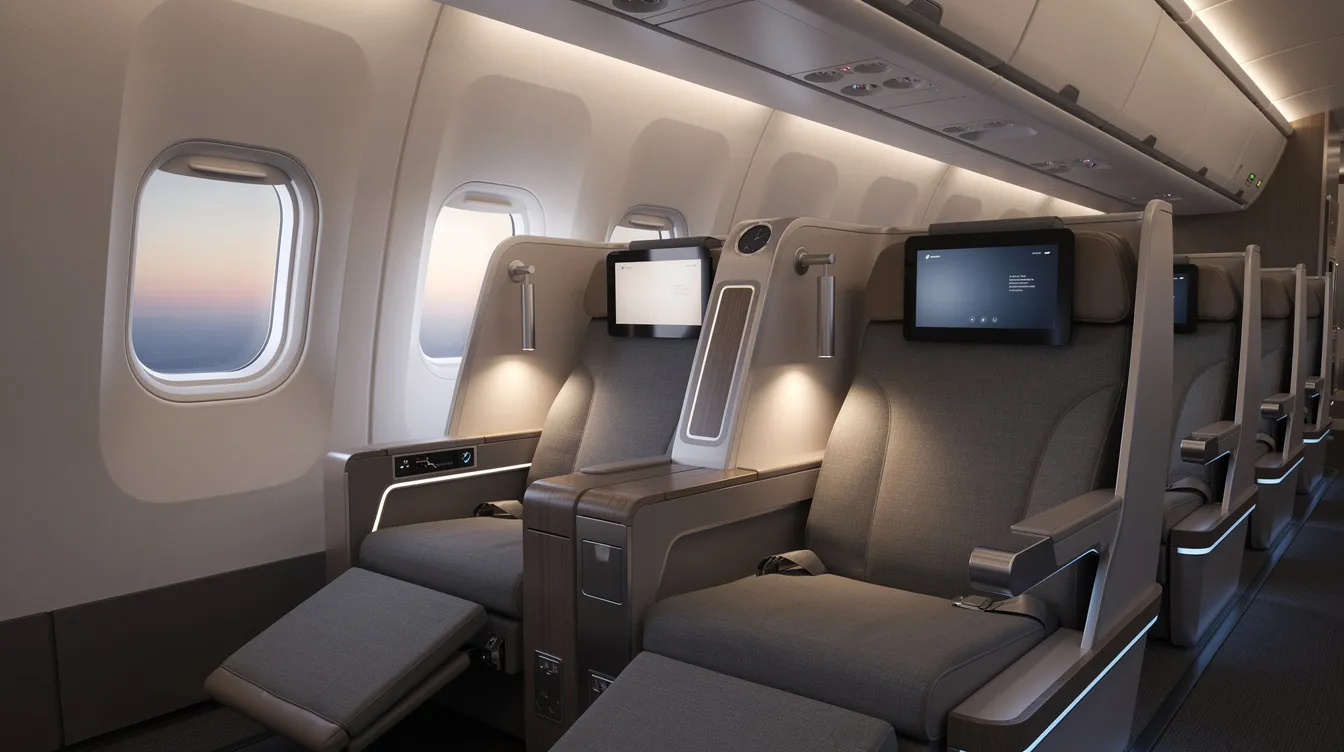
5
min read
Business Class in Flight: Comfort, Cost, and Private Jet Alternatives with Jettly
Flying business class offers travelers enhanced comfort, priority services, and access to airport lounges, making long-haul flights more enjoyable. However, for those seeking ultimate privacy and flexibility, private jet charters through platforms like Jettly present a compelling alternative. This guide explores the benefits, costs, and comparisons between business class and private jet travel.
Read MoreStay updated with our latest insights and tips to elevate your journey with us.
MEMBERSHIPS AND ASSOCIATIONS



Disclaimer: Jettly operates as a charter broker, offering access to a global digital jet charter marketplace. Jettly is not a direct air carrier and does not own or operate aircraft. All advertised flights are conducted by third-party air carriers that are fully licensed and hold the appropriate Part 135 or Part 121 certifications issued by the Federal Aviation Administration (FAA) or equivalent regulatory authorities under U.S. or foreign law. Jettly complies fully with the U.S. Department of Transportation's Part 295 and Part 298 Charter Broker regulations. Jettly does not carry additional liability insurance. Passengers are covered by aircraft operator insurance. TICO: 50023770


