


Login
Get Instant Pricing On 23,000+ Aircraft

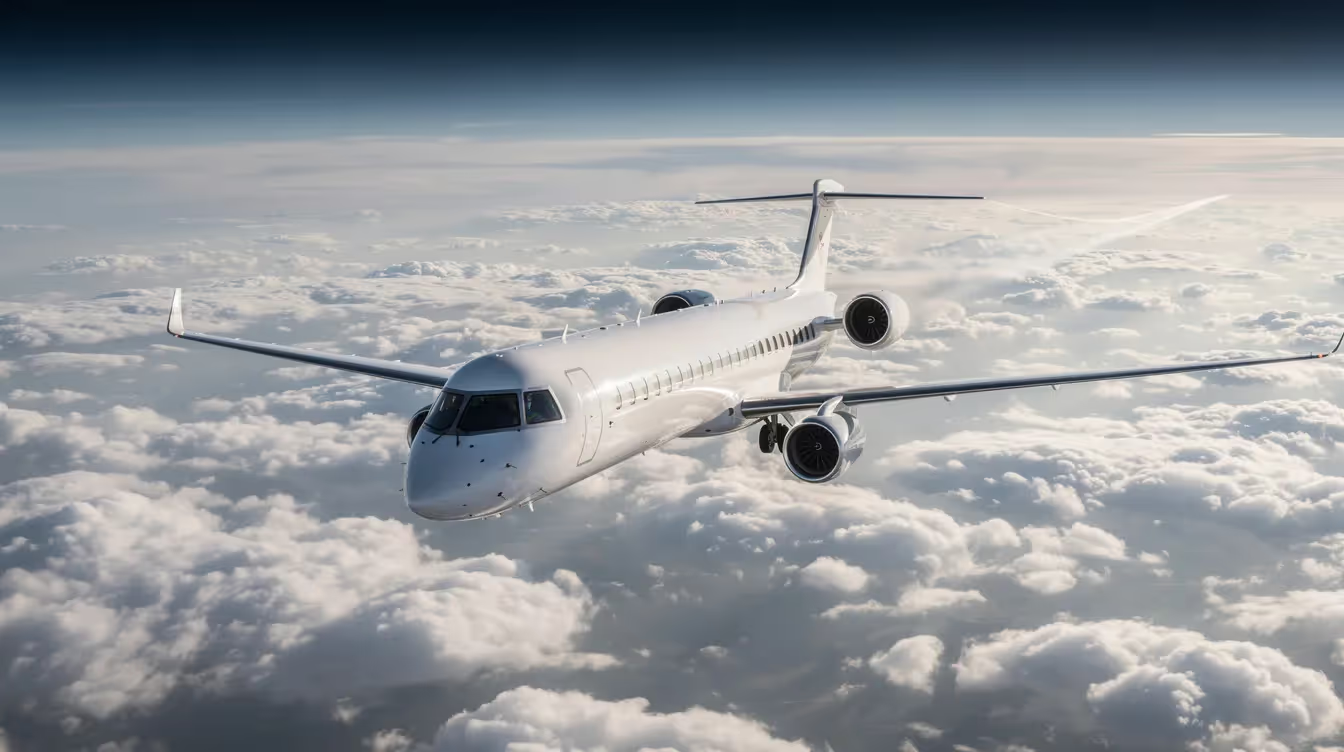
The Dassault Falcon 900DX is a long-range tri-engine business jet known for its spacious cabin and operational flexibility, making it ideal for transcontinental and transatlantic travel. With a range of approximately 4,100 nautical miles and the ability to accommodate 8-12 passengers, it features advanced avionics and fuel efficiency, consuming about 30% less fuel than competitors. The aircraft's tri-engine design allows for superior climb performance and access to shorter runways, enhancing its appeal for charter customers. Jettly offers charter options for the Falcon 900DX, providing transparent pricing and a straightforward booking process without ownership commitments.
Jay Franco Serevilla
Apr 18, 2026
|
5
min read


View all
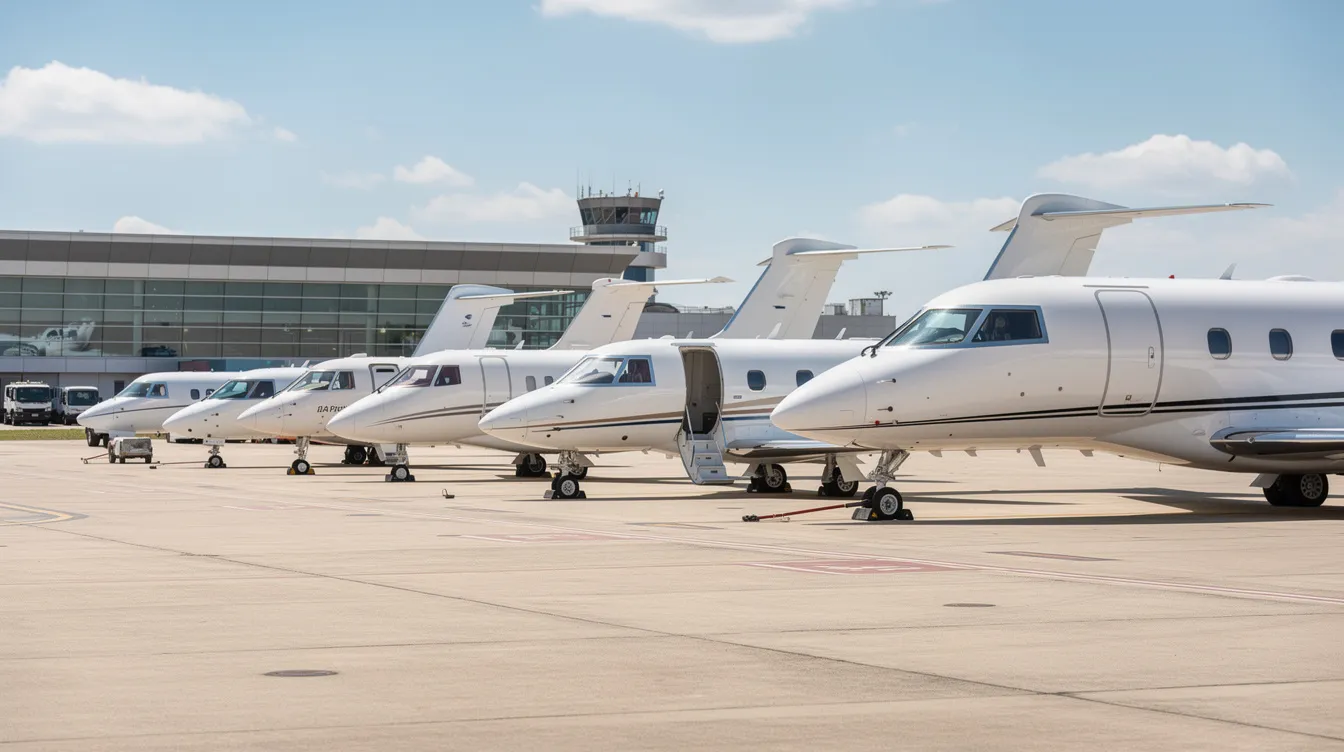
Discover the most popular private planes in the aviation market, categorized by their range and passenger capacity. This guide highlights top jets like the Embraer Phenom 300 and Gulfstream G650ER, focusing on their features, charter demand, and pricing trends from 2023 to 2025. Whether you're a first-time flyer or a seasoned traveler, understanding these options can enhance your private travel experience.
Jay Franco Serevilla
Aug 30, 2026
|
5
min read
View all
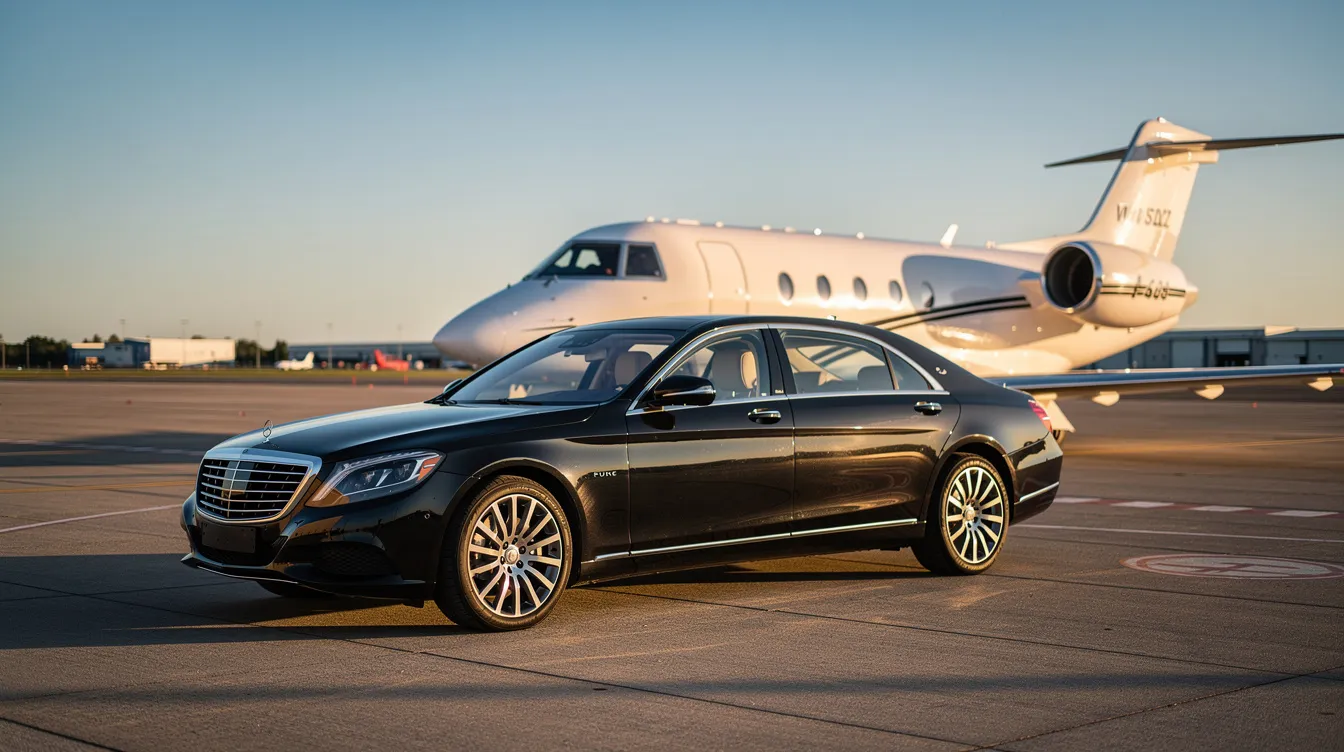
Jettly's private jet limousine service offers a seamless travel experience by combining private jet charters with professional ground transportation. This integrated service ensures that travelers enjoy door-to-door convenience, privacy, and flexibility without the hassle of separate bookings. With access to over 20,000 aircraft and a range of vehicle options, Jettly caters to both business and leisure travelers seeking efficient and luxurious travel solutions.
Jay Franco Serevilla
Aug 30, 2026
|
5
min read
View all
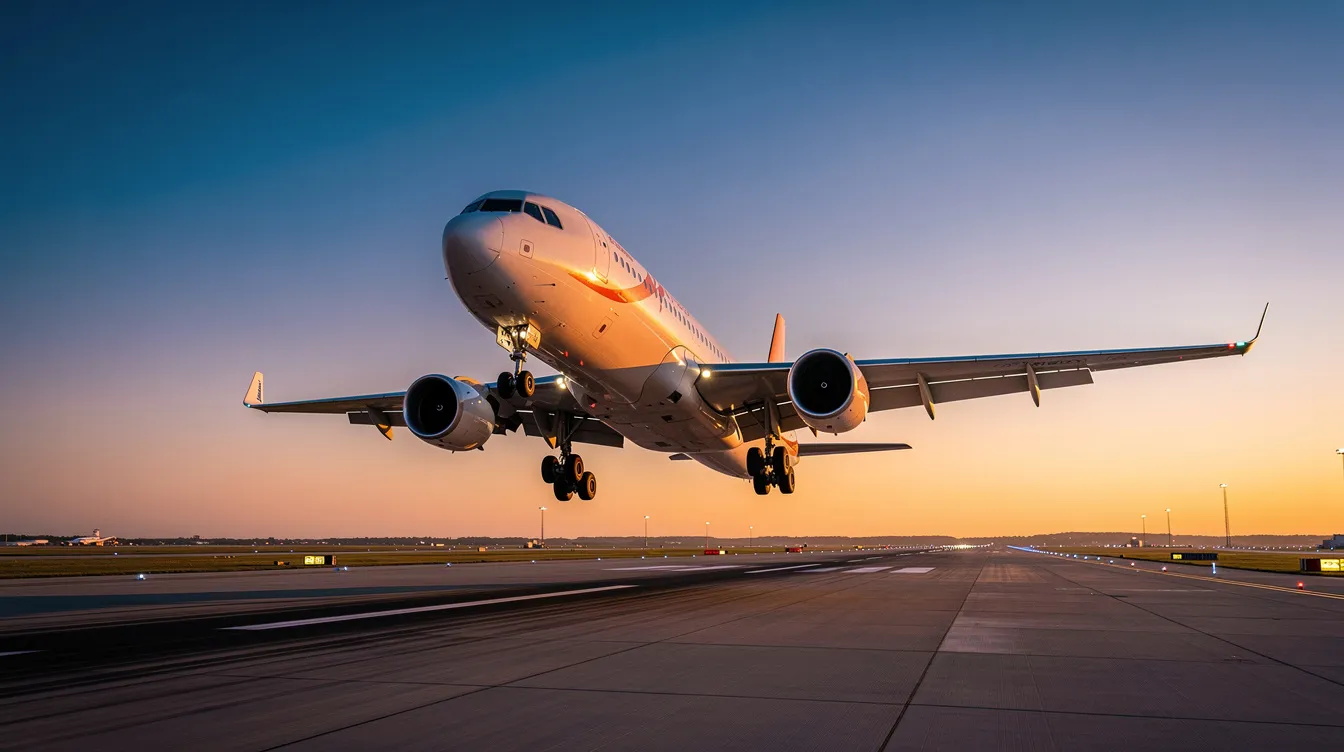
Knowing when to book a flight can significantly impact travel costs, with optimal booking windows varying for domestic and international flights. Private jet charters through Jettly offer more flexibility, allowing travelers to book closer to departure without the constraints of commercial fare cycles. This guide provides insights into the best times to book flights and how private aviation changes the rules.
Jay Franco Serevilla
Aug 30, 2026
|
5
min read
View all
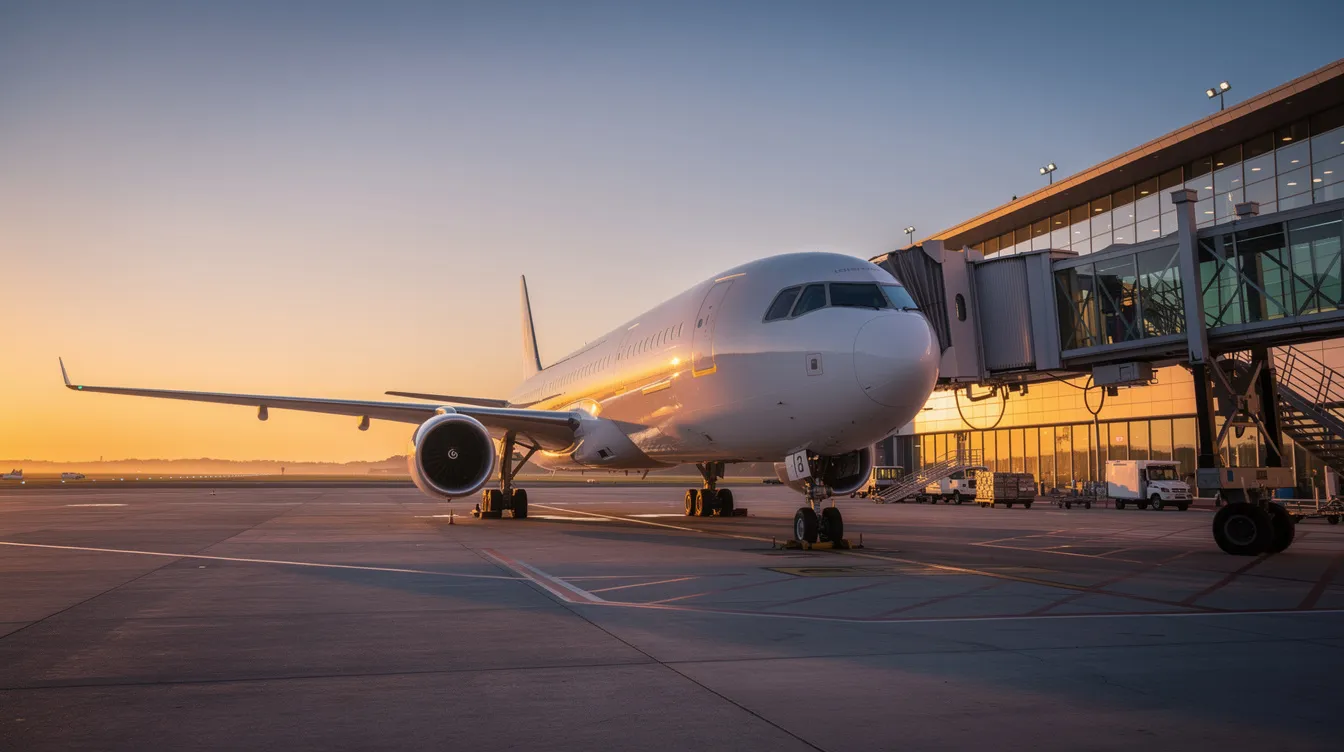
Finding the best time to buy airline tickets involves understanding airline pricing patterns rather than relying on luck. Booking domestic flights 15 to 45 days in advance and international flights 2 to 8 months ahead can lead to significant savings. Additionally, flying midweek often results in lower fares, while Sundays are typically the most expensive days to travel.
Jay Franco Serevilla
Aug 30, 2026
|
5
min read
View all
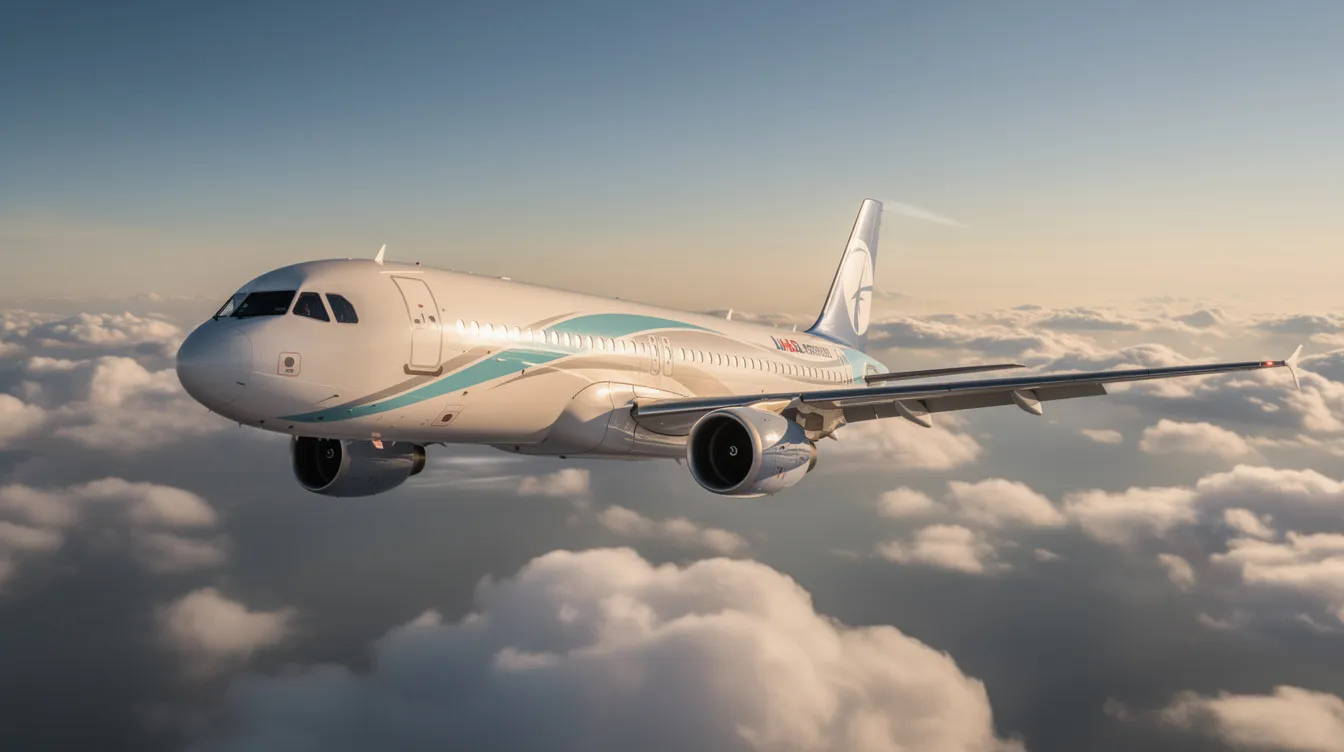
Knowing when to book domestic flights can lead to significant savings, with optimal booking windows typically between 34 to 86 days before departure. Factors such as route type, travel dates, and seasonality play crucial roles in determining airfare prices. Additionally, private jet alternatives like Jettly can provide flexibility and value, especially for last-minute trips or multi-stop itineraries.
Jay Franco Serevilla
Aug 30, 2026
|
5
min read
View all
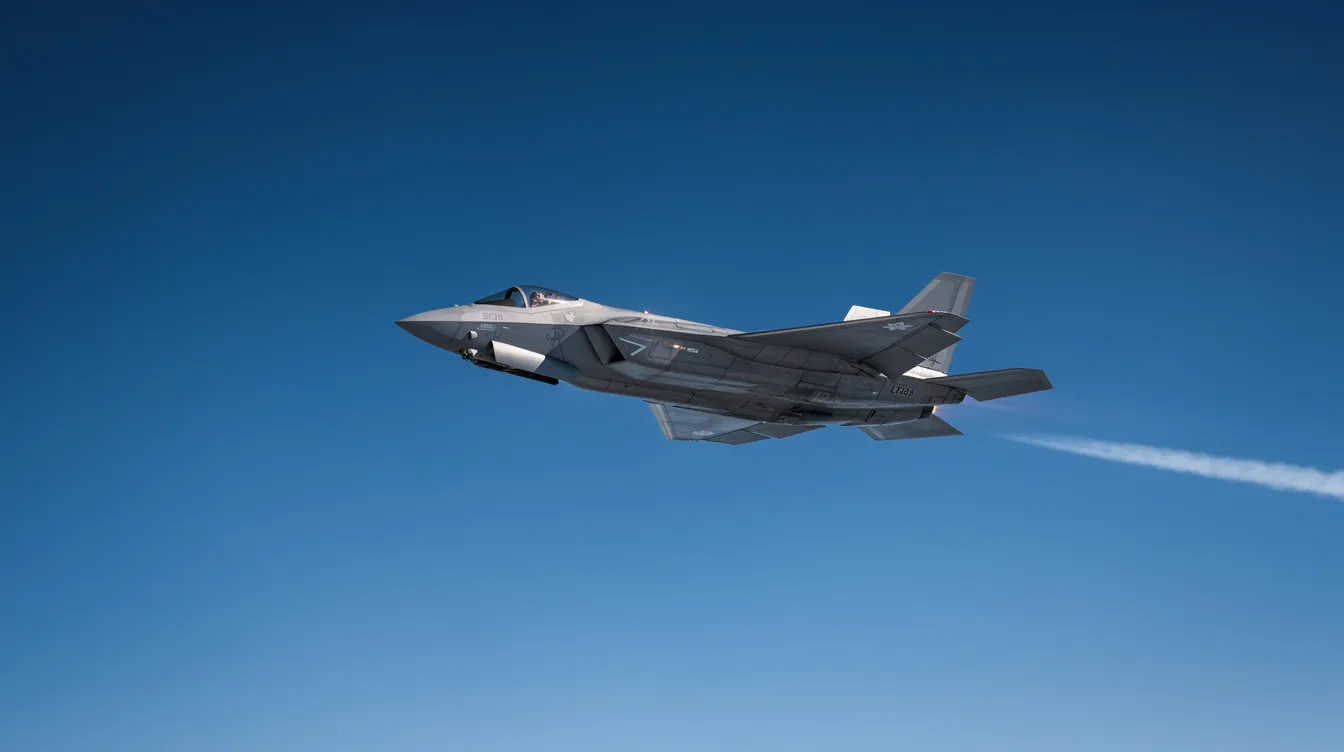
US fighter jets have undergone significant evolution since 1945, transitioning from early subsonic models to advanced fifth-generation aircraft like the F-35. These jets play a crucial role in maintaining air superiority and global security, while also driving economic growth and technological advancements in civil aviation. The ongoing development of sixth-generation fighters promises to further enhance the capabilities of the US military and its allies.
Jay Franco Serevilla
Aug 30, 2026
|
5
min read
Explore our latest articles and updates.
5
min read
How Fast Does a Single-Engine Plane Fly? (Real Speeds, Examples, and When Faster Makes Sense)
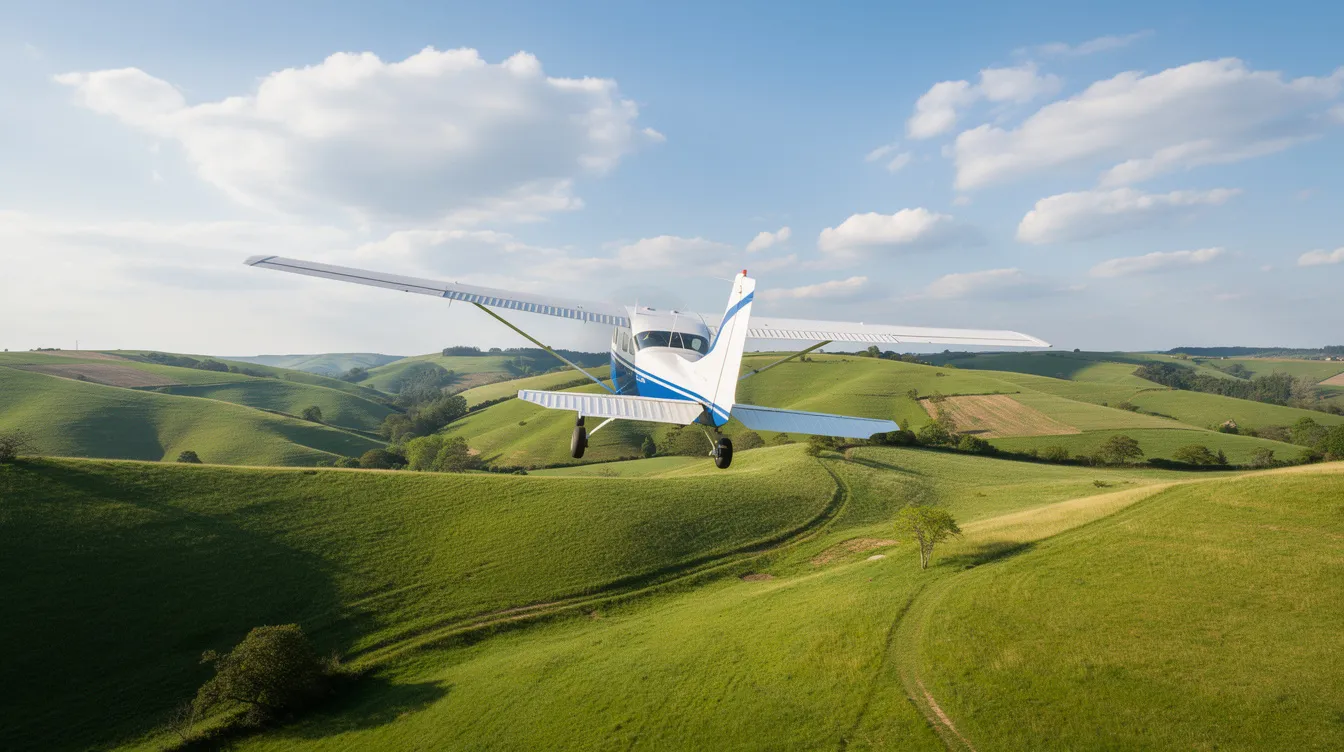
Single-engine planes typically cruise between 110 and 180 knots, with high-performance models exceeding 200 knots. Factors like aircraft type, altitude, and weight significantly influence actual speeds. Understanding cruise speed is crucial for effective trip planning and can often rival commercial airliners in total travel time.
Read More5
min read
How Fast Does a Single-Engine Plane Fly? (Real Speeds, Examples, and When Faster Makes Sense)
Single-engine planes typically cruise between 110 and 180 knots, with high-performance models exceeding 200 knots. Factors like aircraft type, altitude, and weight significantly influence actual speeds. Understanding cruise speed is crucial for effective trip planning and can often rival commercial airliners in total travel time.
Read MoreJoin our community and receive the latest blog updates directly in your inbox.
MEMBERSHIPS AND ASSOCIATIONS



Disclaimer: Jettly operates as a charter broker, offering access to a global digital jet charter marketplace. Jettly is not a direct air carrier and does not own or operate aircraft. All advertised flights are conducted by third-party air carriers that are fully licensed and hold the appropriate Part 135 or Part 121 certifications issued by the Federal Aviation Administration (FAA) or equivalent regulatory authorities under U.S. or foreign law. Jettly complies fully with the U.S. Department of Transportation's Part 295 and Part 298 Charter Broker regulations. Jettly does not carry additional liability insurance. Passengers are covered by aircraft operator insurance. TICO: 50023770


