


Login
Get Instant Pricing On 23,000+ Aircraft


Davinci Jets is a premier private aviation company based in Charlotte, NC, offering a diverse fleet and comprehensive services including aircraft management and charter. With a focus on safety and personalized service, Davinci Jets caters to business travelers and jet owners, providing a high-touch experience that contrasts with digital charter platforms like Jettly, which offer instant booking and access to a wider range of aircraft. This guide explores Davinci Jets' offerings and how they compare to digital alternatives.
Jay Franco Serevilla
Sep 6, 2026
|
5
min read



View all
Nigeria, located in western Africa on the Gulf of Guinea, is the continent's most populous country with over 226 million residents and a diverse cultural landscape shaped by more than 250 ethnic groups. Officially known as the Federal Republic of Nigeria, it operates under a federal system with 36 states and a capital in Abuja, while Lagos serves as its largest city and economic hub. The country has a significant economic influence, primarily driven by its oil and gas sector, which accounts for about 80% of government revenue, alongside agriculture and services. Nigeria's strategic geographic position and extensive airport network facilitate robust aviation connectivity, making it a key player in regional transport and trade, with private jet services like Jettly enhancing travel flexibility.
Jay Franco Serevilla
Jun 28, 2026
|
5
min read

View all
Trivago Flights is a metasearch tool designed for budget-conscious travelers to compare commercial airfare across various airlines and booking sites, focusing on finding the lowest prices for economy and business-class tickets. In contrast, Jettly offers a private jet charter service that connects users with over 20,000 aircraft worldwide, providing instant pricing and greater flexibility for urgent or high-end travel needs. While Trivago is ideal for those seeking the best available fare within commercial aviation, Jettly caters to travelers prioritizing time, comfort, and personalized experiences, especially for routes with limited commercial service. Ultimately, Jettly allows users to compare charter options transparently, making private aviation accessible without the commitments associated with ownership or jet cards.
Jay Franco Serevilla
Jun 28, 2026
|
5
min read

View all
Air Force One, the call sign for any U.S. Air Force aircraft carrying the President, is a symbol of presidential authority and American technological achievement, primarily represented by two Boeing VC-25A 747s. These aircraft serve as secure flying command centers, equipped with advanced communications, medical facilities, and defensive systems, and are set to be replaced by the new VC-25B models by 2027-2028. The article also highlights the historical significance of Air Force One, its unique features compared to private jets, and how modern private aviation platforms like Jettly offer similar benefits in flexibility and productivity for high-net-worth travelers. Overall, Air Force One exemplifies the intersection of security, functionality, and prestige in presidential travel, while also providing insights for private aviation users.
Jay Franco Serevilla
Jun 28, 2026
|
5
min read

View all
Airfare costs in 2026 have risen significantly, with U.S. airfares increasing by 26.7% from May 2025 to May 2026, now averaging around $428 each way. Factors influencing these prices include dynamic pricing models, booking channels, and additional fees for services like baggage and seat selection. Travelers can manage costs by booking in advance, using price tracking tools, and considering flexible travel dates and routes. Private jet charters, while generally more expensive, can offer competitive pricing for groups and provide time savings, especially when using platforms like Jettly that offer transparent pricing.
Jay Franco Serevilla
Jun 28, 2026
|
5
min read
View all
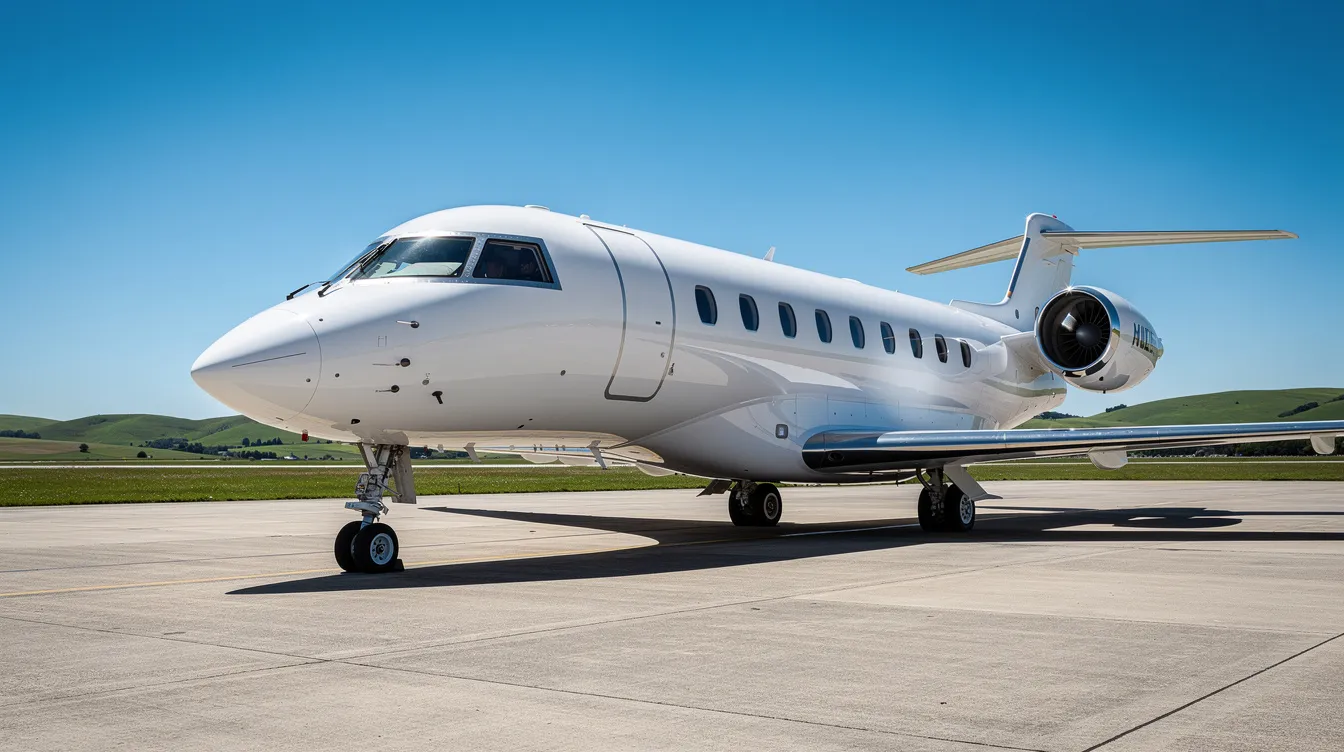
Hollywood Burbank Airport (BUR) offers a convenient alternative to LAX for private jet charters, providing quicker access to major studios and business hubs in Los Angeles. Jettly connects travelers with a global fleet of over 20,000 aircraft, allowing for flexible booking and transparent pricing for both business and leisure flights. Typical one-way charter costs from Burbank to popular destinations like Las Vegas range from $5,000 to $9,500, depending on the aircraft type. With shorter lines, private terminal access, and the ability to bypass TSA, Burbank is an ideal choice for those seeking a seamless and luxurious flying experience.
Jay Franco Serevilla
Jun 28, 2026
|
5
min read

View all
The former Wheels Up FBO at Cincinnati/Northern Kentucky International Airport (CVG) is now operated by Premier Private Jets under the name PremierFBO, while Wheels Up retains a ground handling presence. The facility offers 50,000 square feet of hangar and terminal space, accommodating various aircraft types, including ultra-long-range jets and airline-size charters, with on-site U.S. Customs clearance available for international flights. Jettly provides a digital charter platform that allows travelers to access flexible private jet options at CVG without being tied to a single FBO network. This transition enhances the private aviation experience at CVG, ensuring efficient service and a modern passenger journey.
Jay Franco Serevilla
Jun 28, 2026
|
5
min read
Explore our latest articles and updates.

5
min read
Direct Operating Cost of Aircraft: What It Is, What Drives It, and How It Shapes Private Jet Decisions
Understanding the direct operating cost (DOC) of aircraft is crucial for making informed private jet decisions. This guide details what DOC includes, its variability across aircraft types, and its impact on ownership versus chartering. By breaking down costs such as fuel, maintenance, and crew expenses, travelers can better assess their options in private aviation.
Read More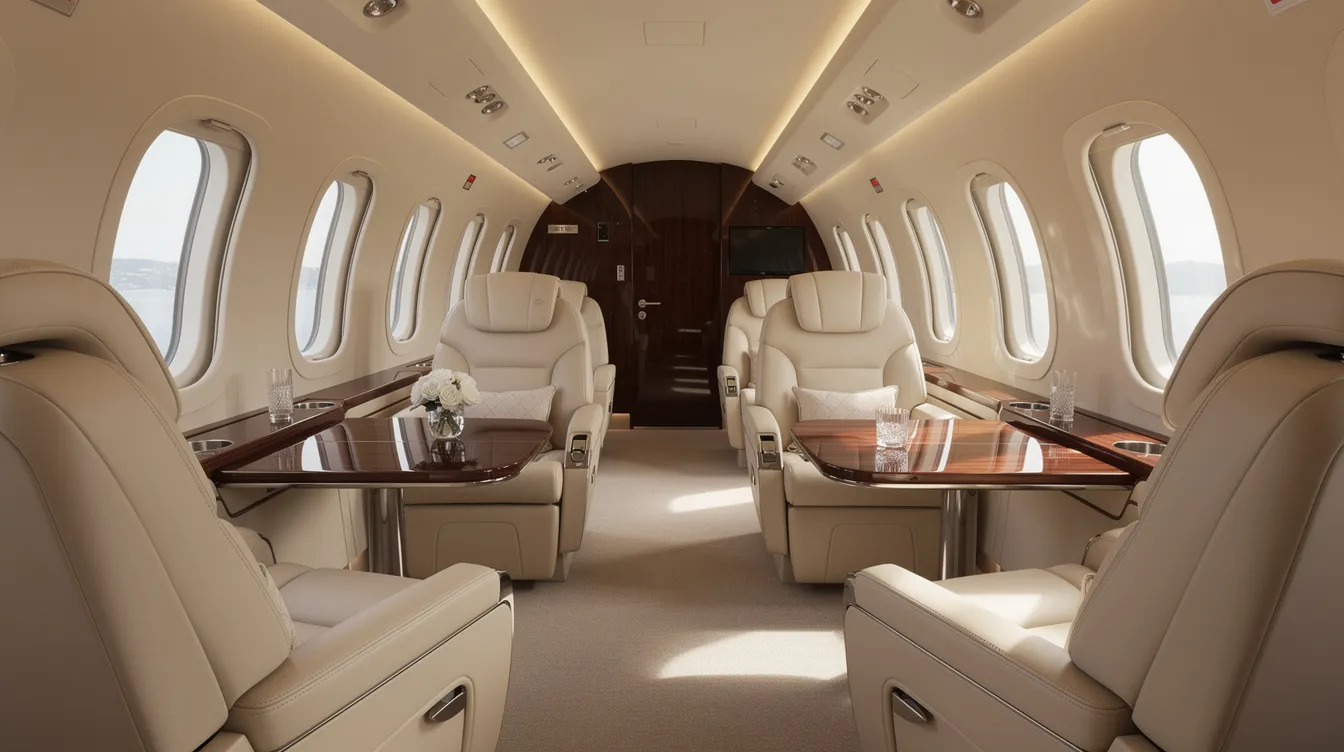
5
min read
Luxury Personal Jet: Ultimate Guide to High-End Private Aviation
The luxury personal jet market is rapidly evolving, offering travelers access to high-end private aviation without the need for ownership. This comprehensive guide covers various categories of jets, from light jets to VIP airliners, and highlights key features, pricing, and the benefits of chartering through platforms like Jettly. Discover how to select the right aircraft for your mission and explore the future of luxury aviation.
Read MoreJoin our community and receive the latest blog updates directly in your inbox.
MEMBERSHIPS AND ASSOCIATIONS



Disclaimer: Jettly operates as a charter broker, offering access to a global digital jet charter marketplace. Jettly is not a direct air carrier and does not own or operate aircraft. All advertised flights are conducted by third-party air carriers that are fully licensed and hold the appropriate Part 135 or Part 121 certifications issued by the Federal Aviation Administration (FAA) or equivalent regulatory authorities under U.S. or foreign law. Jettly complies fully with the U.S. Department of Transportation's Part 295 and Part 298 Charter Broker regulations. Jettly does not carry additional liability insurance. Passengers are covered by aircraft operator insurance. TICO: 50023770


