


Login
Get Instant Pricing On 23,000+ Aircraft


Knowing the best time to buy airfare can save you money on flights. For domestic trips, booking 1 to 3 months in advance is ideal, while international flights are best booked 2 to 8 months ahead. This guide also explores when private jet charters may be a more convenient option, especially when commercial flights become costly or inconvenient.
Jay Franco Serevilla
Sep 15, 2026
|
5
min read



View all
Finding the cheapest days to book flights is complex, as no single day guarantees the lowest fare; instead, factors like booking timing, travel date flexibility, and seasonality play crucial roles. While studies suggest small savings when booking on Sundays or Fridays, the best strategy is to book domestic flights 34 to 86 days in advance and international flights 2 to 6 months ahead. For flying, Tuesdays and Wednesdays are typically the cheapest days, while Sundays often incur higher prices. Private jet charters, such as those offered by Jettly, operate under different pricing dynamics, focusing on real-time availability and offering significant discounts through empty leg flights, making them a flexible alternative to commercial airlines.
Jay Franco Serevilla
Jul 6, 2026
|
5
min read

View all
Timing significantly impacts flight prices for both commercial and private travel. For domestic flights, booking 1-3 months in advance typically yields the best prices, while international flights are best booked 2-8 months ahead, depending on the route. Midweek flights are generally cheaper than weekend flights, and private jet pricing operates differently, often benefiting from last-minute bookings and empty leg flights. Utilizing tools like Google Flights for commercial tickets and Jettly for private jets can help travelers find the best deals and optimize their booking strategies.
Jay Franco Serevilla
Jul 6, 2026
|
5
min read

View all
The Wasco Airport Guide outlines two general aviation airfields: Wasco-Kern County Airport (L19) in California and Wasco State Airport (35S) in Oregon, both catering to private flyers and agricultural operators without commercial airline service. The guide provides essential information for flight planning, including runway specifications, airport operations, and charter logistics through Jettly's platform. Wasco-Kern County Airport features a 3,380-foot runway and serves a high volume of general aviation operations, while Wasco State Airport has a 3,450-foot runway with a focus on itinerant traffic. Understanding the distinctions between these airports is crucial for optimizing private travel itineraries and ensuring efficient access to rural regions.
Jay Franco Serevilla
Jul 6, 2026
|
5
min read

View all
Quonset State Airport (OQU/NCO) in North Kingstown, RI, is a 754-acre joint civil-military airport offering a less congested alternative for private aviation compared to Providence and Boston, with quick access to Newport and the Rhode Island coast. The airport features a 7,504 ft primary runway suitable for various private jets and operates under Class D airspace with a control tower, providing efficient services for general aviation and military traffic. Jettly connects travelers to Quonset, offering a streamlined digital booking experience for private jet charters, catering to business and leisure travelers alike. With modern facilities and flexible options, Quonset State Airport is an appealing choice for those seeking convenience and time savings in private travel.
Jay Franco Serevilla
Jul 6, 2026
|
5
min read

View all
Clayton J. Lloyd International Airport (AXA) is Anguilla's primary air gateway, facilitating both regional and direct flights, including new services from North American cities. The airport has undergone recent upgrades, enhancing its terminal and operational capacity to accommodate growing traffic. Travelers can choose between direct flights or connections through nearby hubs like St Maarten (SXM) and San Juan (SJU), with private charters offering flexible, time-saving options. Understanding the airport code AXA is crucial for seamless travel planning to this Caribbean destination.
Jay Franco Serevilla
Jul 6, 2026
|
5
min read

View all
Edwards Air Force Base, located in California's Mojave Desert, lacks a commercial terminal, necessitating visitors to use nearby civilian airports for access. Key options include Hollywood Burbank Airport, Los Angeles International Airport, and regional airports like Mojave Air and Space Port, which are significantly closer and more efficient for private charters. Utilizing private jet services, such as Jettly, can drastically reduce travel time, allowing direct flights into these regional airports and minimizing ground transfer times. This approach is particularly beneficial for defense contractors and business travelers, ensuring timely arrivals for critical meetings and operations at the base.
Jay Franco Serevilla
Jul 6, 2026
|
5
min read
Explore our latest articles and updates.
5
min read
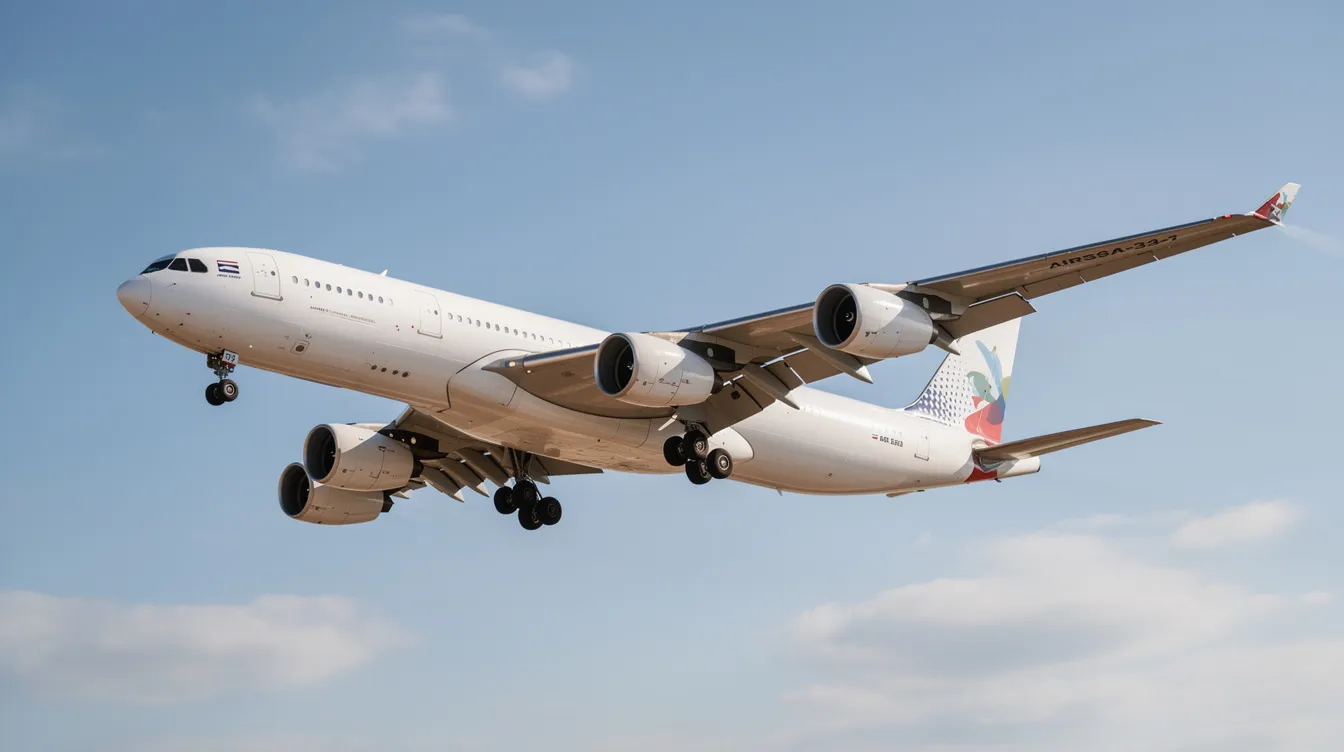
Airbus A340-600: Long-Haul Four-Engine Icon for Private and Charter Travel
The Airbus A340-600 is a long-haul, four-engine airliner known for its high capacity and range, making it ideal for charter and VIP travel. Despite being retired by many airlines, it remains relevant in the charter market due to its spacious cabin and reliability. This article explores its specifications, operational history, and how it compares to other aircraft for private travel.
Read More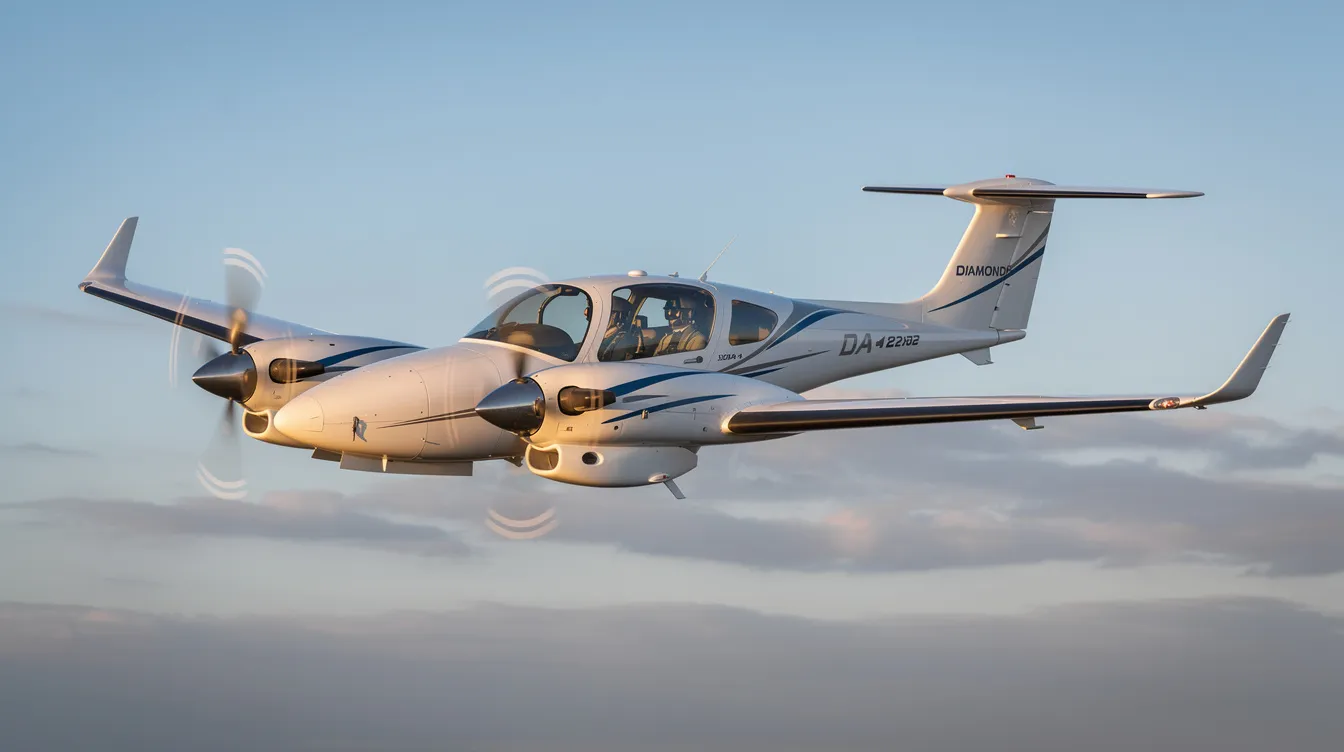
5
min read
Diamond Star DA42: Performance, Safety, and Charter Use Explained
The Diamond Star DA42 is a modern twin-engine aircraft known for its efficiency, safety, and versatility in training and light mission roles. With a carbon composite airframe and advanced avionics, it offers strong performance and low operating costs, making it a popular choice among flight schools and private operators. This guide explores its specifications, variants, and relevance in private aviation.
Read MoreJoin our community and receive the latest blog updates directly in your inbox.
MEMBERSHIPS AND ASSOCIATIONS



Disclaimer: Jettly operates as a charter broker, offering access to a global digital jet charter marketplace. Jettly is not a direct air carrier and does not own or operate aircraft. All advertised flights are conducted by third-party air carriers that are fully licensed and hold the appropriate Part 135 or Part 121 certifications issued by the Federal Aviation Administration (FAA) or equivalent regulatory authorities under U.S. or foreign law. Jettly complies fully with the U.S. Department of Transportation's Part 295 and Part 298 Charter Broker regulations. Jettly does not carry additional liability insurance. Passengers are covered by aircraft operator insurance. TICO: 50023770


