


Login
Get Instant Pricing On 23,000+ Aircraft

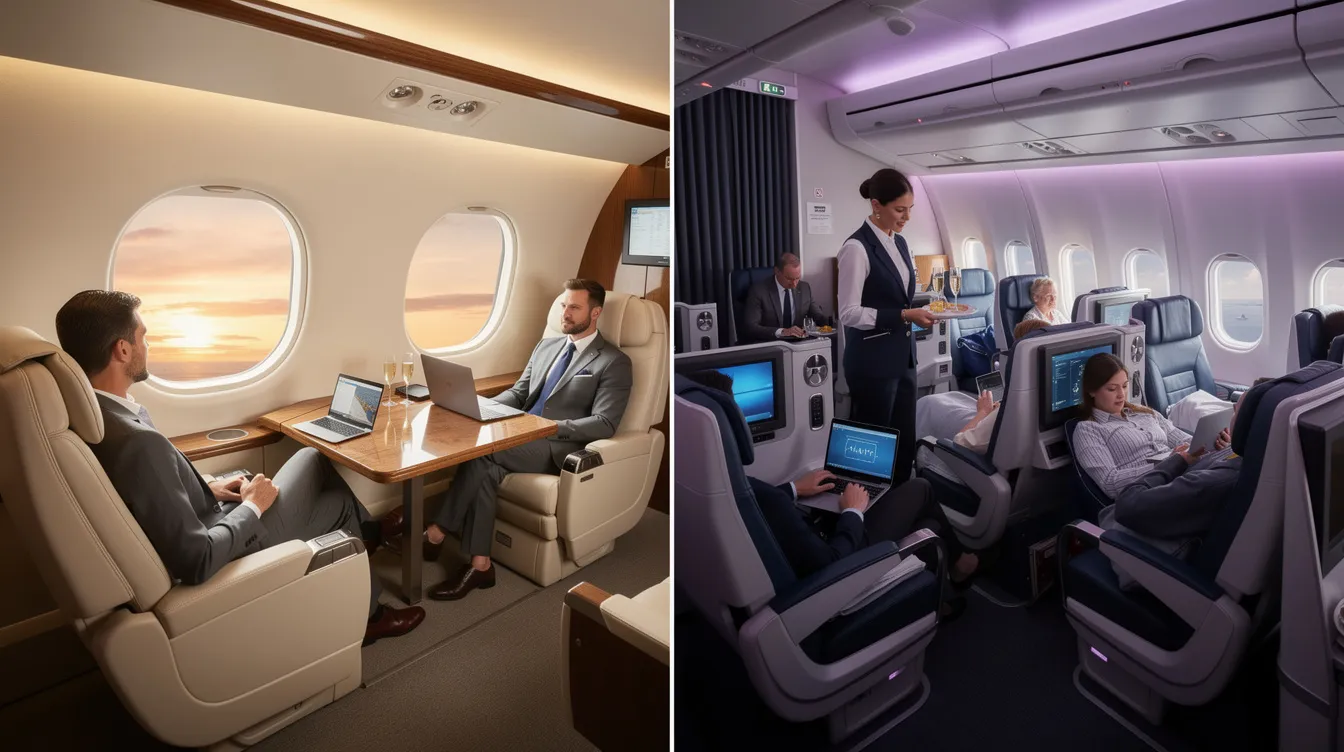
Choosing between private jet travel and business class involves weighing factors like cost, convenience, and privacy. Private jets offer tailored experiences and scheduling flexibility, while business class provides a premium option on commercial flights at a lower price. This guide helps you navigate the differences to determine the best choice for your next trip.
Jay Franco Serevilla
Jul 15, 2026
|
5
min read


View all
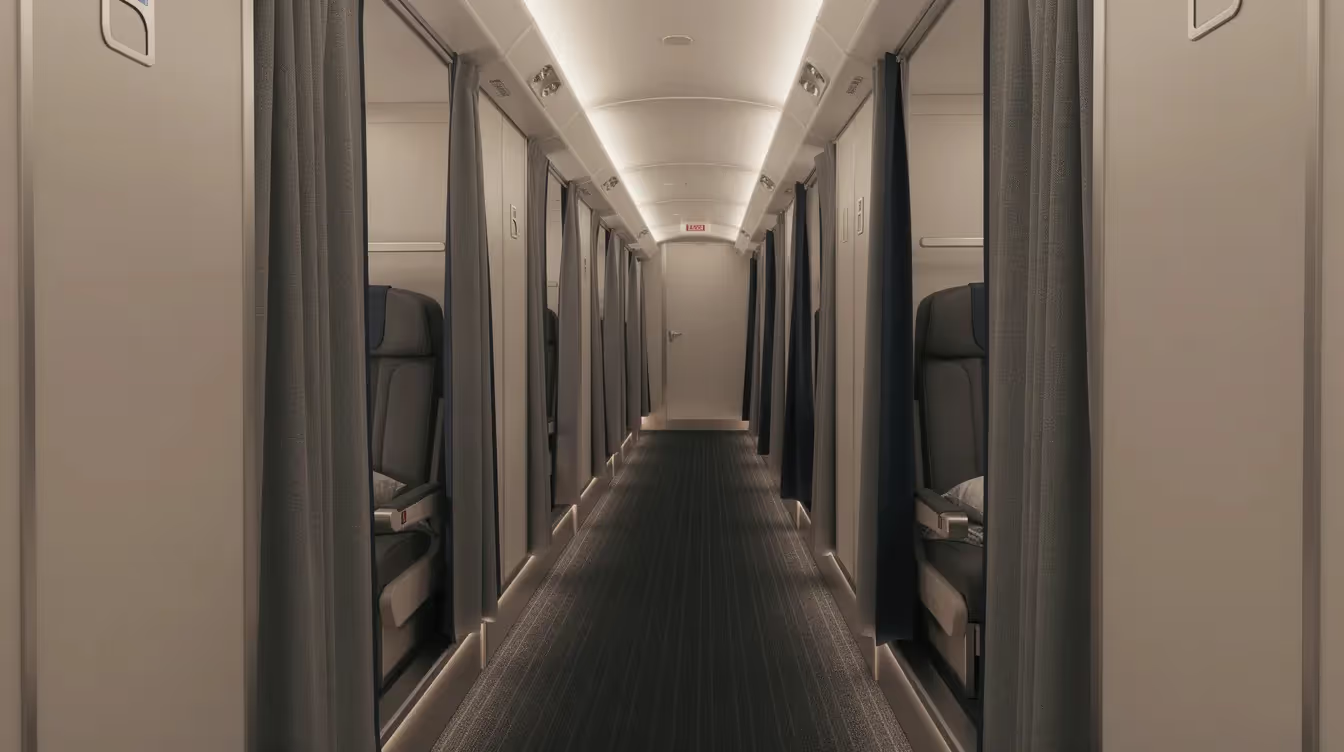
The article explores the various sleeping arrangements available on airplanes, including hidden crew bunks for flight attendants and pilots, as well as luxurious lie-flat beds in premium cabins and private jet staterooms. It highlights the importance of these spaces for safety and comfort during long-haul flights, with regulations mandating crew rest areas on flights exceeding 8-12 hours. Jettly's platform simplifies the process of finding flights with ideal sleeping arrangements, allowing travelers to compare options for both commercial and private aviation. Ultimately, the choice of sleeping accommodations depends on budget, route, and personal preferences.
Jay Franco Serevilla
Apr 18, 2026
|
5
min read
View all
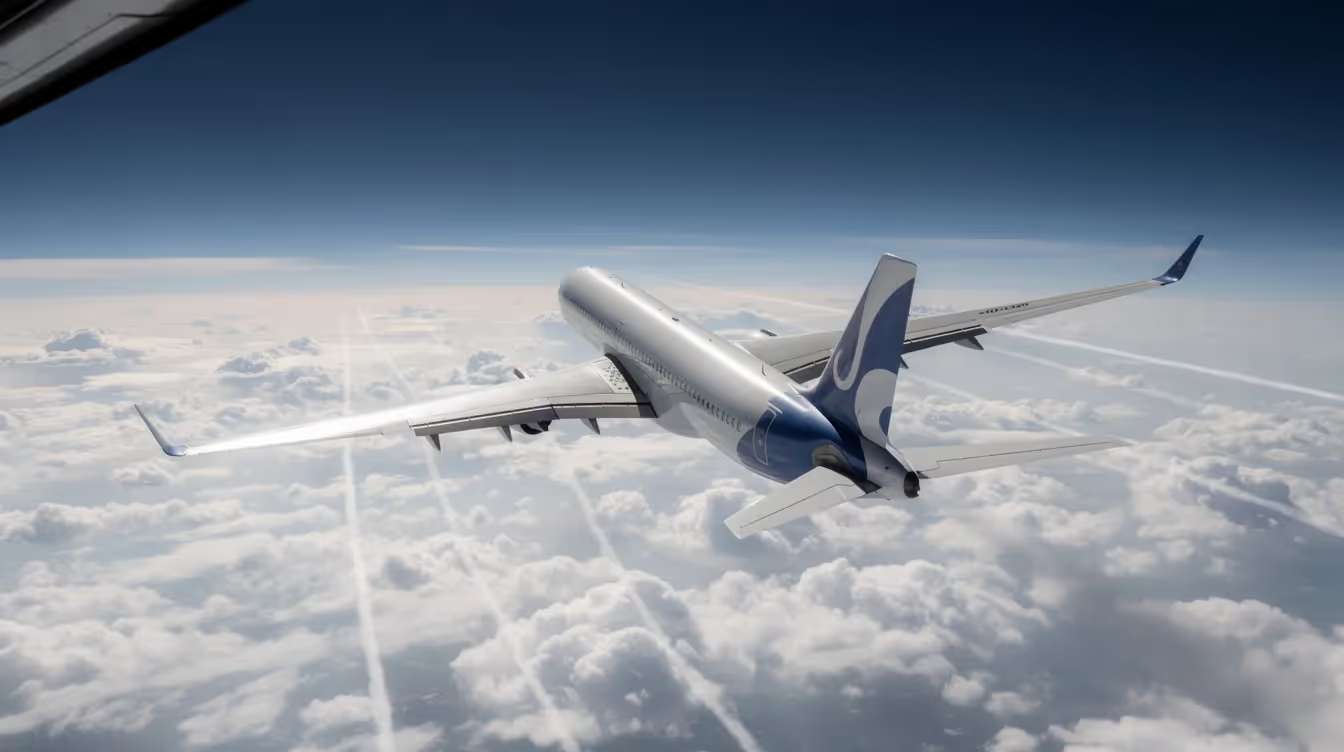
Modern jet airliners typically cruise at speeds between 550 and 600 mph (Mach 0.85 to 0.90), while private jets may operate at similar or slightly higher speeds but can save time by avoiding hub airports and delays. Factors such as aircraft design, altitude, wind conditions, and regulatory limits influence actual flight speeds. Despite advancements in technology, commercial airliner speeds have remained relatively stable due to economic and environmental considerations. Understanding these dynamics helps travelers make informed choices between commercial and private aviation options.
Jay Franco Serevilla
Apr 18, 2026
|
5
min read
View all
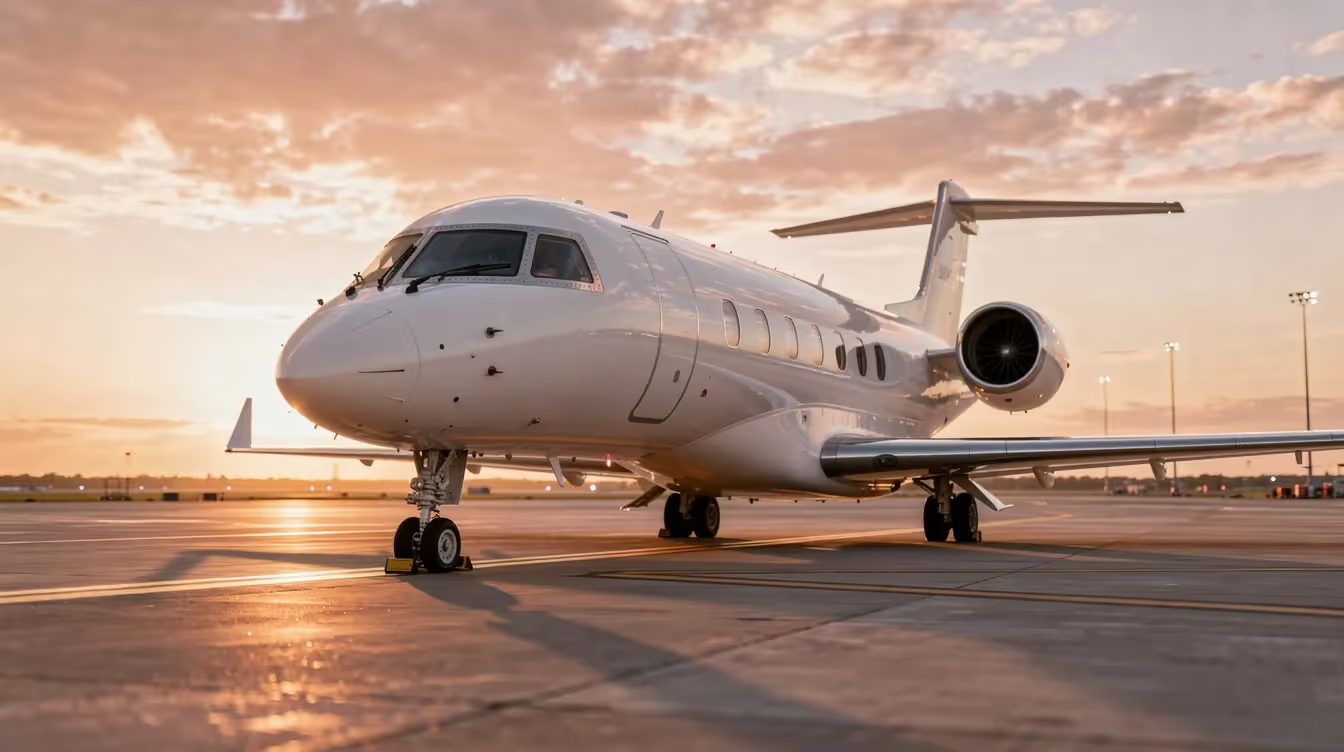
In 2026, the cost of jet aircraft varies significantly, with new private jets priced from $2 million for very light jets to over $400 million for customized VIP airliners, while charter rates range from $1,500 to $28,000 per hour based on aircraft type. For most business travelers, chartering is more economical than ownership, especially for those flying fewer than 200-300 hours annually, as ownership entails substantial fixed and variable costs. Jettly, a digital private jet charter platform, offers a transparent marketplace for on-demand bookings, allowing users to compare costs and access over 20,000 aircraft globally. Key strategies for reducing costs include choosing the right aircraft size, being flexible with travel times, and utilizing empty leg flights.
Jay Franco Serevilla
Apr 18, 2026
|
5
min read

View all
In 2025, the Bombardier Global 8000 is recognized as the fastest personal plane, achieving speeds of Mach 0.94 and a range of 8,000 nautical miles. For owner pilots, high-performance single-engine aircraft like the Mooney Acclaim Ultra offer speeds over 240 knots, while turboprops and light jets provide efficient options for business travelers, cruising between 340 and 530 knots. Jettly's digital marketplace connects clients with over 20,000 aircraft, facilitating access to various fast personal planes without the need for ownership. The choice of aircraft depends on mission profiles, budget, and airport access, with chartering often proving more cost-effective for infrequent flyers.
Jay Franco Serevilla
Apr 18, 2026
|
5
min read
View all
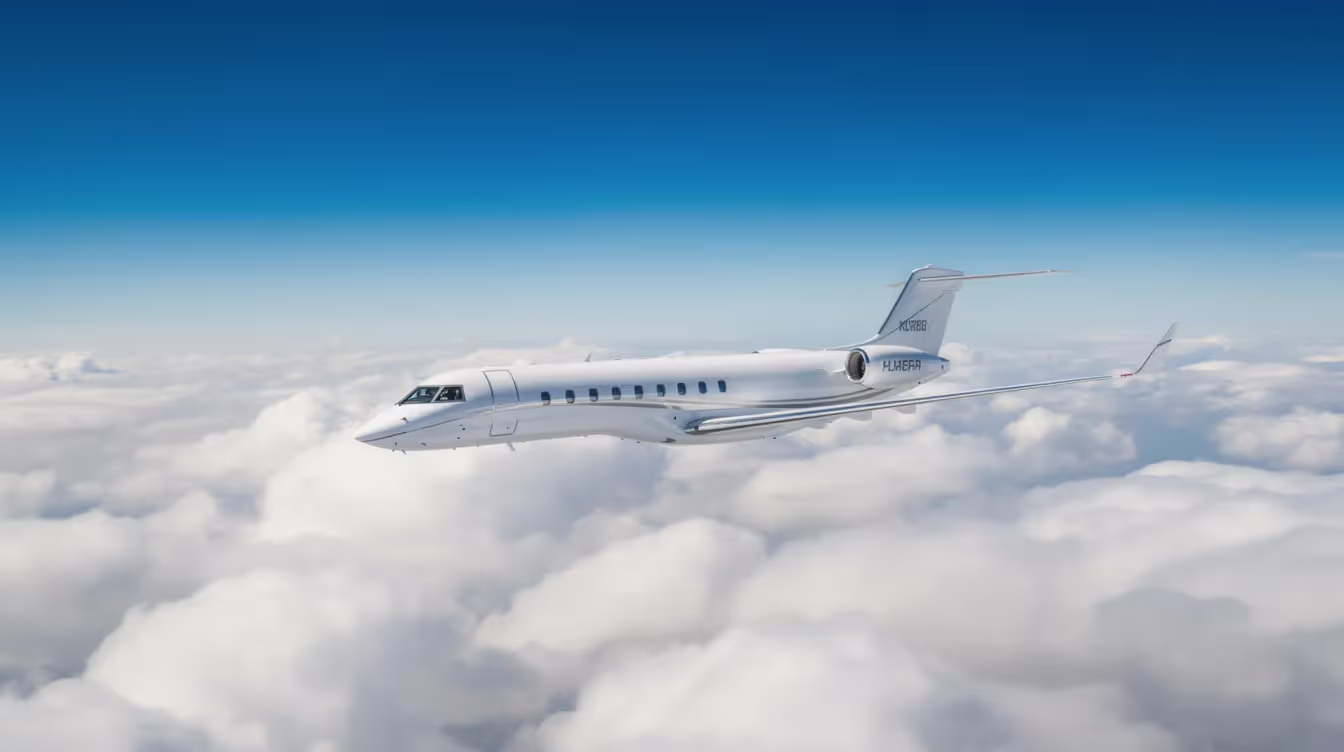
Jets vary significantly in speed across private, commercial, and military categories, with private and commercial jets typically cruising between 420–600 mph, while military jets can exceed Mach 2. The SR-71 Blackbird holds the record for the fastest crewed jet at 2,193 mph. Factors such as altitude, aircraft design, and operational conditions influence actual travel speeds, with private jets often providing faster overall journey times due to reduced ground time and direct routing. Platforms like Jettly enhance travel efficiency by offering access to a wide range of aircraft and optimizing logistics for private jet charters.
Jay Franco Serevilla
Apr 18, 2026
|
5
min read
View all
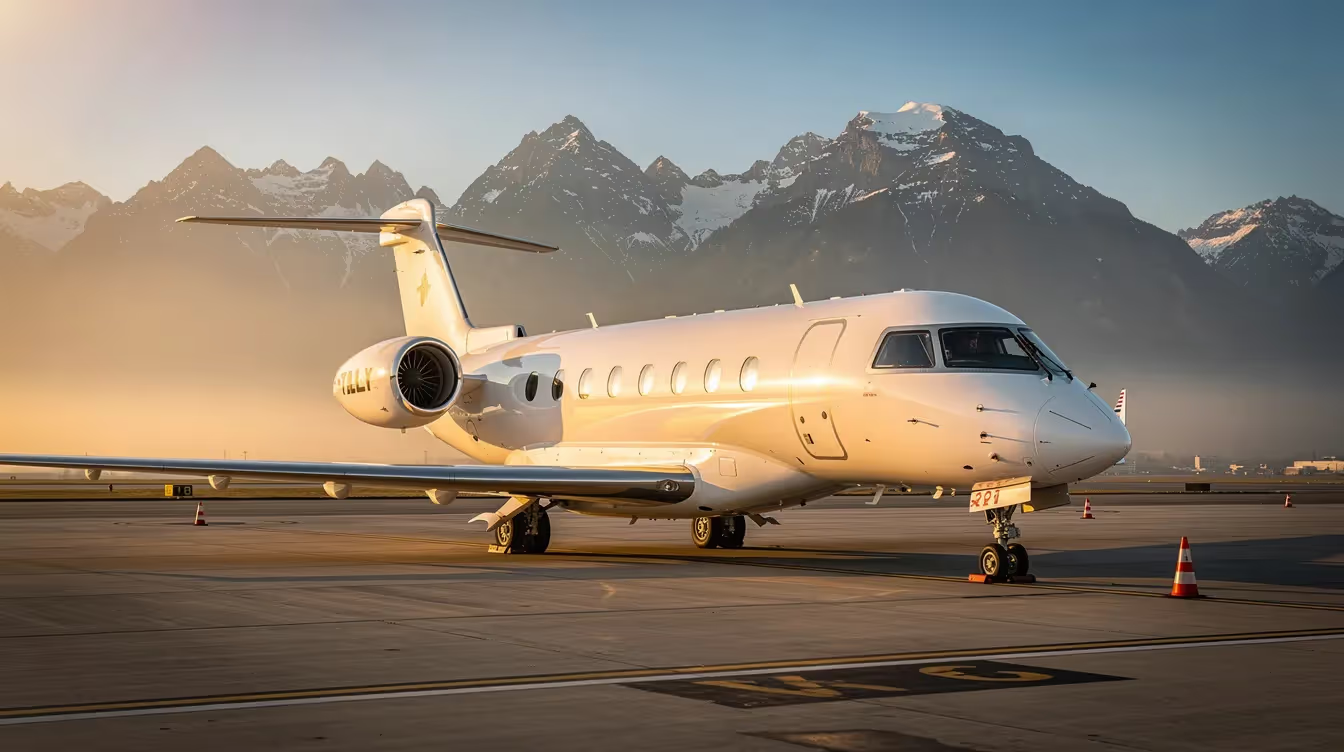
The Bombardier Challenger 604 is a heavy private jet known for its long-range capabilities and spacious cabin, accommodating up to 19 passengers, making it ideal for business and family travel. With a range of 3,700–4,000 nautical miles, it is suitable for transcontinental flights and has been a popular choice in private aviation since its introduction in 1995, with over 360 units delivered. Travelers can access this aircraft through Jettly’s charter platform, which offers flexible booking options without the need for ownership or long-term commitments. The Challenger 604 combines performance, comfort, and reliability, making it a strong contender in the large-cabin charter market.
Jay Franco Serevilla
Apr 18, 2026
|
5
min read
Explore our latest articles and updates.

5
min read
Fighter Jet: Modern Air Superiority, Global Security and High-Performance Flight Experiences
Fighter jets are advanced military aircraft designed for air superiority and ground attack missions, playing a crucial role in global security. They have evolved significantly from early biplanes to modern stealth fighters, integrating cutting-edge technology for enhanced performance. Civilian experiences in demilitarized trainers offer a glimpse into the thrilling world of high-performance aviation.
Read More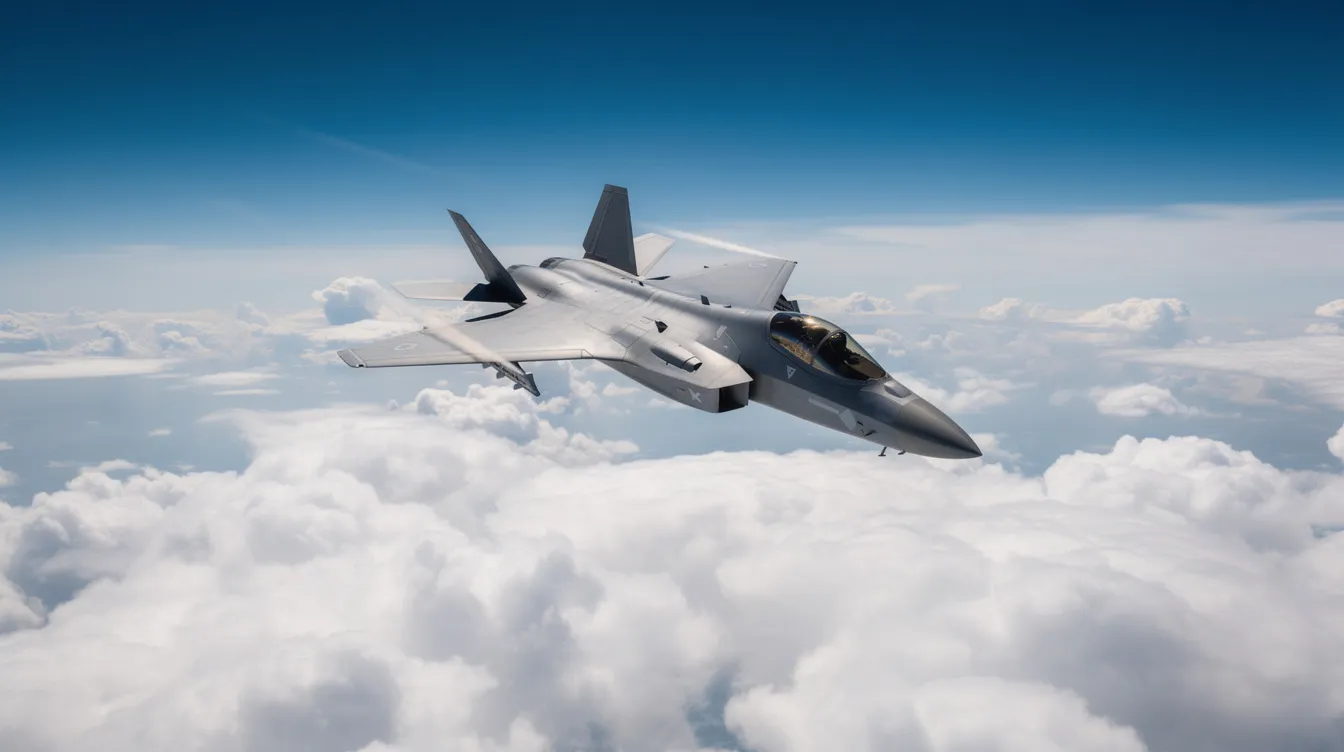
5
min read
F-35 Stealth Fighter Jet: The F-35 Lightning II Explained
The F-35 Lightning II is a revolutionary fifth-generation stealth fighter jet that combines advanced technology, multi-role capabilities, and global partnerships. Serving as a backbone for the U.S. and allied air forces, it enhances air power through its stealth, sensor fusion, and networked warfare capabilities. This guide explores its design, variants, operational history, and impact on global security.
Read MoreJoin our community and receive the latest blog updates directly in your inbox.
MEMBERSHIPS AND ASSOCIATIONS



Disclaimer: Jettly operates as a charter broker, offering access to a global digital jet charter marketplace. Jettly is not a direct air carrier and does not own or operate aircraft. All advertised flights are conducted by third-party air carriers that are fully licensed and hold the appropriate Part 135 or Part 121 certifications issued by the Federal Aviation Administration (FAA) or equivalent regulatory authorities under U.S. or foreign law. Jettly complies fully with the U.S. Department of Transportation's Part 295 and Part 298 Charter Broker regulations. Jettly does not carry additional liability insurance. Passengers are covered by aircraft operator insurance. TICO: 50023770


