


Login
Get Instant Pricing On 23,000+ Aircraft


Flying a plane requires skilled, licensed pilots who undergo extensive training. This article explores the various types of pilots, their training processes, and the controls they manage during flights. It also highlights the role of private jet charter services like Jettly in connecting travelers with professional pilots and aircraft.
Jay Franco Serevilla
Oct 1, 2026
|
5
min read


View all
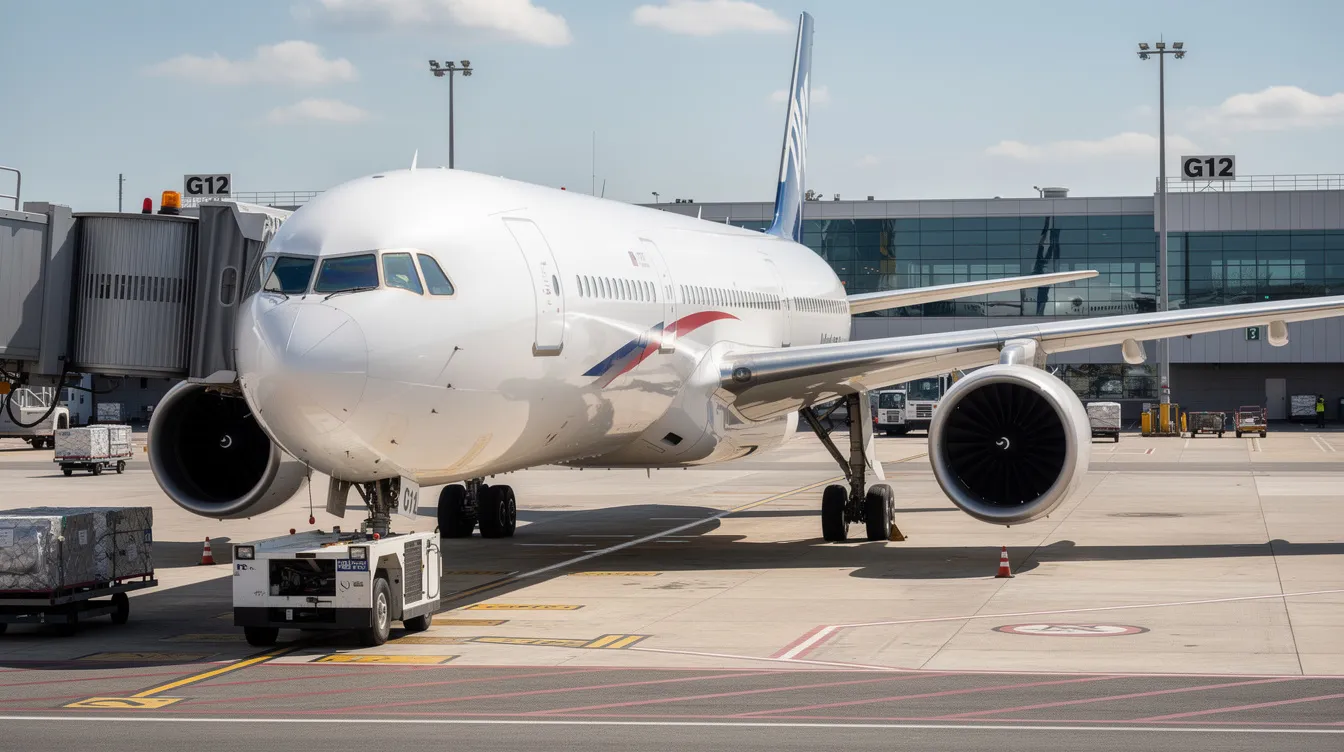
The Airbus A330, a versatile twin-engine widebody aircraft, has a varied cost structure influenced by its model, age, and usage type. In 2025, new A330-900neo models are valued around $107 million, while pre-owned variants average $18 million. Operating costs, including fuel and maintenance, can significantly impact total expenses, making it essential for airlines and private users to evaluate their options carefully.
Jay Franco Serevilla
Jul 19, 2026
|
5
min read
View all
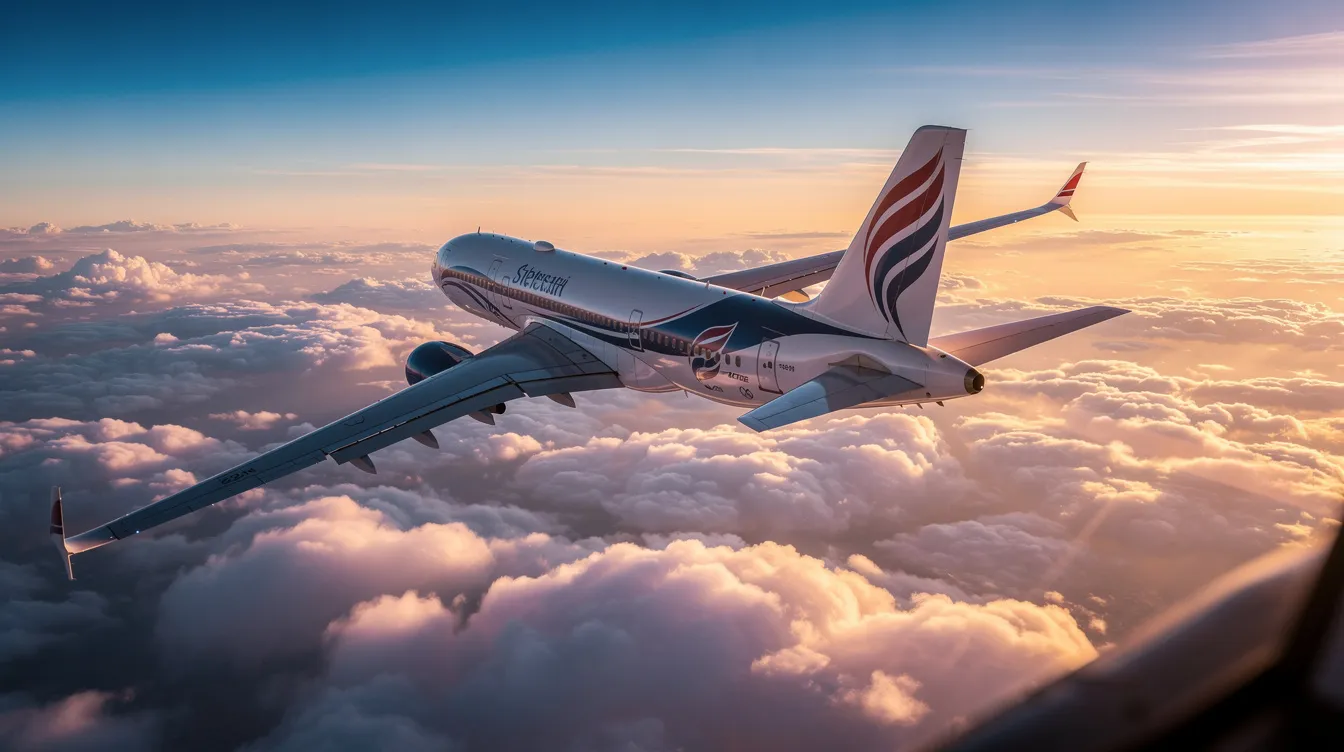
The Airbus A330 boasts a maximum operating speed of Mach 0.86, with typical cruising speeds ranging from Mach 0.82 to 0.84 for optimal fuel efficiency. Variants like the A330neo enhance fuel economy while maintaining similar speed capabilities. Understanding these speeds aids travelers in comparing commercial flights with private jet options.
Jay Franco Serevilla
Jul 19, 2026
|
5
min read
View all
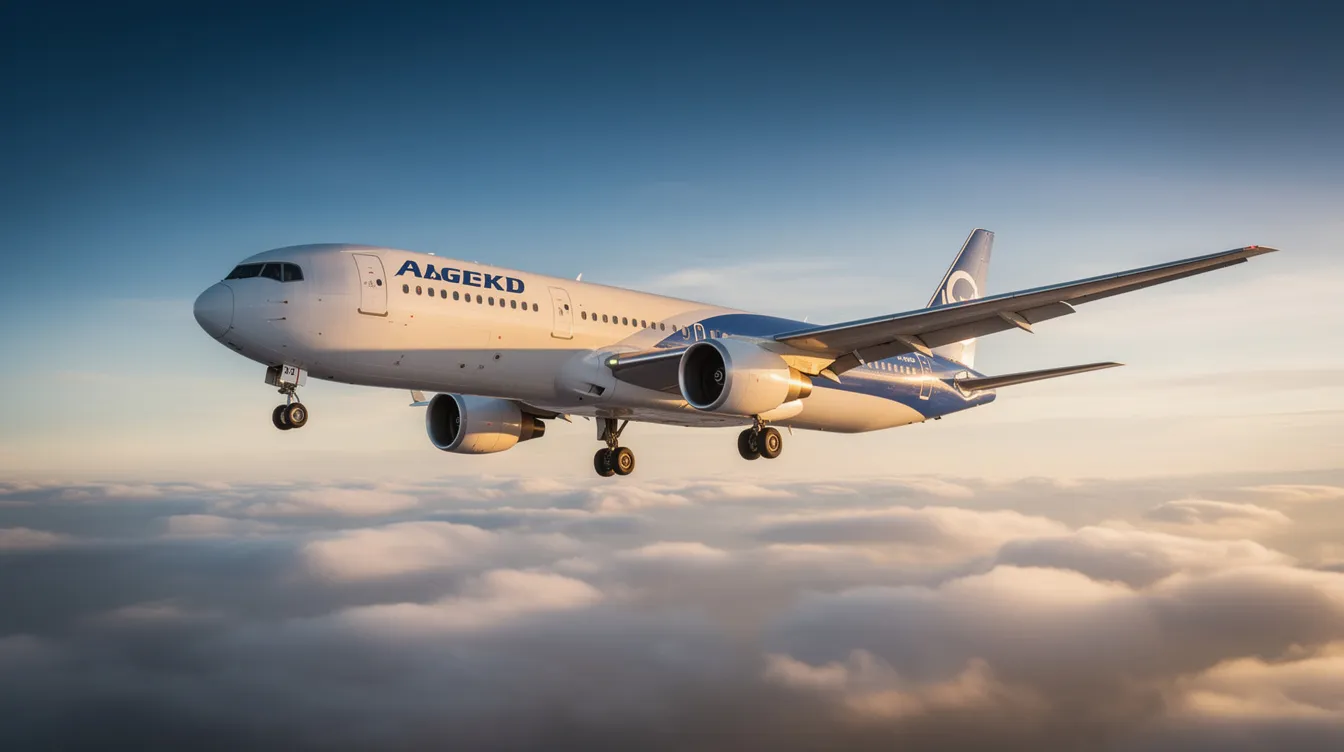
The Boeing 767, with a top speed of approximately Mach 0.86, has been a staple in global aviation since 1982. Its cruising speed typically ranges from Mach 0.80 to 0.82, making it competitive among wide-body aircraft. Ideal for long-haul flights and private charters, the 767 balances speed, range, and fuel efficiency, ensuring reliable service for both passengers and cargo.
Jay Franco Serevilla
Jul 19, 2026
|
5
min read
View all
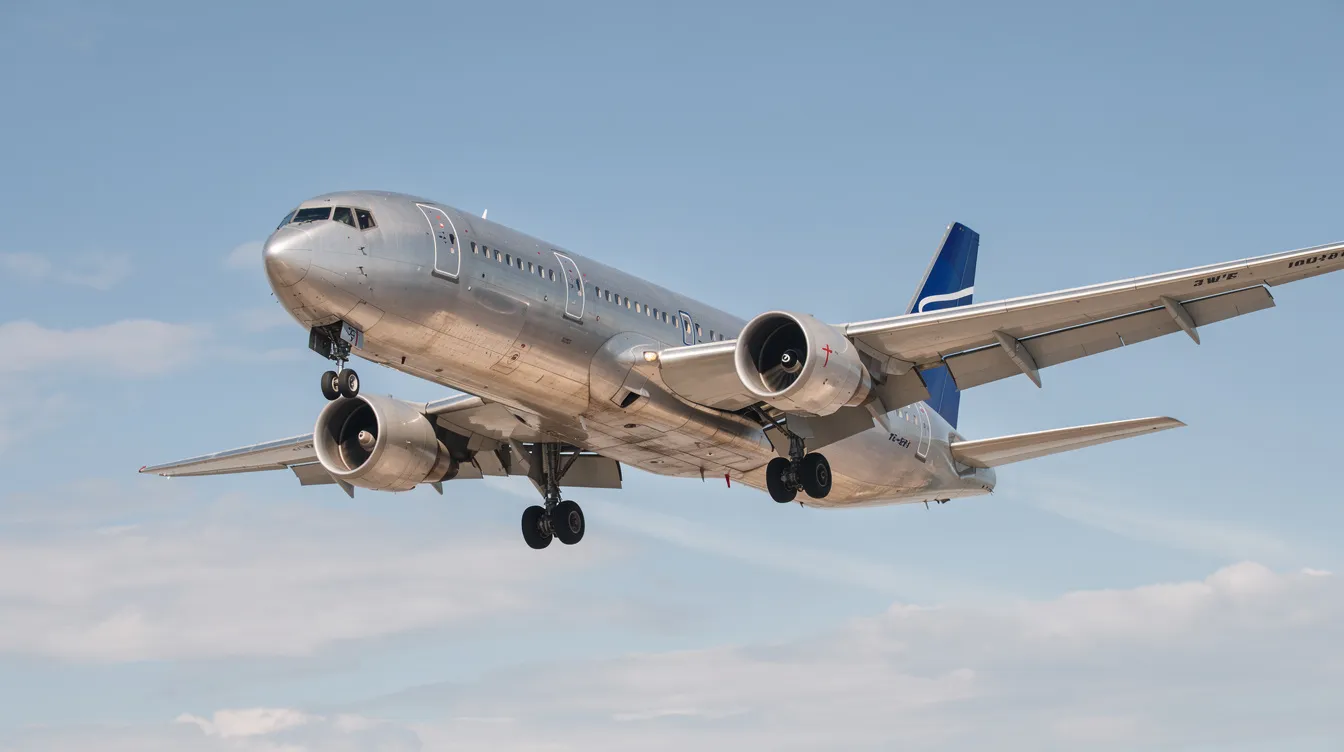
The Boeing 767 has been a staple in aviation for over 40 years, with weight specifications crucial for operators and charter planners. This guide details the weight data across the 767 family, highlighting how it impacts payload, range, and airport compatibility. Understanding these figures is essential for optimizing flight operations and ensuring efficient charter missions.
Jay Franco Serevilla
Jul 19, 2026
|
5
min read
View all
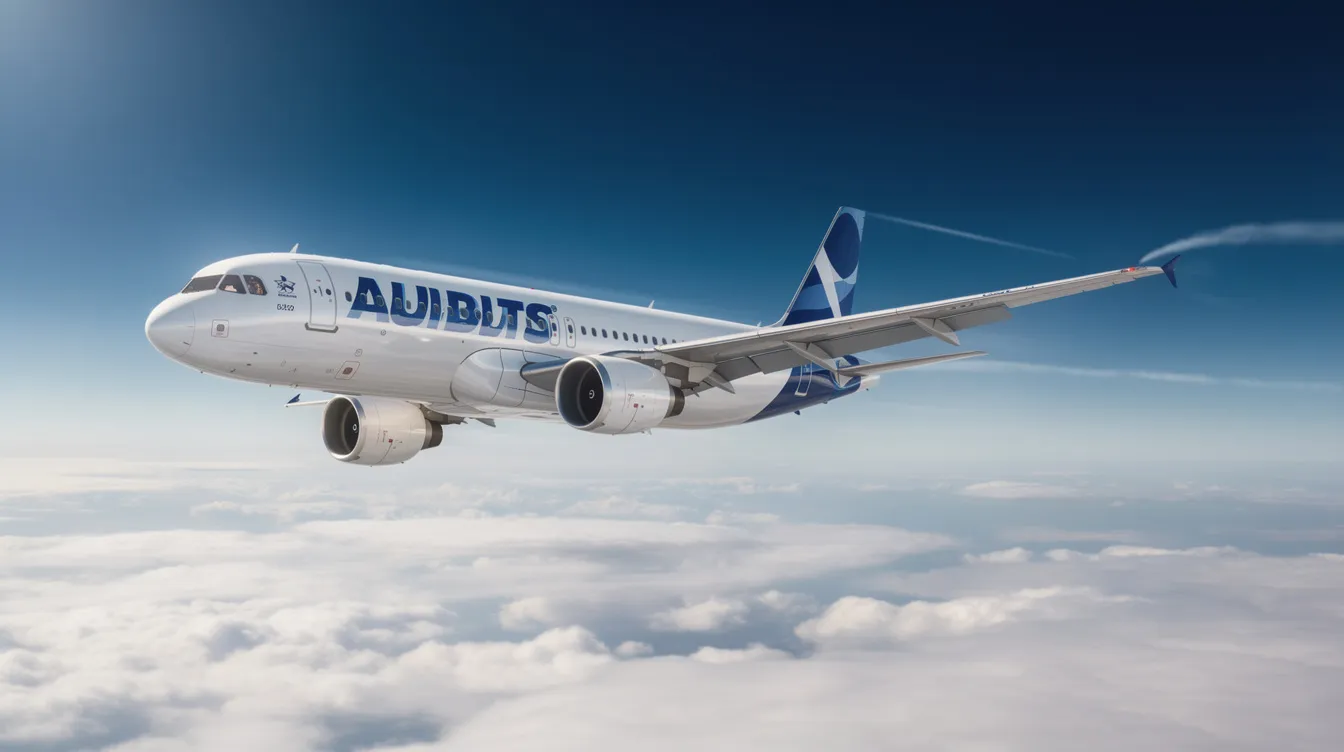
The Airbus A320 typically cruises at Mach 0.78 to 0.80, translating to about 450-470 knots true airspeed. Understanding its cruise speed is essential for flight planning, fuel efficiency, and passenger comfort. Factors like aircraft weight, altitude, and atmospheric conditions influence these speeds, making them crucial for both airlines and travelers.
Jay Franco Serevilla
Jul 19, 2026
|
5
min read
View all
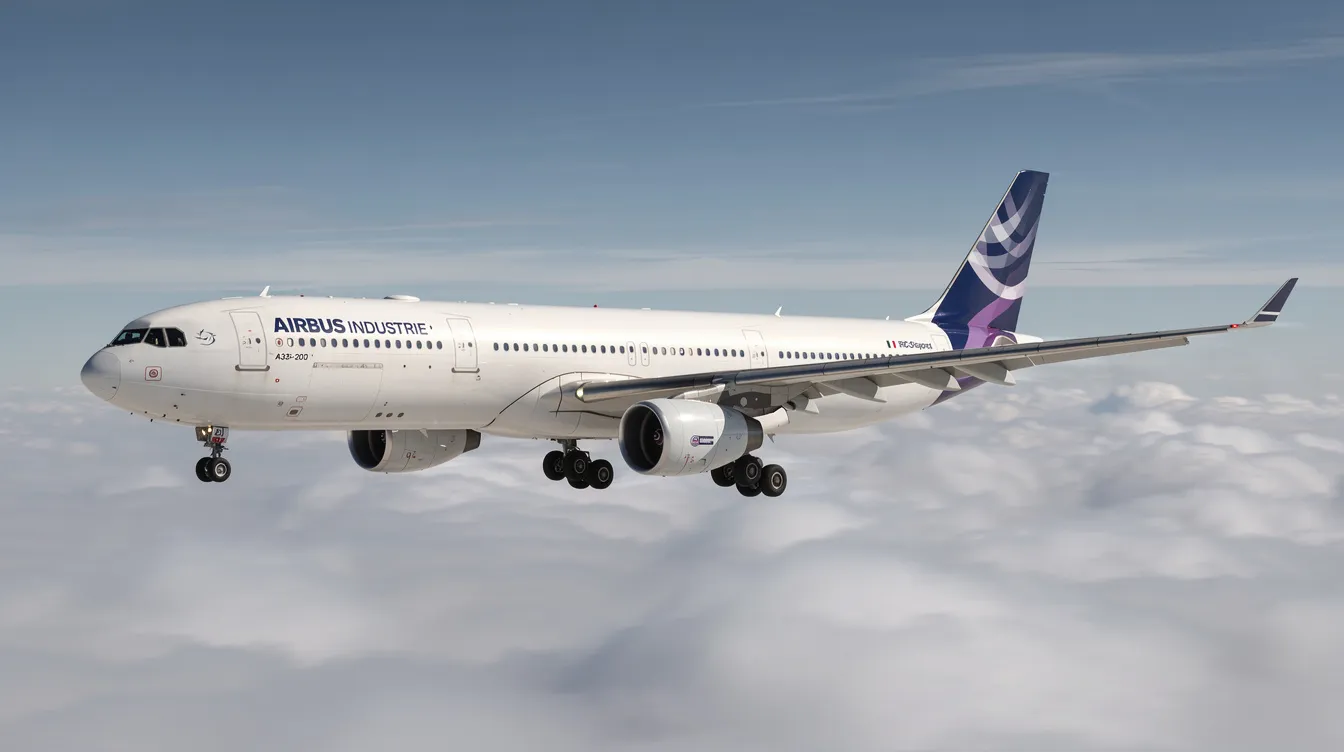
The Airbus A330-200 is a versatile wide-body aircraft known for its long-range capabilities and fuel efficiency, making it ideal for both commercial and private charter use. With a range of approximately 13,400 km and seating for up to 250 passengers, it balances comfort and capacity effectively. This guide explores its specifications, variants, and how platforms like Jettly facilitate access to A330-200 for private travel.
Jay Franco Serevilla
Jul 19, 2026
|
5
min read
Explore our latest articles and updates.

5
min read
Private Jet Terminal: How FBOs Transform the Private Aviation Experience
Private jet terminals, or Fixed Base Operators (FBOs), enhance the private aviation experience by providing exclusive, efficient services that allow travelers to bypass the long waits and crowded spaces of commercial airports. Operated by companies like Jet Aviation and Signature Aviation, these terminals enable passengers to arrive just 15 to 30 minutes before departure, offering seamless transitions from vehicle to aircraft. Jettly utilizes a global network of over 5,000 FBOs to streamline the entire journey, including check-in, security, and customs clearance, while ensuring personalized service tailored to individual needs. Key factors for selecting an FBO include location, runway length, operating hours, and available ground services, all of which contribute to a more efficient and luxurious travel experience.
Read More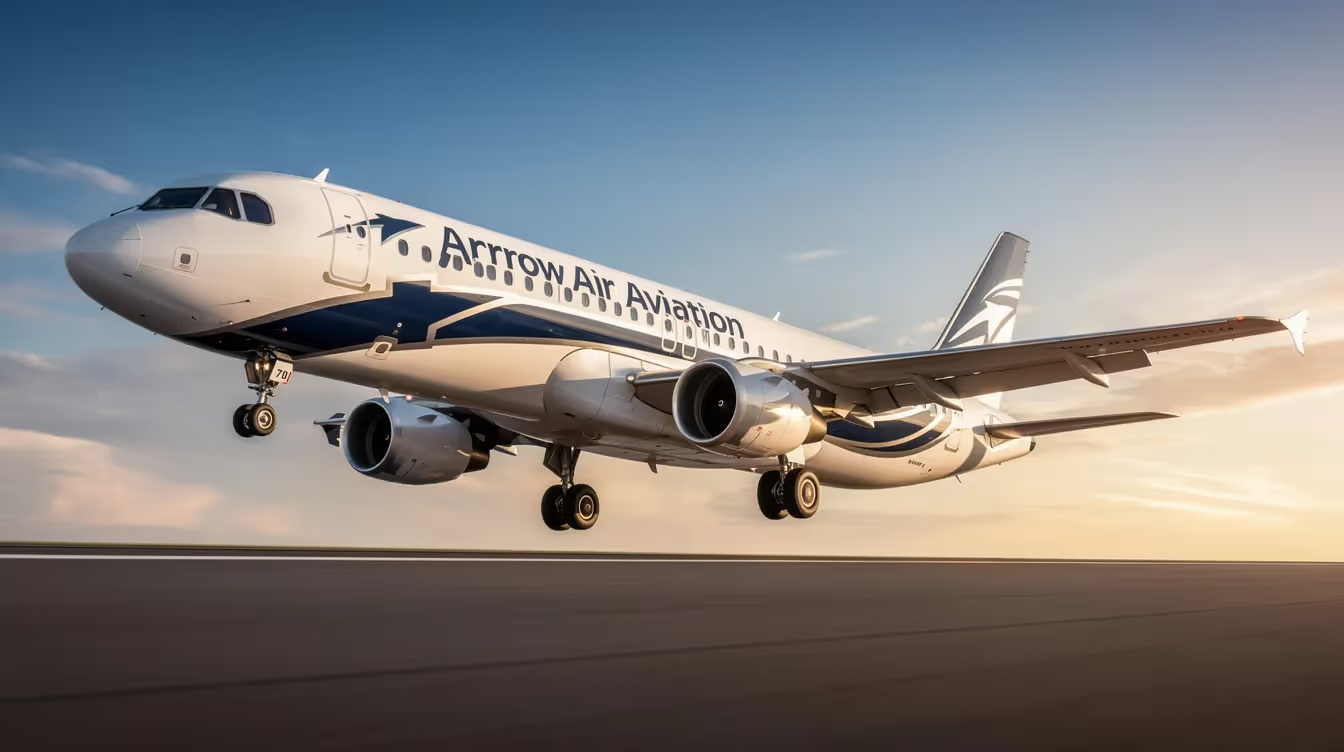
5
min read
Arrow Air: History, Flight 1285, and Its Legacy in Aviation Safety
Arrow Air Flight 1285 crashed on December 12, 1985, shortly after takeoff from Gander, Newfoundland, resulting in the deaths of all 256 people on board, making it Canada's deadliest aviation disaster. The investigation revealed that ice contamination on the wings and an underestimation of the aircraft's weight contributed to the crash, leading to significant changes in aviation safety protocols in Canada. The controversy surrounding the investigation, including a dissenting minority report that proposed alternative theories, ultimately led to the dissolution of the Canadian Aviation Safety Board and the establishment of the Transportation Safety Board of Canada. Today, lessons from this tragedy continue to shape modern aviation practices, emphasizing rigorous safety standards, data-driven flight planning, and transparency in operations, as exemplified by platforms like Jettly.
Read MoreJoin our community and receive the latest blog updates directly in your inbox.
MEMBERSHIPS AND ASSOCIATIONS



Disclaimer: Jettly operates as a charter broker, offering access to a global digital jet charter marketplace. Jettly is not a direct air carrier and does not own or operate aircraft. All advertised flights are conducted by third-party air carriers that are fully licensed and hold the appropriate Part 135 or Part 121 certifications issued by the Federal Aviation Administration (FAA) or equivalent regulatory authorities under U.S. or foreign law. Jettly complies fully with the U.S. Department of Transportation's Part 295 and Part 298 Charter Broker regulations. Jettly does not carry additional liability insurance. Passengers are covered by aircraft operator insurance. TICO: 50023770


